
Casa G Firenze, a MICHELIN Selected property at Via dei Rondinelli 7, occupies one of central Florence's most walkable addresses, steps from Santa Maria Novella. The hotel sits in the smaller, design-conscious tier of Florentine accommodation, offering a counterpoint to the city's grander palazzo hotels. For travellers who prioritise location and atmosphere over large-footprint luxury, it presents a considered alternative.
Pearl is the En Primeur Club membership app — saves, bookings, and concierge access live there. Same editors, same standards.
- Address
- Via dei Rondinelli, 7, 50123 Firenze FI, Italy
- Phone
- +39 055 802 8859
- Website
- casagfirenze.it
- Directions
- Get directions
 Saves & bookings on Pearl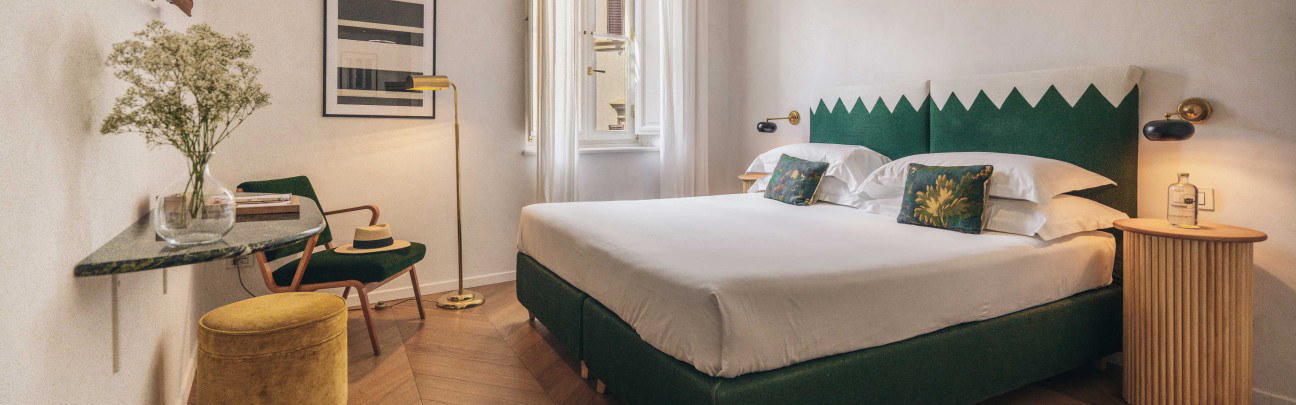
A Different Register of Florence
Florence has two distinct modes of luxury accommodation. The first is the grand-palazzo model: vast frescoed ceilings, internal gardens, and staff-to-guest ratios that feel closer to a private residence than a hotel. The Four Seasons Hotel Firenze anchors that tier, with its 15th-century convent garden and art-collection interiors. The second mode is quieter and harder to categorise: smaller properties on historic streets where the building itself does most of the atmospheric work, and where the experience is shaped less by hotel programming than by what lies immediately outside the door.
Casa G Firenze is a hotel on Via dei Rondinelli in Florence, with. At Via dei Rondinelli 7, in the corridor between Santa Maria Novella and the Arno, the address places guests within walking distance of Florentine civic life rather than at a remove from it. The street sits in a neighbourhood where Renaissance palazzi abut independent wine bars, and where the sound in the morning is more likely to be the fruit market at San Lorenzo than hotel breakfast service. That proximity to the city's daily rhythms is a meaningful part of what this kind of property offers, and it distinguishes it from larger properties that create an enclosed world rather than a porous one.
Casa G Firenze is included in MICHELIN's 2025 hotel selection.
The Sensory Character of a Florentine Interior
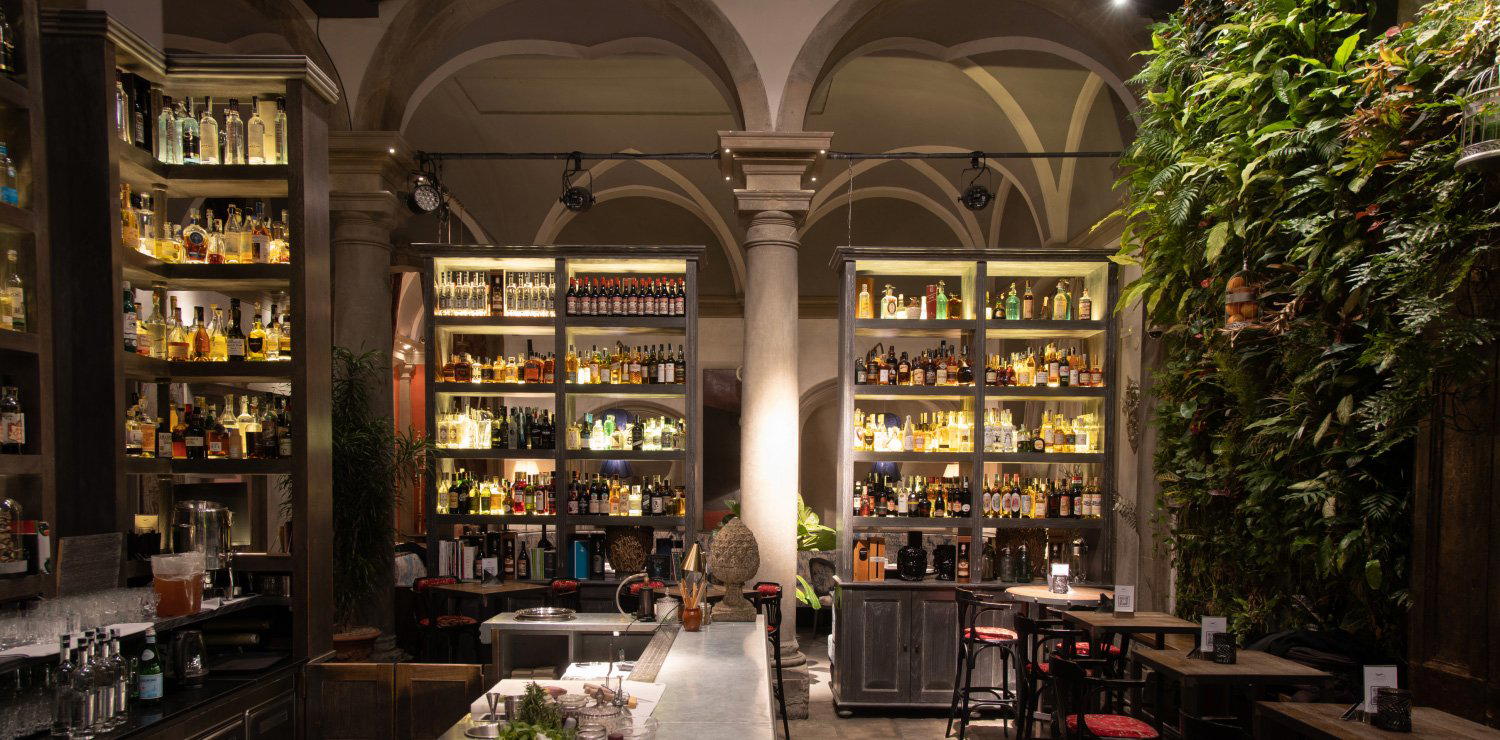
The atmospheric logic of smaller Florentine hotels is rooted in the city's architectural vernacular. Interiors tend toward pietra serena stonework, terracotta floors, and the particular quality of northern Italian light that arrives grey and diffuse through deep-set windows in winter, and sharp and warm through shuttered openings in summer. These are not decorative choices by individual designers; they are building materials and techniques that have defined Florentine domestic space for five centuries, and properties that work with rather than against this grammar tend to read as more coherent than those that overlay international design onto historic shells.
What that means practically: the texture of a Florentine morning at a property on a pedestrian street in this part of the city is governed by sound as much as sight. Church bells carry differently here than they do near the river. The smell of espresso from the nearest bar reaches the street before 8am. These are not manufactured atmospheric effects; they are the incidental conditions of staying in a working city rather than a resort version of one. For travellers who have spent time in Florence before, this distinction tends to matter more than it does on a first visit.
Comparable properties in Florence include Hotel Calimala and Hotel Lungarno, the latter with its Arno-facing rooms and Ferragamo family provenance. Palazzo Portinari Salviati Residenza D'Epoca operates at the more monumental end of this category, with its Benozzo Gozzoli frescoes and a deeper sense of palazzo architecture. Ad Astra represents another point on the spectrum, smaller and more tightly edited.
Location as Infrastructure
Via dei Rondinelli runs parallel to Via Tornabuoni, Florence's primary luxury retail artery, and connects the Piazza Antinori area to the blocks approaching the station. It is a useful street in the Florentine sense: close enough to the Duomo to walk, far enough from Piazza della Repubblica to avoid the worst of the tourist density. The Uffizi is approximately twenty minutes on foot, and the Accademia is similar. Oltrarno is reachable without a taxi.
For travellers arriving by train, Santa Maria Novella station is a ten-minute walk, which matters for those combining Florence with rail connections to Rome, Venice, or Milan. Properties further out toward the hills, such as Villa La Massa or Villa Cora, offer more contained grounds and garden space, but with the city at a remove.
That said, central Florence in high season carries its own costs: pedestrian congestion around the major monuments between 10am and 5pm, and a sound environment in the immediate centre that can run late into summer evenings. The neighbourhood around Via dei Rondinelli is quieter than the blocks immediately around the Duomo, but it is urban accommodation in the full sense of that term.
Planning a Stay
Visiting outside high season shifts the atmospheric register considerably: museums are accessible without pre-booked time windows, the light in November is low and specific, and the city's working life is more visible. For first-time visitors, the spring months offer the clearest version of Florence; for those returning, autumn and winter reveal something closer to the city as a functional place rather than a spectacle.
Travellers extending beyond Florence might consider Rosewood Castiglion Del Bosco in Montalcino for a Brunello-country counterpoint, or Castello di Reschio in Lisciano Niccone for a more agricultural Umbrian experience. Those moving through northern Italy might look at Aman Venice or Casa Maria Luigia in Modena as next stops. Further afield, Borgo Santandrea on the Amalfi Coast, Il San Pietro di Positano, and JK Place Capri represent the southern Italian end of this design-attentive property category. For those whose itineraries extend to other European cities, Bulgari Hotel Roma, Passalacqua in Moltrasio, Portrait Milano, Hôtel de Paris Monte-Carlo, and Badrutt's Palace Hotel in St. Moritz cover the broader comparable set.
Cost Snapshot
Comparable venues nearby, for context on price, style, and recognition.
| Venue | Price | Notes |
|---|---|---|
| Casa G FirenzeThis venue — the venue you are viewing | $$$ | Not listed |
| Ruby Bea Hotel | $$$ | San Lorenzo, Lean luxury blending historic elegance with modern comfort in a 19th-century building. |
| Hotel Palazzo Guadagni | $$$ | Santo Spirito, Historic Renaissance palazzo converted into a luxury boutique hotel preserving original architectural details and aristocratic character. |
| Villa Bardini | $$$$ | San Niccolo, Historic 17th-century villa with monumental gardens on a hillside overlooking Florence. |
| Oltrarno Splendid | $$$ | Santo Spirito, 18th-century palazzo with 19th-century refurbishments |
| SoprArno Suites | $$$ | Santo Spirito, Restored 16th-century palazzo offering a residential-style boutique guesthouse experience. |
Recognition history
Dated appearances from independent guides and award organizations, with the underlying list record or original source where available.
Mr & Mrs Smith Smith Seal of Approval
Mr & Mrs Smith
Michelin Selected
Michelin
Continue exploring
More in Florence
Hotels in Florence
Browse all →
Bars in Florence
Browse all →
Restaurants in Florence
Browse all →
At a Glance
- Elegant
- Intimate
- Cozy
- Sophisticated
- Classic
- Romantic Getaway
- Anniversary
- Weekend Escape
- Historic Building
- Terrace
- Wi Fi
- Air Conditioning
- Concierge
- Luggage Storage
- Wi Fi
- Air Conditioning
- Concierge
- Luggage Storage
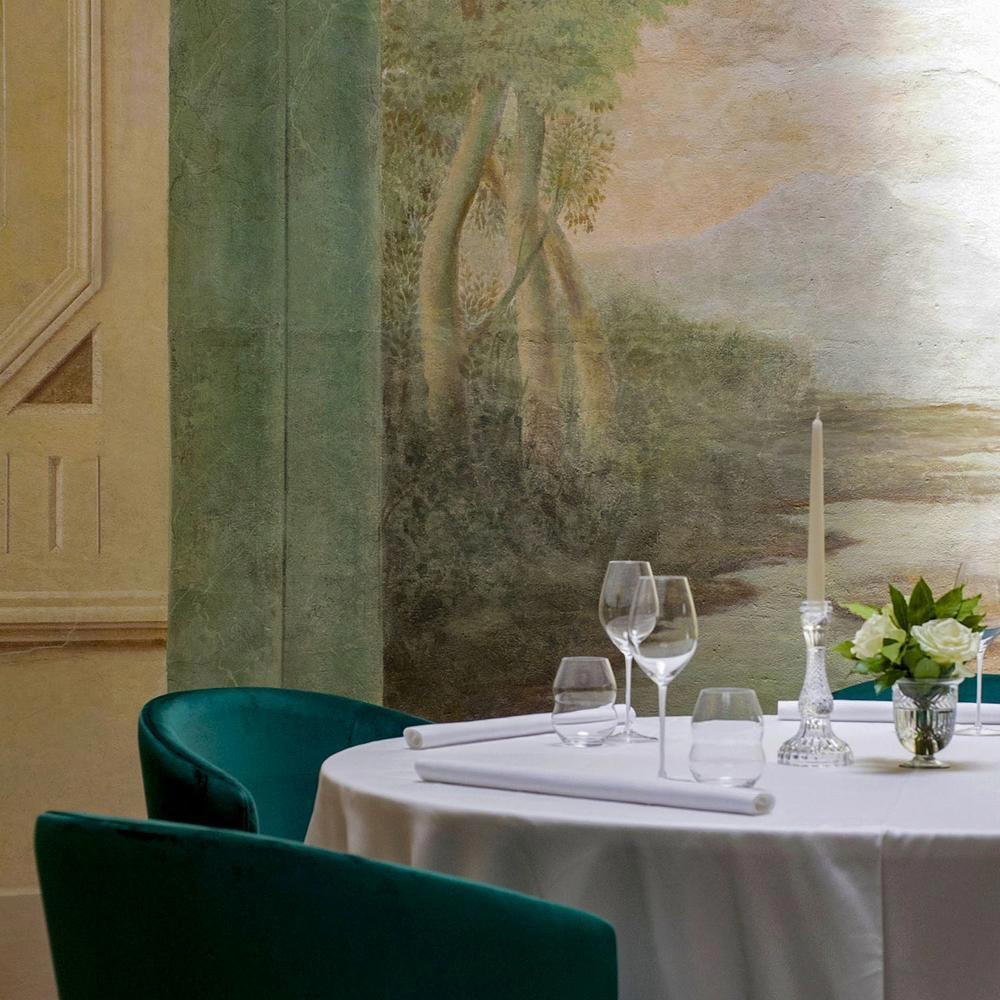
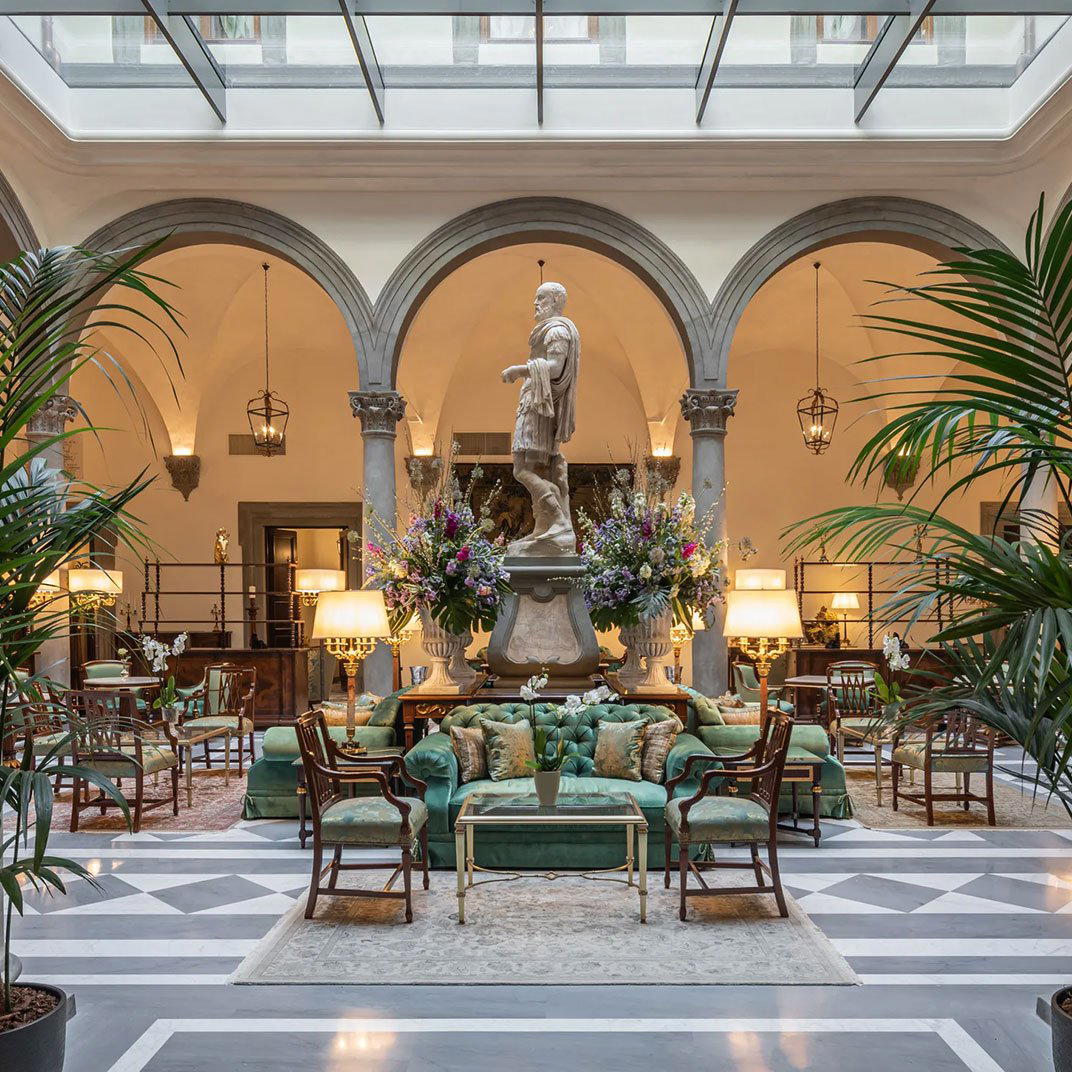
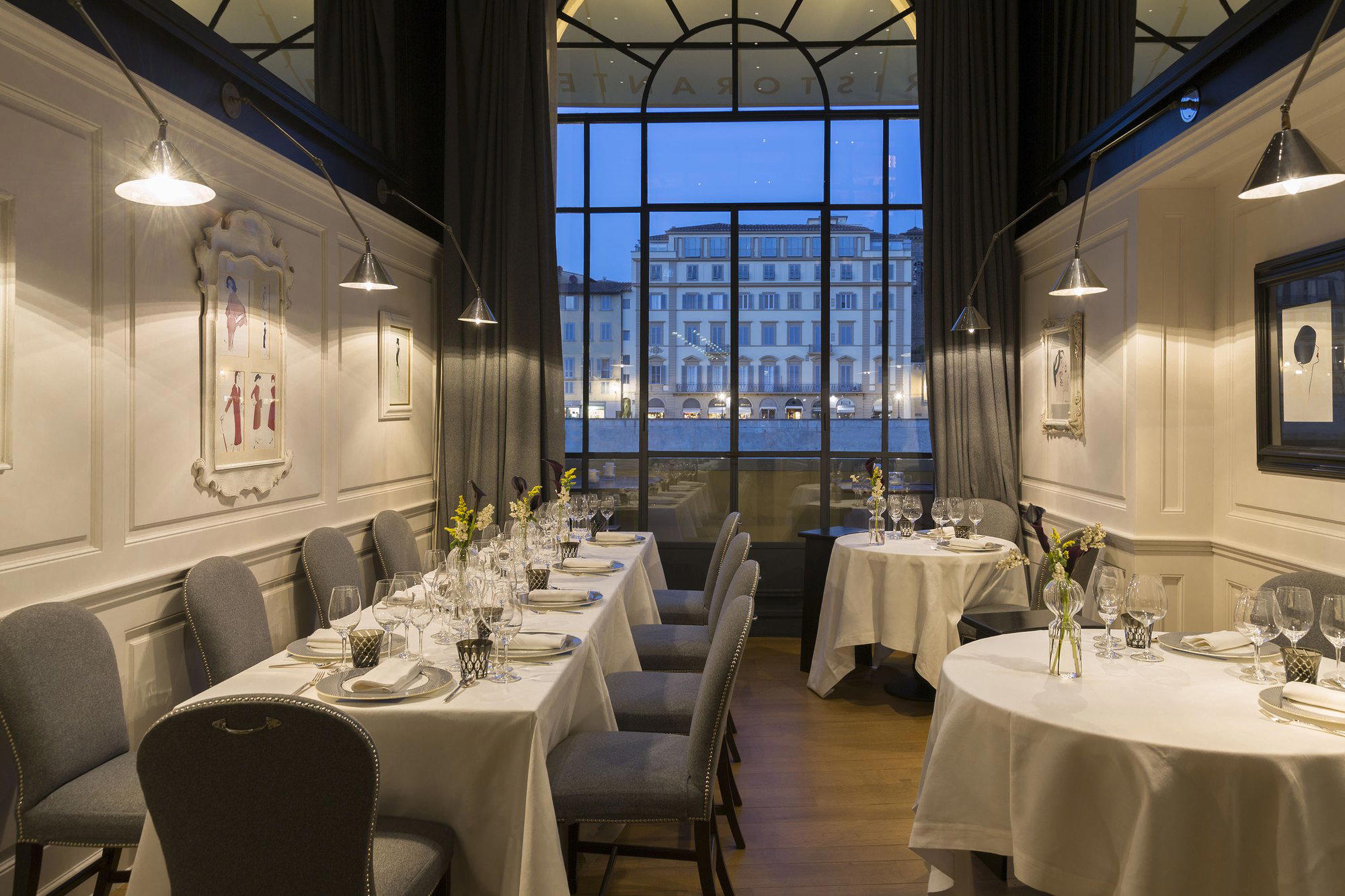
Suffused lights, pale colors, vintage furniture, and stucco ceilings create a tranquil, elegant, and homey atmosphere.