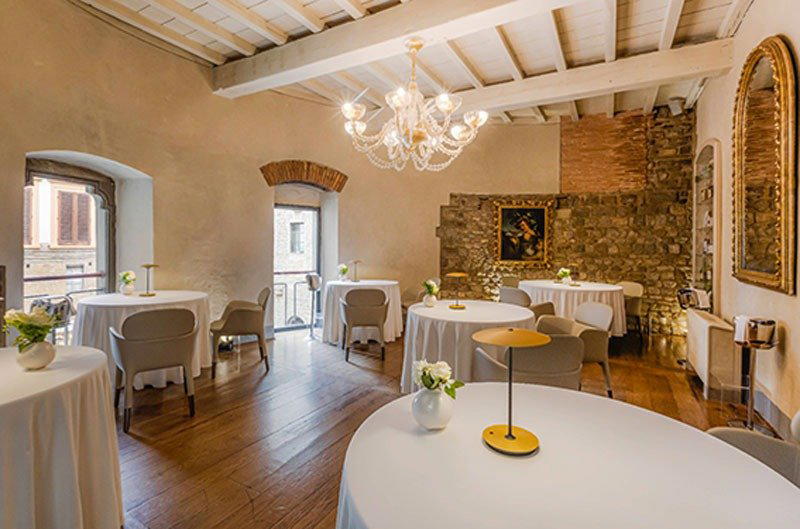
Hotel Palazzo Guadagni occupies a Renaissance palazzo on Piazza Santo Spirito, one of the Oltrarno's most characterful squares. The address places guests in the artisan and trattoria quarter that Florentines actually use, away from the tourist corridor north of the Arno. For travellers who want proximity to the city's daily rhythms rather than its monument-facing hotels, the location is its primary argument.
Pearl is the En Primeur Club membership app — saves, bookings, and concierge access live there. Same editors, same standards.
- Address
- Piazza Santo Spirito, 9, 50125 Firenze FI, Italy
- Phone
- +39 055 265 8376
- Website
- palazzoguadagni.com
- Directions
- Get directions
 Saves & bookings on Pearl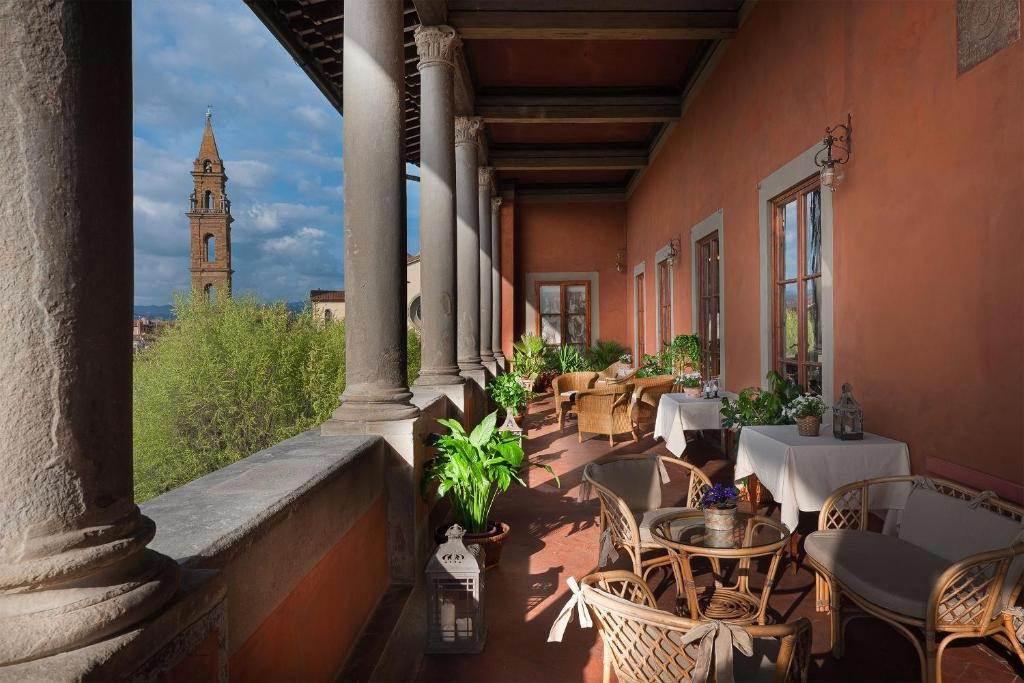
Oltrarno and the Case for Staying South of the Arno
Florence's accommodation map divides cleanly along the Arno. North of the river, the major international flags cluster around the Duomo, Via Tornabuoni, and the Piazza della Repubblica corridor, properties like the Four Seasons Hotel Firenze, which occupies a private garden estate near San Marco, or the Palazzo Portinari Salviati Residenza D'Epoca, whose frescoed interior makes it a draw in its own right. South of the river, the Oltrarno has historically attracted a different kind of stay: smaller palazzo conversions, independent guesthouses, and the kind of address where the square outside is where the neighbourhood eats rather than where tour groups photograph.
Hotel Palazzo Guadagni is a hotel in Florence, Italy, at Piazza Santo Spirito, 9, with rooms from about $325 a night. It sits at Piazza Santo Spirito, 9, directly on the square that functions as the Oltrarno's social centre. The piazza operates as a local gathering point in a way that the more photographed squares north of the river generally do not. By early evening, the perimeter fills with aperitivo drinkers at the surrounding bars and restaurants, and the church of Santo Spirito, Brunelleschi's austere barrel-vaulted basilica, provides the backdrop without functioning as a tourist magnet. For visitors who have already worked through the Uffizi and the Accademia on previous trips, this neighbourhood provides a different register entirely.
The Palazzo Setting: Architecture Without Annotation
The building itself is a sixteenth-century palazzo with the kind of structural history that Florence accumulates without remark. The loggia on the upper floor, which provides an open terrace overlooking the piazza, is the architectural feature most frequently referenced by guests. In a city where rooftop terraces have become a standard hotel amenity, often artificially constructed and loudly marketed, a period loggia facing a genuinely animated square at this scale is less common than the category implies.
The approach to the building from the piazza is direct: a ground-floor entrance that opens into the palazzo's interior without the lobby theatrics that larger properties deploy. Florence's palazzo hotel format, when handled at smaller scale, tends toward this kind of restraint, rooms fitted into historic proportions, corridor widths that reflect construction logic rather than hospitality planning, and the particular acoustic quality of thick stone walls. The Hotel Lungarno on the opposite bank occupies a different formal register, as does the Brunelleschi Hotel near the Duomo, which wraps around a Byzantine tower. Palazzo Guadagni's proposition is quieter and more neighbourhood-embedded.
Food and Drink in the Oltrarno Context
Editorial angle that matters here is not what the hotel serves internally, but what the address unlocks externally. Santo Spirito and the surrounding Oltrarno streets represent one of the denser concentrations of independent trattorias, wine bars, and market-adjacent eating in the city. The Mercato di Sant'Ambrogio is the more locals-oriented counterpart to the covered San Lorenzo market; the Piazza Santo Spirito hosts a weekly organic market on Sundays. The neighbourhood's food culture runs toward the functional: lampredotto vendors, tripe carts, and wine bars where the list reads as a short regional document rather than a globally sourced catalogue.
For hotel dining programmes, Florence's premium tier has increasingly moved toward signature restaurant formats with named chefs and structured tasting menus. The Four Seasons operates Michelin-recognised Atrio; properties competing at the upper bracket have committed to kitchen investment as part of their positioning. Palazzo Guadagni operates at a different scale and makes no claim to that tier. What the location provides instead is walk-to access to the Oltrarno's working restaurant circuit, an argument that carries weight for guests whose primary interest is eating in Florence rather than eating at a hotel.
The broader context for Italian hotel dining is worth noting. Properties across the country have moved in distinct directions: resort formats like Borgo Egnazia in Savelletri di Fasano and Rosewood Castiglion Del Bosco in Montalcino have made in-house dining central to their offer, in part because their locations require it. Urban palazzo properties in dense historic centres face a different calculus: the city's restaurant scene is directly outside, and competing with it means either investing at Michelin scale or acknowledging that the neighbourhood itself is the food programme. Palazzo Guadagni, by its Piazza Santo Spirito address alone, leans into the latter.
Florence's Oltrarno Against the Wider Italian Stay
Travellers assembling a longer Italian itinerary frequently position Florence as a two- or three-night urban stop between rural Tuscany and another city. The Oltrarno address makes arrival and departure by taxi or car direct via the Ponte Vecchio and Ponte Santa Trinita crossings. For those moving between Florence and Venice, Aman Venice represents the upper-bracket palazzo comparison at the northern end of that route. Those building southward through the peninsula might continue toward Borgo Santandrea on the Amalfi Coast or Il San Pietro di Positano, where the room-to-sea relationship defines the stay in the way that the room-to-city relationship does in Florence.
For Tuscany-specific extensions, Villa La Massa sits along the Arno corridor east of the city, offering a quieter rural counterpoint after time in the centre. Villa Cora, on the hill behind the Boboli Gardens, occupies the historic-villa category and is close enough to Palazzo Guadagni to function as an Oltrarno-adjacent comparison. Further afield in Umbria, Castello di Reschio in Lisciano Niccone represents the restored-estate format that suits a slower, less city-focused phase of the same trip.
Our full Florence hotels and restaurants guide covers the broader city picture, including how the main accommodation clusters compare by neighbourhood character. Those looking at the Oltrarno tier against the alternative of smaller design-forward city hotels might also consider Hotel Calimala and Ad Astra, both of which occupy the contemporary-independent bracket that sits between the major international properties and the historic palazzo conversions.
Planning Your Stay
Palazzo Guadagni's position on Piazza Santo Spirito places it roughly a ten-minute walk from the Ponte Vecchio and the Uffizi, and immediately adjacent to the Oltrarno's bar and restaurant circuit. The piazza itself is active from mid-morning through late evening, which means rooms facing the square carry ambient noise in proportion to that activity. Guests who prefer quiet should factor that into room selection at booking. Florence's peak arrival months run from April through October, with August carrying high occupancy across the city despite the heat; spring and autumn are the more comfortable periods for extended walking in the Oltrarno. Booking direct through the property's own channels, or through a travel specialist, typically provides one current availability picture, as third-party platforms occasionally reflect outdated inventory.
Booking and Cost Snapshot
Comparable venues nearby, for context on price, style, and recognition.
| Venue | Price | Awards | Notes |
|---|---|---|---|
| Hotel Palazzo GuadagniThis venue — the venue you are viewing | $$$ | Not listed | Not listed |
| Oltrarno Splendid | $$$ | Not listed | Santo Spirito, 18th-century palazzo with 19th-century refurbishments |
| Casa Howard Firenze - Residenza d'Epoca | $$$$ | Not listed | San Frediano, Renaissance palazzo restored as an exclusive boutique residenza d'epoca with familial intimacy. |
| Casa G Firenze | $$$ | Not listed | Santo Spirito, Restored historic palazzo offering home-away-from-home intimacy with smart hospitality. |
| Ottantotto Firenze | $$$ | 2-Star | Santo Spirito, Restored historic palazzo with eclectic, home-like boutique design. |
| NUMEROVENTI | $$$$ | Not listed | San Niccolo, Artist and design residence in historic palazzo |
Continue exploring
More in Florence
Hotels in Florence
Browse all →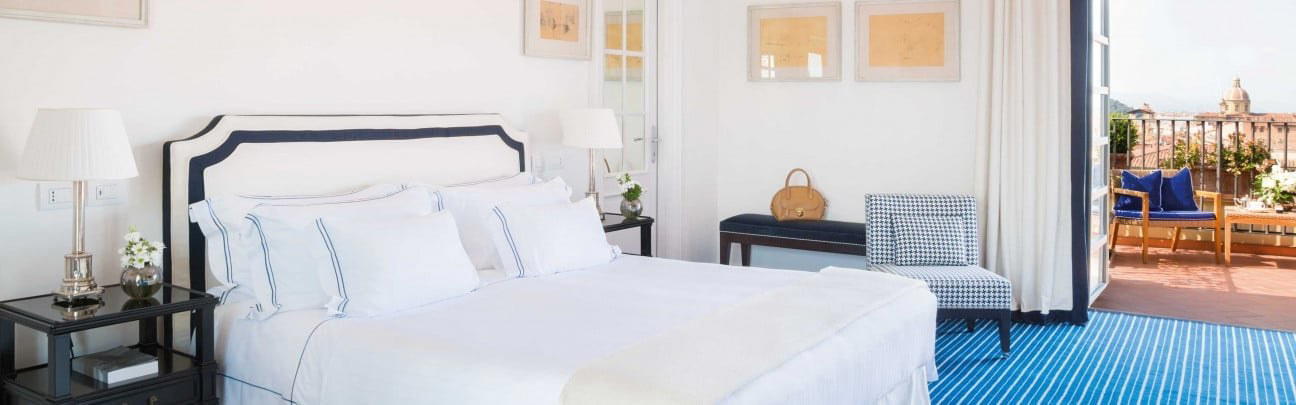
Bars in Florence
Browse all →
Restaurants in Florence
Browse all →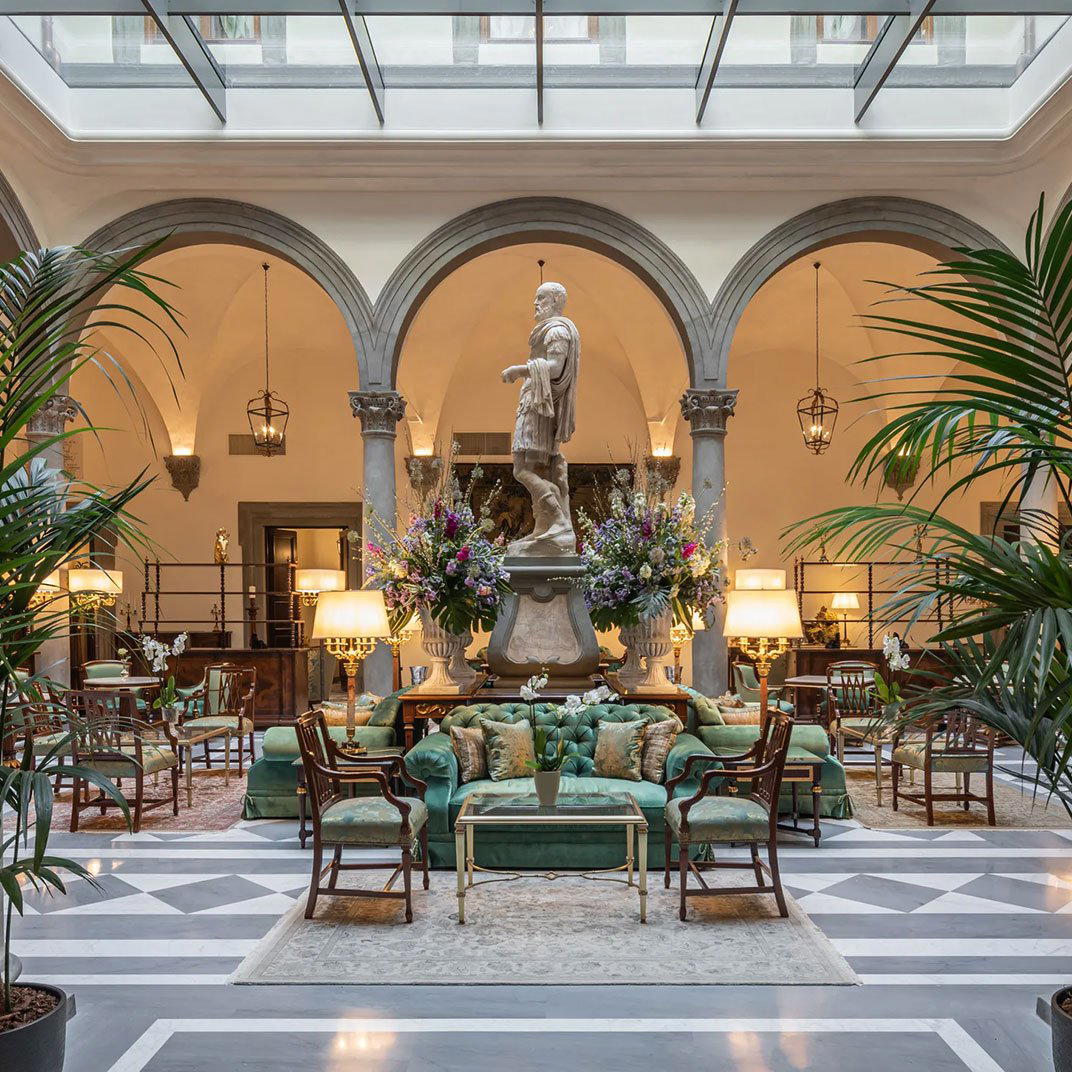
At a Glance
- Romantic
- Classic
- Elegant
- Well Known
- Scenic
- Romantic Getaway
- Anniversary
- Weekend Escape
- Honeymoon
- Historic Building
- Terrace
- Panoramic View
- Garden
- Wi Fi
- Bar
- Concierge
- Luggage Storage
- Skyline
- Street Scene
- Wi Fi
- Bar
- Concierge
- Luggage Storage
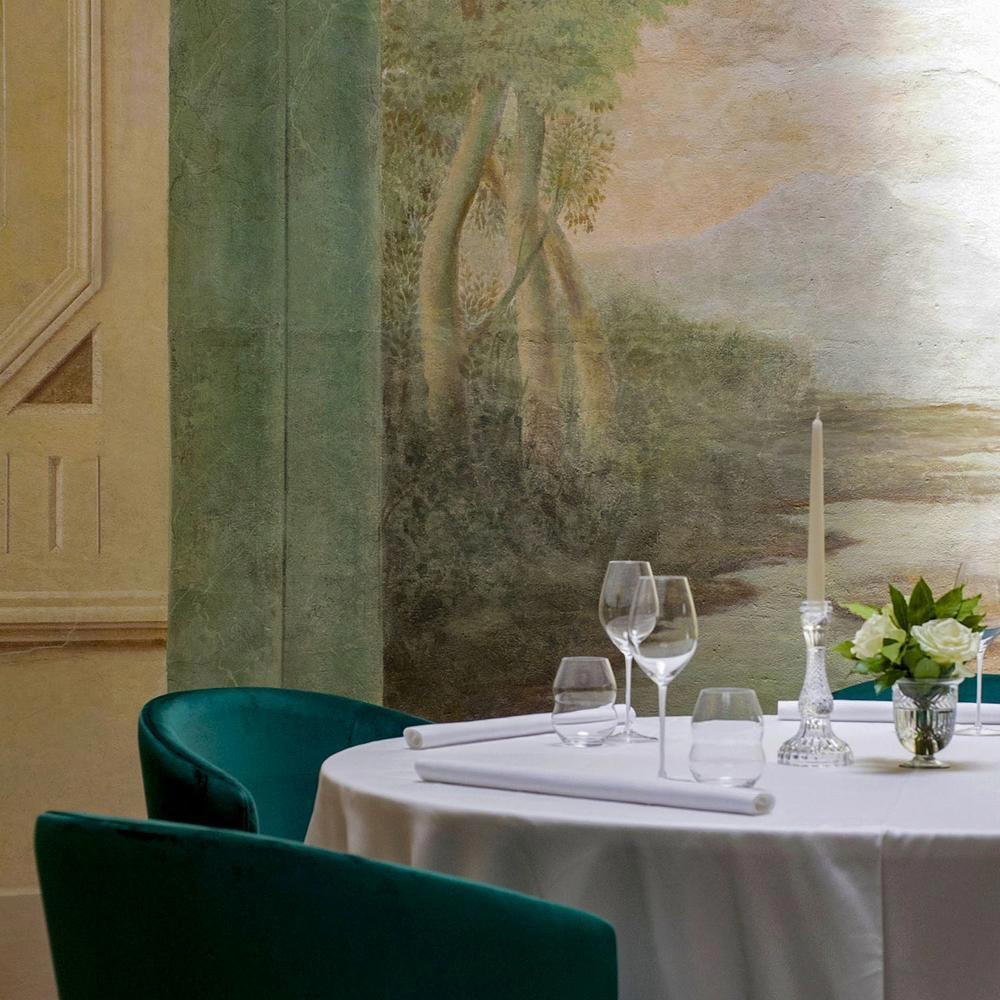
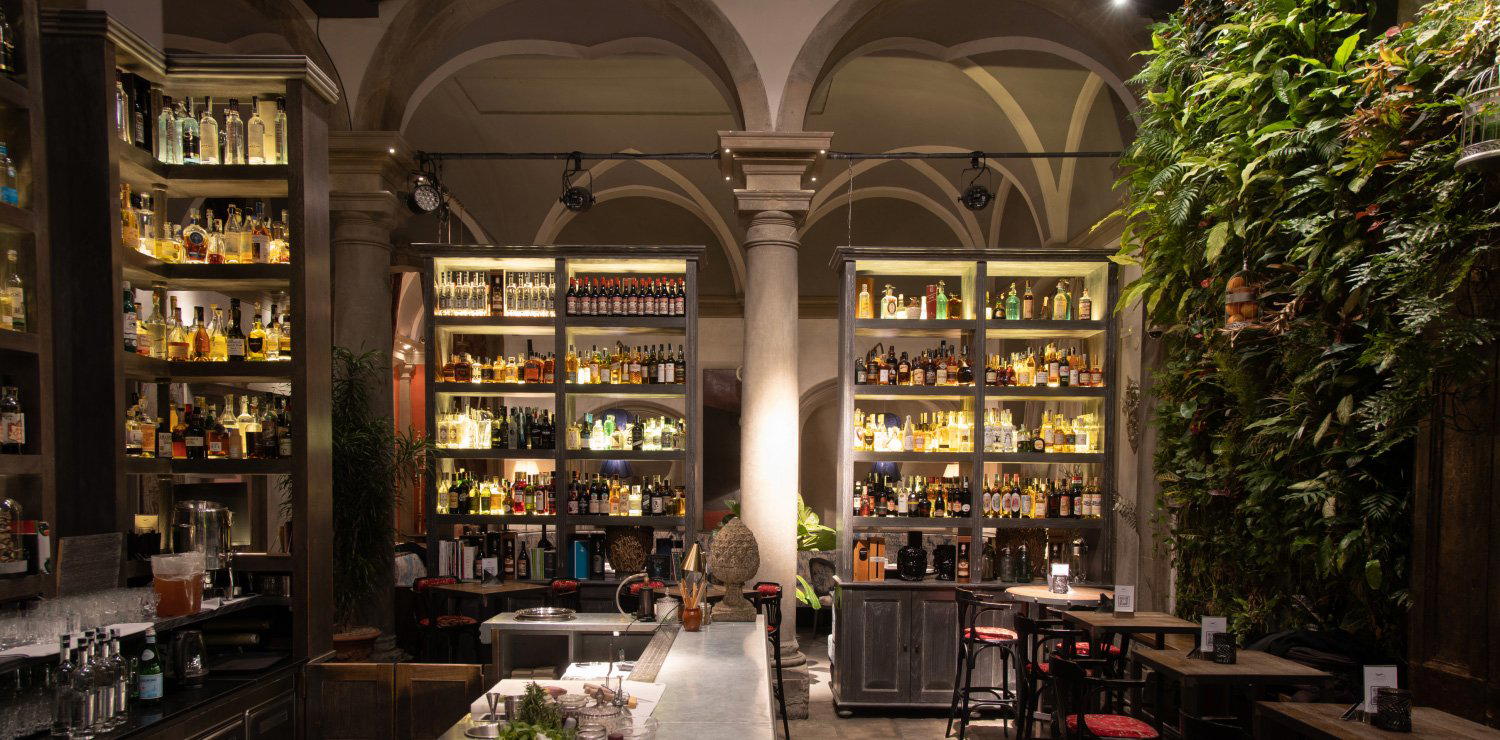
Timeless elegance with frescoed ceilings, antique furnishings, and warm lighting evoking a private Florentine residence; the rooftop terrace offers serene views of the city.