
Yamasato no Soba Marutomi gives Komagane’s mountain-country soba culture a serious address, with repeated selection in Tabelog’s Soba EAST 100 list in 2022, 2024, and 2025. The appeal is not luxury theater but ingredient focus: buckwheat noodles, a house-restaurant setting, and a regional format that makes sense in Nagano, where soba is tied to elevation, water, and rural craft.
Pearl is the En Primeur Club membership app — saves, bookings, and concierge access live there. Same editors, same standards.
- Address
- Japan, 〒399-4117 Nagano, Komagane, Akaho, 中割23-180
- Phone
- +81 265-83-3809
- Website
- tabelog.com
 Saves & bookings on Pearl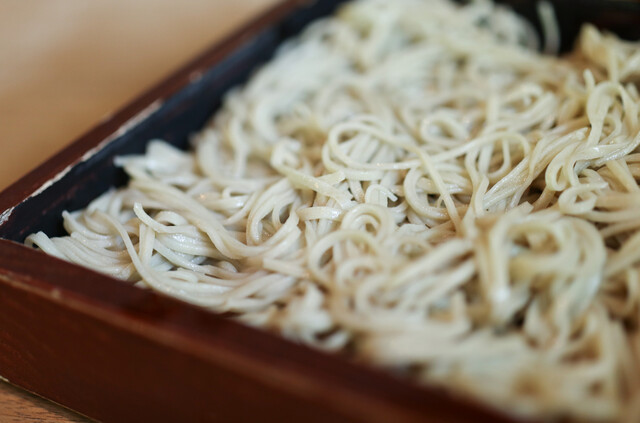
Approaching a soba house in Komagane changes the rhythm of lunch before the first tray arrives. This is Nagano’s mountain belt, not a station-front dining district, and the pleasure of the category sits in that shift: fewer distractions, more attention on buckwheat, water, and the discipline of a short daytime meal. Yamasato no Soba Marutomi belongs to that tradition, a house-style restaurant in Akaho where soba is treated less as a quick noodle stop than as a regional craft with a clear sense of place.
Nagano’s claim on soba is not decorative. The prefecture’s climate, altitude, and long rural foodways have made buckwheat a defining grain, and Komagane adds its own mountain-town context between the Central and Southern Alps. In cities, soba often becomes a convenient pause between appointments. Here, the meal reads differently: travel, landscape, and grain culture are part of the same equation. That is the lens through which this address makes sense.
Komagane soba with the ingredient doing the talking
The strongest soba restaurants in Japan tend to reveal their seriousness through restraint. They do not need a long menu narrative when the central proposition is clear: buckwheat noodles, dipping sauce, seasonal sides when offered, and enough precision to let texture carry the meal. The category rewards small differences, from noodle cut and firmness to how the dipping broth frames the grain rather than burying it.
Yamasato no Soba Marutomi has been selected for Tabelog’s Soba EAST 100 in 2022, 2024, and 2025, with a listed score of 3.77. For a rural soba specialist, that matters. The Soba EAST list places it inside a competitive field that reaches beyond local regulars and into a broader eastern-Japan soba conversation. The signal is not that the restaurant is trying to imitate metropolitan tasting-menu culture; it is that the narrow craft of soba can earn national attention without abandoning its regional shape.
The sourcing angle is the point. Soba is unusually exposed as a dish: flour quality, milling, hydration, and water show quickly because there is little for the kitchen to hide behind. Nagano’s advantage has always been this agricultural logic. Buckwheat thrives where rice is less dominant, and the local appetite for soba grew from necessity into craft. In Komagane, that history gives the meal a stronger anchor than it would have in a generic urban noodle shop.
Compared with the out-of-metro dining set around Nagano, the contrast is sharp. Chinese Sai Muen plays in a Chinese, Sichuan, dim sum and yum cha register at a higher spend; GUUUT sits in a dinner-led bracket; Yukimoto and Nihonryori Yukimoto speak to Japanese kaiseki and formal Japanese cooking; Yakiniku Tokuyama is built around grilled meat. Soba occupies a different lane: lower ceremony, narrower focus, and more dependence on the quality of a single staple. That narrowness is the attraction.
A house-restaurant mood rather than destination-dining theater
The room type matters because soba is a format that can suffer when it is overdesigned. A house restaurant with spacious seating gives the meal the scale it needs: composed, local, and practical. The atmosphere is better understood as regional hospitality than performance. There is no need to force a luxury vocabulary onto a place whose credibility comes from consistency, specialist recognition, and its fit within Komagane’s mountain-town food culture.
That makes the restaurant especially useful for travelers building a food day around the area rather than treating lunch as an isolated trophy. Komagane is often approached for alpine access, ropeway routes, hot springs, and road-trip itineraries through southern Nagano. A serious soba lunch fits that geography. It gives the day a local center without demanding the time commitment or cost structure of a long kaiseki meal.
The practical character is also part of the editorial case. This is a daytime soba address, non-smoking, with parking available and payment handled in the cash-first manner still common at many rural Japanese specialists. Reservations are unavailable, which shifts the decision from concierge planning to timing and patience. That is not a flaw in the category; it is how many regional noodle houses preserve their pace.
How to place it in a Komagane itinerary
For readers mapping Komagane beyond one lunch, start with Our full Komagane restaurants guide, then widen the trip through Our full Komagane hotels guide, Our full Komagane bars guide, Our full Komagane wineries guide, and Our full Komagane experiences guide. The better plan is not to overfill the day. Let soba sit alongside mountain routes and local stops rather than forcing it into a city-style restaurant crawl.
Japan’s casual-specialist dining culture also rewards lateral comparison. A soba house in Nagano, a sukiyaki address such as -Grilled beef Sukiyaki- KAMAKURA TANUKIAN 鎌倉 たぬき庵 in Kamakura, charcoal-led seafood at . 鮪と炭火焼き うお炭 秋葉原店 in Tokyo, and compact urban formats like .cafe in Osaka or .know in Kumamoto all show how narrow concepts can carry a meal when the format is disciplined.
For a broader read on Japanese regional eating, compare it with (Shoku) Vietnam in Kawasaki, [Curry Senmon Ten] Maruyama Kyoju. in Sapporo, [ki:] in Kyoto, #肉といえば松田 奈良本店 in Kashihara, 1/3 HAMBURGER FACTORY in Kanazawa, 1000 in Yokohama, and 1000mヒュッテ 1000m Hut in Kutchan. Outside Japan, the same ingredient-led logic appears in more diasporic forms at Jōdo Saké Bar in Los Angeles and Onigiri Time in Pasadena.
The editorial verdict is simple: this is the kind of Komagane meal that justifies slowing down. The value lies in a regional staple handled with enough seriousness to earn repeated specialist recognition, yet kept within the everyday grammar of a soba lunch. For travelers who understand that Japan’s food culture is often strongest at narrow, ingredient-driven addresses, Yamasato no Soba Marutomi is a precise fit.
Comparable Spots, Quickly
Comparable venues by cuisine and price in the same metro.
| Venue | Cuisine | Price | Awards | Notes |
|---|---|---|---|---|
| Yamasato no Soba MarutomiThis venue — the venue you are viewing | Traditional Nagano soba restaurant | $$ | , | |
| Denko Sekka (電光石火) | Hiroshima-style Okonomiyaki | $$ | , | Hiroshima Station area |
| Goya | Okinawan Izakaya | $$ | , | Hirara Nishizato |
| Mentakumi Takamatsu (麺匠 たか松) | Takamatsu Ramen | $$ | , | central Kyoto |
| KOBEキッチン MUGUNI | Modern Omurice with Kobe Beef | $$ | , | Amerikamura |
| Coffee Fujio | Retro Japanese Cafe Sandwiches | $$ | , | Kajiyamachi |
Continue exploring
More in Komagane
Restaurants in Komagane
Browse all →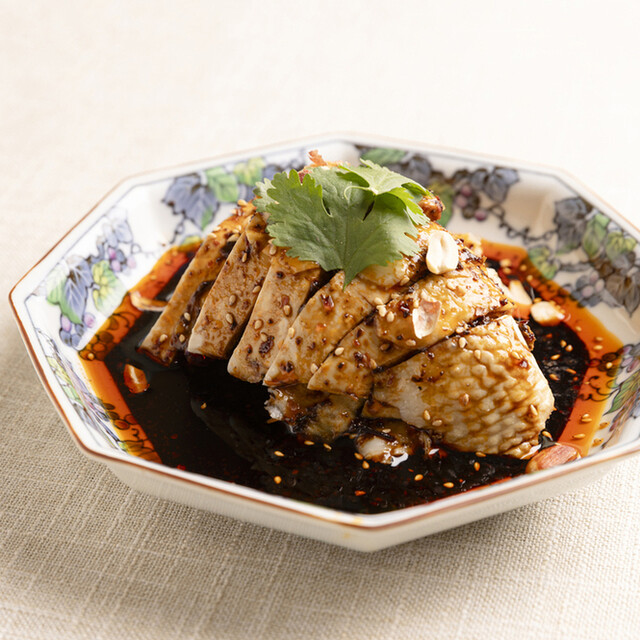
Hotels in Komagane
Browse all →
Wineries in Komagane
Browse all →
At a Glance
- Rustic
- Cozy
- Scenic
- Hidden Gem
- Classic
- Casual Hangout
- Group Dining
- Solo
- Family
- Standalone
- Local Sourcing
- Mountain
A stylish yet simple house-like soba restaurant in a forested mountain setting, with spacious non-smoking seating and a calm, relaxed atmosphere suited to lingering over handmade noodles with friends.