


Michelin Selected · Star Wine List · Forbes Recommended
On a side street off Chuo Dori, The Tokyo EDITION, Ginza occupies a position that reflects how international lifestyle hotel brands have repositioned in one of Tokyo's most commercially charged districts. The property holds a 2026 Star Wine List award, placing its beverage program alongside a recognized tier of hotel bars and dining rooms in a city with exacting standards for both.

Pearl is the En Primeur Club membership app — saves, bookings, and concierge access live there. Same editors, same standards.
- Address
- 2-8-13 Ginza, Chuo-Ku
- Phone
- 813-6228-7400
- Website
- editionhotels.com
- Directions
- Get directions
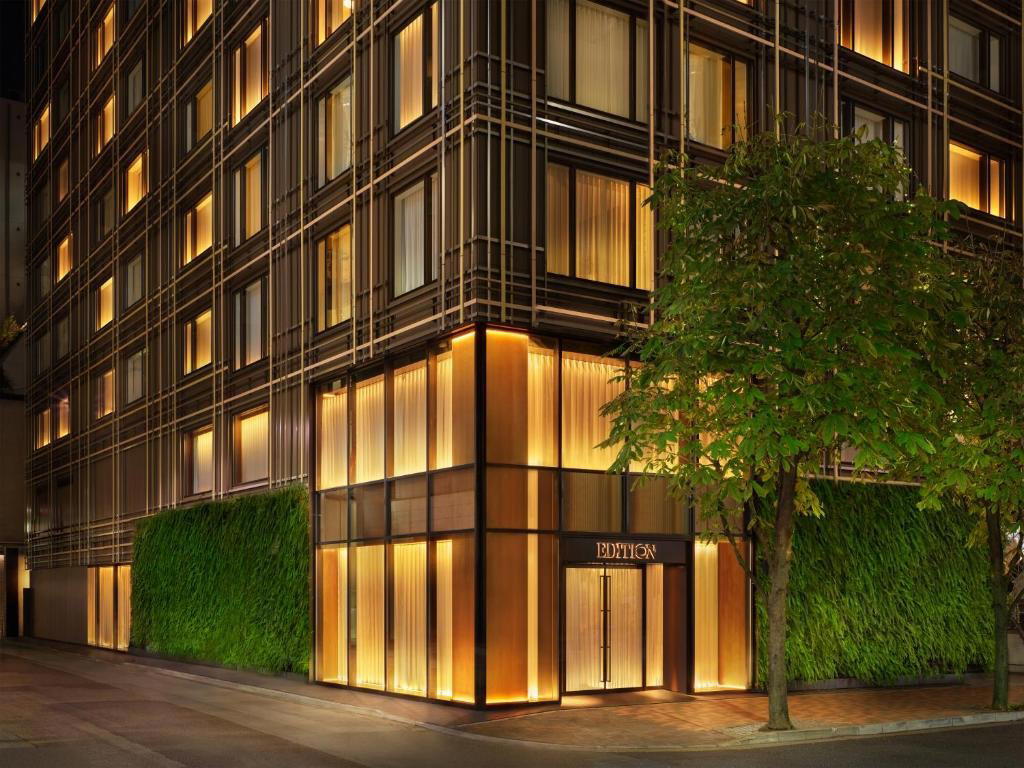
Ginza's Hotel Scene and Where the EDITION Sits Within It
Ginza operates as a kind of pressure test for luxury hospitality in Tokyo. The district's commercial density — flagship boutiques, century-old department stores, Michelin-starred counters tucked above jewelers — means that hotels here compete not just with one another but with the accumulated weight of the neighbourhood itself. In that context, the international lifestyle brands that have entered Ginza over the past decade face a choice: mirror the formality that the district's retail identity implies, or position against it. The Tokyo EDITION, Ginza leans toward the latter. Its address on a side street just off Chuo Dori places it a step removed from the boulevard's frontage intensity, which, in Ginza terms, is a positioning decision as much as a geographical one. Where properties like Bvlgari Hotel Tokyo double down on the district's luxury retail adjacency, the EDITION brand operates with a different register, design-led, bar-forward, and calibrated for guests who treat the hotel's social spaces as a destination rather than a corridor between the street and the room.
Critical Reception: The Star Wine List Recognition
The most concrete credential attached to The Tokyo EDITION, Ginza is its 2026 Star Wine List award. Star Wine List evaluates hotel and restaurant beverage programs with a specific focus on list depth, sourcing intelligence, and price-to-quality construction, criteria that separate working programs from decorative ones. In a Tokyo hotel market where beverage programs often serve as afterthoughts to the food offer, recognition at this level signals that the property's bar or dining room is holding its own against a city standard that has grown considerably more demanding over the past decade. Tokyo's broader bar scene has matured into one of the most technically rigorous in the world, and Star Wine List recognition within that context carries weight that the same award would not necessarily carry in a market with lower baseline expectations. For guests whose hotel decision factors in where they want to drink in the evening, this credential is a meaningful data point rather than background decoration. Compare this to the approach at Aman Tokyo or the Four Seasons Hotel Tokyo at Otemachi, where the food and beverage identity is shaped more by formal dining rooms than by bar-first programming.
The EDITION Brand Format in a Tokyo Context
The EDITION brand, developed in partnership between Marriott and Ian Schrager, has built its identity around the lobby-as-social-space model: a format that prioritizes the public areas of the hotel as the primary guest experience rather than treating them as transitional zones. In Tokyo, where hotel lobbies have historically functioned as formal entry points rather than gathering places, this model runs against local convention in ways that produce a recognizable contrast. The city's more traditional luxury operators, including Palace Hotel Tokyo and The Capitol Hotel Tokyu, maintain lobby environments defined by restraint and spatial formality. The EDITION format sits on a different axis: animated, socially legible, and oriented toward an internationally mobile guest who expects the hotel's ground floor to function as a bar and meeting point. That distinction becomes particularly relevant in Ginza, where the surrounding neighbourhood leans heavily formal, making the EDITION's internal social grammar more pronounced by contrast.
Location Intelligence: Chuo Dori and the Side-Street Advantage
Chuo Dori is the arterial street that organizes Ginza's retail identity, it runs through the district's core and anchors the addresses that define Ginza's commercial character. A side-street position off this artery, at 2-8-13 Ginza in Chuo-Ku, places the property within walkable distance of the district's primary attractions while preserving a degree of residential quiet that the boulevard itself cannot offer. In a neighbourhood where street-level noise and foot traffic peak significantly during weekend afternoons (Chuo Dori converts to a pedestrian zone on Sundays), the value of a side-street address is functional rather than symbolic. For guests using the property as a base to access Ginza's dining circuit, the district holds a concentration of Michelin-starred counters that rivals anywhere in the city, the location reduces transit friction without requiring immersion in the boulevard's full commercial intensity. Tokyo's broader hotel geography, from Andaz Tokyo in Toranomon to Bellustar Tokyo in Shinjuku, shows how dramatically location shapes the texture of a stay in this city. Ginza's position on the eastern side of central Tokyo also gives it practical access to the Tsukiji outer market and the broader Sumida waterfront, both of which remain on the itinerary of most visitors with a serious interest in what the city eats.
How This Property Fits a Broader Japan Itinerary
Tokyo functions as the entry and exit point for most premium Japan itineraries, and the question of where to base in the city depends heavily on what the rest of the trip looks like. Guests moving on to traditional ryokan environments, whether Gora Kadan in Hakone, Asaba in Izu, or Nishimuraya Honkan in Kinosaki-cho, may find the EDITION's contemporary format a useful counterpoint before transitioning into more structurally traditional accommodation. The reverse logic also holds: guests returning to Tokyo after time at a property like Zaborin in Hokkaido or Benesse House in Naoshima often want a city hotel with a strong bar and a sociable ground floor to decompress before departure. The EDITION's format addresses that need more directly than properties built around formal dining and guest room seclusion. For those structuring a broader Japan circuit, perhaps including HOTEL THE MITSUI KYOTO, Halekulani Okinawa, or Jusandi in Ishigaki, Tokyo's hotel selection sets the tone for the pace and register of the trip. Explore our full Tokyo restaurants guide for dining context across the city's neighbourhoods.
Planning a Stay
The property sits at 2-8-13 Ginza, Chuo-Ku, with direct access to Ginza station on the Tokyo Metro Ginza, Marunouchi, and Hibiya lines, three of the city's most connected interchange points. For guests arriving from Haneda, the access is approximately 35-40 minutes by rail; from Narita, roughly 75-90 minutes depending on the service. The EDITION's positioning as a lifestyle property means it draws a mix of business travelers extending into leisure time and dedicated leisure guests who want Ginza's retail and dining density without the formality of the district's older hotel operators. Bookings for Tokyo hotels in this category are generally advisable two to four weeks in advance for standard dates, with longer lead times required around Golden Week (late April to early May) and the autumn foliage window in November, when the city's accommodation market tightens considerably across all price tiers.
Comparable Venues
Comparable venues nearby, for context on price, style, and recognition.
| Venue | Cuisine | Price | Awards | Notes |
|---|---|---|---|---|
| The Tokyo EDITION, GinzaThis venue — the venue you are viewing | Understated luxury blending contemporary design with Japanese finesse by Kengo Kuma. | $1,000–1,500 | Michelin Selected · Star Wine List | Not listed |
| Kimpton Shinjuku Tokyo | luxury lifestyle boutique hotel with creative New York-inspired flair | Not listed | Michelin Selected · World Luxury Hotel Awards WLHA Country Winner | Shinjuku |
| Azabudai Hills | contemporary urban village luxury | $1,000–1,500 | Not listed | Minato |
| Imperial Hotel Tokyo | Classic luxury heritage property with modern amenities | Not listed | La Liste Top Hotels · Leading Hotels of World Member | Chiyoda |
| The Kitano Hotel Tokyo | Relais & Chateaux service apartment-style boutique hotel | Not listed | Relais Chateaux Award | Chiyoda |
| Keio Plaza Hotel Tokyo Premier Grand | Modern luxury high-rise tower with club-level exclusivity | $100–200 | Star Wine List · Forbes Recommended | Shinjuku |
Recognition history
Dated appearances from independent guides and award organizations, with the underlying list record or original source where available.
Michelin Selected
Michelin
Star Wine List
Star Wine List
Forbes Recommended
Forbes
Continue exploring
More in Tokyo
Hotels in Tokyo
Browse all →
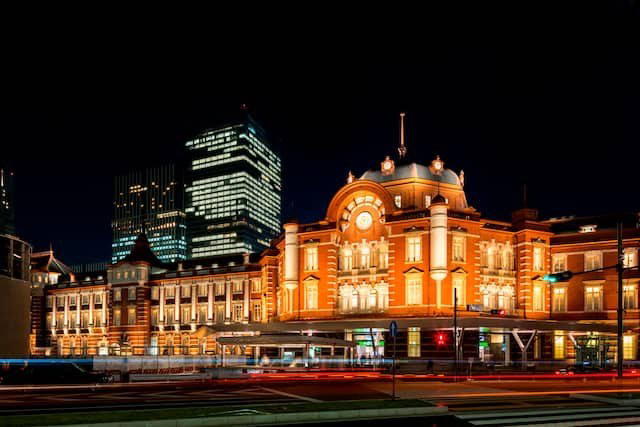

Bars in Tokyo
Browse all →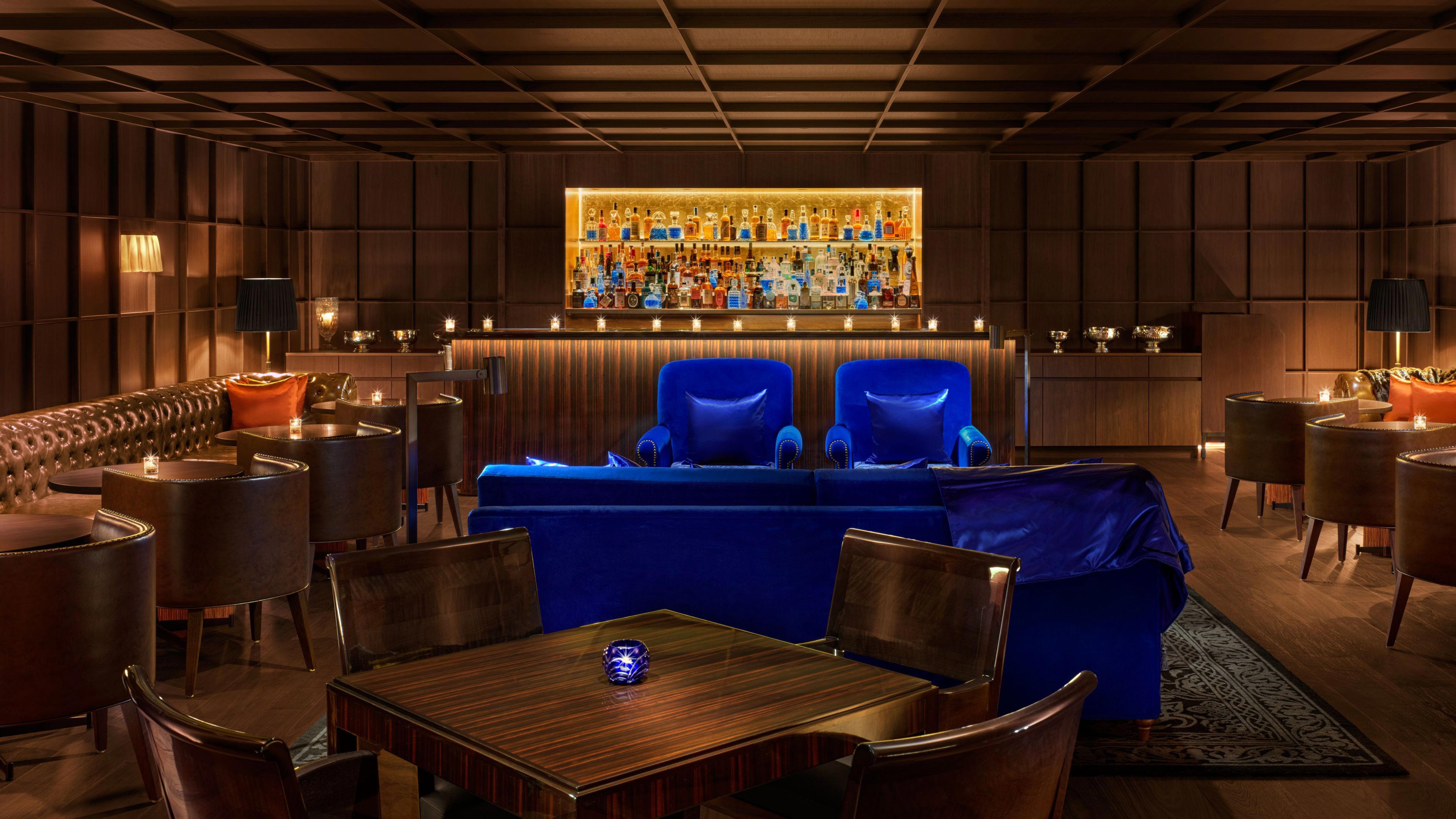

Restaurants in Tokyo
Browse all →


Details
- Modern
- Elegant
- Sophisticated
- Minimalist
- Romantic Getaway
- Business Trip
- Weekend Escape
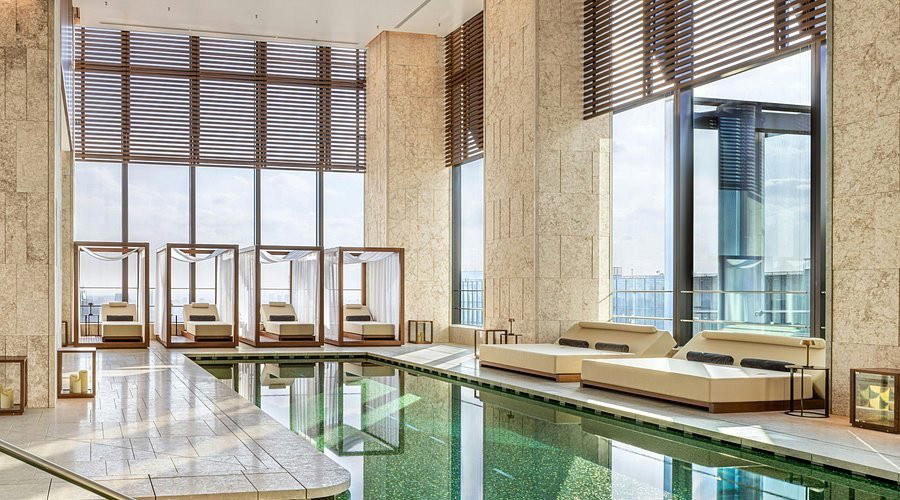
- Rooftop Pool
- Terrace
- Design Destination
- Wi Fi
- Fitness Center
- Room Service
- Concierge
- Restaurant
- Bar
- Skyline
- Wheelchair Accessible
- Elevator
- Step Free Entrance
- Accessible Restroom
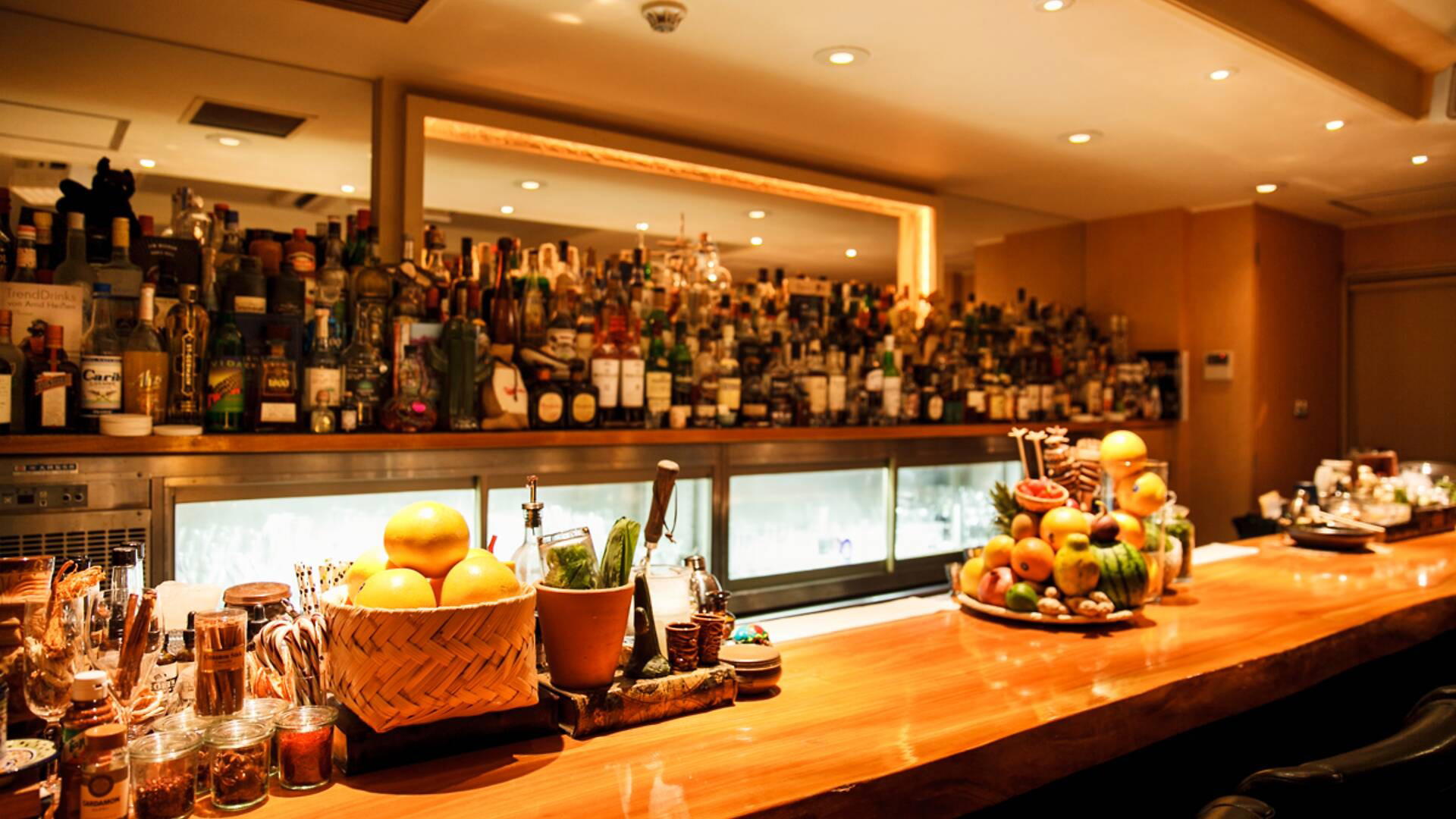
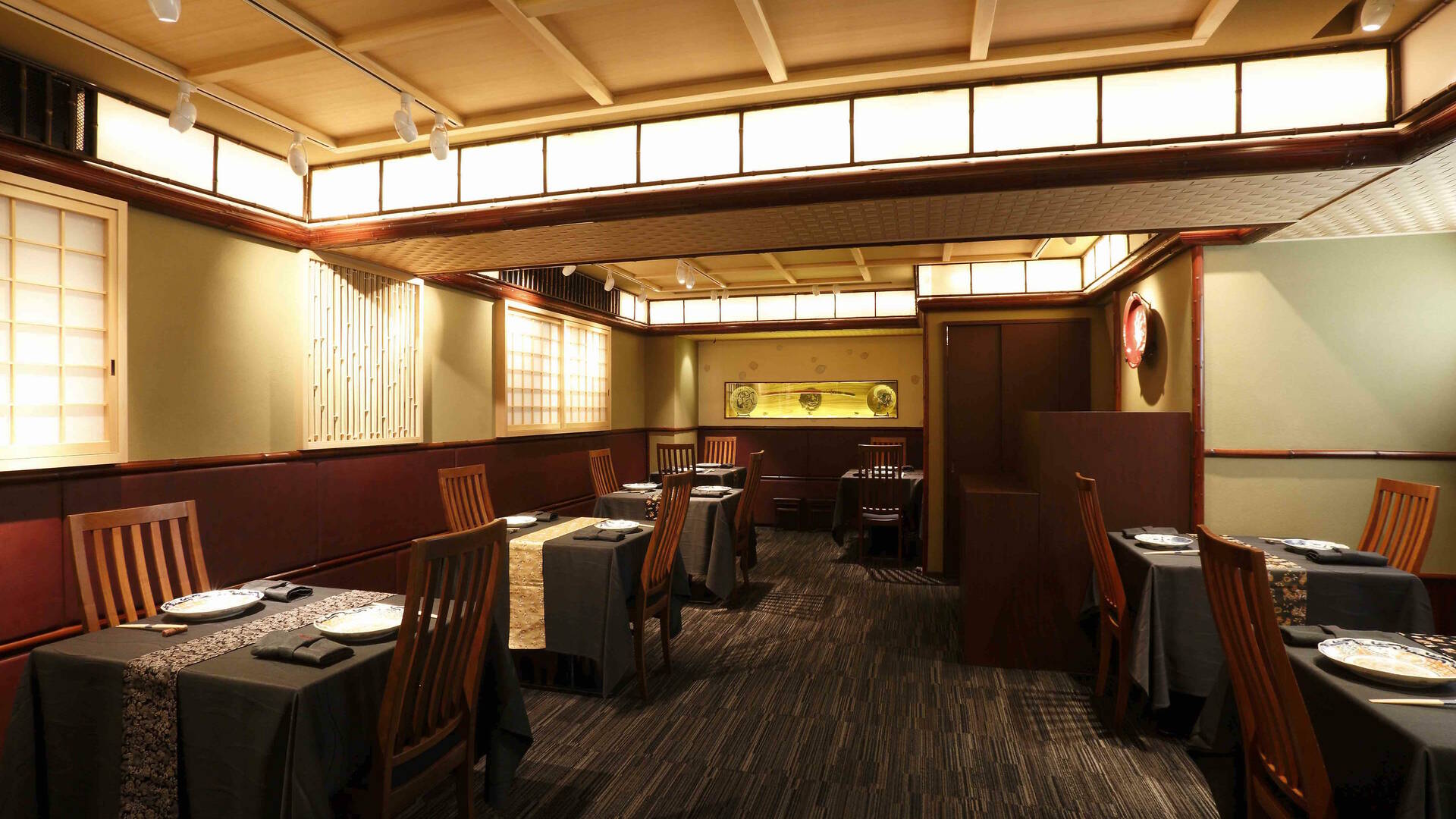
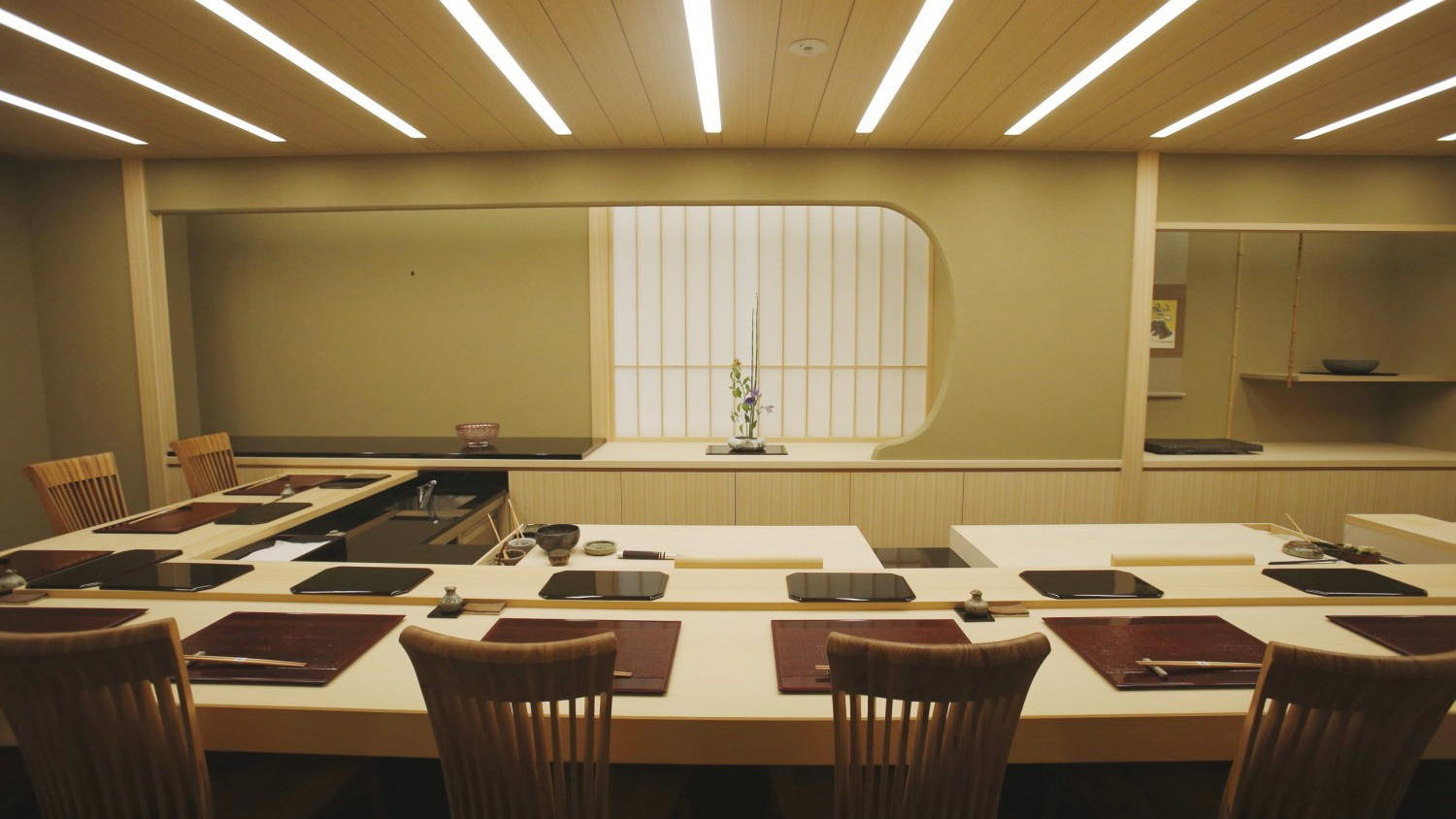
Sophisticated and understated with warm wood paneling, gold accents, cozy vignettes, and a serene, homey cocoon atmosphere contrasting Ginza's bustle.