KURAND SAKE MARKET in Ikebukuro operates on a flat-fee, all-you-can-drink model that puts hundreds of craft sake labels directly in the hands of guests, without the mediation of a sommelier or a curated tasting menu. The format appeals to those who want breadth over curation, treating sake as a category to explore rather than a conclusion to be handed to them. It sits in Nishi-Ikebukuro, fourth floor, removed from the tourist-heavy circuits of central Tokyo.
- Address
- Japan, 〒171-0021 Tokyo, Toshima City, Nishiikebukuro, 3 Chome−27−3 s&kビル 4F
- Phone
- +81 3 6912 6686
- Website
- sakemarket.kurand.jp
- Directions
- Get directions
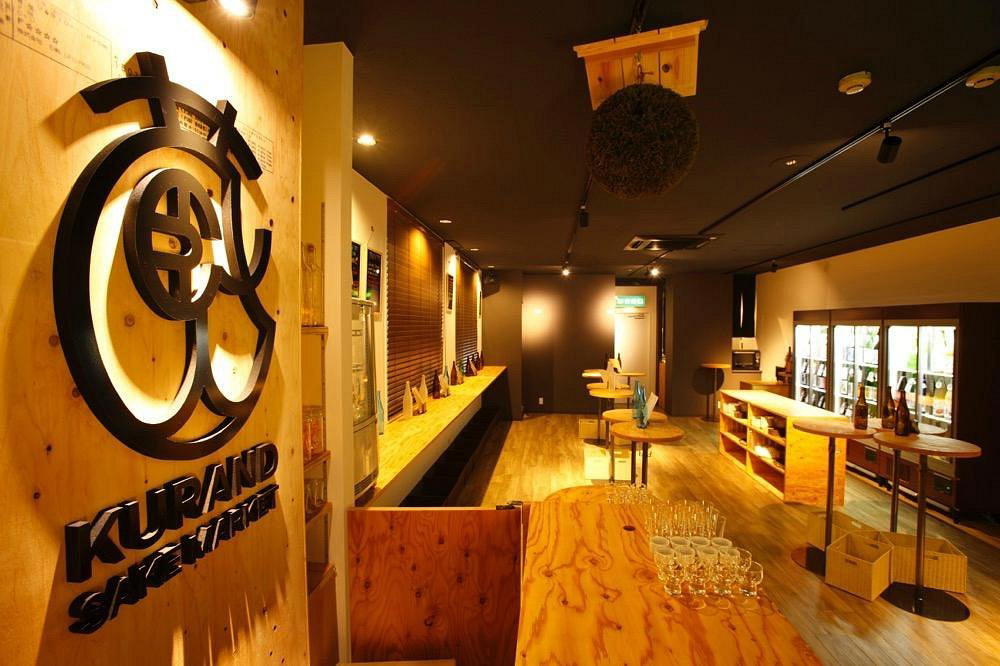
Ikebukuro's Approach to Sake, Unmediated
Fourth-floor walk-ups in Nishi-Ikebukuro are not the address type that signals a polished night out. The neighbourhood runs west of the station, practical and slightly worn at the edges, with a denser local resident mix than the international-facing districts of Ginza or Shinjuku. That context matters for KURAND SAKE MARKET, because the format only makes sense if you understand what it is pushing against. Most premium sake drinking in Tokyo happens through curation: a knowledgeable bartender at a counter like Bar High Five or a structured menu at a sake-specialist izakaya, where the selection has already been edited for you. KURAND removes that layer entirely.
The model is flat-fee, all-you-can-drink, with a catalogue of craft sake from small and regional producers across Japan. Guests pour for themselves, work through labels at their own pace, and are not guided toward a conclusion by staff. For a category as regionally complex as sake, where the differences between a Niigata junmai daiginjo and an Akita kimoto can be as wide as a Burgundy versus a Rhône, self-directed exploration is either the point or a problem, depending on what you are looking for.
Where the Sake Comes From, and Why That Matters
Japan has over 1,400 active sake breweries, the majority of them small-scale operations in rural prefectures that rely on local rice varieties, regional water sources, and traditional koji cultivation methods. The diversity across those producers is significant: the mineral character of sake brewed from the soft water of Kyoto's Fushimi district differs from the fuller-bodied output of Nada in Hyogo, where harder water and particular yeast strains have historically shaped the style. That geographic and agricultural specificity is what makes a multi-producer, browse-freely format like KURAND's potentially instructive, if you approach it with enough background to read the labels.
The all-you-can-drink sake bar format, as a category, has grown in Tokyo precisely because craft sake production has expanded. Over the past decade, younger brewers have re-engaged with heritage techniques including kimoto and yamahai fermentation starters, lower-polish rice intended to retain more grain character, and limited-batch seasonal releases that track the agricultural calendar closely. The winter shiboritate season, when first-press sake arrives from breweries after harvest, is one of the more compelling windows to engage with a format that stocks a wide cross-section of producers. KURAND, by virtue of its breadth model, should theoretically reflect that seasonal variation across its catalogue.
This sourcing philosophy, where the collection attempts width across Japan's producing regions rather than depth within a single prefecture or style, positions the venue differently from the sake-focused bars that operate closer to the sommelier model. Those venues, often with expert staff and smaller selections of premium bottles, can be found across central Tokyo. KURAND's approach trades precision for access, which makes sense as an introduction to the category but less so as an endpoint for those already familiar with sake's regional grammar.
The Ikebukuro Context
Nishi-Ikebukuro sits outside the circuits that most sake tourists follow. The Ginza bar corridor, with venues including Bar Orchard Ginza, operates in a different register entirely, as does the cocktail-focused scene anchored further west by places like Bar Benfiddich, which itself uses Japanese botanicals and agricultural ingredients in ways that speak to the same regional-sourcing conversation. Ikebukuro has a more local, less curated nightlife identity, which suits a venue that asks guests to do their own navigating.
For those building a wider picture of how Japan approaches its native drinking culture across cities, the contrast is instructive. The sake-forward culture of Osaka's bar scene, represented in part by venues like anchovy butter in Osaka Shi, or the more structured approach found at Bar Nayuta in Osaka, shows how differently cities weight expertise versus accessibility in the same category. Kyoto leans toward ceremony: Bee's Knees in Kyoto and the Kyoto Tower Sando offer drinking formats shaped by that city's relationship to ritual and craft. Even further afield, Lamp Bar in Nara and Yakoboku in Kumamoto represent regional bar cultures where the sourcing conversation is tightly tied to local production. KURAND, in its Ikebukuro location, is positioned away from all of that, which is either a relief or a gap depending on your expectations.
Internationally, the contrast with somewhere like Bar Leather Apron in Honolulu or Bar Libre in Tokyo illustrates how much the expert-led, craft-cocktail format has globalised, while sake-specific venues remain largely domestic in their audience and format logic.
Planning a Visit
KURAND SAKE MARKET occupies the fourth floor of a building at 3 Chome-27-3 in Nishi-Ikebukuro, Toshima City. The location is a short walk from Ikebukuro Station's west exits, which are served by the Yamanote Line, Seibu Ikebukuro Line, and several subway lines. The flat-fee sake model at comparable venues in Tokyo typically requires a time slot reservation and runs on a two-hour drinking window, though specific terms at KURAND should be verified independently.
For those building a Tokyo drinking itinerary with more editorial depth, our full Tokyo guide maps the city's bar and sake culture across neighbourhoods and price tiers.
Comparable Options
| Venue | Cuisine | Price | Awards |
|---|---|---|---|
| KURAND SAKE MARKETThis venue — the venue you are viewing | This venue | Not listed | Not listed |
| Bar Benfiddich | Not listed | $20–30 | World's 50 Best #62 · Tatler Listed in Best Bars Asia-Pacific |
| Bulgari Ginza Bar | Not listed | $50–100 | World's 50 Best #86 · Forbes Travel Guide Hotel Star Bar |
| The Bellwood | Sushi | $50–100 | World's 50 Best #79 · Tatler Listed in Best Bars Asia-Pacific |
| Tender Bar | Not listed | $50–100 | Not listed |











Details
- Casual
- Cozy
- Trendy
- After Work
- Group Outing
- Casual Hangout
- Standalone
- Standing Room
- Counter Only
- Sake
Casual, no-frills stand bar atmosphere resembling a living room with fridges lining the counter for browsing and self-pouring.