Bar Martha occupies a quiet residential block in Ebisu, Shibuya, operating within the layered tradition of Tokyo's intimate neighbourhood bars. The setting sits at a remove from the high-profile counters of Ginza and Shinjuku, positioning itself inside a smaller, more local tier of the city's drinking culture. For those tracing Tokyo's bar scene beyond the obvious circuits, Ebisu rewards the detour.

Pearl is the En Primeur Club membership app, where members save venues, book tables and use the concierge.
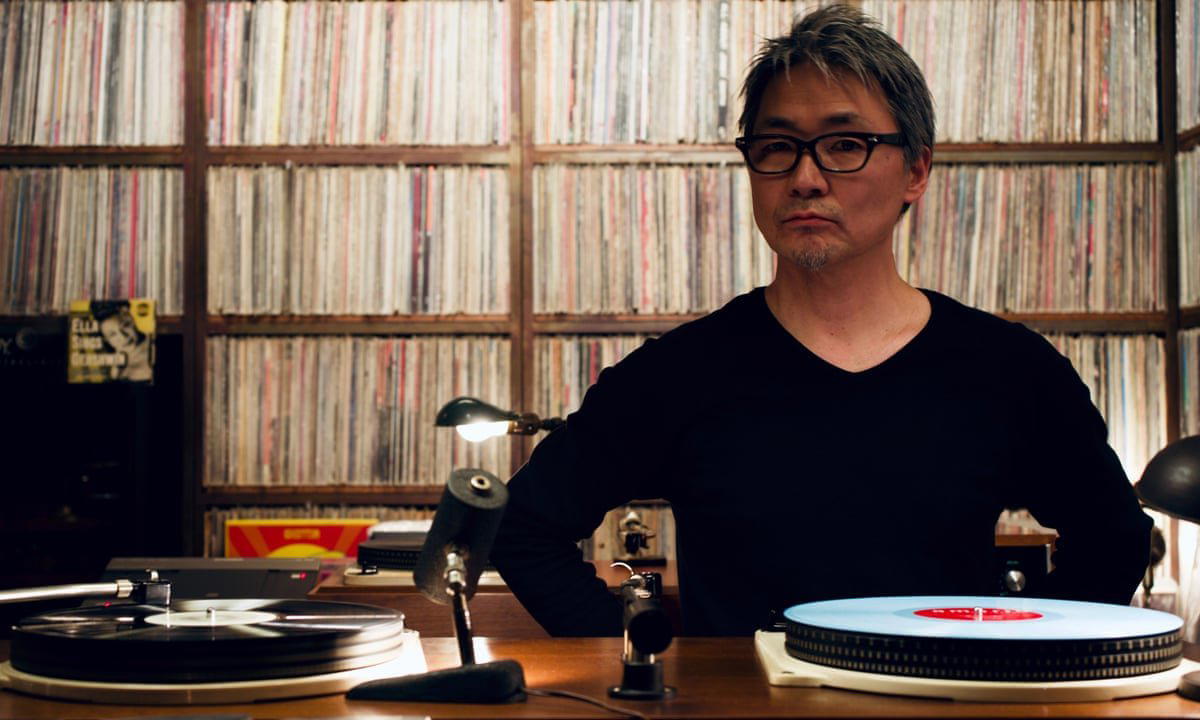
Ebisu After Dark: The Residential Bar Tradition
Tokyo's bar addresses tend to cluster in Ginza and Shinjuku, where venues like Bar High Five and Bar Orchard Ginza operate within a dense, competitive tier of internationally recognised craft. But the city's drinking culture has always had a parallel current: the neighbourhood bar, tucked into a residential ward, drawing a local crowd and operating without the ambient pressure of tourist foot traffic. Ebisu, a quieter pocket of Shibuya that sits between the energy of Daikanyama to the west and the commercial hum of Meguro to the south, has long been home to this kind of establishment.
Bar Martha occupies the ground floor of Vera Heights Ebisu, a modest residential building on a side street in 1-chome. The address itself signals something about the bar's orientation: this is not a venue designed to be found by accident. Arriving here requires intention, and that quality shapes the atmosphere before you have even stepped inside. The approach along the low-lit residential block, away from the main station plaza, is part of what distinguishes the Ebisu bar experience from the more curated, high-foot-traffic formats of central Tokyo.
Atmosphere and the Physical Environment
In Tokyo's intimate bar tier, the physical scale of a room carries as much communicative weight as the drinks program. The most closely watched counters in the city, venues operating in the tradition of Japanese bartending that prizes silence, precision, and the unhurried pace of a single drink prepared over several minutes, tend to seat a small number of guests, often fewer than fifteen. This intimacy is not incidental. It is the format. The absence of background noise, the proximity to the bar, and the visual language of bottles arranged behind polished wood all function as signals about how the evening is meant to unfold.
Bar Martha's location within a residential apartment building in Ebisu places it in a broader category of Tokyo venues that have deliberately stepped away from commercial strips. This move is not unusual in a city where some of the most seriously regarded bars are found in buildings that otherwise house dry cleaners or dentists on adjacent floors. The separation from ground-level retail activates a certain quietness that becomes its own atmosphere. A bar that shares its building with residents rather than other bars operates at a different tempo.
For drinkers tracing the range of Tokyo's scene, the contrast between Ebisu's character and the higher-visibility wards is instructive. Ginza bars like Bar Benfiddich or the deeply sourced programs in Shinjuku attract a cross-section of visitors and professionals drawn by reputation. Ebisu's quieter residential addresses attract a narrower, more intentional clientele. That difference in audience shapes everything from the pace of service to the ambient sound level.
Tokyo's Bar Culture and Where Ebisu Fits
Japan's bar culture is one of the most technically disciplined in the world. The tradition of the *bartender* as craftsperson, rather than entertainer or mixologist in the Western sense, traces through decades of training culture, with practitioners often spending years under a single senior before taking their own position behind a counter. This has produced a city where the gap between a competent neighbourhood bar and a celebrated destination counter is narrower than almost anywhere else, because even mid-tier establishments operate with a seriousness about technique and hospitality that would read as exceptional in most other cities.
Within that context, Ebisu functions as a ward where this seriousness expresses itself outside the spotlight. The bars here are not angling for international recognition in the way that venues on the established Ginza-Shinjuku circuit might be. They are oriented toward a local and professional clientele that returns regularly, which produces a different kind of service dynamic. Bar Libre, another Tokyo address in the broader neighbourhood bar conversation, reflects this same dynamic of craft operating without the amplification of awards or wide press coverage.
For visitors arriving from Japan's other cities, the comparison with comparable bar cultures is worth making. Bar Nayuta in Osaka and Lamp Bar in Nara, the latter holding Asia's 50 Best recognition, both illustrate how Japan's provincial bar scene has developed its own depth independent of Tokyo's gravity. Bee's Knees in Kyoto and Yakoboku in Kumamoto extend the picture further, showing that the discipline associated with Tokyo's leading counters has distributed across the country rather than concentrating in a single city. For a traveller building a serious itinerary across Japan, the bar culture is as geographically varied as the food.
Practical Planning
Bar Martha is located at 1-22-23 Ebisu, Shibuya-ku, within the Vera Heights Ebisu building. Ebisu Station is served by the JR Yamanote Line and the Tokyo Metro Hibiya Line, placing the address within easy reach of central Tokyo without requiring the navigational complexity of deeper residential wards. The walk from the east exit of Ebisu Station runs south along residential streets, passing through the quieter character of 1-chome before arriving at the building. Bar Martha is walk-in friendly, and its late-night hours suit spontaneous visits.
For those building a broader Tokyo bar itinerary, the Ebisu-Daikanyama corridor pairs well with the higher-profile Ginza addresses in a single evening. Bar Orchard Ginza and the fruit-forward programs of Ginza make a natural counterpoint to Ebisu's quieter residential register. Internationally, drinkers who have spent time at Bar Leather Apron in Honolulu, which operates in the Japanese bartending tradition outside Japan, or at anchovy butter in Osaka will recognise the shared sensibility that runs through this category of bar, regardless of city.
Peers Worth Knowing
A quick peer check to anchor this venue’s price and recognition.
| Venue | Cuisine | Price | Awards |
|---|---|---|---|
| Bar MarthaThis venue (the venue you are viewing) | Not listed | $10–20 | Not listed |
| Bar Benfiddich | Not listed | $20–30 | World's 50 Best #62 · Tatler Listed in Best Bars Asia-Pacific |
| Bulgari Ginza Bar | Not listed | $50–100 | World's 50 Best #86 · Forbes Travel Guide Hotel Star Bar |
| The Bellwood | Sushi | $50–100 | World's 50 Best #79 · Tatler Listed in Best Bars Asia-Pacific |
| Tender Bar | Not listed | $50–100 | Not listed |
Continue exploring
More in Tokyo
Bars in Tokyo
All bars in Tokyo →
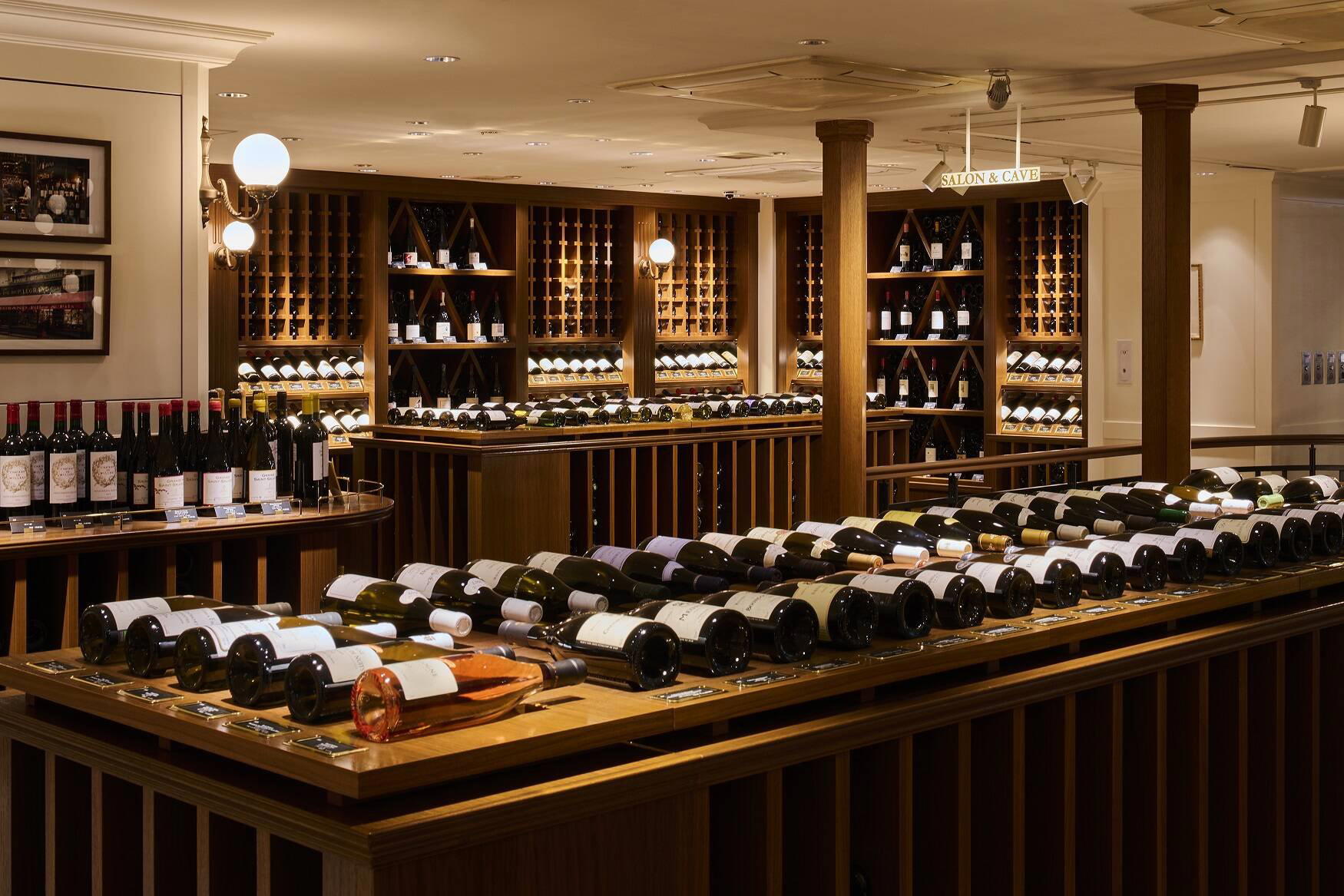



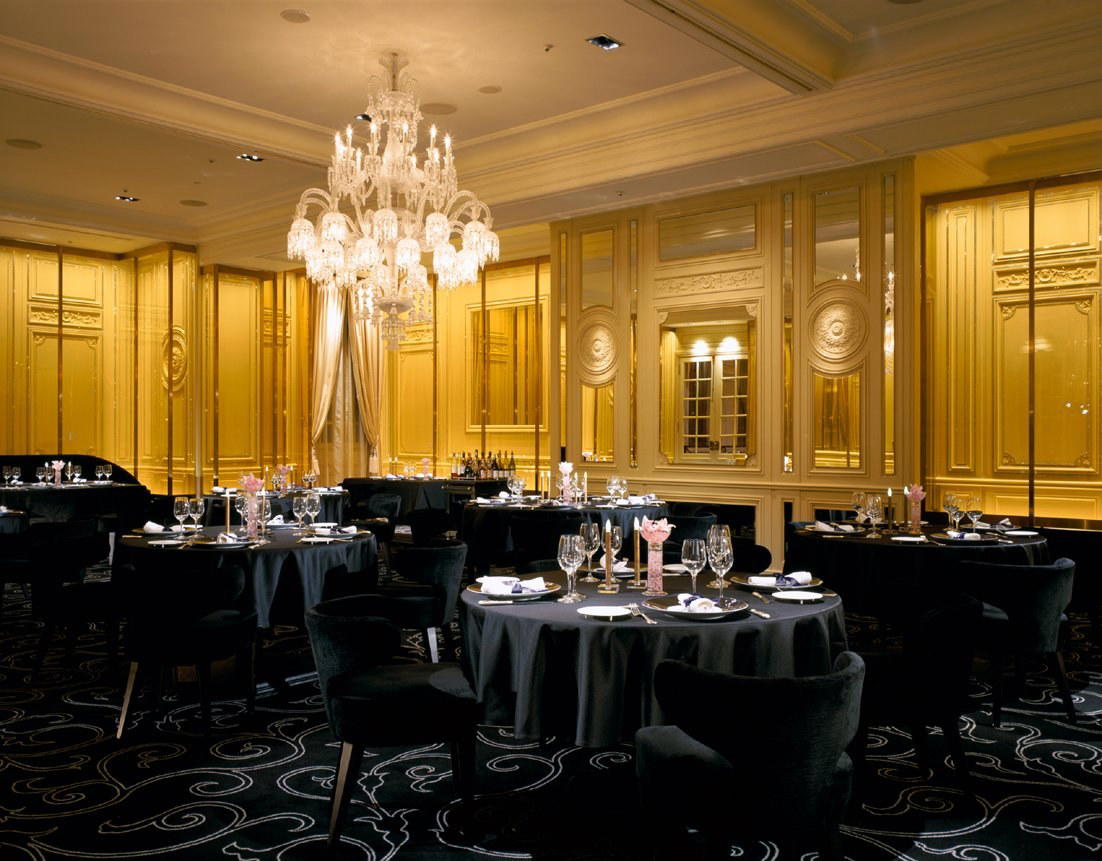



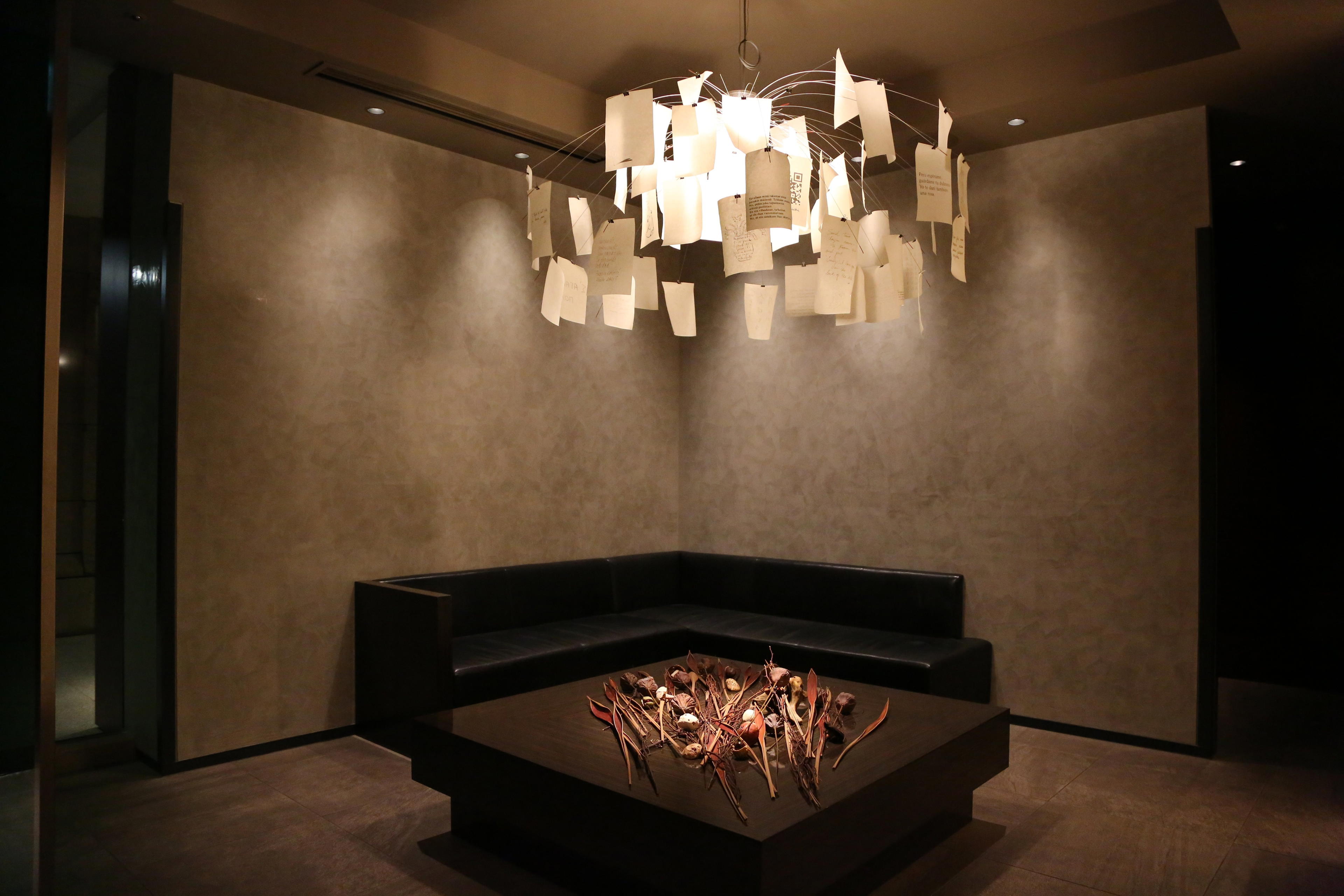


Bar Martha
The drinks
- Classic cocktails
Signature drinks: Martha's Old Fashioned, Signature G&T.
Details
- Intimate
- Quiet
- Classic
- Sophisticated
- Solo
- Casual Hangout
- Live Music
- Standalone
- Historic Building
- Seated Bar
- Counter Only
- Classic Cocktails
- Whiskey
- Gin
Current opening hours
- Monday
- 7 PM–3 AM
- Tuesday
- 7 PM–3 AM
- Wednesday
- 7 PM–3 AM
- Thursday
- 7 PM–3 AM
- Friday
- 7 PM–3 AM
- Saturday
- 7 PM–3 AM
- Sunday
- 7 PM–3 AM
Hours can change for holidays and private events. Last verified .
Dim, intimate space lit by tawny lamplight with crates of vinyl lining the walls; hushed, respectful atmosphere designed for active listening rather than socializing.