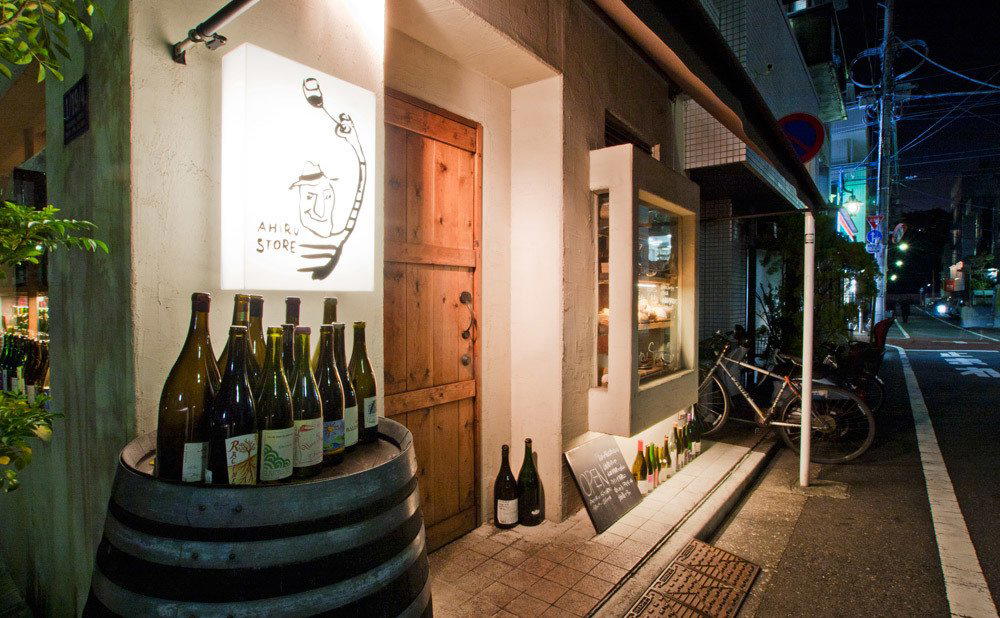
A compact natural wine bar in Tomigaya, Ahiru Store draws a loyal crowd of Tokyo wine drinkers who favour low-intervention bottles and small plates over ceremony. The room is deliberately unhurried, the wine list rotates frequently, and the Shibuya-adjacent address puts it within reach of the neighbourhood's broader independent dining scene.

Pearl is the En Primeur Club membership app — saves, bookings, and concierge access live there. Same editors, same standards.
- Address
- 1 Chome-19-4 Tomigaya, 渋谷区 Shibuya, Tokyo 151-0063, Japan
- Phone
- +81 3 5454 2146
- Hours
- Mon–Tue 3–9 PMWed ClosedThu–Sat 3–9 PMSun Closed
- Directions
- Get directions
Tomigaya and the Case for the Neighbourhood Wine Bar
Tokyo's wine bar scene has split along predictable lines. At one end sit the formal, cellar-deep operations of Ginza and Marunouchi, where selections run to allocated Burgundy and the room expects a certain level of performance from the diner. At the other, a looser category has taken hold in the residential pockets west of Shibuya: places where the pour matters, the plates are built around what arrived from the market that week, and the overhead is low enough that the list can take risks on unfamiliar producers. Ahiru Store is a bar in Tomigaya, Shibuya, Tokyo, where low-intervention wines and counter-bar intimacy anchor the room.
Tomigaya itself has become one of the more instructive neighbourhoods to watch if you want to understand how Tokyo eats when it is not performing for visitors. Independent coffee roasters, bread-focused bakeries, and a rotating cast of small-format restaurants have established themselves along its low-rise blocks over the past decade, filling a niche that the more touristic parts of Shibuya cannot easily accommodate. A wine bar that prioritises natural and minimal-intervention producers fits that milieu without effort.
What the Room Signals Before You Sit Down
Small-format bars in Tokyo often communicate their intentions through compression: fewer seats, a counter that puts you close to whoever is pouring, and a physical environment that makes lingering feel like the correct choice rather than an imposition. Ahiru Store operates in that register. The space is tight, the atmosphere informal, and the expectation is that you will spend time there rather than turning a table. That approach is well-established in European wine bar culture, particularly in the Paris bistrot-à-vins tradition, but in Tokyo it carries an additional layer of specificity: the city's hospitality norms are precise enough that a deliberately relaxed room represents an actual editorial decision, not an accident of low budget.
Arriving without a reservation on a weekday evening is a gamble worth understanding before you make it. Tokyo's more serious neighbourhood bars at this price point and format tend to fill early, and Ahiru Store has maintained a reputation that draws both local regulars and wine-aware visitors from further afield. Booking ahead, where possible, is the practical choice.
Natural Wine in a City That Takes Sourcing Seriously
Japan's relationship with natural and low-intervention wine has matured considerably since the early 2010s, when the category was largely confined to a small number of importers and their direct restaurant accounts. Tokyo now hosts a wine bar population that would hold its own in any European capital, with buyers who travel to domains, maintain direct importer relationships, and rotate lists frequently enough that the same visit two months apart can yield almost entirely different selections.
Ahiru Store sits within that tradition. The list skews toward European producers working with minimal sulphur additions and indigenous yeasts, with the kind of turnover that makes repeat visits worthwhile. That approach carries inherent variability: a natural wine bar's strength is that the list reflects actual availability and seasonal producer output, not a fixed cellar programme. For drinkers used to the stability of a conventional wine list, this takes a minor recalibration. For those already inside the natural wine world, it is the point.
Small plates are the structural companion to that model. Food at venues like this functions as a frame for the wine rather than the reverse, and the selections tend to be built around whatever supports extended drinking: things with fat, acid, or salt that hold up across multiple pours. That is a European bar-food logic applied with Japanese sourcing standards, which is a combination Tokyo handles better than almost anywhere else.
Where Ahiru Store Sits in the Tokyo Wine Bar Conversation
Tokyo's cocktail bar infrastructure is documented and internationally referenced. Bar Benfiddich, Bar High Five, Bar Libre, and Bar Orchard Ginza each occupy a recognised tier of the global bar conversation. The wine bar side is less globally documented but no less seriously operated. Ahiru Store is one of the addresses that Tokyo wine drinkers mention when the conversation shifts from formal restaurant lists to where they actually go on a Tuesday night.
That positioning, between neighbourhood institution and genuine wine reference, is not easily manufactured. It comes from consistent sourcing, a room that functions as intended, and a location in a neighbourhood where the clientele is engaged enough to reward specificity. For visitors building a broader picture of Tokyo's independent drinking scene, it belongs on the same itinerary as the city's better-known bar addresses.
For those planning a broader Japan itinerary, comparable neighbourhood wine and bar culture exists at different registers across the country. Bar Nayuta in Osaka and anchovy butter in Osaka Shi represent Kansai's version of the format, while Bee's Knees in Kyoto and Lamp Bar in Nara extend the geography further. For those with itineraries reaching into Kyushu, Yakoboku in Kumamoto operates at a similar level of seriousness. International travellers transiting through the Pacific may also find Bar Leather Apron in Honolulu a useful reference point before or after Japan.
Planning a Visit
Ahiru Store is located at 1 Chome-19-4 Tomigaya in Shibuya, within walking distance of Yoyogi-Hachiman Station on the Odakyu Line and a longer walk from Shibuya or Yoyogi Park. The neighbourhood is most active in the evenings, and the bar fits naturally into a dinner-and-drinks itinerary rather than a standalone destination visit. Given the small capacity and established local following, early arrival or advance contact is advisable, particularly on weekends.
Price Lens
| Venue | Cuisine | Price | Awards |
|---|---|---|---|
| Ahiru StoreThis venue — the venue you are viewing | Not listed | $20–30 | Not listed |
| Bar Benfiddich | Not listed | $20–30 | World's 50 Best #62 · Tatler Listed in Best Bars Asia-Pacific |
| Bulgari Ginza Bar | Not listed | $50–100 | World's 50 Best #86 · Forbes Travel Guide Hotel Star Bar |
| Star Bar Ginza | Not listed | Not listed | World's 50 Best |
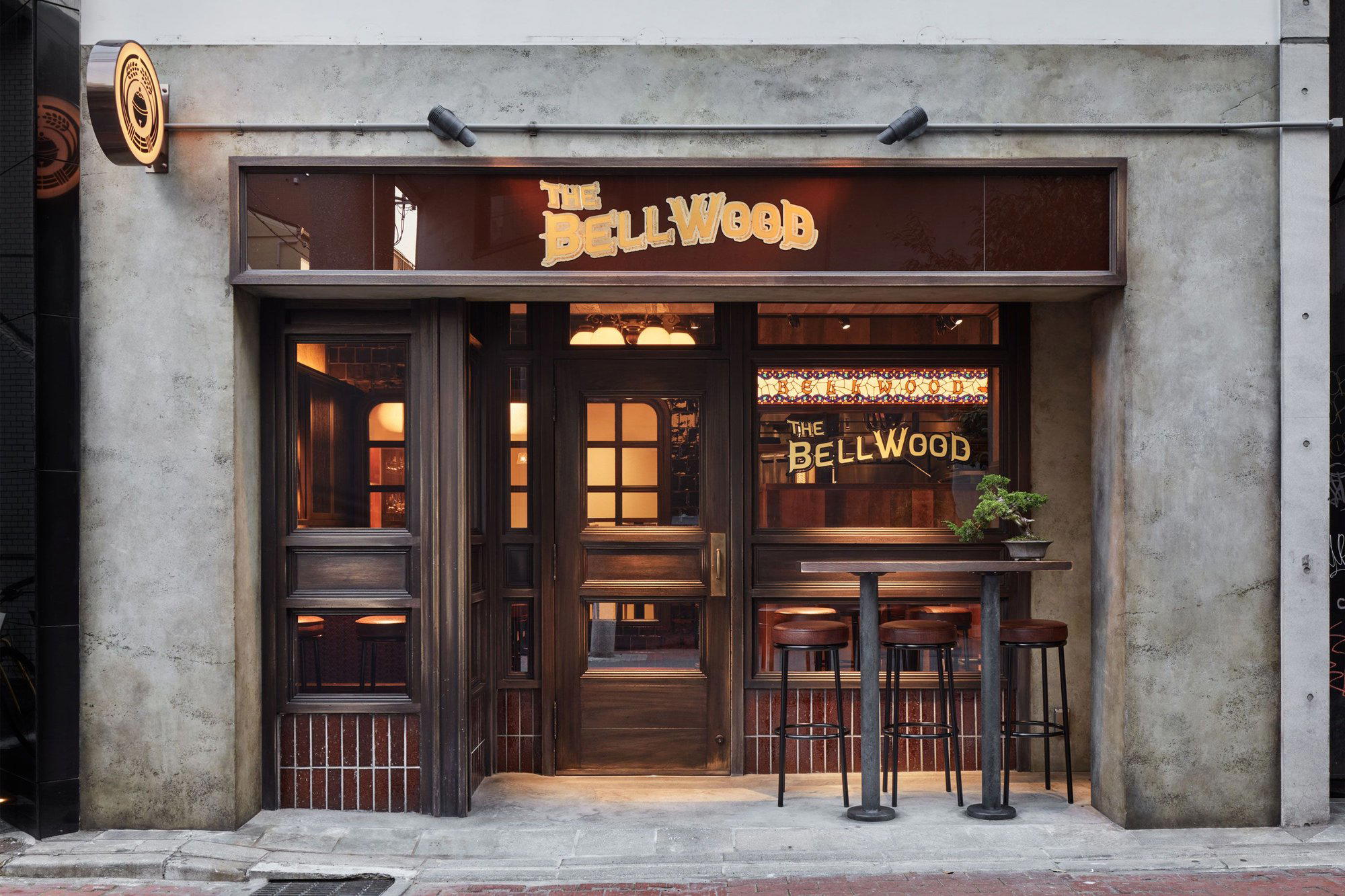
| The Bellwood | Sushi | $50–100 | World's 50 Best #79 · Tatler Listed in Best Bars Asia-Pacific |
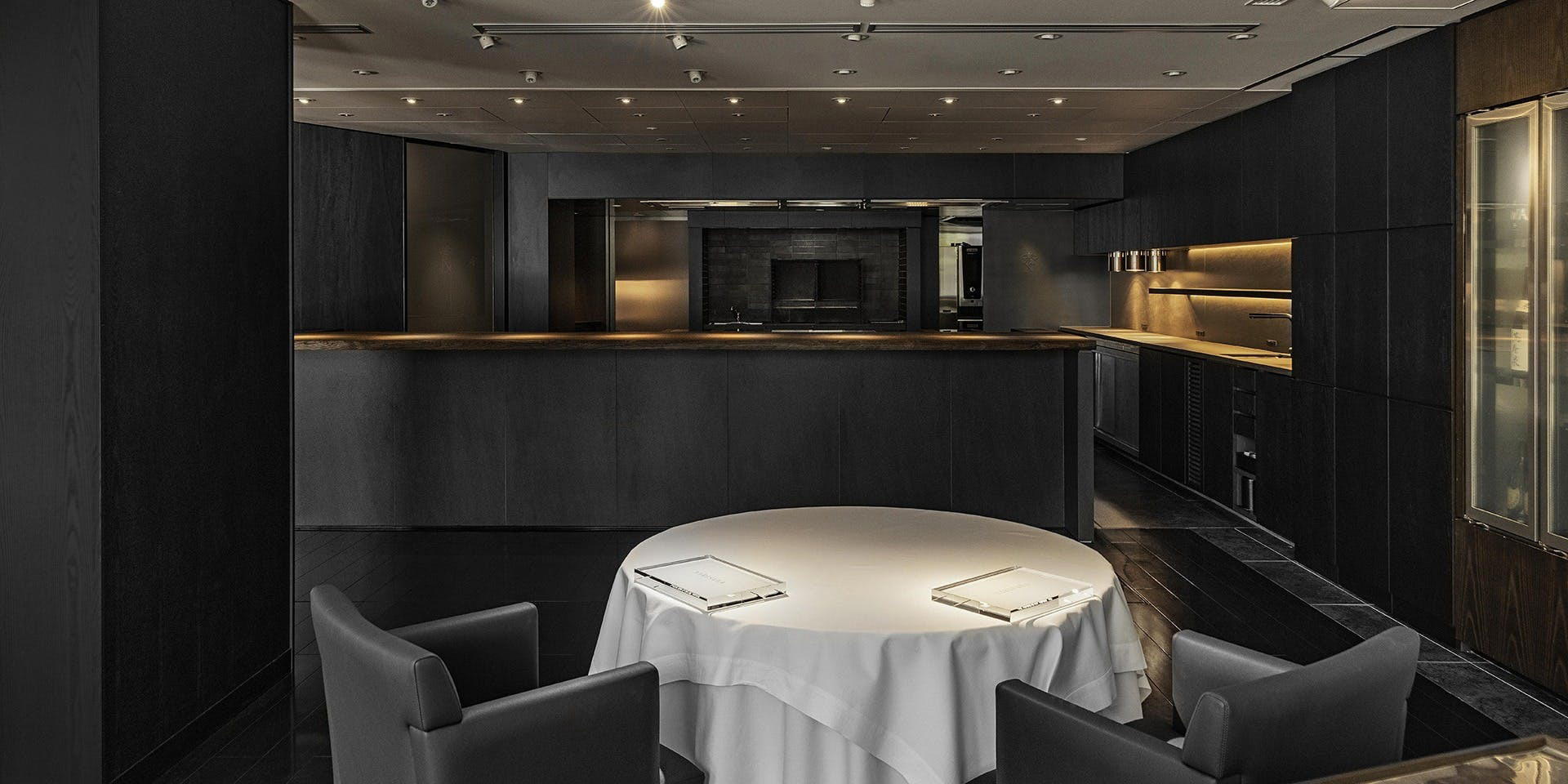
| Tender Bar | Not listed | $50–100 | Not listed |











Details
- Cozy
- Intimate
- Rustic
- Date Night
- Casual Hangout
- After Work
- Standalone
- Seated Bar
- Counter Only
- Natural Wine
- Conventional Wine
Current opening hours
- Monday
- 3–9 PM
- Tuesday
- 3–9 PM
- Wednesday
- Closed
- Thursday
- 3–9 PM
- Friday
- 3–9 PM
- Saturday
- 3–9 PM
- Sunday
- Closed
Hours can change for holidays and private events. Last verified .
Rustic, warm, and nostalgic with understated hospitality; cozy corner bar with natural décor reflecting the wine-focused philosophy.