In Meguro's Mita district, Panacee occupies a ground-floor space that sits apart from the Ginza cocktail circuit, a quieter address for Tokyo's bar scene that rewards those who look beyond the established drinking corridors. With sparse public data and a deliberately low profile, it represents the category of Tokyo bar that builds reputation through word of mouth rather than awards press releases.

Pearl is the En Primeur Club membership app, where members save venues, book tables and use the concierge.
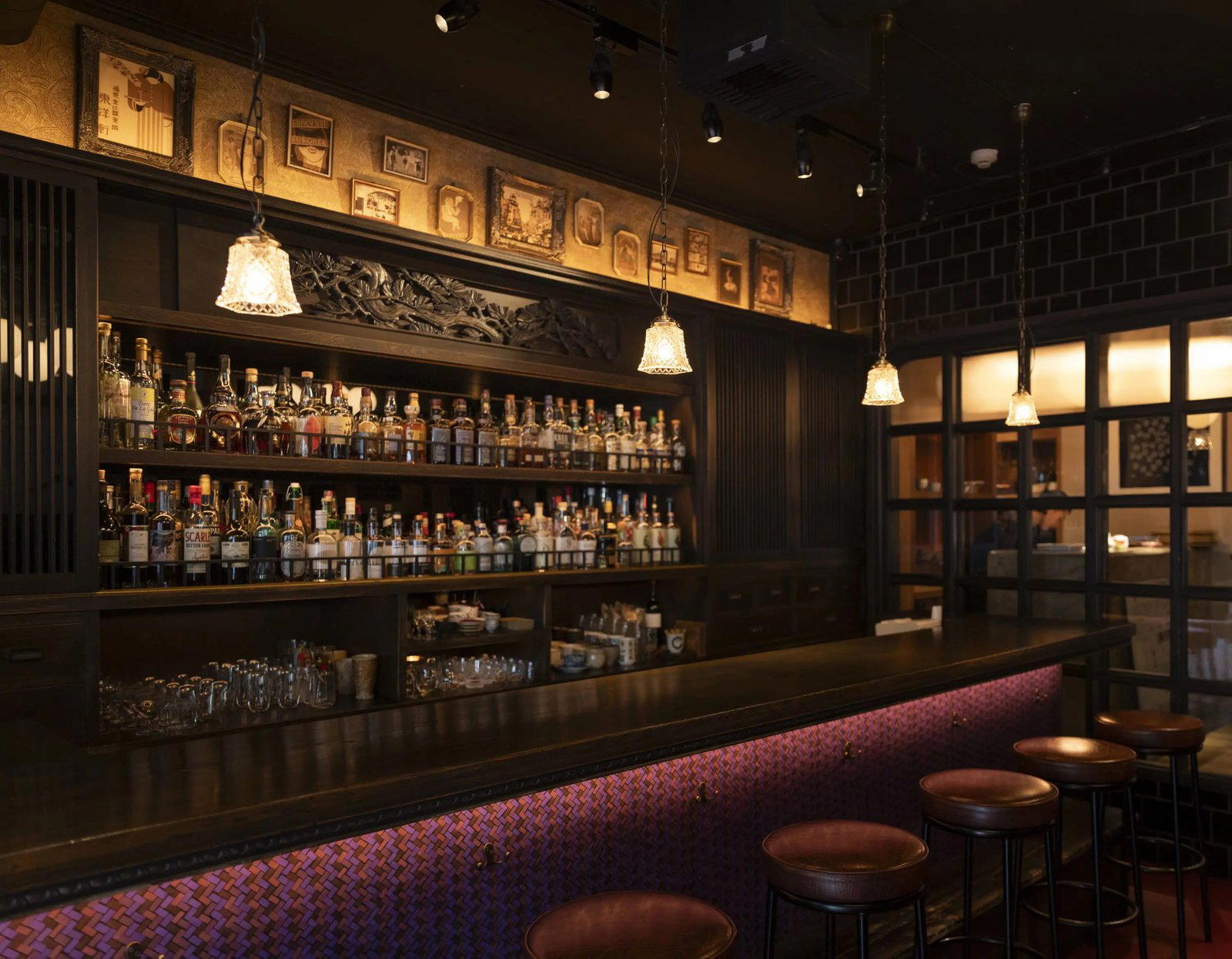
Mita, Meguro: A Bar Address That Earns Attention Differently
Tokyo's most discussed bars tend to cluster in predictable postcode ranges. Ginza draws the international press corps to counters like Bar High Five and Bar Orchard Ginza, where decades of craft credentials and consistent award recognition have made those addresses part of a standard itinerary for serious drinkers. Shinjuku's back streets send a different signal, where Bar Benfiddich has built an international following around botanical precision and a formula that resists easy replication. What these venues share is geographic legibility, they sit in neighbourhoods that Tokyo's drinking culture has already ratified.
Mita, in Meguro City, operates on a different register. The area is residential in character, commercially low-key, and does not present itself as a destination drinking corridor. A bar opening at ground-floor level on Mita 2-chome is making a deliberate statement about its intended audience: not the Ginza tourist circuit, not the international media shortlist, but a more local, more self-selecting crowd. Panacee sits at that address, in the Peerless building, and the neighbourhood context shapes what the experience is likely to be before a single drink is ordered.
What the Residential Bar Format Signals in Tokyo
Japan's bar culture has always maintained a parallel track between the celebrated and the quietly authoritative. The Tokyo bars that attract the most international attention are often also the most theatrically constructed, the ten-seat counter, the three-month booking window, the house-made bitters displayed on open shelving. These are not affectations; they are communication tools, signalling seriousness to a global audience that requires visible evidence of intent.
Bars in residential districts operate with a different grammar. The clientele is more likely to arrive already knowing what they want and less likely to be running a checklist. The rhythm of service is typically steadier, less performative, and the relationship between bar and regular customer sits closer to the centre of how the venue functions. This is the format that sustains much of Tokyo's actual drinking life, even if it generates fewer column inches than the Ginza circuit. Bar Libre represents another node in this quieter Tokyo network, bars that hold their position through consistency rather than spectacle.
What the address alone suggests is that the venue is not positioning itself against the Ginza benchmark. It is operating in a segment where neighbourhood loyalty and personal recommendation carry more weight than international ranking lists.
Reading Tokyo's Bar Scene Beyond the Standard Addresses
For visitors who have already worked through the established Tokyo bar itinerary, addresses like Mita represent the next layer of the city's drinking culture. The Ginza and Roppongi circuits are well-documented. Our full Tokyo restaurants guide covers the broader scene across neighbourhoods, and the pattern that emerges is consistent: the bars generating the most sustained local loyalty are rarely the ones with the most visible press presence.
Japan's bar culture extends well beyond Tokyo, and the same residential-versus-destination split plays out in other cities. Bar Nayuta in Osaka, Bee's Knees in Kyoto, and Lamp Bar in Nara each occupy their own position on this spectrum, with Lamp Bar in particular holding a Michelin-recognised reputation in a city not known as a primary cocktail destination. The point is that Japan's serious bar culture does not require a famous postcode to be substantive. Yakoboku in Kumamoto carries the same argument further from the major tourist corridors entirely.
Venues with significant public-facing ambition tend to generate a data trail. Panacee, as it exists in the public record, has not done that. That profile fits a certain type of Tokyo bar more often found by walking a neighbourhood than by researching a shortlist.
Planning a Visit: What to Know and What to Verify
The address, 2-chome-3-20 Mita, Meguro City, ground floor of the Peerless building, is confirmed. Meguro is accessible on the Tokyo Metro Namboku Line and the Toei Mita Line, with Meguro Station also served by the JR Yamanote Line, placing the area well within reach of central Tokyo without requiring significant travel time. The Mita district sits a short walk from Meguro Station, and the ground-floor location should make the venue findable without prior familiarity with the building.
Visitors should confirm current details directly before making a dedicated trip. For those building a broader Tokyo bar itinerary alongside this visit, the contrast with Ginza-area bars is worth planning around rather than smoothing over, the difference in atmosphere and clientele is part of what makes moving between Tokyo's bar districts genuinely instructive. Internationally, the same principle of seeking bars outside the primary tourist corridors applies in cities like Honolulu, where Bar Leather Apron holds a similar position as a serious address that rewards deliberate discovery. Closer to home, anchovy butter in Osaka Shi and Kyoto Tower Sando in Kyoto Shi represent the same logic applied to the Kansai region's bar scene.
Cuisine and Awards Snapshot
| Venue | Cuisine | Price | Awards |
|---|---|---|---|
| PanaceeThis venue (the venue you are viewing) | Not listed | $50–100 | Not listed |
| Bar Benfiddich | Not listed | $20–30 | World's 50 Best #62 · Tatler Listed in Best Bars Asia-Pacific |
| Bulgari Ginza Bar | Not listed | $50–100 | World's 50 Best #86 · Forbes Travel Guide Hotel Star Bar |
| Star Bar Ginza | Not listed | Not listed | World's 50 Best |
| The Bellwood | Sushi | $50–100 | World's 50 Best #79 · Tatler Listed in Best Bars Asia-Pacific |
| Tender Bar | Not listed | $50–100 | Not listed |
Continue exploring
More in Tokyo
Bars in Tokyo
All bars in Tokyo →



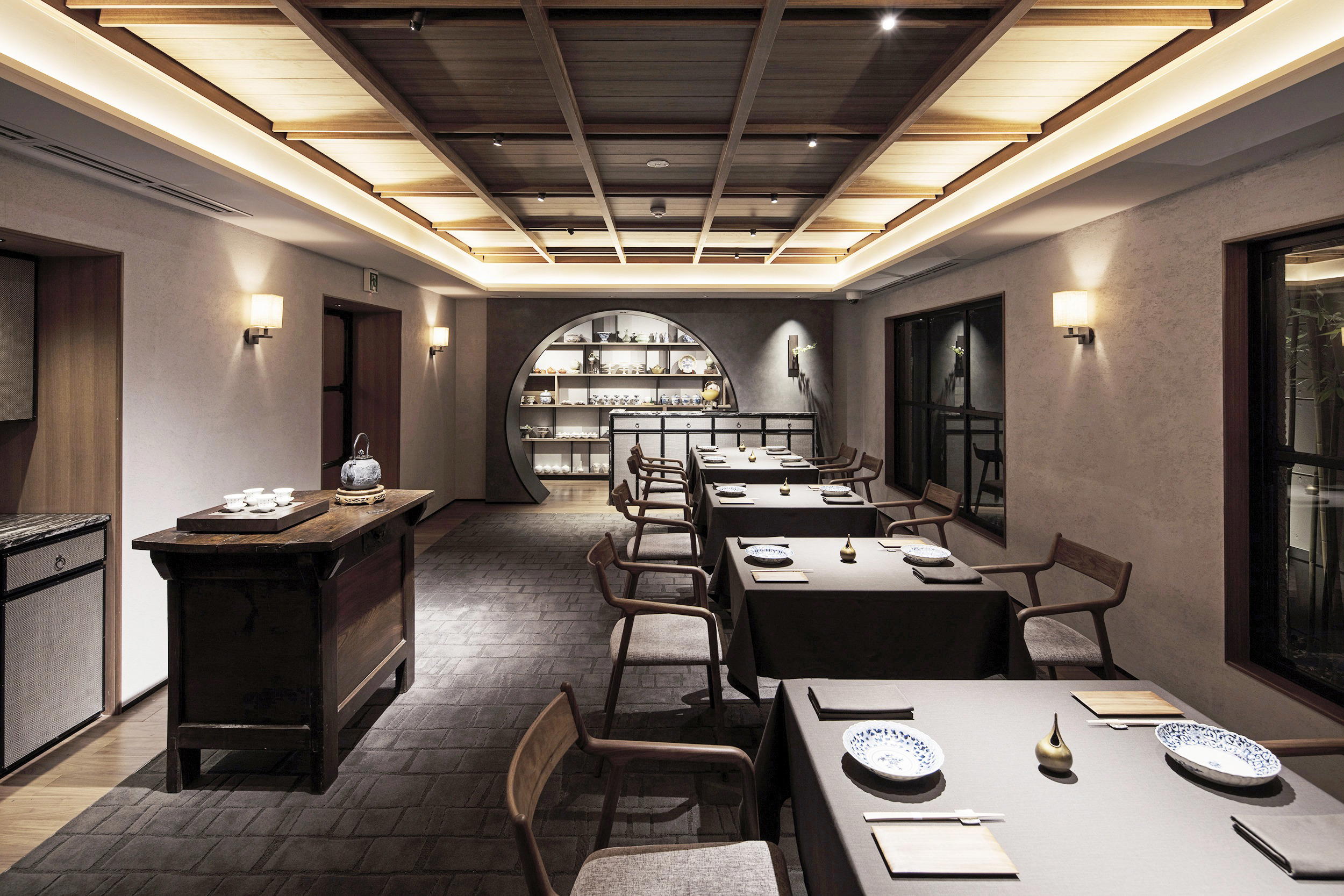

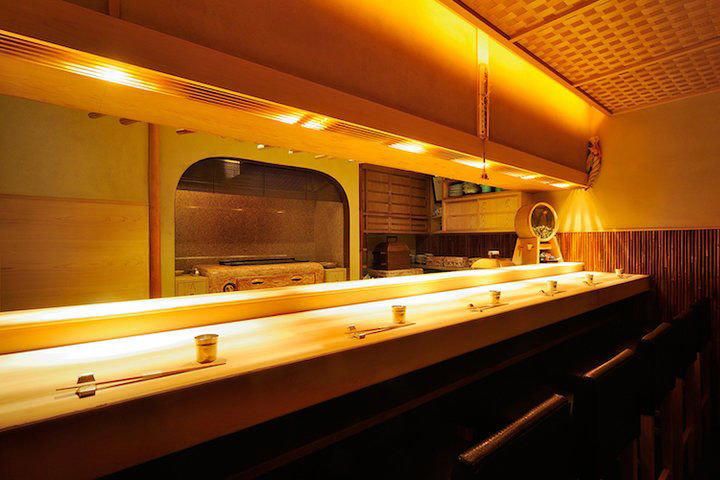
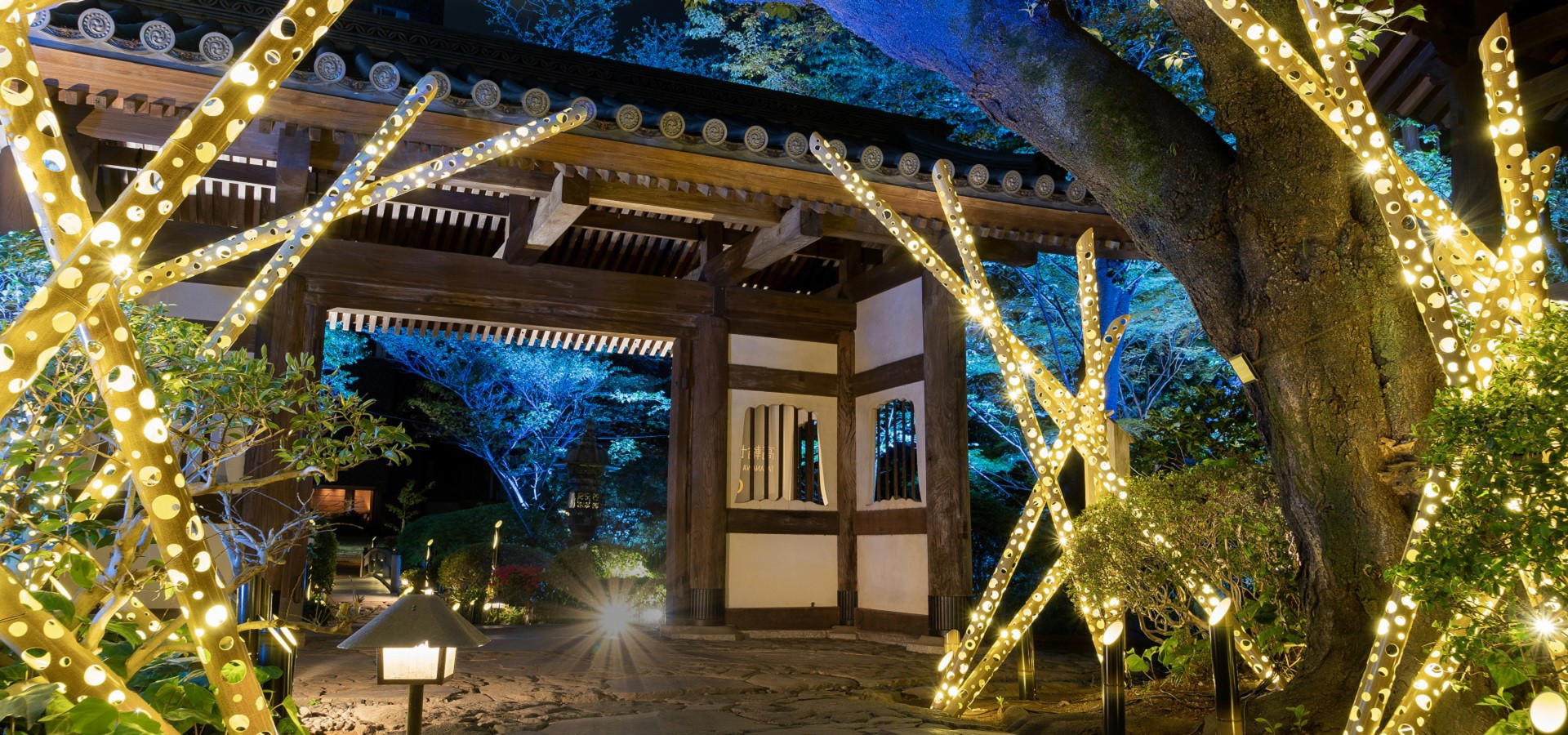

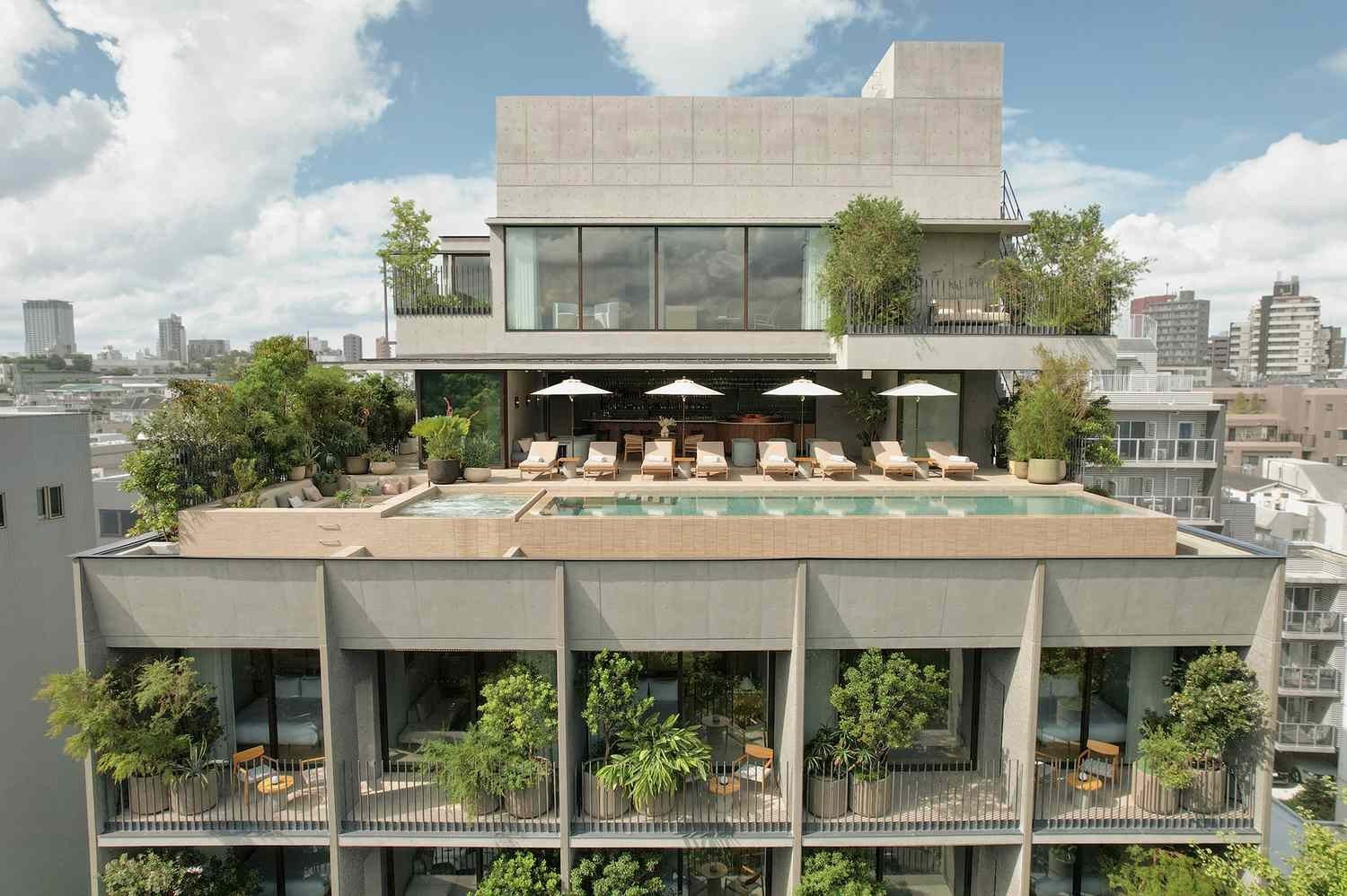


Panacee
The drinks
- Craft cocktails
- Classic cocktails
Signature drinks: Mita Martini, Smoked Plum Old Fashioned, Matcha Negroni.
Details
- Intimate
- Sophisticated
- Cozy
- Elegant
- Date Night
- Solo
- Special Occasion
- Design Destination
- Standalone
- Seated Bar
- Counter Only
- Booth Seating
- Craft Cocktails
- Classic Cocktails
- Whiskey
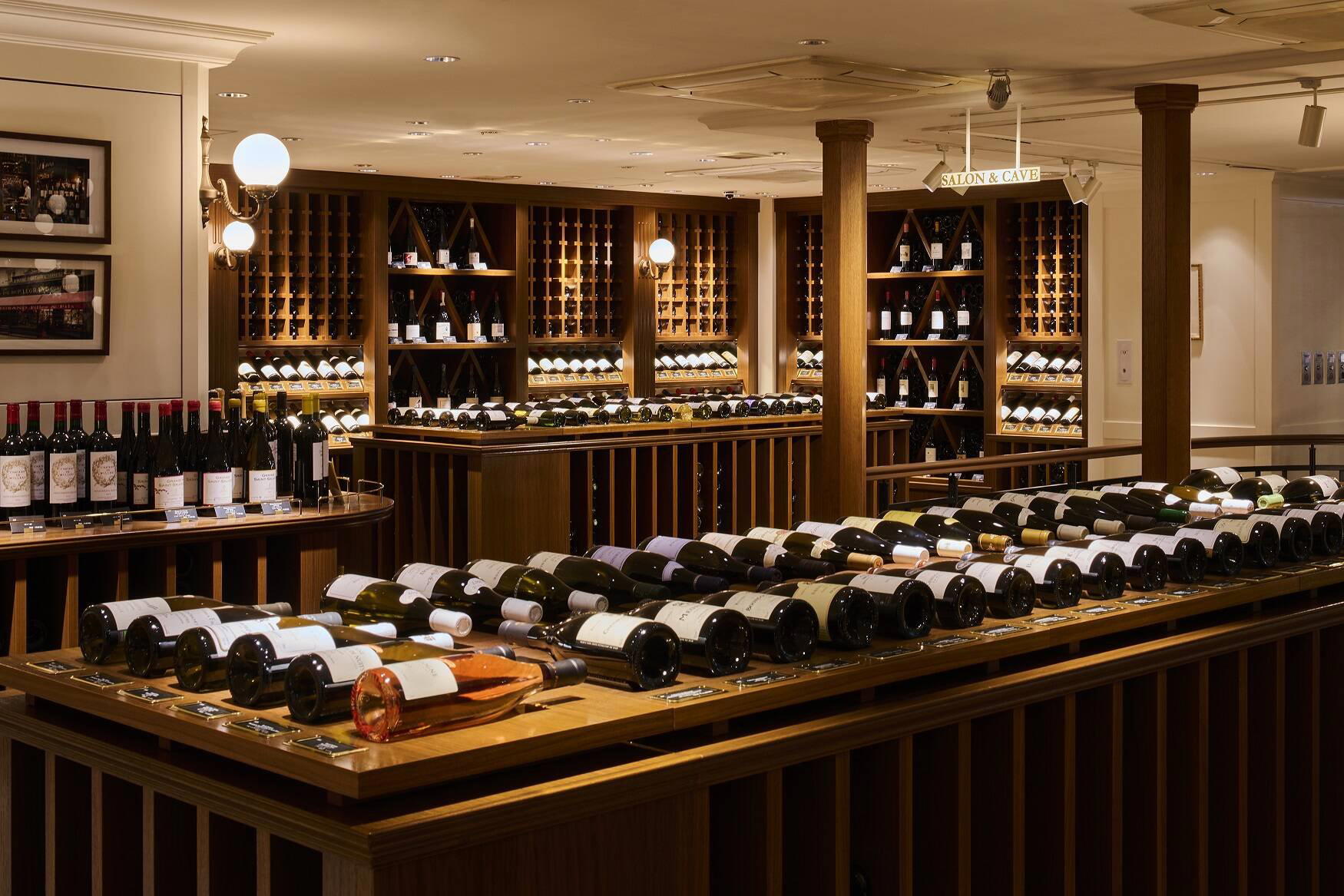
Low purposeful lighting illuminates the polished stone counter with honeyed wood and subtle backlighting, creating a restrained, conversation-friendly atmosphere with curated jazz music.