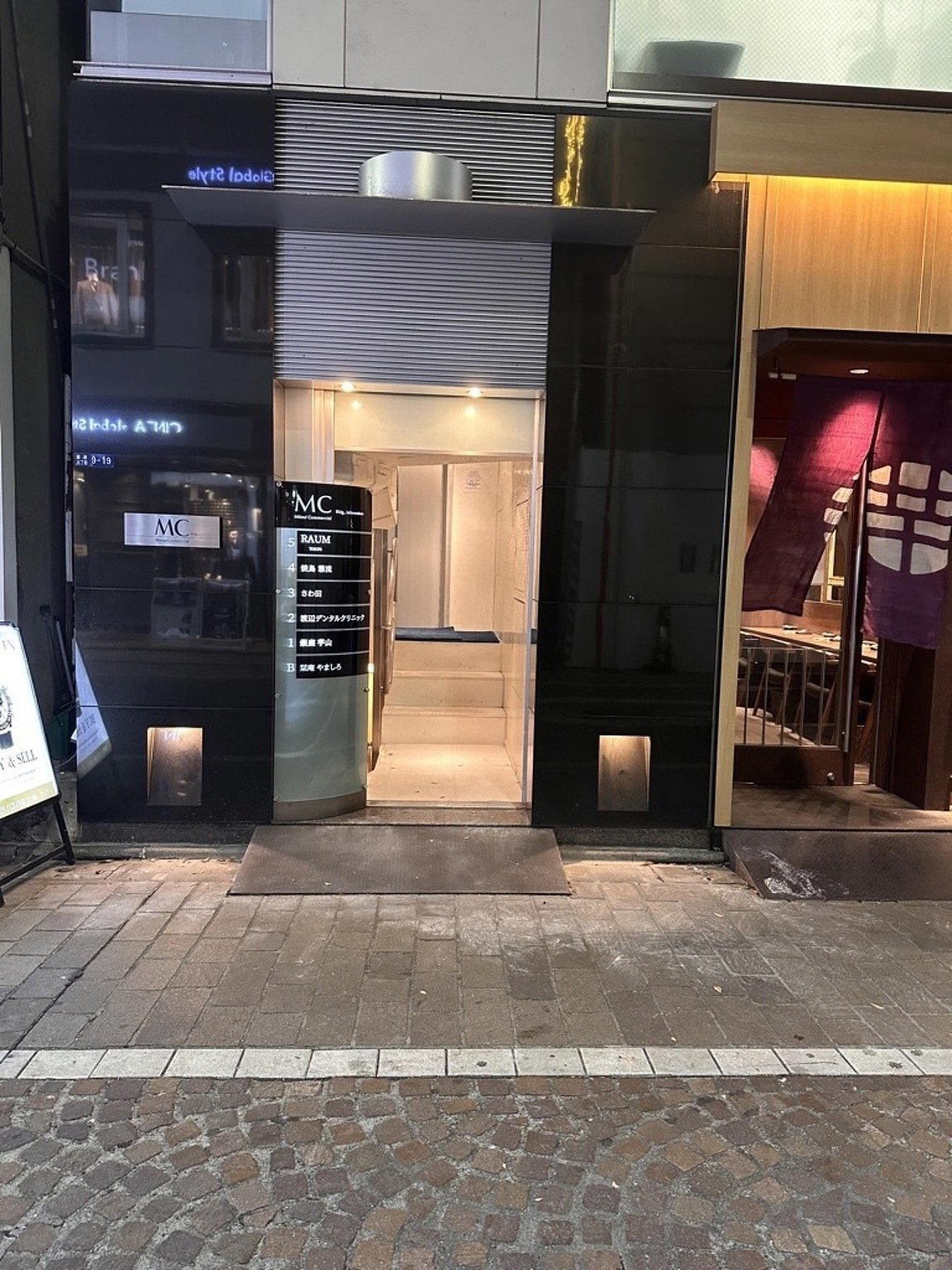
Ginza Tsuboyaki-imo occupies the ground floor of GINZA7BLDG on Chome 7-6-4, bringing a focused, specialty approach to one of Tokyo's most competitive retail and dining corridors. The format centres on yaki-imo — Japanese roasted sweet potato — refined through careful sourcing and preparation in a neighbourhood where restraint and craft tend to command attention. A compact, drop-in proposition in a district otherwise defined by reservation-heavy dining rooms.
Pearl is the En Primeur Club membership app — saves, bookings, and concierge access live there. Same editors, same standards.
- Address
- Japan, 〒104-0061 Tokyo, Chuo City, Ginza, 7 Chome−6−4 GINZA7BLDG 1階
- Phone
- +81 3 6263 8773
- Website
- imo-tsubo.com
- Directions
- Get directions
 Saves & bookings on Pearl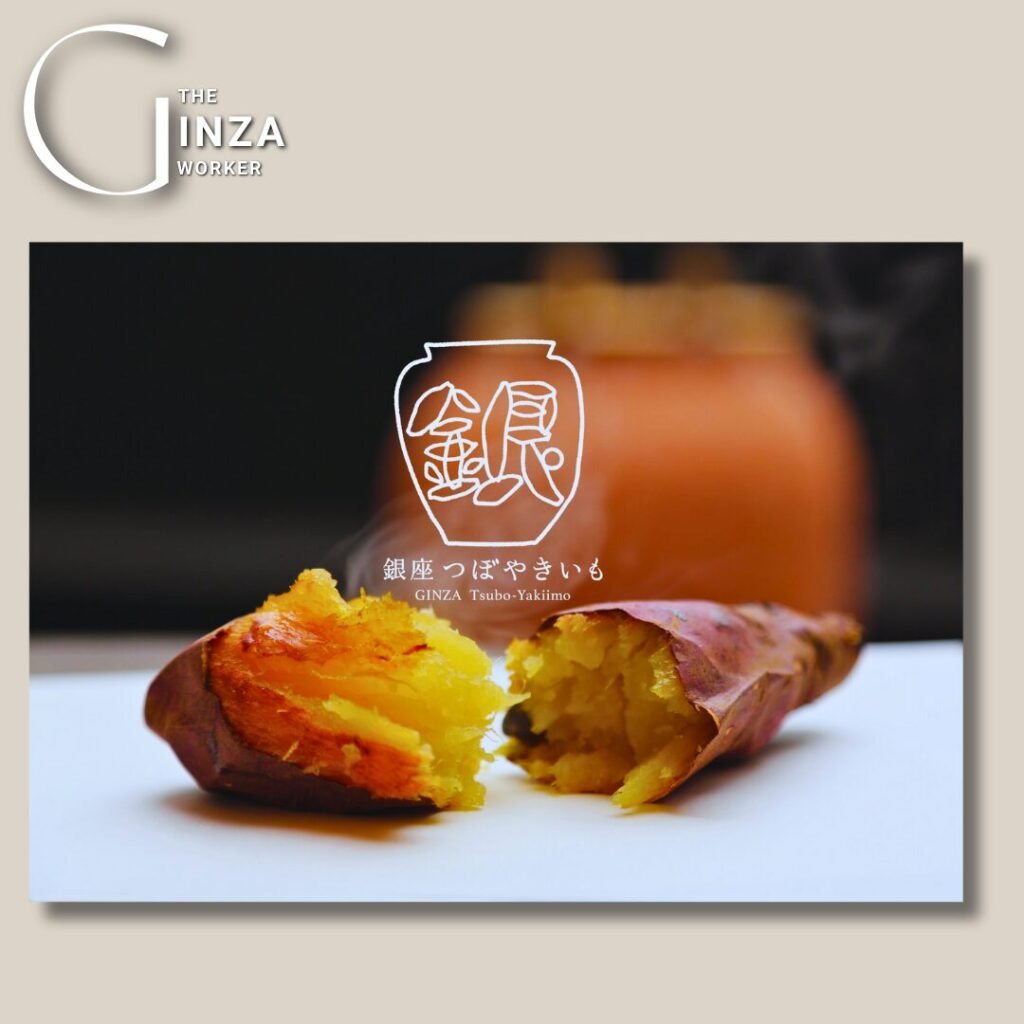
Sweet Potato in the Heart of the Silver District
Ginza has a way of making the specific feel significant. The district's grid of flagship boutiques and high-end restaurants has long operated as a kind of quality filter: concepts that plant here tend to be distilled versions of themselves, aware that foot traffic comes with expectations. Against that backdrop, Ginza Tsuboyaki-imo occupies an unusual position. In a neighbourhood of elaborate tasting menus and multi-floor cocktail bars — including Bar Orchard Ginza and the precise counter work happening at Bar High Five — this ground-floor operation on Chome 7-6-4 inside GINZA7BLDG concentrates on a single product: yaki-imo, the Japanese roasted sweet potato.
That kind of single-product focus has become increasingly common across Japan's specialty food scene. From melon-pan shops in Asakusa to taiyaki counters threading through covered shopping arcades, the logic is consistent, if a concept can be reduced to one thing done with full attention, the result often earns a devoted audience. Ginza Tsuboyaki-imo positions that logic inside one of Tokyo's most discerning retail corridors, where shoppers walk between Cartier and Kyukyodo and expect each stop to be deliberate.
The Yaki-Imo Tradition, Placed in Context
Roasted sweet potato in Japan sits at the intersection of street food and seasonal ritual. The ishiyaki-imo vendor, the slow-moving truck or cart, usually autumn and winter, with stones heated in a drum oven, is a fixture in residential neighbourhoods across the country. The smell alone carries enough nostalgia to stop pedestrians. What specialty shops like Ginza Tsuboyaki-imo do is bring that street-food instinct indoors, apply sourcing rigour to the base ingredient, and let the potato itself carry the argument.
Sweet potato varieties in Japan run deeper than most visitors realise. Naruto Kintoki, Beniazuma, Murasaki, Satsuma-imo, each carries different sugar content, moisture levels, and textural behaviour under heat. A shop committed to this category will typically rotate varieties by season and region, treating the sweet potato with something closer to a wine grower's attention to terroir than a fast-food operator's attention to throughput. The result, when the execution is right, is a roasted potato that arrives sweet, dense, and warm in a way that rewards attention rather than demanding it.
Japan's broader craft food movement has amplified interest in these kinds of single-product specialists. The same culture that built Michelin-starred ramen counters and destination wagashi shops has found space for yaki-imo concepts that take raw ingredient sourcing as seriously as any kaiseki kitchen. Ginza as a setting signals ambition within that movement: rents here are not subsidised by nostalgia, and the surrounding foot traffic has both the purchasing power and the palate to reward quality over novelty.
The Ginza Setting: What the Address Implies
GINZA7BLDG sits in the Chome 7 block of Ginza, a stretch of the district that mixes flagship retail with some of Tokyo's most focused specialty F&B. The ground-floor positioning makes Ginza Tsuboyaki-imo accessible as a walk-in proposition, which matters in a neighbourhood where most quality experiences require advance planning. Tokyo's premium bar circuit, which includes Bar Benfiddich and Bar Libre, operates largely on reservations and set-time formats. A counter selling roasted sweet potatoes operates on different terms: the product is the programme, and the timing is the customer's.
That accessibility is part of the appeal, and it connects Ginza Tsuboyaki-imo to a broader pattern visible across Japan's food cities. Osaka's covered shopping streets, Kyoto's Nishiki Market, Nara's approach roads to Todai-ji, quality specialty food in Japan has always coexisted with foot-traffic retail in a way that doesn't reduce it. Visitors moving between destinations across the country will find analogous specialist propositions at stops like Kyoto Tower Sando, and the same logic of compact format plus focused product runs through the F&B offer at Bar Nayuta in Osaka.
Who This Format Works For
The clearest audience for Ginza Tsuboyaki-imo is the visitor or resident who wants a quality food moment without the infrastructure of a full dining experience. Tokyo's premium dining circuit demands advance booking windows measured in weeks or months; the city's specialty food counters offer a pressure-free alternative that still connects to the culture of ingredient care that defines serious Japanese cooking at every price point.
It also fits naturally into a Ginza afternoon that might otherwise be weighted toward retail. The neighbourhood draws shoppers who eat seriously, and a roasted sweet potato at the right quality level occupies a different category than a convenience store onigiri, it's a deliberate food choice, not a fuel stop. Visitors exploring Japan beyond Tokyo will encounter similar logic in markets and arcade shops: Lamp Bar in Nara, Bee's Knees in Kyoto, and Yakoboku in Kumamoto each demonstrate how Japan's specialty F&B culture scales from metropolis to regional city without losing its commitment to the product at the centre.
International visitors who have encountered yaki-imo only as street food will find that a Ginza-format version likely upgrades the variety, preparation method, and sourcing provenance. Those already familiar with the category will be comparing against the leading regional producers and asking whether the premium address translates into a premium result. For both, the ground-floor, walk-in format keeps the stakes proportionate: this is a single product, consumed on its own terms, in one of the most carefully curated food neighbourhoods in the world. Our full Tokyo restaurants guide maps the wider food context for visitors building a multi-day itinerary.
For reference, Japan's craft F&B circuit extends well beyond Tokyo: anchovy butter in Osaka Shi and Bar Leather Apron in Honolulu each illustrate how the precision that defines Japanese specialty food culture travels, both geographically and across format types.
Planning a Visit
Ginza Tsuboyaki-imo is located on the ground floor of GINZA7BLDG at 7 Chome-6-4 Ginza, Chuo City, Tokyo. The address places it within easy walking distance of Ginza Station on the Tokyo Metro. As a ground-floor specialist retail concept rather than a seated restaurant, no reservation is required, and the format is designed for walk-in access. Current hours, seasonal variety availability, and any online ordering options are best confirmed directly, as specialty food counters of this type often adjust offerings by season.








At a Glance
- Cozy
- Casual Hangout
- Standalone
- Counter Only
- Outdoor Terrace
- Street Scene
Current opening hours
- Monday
- Closed
- Tuesday
- 12–10 PM
- Wednesday
- 12–10 PM
- Thursday
- 12–10 PM
- Friday
- 12–10 PM
- Saturday
- 12–6 PM
- Sunday
- 12–6 PM
Hours can change for holidays and private events. Last verified .
Cozy street-side spot with eat-in seating and casual atmosphere focused on premium baked sweets.
Know Before You Go
- Getting there
- Japan, 〒104-0061 Tokyo, Chuo City, Ginza, 7 Chome−6−4 GINZA7BLDG 1階