
Tabelog 100 #5
Our verdict
Aigues Vives is a Hokkaido bread counter in Oshoro, outside central Sapporo, with repeated selection in Tabelog’s Bread 100 listings from 2017 through 2022. The appeal is not a long dining format but a precise rural bakery culture: counter sales, a coastal setting, and bread treated as a serious regional craft rather than a side note.

Pearl is the En Primeur Club membership app — saves, bookings, and concierge access live there. Same editors, same standards.
- Address
- 1 Chome-195 Oshoro, Otaru, Hokkaido 048-2561, Japan
- Phone
- +81 134-64-2800
- Hours
- Mon ClosedTue–Sat 12–6 PMSun Closed
- Website
- tabelog.com
- Directions
- Get directions
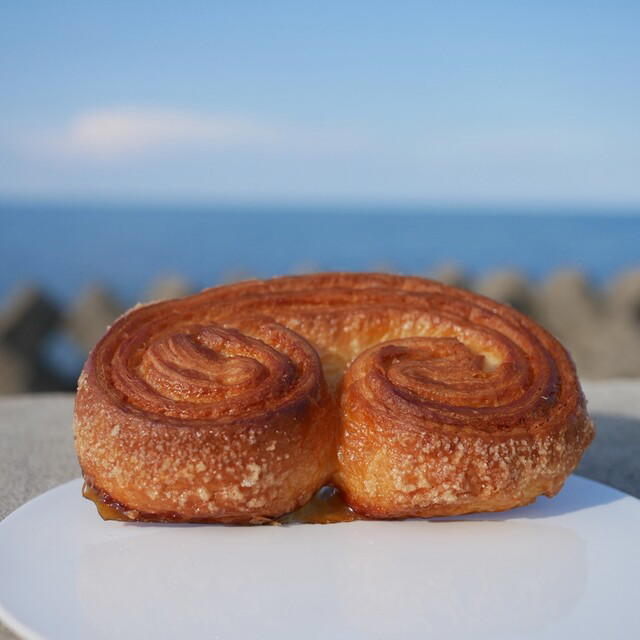
The approach to Oshoro shifts the frame from urban Sapporo dining to Hokkaido’s outer edge: sea air, low houses, and the practical rhythm of a bakery built around the day’s bake rather than restaurant service. In Japan, serious bread culture has long moved beyond convenience-store softness and department-store polish. The stronger bakeries now sit in a category closer to specialist food shops, where fermentation, flour choice, and timing matter as much as a sushi counter’s rice temperature or a soba shop’s milling.
Aigues Vives belongs to that category. Its recognition in Tabelog’s Bread 100 in 2017, 2018, 2019, 2020, and 2022 gives it a track record that matters in a field where public rankings can tilt toward novelty. This is not a chef-led dining room with a set menu narrative. It is over-the-counter sales only, which puts the focus on selection, pacing, and how quickly a visitor understands the house system.
Hokkaido bread culture, seen through a coastal counter
Hokkaido’s food identity is often explained through dairy, seafood, ramen, lamb, and winter produce, but bread is one of the region’s quieter measures of taste. The island’s agriculture gives bakers access to domestic wheat and dairy associations that carry weight with Japanese customers, while the climate supports a culture of driving for food: a ramen run, a farm café, a winery lunch, or a bakery stop folded into a coastal day. Aigues Vives fits that pattern better than it fits the central-Sapporo restaurant circuit.
The format is disciplined. There are no trays; customers tell staff which breads they want, and the order is brought out. That small detail changes the tempo. It removes the casual self-service sweep of a city bakery and makes the counter feel closer to a specialist transaction, with selection mediated by staff rather than impulse alone. For travelers used to Japanese bakeries as bright, fast, self-serve rooms, this is a useful correction: rural bakeries in Hokkaido can be destination food without behaving like restaurants.
The comparison set is therefore unusual. Around Yoichi and Otaru, destination dining often means longer meals, wine-country pacing, or seafood traditions. Yoichi LOOP operates in a far higher dining spend bracket, while places such as Yoichi Sagra and Isezushi sit in a different meal category entirely. Aigues Vives occupies the lower-cost, shorter-format end of that out-of-metro circuit, but its repeated Bread 100 selections place it in a serious specialist tier rather than a casual snack stop.
Why the format matters more than a signature order
Japanese food writing often rewards named dishes, but bread counters resist that habit. The point here is the system: a narrow sales format, a coastal location, and a reputation strong enough to pull attention away from Sapporo’s denser restaurant districts. The public details point to a bakery where timing matters, because opening can depend on when bread has been baked, and holidays can shift. That is part of the culture, not an inconvenience to edit out. Small producers in rural Japan often run on production logic first and visitor convenience second.
That makes Aigues Vives a different proposition from a Sapporo lunch itinerary built around noodles, curry, or izakaya pacing. In the city, the spectrum runs from sesame-heavy ramen at 175°DENO Tantanmen Sapporo kitaguchi ten to soup-curry variations at [Curry Senmon Ten] Maruyama Kyoju., Ajanta Indo Curry Ten, and Ajanta Sohonke. Regional ramen culture extends beyond Sapporo as well, with addresses such as Aji no Daiou Souhonten showing how Hokkaido food tourism often rewards a detour. Bread belongs in that same conversation when the bakery has enough recognition and logistical friction to justify the trip.
The practical read is simple: treat the visit as a planned stop rather than a casual add-on. The shop has over-the-counter sales only, no private rooms, and a non-smoking setup. Payment is listed as cash-oriented, with credit cards, electronic money, and QR code payments not accepted. Parking is limited to five spaces in front of the store. Those details define the experience as clearly as any menu description would.
How to place it within a Sapporo trip
For a visitor based in Sapporo, Aigues Vives makes the strongest sense as part of a westward day toward Otaru, Oshoro, Ranshima, or Yoichi. The nearest station is Ranshima, and public transport from Otaru involves a bus toward Oshoro followed by a walk from National Route 5. That puts it outside the easy urban crawl, which is exactly why the address has a different energy from a bakery near Sapporo Station.
Use the broader city guides to keep the trip balanced: Our full Sapporo restaurants guide for meals before or after the coast, Our full Sapporo hotels guide for where to base, Our full Sapporo bars guide for the evening, Our full Sapporo wineries guide for regional drinking context, and Our full Sapporo experiences guide for planning beyond meals. Travelers comparing Japan food formats more broadly can also look at -Grilled beef Sukiyaki- KAMAKURA TANUKIAN 鎌倉 たぬき庵 in Kamakura. 鮪と炭火焼き うお炭 秋葉原店 in Tokyo.cafe in Osaka.know in Kumamoto, (Shoku) Vietnam in Kawasaki, [ki:] in Kyoto, Jōdo Saké Bar in Los Angeles, and Onigiri Time in Pasadena, each showing how narrow formats can carry serious editorial weight when the execution and context are clear.
The case for Aigues Vives rests on that clarity. It is a bread specialist with repeated national-category recognition, a rural-coastal setting, and a sales method that asks the visitor to slow down and choose deliberately. In a region often summarized by bowls, grills, and seafood counters, this is Hokkaido food culture expressed through the bakery shelf.
Frequently asked questions
What's the pricing like at Aigues Vives?
Pricing at Aigues Vives is listed as JPY 2,000 - JPY 2,999 View spending breakdown.
When can I go to Aigues Vives?
Hours at Aigues Vives: Mon: Closed; Tue: 12–6 PM; Wed: 12–6 PM; Thu: 12–6 PM; Fri: 12–6 PM; Sat: 12–6 PM; Sun: Closed.
What part of town is Aigues Vives in?
Aigues Vives is located in Sapporo.
What's the standout thing about Aigues Vives?
Its strongest credential is the Tabelog 100 Bread EAST 2022 selection, which places it among the region’s noted bread addresses. The format is spare and specific: counter-only sales, with children welcome and five parking spaces in front of the store.
Booking and Cost Snapshot
Comparable venues in the metro at similar price points.
| Venue | Cuisine | Price | Awards | Notes |
|---|---|---|---|---|
| Aigues VivesThis venue — the venue you are viewing | Coastal artisan bakery | $10–20 | Tabelog 100 #5 | Not listed |
| Parfarteria miL | Nighttime Parfait Specialty | Not listed | Not listed | Tanukikoji, Nighttime Parfait Specialty |
| Milk Mura SAPPORO hon ten | Ice cream & gelato bar with liqueurs | $20–30 | Tabelog 100 #53 | Chūō, Ice cream & gelato bar with liqueurs |
| Patisserie Shiiya | Chūō, Japanese-style French patisserie | $10–20 | Tabelog 100 #16 | Not listed |
| BARNES | Soft Serve Ice Cream | $1–10 | Tabelog 100 #5 | Chūō, Soft Serve Ice Cream |
| Univers S. | Retro Showa-style Western (yoshoku) restaurant | Not listed | Tabelog 100 #47 | Nishi, Retro Showa-style Western (yoshoku) restaurant |
Recognition history
Dated appearances from independent guides and award organizations, with the underlying list record or original source where available.
Tabelog 100 #5 · No. 5
Tabelog · Tabelog 100 - Bread - EAST - 2022
Continue exploring
More in Sapporo
Restaurants in Sapporo
Browse all →
Bars in Sapporo
Browse all →
Hotels in Sapporo
Browse all →
Wineries in Sapporo
Browse all →
Details
- Scenic
- Rustic
- Cozy
- Solo
- Family
- Casual Hangout
- Waterfront
- Panoramic View
- Standalone
- Waterfront
- A La Carte
Current opening hours
- Monday
- Closed
- Tuesday
- 12–6 PM
- Wednesday
- 12–6 PM
- Thursday
- 12–6 PM
- Friday
- 12–6 PM
- Saturday
- 12–6 PM
- Sunday
- Closed
Hours can change for holidays and private events. Last verified .
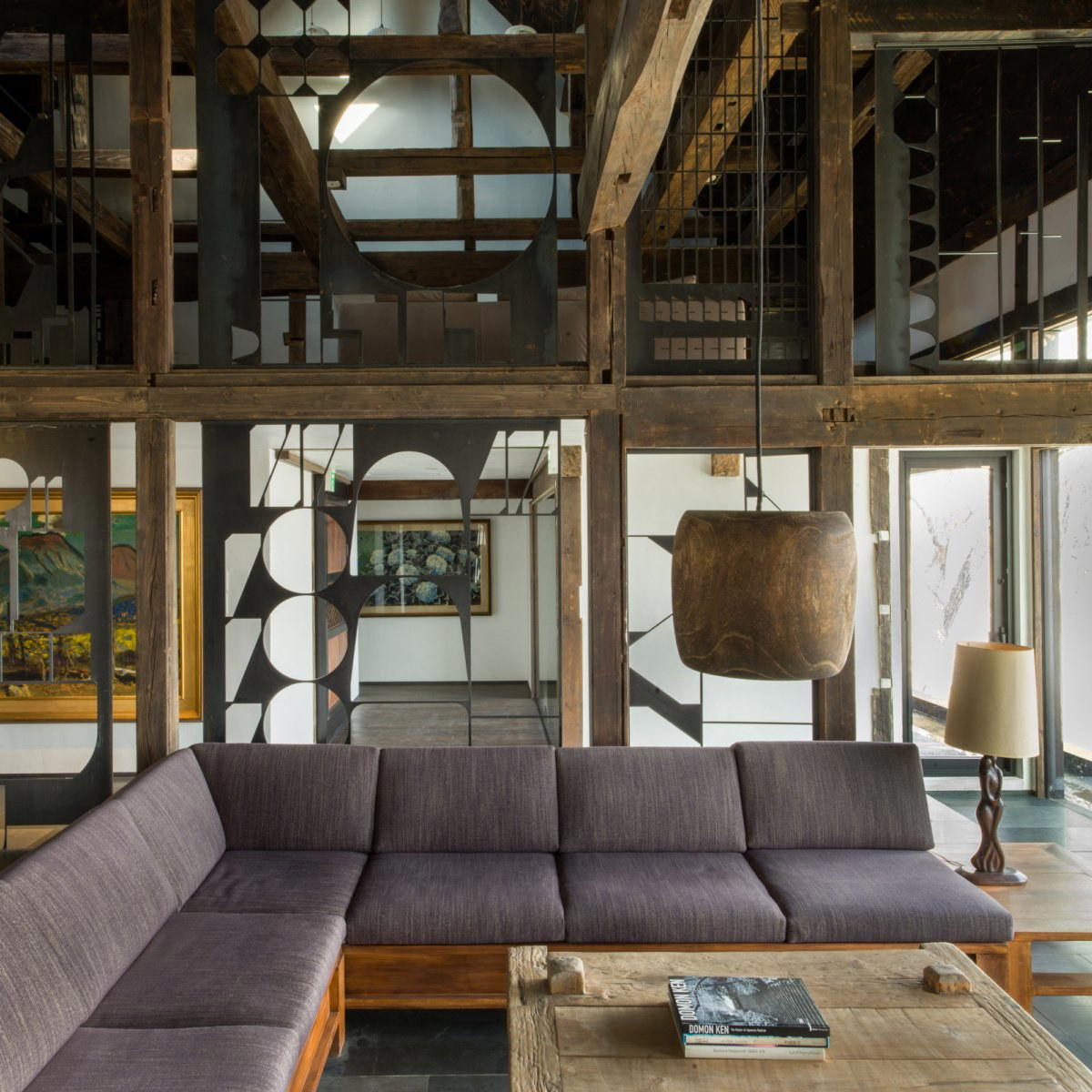
A small house‑style bakery with a stylish yet rustic interior, quiet and cozy atmosphere, and large windows looking out over the coastline, giving it a relaxed, scenic feel.