
Tabelog 100 #64
Our verdict
伊勢鮨 serves Edomae Sushi at a chefs counter, with Otoro nigiri, local uni, and anago alongside a sake program for a leisurely dinner in a formal setting.

Pearl is the En Primeur Club membership app — saves, bookings, and concierge access live there. Same editors, same standards.
- Address
- 3 Chome-15-3 Inaho, Otaru, Hokkaido 047-0032, Japan
- Phone
- +81134231425
- Hours
- Mon–Tue 11:30 AM–3 PM, 5–9 PMWed ClosedThu–Sun 11:30 AM–3 PM, 5–9 PM
- Website
- isezushi.com
- Directions
- Get directions
- Booking
- Book on the venue's website
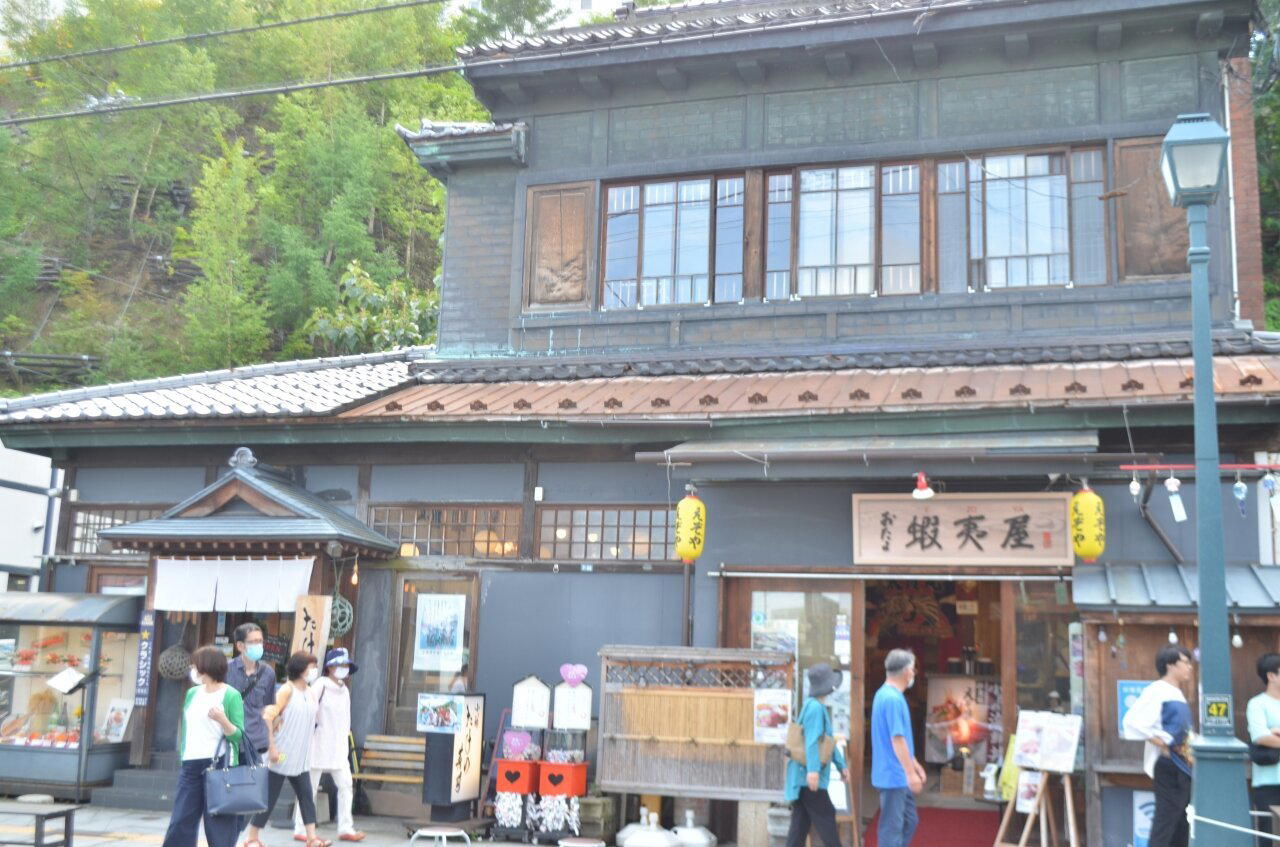
Otaru's Sourcing Tradition and the Address at Inaho
Otaru has always organised itself around the sea. The city's stone-canal warehouses were built to move herring and salmon from Hokkaido's cold waters into the broader Japanese market, and that maritime logic still shapes how its restaurants think about ingredients. In a port city where morning catches reach kitchen counters within hours, the sourcing question is not aspirational, it is structural. Restaurants here are either connected to that supply chain or they are not, and diners who know the city can tell the difference immediately.
伏蔵鮨 sits at 3 Chome-15-3 Inaho, a residential-commercial address in a quieter quarter of Otaru that sits away from the tourist density around the canal. The approach is unremarkable by design: low signage, a streetfront that asks nothing of passersby. Inside, the counter format that dominates serious sushi dining in Hokkaido's port cities places the kitchen directly in front of the guest, making the sourcing conversation unavoidable. What arrives on the rice, and where it came from that morning, is the entire point of the format.
Why Hokkaido Sourcing Carries Weight
Hokkaido's cold-water marine environment produces ingredients that command premium positioning across Japan's sushi counters. The Tsugaru Strait and the waters around the Shakotan Peninsula generate uni (sea urchin) with a brininess and fat content that is measurably different from warmer-water equivalents. Hokkaido salmon, ikura cured at source, and the region's snow crab occupy dedicated sections of the highest-priced omakase menus in Tokyo and Osaka.
A counter operating in Otaru itself sits closer to that supply chain than any Tokyo equivalent can claim. The practical geography matters: fish landed at Otaru's port, or driven in from Yoichi and Shakotan, arrives without the overnight logistics that mainland sourcing requires. This proximity does not automatically guarantee quality, but it narrows the window between ocean and plate in a way that distinguishes Hokkaido's leading local counters from their metropolitan imitators. Specialty operations like Yoichiya Uni Specialty Restaurant in the same city have built their entire format around a single ingredient's supply chain, which illustrates how seriously the local dining scene takes provenance as a competitive differentiator.
The Counter Format in Hokkaido Context
Sushi counter culture in Hokkaido tends toward a different register than the lacquer-and-silence formality of Tokyo's Ginza district. The prefecture's restaurant character runs warmer, more conversational, and often more focused on the ingredient's story than on technical ceremony for its own sake. This does not mean standards are lower; it means the performance priorities are different. A counter in Otaru is more likely to lead with what the fisherman brought in at dawn than with the provenance of its rice vinegar or the lineage of its blade technique, though both matter in practice.
For guests approaching 伏蔵鮨, this context sets expectations usefully. The format rewards engagement with the sourcing narrative. Hokkaido's seasonal calendar structures what appears on the menu: snow crab runs through winter, uni peaks in summer (with Rebun Island's murasaki uni considered among Japan's most prized), and autumn brings Pacific saury alongside the salmon season. A counter that is genuinely connected to Otaru's supply chain will reflect that calendar directly in what it serves, with no two months looking quite the same.
Other counters and dining rooms across the region demonstrate how seriously Hokkaido's kitchen culture takes seasonal sourcing. Shinkai in Otaru has built its donburi format around the same seasonal logic, and the contrast between the two formats illustrates how the same sourcing philosophy can manifest differently depending on kitchen style. Further afield in Japan, restaurants like Goh in Fukuoka and HAJIME in Osaka demonstrate how regional sourcing commitments define a restaurant's identity at the highest levels of Japanese dining. akordu in Nara approaches the same question from a European technique standpoint, showing how ingredient provenance functions as a structuring principle across formats and price tiers.
Placing 伏蔵鮨 in Otaru's Dining Room
Otaru's restaurant geography concentrates its best-known addresses around the canal and along Sakaimachi Street, where tourist footfall supports volume-oriented seafood formats. The Inaho address sits outside that concentration, which typically signals a restaurant oriented toward repeat local custom rather than first-visit tourists. In Japanese dining culture, that orientation often correlates with stricter sourcing discipline: a restaurant that relies on neighbourhood regulars cannot sustain its position on novelty alone. For the dedicated visitor willing to step away from the canal, addresses in quieter Otaru quarters often deliver a more precise read on what the city's kitchen culture actually values.
Other Otaru restaurants operating outside the obvious tourist axis, such as かまわぬ and オタル ダイニング ノーネーム, share this characteristic. Each occupies a position in the city's dining ecosystem that rewards advance research and a willingness to navigate on foot. Our full Otaru restaurants guide maps the broader picture for visitors planning a serious eating itinerary in the city.
For comparative context across Japan's more data-rich sushi tier, counters like those at Harutaka operate within a documented competitive hierarchy. Regional restaurants across Japan, from counters in Nanao to dining rooms in Sapporo, demonstrate how Japan's mid-tier cities support serious culinary output outside the metropolitan spotlight. Even internationally, the sourcing-first philosophy that defines Hokkaido's leading counters finds its analogue in the seafood rigour of Le Bernardin in New York City, where proximity to supply and minimal intervention are the governing principles.
Planning a Visit
The Inaho address in Otaru is accessible from Otaru Station on foot or by local bus. For visitors arriving from Sapporo, the JR Hakodate Main Line covers the route in approximately 35 minutes, making Otaru a viable half-day excursion or overnight stop within a broader Hokkaido itinerary. Because the venue data available to EP Club for 伏蔵鮨 does not include confirmed hours, pricing, or booking methods, readers should verify current operational details directly before visiting. Japanese counter restaurants at this address tier frequently operate on reservation-only systems and may maintain limited weekly hours, particularly if the format is omakase-led.
Seasonal timing matters for any Otaru counter visit. Summer (June through August) concentrates the city's premium uni season, while winter brings snow crab to the fore. Spring and autumn offer transition menus that can be among the most interesting eating moments in Hokkaido, when kitchens are working with the overlap between outgoing and incoming seasonal produce.
Frequently asked questions
Where is ä¼å¢é®¨ in Otaru?
ä¼å¢é®¨ is located at 3 Chome-15-3 Inaho, Otaru, Hokkaido 047-0032, Japan, Otaru.
What do people recommend at 伏蔵鮨?
What is structurally consistent across Otaru's sushi counters at this address tier is a focus on Hokkaido cold-water species: sea urchin from the surrounding waters, locally sourced salmon, and seasonal shellfish. For the most current picture, visiting the Inaho district and asking directly on arrival is the most reliable approach.
How hard is it to get a table at ä¼å¢é®¨?
Reservations are recommended for ä¼å¢é®¨ in Otaru. Confirm current policy via the venue's official channels.
What has ä¼å¢é®¨ built its reputation on?
ä¼å¢é®¨ is best approached by focusing on the core concept and signature offerings.
Is ä¼å¢é®¨ good for vegetarians?
Dietary accommodations can vary. Flag restrictions in advance via the venue's official channels.
Fast Comparison
| Venue | Cuisine | Price | Awards |
|---|---|---|---|
| ä¼å¢é®¨This venue — the venue you are viewing | Edomae Sushi | $100–150 | Tabelog 100 #64 |
| Otaru Seafood Donburi Restaurant "Shinkai" | Otaru Seafood Donburi (Kaisen-don) | $20–30 | Not listed |
| Yoichiya Uni Specialty Restaurant, Hokkaido-Otaru | Premium Sea Urchin Donburi & Seafood Bowls | $50–100 | Not listed |
| オタル ダイニング ノーネーム | Otaru Yoshoku (Japanese Western Cuisine) | $20–30 | Not listed |
| かまわぬ | Seafood Izakaya | $30–50 | Not listed |
Recognition history
Dated appearances from independent guides and award organizations, with the underlying list record or original source where available.
Tabelog 100 #64 · No. 64
Tabelog · Tabelog 100 - Sushi - EAST - 2025
Continue exploring
More in Otaru
Restaurants in Otaru
Browse all →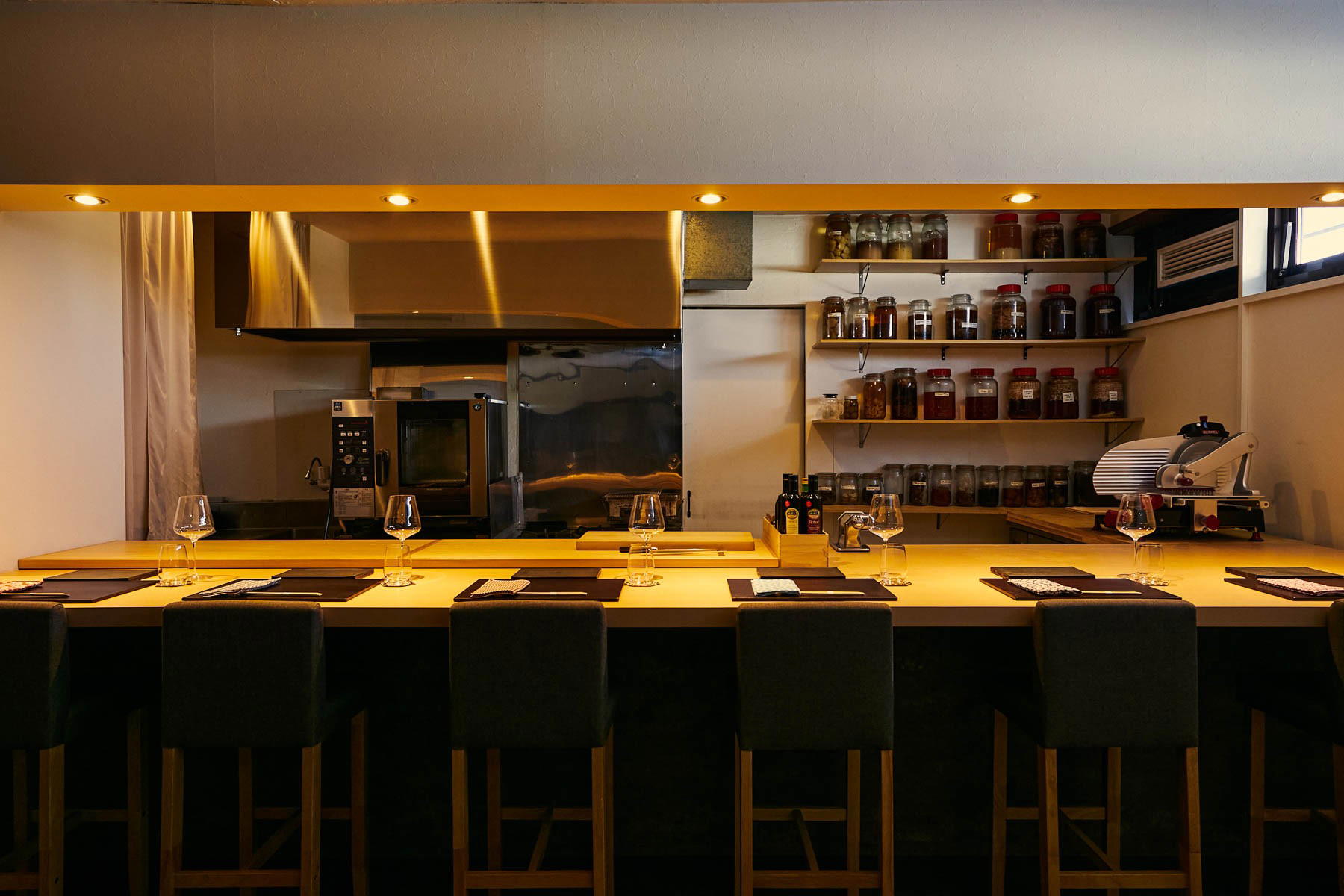
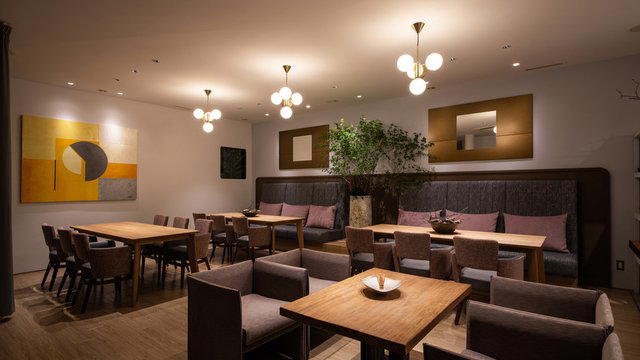
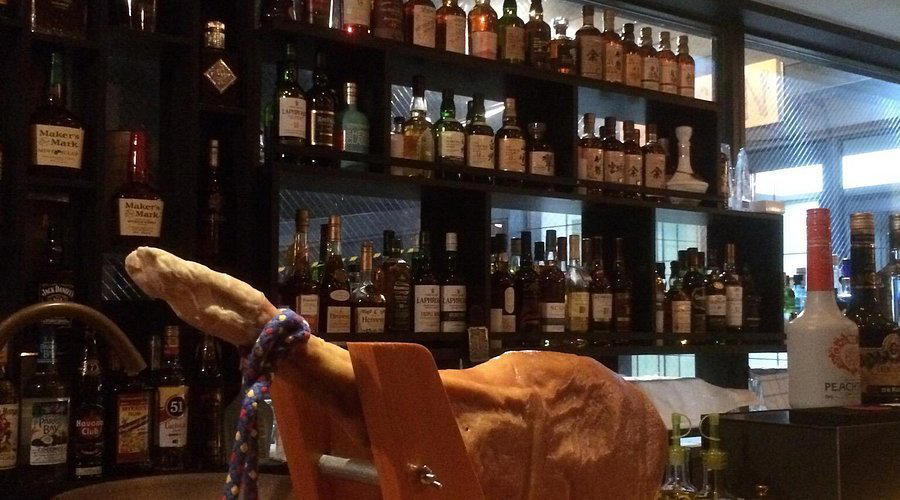
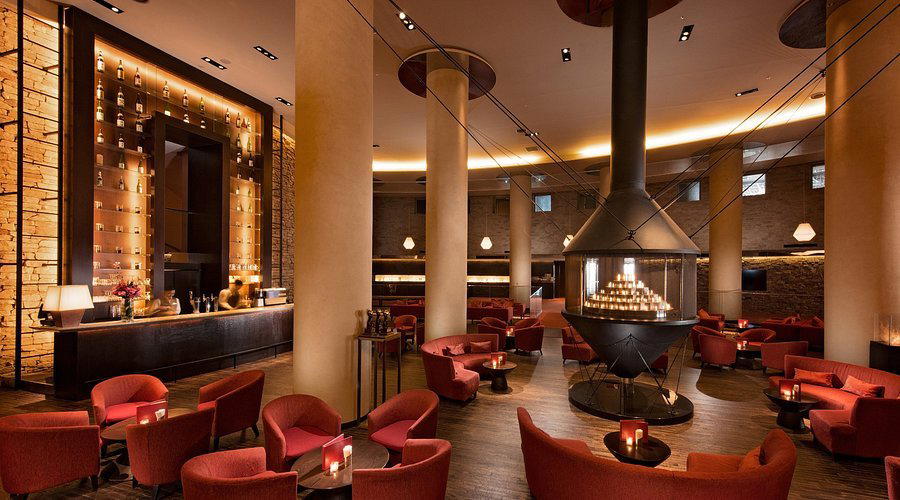
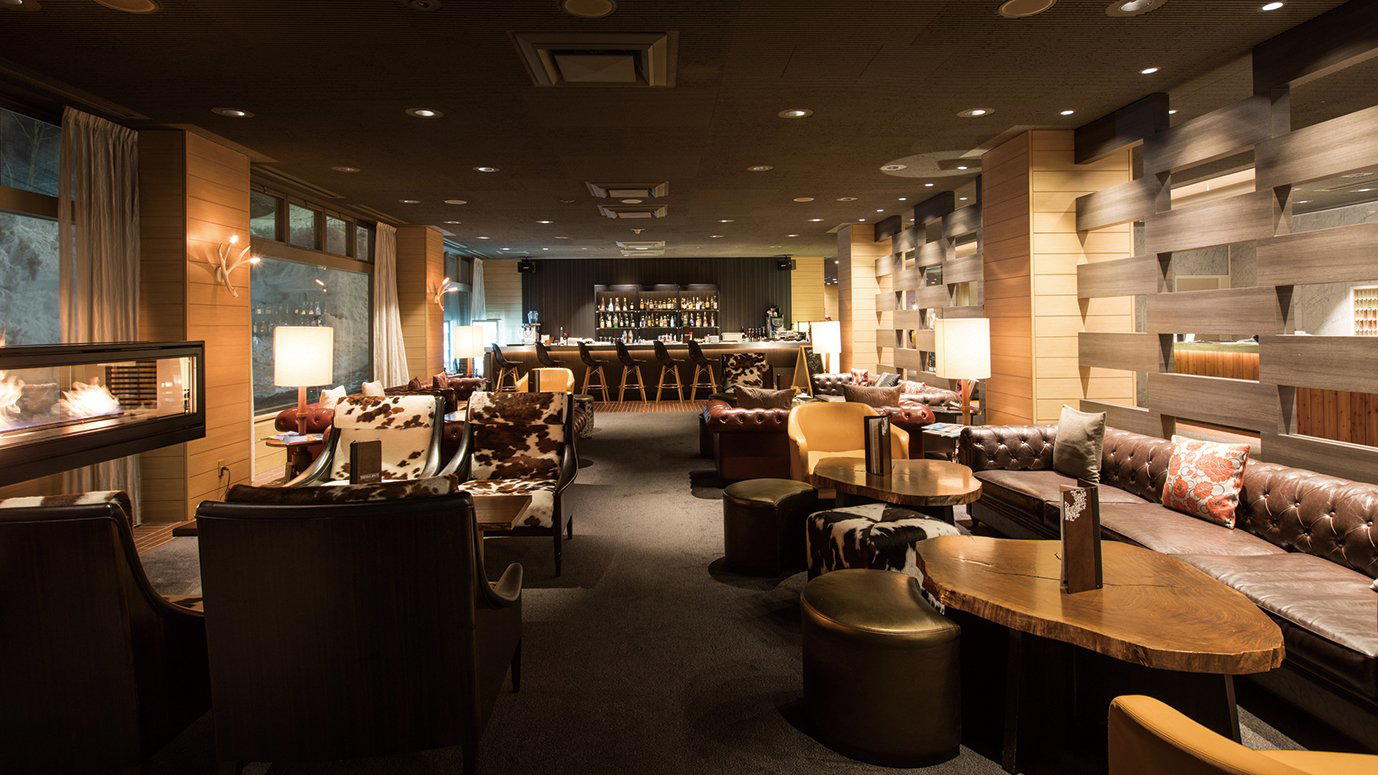
Bars in Otaru
Browse all →
Hotels in Otaru
Browse all →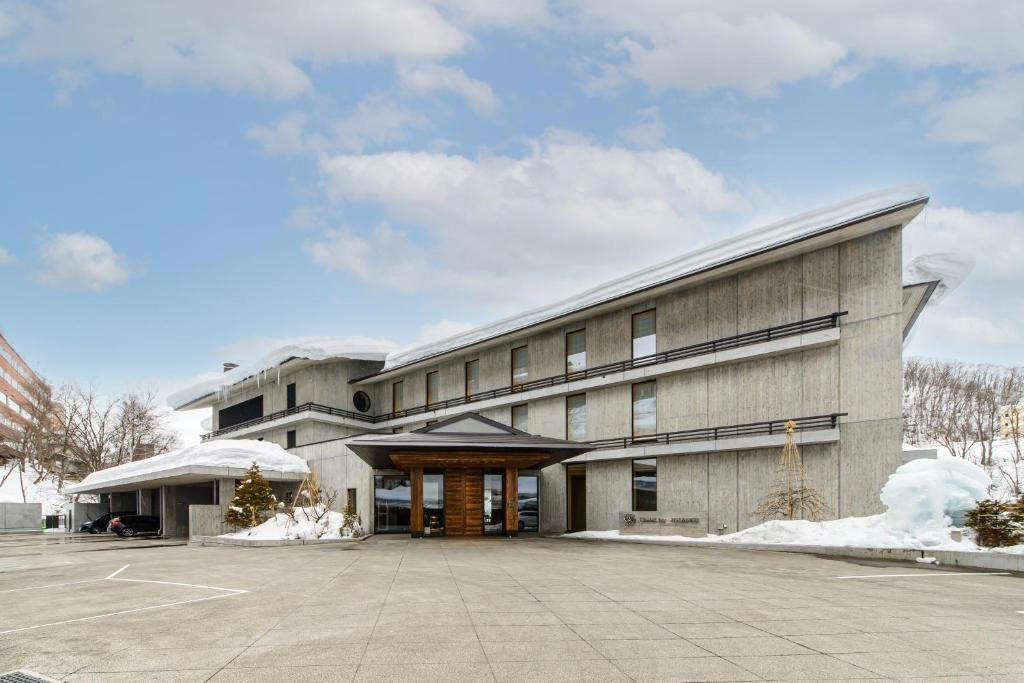
Wineries in Otaru
Browse all →
Details
- Intimate
- Elegant
- Cozy
- Date Night
- Special Occasion
- Solo
- Chefs Counter
- Sake Program
- Local Sourcing
- Sustainable Seafood
- Counter Dining
- Sake
- Pescatarian Friendly
Current opening hours
- Monday
- 11:30 AM–3 PM, 5–9 PM
- Tuesday
- 11:30 AM–3 PM, 5–9 PM
- Wednesday
- Closed
- Thursday
- 11:30 AM–3 PM, 5–9 PM
- Friday
- 11:30 AM–3 PM, 5–9 PM
- Saturday
- 11:30 AM–3 PM, 5–9 PM
- Sunday
- 11:30 AM–3 PM, 5–9 PM
Hours can change for holidays and private events. Last verified .
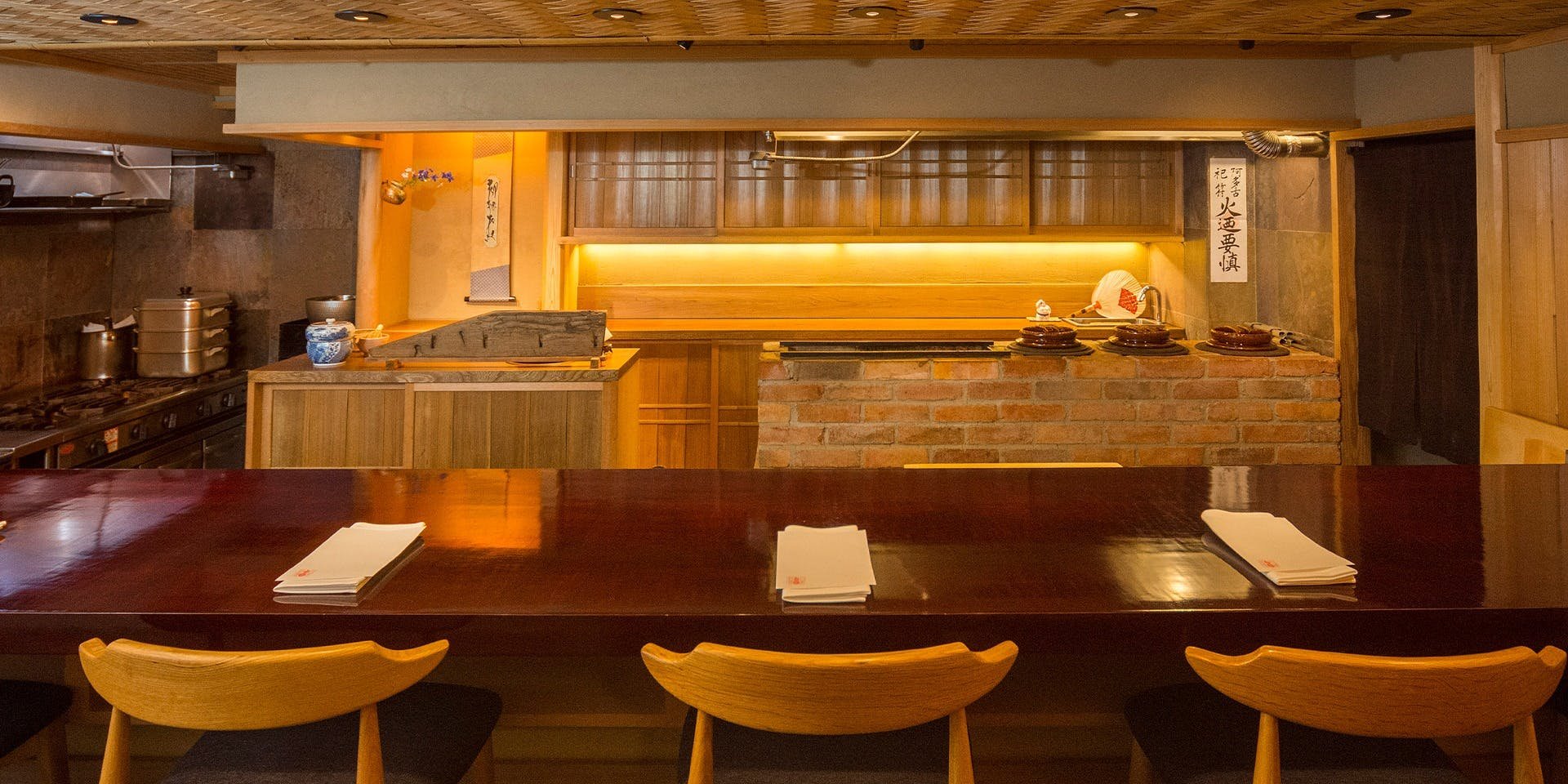
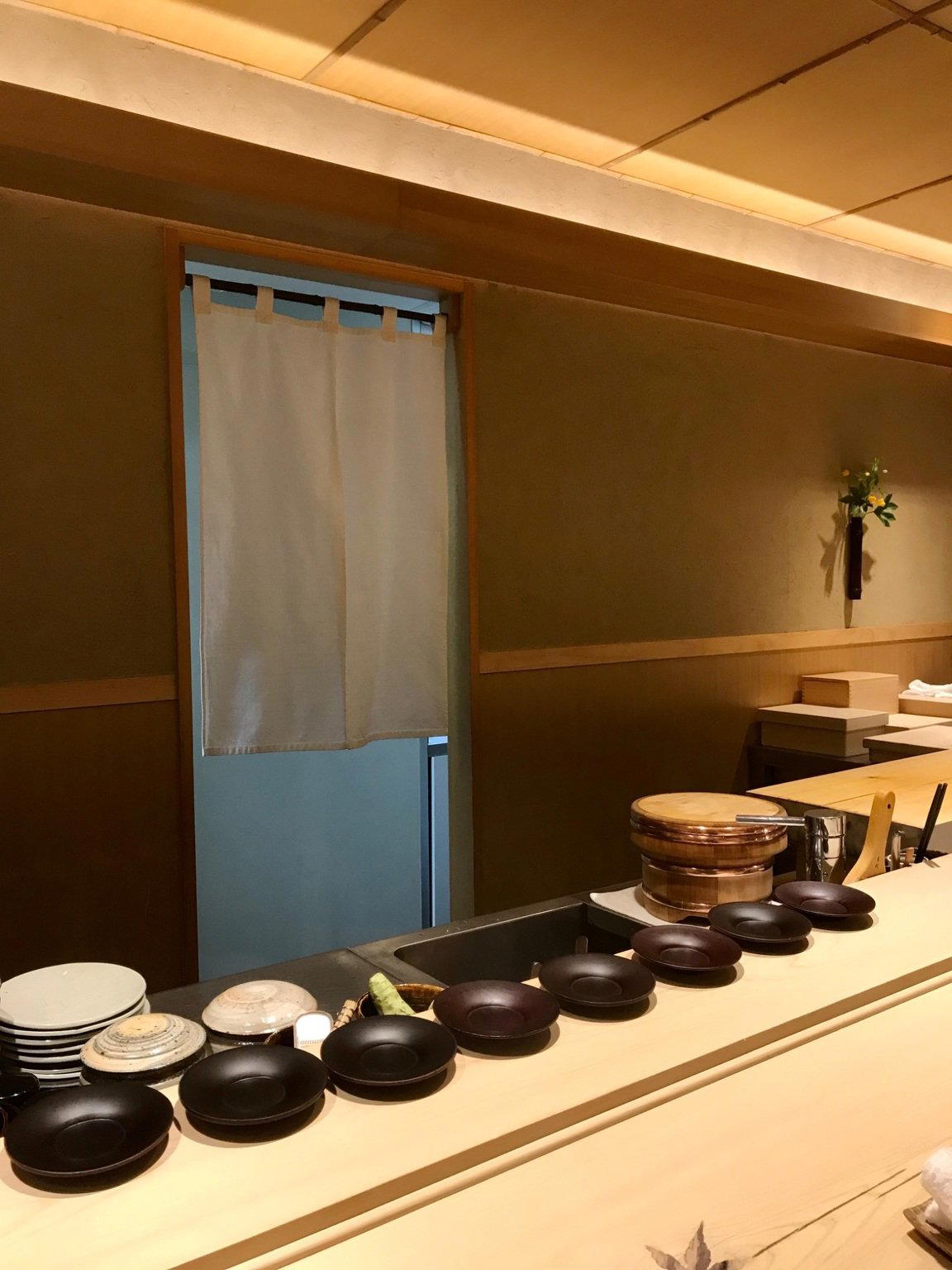
Dimly lit with warm wooden accents and a serene, focused atmosphere centered around the sushi bar.