Yoichi LOOP

Yoichi LOOP frames Hokkaido’s produce and wine country through an innovative auberge format rather than a conventional city dining room. Its 2025 Tabelog 100 selection for Innovative / Creative cuisine, 20-seat scale, sommelier service, and Yoichi setting make it a serious choice for travelers treating dinner as part of a wider northern Japan itinerary.
Pearl is the En Primeur Club membership app — saves, bookings, and concierge access live there. Same editors, same standards.
- Address
- 北海道余市郡余市町黒川町4-123
- Phone
- +81135217722
- Website
- yoichiwine.co.jp
 Saves & bookings on Pearl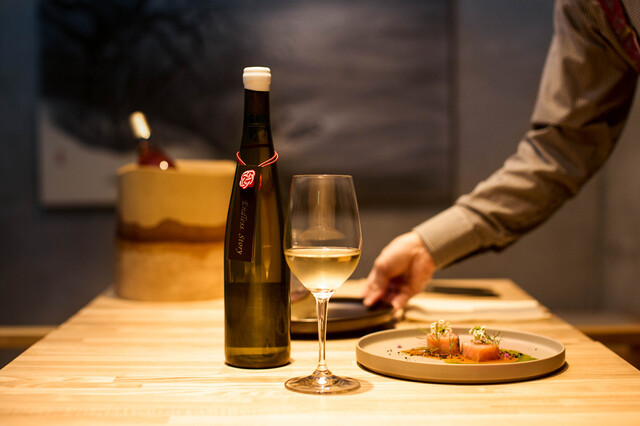
Approaching dining in Yoichi means leaving the metropolitan rhythm behind. The town reads first as agricultural Hokkaido: orchards, vineyards, whisky tourism, and the slower pace of a coastal district west of Sapporo. In that context, Yoichi LOOP belongs to a newer Japanese dining pattern, where produce, wine, lodging, and destination travel converge in a single auberge-style format rather than separating dinner from the place that feeds it.
That matters because Hokkaido’s restaurant identity is often reduced to seafood, dairy, ramen, or market abundance. The more interesting current is regional interpretation: kitchens using local supply not as decoration but as structure. Yoichi has particular force in that conversation. It is one of Japan’s more closely watched wine areas, and a restaurant here cannot plausibly treat wine as an afterthought. Yoichi LOOP’s listing for wine focus and sommelier service places it inside that local logic, where pairing culture is part of the argument rather than an add-on.
Yoichi's wine-country cooking moves beyond the Sapporo template
Creative cooking in Hokkaido has a different burden from its Tokyo counterpart. In the capital, innovation often reads through technique, luxury sourcing, and the density of rival counters. In Yoichi, the case is more geographic. The meal has to explain why the diner has come to this part of Shiribeshi instead of staying in Sapporo, Otaru, or Niseko. A 2025 selection in Tabelog’s Innovative / Creative cuisine 100 gives Yoichi LOOP a useful external signal, but the more persuasive point is the category itself: innovative dining here is tied to rural proximity, wine-growing culture, and a smaller-room pace.
The competitive set around Yoichi is not a simple ladder. オチガビ and 余市サグラ sit in the broader out-of-metro orbit, while Yoichi Sagra is listed with Chinese cooking, giving the area a more varied dining map than outsiders might expect. Aigues Vives and Yamanaka Bokujou operate at much lower spend levels, which underlines the split between everyday regional stops and destination dining. Yoichi LOOP falls on the latter side, with the auberge label and creative category pushing it toward travelers who plan meals as anchors, not incidental stops.
The sourcing angle is also why the restaurant makes more sense within a Yoichi itinerary than as a standalone trophy booking. Northern Japan’s seasons are sharp, and Hokkaido’s agricultural calendar gives chefs a wider pantry than the old seafood-only shorthand suggests. The editorial question is not whether the restaurant uses local ingredients, a claim too many places make loosely. The stronger reading is that its format, town, wine emphasis, and award category align with the kind of place where provenance becomes the grammar of the meal.
A small-room auberge format changes the pace of the evening
20-seat scale is significant. Small dining rooms in rural Japan tend to concentrate attention: fewer covers, less ambient churn, and a service rhythm that rewards guests who want to follow the structure of the meal. Private rooms for small groups and private use up to 20 people make the format flexible, but this is not the same proposition as a loud izakaya crawl or a hotel buffet. The room’s value lies in controlled pacing and the ability to connect wine service to the kitchen’s sequence.
That scale also clarifies who should prioritize it. Travelers moving through Yoichi for whisky, wineries, or a northern food itinerary will find a coherent stop here. Families are not excluded, with school-age children welcomed and younger children handled by advance consultation, but the dining style suits parties prepared for a composed meal. English menus and English-speaking staff are practical advantages in rural Hokkaido, where serious restaurants can otherwise be harder for international travelers to read in real time.
The service details point to a restaurant built for occasions without turning into ceremony for its own sake. Non-smoking policy, counter seating, sofa seating, Wi-Fi, power outlets, and card, electronic money, and QR payments are not glamorous details, but they make a difference in regional Japan. They reduce friction for visitors who are combining dinner with trains, driving, winery appointments, or a stay in the area.
How to place it within a Yoichi-gun trip
Yoichi LOOP works strongest as part of a northern Hokkaido route rather than a quick detour. The town connects naturally with wineries, whisky tourism, and coastal produce, and that context gives the meal more weight. Readers building a broader itinerary should cross-check our full Yoichi-gun restaurants guide, our full Yoichi-gun hotels guide, our full Yoichi-gun bars guide, our full Yoichi-gun wineries guide, and our full Yoichi-gun experiences guide before locking the sequence.
For comparison across Japan, the country’s restaurant map ranges from focused regional specialists to city formats with narrow concepts: -Grilled beef Sukiyaki- KAMAKURA TANUKIAN 鎌倉 たぬき庵 in Kamakura, . 鮪と炭火焼き うお炭 秋葉原店 in Tokyo, .cafe in Osaka, .know in Kumamoto, (Shoku) Vietnam in Kawasaki, [Curry Senmon Ten] Maruyama Kyoju. in Sapporo, [ki:] in Kyoto, #肉といえば松田 奈良本店 in Kashihara, 1/3 HAMBURGER FACTORY in Kanazawa, 1000 in Yokohama, and 1000mヒュッテ 1000m Hut in Kutchan show how varied the category has become. Outside Japan, Jōdo Saké Bar in Los Angeles and Onigiri Time in Pasadena underline a different point: Japanese dining abroad often isolates a product or genre, while Yoichi’s stronger restaurants are increasingly about place, climate, and supply.
The editorial call is simple. Choose Yoichi LOOP when the meal needs to carry the logic of Yoichi itself: wine country, controlled scale, Hokkaido ingredients, and a restaurant category that rewards regional specificity. For a traveler chasing volume, speed, or nightlife energy, the city will be a better match. For a diner building a Hokkaido trip around provenance, this is one of the area’s more serious contemporary signals.
Side-by-Side Snapshot
Comparable venues by cuisine and price in the same metro.
| Venue | Cuisine | Price | Awards | Notes |
|---|---|---|---|---|
| Yoichi LOOPThis venue — the venue you are viewing | Seasonal Japanese–French–Italian Wine Pairing Menu | $$$$ | , | |
| Aca 1° | Spanish-Japanese Omakase Tasting Menu | $$$$ | , | Nihonbashi |
| Noma Kyoto | Nordic-Japanese Fusion Fine Dining | $$$$ | , | Central Kyoto |
| Ǎn Ði (アンディ) | Modern Vietnamese | $$$ | , | Aoyama |
| Gotoken Restaurant Yukikawatei | Traditional Japanese-Western Yoshoku | $$$ | , | Motomachi |
| Sushi Nagi | Edomae Sushi Omakase | $$$$ | , | 東山ニセコビレッジ |
Continue exploring
More in Yoichi-gun
Restaurants in Yoichi-gun
Browse all →
Hotels in Yoichi-gun
Browse all →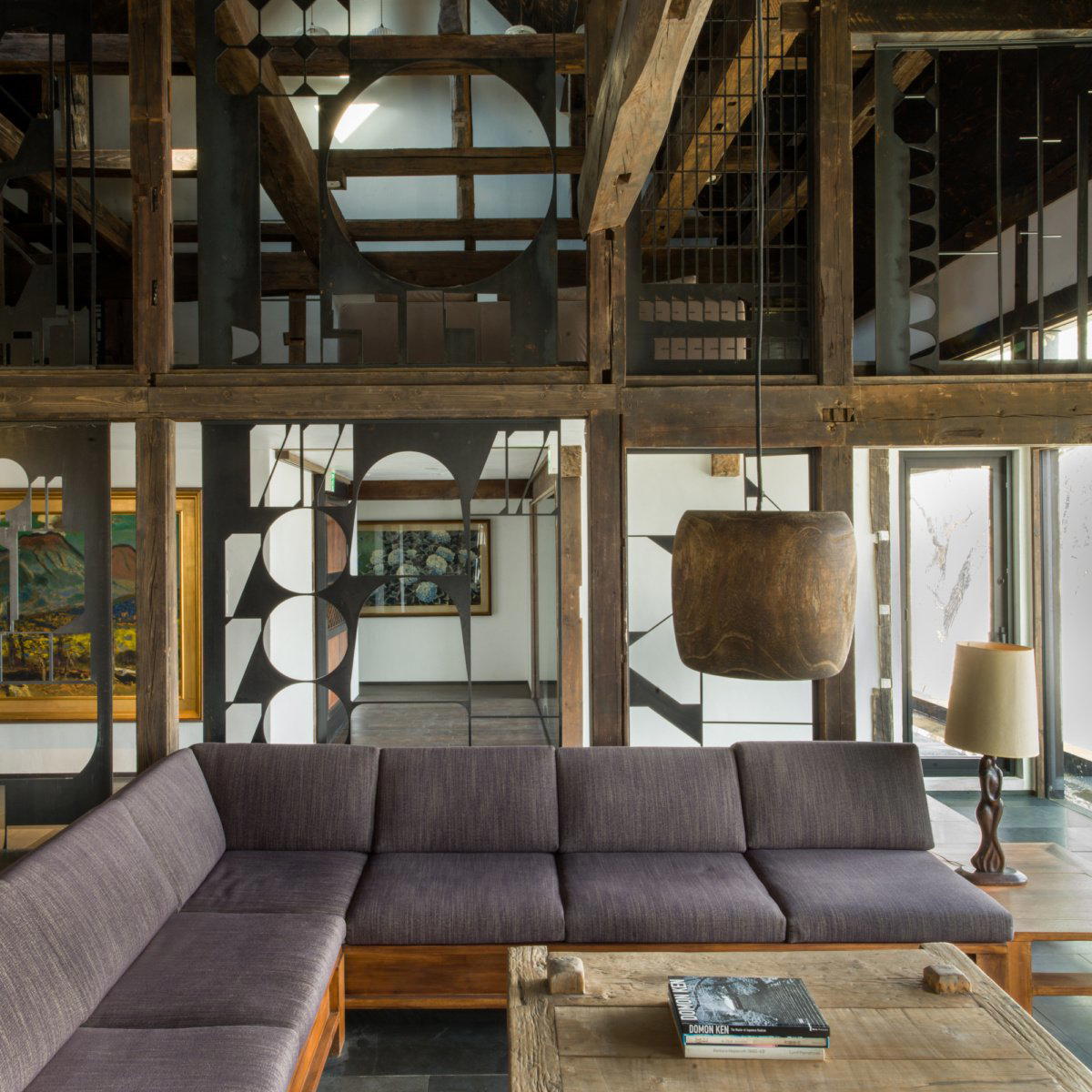
Wineries in Yoichi-gun
Browse all →
At a Glance
- Elegant
- Modern
- Quiet
- Intimate
- Scenic
- Sophisticated
- Date Night
- Special Occasion
- Celebration
- Business Dinner
- Hotel Restaurant
- Wine Cellar
- Design Destination
- Extensive Wine List
- Natural Wine
- Sommelier Led
- Farm To Table
- Local Sourcing
- Natural Wine
- Mountain
Modern and tranquil, with natural wood, iron, and concrete evoking a winery loft; a calm, refined atmosphere designed as a quiet retreat to savor wine and seasonal cuisine away from tourist crowds.[6]