VinRoc
The appellation's volcanic soils and cooler diurnal shifts shape wines with a structural character distinct from valley-floor Cabernet. For visitors planning a Napa itinerary around precision viticulture, Atlas Peak merits attention.

Pearl is the En Primeur Club membership app — saves, bookings, and concierge access live there. Same editors, same standards.
- Address
- 4069 Atlas Peak Rd, Napa, CA 94558
- Phone
- (707) 265-0943
- Hours
- Mon–Fri 9 AM–5 PMSat–Sun Closed
- Website
- vinrocnapa.com
- Directions
- Get directions
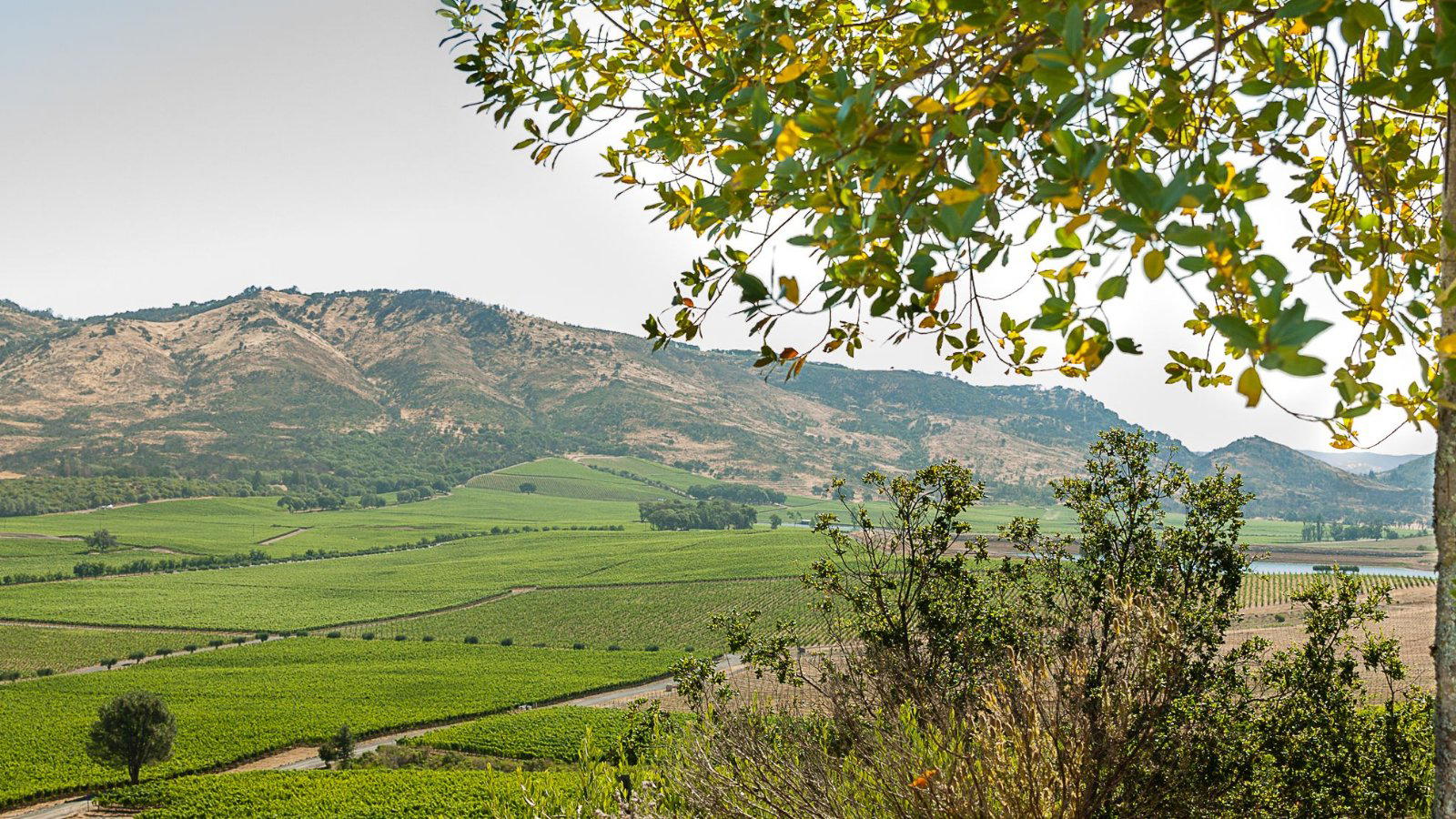
Elevation as a Winemaking Argument
The road to Atlas Peak climbs away from the Napa Valley floor in a way that changes how you think about the region. Below, the famous names line Highway 29 in orderly succession. Up here, the vineyards sit above the fog line, exposed to sharper temperature swings and rooted in volcanic, iron-rich soils that behave differently from the alluvial benchland that defines much of Napa's commercial identity.
Atlas Peak's case as a distinct winegrowing zone rests largely on that elevation and geology. The volcanic tuff and red clay soils stress the vines in ways that concentrate flavor and limit yields naturally, without requiring aggressive canopy management. The diurnal temperature range, often 40 to 50 degrees Fahrenheit between daytime highs and nighttime lows, extends the growing season and preserves acidity in a way that valley-floor sites rarely achieve. These are not abstract viticulture talking points. They translate directly into the structure of the wines: firmer tannins, higher natural acidity, and a mineral character that sets Atlas Peak Cabernet apart from the richer, more immediately giving wines produced at lower elevations.
Viticulture in Volcanic Terrain
The sustainability conversation in Napa has grown more specific over the past decade. Early certifications were largely about water use and chemical reduction. The current generation of producers at Atlas Peak is working through questions that go deeper: how volcanic soils interact with microbial life, how cover cropping functions at altitude where erosion risk is higher, and how regenerative practices change the flavor signature of wines grown in already-stressed terroir.
High-elevation viticulture demands a different kind of attention. The physical isolation of sites like Atlas Peak means that farming decisions made here rarely benefit from the infrastructure and resources available to large valley-floor operations. Smaller production volumes are partly a function of the terrain itself, where mechanization is limited and hand-harvesting is often the only practical option.
Across the Atlas Peak appellation, producers like Hesperian Wines, Jean Edwards Cellars, and Levendi Winery are each making different arguments about what the appellation can produce. The emerging consensus is that restraint and site-specificity matter more here than anywhere in the broader Napa region, and that the most successful wines from this elevation prioritize structure over immediate appeal.
Napa's premium tier has stratified considerably. At the leading, allocation-only cult producers command prices that reflect scarcity and critical consensus rather than production costs. Below that, a mid-prestige band of producers with sustained critical recognition, verifiable viticulture credentials, and limited but accessible production volumes occupies a position that is arguably more interesting for serious buyers.
The comparison with valley-floor producers is instructive. Operations like Alpha Omega Winery in Rutherford or Accendo Cellars in St. Helena draw on different soil profiles and microclimates. The valley floor delivers consistency and volume; Atlas Peak delivers variability and character. Neither is a superior position in absolute terms, but for buyers specifically interested in site expression and structural longevity, the elevation wines make a distinct case.
Nationally, the conversation about terroir-driven American wine now extends well beyond California. Producers like Adelsheim Vineyard in Newberg, Adelaida Vineyards in Paso Robles, and Alban Vineyards in Arroyo Grande are each making site-specific arguments in their respective appellations. What distinguishes Atlas Peak is that its volcanic geology gives it a case that is geologically verifiable, not just marketing-driven. VinRoc operates within that argument.
Planning a Visit to Atlas Peak
Atlas Peak sits east of the Napa Valley floor, accessible via Atlas Peak Road from the city of Napa. The drive itself is part of the experience: the road narrows and steepens as it climbs, and the views back across the valley appear in stages. Most Atlas Peak properties require advance contact for visits, and the area does not have the walk-in tasting culture of downtown Napa or the Silverado Trail. Visitors planning around VinRoc should reach out directly through the address at 4069 Atlas Peak Rd, Napa, CA 94558, as neither a website nor phone number is currently listed in public directories.
The logistics of an Atlas Peak day differ from a standard Napa tasting circuit. The properties here are more spread out and the road conditions require a careful driver, particularly after rain. Plan for a half-day minimum if you are visiting more than one producer on the ridge. Morning visits tend to offer cleaner air and better light; afternoon can bring heat that affects how you experience the wines. For context on the broader area, our full Atlas Peak (Napa) guide covers appellation character, seasonal timing, and the current roster of producers worth visiting.
The Wider California High-Elevation Context
Atlas Peak is not California's only high-elevation appellation making a serious case for volcanic terroir. Alexander Valley Vineyards in Geyserville and Andrew Murray Vineyards in Los Olivos each work with distinct geological conditions that produce wines with structural signatures you don't find at lower elevations. Internationally, the comparison extends further: Aberlour in Aberlour and Achaia Clauss in Patras demonstrate that site-specificity is a global conversation, not a California invention.
What makes Atlas Peak's current moment interesting is that the appellation's recognition is still growing. It has been built incrementally, through consistent wine quality in a setting that demands more from the producer and delivers more to the wines.
Credentials Lens
Comparable venues nearby, for context on price, style, and recognition.
| Venue | Cuisine | Price | Awards | Notes |
|---|---|---|---|---|
| VinRocThis venue — the venue you are viewing | Cabernet Sauvignon, Syrah | Not listed | Not listed | Not listed |
| Black Stallion Estate Winery | Cabernet Sauvignon, Chardonnay | $30–50 | Falstaff Winery - Listed | Oak Knoll District |
| Silverado Vineyards | Cabernet Sauvignon, Merlot | Not listed | Falstaff Winery - Listed | Stags Leap District |
| Trefethen Family Vineyards | Cabernet Sauvignon, Merlot | $30–50 | Falstaff Winery - Listed | Oak Knoll District |
| V. Sattui | Cabernet Sauvignon, Zinfandel | Not listed | Not listed | St. Helena |
| Louis M. Martini Winery | Cabernet Sauvignon, Zinfandel | $30–50 | Falstaff Winery - Listed | St. Helena |
Continue exploring
More in Napa
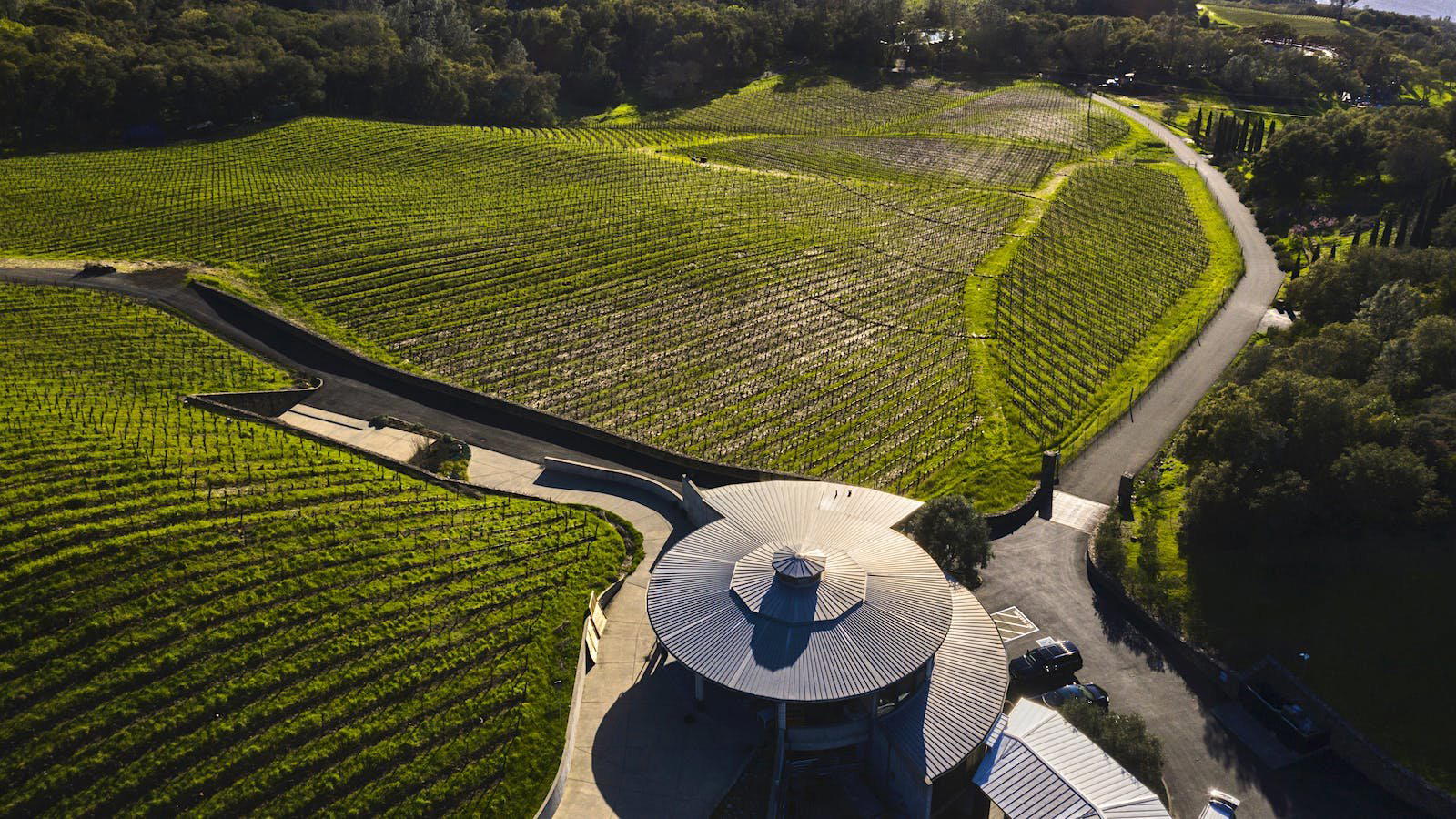
Wineries in Napa
Browse all →
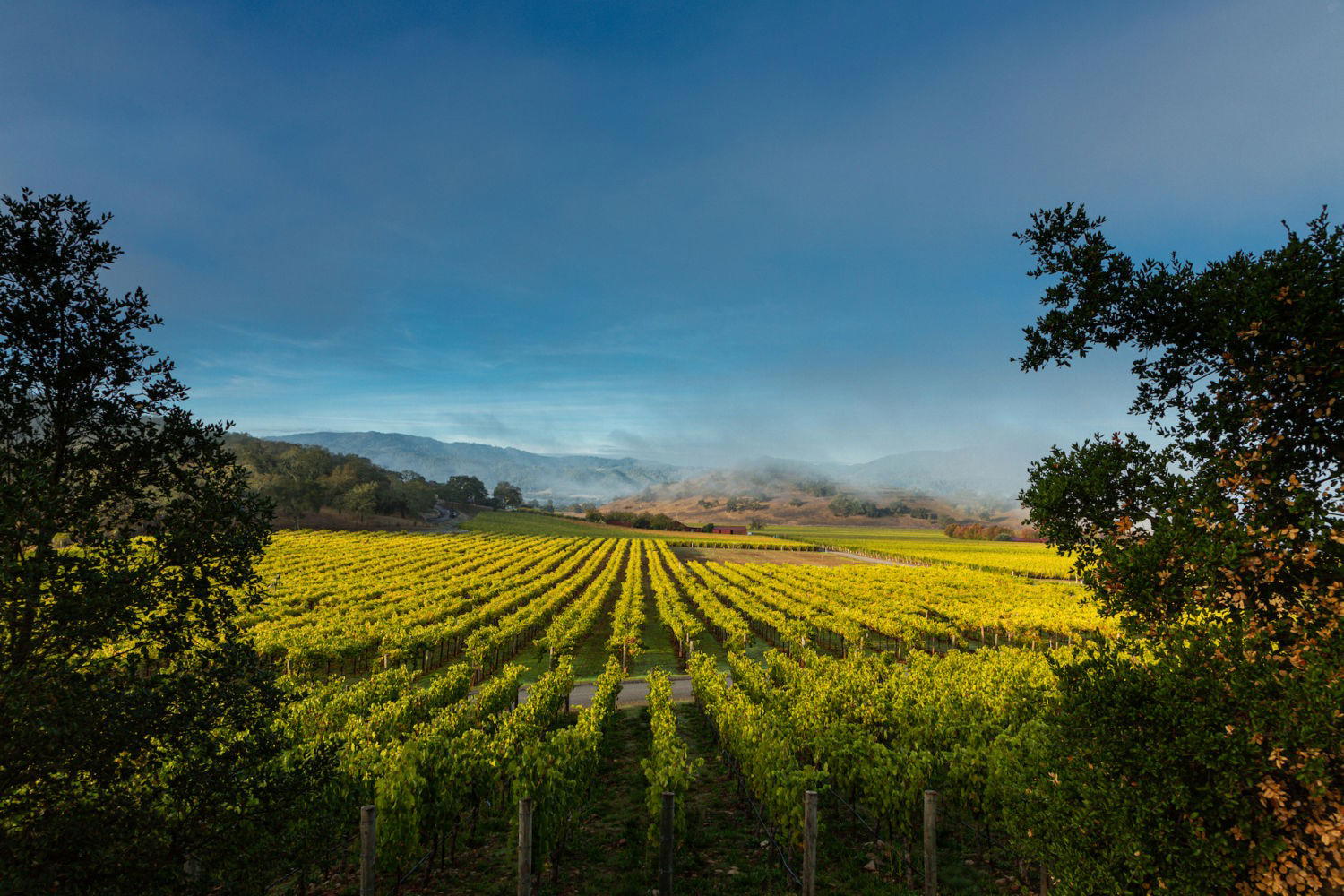
Bars in Napa
Browse all →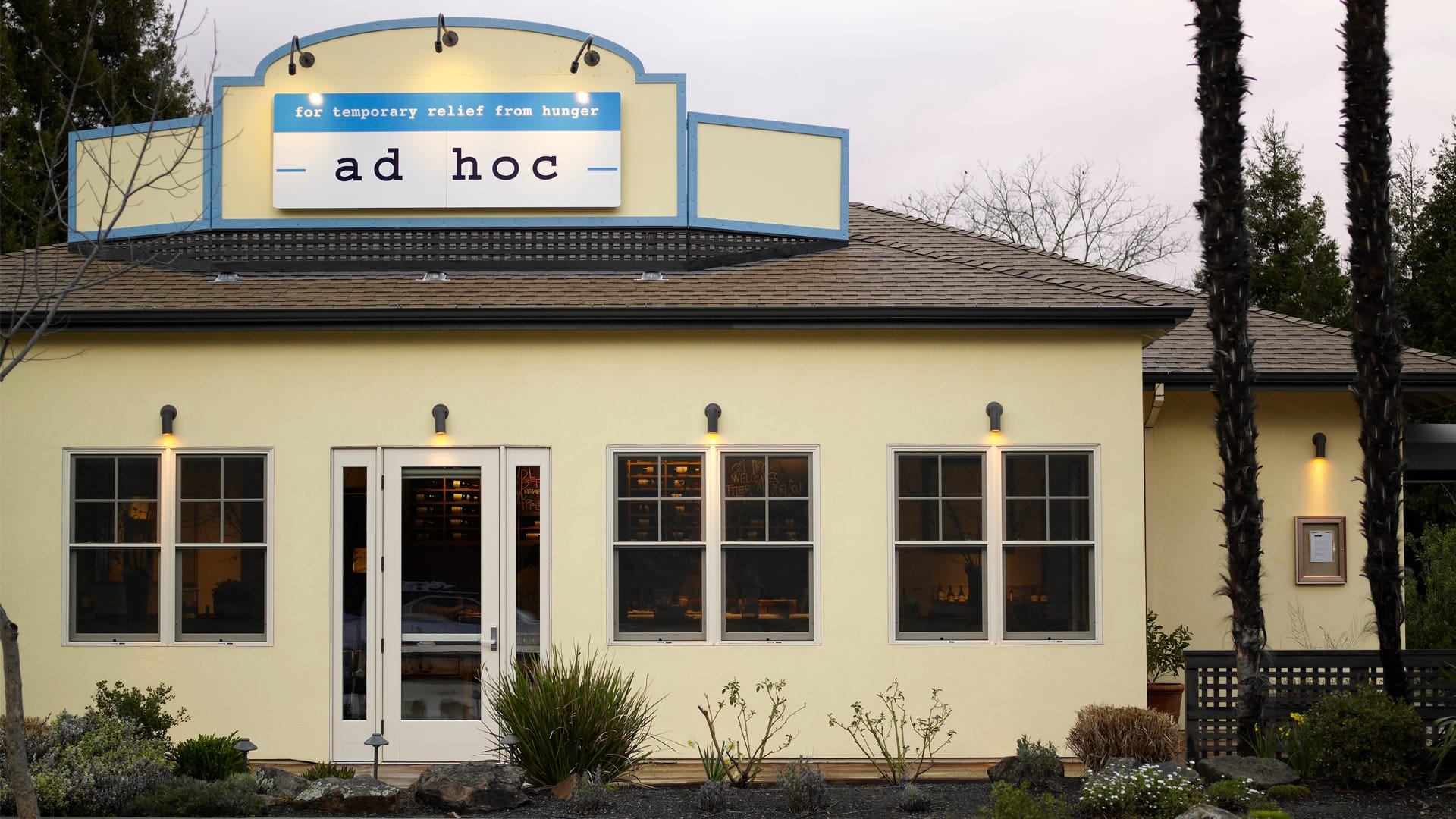
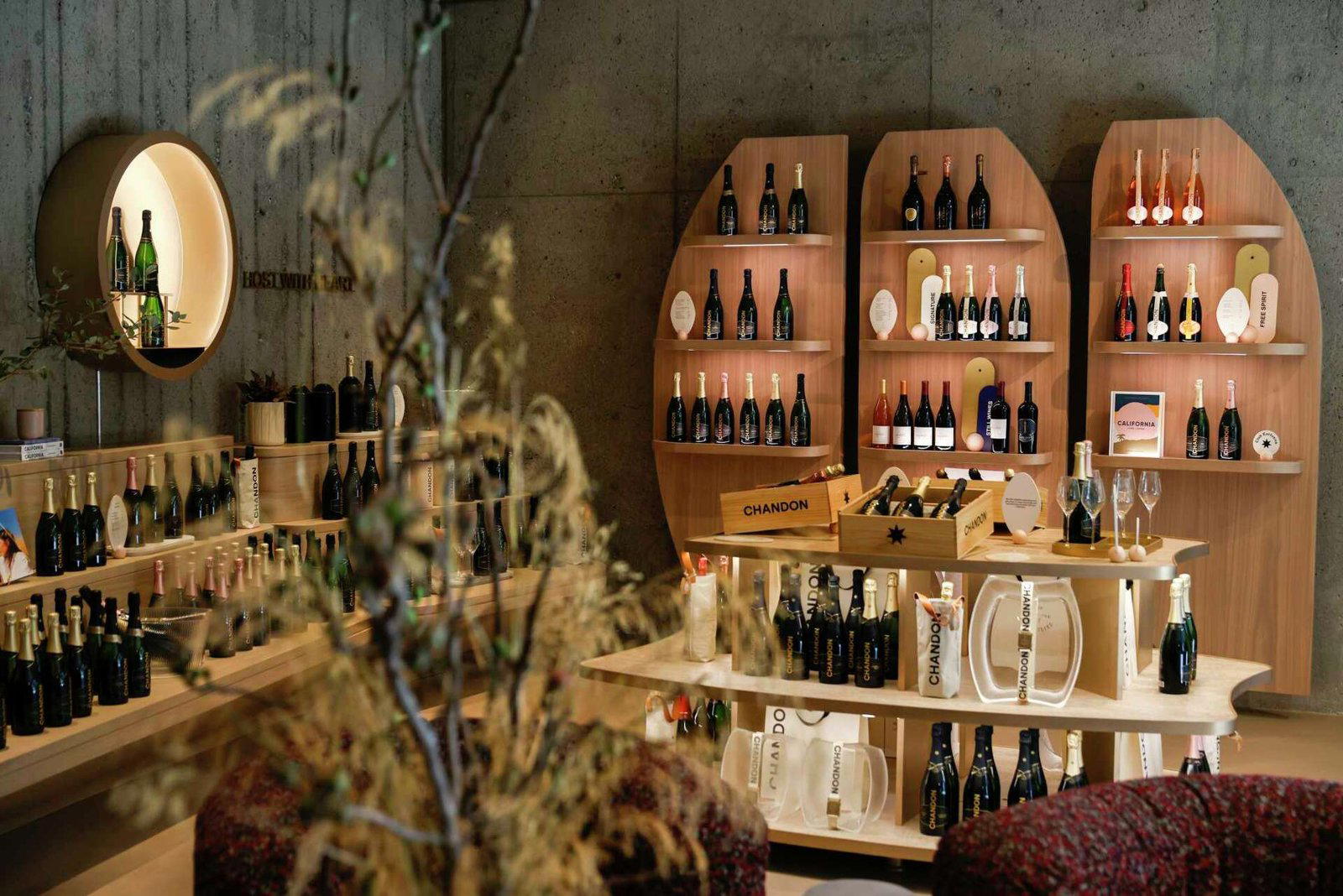


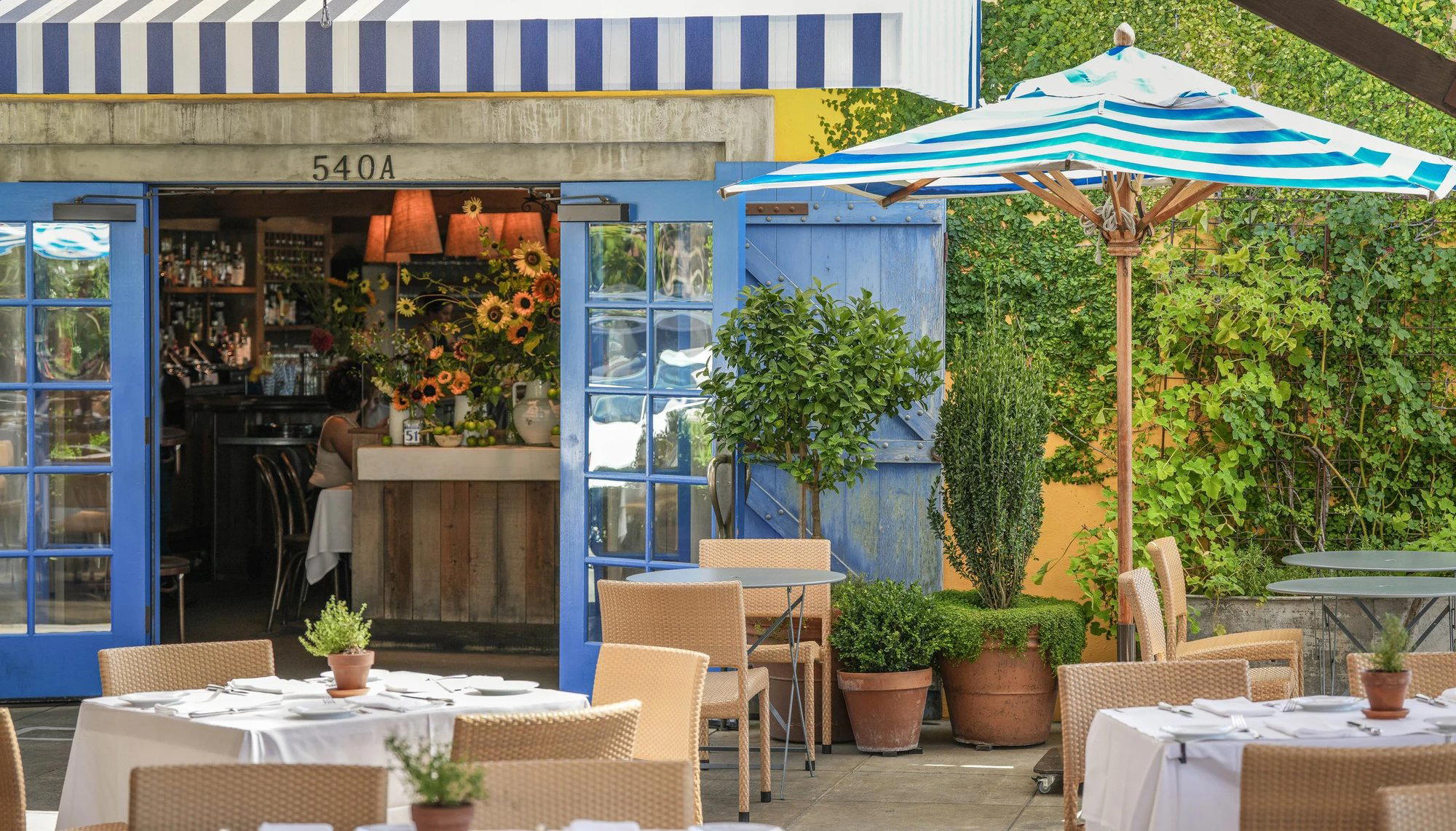
Restaurants in Napa
Browse all →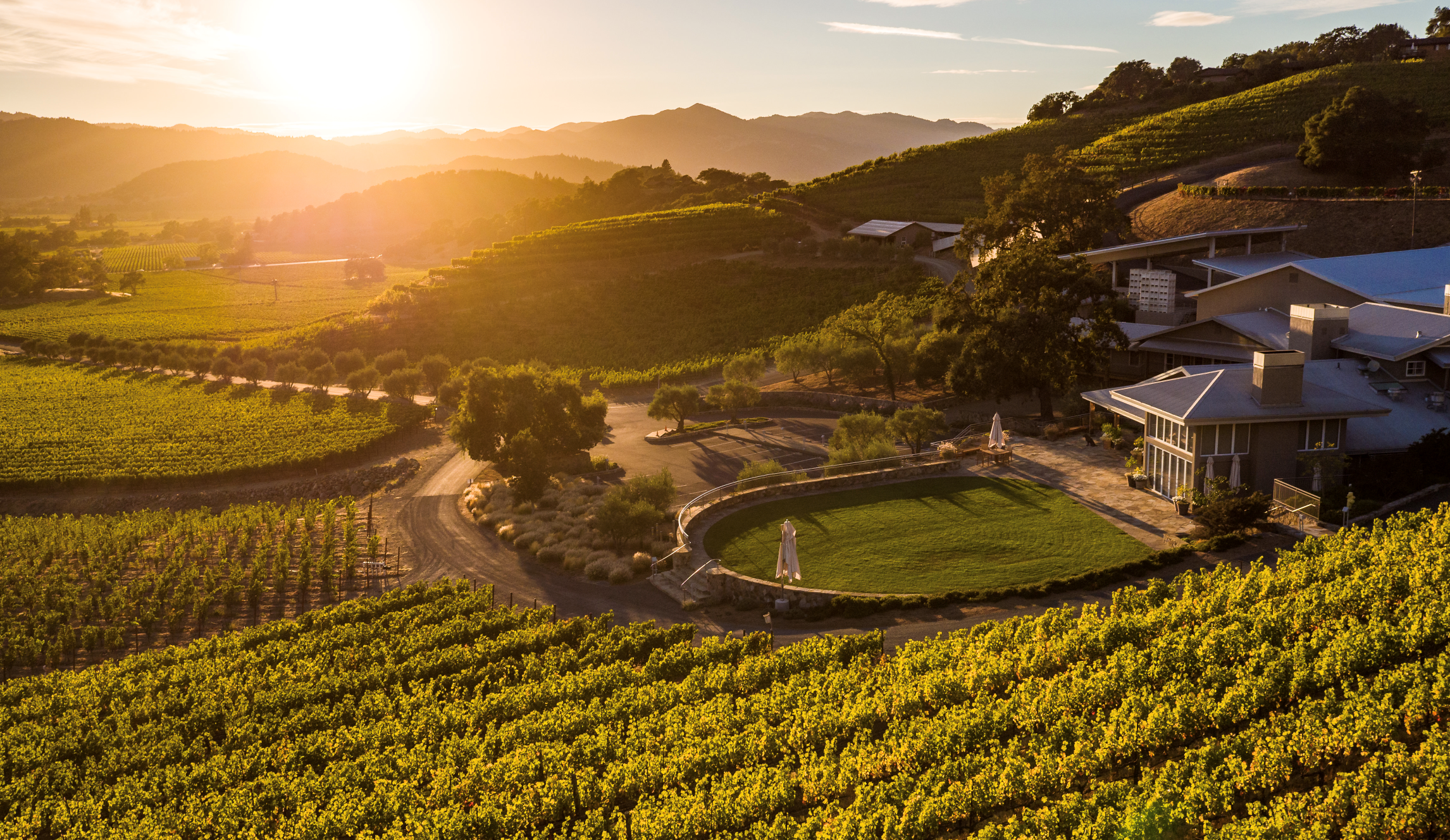



Details
- Romantic
- Quiet
- Scenic
- Elegant
- Rustic
- Wine Education
- Romantic Getaway
- Special Occasion
- Cave Tasting
- Barrel Room
- Estate Grounds
- Panoramic View
- Sustainable
- Dry Farmed
- Mountain
- Vineyard
- Cabernet Sauvignon
- Syrah
- Grenache
- Barbera
- Still Red
- Still Rosé
- Seated Tasting
- Private Tasting
- Barrel Tasting
- English
Current opening hours
- Monday
- 9 AM–5 PM
- Tuesday
- 9 AM–5 PM
- Wednesday
- 9 AM–5 PM
- Thursday
- 9 AM–5 PM
- Friday
- 9 AM–5 PM
- Saturday
- Closed
- Sunday
- Closed
Hours can change for holidays and private events. Last verified .
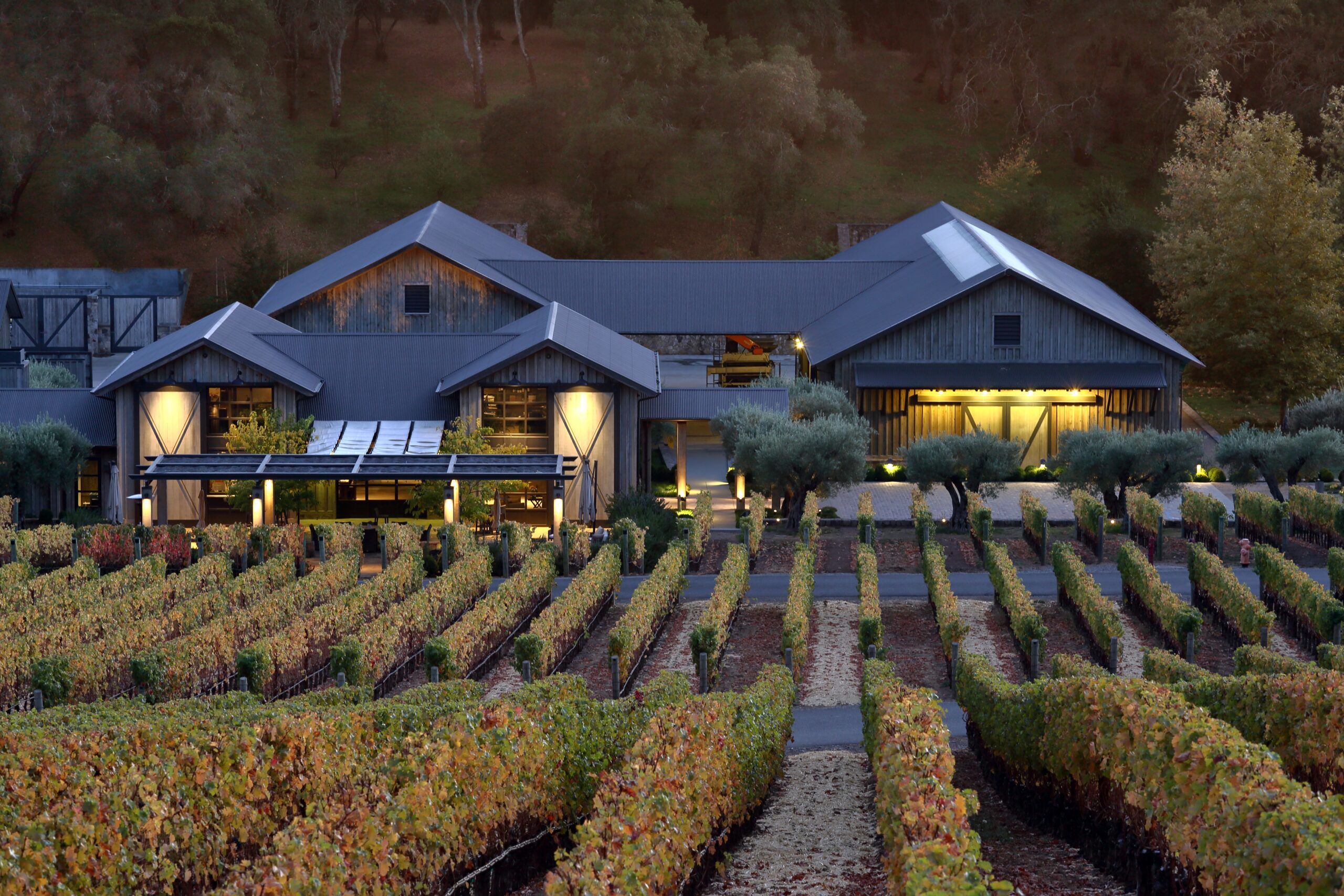
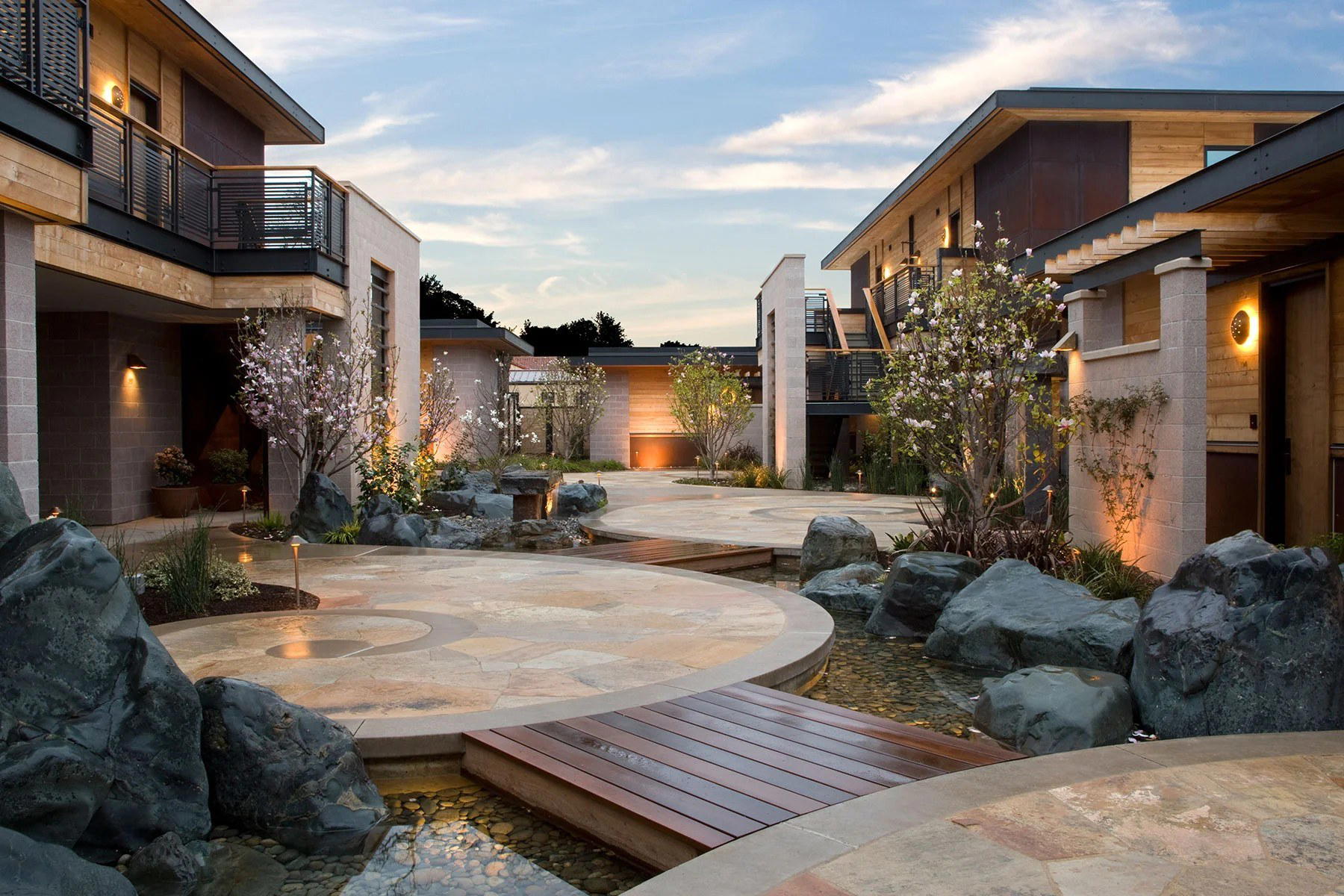
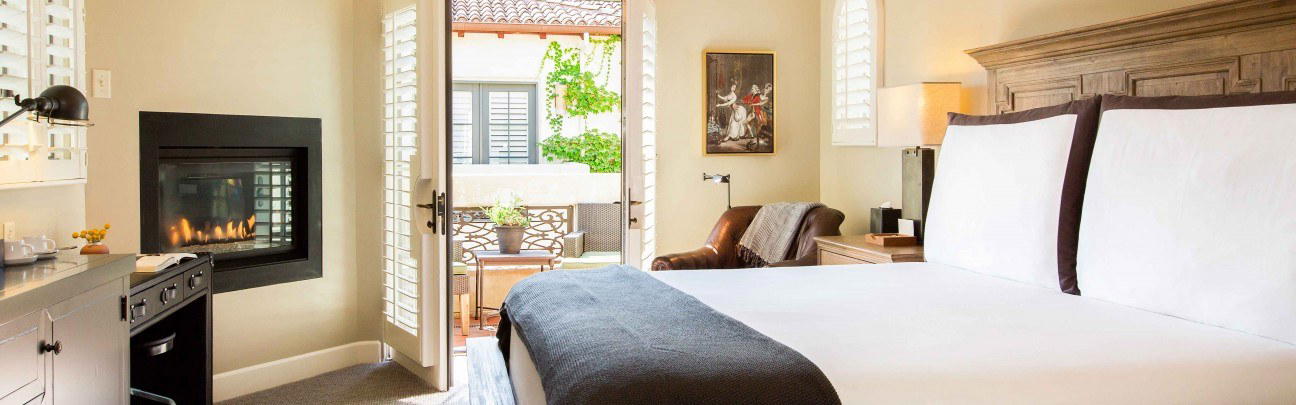
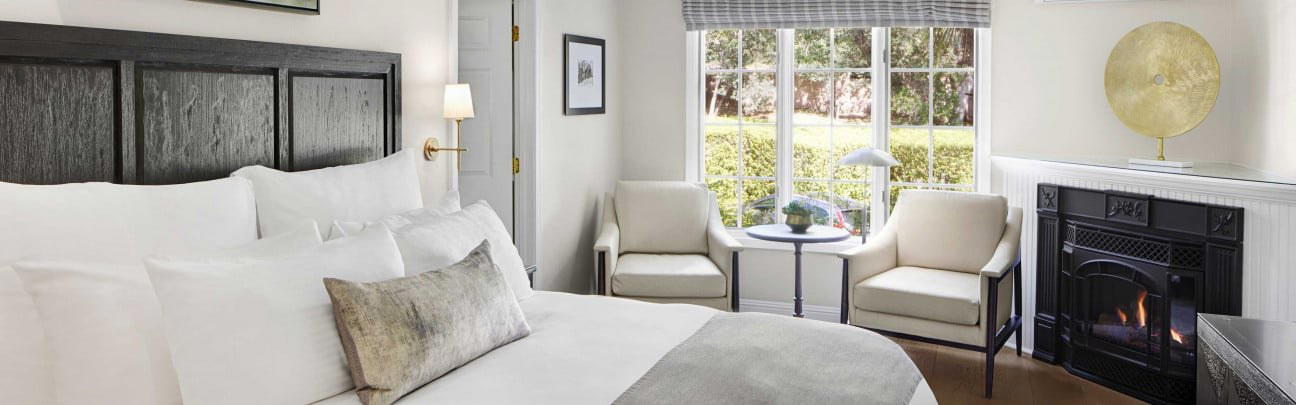
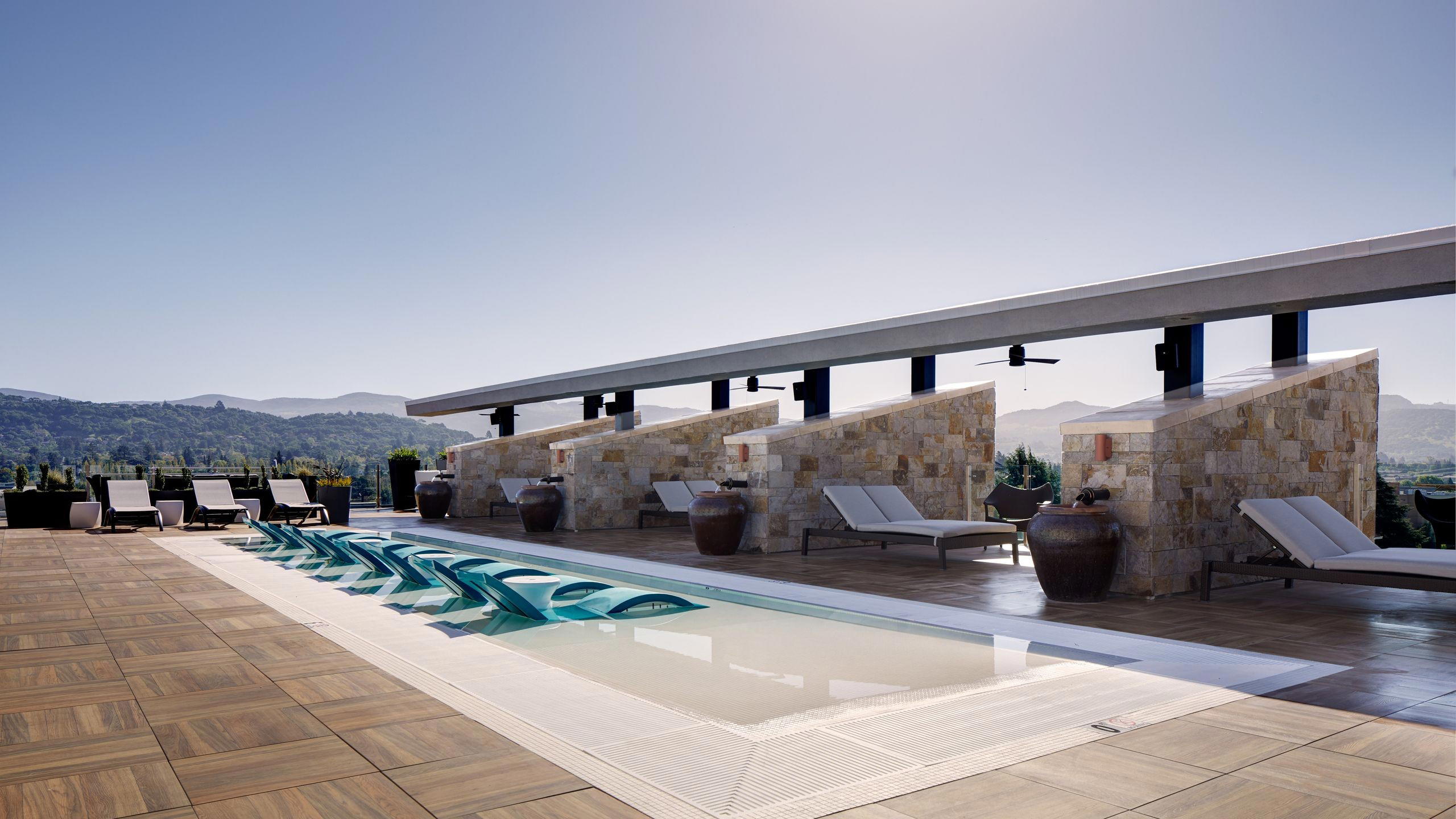
Formal and modern tasting experience held inside the wine cave with rustic architectural elements, featuring distinctive Asian-inspired design touches and intimate, quiet atmosphere focused on serious wine appreciation.