Silverado Vineyards

Falstaff Winery - Listed
Silverado Vineyards sits at 6121 Silverado Trail in the Stags Leap District, one of Napa Valley's most distinctively structured appellations for Cabernet Sauvignon. The address places it at the heart of a corridor that consistently produces some of California's most sought-after red wines.

Pearl is the En Primeur Club membership app — saves, bookings, and concierge access live there. Same editors, same standards.
- Address
- 6121 Silverado Trail, Napa, CA 94558
- Phone
- (707) 257-1770
- Website
- silveradovineyards.com
- Directions
- Get directions
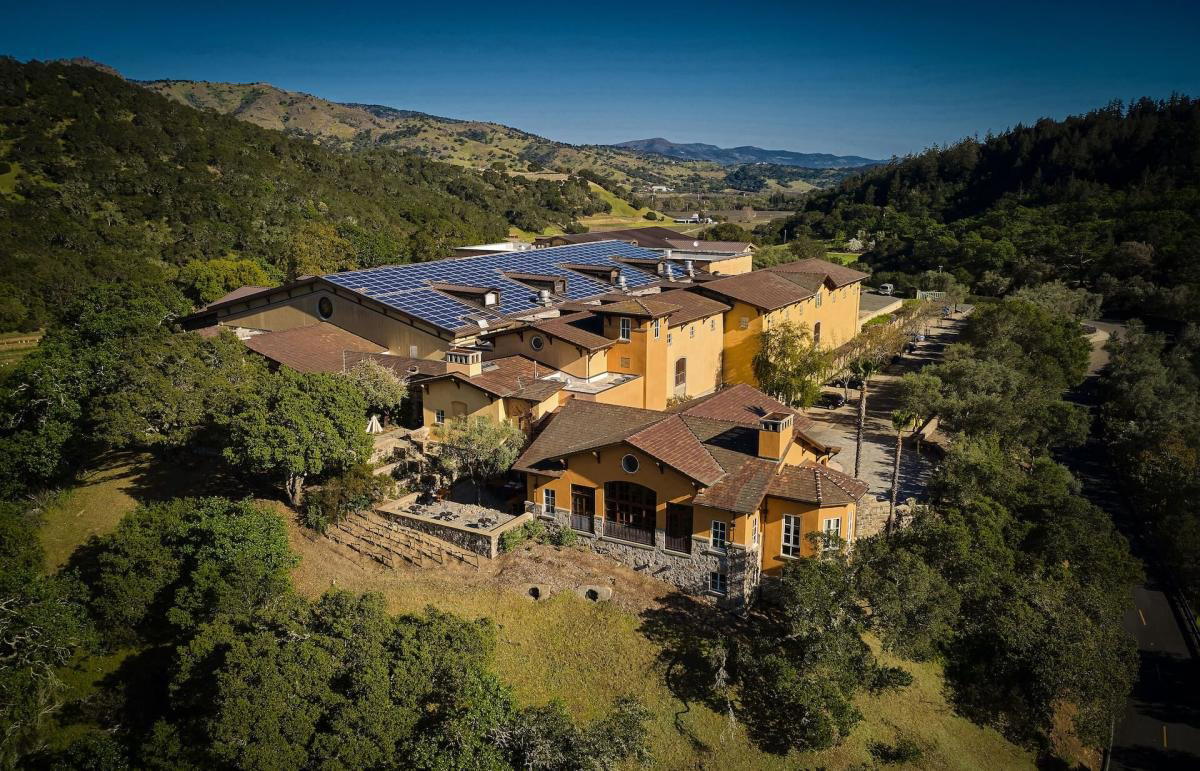
Stags Leap and the Case for Place
The Stags Leap District earned its own American Viticultural Area designation in 1989, separating itself from broader Napa Valley on the strength of a geological argument: the palisade cliffs at its eastern edge create a cooling afternoon shadow that moderates temperatures, producing Cabernet Sauvignon with a recognisable softness of tannin and a particular iron-mineral thread in the mid-palate. That character is not an accident of farming — it is a function of the basalt and volcanic ash soils that dominate this stretch of the Silverado Trail. Any serious visit to Napa that bypasses this appellation is missing one of American viticulture's most geologically coherent arguments for place.
Silverado Vineyards, at 6121 Silverado Trail, sits within that corridor. The Stags Leap District is a relatively compact AVA — roughly 1,360 acres of plantable land, which means that position on the Silverado Trail is not incidental geography; it is a statement about the type of wine the estate is pursuing.
A District Built on One Famous Evening
The cultural weight of the Stags Leap District is difficult to overstate without invoking 1976, when a wine from this appellation placed above classified Bordeaux in a blind tasting in Paris. That result, judged by French palates, reoriented global perception of California Cabernet and gave the district a credibility it has spent the decades since earning through consistency rather than spectacle. The estates that followed built their reputations on site fidelity: Cabernet that tasted of this specific corner of Napa, not of a house style imposed across multiple appellations.
That history creates a particular kind of expectation when visiting producers in the district today. Tasting rooms here are less about theatre and more about making the case for the land. Visitors comparing this corridor against, say, the more opulent and oak-forward expressions typical of Oakville or Rutherford will find the structural differences legible even to a non-specialist palate. Chimney Rock Winery and Clos du Val are among the district neighbours whose programmes offer a useful frame of reference for understanding where Silverado Vineyards positions itself within the AVA.
The Stags Leap District supports a range of producers at different scales, from tightly allocated boutique estates to larger operations with significant distribution. What the recognised tier shares is a commitment to AVA-specific sourcing. Pine Ridge Vineyards and Lewis Cellars represent the kind of producers that have built sustained critical followings within this district, while Quixote Winery operates at the boutique end with limited production.
In a district where the geology does much of the heavy lifting, that consistency is the primary differentiator between producers who earn sustained attention and those who trade on historical reputation alone.
For a broader picture of what the Stags Leap District offers across food, wine, and hospitality, the full Stags Leap District guide maps the appellation's key producers and how they sit relative to one another.
California's Wider Context: Cabernet Beyond Napa
Understanding Silverado Vineyards also means understanding what it is choosing not to be. California's premium wine production has diversified considerably, with producers across Paso Robles, the Santa Ynez Valley, and the Sonoma Coast building serious reputations in varieties from Syrah to Chardonnay. Adelaida Vineyards in Paso Robles and Alban Vineyards in Arroyo Grande illustrate how Rhône varieties have carved a distinct identity in California's warmer inland appellations, while Andrew Murray Vineyards in Los Olivos and Alexander Valley Vineyards in Geyserville show the breadth of the state's red wine production beyond the Napa Valley axis.
Stags Leap producers, by contrast, have remained committed to Cabernet Sauvignon as the district's primary argument. That narrowness of focus is a feature, not a limitation. The appellation's case rests entirely on demonstrating that this specific combination of soil, elevation, and microclimate produces Cabernet with a distinctiveness that can be consistently identified. Estates that chase variety diversity risk diluting that argument.
For Napa Valley Cabernet at different price points and appellation contexts, Accendo Cellars in St. Helena and Alpha Omega Winery in Rutherford offer useful comparisons from adjacent appellations within the Valley. Oregon's Willamette Valley, meanwhile, represents a different structural approach to premium red wine entirely; Adelsheim Vineyard in Newberg anchors that comparison for readers tracking the contrast between California Cabernet and Oregon Pinot.
Planning a Visit to Silverado Trail
The Silverado Trail runs parallel to Highway 29 on the eastern edge of Napa Valley, offering a quieter route through the appellation than the more heavily trafficked main corridor. Most Stags Leap producers are concentrated between the Yountville Cross Road and the Napa city limits to the south. Silverado Vineyards at 6121 Silverado Trail is accessible by car and sits within easy reach of the district's other notable estates, making it a logical anchor for a day focused on the appellation rather than a scattered cross-valley itinerary.
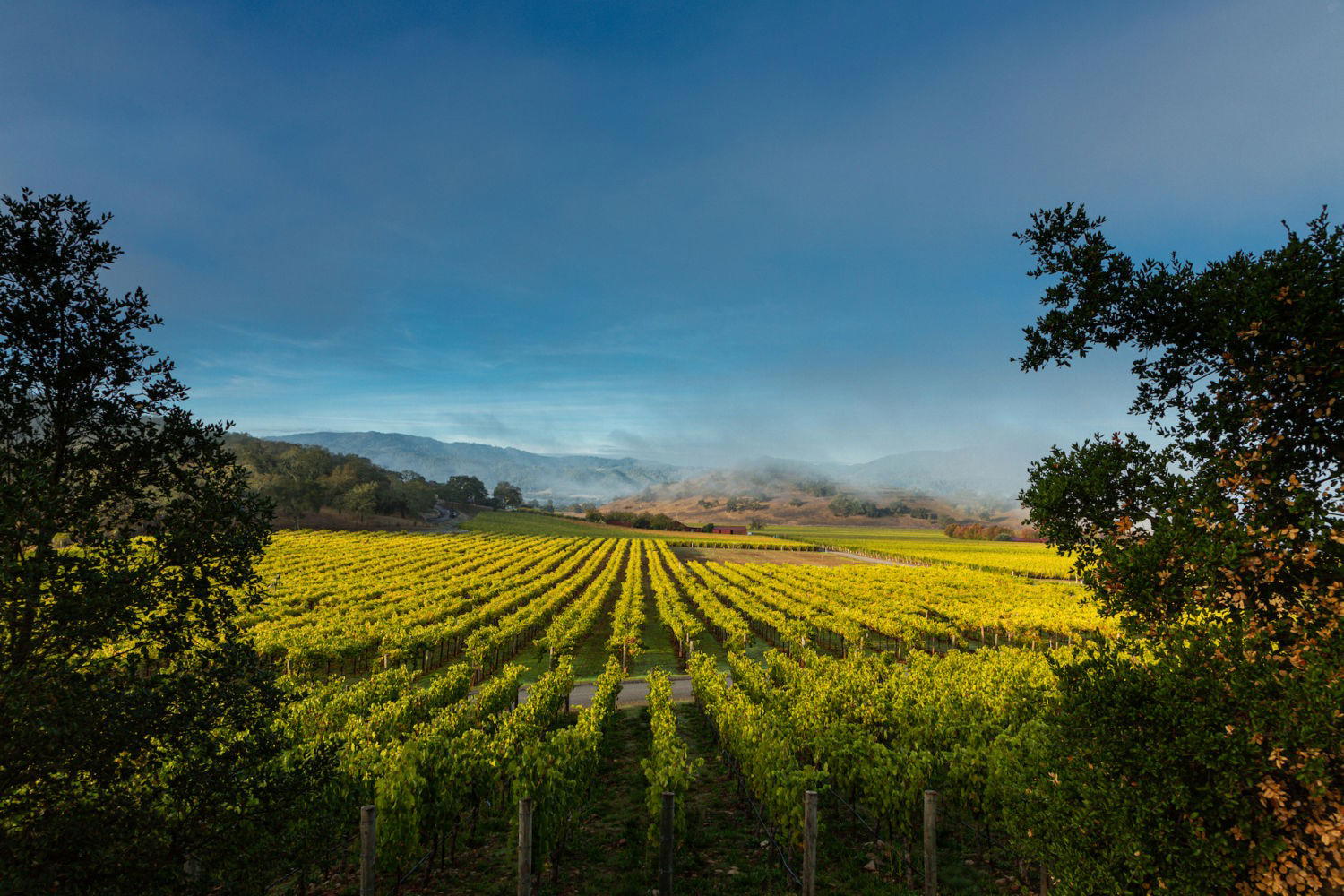
Visitors planning around harvest season (typically late August through October for Cabernet in this district) will find the vineyards at their most visually expressive, though tasting room access may be tighter during peak production periods. Spring, when the vines are leafing out and temperatures remain moderate, offers a less crowded alternative. For tasting availability, direct contact with the estate in advance is advisable; the Stags Leap District's recognised producers frequently operate by appointment.
Those building a broader California wine itinerary beyond Napa might also consider Aberlour and Achaia Clauss in Patras as markers of how wine culture in older producing regions has shaped the vocabulary that California's appellations now draw on when making their own case for place.
Just the Basics
Comparable venues nearby, for context on price, style, and recognition.
| Venue | Cuisine | Price | Awards | Notes |
|---|---|---|---|---|
| Silverado VineyardsThis venue — the venue you are viewing | Not listed | Not listed | Falstaff Winery - Listed | Not listed |
| Rutherford Hill Winery | Rutherford, Merlot, Cabernet Sauvignon | $50–100 | Not listed | Not listed |
| Hyde Vineyard Estate | Carneros, Pinot Noir, Chardonnay | Not listed | Not listed | Not listed |
| Antica Napa Valley | Not listed | $30–50 | Falstaff Winery - Listed | Atlas Peak, Cabernet Sauvignon, Cabernet Franc |
| Shadybrook Estate Winery | Coombsville, Cabernet Sauvignon, Malbec | Not listed | Not listed | Not listed |
| Robert Biale Vineyards | Oak Knoll, Zinfandel, Petite Sirah | Not listed | Falstaff Winery - Listed | Not listed |
Recognition history
Dated appearances from independent guides and award organizations, with the underlying list record or original source where available.
Falstaff Winery - Listed
Falstaff
Continue exploring
More in Napa
Wineries in Napa
Browse all →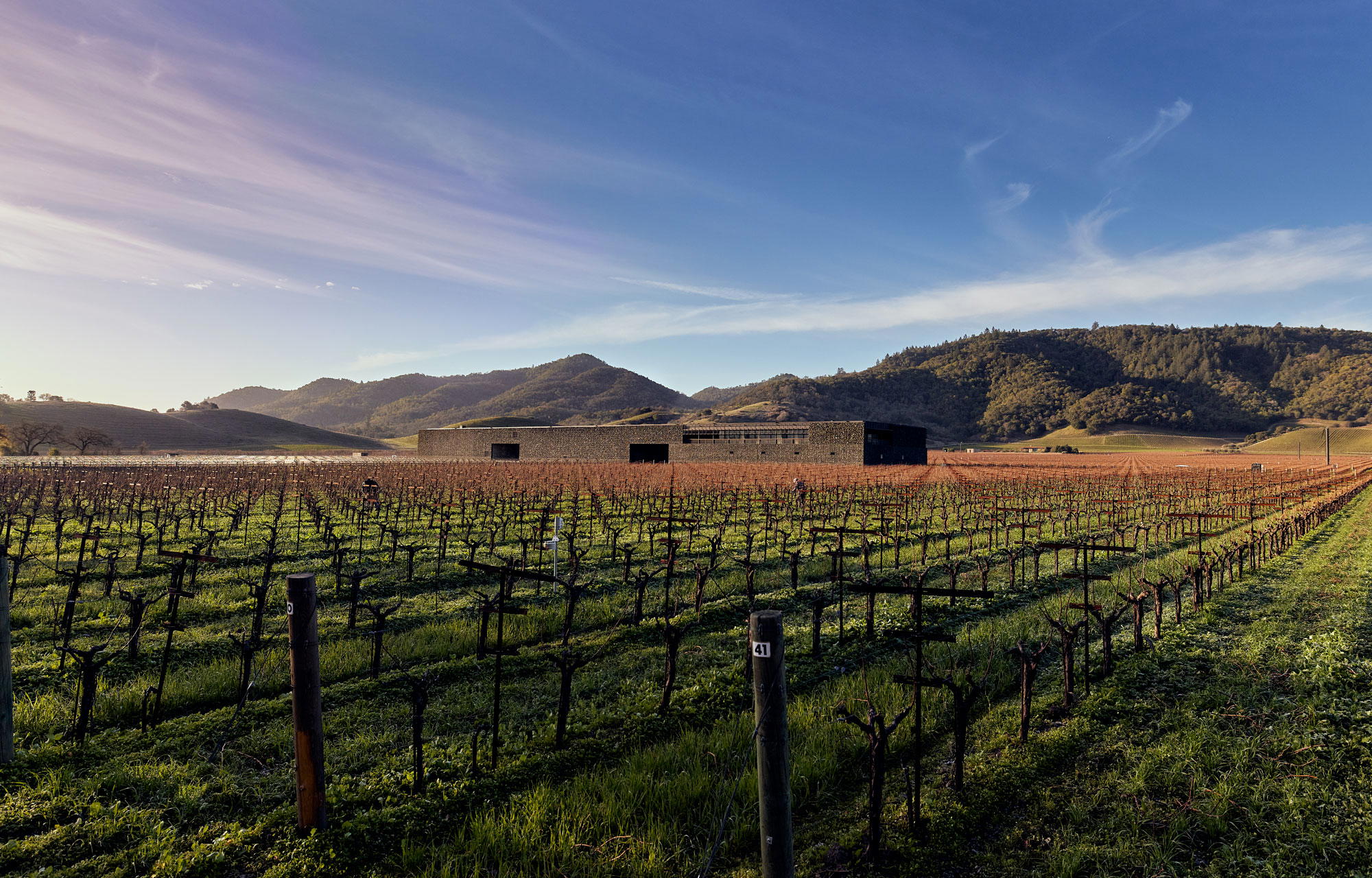
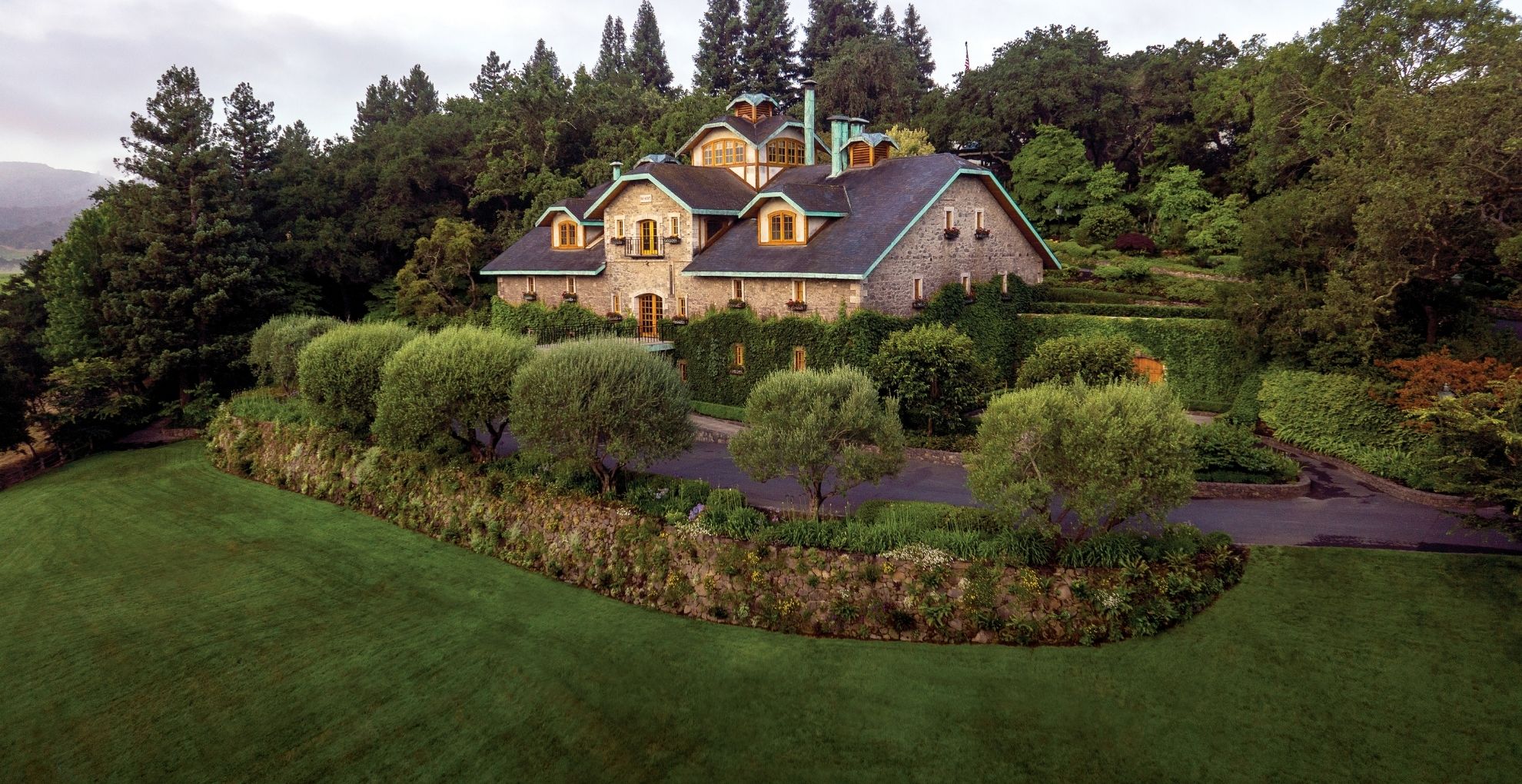
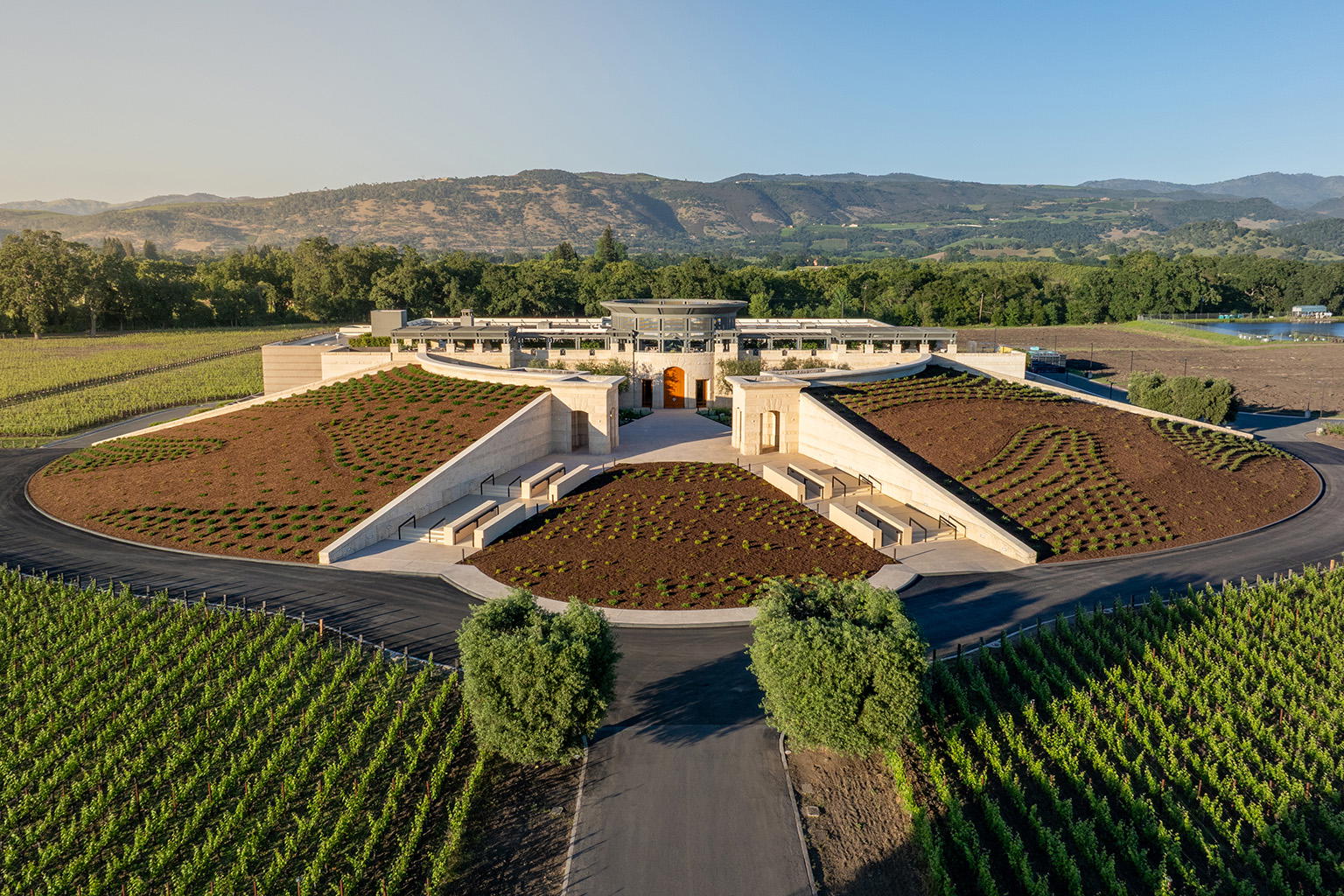
Bars in Napa
Browse all →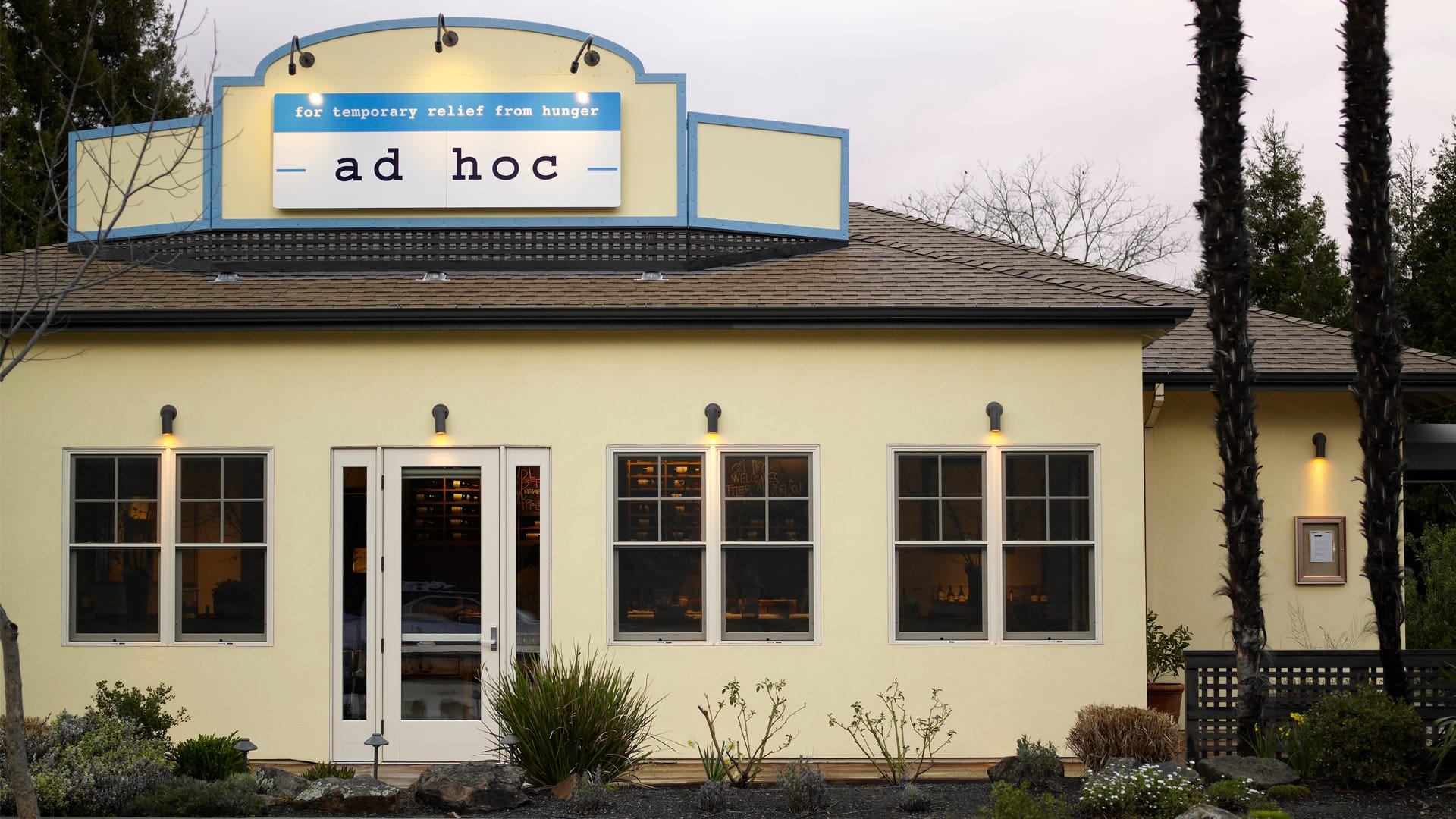
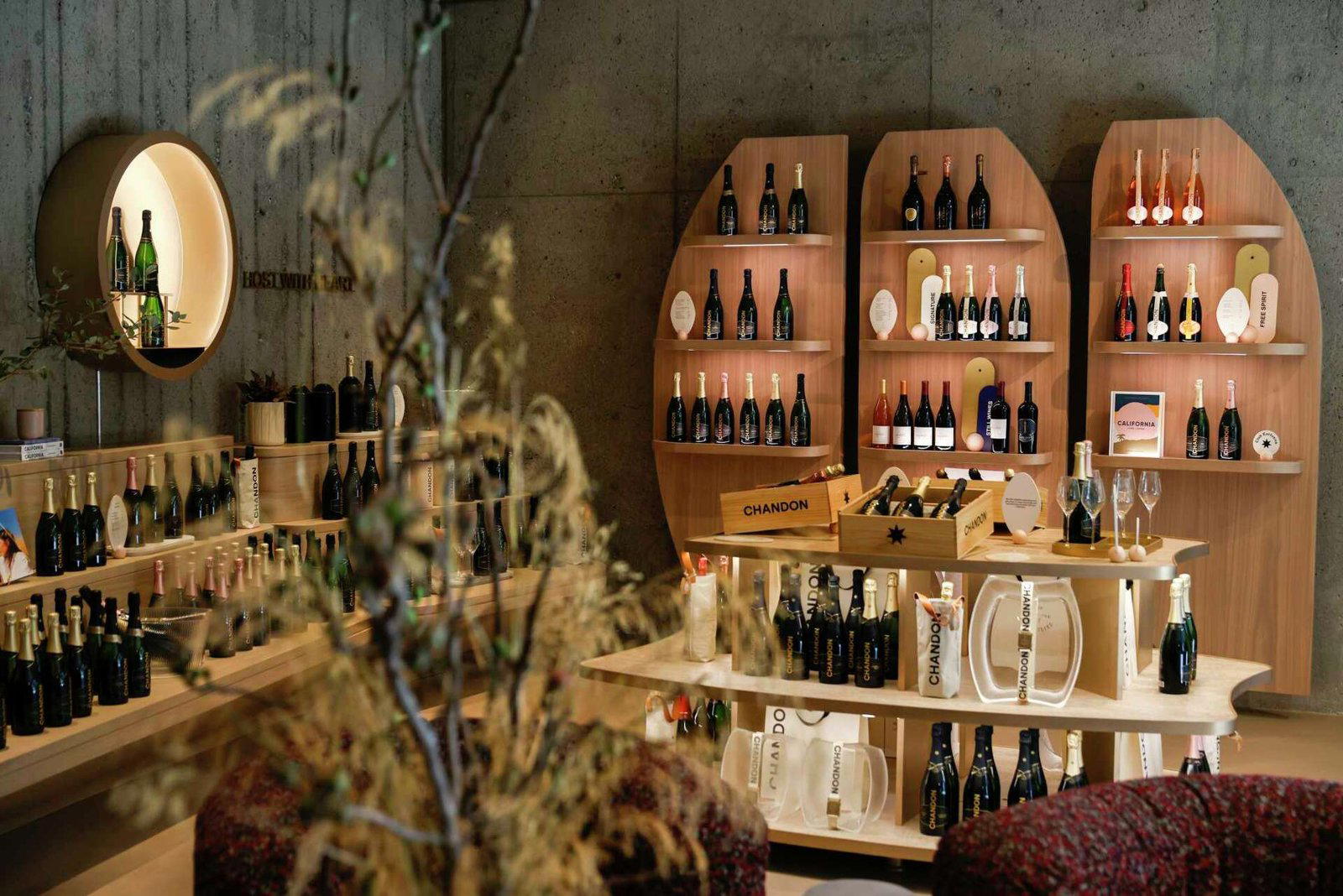
Restaurants in Napa
Browse all →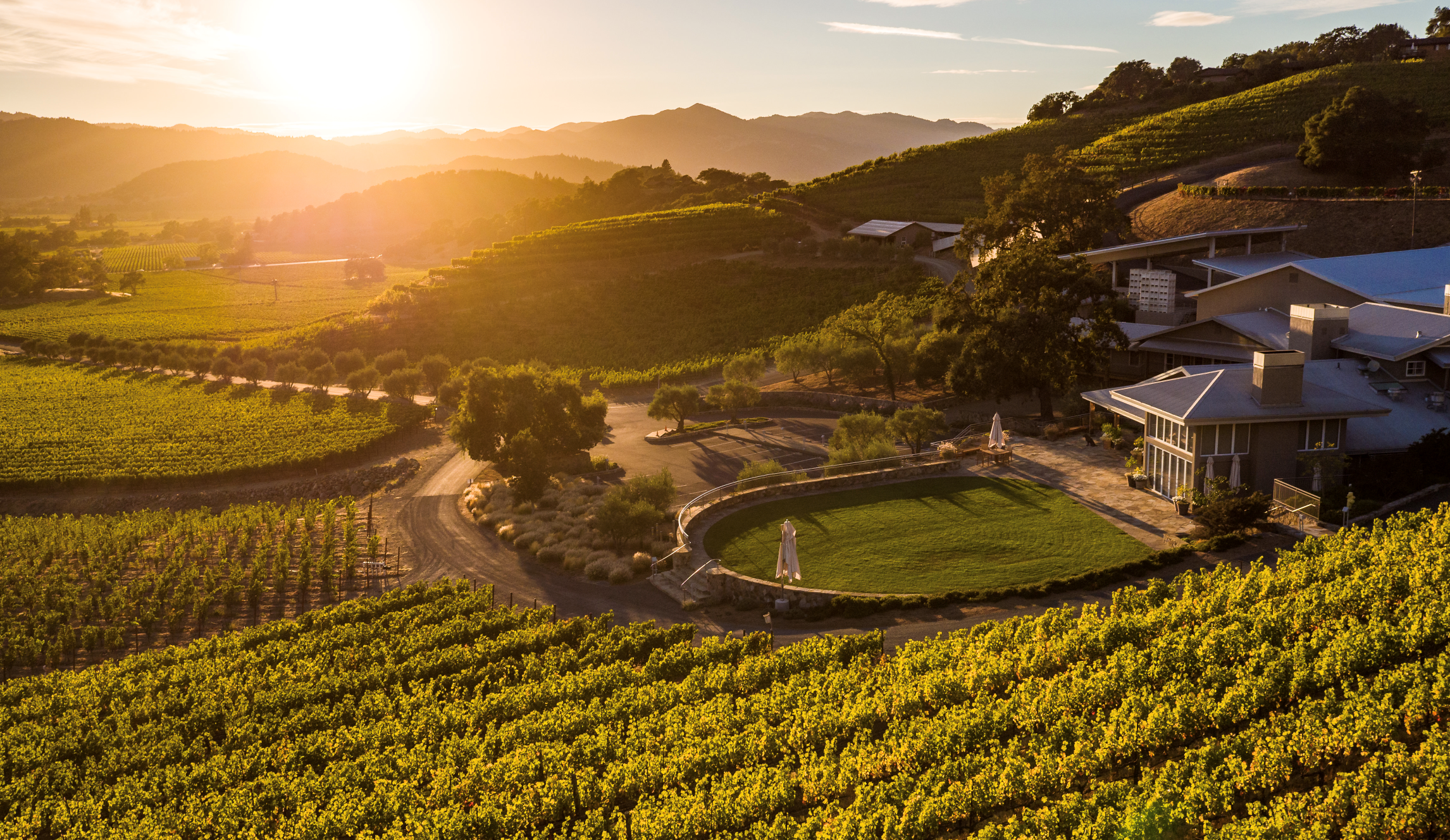

Details
- Scenic
- Elegant
- Classic
- Intimate
- Wine Education
- Special Occasion
- Vineyard Tour
- Estate Grounds
- Panoramic View
- Sustainable
- Organic
- Vineyard
- Mountain
- Cabernet Sauvignon
- Merlot
- Chardonnay
- Sauvignon Blanc
- Still Red
- Private Tasting
- Wine And Cheese Pairing
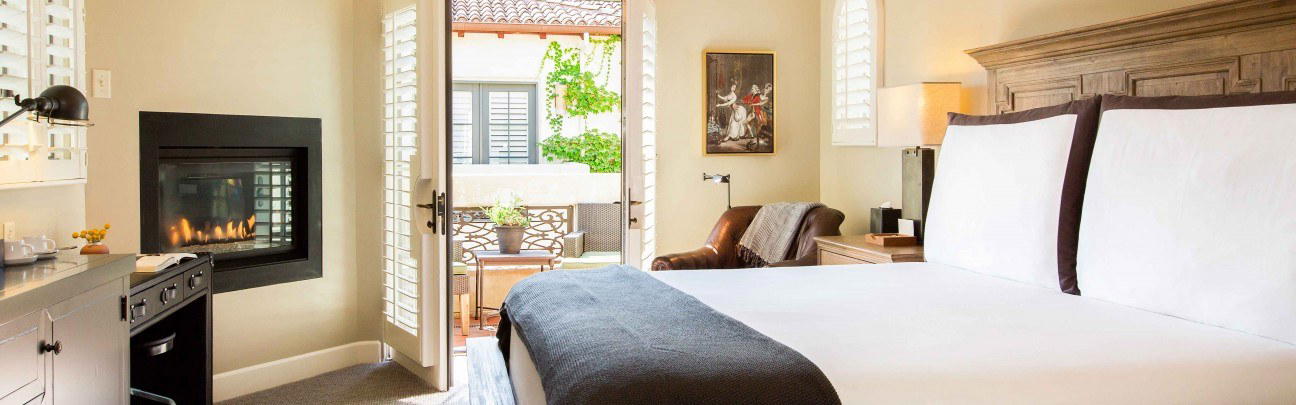
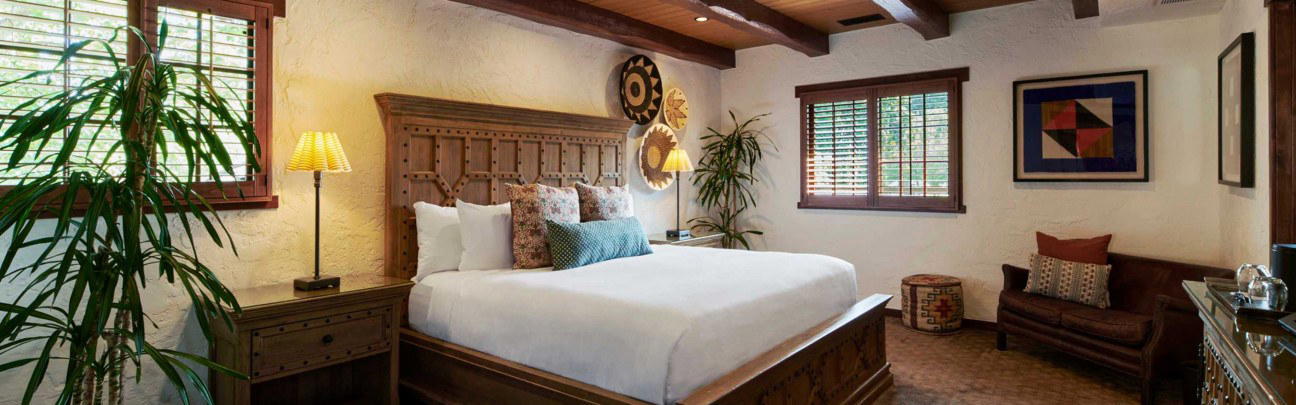
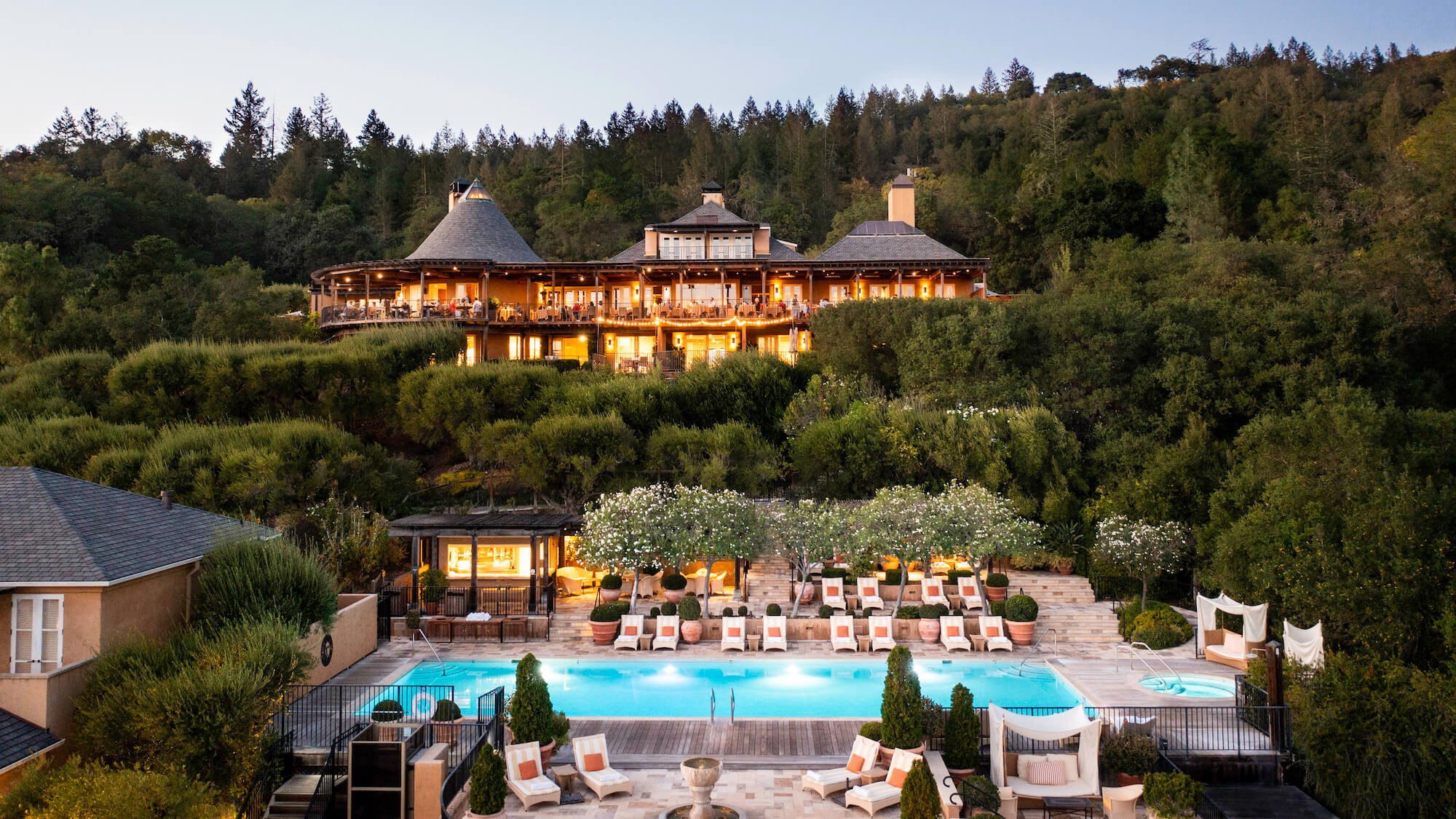
Scenic vineyard setting with intimate outdoor experiences overlooking vines and hillsides, elegant and relaxed atmosphere.