Antica Napa Valley

Falstaff Winery - Listed
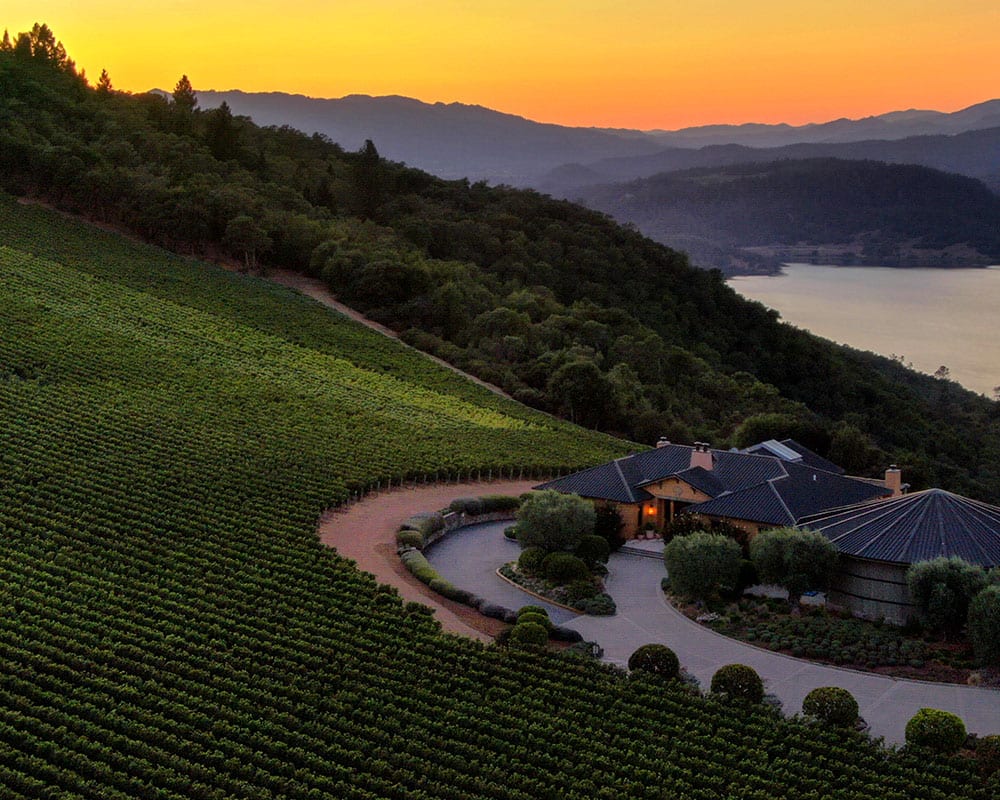
Antica Napa Valley sits on the high-elevation terrain of Atlas Peak, where volcanic soils and mountain air produce a distinct Cabernet expression that separates it from valley-floor producers. Visitors come for the land as much as the wine.

Pearl is the En Primeur Club membership app — saves, bookings, and concierge access live there. Same editors, same standards.
- Address
- 3700 Soda Canyon Rd, Napa, CA 94558
- Phone
- (707) 257-8700
- Website
- antinorinapavalley.com
- Directions
- Get directions
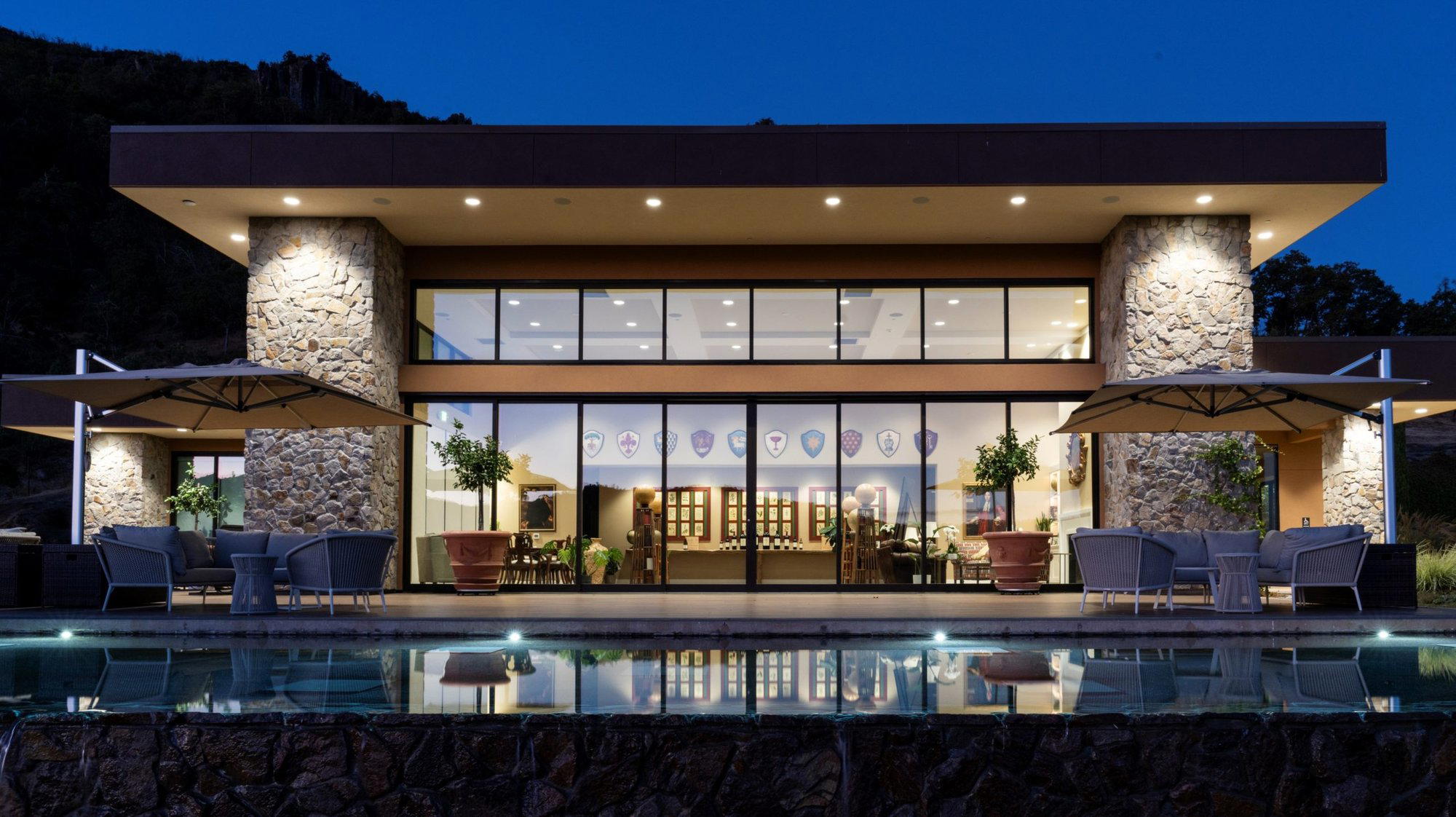
Atlas Peak and the Case for Elevation
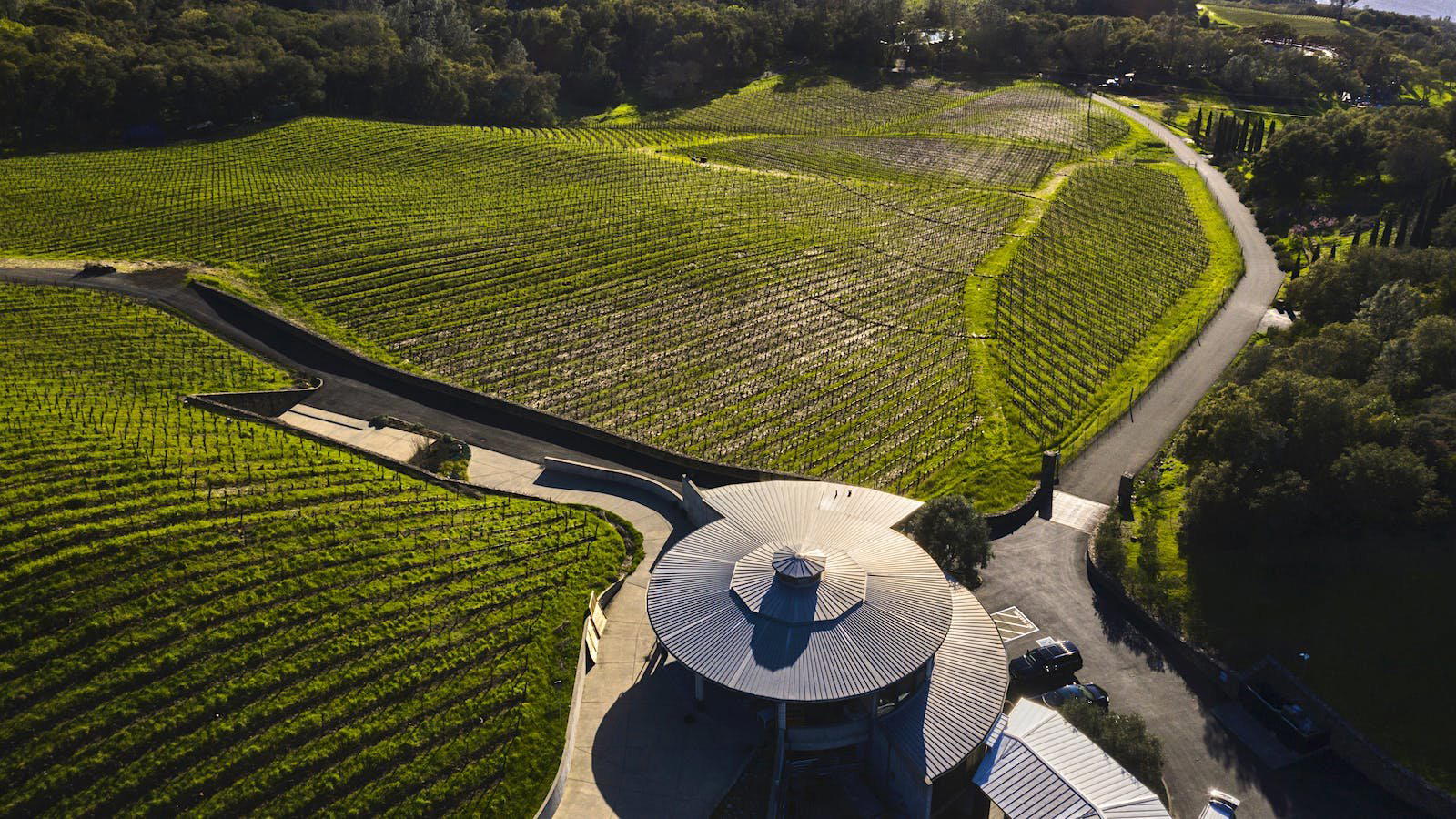
Napa Valley's reputation was built on the valley floor, on the alluvial fans and benchlands of Oakville, Rutherford, and St. Helena. But a quieter, more geologically distinct argument has been forming higher up, on the volcanic soils of Atlas Peak, where producers like Antica Napa Valley have spent years making wine from terrain that behaves by different rules. At roughly 1,600 to 2,400 feet above sea level, Atlas Peak sits above the fog line that blankets the valley each morning, meaning vines receive more direct sun during the day but cool down sharply at night. The result is a longer growing season with slower, more measured ripening — conditions that tend to produce wines with firmer acidity and more structural tension than their valley-floor counterparts.
Soda Canyon Road climbs steadily from the valley floor, passing through oak woodland and chaparral before arriving at the estate at 3700 Soda Canyon Rd. The approach itself signals what kind of wine operation this is: remote, elevation-conscious, and separated from the tasting-room tourism that defines much of lower Napa. This is mountain viticulture, and the physical context matters for understanding what ends up in the glass.
Volcanic Soils and What They Ask of Cabernet
The Atlas Peak AVA sits atop ancient rhyolitic volcanic material, which distinguishes it sharply from the clay-loam and alluvial profiles found further down the valley. Volcanic soils tend to drain aggressively, stressing vines in ways that limit yields and concentrate fruit. They also hold heat differently than clay-heavy soils, contributing to the minerality and aromatic lift that Atlas Peak Cabernet Sauvignon regularly demonstrates in comparative tastings with valley-floor bottlings.
Across the Atlas Peak appellation, producers have generally converged on two stylistic responses to this terroir: wines that lean into the natural structure and age them for extended periods before release, and wines that work to soften the volcanic tannins with longer maceration and careful oak integration. Antica's positioning within that spectrum places it among producers who treat the elevation and soil as the primary argument, not a platform for extraction or cosmetic winemaking.
For context, other Atlas Peak producers working with similar high-elevation volcanic material include Hesperian Wines, Jean Edwards Cellars, Levendi Winery, Seven Apart, and Sommras. Each interprets the same altitude and soil chemistry differently, making Atlas Peak one of the more instructive sub-appellations for comparative tasting within Napa.
How Mountain Napa Sits in the Broader California Premium Picture
California's premium wine geography has fractured considerably over the past two decades. Napa itself now reads as a collection of micro-climates and soil types rather than a single appellation identity. Mountain Cabernet from Howell Mountain, Spring Mountain, Diamond Mountain, and Atlas Peak occupies a distinct tier: lower yields, higher tannin at harvest, slower physiological maturation, and a structural profile that rewards cellaring in ways that many valley-floor wines at similar price points do not.
Across California, producers making site-specific mountain Cabernet compete less with high-volume Napa brands and more with a peer group of smaller-production estates, including Accendo Cellars in St. Helena and Alpha Omega Winery in Rutherford, where the conversation around terroir specificity and pricing rationale runs along similar lines. Further afield, the argument about elevation-driven acidity and soil-derived structure connects Antigua's Atlas Peak positioning to producers in other high-altitude California regions such as Adelaida Vineyards in Paso Robles and Alban Vineyards in Arroyo Grande, where different volcanic and calcareous soils generate structurally analogous outcomes.
Outside California, the conversation about site-specific winemaking shaped by challenging soils extends to producers like Adelsheim Vineyard in Newberg, where Willamette Valley's sedimentary marine soils create a different but equally soil-defined wine character, and Alexander Valley Vineyards in Geyserville, where warmer, deeper alluvial soils produce the kind of valley-floor contrast that makes mountain Cabernet's structural case clearest by comparison. Producers working in entirely different wine traditions, such as Andrew Murray Vineyards in Los Olivos, Achaia Clauss in Patras, and Aberlour in Aberlour, reinforce the broader point that soil and elevation are not uniquely Napa preoccupations but a universal framework for understanding why place matters in premium production.
Planning a Visit to Atlas Peak
Antica Napa Valley is located on Soda Canyon Road in the Atlas Peak sub-appellation, a drive that takes approximately 20 to 25 minutes from downtown Napa and requires a reservation given its mountain location and the logistical realities of high-elevation estate visits. The road is navigable by standard vehicles but demands attention; this is not a casual drop-in destination. Visitors should plan for a half-day at minimum, both because the drive warrants it and because the wines benefit from unhurried tasting conditions.
Atlas Peak's remoteness relative to the Highway 29 corridor keeps visitor numbers lower than in the more trafficked appellations further north. This is an argument for visiting: the tasting experience at mountain estates here is structurally different from the high-volume rooms in Yountville or Rutherford. For a fuller picture of the sub-appellation, the EP Club Atlas Peak guide maps the broader producer community and provides itinerary context.
What the 2025 Recognition Signals
For Antica Napa Valley, receiving this in 2025 situates the estate within the cohort of Atlas Peak producers whose work is tracking at a level of critical recognition rather than local reputation alone.
That kind of recognition carries weight for collectors and informed buyers who use award frameworks as a cross-reference tool rather than a sole criterion. At Atlas Peak, where the terroir argument is strong but the appellation's visibility has historically lagged behind the valley-floor AVAs, this level of recognition helps clarify where Antica sits in a wine landscape where dozens of producers compete for attention at similar price points.
In Context: Similar Options
Comparable venues nearby, for context on price, style, and recognition.
| Venue | Cuisine | Price | Awards | Notes |
|---|---|---|---|---|
| Antica Napa ValleyThis venue — the venue you are viewing | Cabernet Sauvignon, Cabernet Franc | $30–50 | Falstaff Winery - Listed | Not listed |
| Arrow&Branch Winery | Cabernet Franc, Cabernet Sauvignon | Not listed | Not listed | Oak Knoll District |
| Farella Vineyard | Cabernet Sauvignon, Merlot | Not listed | Not listed | Coombsville |
| Domaine Chandon | Chardonnay, Pinot Noir | $30–50 | Not listed | Yountville |
| Artesa Vineyards and Winery | Chardonnay, Pinot Noir | $30–50 | Not listed | Los Carneros |
| Saintsbury | Pinot Noir, Chardonnay | Not listed | Not listed | Carneros |
Recognition history
Dated appearances from independent guides and award organizations, with the underlying list record or original source where available.
Falstaff Winery - Listed
Falstaff
Continue exploring
More in Napa
Wineries in Napa
Browse all →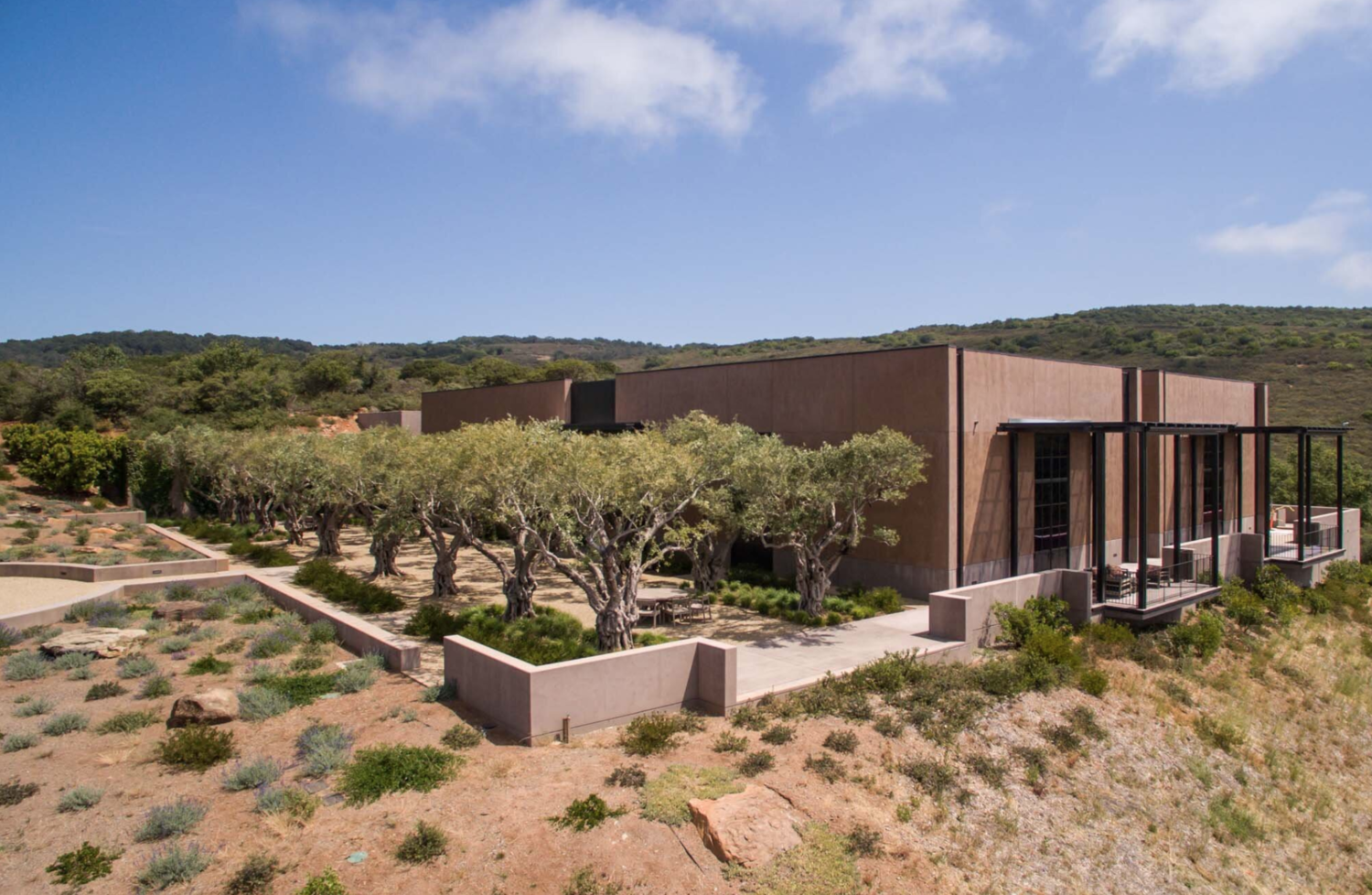
Bars in Napa
Browse all →
Restaurants in Napa
Browse all →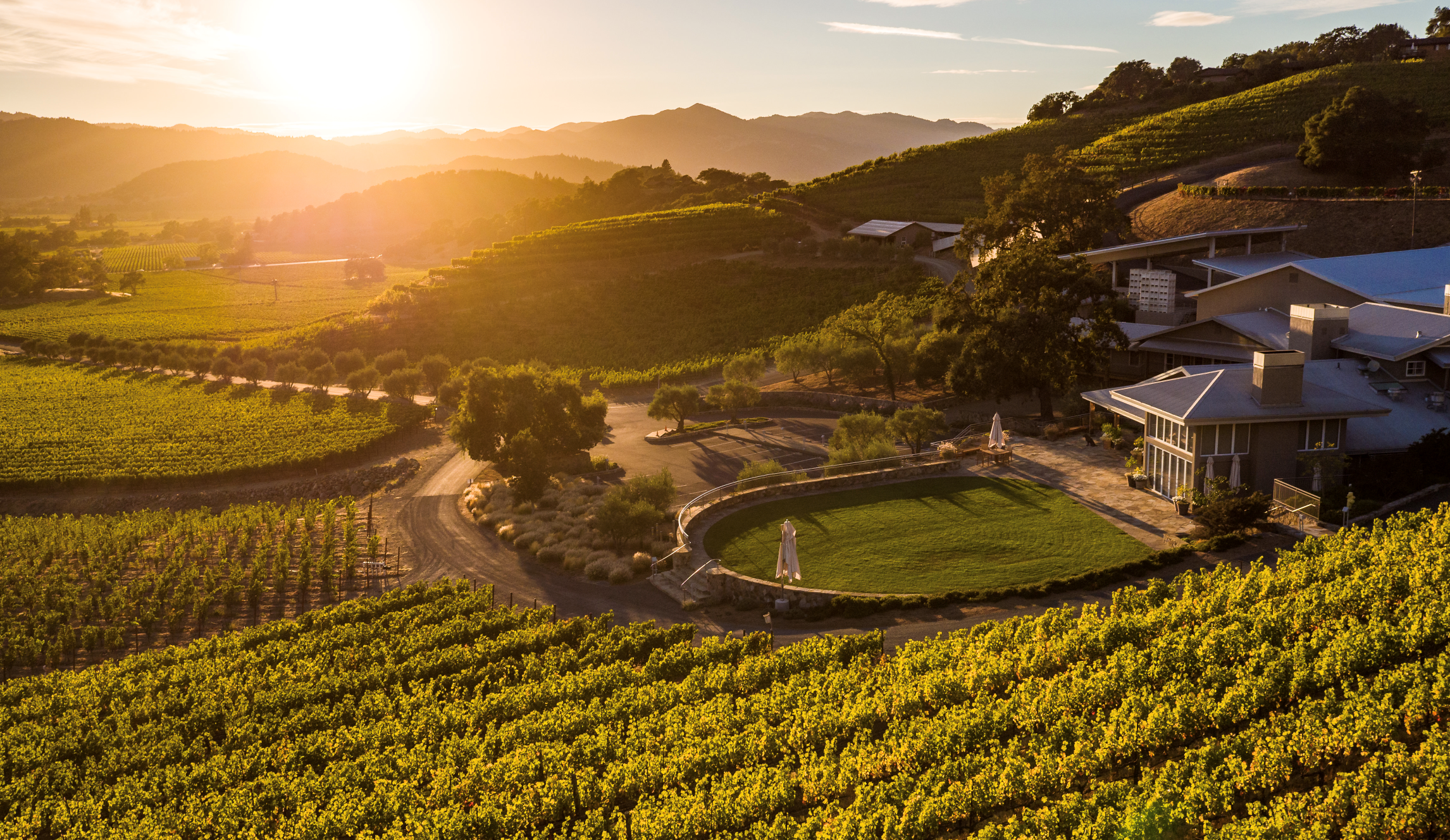
Details
- Scenic
- Elegant
- Rustic
- Intimate
- Sophisticated
- Romantic Getaway
- Special Occasion
- Wine Education
- Vineyard Tour
- Estate Grounds
- Panoramic View
- Private Tasting
- Sustainable
- Mountain
- Vineyard
- Cabernet Sauvignon
- Cabernet Franc
- Chardonnay
- Still Red
- Private Tasting
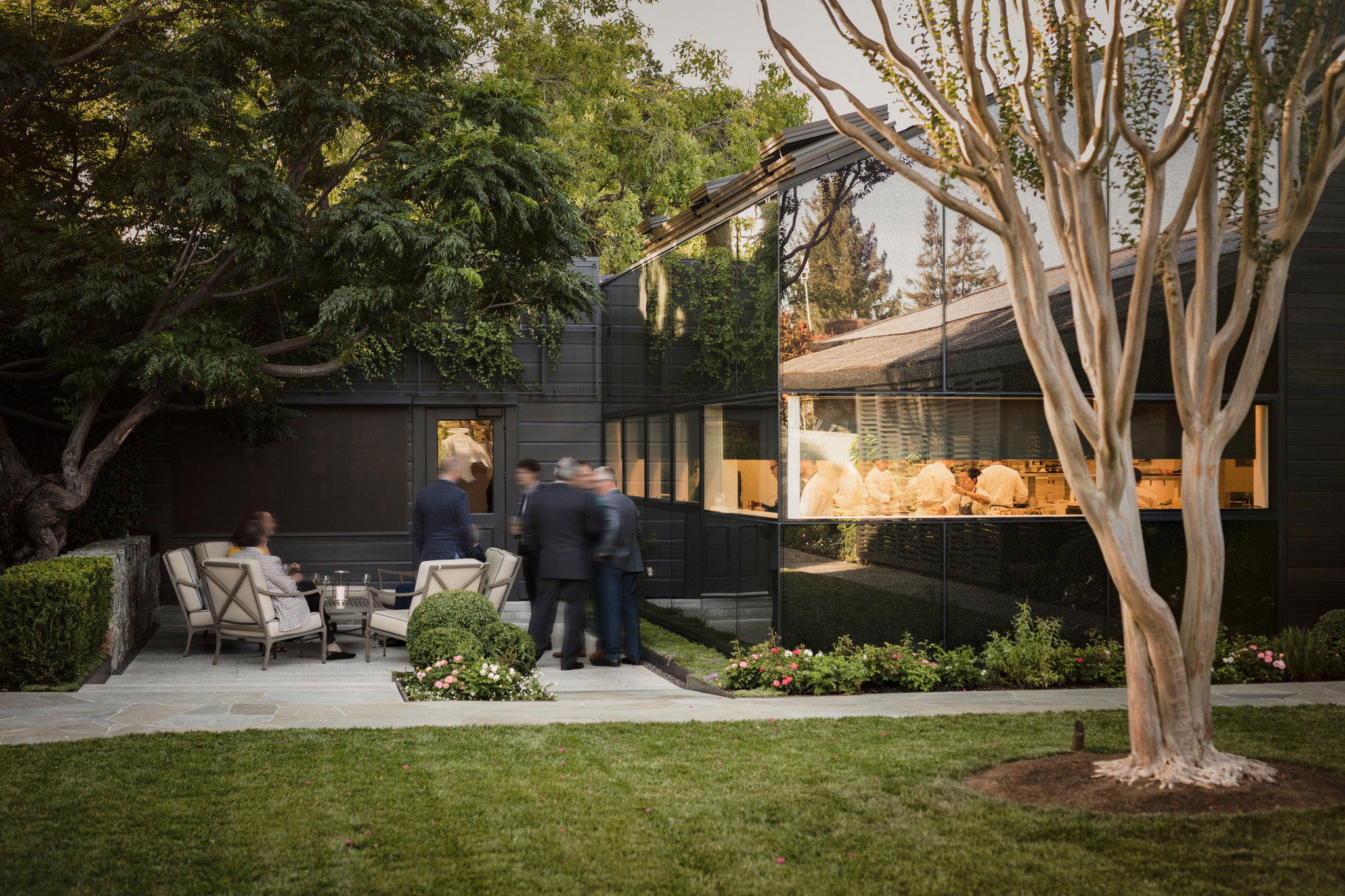
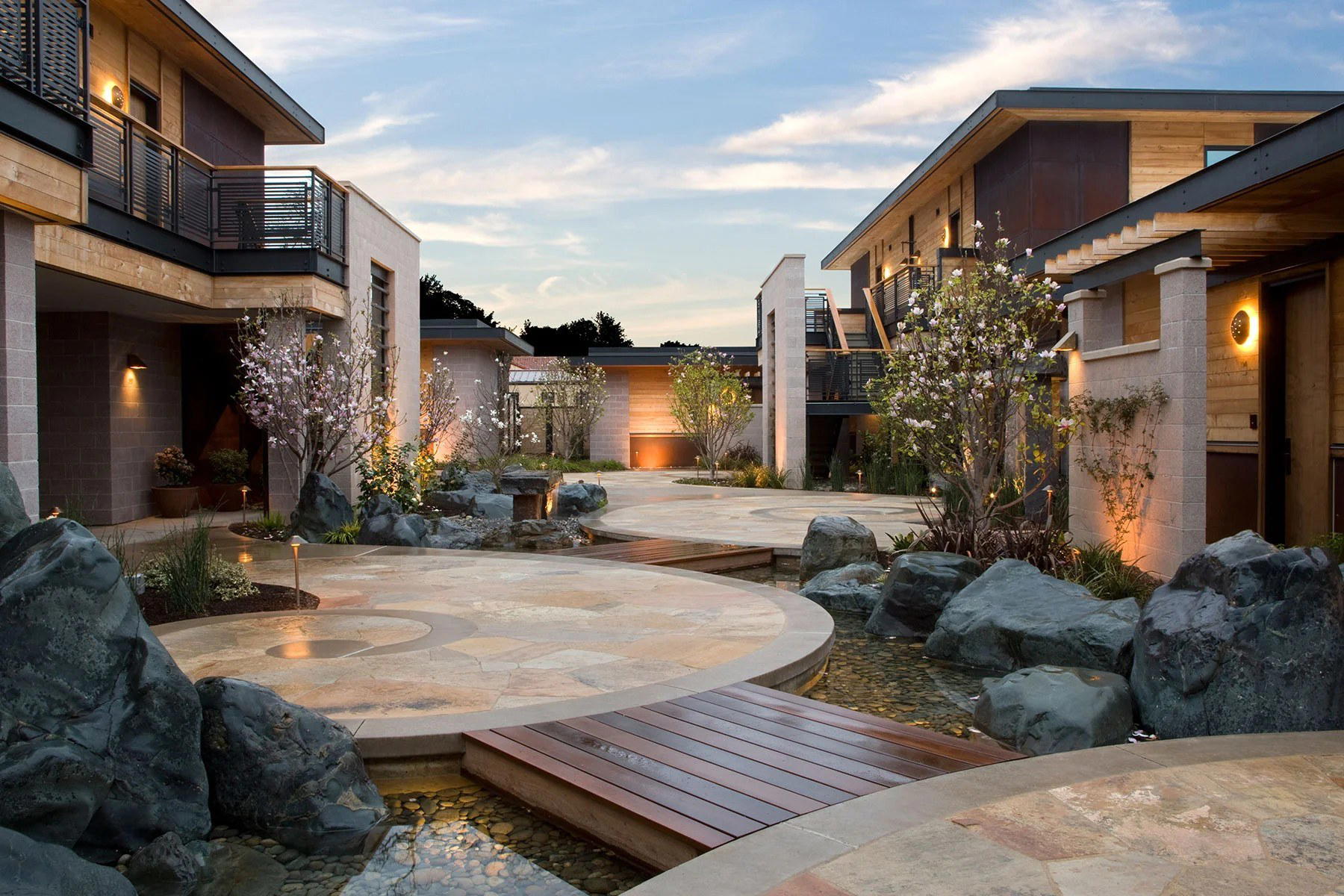
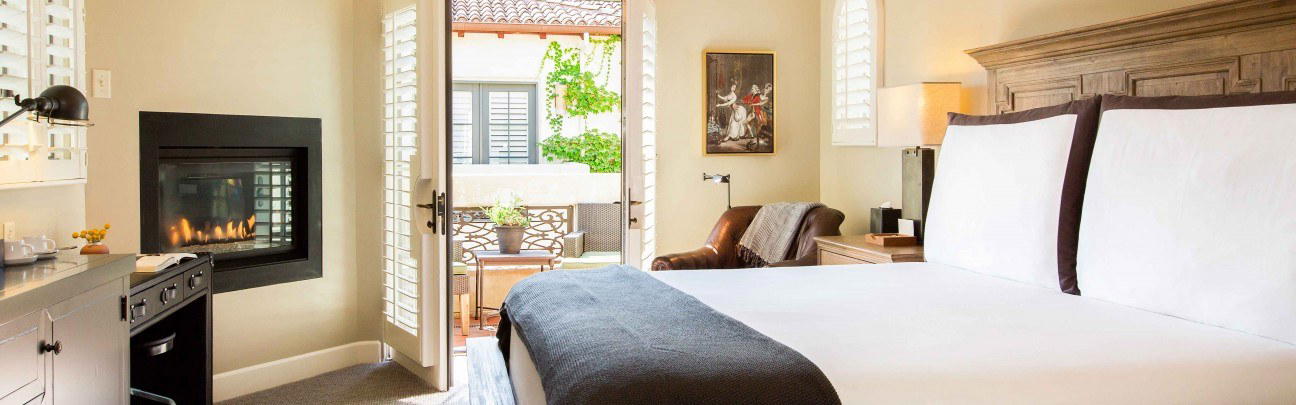
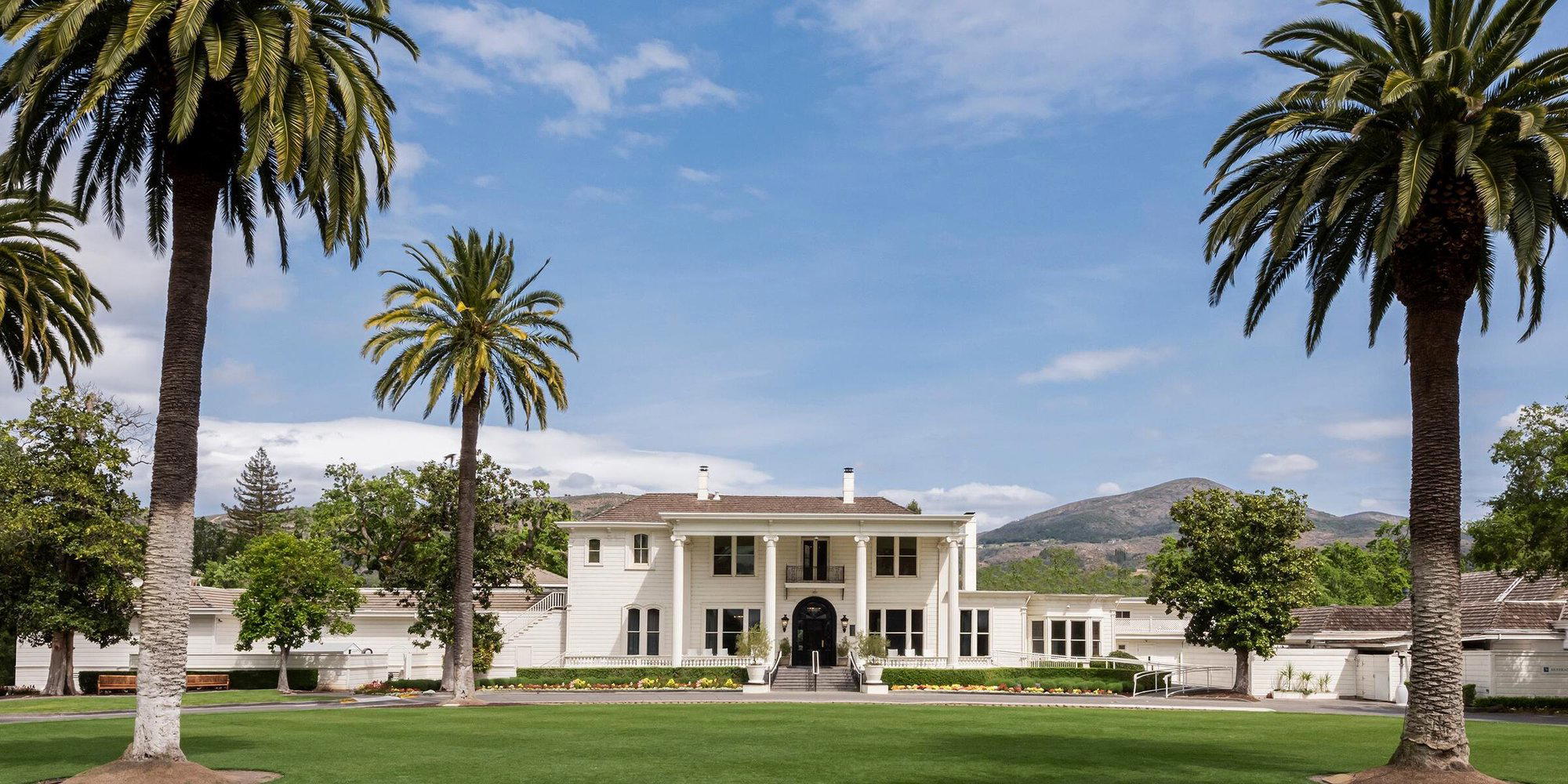
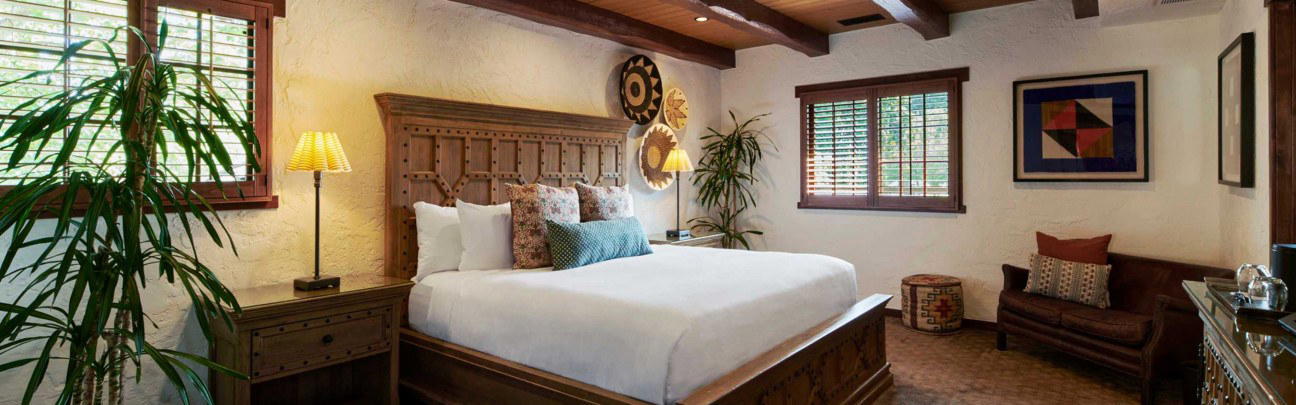
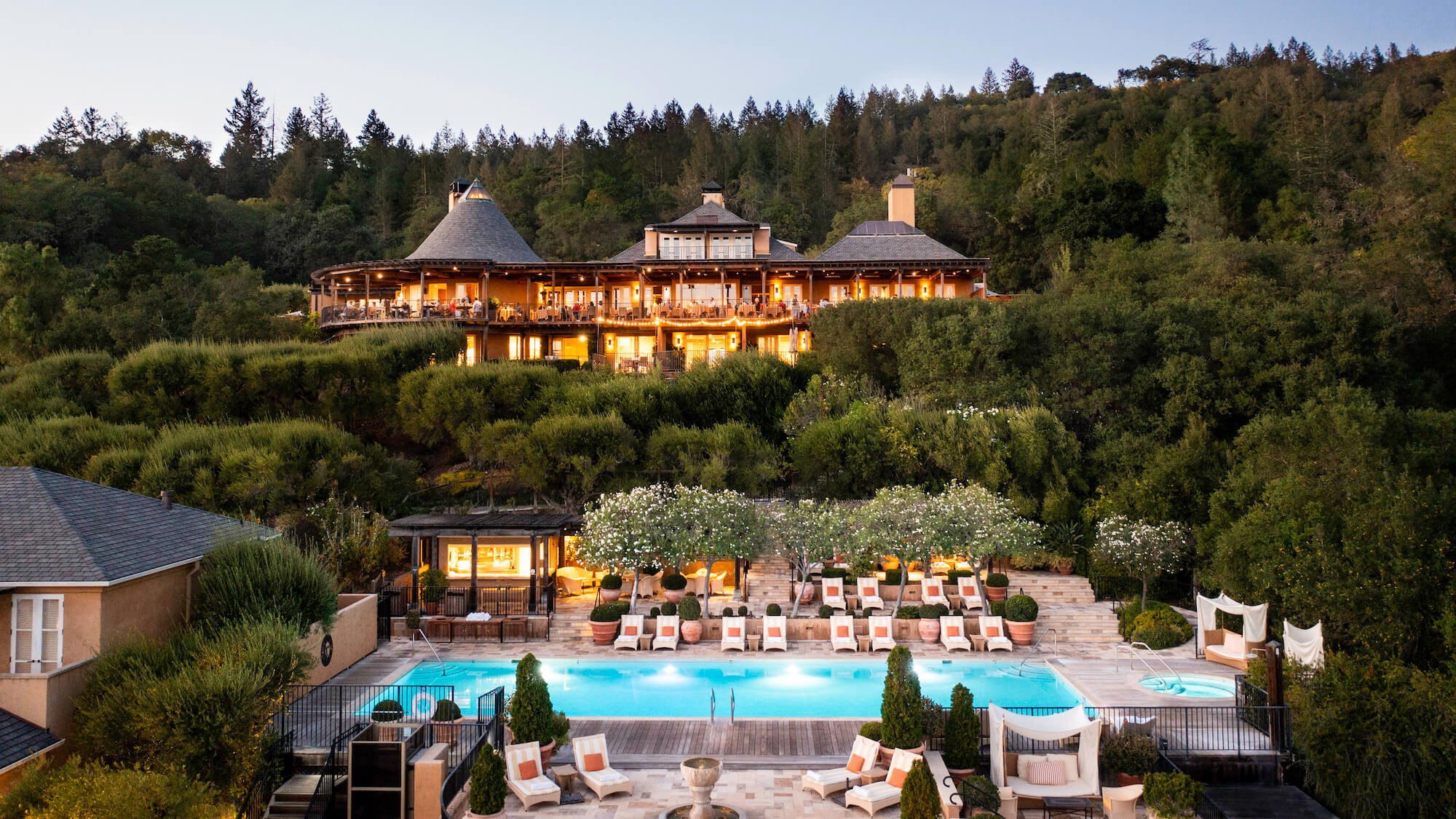
Serene and classy atmosphere with spectacular mountain and vineyard views, quiet private tastings, and an Italian-inspired elegance transporting guests to Tuscany.