Andrew Murray Vineyards
Andrew Murray Vineyards has operated out of Los Olivos since 1993. Positioned on Grand Avenue among a concentration of serious tasting rooms, the winery traces a long lineage in a region that took Syrah and Grenache seriously before most of California did.
Pearl is the En Primeur Club membership app — saves, bookings, and concierge access live there. Same editors, same standards.
- Address
- 2901 Grand Ave, Los Olivos, CA 93441
- Phone
- +1 805-693-9644
- Website
- andrewmurrayvineyards.com
- Directions
- Get directions
 Saves & bookings on Pearl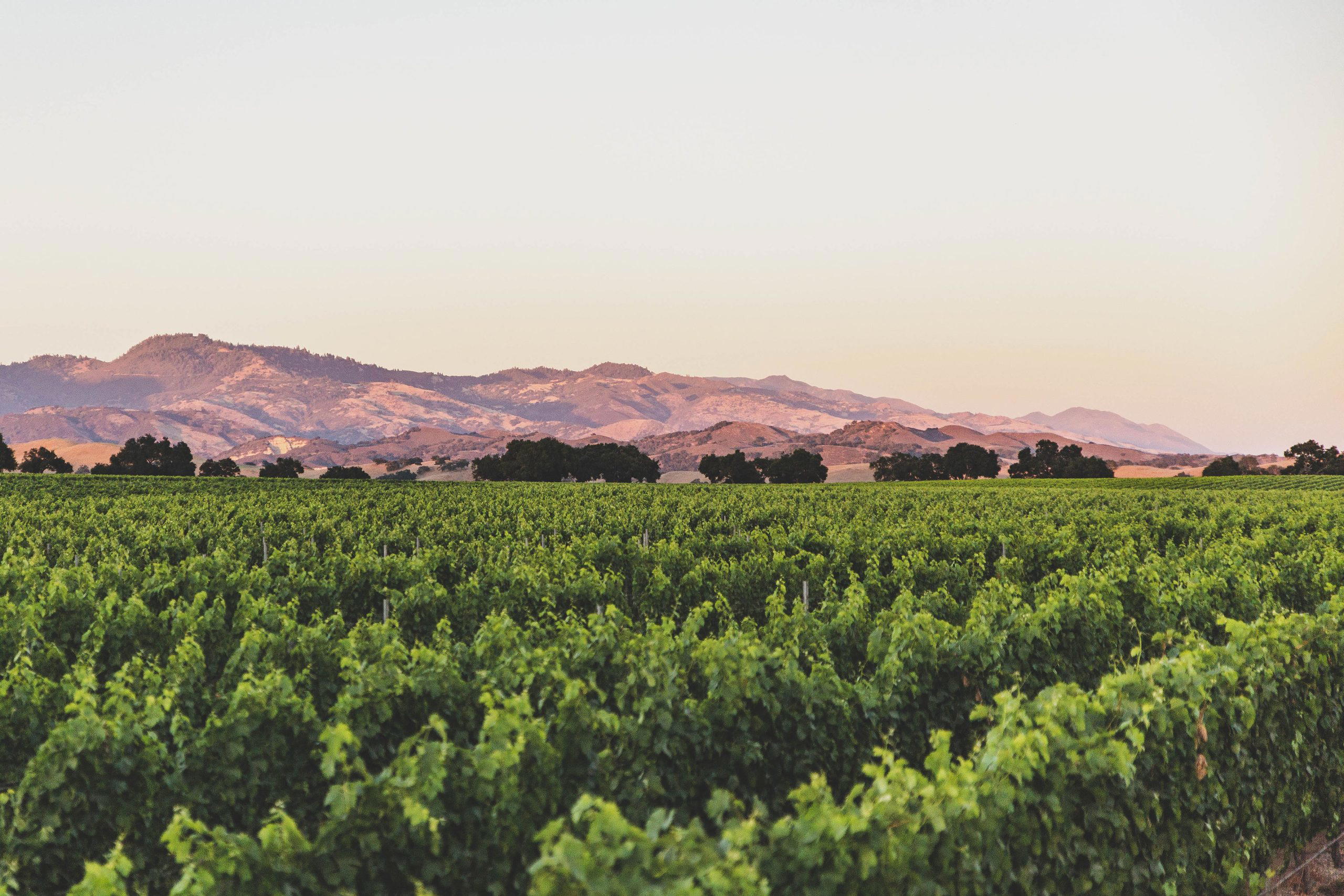
Grand Avenue and the Central Coast Rhône Argument
Los Olivos sits at the northern end of the Santa Ynez Valley, where the transverse mountain ranges create an unusual east-west corridor that pulls cool marine air inland from the Pacific. That corridor is why the Santa Barbara wine country behaves differently from Napa or Paso Robles: afternoon temperatures can swing 40 to 50 degrees Fahrenheit between the warmest inland points and the coast, and diurnal swings of that scale produce grapes with retained acidity and aromatic intensity that warmer regions rarely achieve without intervention. Grand Avenue, the low-key main strip of Los Olivos, has become a concentration point for tasting rooms that have made something specific of those conditions, and Andrew Murray Vineyards, operating from that address since its first vintage in 1993, belongs to the longer argument about what the Central Coast can do with Rhône varieties.
Thirty Years of Rhône Positioning on the Central Coast
Andrew Murray Vineyards began in 1993, which places it in a first generation of Central Coast producers who committed to Grenache, Syrah, Viognier, and related varieties before the California Rhône Ranger movement had fully consolidated its reputation. That kind of early positioning matters in wine: a producer who has worked the same varieties through multiple decades of vintage variation accumulates a different kind of knowledge than one who adopted Rhône grapes as a category trend. The winemaker is Andrew Murray himself, and the continuity of a single winemaker over a long period tends to produce a legible house style that develops rather than pivots.
That credential places Andrew Murray Vineyards within a comparable set that includes other Central Coast producers working with similar variety commitments and similar geological conditions, though the specifics of terroir expression at this address are shaped by where exactly the fruit comes from across the Santa Ynez Valley and its sub-appellations.
What the Land Gives Here
Santa Barbara County's wine growing geography is defined by its transverse ranges more than by any single soil type. The Santa Ynez Valley AVA encompasses meaningfully different sub-zones: the Sta. Rita Hills to the west, with its diatomaceous soils and intense coastal influence, the warmer Happy Canyon to the east, and the central valley floor around Los Olivos, where alluvial soils and moderating elevation sit between those two poles. Rhône varieties, particularly Syrah, find conditions in this middle range that allow them to ripen without losing the peppery, mineral qualities that distinguish cool-climate Syrah from fuller, jammier expressions.
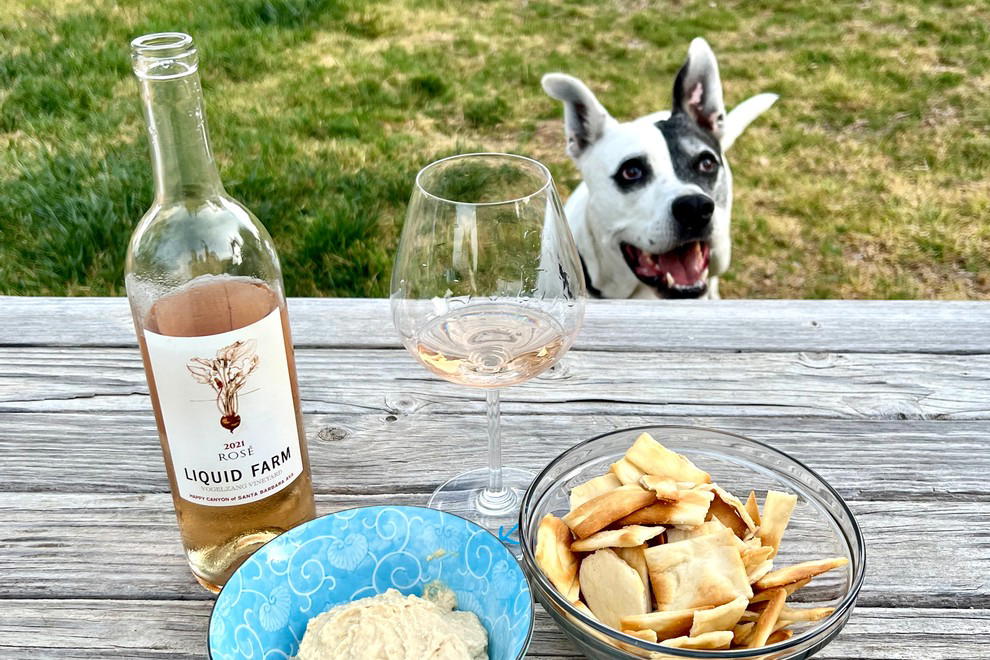
That distinction matters editorially because Central Coast Syrah is often placed in a different critical conversation than either Napa Cabernet or Willamette Pinot. Producers like Dragonette Cellars and Stolpman Vineyards have built reputations in Los Olivos operating within the same appellation logic, though each approaches the site-variety question differently. Liquid Farm works the coastal end of that spectrum through Chardonnay and Pinot, while Artiste Winery and Tasting Studio and Solminer Wine Company represent the breadth of approaches the village now contains. Andrew Murray's long tenure gives it a specific weight in that comparable set: it predates most of them and has had more time to identify which vineyard sources within the valley express the varieties most clearly.
Terroir Expression as the Core Argument
The editorial case for any winery operating over thirty years is that terroir expression only becomes legible across time. A producer who has tasted the same site through drought vintages, cool vintages, and heat events has a working knowledge of what is site-specific and what is vintage-variable. In Central California, where drought cycles and atmospheric river years have become increasingly pronounced, that longitudinal understanding is not a marketing point but a practical advantage. Winemaker Andrew Murray's continuity since 1993 means the house style at this address has been shaped by the full range of conditions the Santa Ynez Valley has produced across three decades.
Rhône varieties also reward that kind of long-term commitment differently than Cabernet or Pinot Noir. Grenache and Syrah are particularly sensitive to vine age and root depth: older vines draw from deeper soil horizons, produce smaller berries with more concentrated skins, and often exhibit a textural density that younger plantings rarely match. A winery operating since 1993 in a region where Rhône plantings were established in the late 1980s and early 1990s is now working with vines that are in their optimal maturity window, and that has direct implications for what the wines can express. For comparison, Alban Vineyards in Arroyo Grande, another California Rhône pioneer, demonstrates how that long vine establishment translates across different coastal terroir.
Los Olivos as a Tasting Room Town
Grand Avenue in Los Olivos has evolved from a novelty wine stop into one of the denser concentrations of serious tasting rooms on the Central Coast. The town itself is small, with most tasting rooms within walking distance of each other, and weekend traffic reflects that: Saturday afternoons on Grand Avenue draw visitors who are moving between addresses rather than making a single destination trip. That format benefits producers with long histories and specific variety commitments because it creates natural comparison opportunities that a more isolated winery location would not. A visitor tasting through three or four addresses in an afternoon can place Andrew Murray's Rhône focus directly against peers operating in the same appellation.
The address at 2901 Grand Ave is on the main strip, which means access is direct. Visitors planning a multi-stop day in Los Olivos would typically begin at one end of Grand Avenue and work along the street; Andrew Murray Vineyards fits naturally into that itinerary structure.
A Longer California Reference
The winery exists within a broader California wine geography that runs from the North Coast down through the Central Coast. Producers like Accendo Cellars in St. Helena, Alpha Omega Winery in Rutherford, and Artesa Vineyards and Winery in Napa represent the Napa end of California's premium wine geography, where Cabernet and Bordeaux varieties set the dominant commercial register. Adelaida Vineyards in Paso Robles occupies the middle of the Central Coast corridor.
Internationally, the comparison points extend further: Adelsheim Vineyard in Newberg shows how a similar commitment to a single variety family across Oregon's Willamette Valley creates comparable longitudinal authority in Pinot Noir, while Alexander Valley Vineyards in Geyserville demonstrates how a family-owned house with long regional roots reads differently from a corporate-scaled operation in the same appellation. The winery sits in that same independent, long-established tier, where the winemaker's name and the first vintage year carry more critical weight than the tasting room's square footage.
Comparable Spots, Quickly
Comparable venues nearby, for context on price, style, and recognition.
| Venue | Cuisine | Price | Notes |
|---|---|---|---|
| Andrew Murray VineyardsThis venue — the venue you are viewing | Syrah, Grenache | $$ | Not listed |
| Stolpman Vineyards | Syrah, Roussanne | $$ | Los Olivos |
| Storm Wines | Sauvignon Blanc, Chardonnay | $$ | Los Olivos |
| Demetria Vineyards | Pinot Noir, Syrah | $$$ | Foxen Canyon |
| Liquid Farm Tasting Room | Chardonnay, Pinot Noir | $$$ | Los Olivos |
| Dragonette Cellars | Pinot Noir, Syrah | $$$ | Los Olivos |
Continue exploring
More in Los Olivos
Wineries in Los Olivos
Browse all →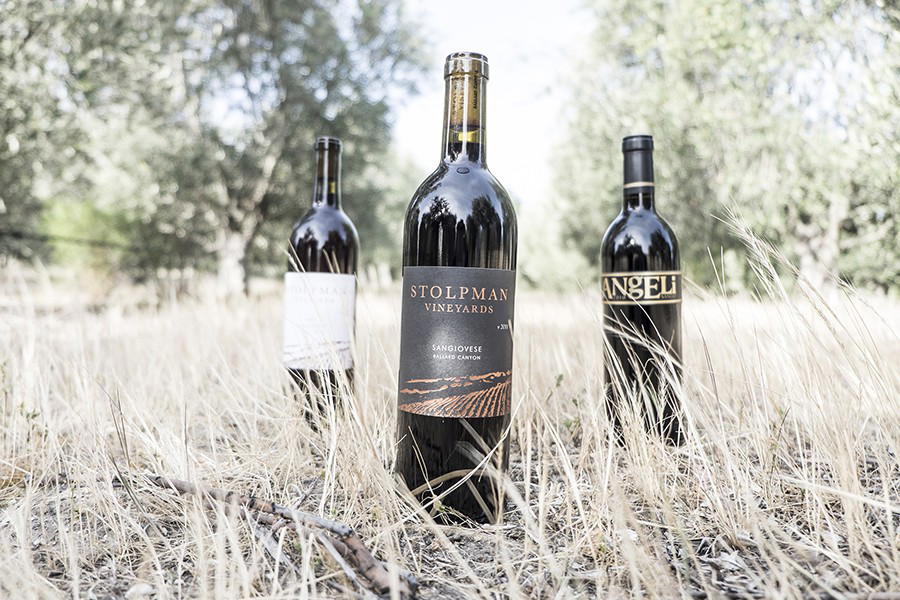
Bars in Los Olivos
Browse all →

Restaurants in Los Olivos
Browse all →
At a Glance
- Rustic
- Scenic
- Relaxed
- Intimate
- Wine Education
- Solo Exploration
- Group Outing
- Estate Grounds
- Picnic Area
- Sustainable
- Vineyard
- Garden
- Santa Ynez Valley AVA
- Syrah
- Grenache
- Viognier
- Roussanne
- Marsanne
- Grenache Blanc
- Mourvedre
- Cinsault
- Still Red
- Still White
- Still Rosé
- Tasting Room
- Estate Tasting
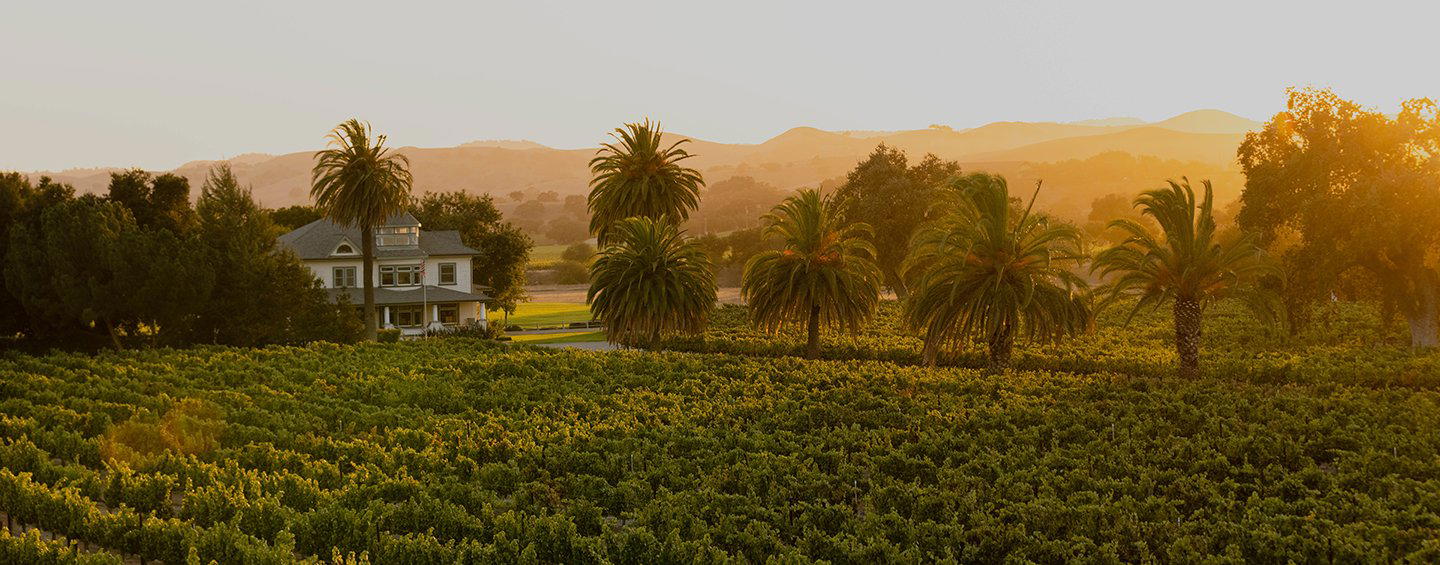
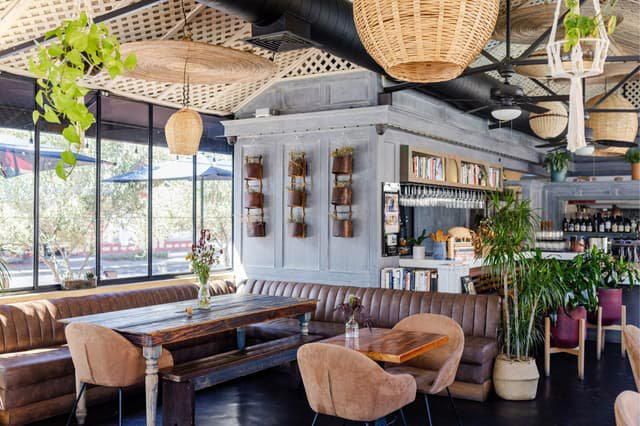
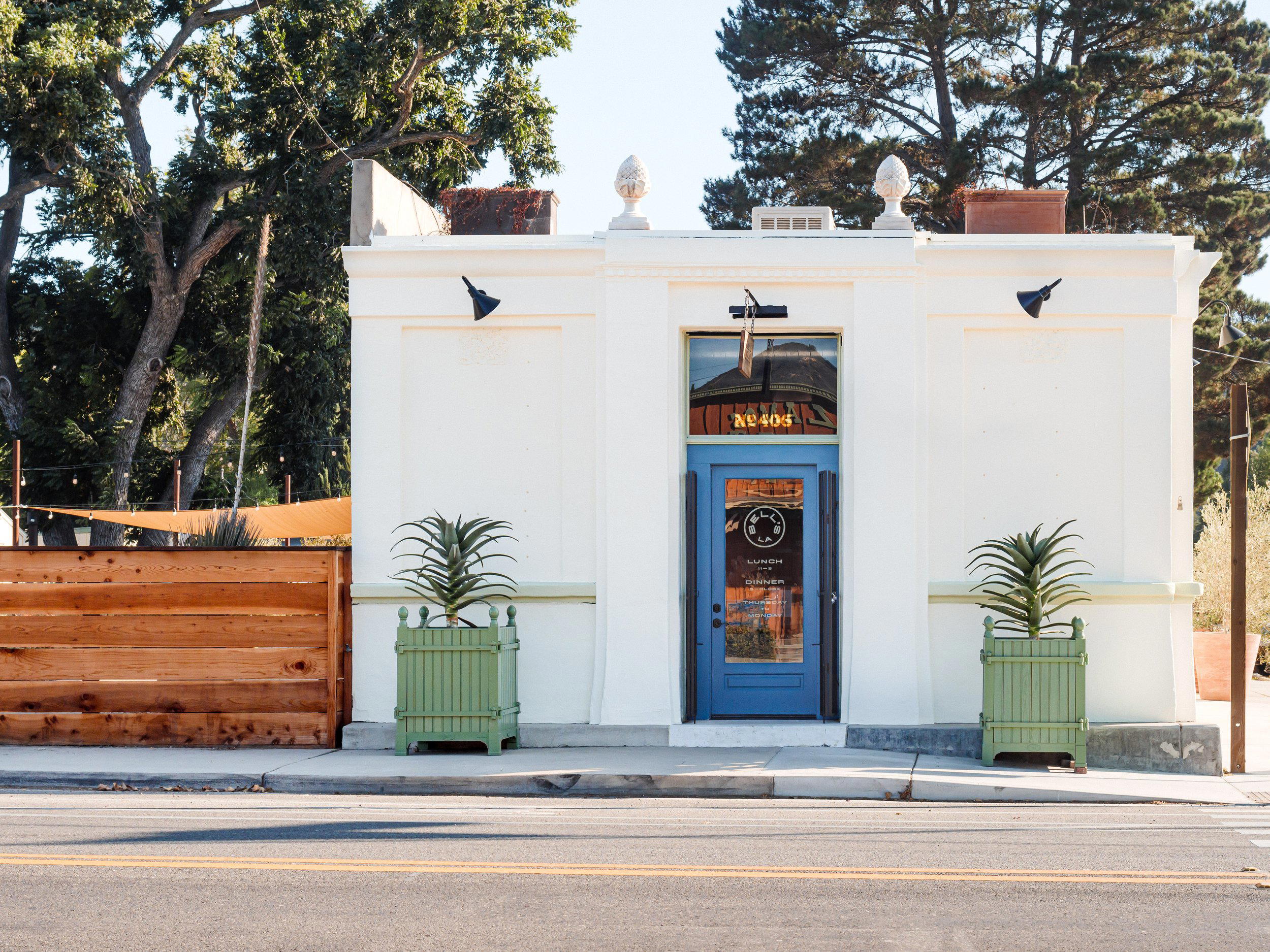
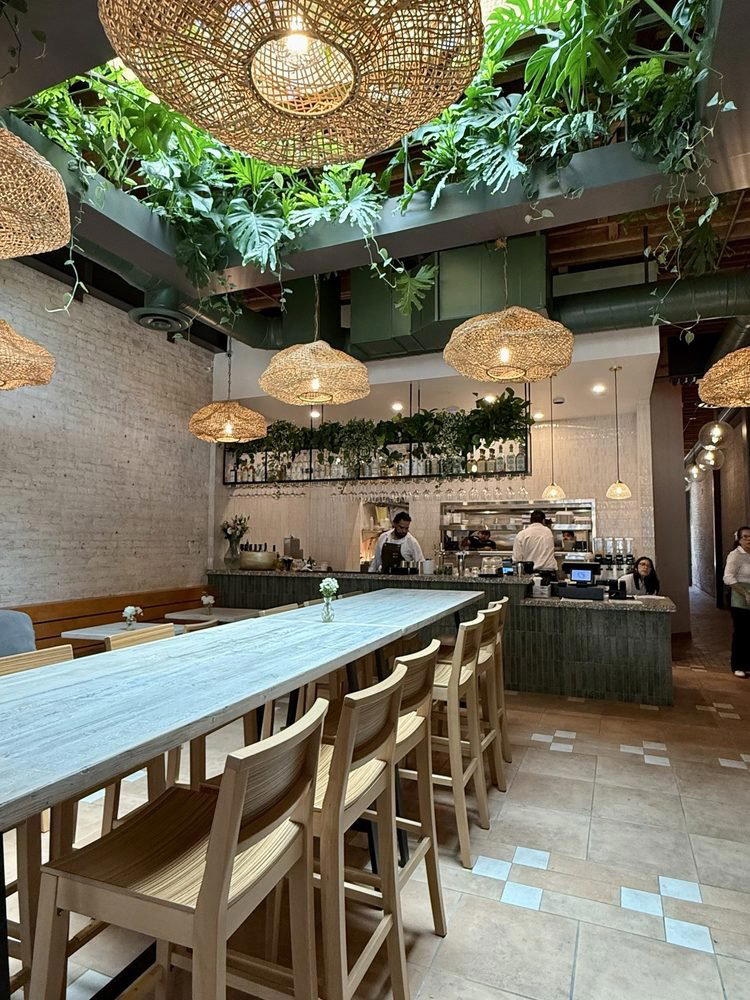
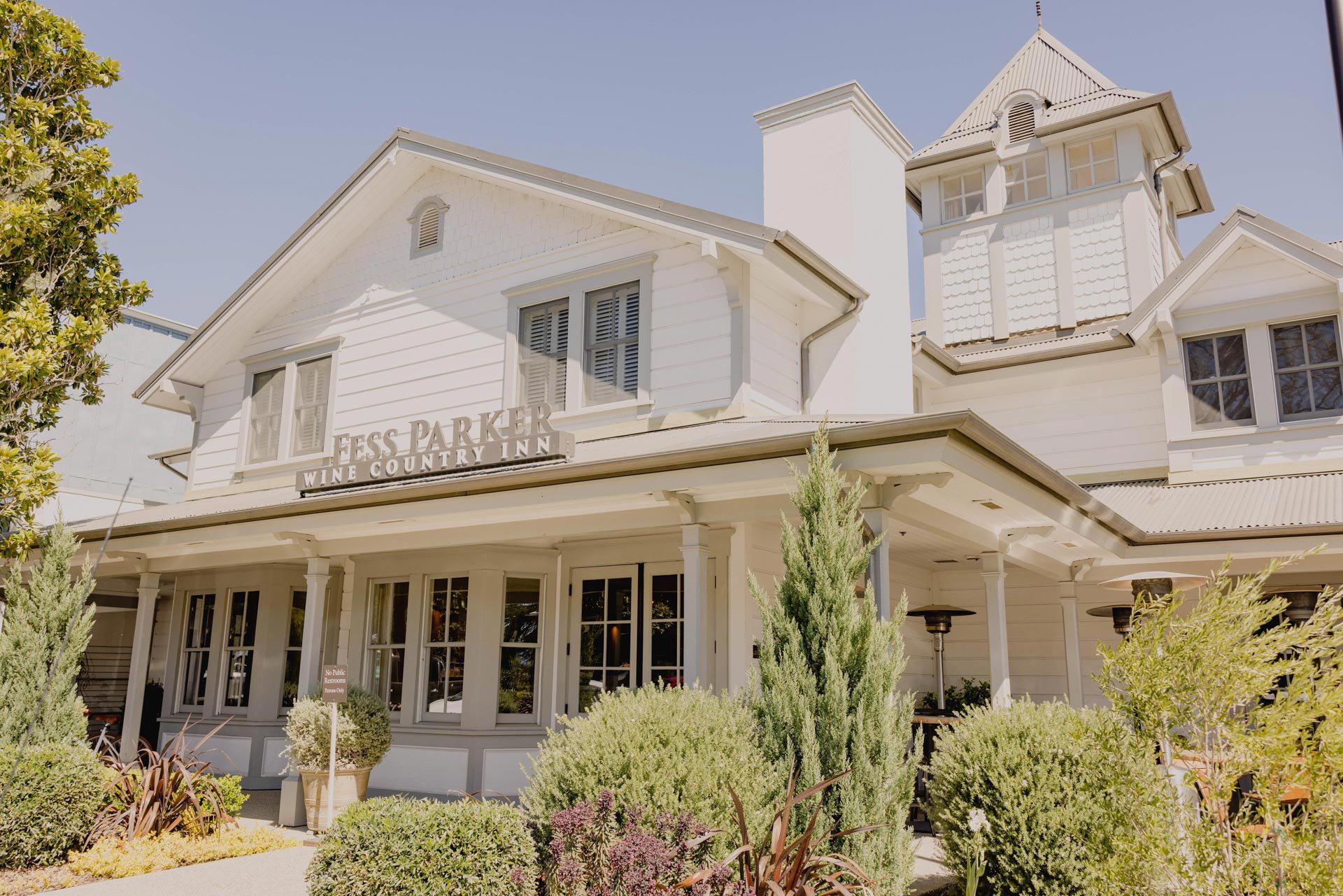
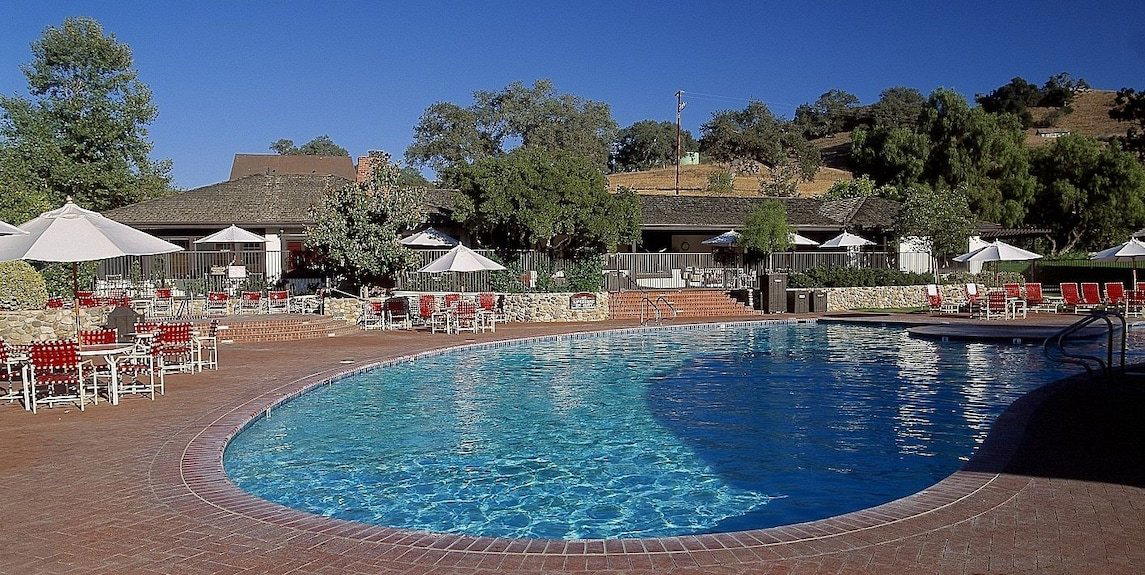
Relaxed and welcoming with modern tasting rooms, lovely grounds featuring vines, towering trees, picnic areas under oak trees, and a friendly, kid-friendly atmosphere.