Alexander Valley Vineyards
Alexander Valley Vineyards sits along Highway 128 in Geyserville, where the Alexander Valley's warm, inland climate produces wines with the density and structure that earned four medals at the 2025 Decanter awards, including three Silvers. For Cabernet-focused tastings with genuine regional context, it earns its place on any serious Sonoma itinerary.
Pearl is the En Primeur Club membership app — saves, bookings, and concierge access live there. Same editors, same standards.
- Address
- 8644 Highway 128, Healdsburg, CA 95448, USA
- Phone
- +17074337209
- Website
- alexandervalleyvineyards.com
- Directions
- Get directions
 Saves & bookings on Pearl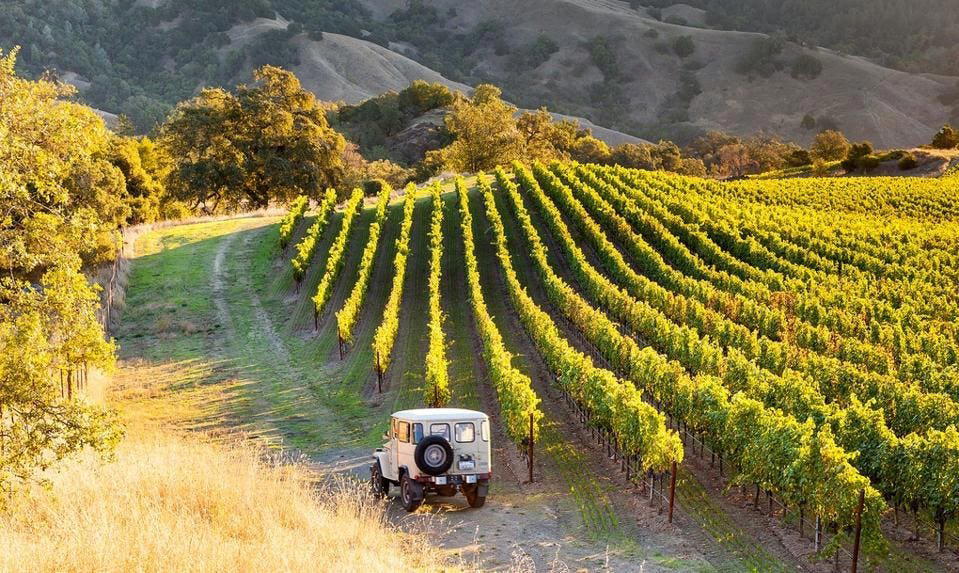
Where the Alexander Valley Floor Speaks in Cabernet
Drive north from Healdsburg on Highway 128 and the landscape shifts perceptibly. The coastal fog that moderates Sonoma's western valleys loses its grip here, replaced by the warm, sun-drenched afternoons and cool evening breezes that funnel down from the Mayacamas range to the east. By the time you reach the 8644 marker, you're in the heart of the Alexander Valley appellation, one of California's most geographically coherent wine regions, where the combination of alluvial valley floor soils and a reliably warm growing season has made Cabernet Sauvignon not just a choice but a near-inevitability. Alexander Valley Vineyards occupies this setting without apology, and the wines reflect it.
The Alexander Valley AVA earned its federal designation in 1984, and in the decades since, a consensus has formed around what the appellation does well: Cabernet Sauvignon that runs warmer and more generous than Napa's mountain expressions, with plum and dark cherry fruit that sits alongside softer tannins than you'd expect from comparable price points further south. The valley's deep, well-drained benchland and loam soils contribute to that structural suppleness, and producers who understand the site use that character deliberately rather than correcting for it in the cellar. The question worth asking of any Alexander Valley estate is how honestly its wines represent that geography, and how much technical intervention sits between the vineyard and the glass.
The 2025 Awards Picture and What It Signals
The 2025 Decanter awards provide a useful calibration point. Alexander Valley Vineyards collected four medals in that cycle: three Silvers and one Bronze, with Silver representing the assessment's second tier, awarded to wines judged to show clear regional typicity and technical competence at minimum. Earning three Silvers across a single Decanter submission is not a trivial result; the competition draws entries from producers globally, and the judging panels are structured to compare wines within narrow stylistic and regional brackets. Three Silvers in 2025 suggests consistency across multiple wines in the portfolio rather than a single standout bottling carrying the rest.
Together, these two signals place Alexander Valley Vineyards in a recognisable competitive bracket: consistently decorated, broadly respected by structured tasting panels, and operating at a level that warrants comparison with the appellation's more discussed names. Among Geyserville-area producers, that's a meaningful position. Neighbours like Silver Oak Cellars (Alexander Valley) and Francis Ford Coppola Winery operate with considerably larger production footprints and marketing profiles; Alexander Valley Vineyards sits in a different register, one where the medal count matters more than the visitor-experience infrastructure.
Terroir First: Reading the Valley in the Glass
The Alexander Valley's terroir argument is not complicated, but it is specific. The valley runs roughly northwest to southeast, with the Russian River draining through it and depositing the alluvial soils that give the benchland its distinctive loam composition. The floor elevations are low enough to accumulate heat during the growing season, while the gap near Cloverdale allows cool air to push south in the evenings, slowing ripening at the critical late-season stage. That diurnal swing is the mechanism behind the appellation's ability to produce Cabernet with full phenolic ripeness and retained acidity, a balance that distinguishes Alexander Valley fruit from the more ornate, lower-acid profiles associated with warmer Napa floor sites.
Producers who work with this character rather than against it tend to make wines that age with more interest than their initial approachability suggests. The same soil and climate conditions that make Alexander Valley Cabernet accessible at release also give it the structural components to develop in bottle over a decade or more. This is the context in which the estate's award results should be read: Decanter's Silver tier rewards wines that express their origin clearly, and three such medals in a single year suggests the portfolio is reading as distinctively Alexandrian rather than generically Californian.
For comparison across California's premium wine regions, estates like Accendo Cellars in St. Helena and Alpha Omega Winery in Rutherford occupy the Napa Cabernet conversation, while producers such as Adelaida Vineyards in Paso Robles and Alban Vineyards in Arroyo Grande represent the Central Coast's different terroir logic. The Alexander Valley sits between those poles, with a warmer, more fruit-forward signature than Sonoma Coast expressions but more structural restraint than the Central Valley's commercial tier.
Placing It Among Geyserville Producers
Geyserville is a small town whose wine identity is disproportionate to its size. The concentration of significant producers along and around Highway 128 makes the area function as a tasting corridor, with visitors typically planning multi-stop days rather than single-destination visits. In that context, it helps to understand where each producer sits in the quality and style spectrum before planning a route. Sbragia Family Vineyards and Trentadue Winery offer different points of comparison, the former with a strong critical profile built on single-vineyard mountain fruit, the latter with an Italian-varietal focus that stands apart from the appellation's Cabernet mainstream. Clos du Bois operates at higher production volumes and a broader distribution tier.
The winery occupies a middle position in this geography: an estate-scale producer with an award profile that signals quality without the brand investment of the valley's most visible names. That positioning makes it a practical choice for visitors who want to taste wines that reflect the appellation's actual character rather than its most-marketed version. Arrive on a weekday morning before the weekend tasting traffic builds, and the experience is proportionally more focused. The estate's address on Highway 128 places it within easy reach of Healdsburg's dining and accommodation options, which remain one practical base for multi-day wine touring in this part of Sonoma County. The full scope of what the area offers is mapped in our full Geyserville restaurants guide.
For broader California context, Artesa Vineyards and Winery in Napa, Adelsheim Vineyard in Newberg, and Andrew Murray Vineyards in Los Olivos each represent distinct regional terroir approaches that reward comparison with Alexander Valley's particular warmth-and-structure profile. Further afield, Aberlour in Aberlour and Achaia Clauss in Patras illustrate how differently terroir-driven production reads when the category shifts entirely from Californian viticulture.
Planning Your Visit
The estate sits at 8644 Highway 128 in Healdsburg, making it direct to build into a day that includes other Geyserville-area producers. Check directly with the estate before visiting to confirm current tasting formats and any reservation requirements, particularly during the harvest season in September and October when demand across the Alexander Valley intensifies and walk-in availability contracts. Spring visits, from late March through May, tend to offer better access and the chance to taste wines from the recent vintage release in a less pressured environment.
Fast Comparison
Comparable venues nearby, for context on price, style, and recognition.
| Venue | Cuisine | Price | Notes |
|---|---|---|---|
| Alexander Valley VineyardsThis venue — the venue you are viewing | Cabernet Sauvignon, Chardonnay | $$ | Not listed |
| Silver Oak Cellars (Alexander Valley) | Cabernet Sauvignon, Merlot | $$$ | Alexander Valley |
| Francis Ford Coppola Winery | Cabernet Sauvignon, Zinfandel | $$$ | Alexander Valley |
| Sbragia Family Vineyards | Zinfandel, Chardonnay | $$$ | Dry Creek Valley |
| Trentadue Winery | Zinfandel, Sangiovese | $$ | Alexander Valley |
| Skipstone estate winery | Cabernet Sauvignon, Cabernet Franc | $$$$ | Alexander Valley |
Continue exploring
More in Geyserville
Wineries in Geyserville
Browse all →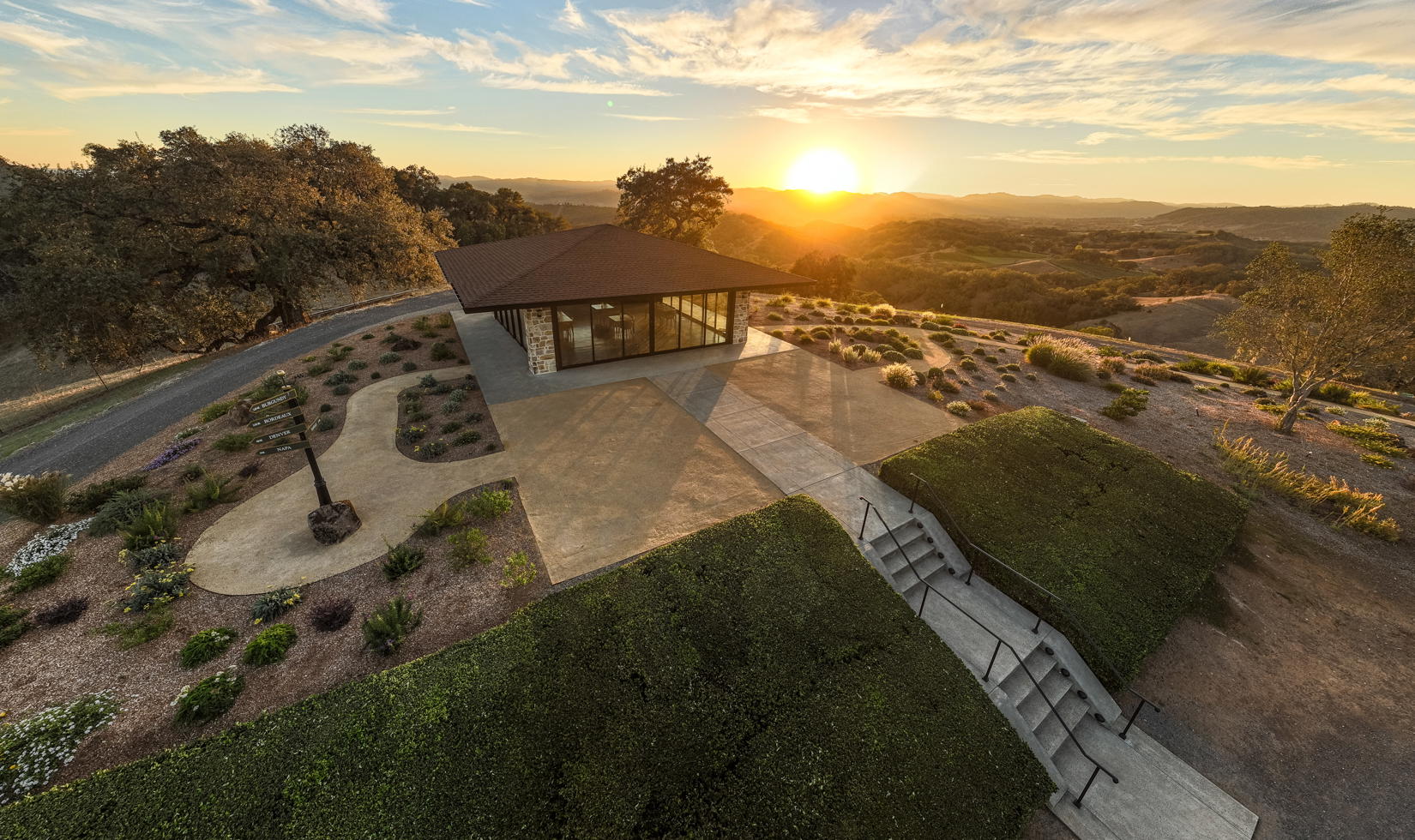
Bars in Geyserville
Browse all →
Restaurants in Geyserville
Browse all →
At a Glance
- Rustic
- Scenic
- Classic
- Wine Education
- Group Outing
- Romantic Getaway
- Vineyard Tour
- Estate Grounds
- Panoramic View
- Sustainable
- Vineyard
- Alexander Valley AVA
- Cabernet Sauvignon
- Chardonnay
- Merlot
- Pinot Noir
- Zinfandel
- Still Red
- Still White
- Estate Tasting
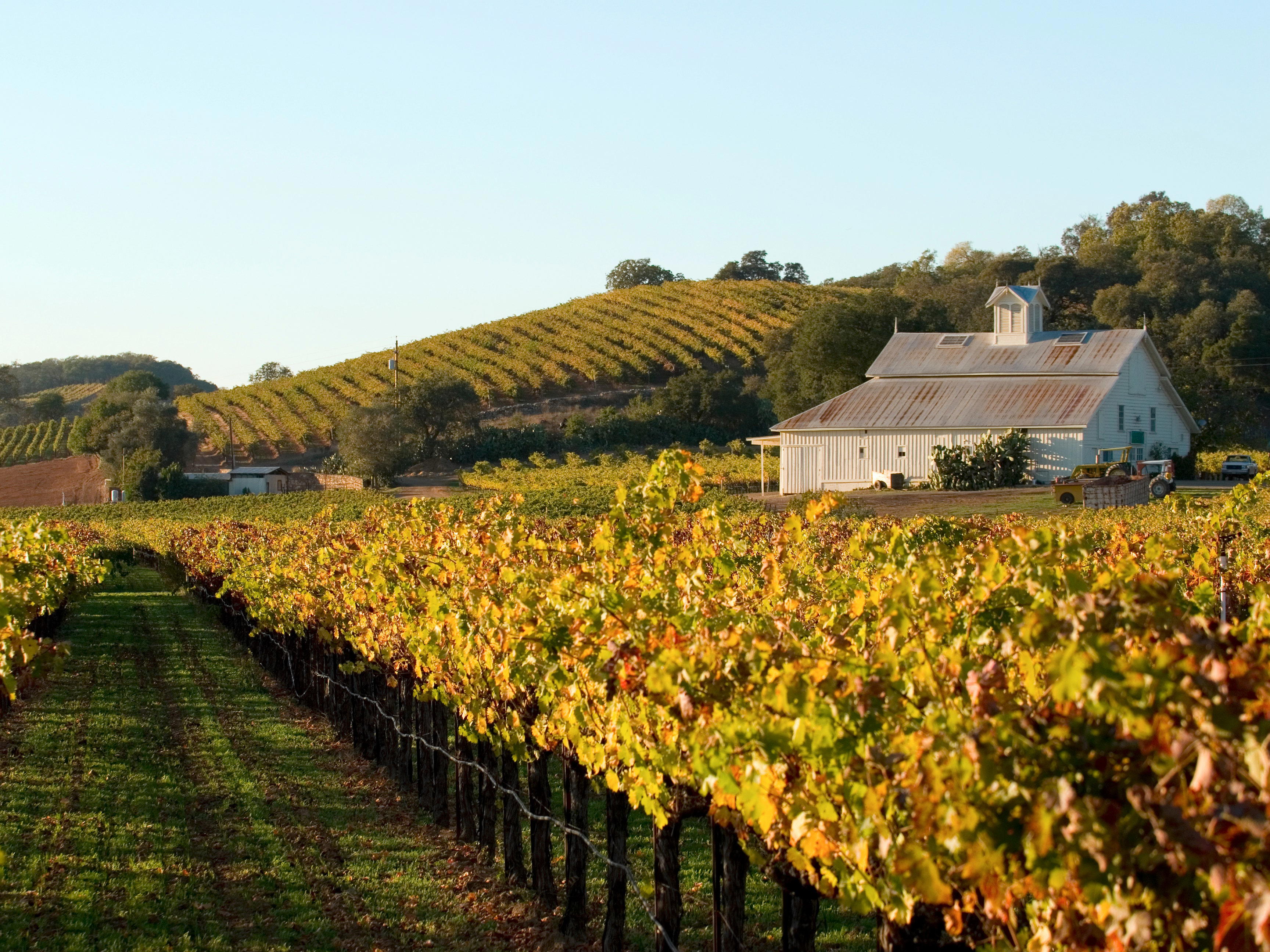
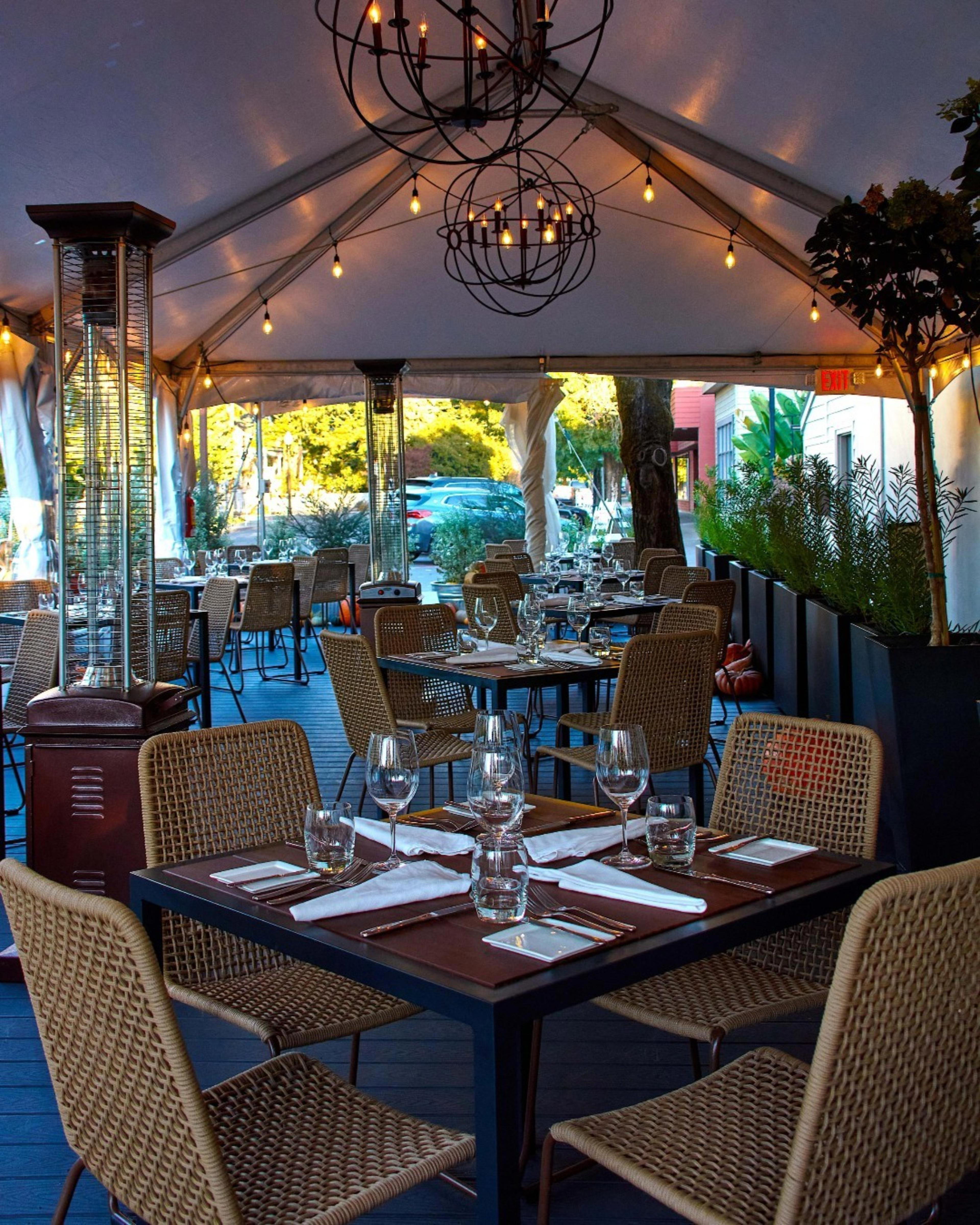
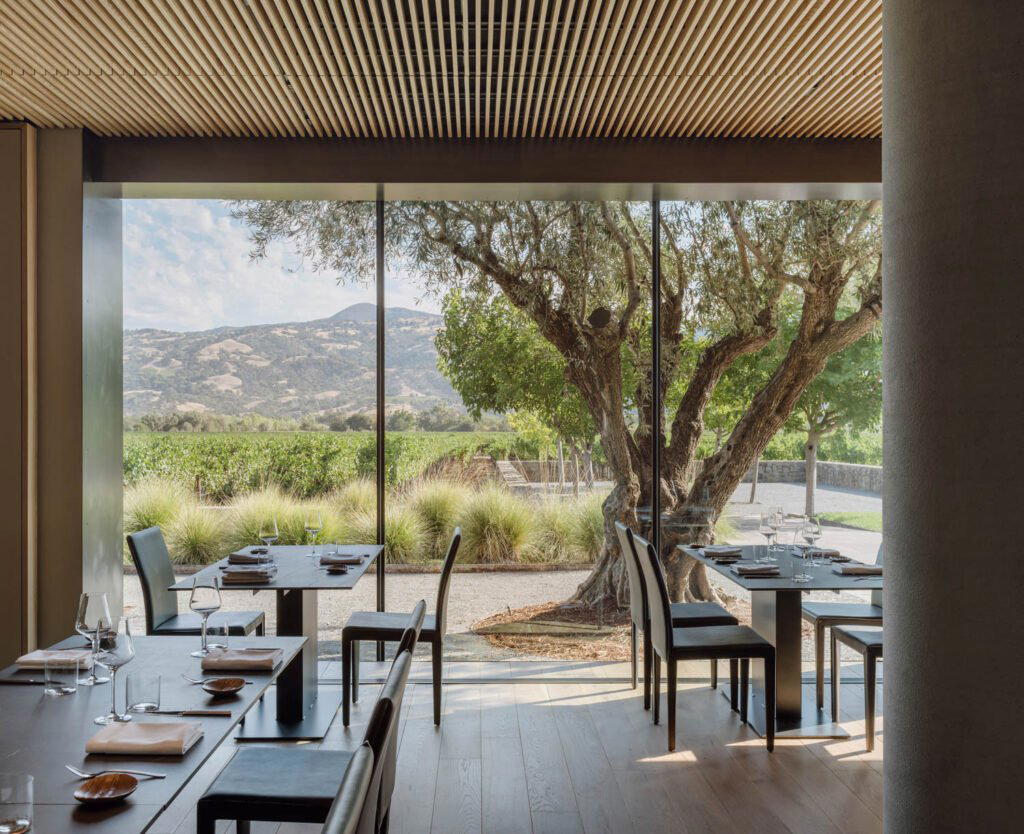
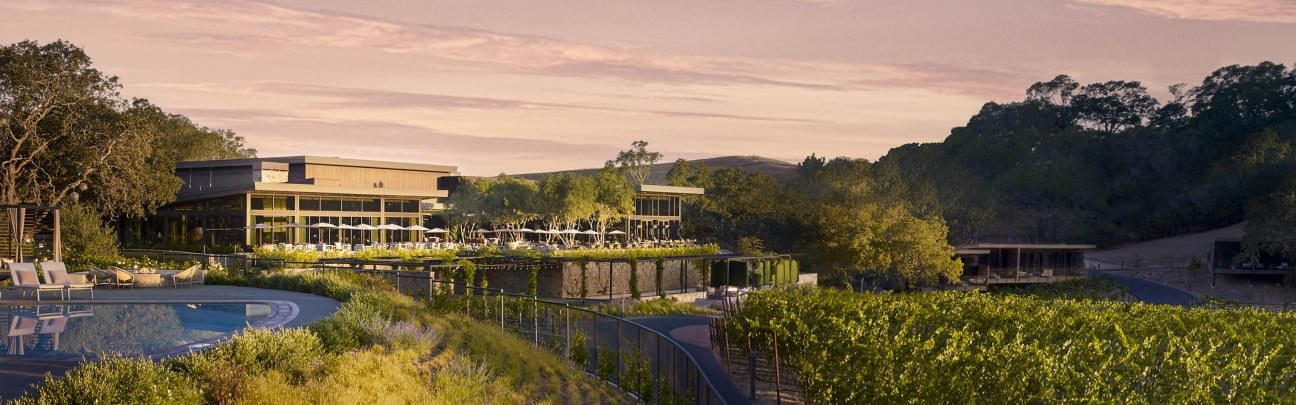
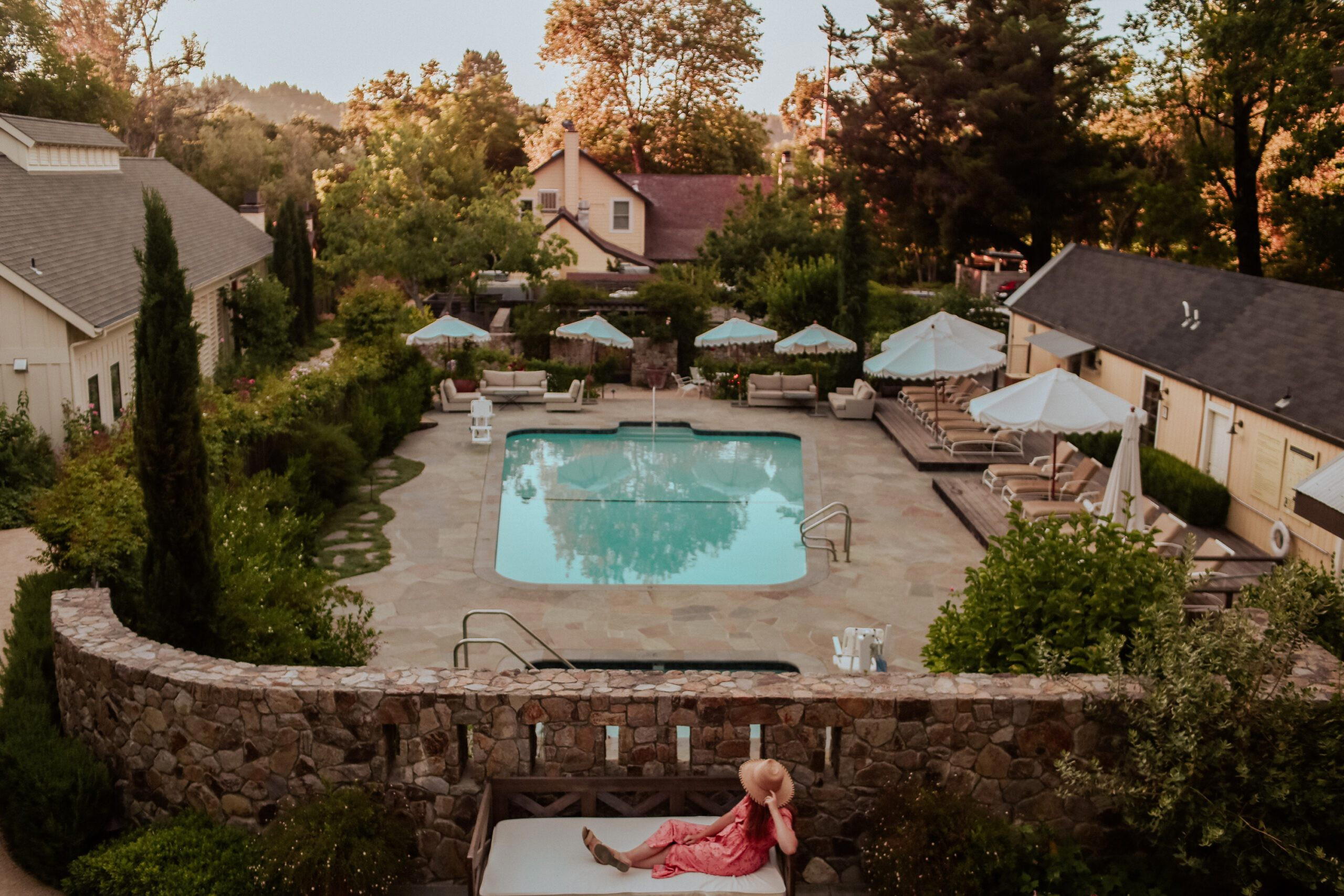
Rustic California wine country setting with views of the Alexander Valley benchlands and surrounding vineyards.