Milliken Creek Inn



2 Michelin Keys · Vogue Best Hotels in Napa Valley · Mr & Mrs Smith Seal of Approval
A 12-room inn on the Napa River awarded Michelin 2 Keys in 2024, Milliken Creek Inn sits on Silverado Trail at rates from $612 per night. Its evening wine and cheese reception hosted by local vintners, river-facing rooms with private decks, and an intimate bed-and-breakfast format place it firmly in Napa's design-led, low-key luxury tier rather than the valley's larger resort circuit.

Pearl is the En Primeur Club membership app — saves, bookings, and concierge access live there. Same editors, same standards.
- Address
- 1815 Silverado Trail, Napa, CA 94558
- Phone
- (707) 255-1197
- Website
- millikencreekinn.com
- Directions
- Get directions
Where the Napa River Does the Work
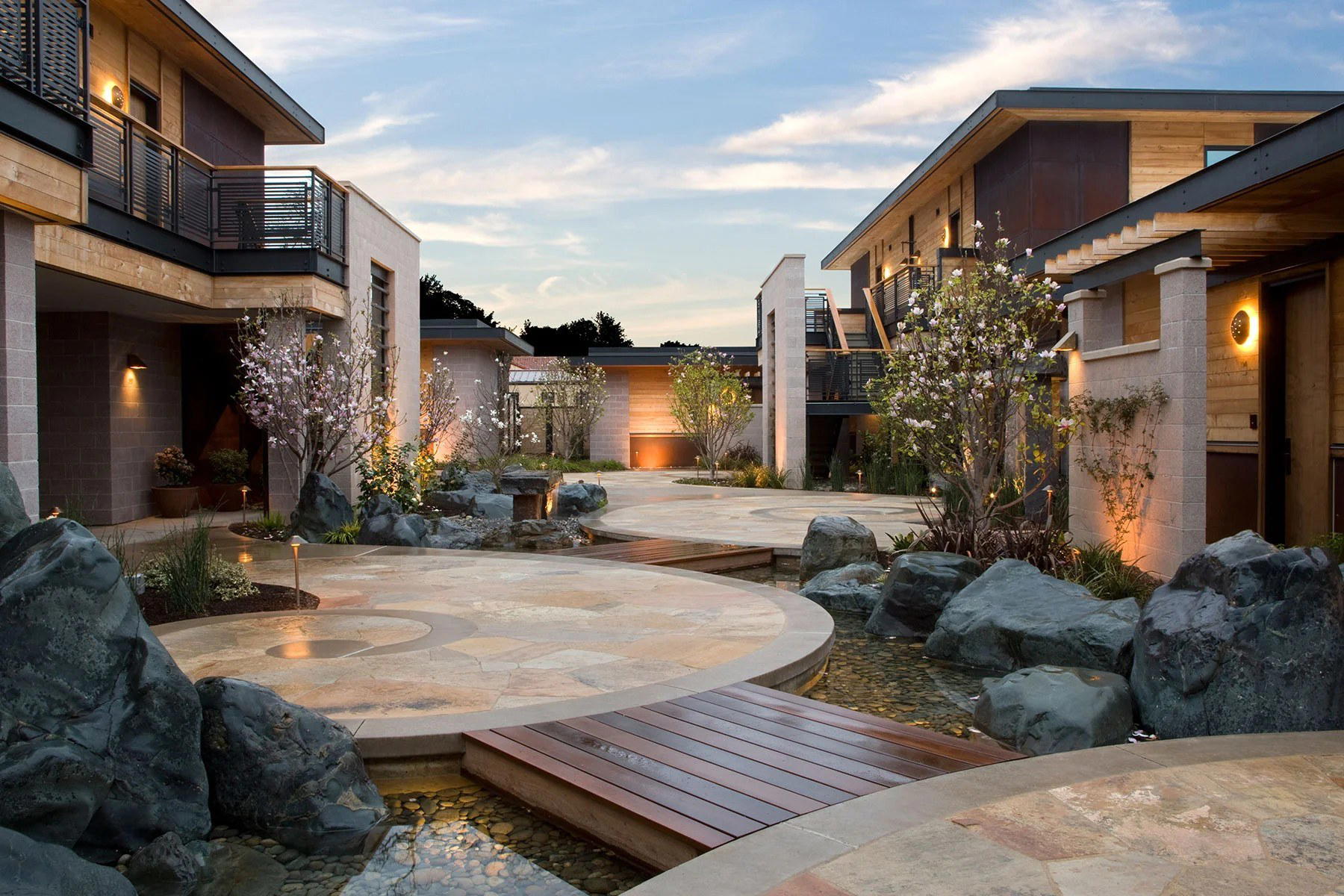
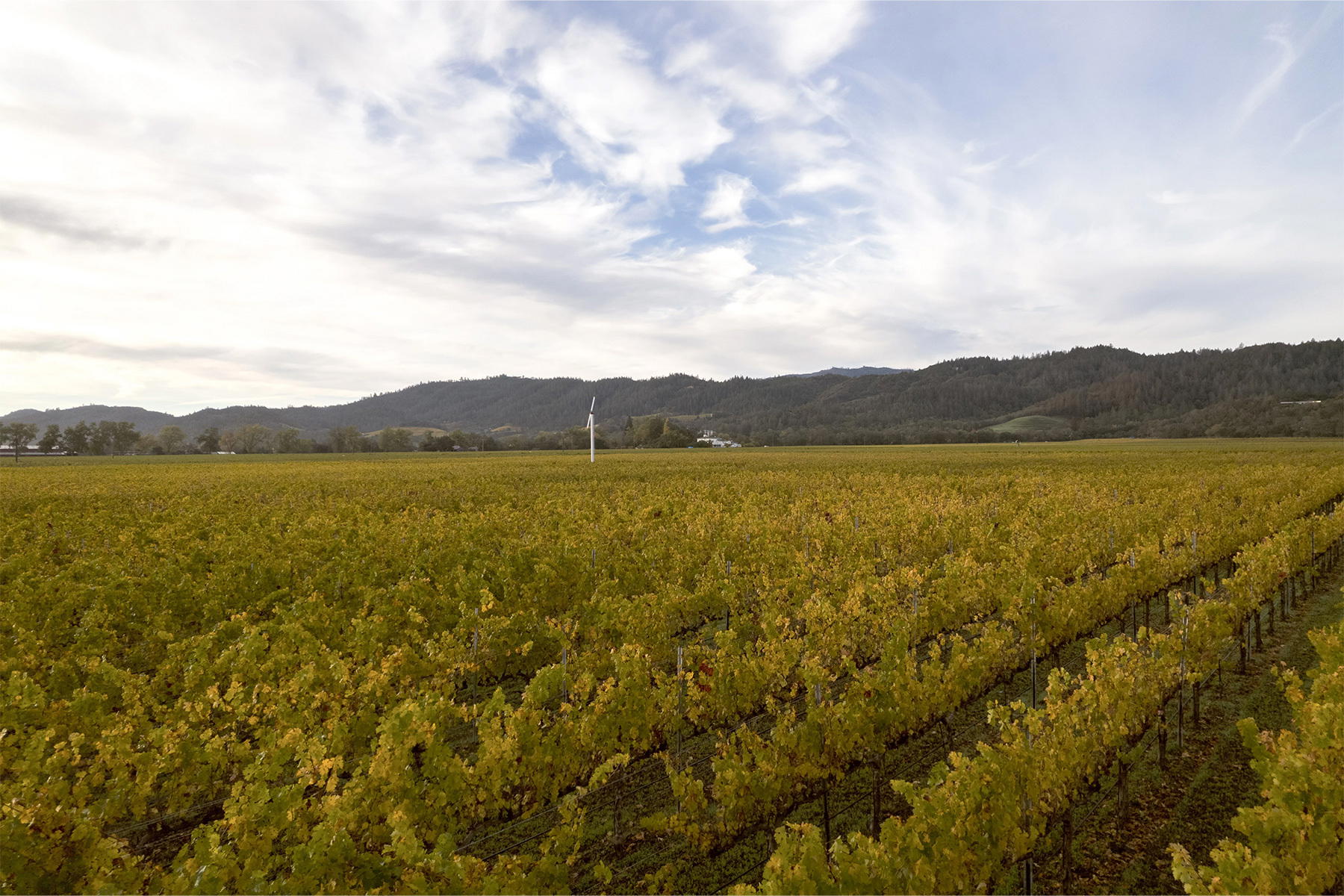
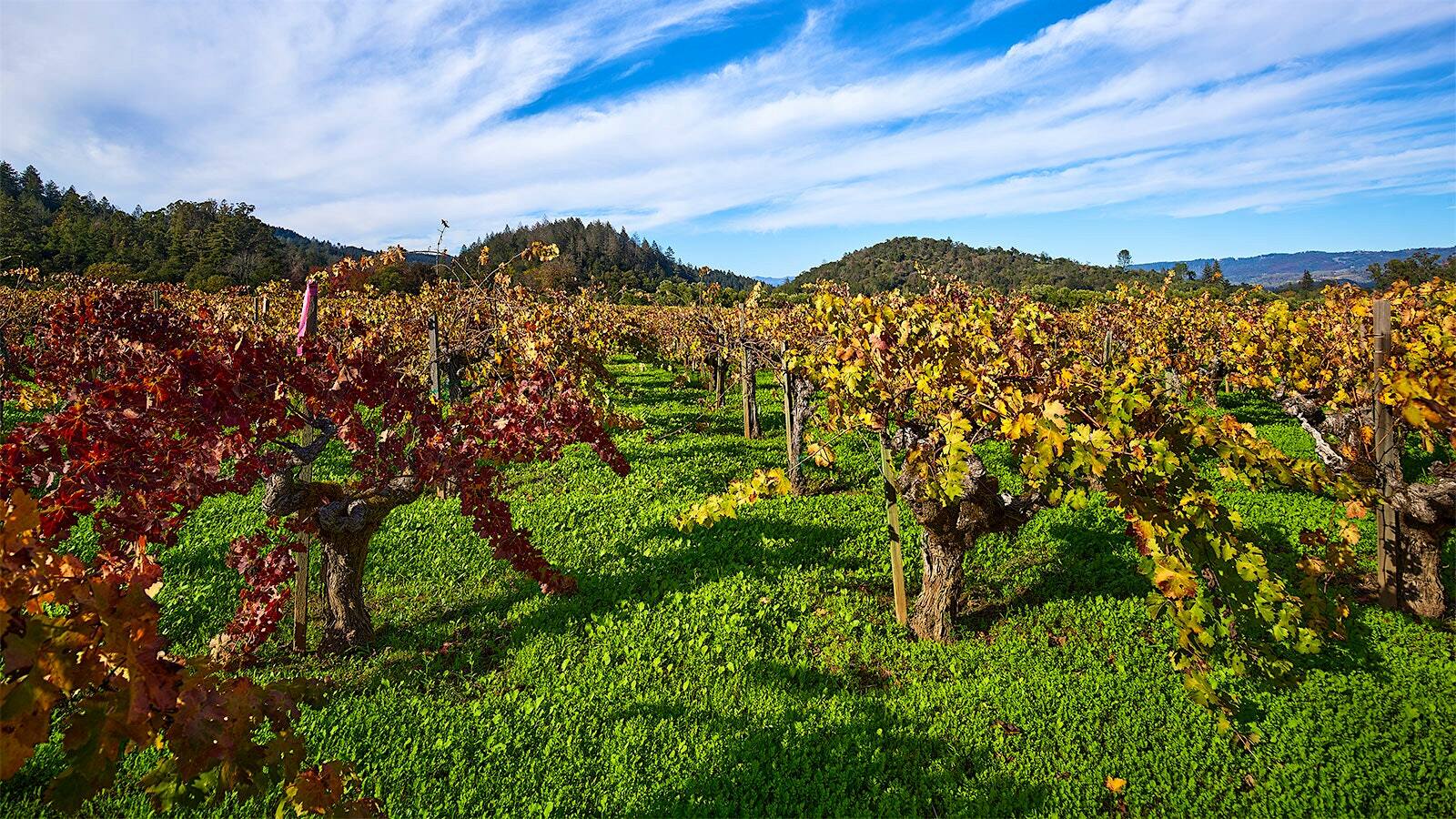
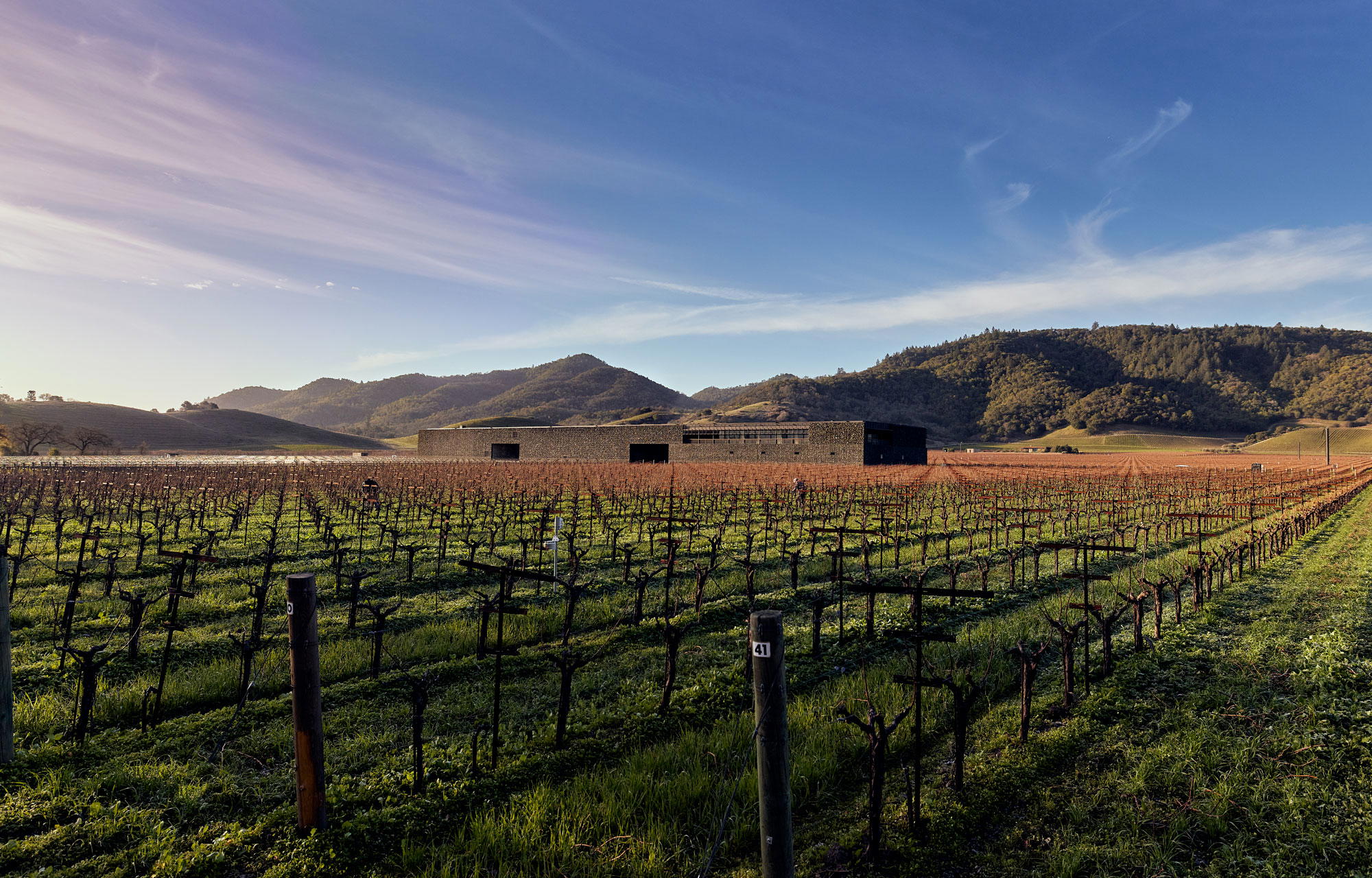
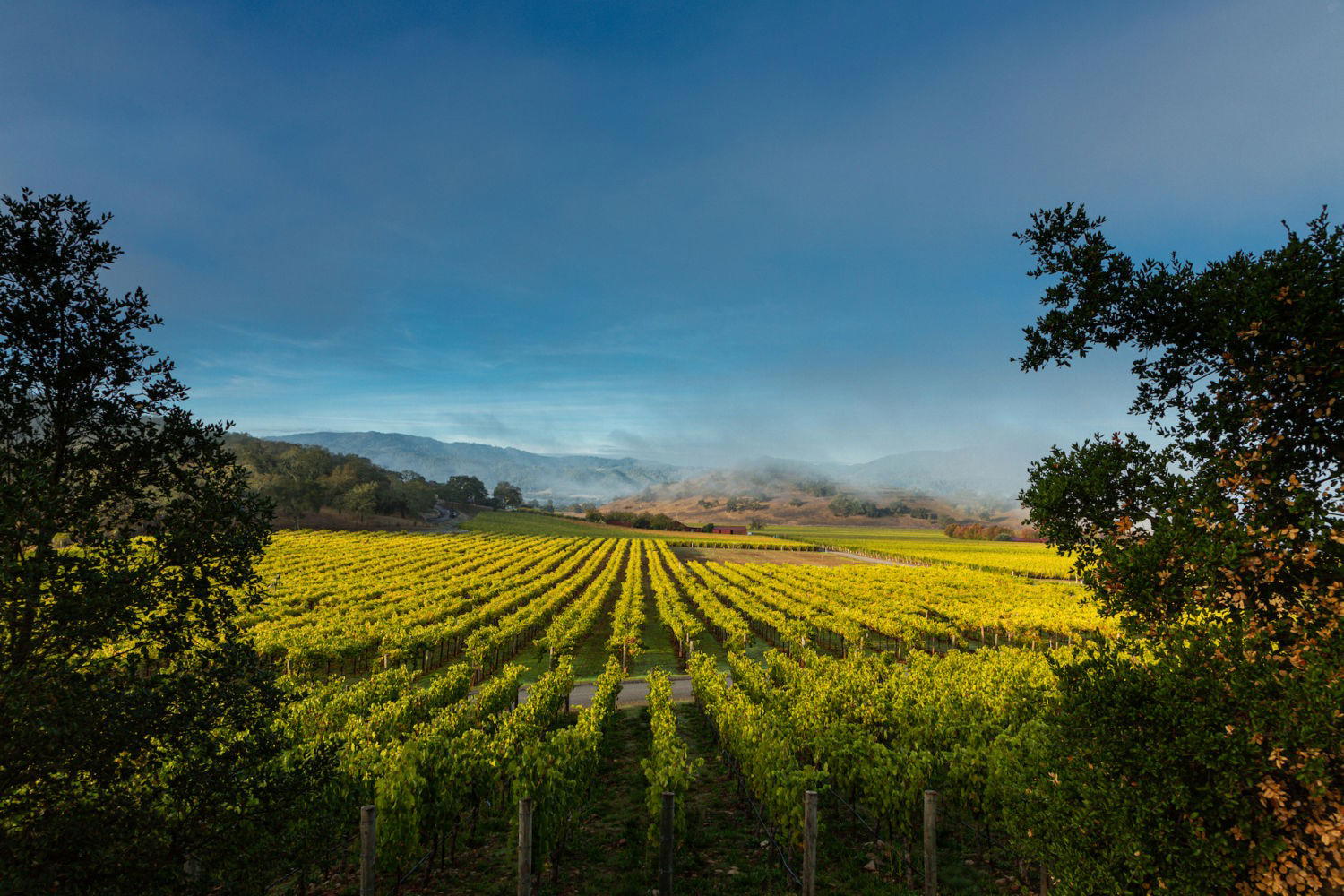
Drive a few miles north from downtown Napa on Silverado Trail and the register shifts. The tasting-room traffic thins, the pace drops, and the Napa River comes into view through the willows. This is the setting for Milliken Creek Inn, a 12-room property that holds a Michelin 2 Keys designation (2024) and prices rooms from $612 per night. Those two data points tell you something important about where it sits in the Napa accommodation hierarchy: it is not competing with the large-footprint resorts of the valley floor. It belongs instead to a smaller cohort of design-led, intimate properties where the absence of scale is itself the offering.
Napa's hospitality story shifted substantially over the past decade. The city itself spent years as a logistical waypoint, a place to fuel up before heading north into the vine rows. That changed as restaurateurs, hoteliers, and producers began treating the city as a destination in its own right. The arrival of design-conscious smaller properties, rather than additional resort acreage, is part of that maturation. Milliken Creek Inn belongs to this newer chapter, and its Michelin recognition in 2024 confirms that the category has reached a level of quality that formal evaluation bodies now track. For related context on Napa's full hospitality and dining scene, see our full Napa restaurants guide.
Twelve Rooms, One River
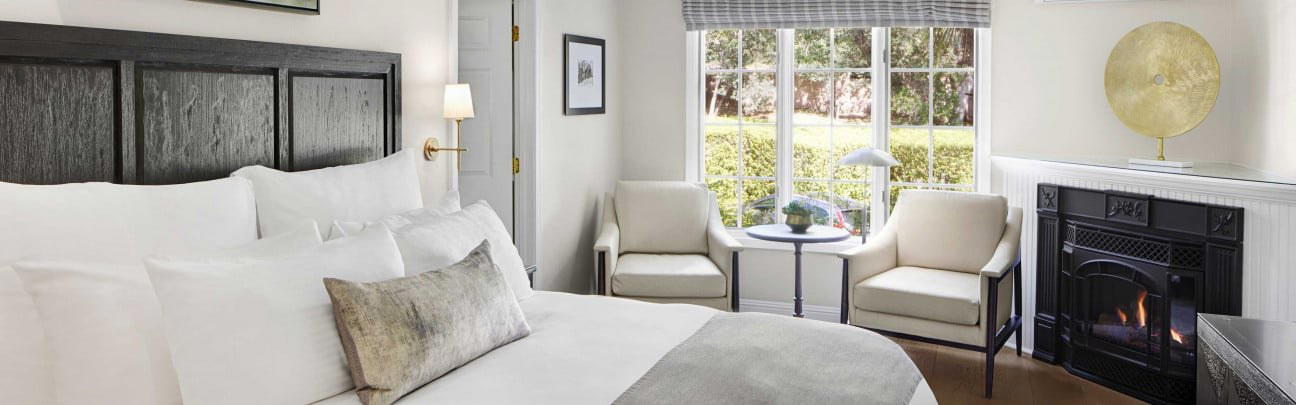
The property operates closer to an upscale bed and breakfast than a conventional hotel, and that framing is worth taking seriously rather than treating as a hedge. With only 12 rooms, the guest-to-staff ratio and the level of individual attention it enables are structurally different from what larger properties can offer. Each room looks out over the Napa River, several from private decks, which means the natural setting functions as a persistent amenity rather than a scenic backdrop visible only from the lobby.
The interior design leans into an unexpected aesthetic reference: a British-Africa sensibility expressed through a palette of khaki, chocolate, and cream. It is an idiosyncratic choice, and it works as a differentiator against the wine-country neutrals that dominate the category. Room-level amenities include fireplaces, king beds, high-quality linens, and L'Occitane bath products, alongside flat-screen televisions and wireless internet. These are not remarkable features individually, but the combination at this price point and this scale positions the property in the same niche as other low-key luxury inns in the American West, properties like Troutbeck in Amenia or Post Ranch Inn in Big Sur, where the physical environment carries as much weight as the room hardware.
The Magic Hour Reception as Local Conduit
Among the property's structured programming, the Magic Hour wine and cheese reception is the element that most clearly connects the inn to its broader context. Hosted each evening by rotating local vintners, it functions as an informal tasting format, one that places guests in direct contact with Napa's producer community rather than filtering the wine country experience through a hotel bar list. For guests arriving without pre-booked cellar appointments, this is a meaningful entry point into the regional wine conversation. It also reflects a broader pattern in wine country hospitality: the most considered small properties now build producer relationships into the guest experience at the property level, not just as a concierge add-on.
This approach aligns Milliken Creek with a tier of wine country inns across the American West where the connection to local agricultural identity is embedded into daily rhythms. SingleThread Farm Inn in Healdsburg takes this to its logical extreme with an on-site farm program. Milliken Creek operates at a less intensive scale, but the underlying principle — that the property should act as a conduit to its landscape rather than a self-contained resort bubble — is consistent.
Situated Luxury: The Sustainability Dimension
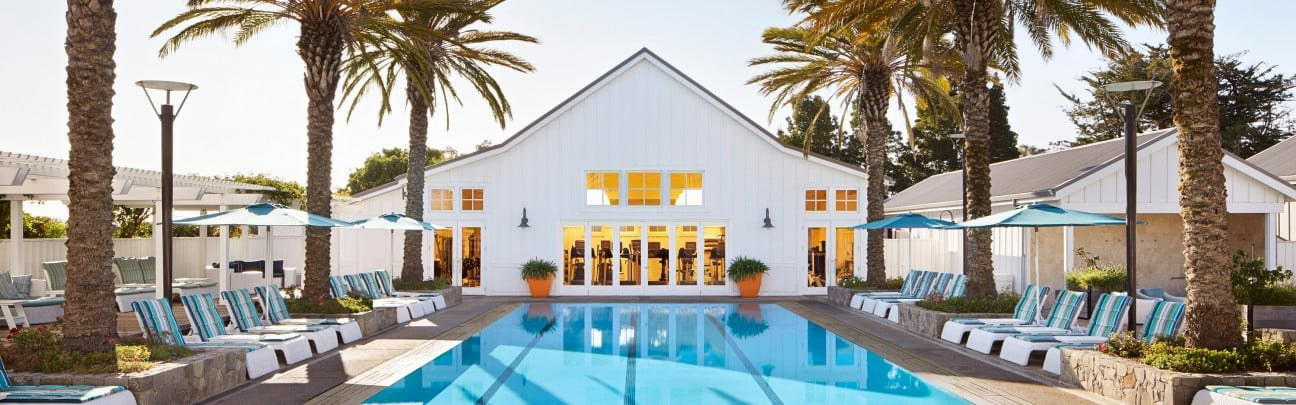
Small-footprint hospitality carries environmental implications that are worth examining directly. A 12-room property operating on a riverfront site has a fundamentally different resource profile than a 150-room resort with a conference center and multiple pools. The Milliken Creek Inn model, limited keys, minimal ancillary programming, no large-scale food and beverage operation, means a smaller per-guest infrastructure load. Spa treatments and massage services are offered with views of the river, and guests receive passes for a nearby fitness center rather than the property building its own facility. That decision to use external infrastructure rather than replicate it on-site is consistent with a low-impact operating philosophy, whether or not the property formally markets it as such.
This pattern is increasingly common among the properties earning recognition in the intimate luxury tier. Sage Lodge in Pray and Canyon Ranch Tucson in Tucson each operate within natural settings where restraint in built infrastructure is both an aesthetic and a practical environmental choice. Milliken Creek's riverfront position makes this consideration particularly direct: the Napa River corridor is a sensitive riparian environment, and a property of 12 rooms with minimal amenity sprawl has a materially smaller footprint than the larger resort developments that occupy other sections of the valley.
Milliken Creek in Its Competitive Set
Napa's premium accommodation market now spans several distinct tiers. At the larger end sit properties like Auberge du Soleil, Meadowood Napa Valley, and Stanly Ranch, Auberge Resorts Collection, each offering multi-restaurant programs, full spa facilities, and the kind of amenity density that justifies a resort stay independent of the surrounding wine country. A second tier includes design-forward boutique hotels like Bardessono Hotel and Spa, North Block, Rancho Caymus Inn, and Alila Napa Valley, all of which offer more programming and more rooms than Milliken Creek. And then there is the smaller inn category, where Milliken Creek sits: fewer than 15 rooms, no full restaurant, and a deliberate orientation toward the natural setting as the primary experience.
The Michelin 2 Keys recognition in 2024 confirms that this tier is now being evaluated seriously rather than treated as a consolation category for travelers who could not book the larger resorts. For a sense of how this approach plays out at different properties across the country, Little Palm Island Resort and Spa in Little Torch Key and Kona Village, A Rosewood Resort in Kailua Kona both operate within similar logic: small count, strong setting, deliberate restraint on built infrastructure.
Beyond Napa, the small-luxury inn format has found traction at properties including Andaz Napa, by Hyatt on the urban end and, further afield, Amangiri in Canyon Point and Hotel Bel-Air in Los Angeles, each of which prioritizes setting and scale discipline over amenity maximalism. Four Seasons at The Surf Club in Surfside, Raffles Boston in Boston, Aman New York in New York City, Aman Venice in Venice, Badrutt's Palace Hotel in St. Moritz, and 1 Hotel San Francisco in San Francisco each illustrate how the premium small-property category has expanded well beyond its wine country origins. The Fifth Avenue Hotel in New York City provides an urban counterpoint to the river-quiet that defines Milliken Creek's proposition.
Planning a Stay
Milliken Creek Inn is located at 1815 Silverado Trail, Napa, CA 94558, a few miles north of downtown on one of the valley's primary north-south routes. Rates start at $612 per night. Booking well ahead of any autumn visit is advisable. Guests intending to use the property as a base for broader wine country exploration will find the Silverado Trail location well-positioned for access to producers across the valley floor and into the Stags Leap, Coombsville, and Oak Knoll AVAs without requiring a trip through the Highway 29 corridor's heavier traffic. The daily breakfast, which guests can take in any location on the property, is a practical differentiator from the urban hotel format and makes the morning rhythm at Milliken Creek meaningfully different from larger properties nearby.
Price Lens
Comparable venues nearby, for context on price, style, and recognition.
| Venue | Awards | Notes |
|---|---|---|
| Milliken Creek InnThis venue — the venue you are viewing | 2 Michelin Keys · Vogue Best Hotels in Napa Valley | Not listed |
| Bardessono Hotel and Spa | 2 Michelin Keys · La Liste Top Hotels | Yountville, Sustainable luxury boutique resort blending contemporary design with natural Napa Valley elements. |
| North Block | 2 Michelin Keys · La Liste Top Hotels | Yountville, Modern boutique with contemporary design and cheeky touches |
| Rancho Caymus Inn | 1 Michelin Key · Mr & Mrs Smith Seal of Approval | Rutherford, Historic Spanish California country inn with hacienda walls and garden setting |
| Stanly Ranch, Auberge Resorts Collection | 1 Michelin Key · Vogue Best Hotels in Napa Valley | Napa Valley, modern farmhouse cottages on expansive working ranch |
| Poetry Inn | Vogue Best Hotels in Napa Valley | Yountville, Secluded luxury boutique inn blending architecture with Napa's natural landscape. |
Recognition history
Dated appearances from independent guides and award organizations, with the underlying list record or original source where available.
Michelin 2 Keys
Michelin
Mr & Mrs Smith Seal of Approval
Mr & Mrs Smith
Vogue Best Hotels in Napa Valley
Vogue
Full recognition history (5 entries)
Michelin 2 Keys
Michelin
Michelin 2 Keys
Michelin
Details
- Romantic
- Quiet
- Elegant
- Scenic
- Intimate
- Sophisticated
- Romantic Getaway
- Honeymoon
- Anniversary
- Weekend Escape
- Waterfront
- Panoramic View
- Garden
- Terrace
- Wi Fi
- Spa
- Room Service
- Concierge
- Breakfast Included
- Free Parking
- Waterfront
- Vineyard
- Wheelchair Accessible
- Braille Menu
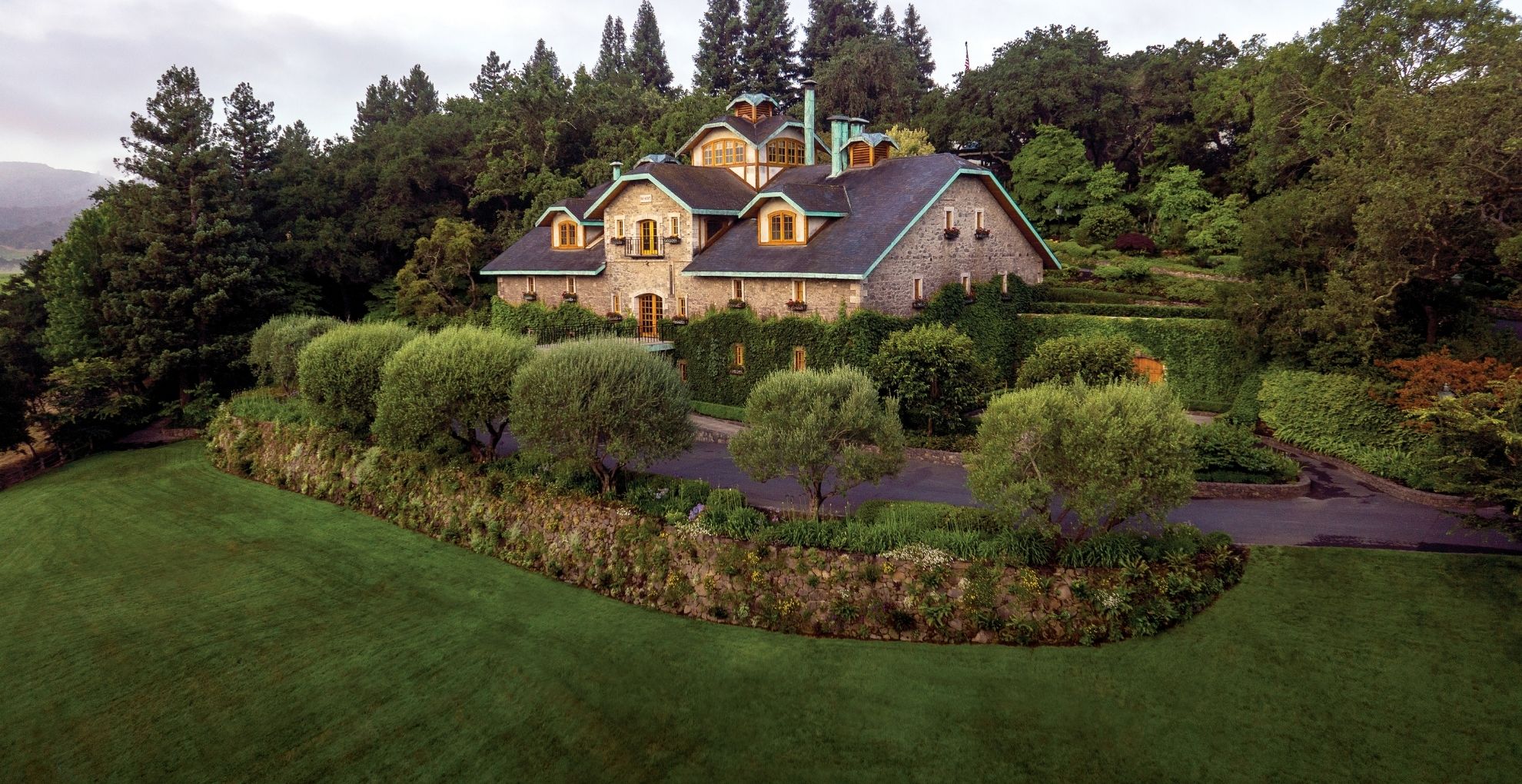
Serene and tranquil atmosphere with peaceful river views, beautifully landscaped grounds, cozy fireplaces in rooms and lobby, and a quiet retreat-like feel praised by guests.