Hesperian Wines
Hesperian Wines operates on Atlas Peak, one of Napa Valley's highest and most demanding AVAs, where volcanic soils and significant elevation shape wines with structural density and cool-climate precision.

Pearl is the En Primeur Club membership app — saves, bookings, and concierge access live there. Same editors, same standards.
- Address
- Atlas Peak, California 94558
- Website
- hesperianwines.com
- Directions
- Get directions
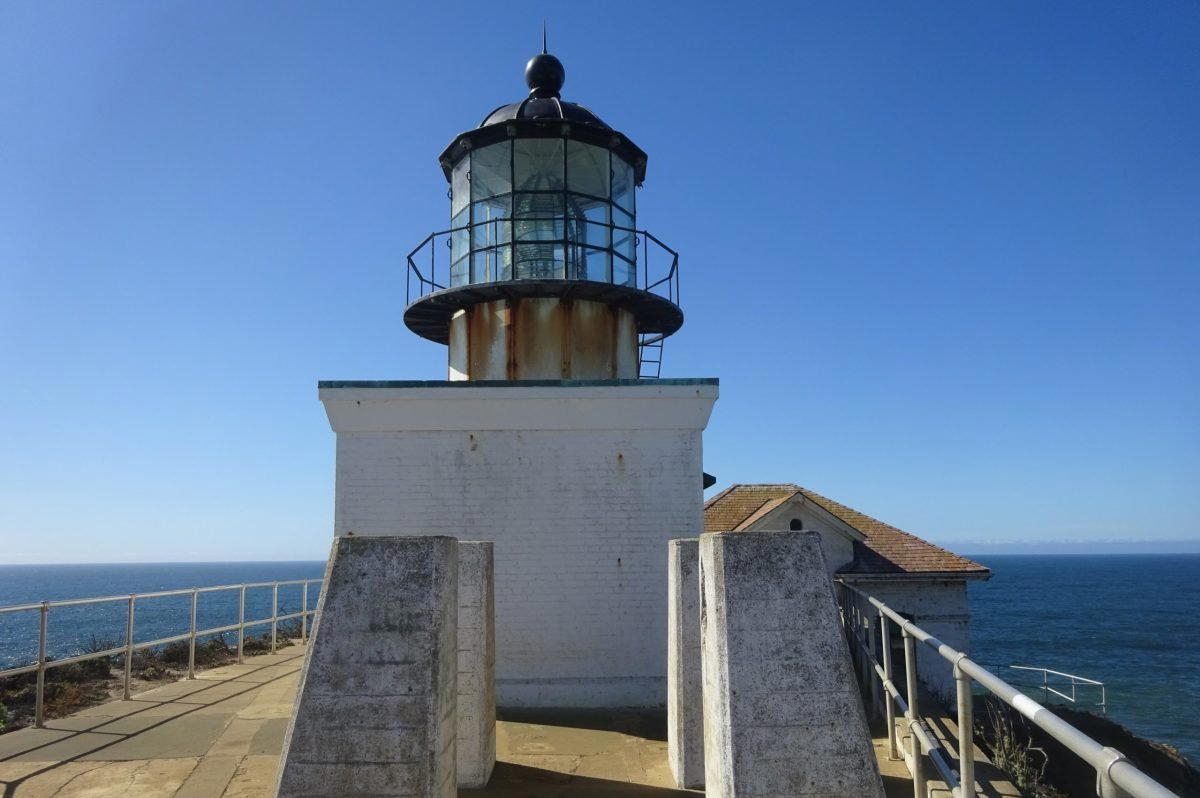
Atlas Peak and the Case for Elevation
Napa Valley's floor-level reputation, built on Cabernet from Stags Leap, Oakville, and Rutherford, tends to absorb most of the attention. Atlas Peak operates on different terms. Sitting above 1,600 feet in the Vaca Mountains on the valley's eastern rim, the AVA is defined by volcanic tuff soils, cooler growing temperatures relative to the valley floor, and a physical isolation that keeps production volumes low across the appellation. The wines that emerge from this terrain carry a structural signature that distinguishes them from their valley-floor peers: higher natural acidity, firmer tannin frameworks, and a tendency toward restraint in the mid-palate. Antica Napa Valley, one of the appellation's more established producers, helped demonstrate Atlas Peak's viability for serious Cabernet Sauvignon over multiple decades. Hesperian Wines works within that same tradition.
Hesperian Wines: Position Within the Appellation
That classification carries weight in the context of this AVA, where the small number of producers working the elevation seriously means that recognition by a credentialed platform represents genuine selectivity rather than a crowded field of contenders. Peers at this level within the appellation include Seven Apart and Levendi Winery, each working the elevation's defining volcanic terroir from distinct angles. Hesperian's positioning suggests a similar seriousness about site expression over commercial accessibility.
Atlas Peak as an appellation rewards producers who treat the elevation as an asset rather than a constraint. The volcanic soils drain well, stress vine roots in ways that concentrate berry development, and produce fruit with a firmness that requires patience both in the vineyard and the cellar. Producers at the 2 Star Prestige tier within this AVA are, by definition, not working a diluted version of Napa Cabernet. They are engaging with what makes the site specific, even when that specificity runs against the riper, more immediately accessible profile that dominates Napa's commercial center of gravity.
The Winemaking Logic of High-Elevation Napa
Understanding what Hesperian Wines represents requires a working understanding of what Atlas Peak's growing conditions demand from a winemaker. The diurnal temperature swings at elevation, routinely exceeding 50°F between day and night during the growing season, extend the hang time of fruit without pushing sugar accumulation at the same rate it climbs on the valley floor. The result is grapes that can reach phenolic maturity before alcohol levels spike. This is the core argument for elevation viticulture, and it is the argument that distinguishes Atlas Peak from the warmer, lower-elevation benchland and alluvial sites that define Napa's most commercially successful corridors.
Winemakers choosing to work Atlas Peak vineyards are making a philosophical commitment that shows in the glass. The acidity that comes with cooler maturation is not a flaw to be managed; it is a structural element that gives the wines their aging capacity and food compatibility. That approach places Atlas Peak's serious producers in a different competitive conversation than the richly extracted, high-alcohol Cabernet that moves easily through retail and auction channels.
Jean Edwards Cellars and Sommras represent other expressions of the appellation, each navigating Atlas Peak's volcanic character through different production philosophies. The appellation's small producer count means that each serious estate carries disproportionate weight in defining how the AVA is perceived externally.
Atlas Peak in the Broader California Context
California's premium wine geography has spent the past two decades sorting itself into tighter peer sets. Napa Valley Cabernet anchors one cohort; mountain Cabernet from Howell Mountain, Spring Mountain, and Diamond Mountain anchors another. Atlas Peak sits adjacent to that mountain AVA conversation but carries its own appellation identity, one that has historically received less marketing infrastructure than its neighbors while producing fruit of comparable seriousness. The producers choosing to build reputations in Atlas Peak are, in effect, arguing that the appellation deserves a separate assessment framework from both valley floor Napa and the better-known mountain districts.
That argument finds support in comparative contexts. Accendo Cellars in St. Helena operates within a different Napa micro-geography but shares the focus on precise, site-driven Cabernet that commands allocation-list access. Alpha Omega Winery in Rutherford represents the valley-floor tier against which Atlas Peak's elevation argument is most often measured. Further afield, Adelaida Vineyards in Paso Robles demonstrates how high-elevation, calcareous and volcanic soils in California can produce wines that occupy a specialist niche outside the mainstream. Adelsheim Vineyard in Newberg provides a Pacific Northwest reference point for how appellation-building through consistent quality over time creates the recognition infrastructure that any serious estate depends on.
The broader California specialist cohort, including producers like Alban Vineyards in Arroyo Grande, Andrew Murray Vineyards in Los Olivos, and Alexander Valley Vineyards in Geyserville, demonstrates that differentiated appellation identity, built on soil type and elevation rather than brand spend, is a viable long-term positioning in the California market. Hesperian Wines operates within that broader trajectory.
Planning a Visit to Atlas Peak
How Hesperian Fits the Serious Collector's Itinerary
This is not an entry point to Napa wine tourism; it is a more advanced stop on a itinerary that already includes familiarity with appellation distinctions. The comparison to peers like Seven Apart and the estate's position within a small, credentialed group of Atlas Peak producers makes it a reference point for understanding the AVA's upper tier rather than simply another Napa winery option.
For visitors exploring the California mountain wine circuit more broadly, cross-referencing Atlas Peak producers with contemporaries in regions governed by similar volcanic or high-elevation viticulture logic, whether in Paso Robles, the Willamette Valley, or international comparisons like Achaia Clauss in Patras or Aberlour in the context of regional identity-building, adds useful analytical depth to any tasting visit.
Cost Snapshot
Comparable venues nearby, for context on price, style, and recognition.
| Venue | Cuisine | Price | Awards | Notes |
|---|---|---|---|---|
| Hesperian WinesThis venue — the venue you are viewing | Atlas Peak, Cabernet Sauvignon | Not listed | Not listed | Not listed |
| Shafer Vineyards | Not listed | $50–100 | Falstaff Winery - Listed | Stags Leap District, Cabernet Sauvignon, Merlot |
| Etude Wines | Carneros, Pinot Noir, Cabernet Sauvignon | Not listed | Not listed | Not listed |
| Trefethen Family Vineyards | Not listed | $30–50 | Falstaff Winery - Listed | Oak Knoll District, Cabernet Sauvignon, Merlot |
| Mumm Napa | Rutherford, Chardonnay, Pinot Noir | $30–50 | Not listed | Not listed |
| VinRoc | Atlas Peak, Cabernet Sauvignon, Syrah | Not listed | Not listed | Not listed |
Continue exploring
More in Napa
Wineries in Napa
Browse all →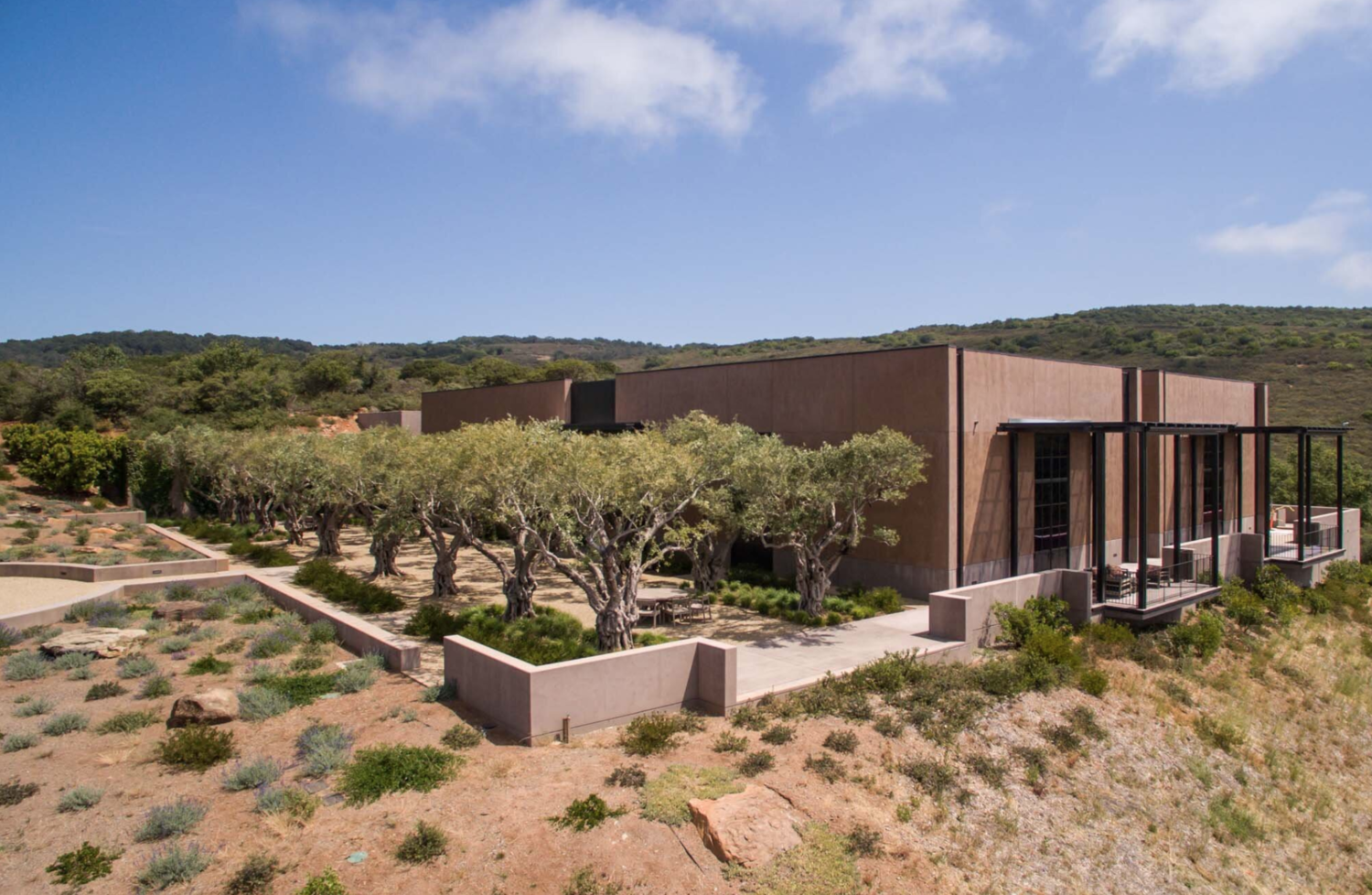
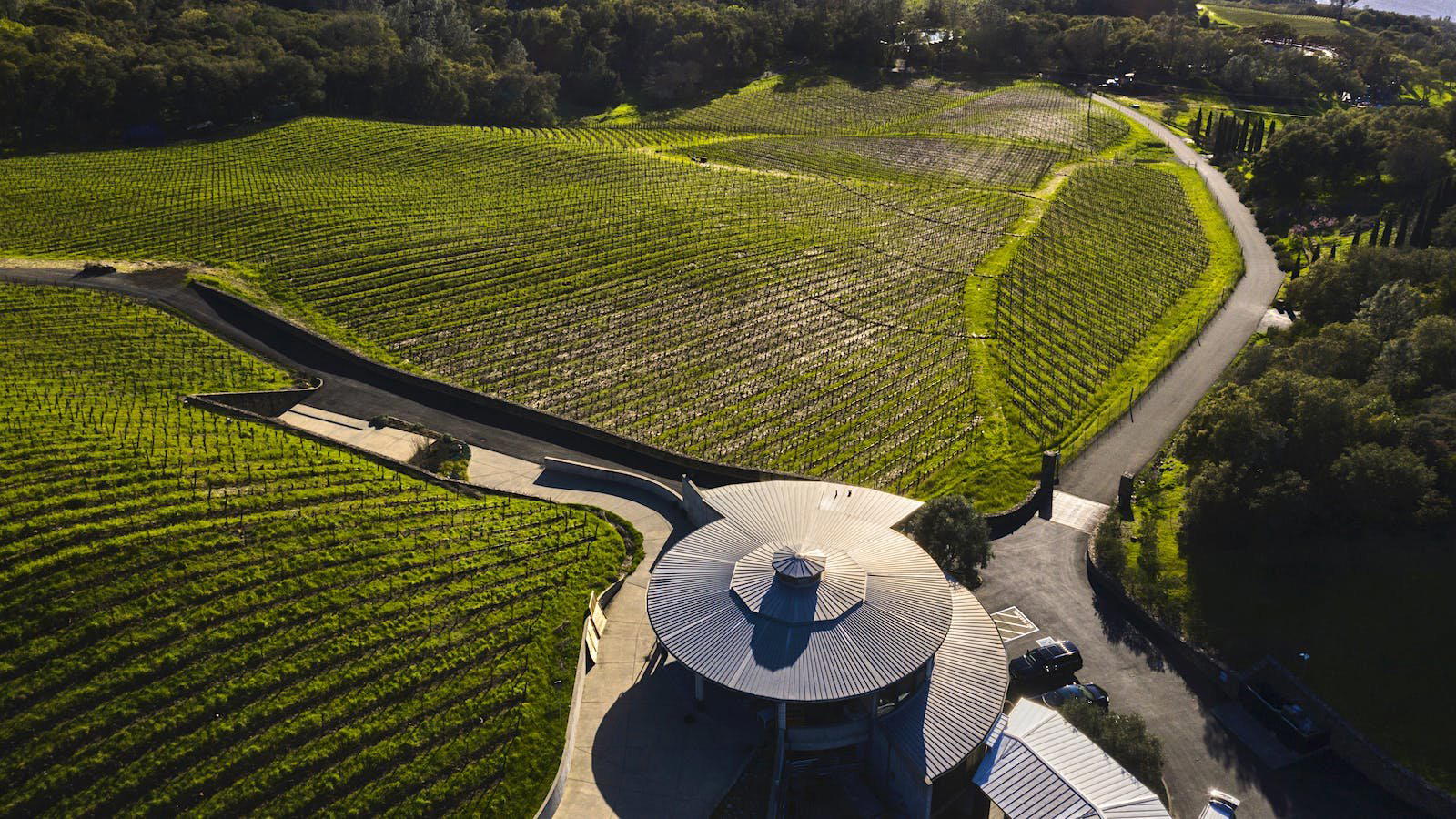
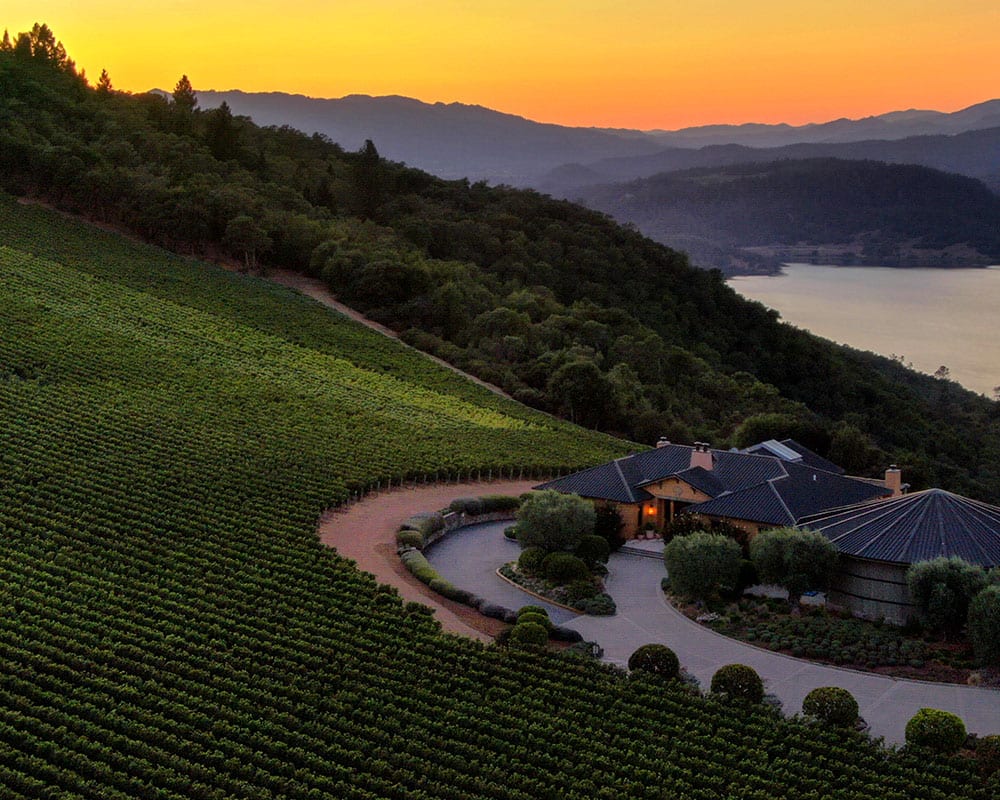
Bars in Napa
Browse all →
Restaurants in Napa
Browse all →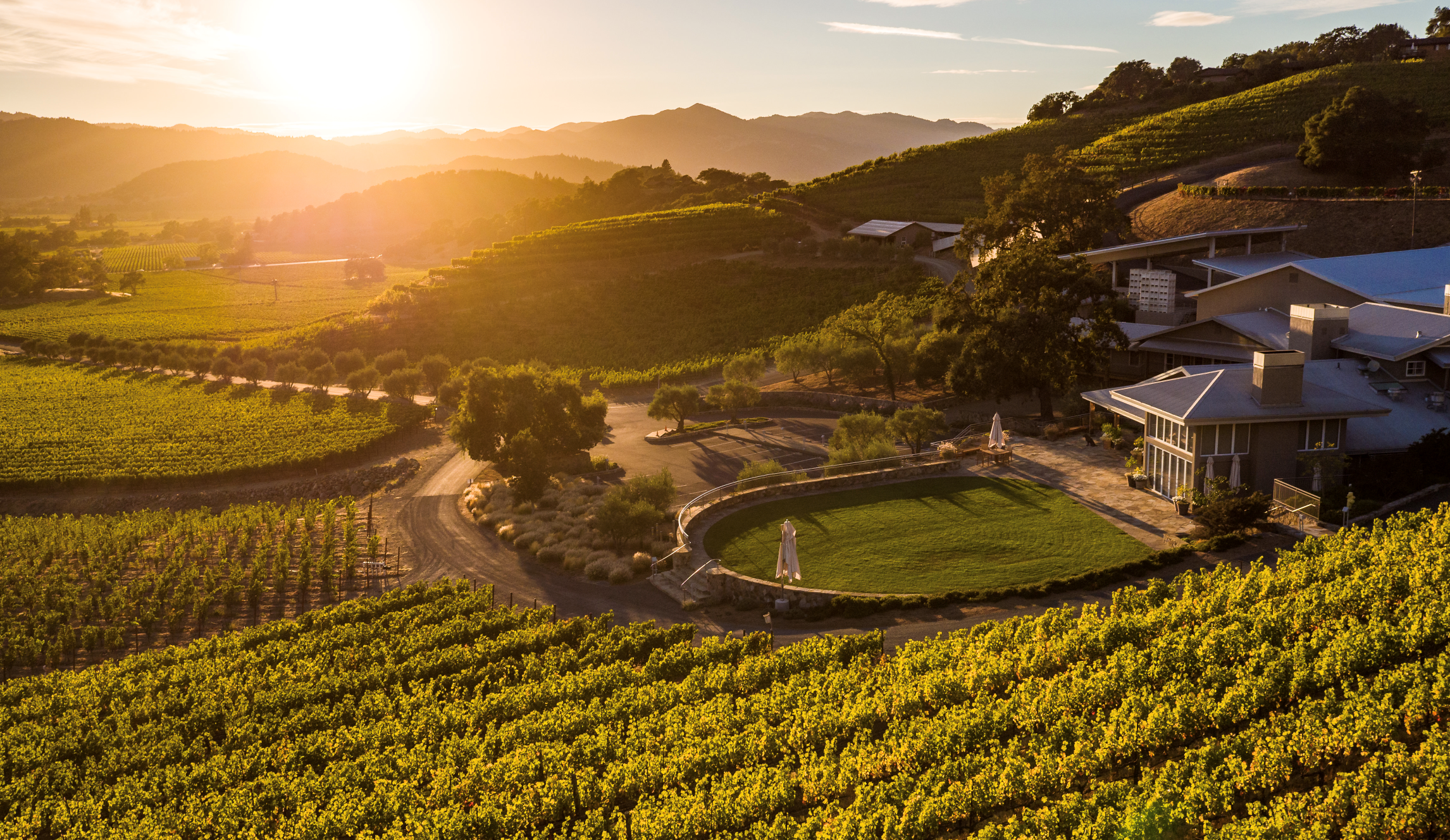
Details
- Scenic
- Rustic
- Intimate
- Quiet
- Solo Exploration
- Wine Education
- Special Occasion
- Vineyard Tour
- Estate Grounds
- Panoramic View
- Sustainable
- Mountain
- Vineyard
- Cabernet Sauvignon
- Still Red
- Private Tasting
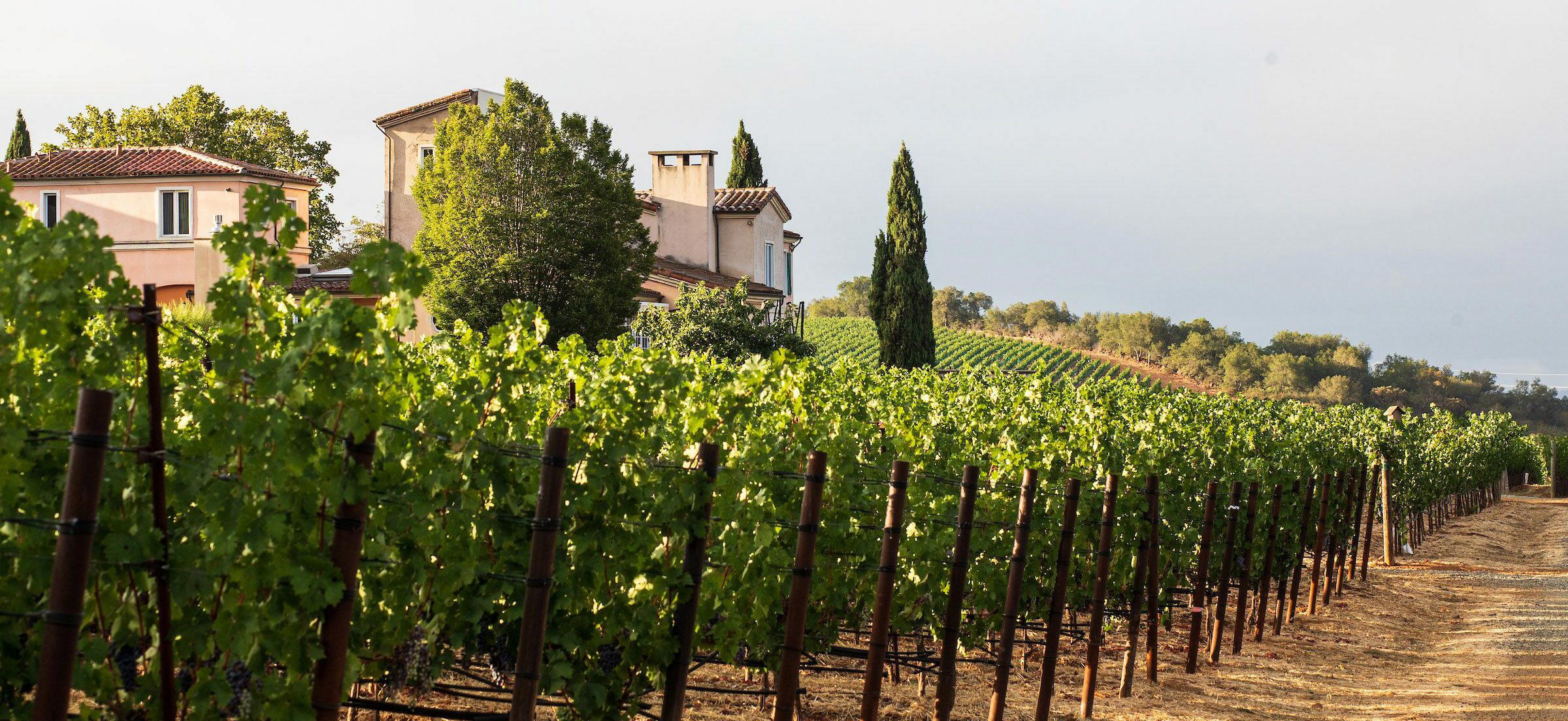
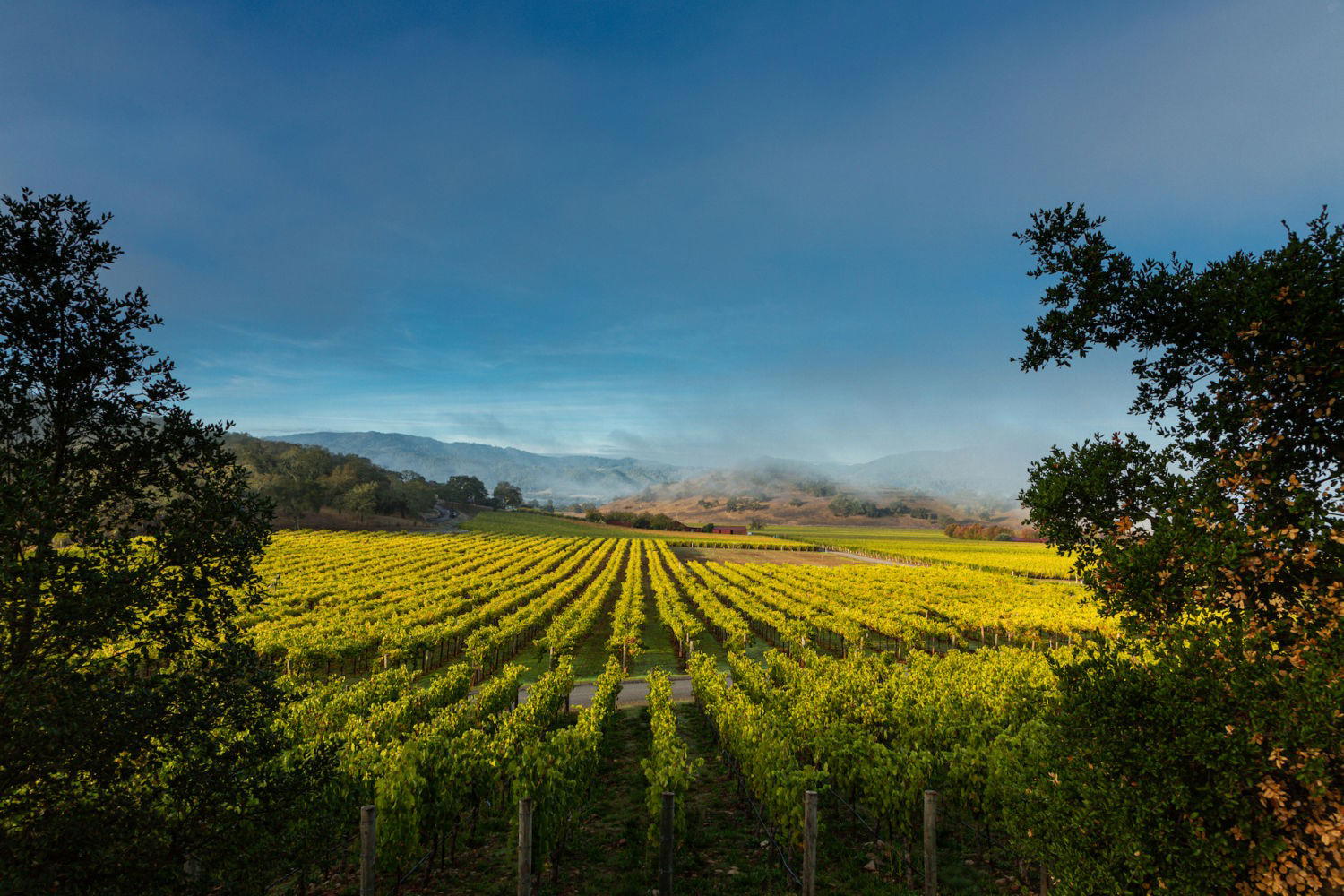
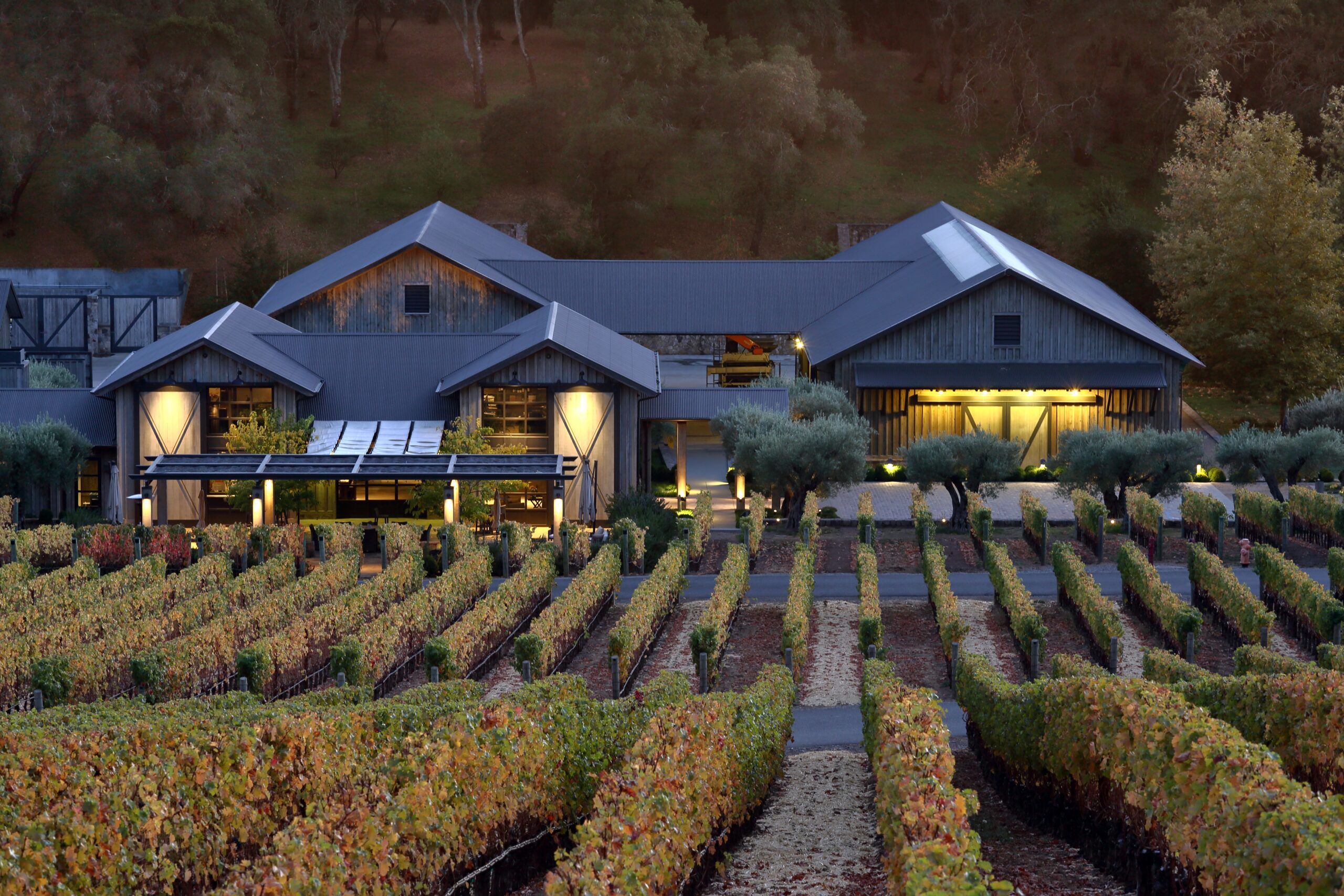
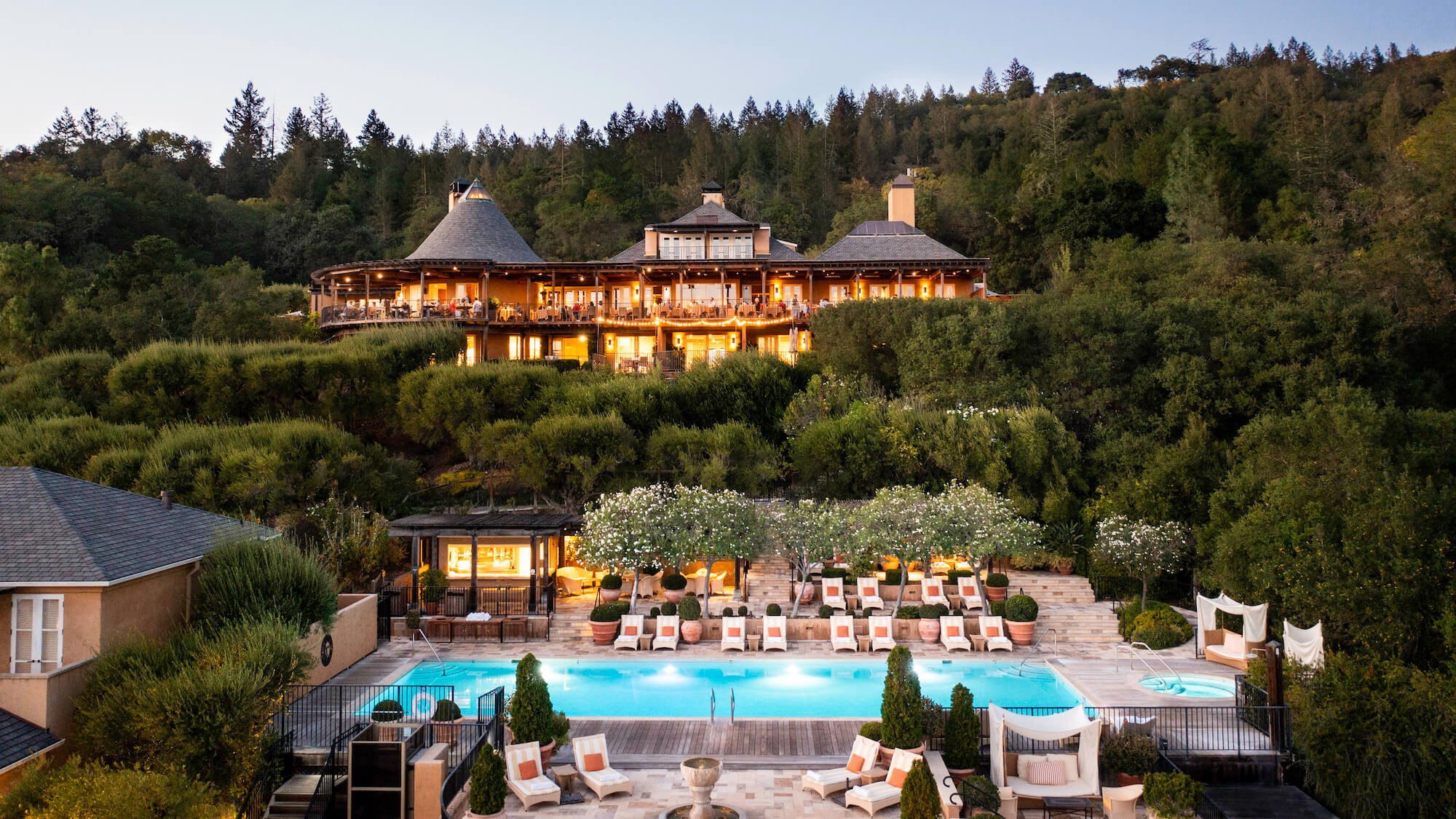
Remote, serene mountain setting with wild natural beauty, overlooking steep vineyard slopes from the home and planned cave.