Seven Apart
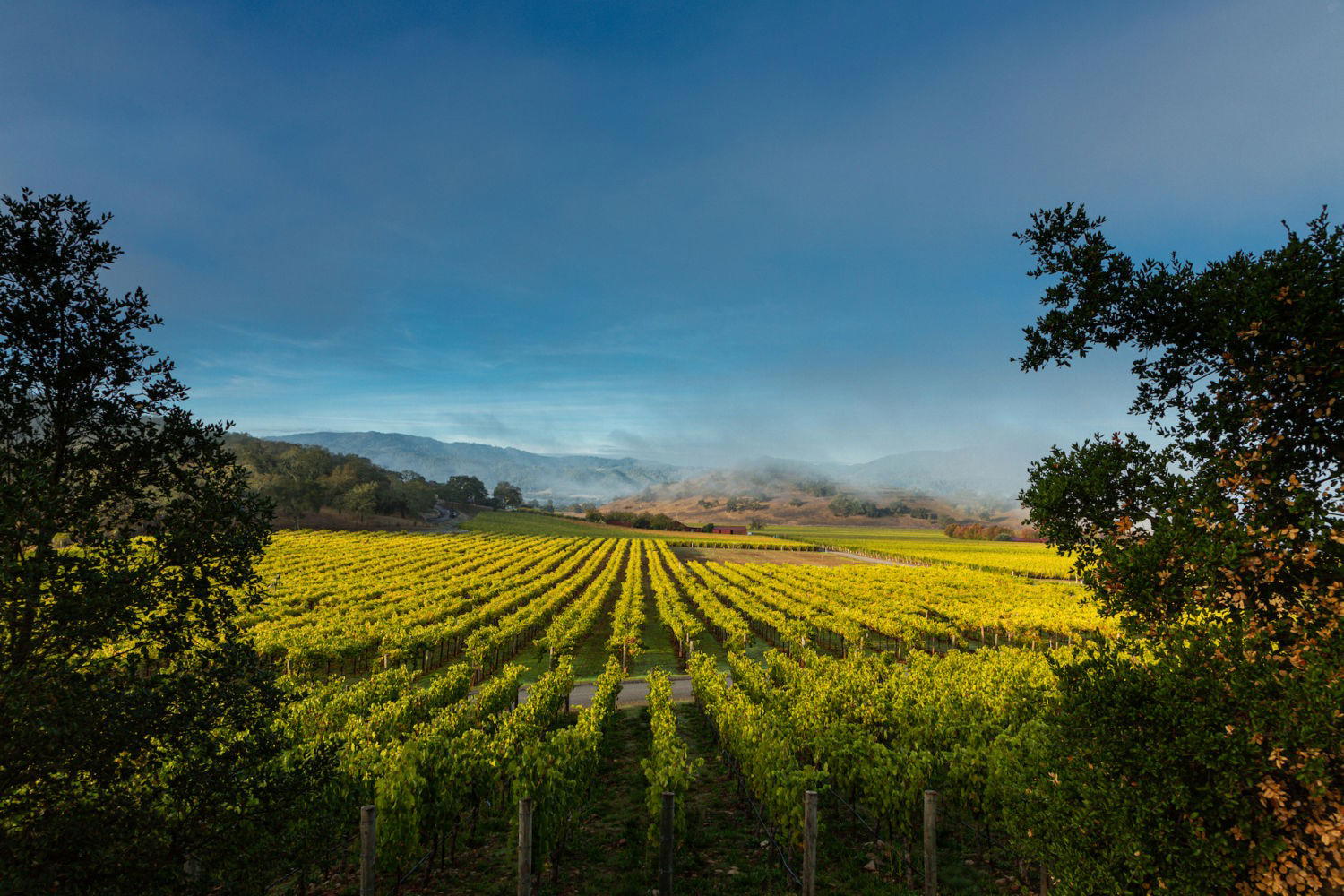
Seven Apart sits within Atlas Peak's elevation-driven appellation, where volcanic soils and cooling afternoon winds push Cabernet in a more structured, mineral direction than valley-floor counterparts..

Pearl is the En Primeur Club membership app — saves, bookings, and concierge access live there. Same editors, same standards.
- Address
- 4057 Silverado Trail, Napa, CA 94558
- Directions
- Get directions
Atlas Peak and the Case for Altitude
Napa Valley's conversation about terroir rarely stays at sea level for long. Atlas Peak, the appellation that climbs toward the Vaca Mountains on the valley's eastern edge, represents a deliberate departure from the benchland and valley-floor Cabernet that defines Napa's commercial centre. Elevations here range from roughly 1,600 to 2,600 feet, where volcanic and rocky soils drain quickly and afternoon heat is tempered by the same marine air that moves through the Carneros gap. The result is a growing season that runs longer and cooler than the valley floor, building phenolic ripeness more slowly and producing wines that tend toward tighter structure and more pronounced acidity at equivalent alcohol levels.
Seven Apart operates within this framework. At this tier of recognition, the focus shifts from sheer volume and visitor throughput to what happens between harvest and bottle.
What Happens After Harvest: The Cellar Logic of Atlas Peak
The editorial angle on Atlas Peak's serious producers is rarely the vintage — it is the cellar decisions that follow it. In a region where the default is French oak and Cabernet Sauvignon, the distinctions between producers at the prestige level are made in barrel selection, toast level, aging duration, and the discipline of blending decisions. A wine that spends 22 months in new French oak tells a different story than one pulled at 18 months in a mix of new and neutral barrels, even when both originate from adjacent blocks on volcanic tuff.
Atlas Peak's soils add a specific variable to those decisions. The basaltic and rhyolitic volcanic material that underlies much of the appellation retains heat differently than the alluvial fans of Oakville or Rutherford, and water stress arrives earlier in the growing season. Winemakers working at elevation here must calibrate their harvest timing with more attention to tannin texture than sugar accumulation alone, a discipline that rewards producers who are willing to wait, and who have the cellar capacity to back that patience with extended aging.
That Seven Apart achieves this rating within Atlas Peak rather than from a more commercially trafficked AVA is a signal about where the winery is directing its effort.
Atlas Peak remains one of Napa's less-trafficked appellations, partly by geography and partly by choice. The road access is genuine mountain driving, switchbacks, limited passing room, and a tasting room culture that skews toward appointment-only rather than walk-in. This shapes the visitor experience at every level. Unlike the Silverado Trail's more accessible corridor, Atlas Peak producers are largely working outside the high-volume tasting traffic that sustains Napa's tourist economy. The trade-off is a visitor experience that tends to be more focused and less rushed, conducted with people who have made a deliberate effort to be there.
Within the appellation, Seven Apart sits at 4057 Silverado Trail, technically addressed on the Silverado corridor but within the Atlas Peak elevation band. Comparisons naturally emerge with neighbouring producers at similar recognition levels. Antica Napa Valley brings a longer track record and a Tuscan-rooted heritage to Atlas Peak Cabernet. Hesperian Wines operates at the smaller, allocation-focused end of the appellation. Jean Edwards Cellars and Levendi Winery each represent distinct approaches to what Atlas Peak's volcanic terroir can yield. Seven Apart's 2025 recognition places it in direct conversation with these producers rather than below them.
Booking, Access, and Timing
Visiting the serious producers of Atlas Peak requires more planning than a spontaneous afternoon on the valley floor. The appellation's appointment culture means that turning up without a confirmed booking is rarely productive, and at prestige-level producers, even allocation access often requires a mailing list relationship before a tasting visit makes sense. For Seven Apart specifically, current booking details and contact information are best confirmed directly through their official channels, as logistics at this level of the appellation can shift seasonally.
Timing matters at Atlas Peak in ways that differ from Napa's lower elevations. Spring visits catch the appellation before summer heat builds, when the vineyards are in active growth and the cellar is typically working through its barrel program from the previous harvest. Autumn is the most logistically complex period, with harvest activity limiting tasting availability at many producers. The quieter window between late November and early spring tends to offer more access to the wine program without competing with harvest operations, and it is precisely during this period that aged barrel samples from recent vintages are most likely to be open.
For a fuller orientation to the appellation's tasting geography, the EP Club Atlas Peak (Napa) guide maps the appellation's producers across quality tiers and visit formats. Elsewhere in California, producers operating at comparable prestige levels include Accendo Cellars in St. Helena, Alpha Omega Winery in Rutherford, and Alexander Valley Vineyards in Geyserville, each offering a different register of California Cabernet and blending philosophy against which Atlas Peak's mountain character can be measured.
For those building a broader California comparison across climate types and soil profiles, Adelaida Vineyards in Paso Robles, Alban Vineyards in Arroyo Grande, and Andrew Murray Vineyards in Los Olivos demonstrate how elevation and coastal influence shape wine structure in ways that parallel Atlas Peak's own high-altitude logic. Beyond California, Adelsheim Vineyard in Newberg offers a Pacific Northwest reference point for understanding how cool-climate patience in the cellar translates into structural wine, while further afield, Aberlour in Aberlour and Achaia Clauss in Patras each demonstrate in their respective traditions how extended aging programs shape the identity of a producer at the prestige tier.
City Peers
Comparable venues nearby, for context on price, style, and recognition.
| Venue | Cuisine | Price | Awards | Notes |
|---|---|---|---|---|
| Seven ApartThis venue — the venue you are viewing | Cabernet Sauvignon, Cabernet Franc | $150–200 | Not listed | Not listed |
| Tournesol | Cabernet Sauvignon, Cabernet Franc | Not listed | Not listed | Coombsville |
| Mayacamas Vineyards and Winery | Cabernet Sauvignon, Chardonnay | $100–150 | Falstaff Winery - Listed | Mt. Veeder |
| Seven Stones Estate | Cabernet Sauvignon, Cabernet Franc | Not listed | Not listed | St. Helena |
| Palmaz Vineyards | Cabernet Sauvignon, Cabernet Franc | Not listed | Not listed | Coombsville |
| Dalla Valle Vineyards | Cabernet Sauvignon, Cabernet Franc | Not listed | Falstaff Winery - Listed | Oakville |
Details
- Elegant
- Scenic
- Sophisticated
- Intimate
- Wine Education
- Special Occasion
- Romantic Getaway
- Private Tasting
- Estate Grounds
- Vineyard Tour
- Panoramic View
- Organic
- Sustainable
- Vineyard
- Mountain
- Cabernet Sauvignon
- Cabernet Franc
- Merlot
- Petit Verdot
- Still Red
- Private Tasting
- Barrel Room
- English
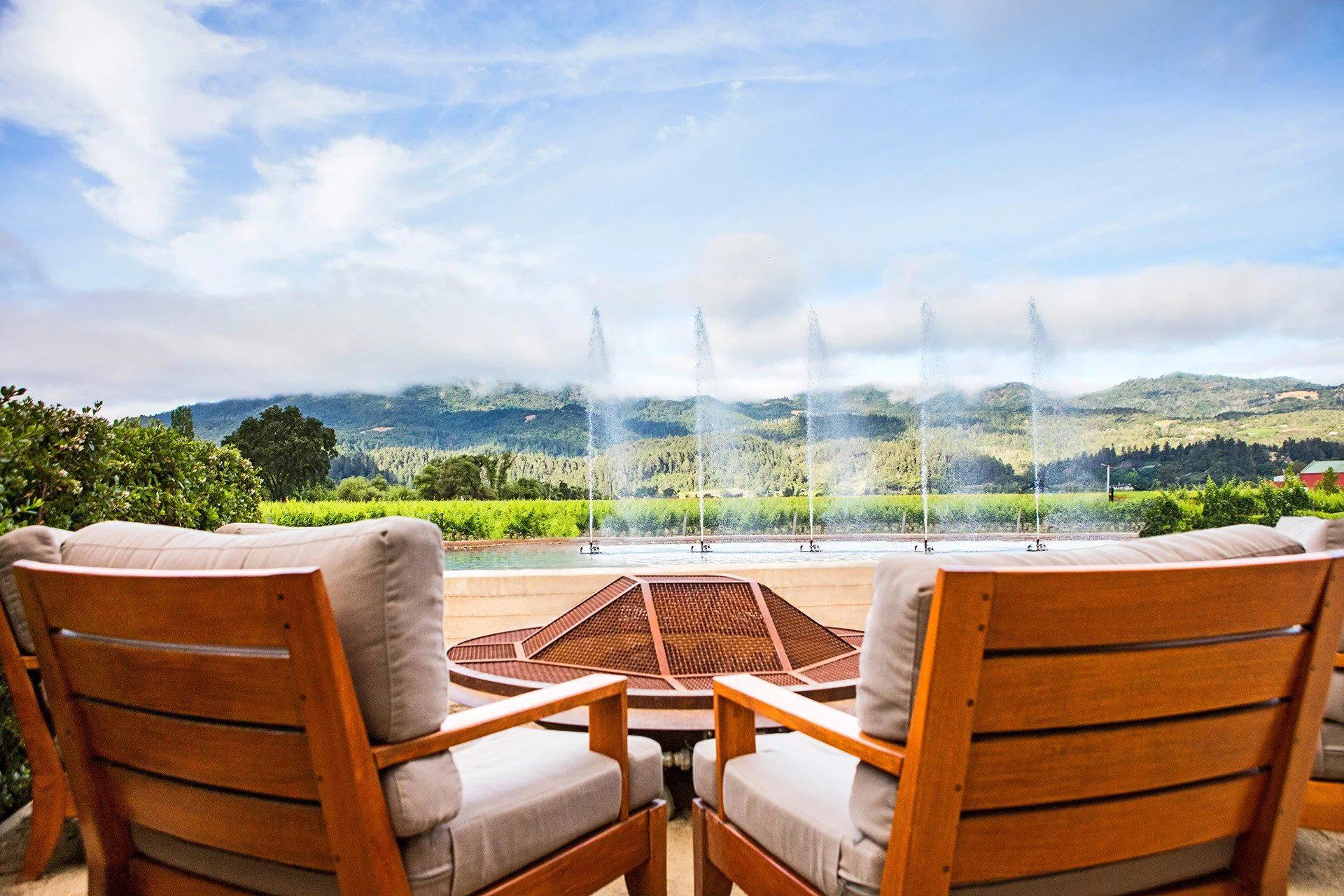
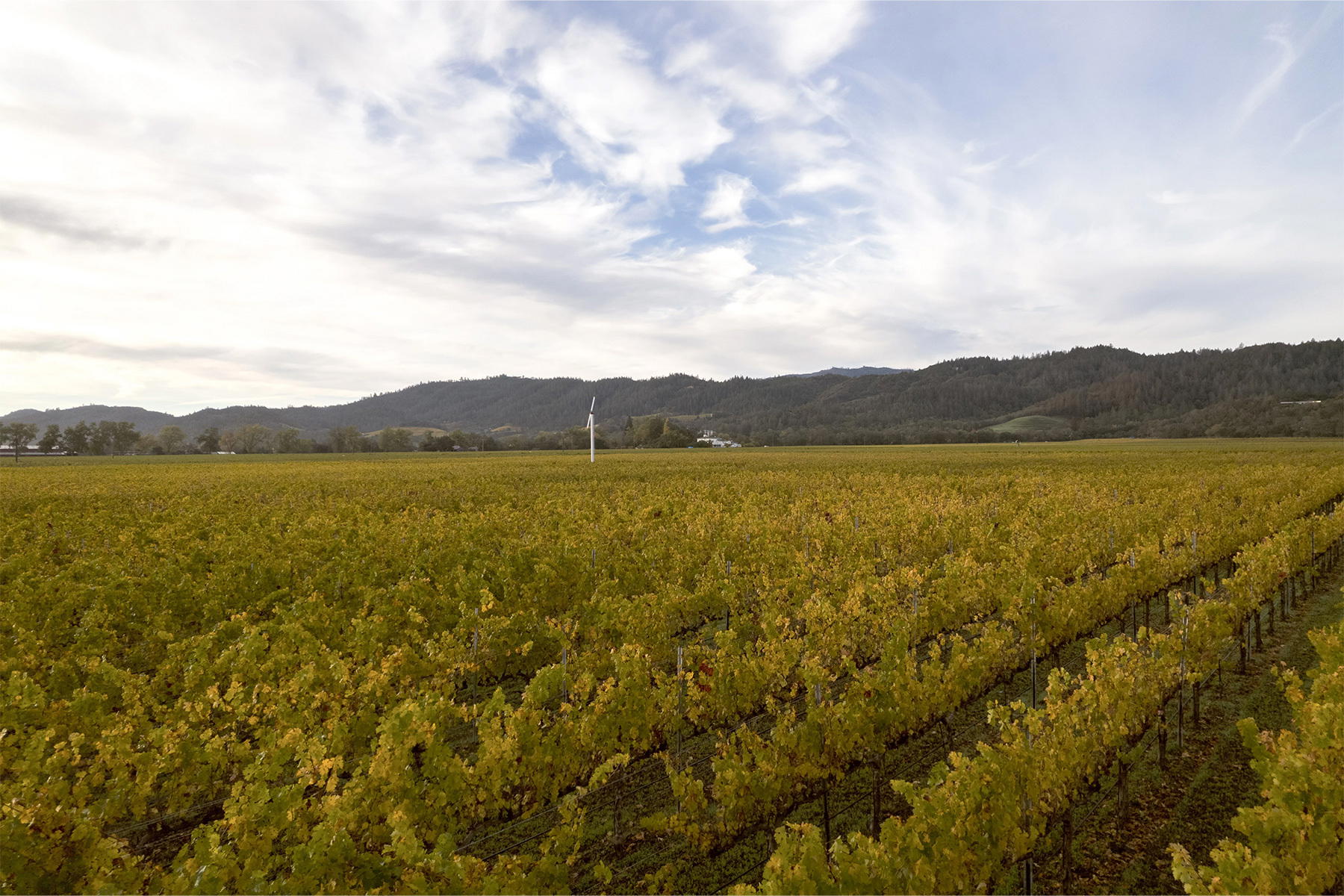
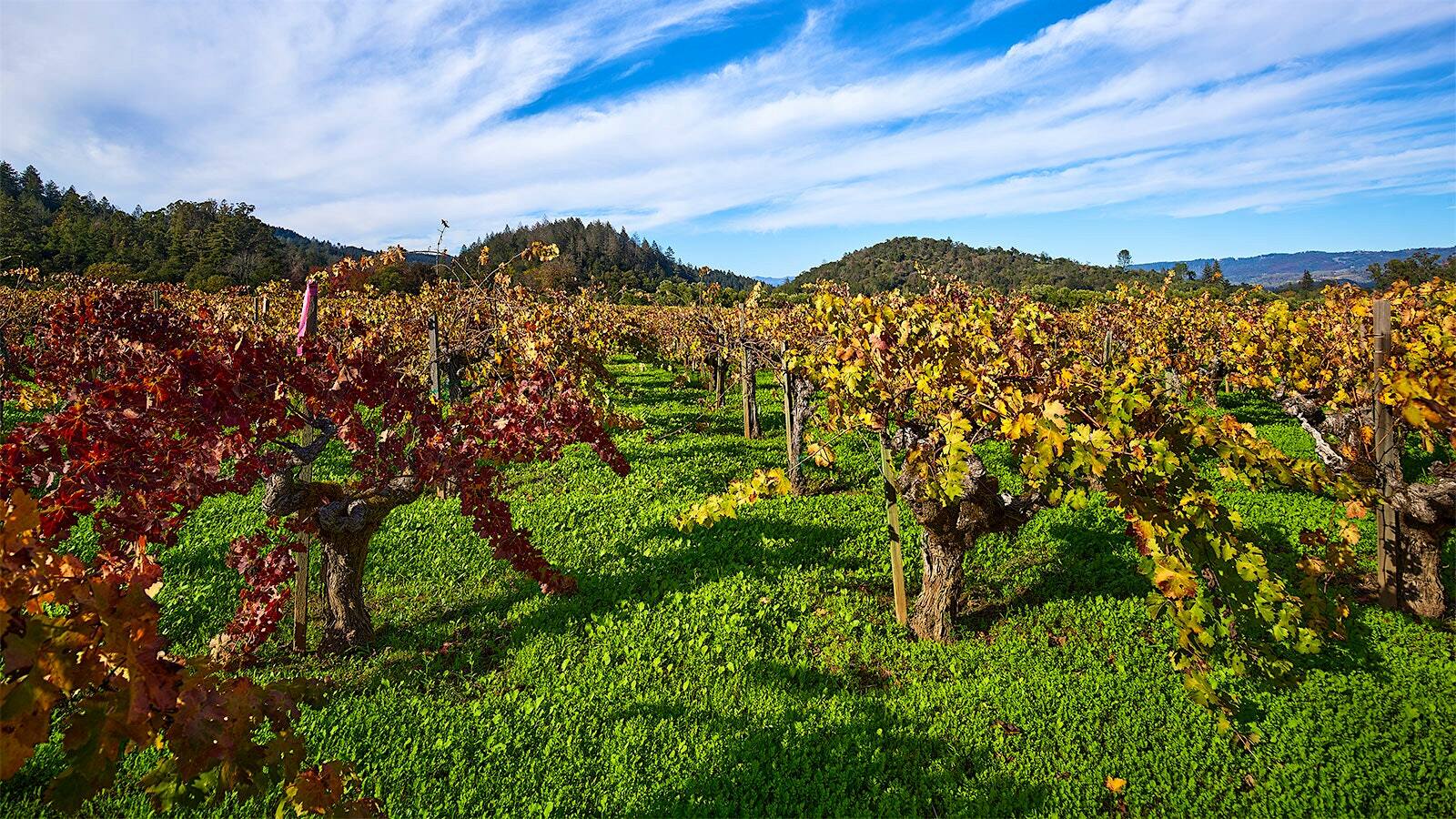
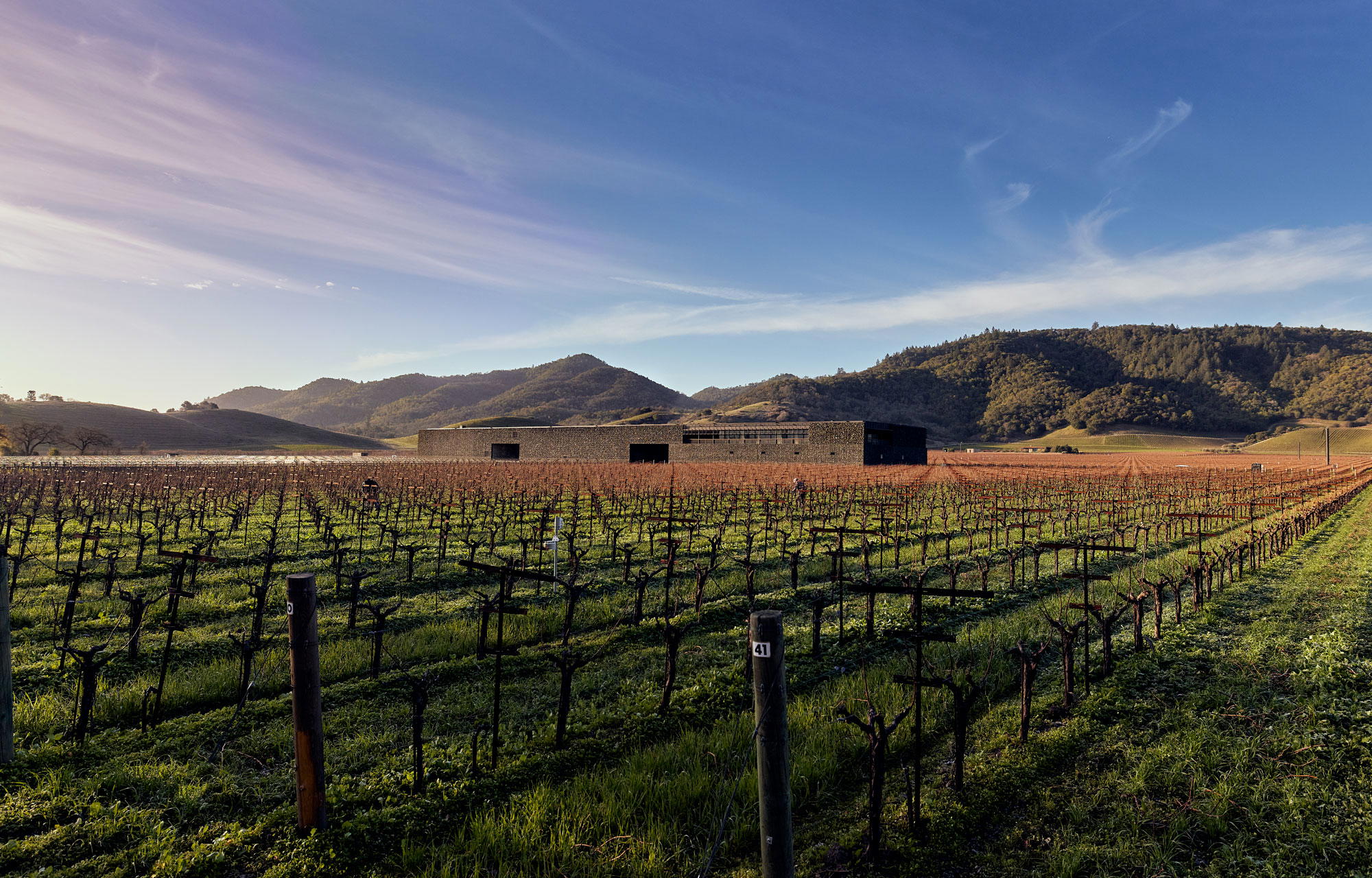
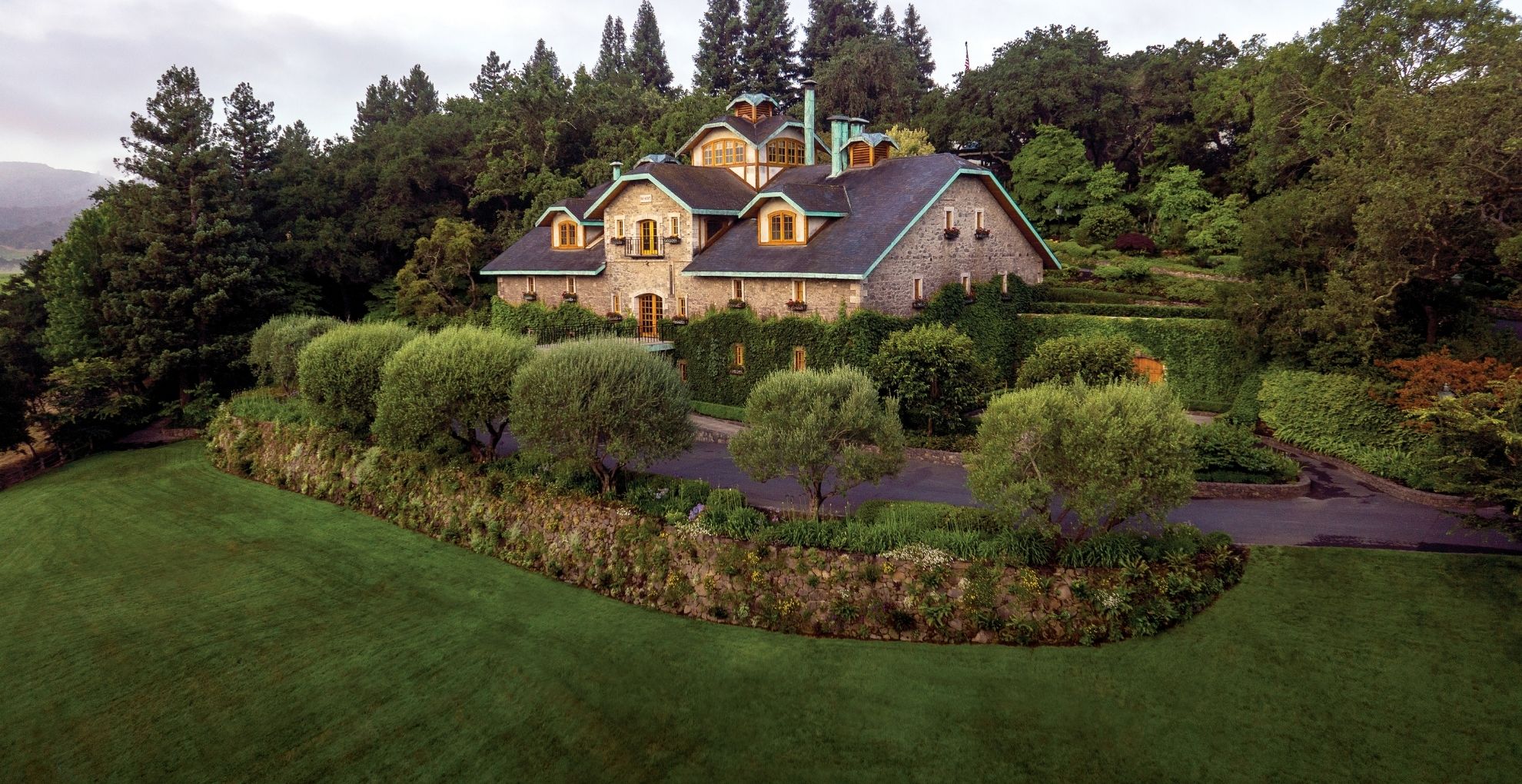
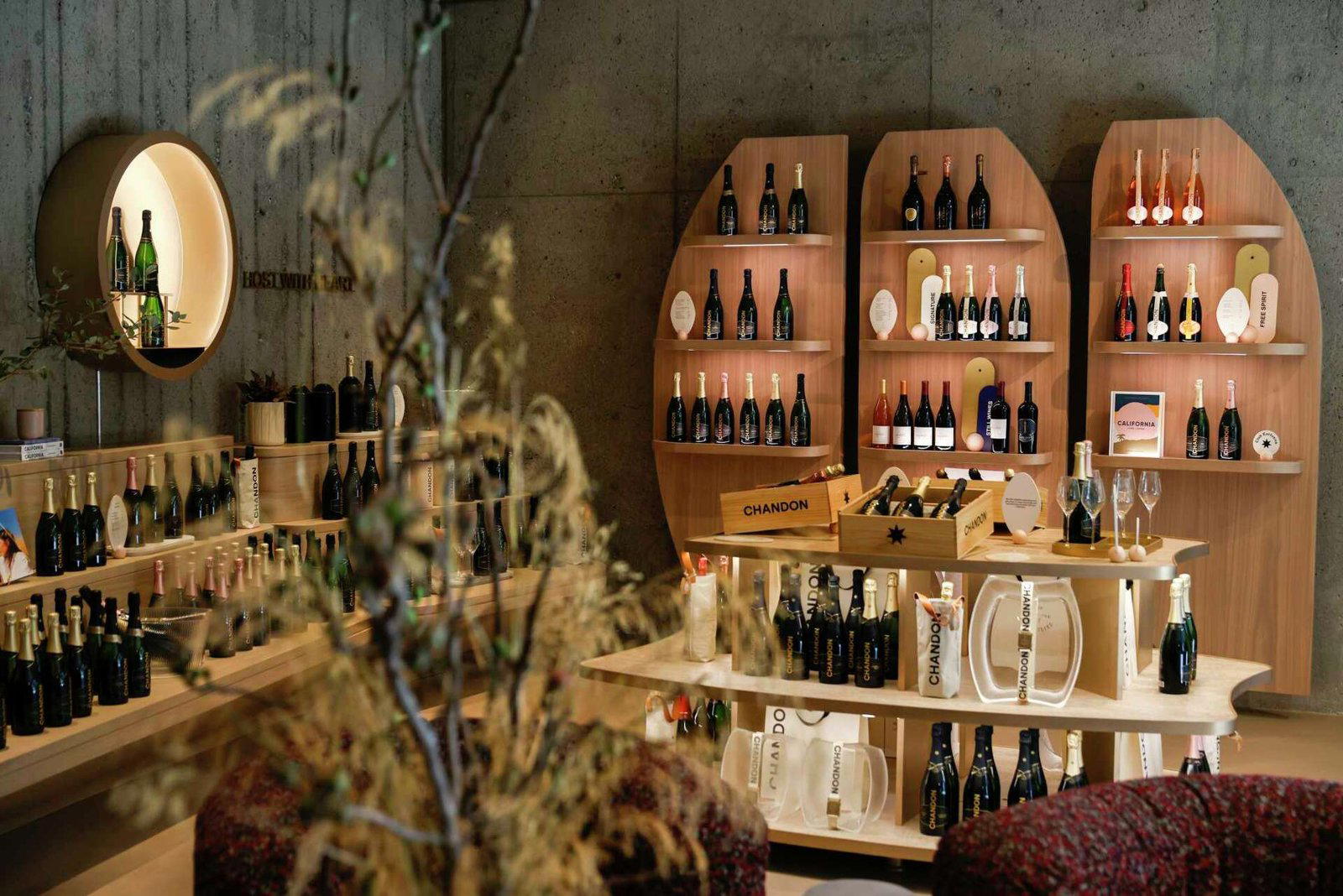
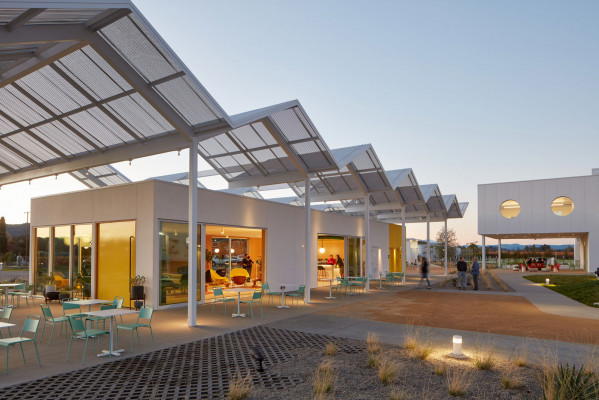
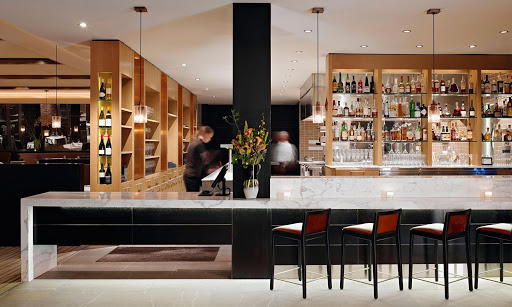
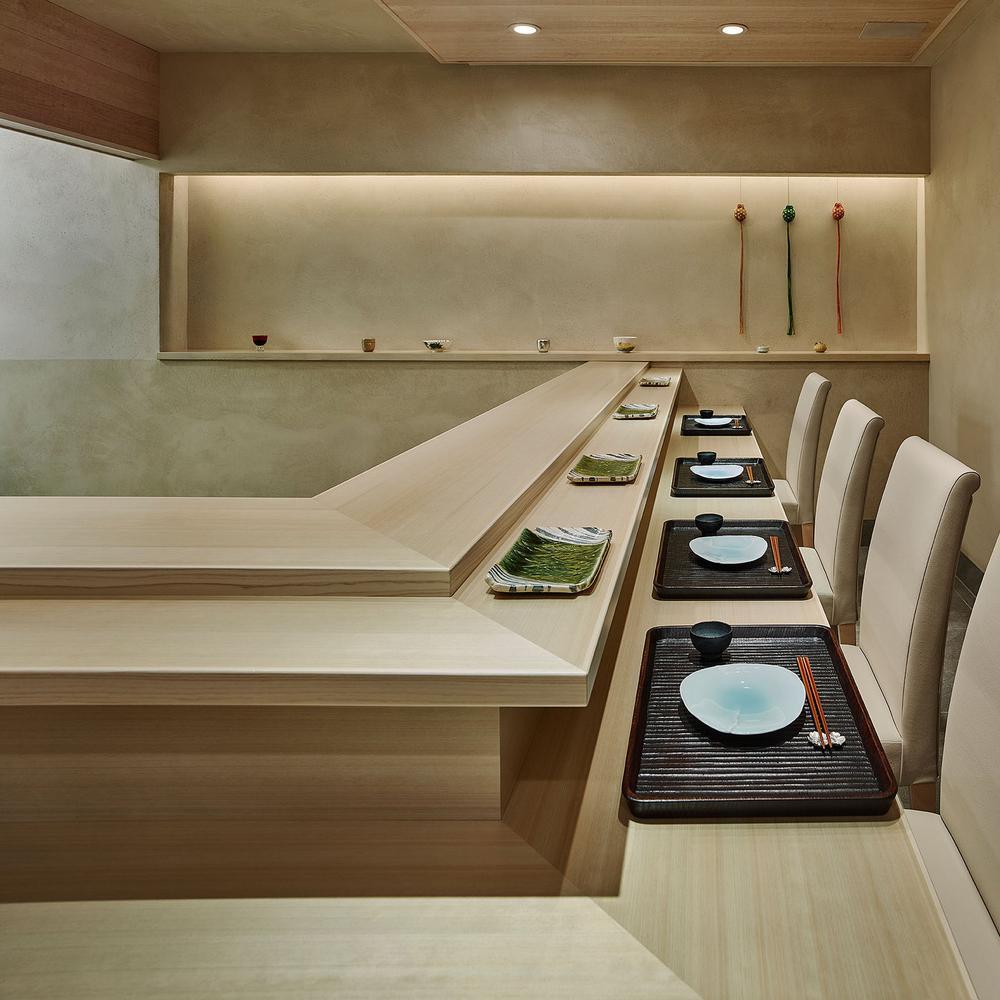
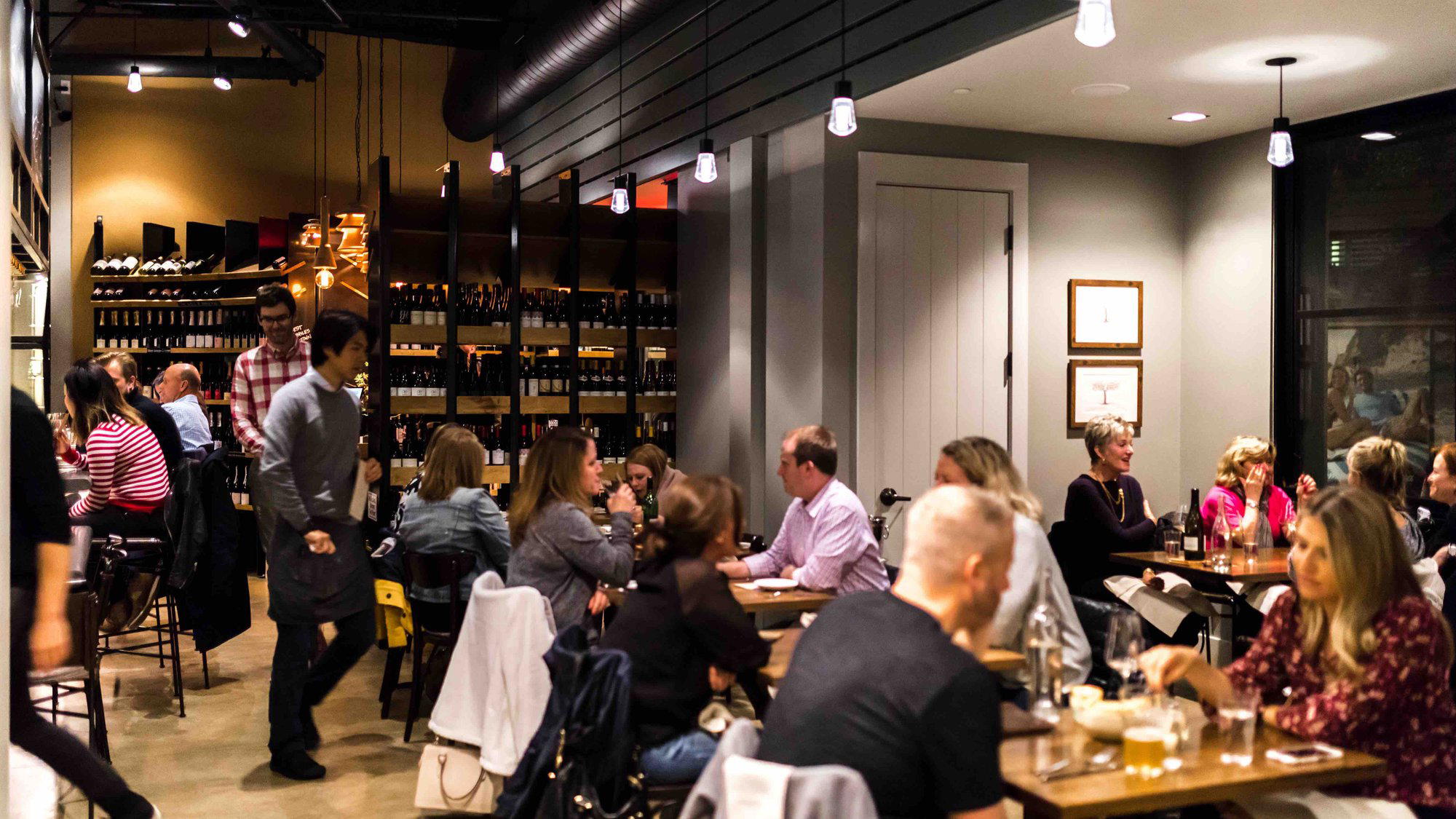
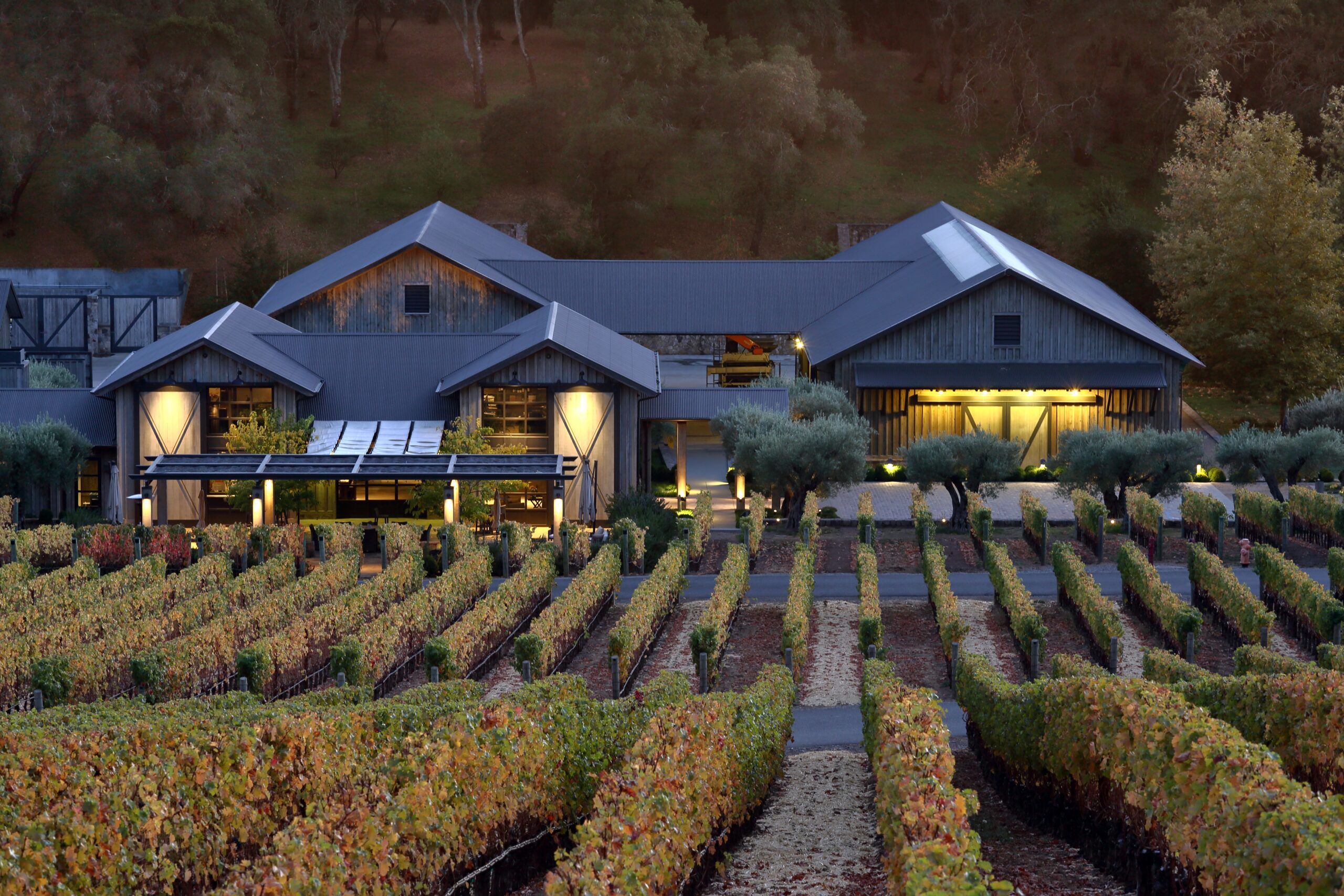
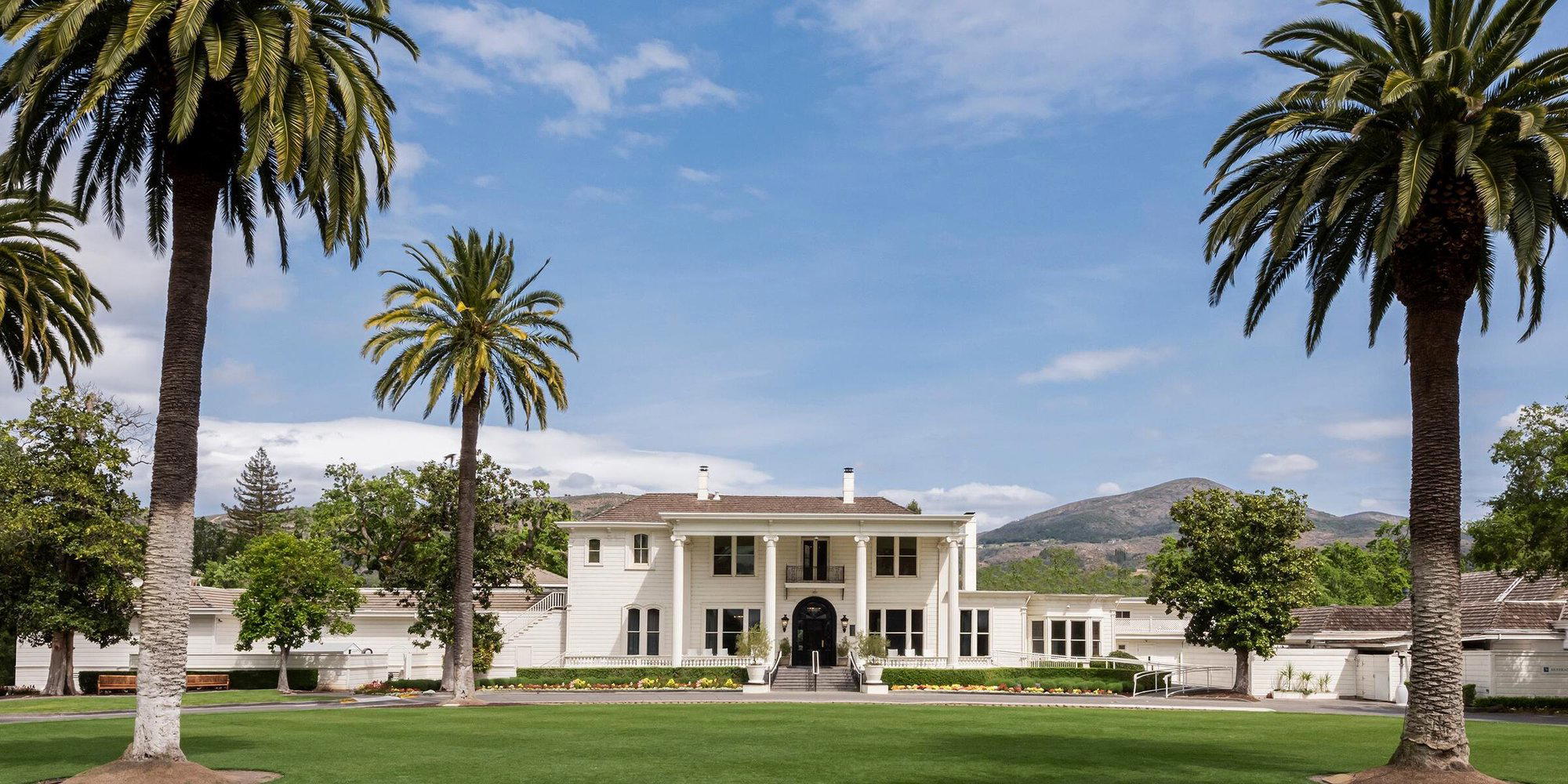
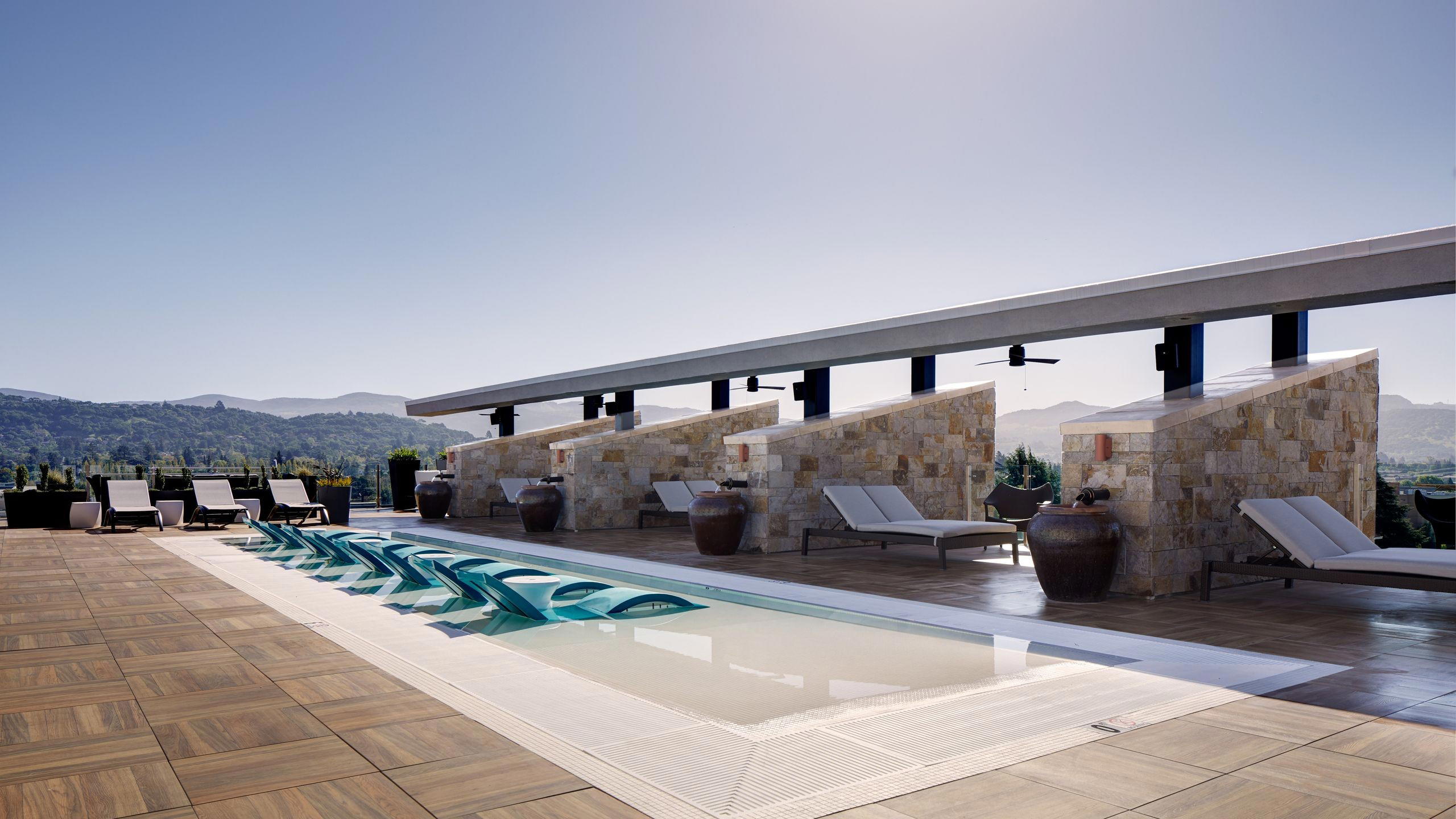
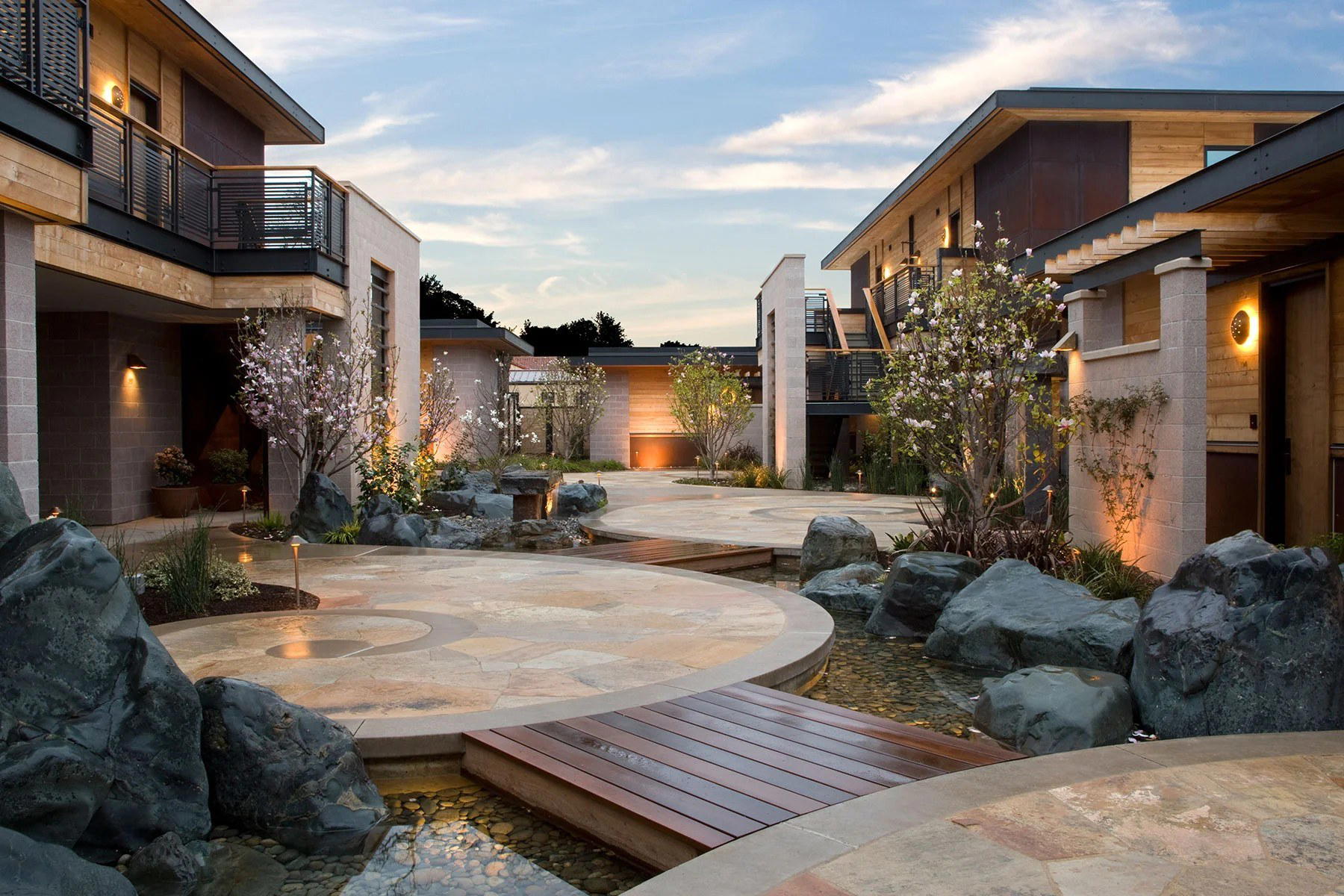
Modern state-of-the-art winery with floor-to-ceiling windows overlooking custom wine displays, four outdoor private tasting venues with fountains, and panoramic views of the Atlas Peak mountain landscape.