Levendi Winery
Levendi Winery sits within the Atlas Peak appellation, one of Napa Valley's highest-elevation growing zones, where volcanic soils and cooler mountain air produce Cabernet Sauvignon with a structural profile distinct from valley-floor peers. Its address in Napa proper makes it accessible for visitors working through the appellation's dispersed offerings.

Pearl is the En Primeur Club membership app — saves, bookings, and concierge access live there. Same editors, same standards.
- Address
- 1465 1st St, Napa, CA 94559
- Hours
- Mon 2–7 PMTue–Wed ClosedThu 2–7 PMFri–Sat 1–9 PMSun 2–7 PM
- Website
- levendiwinery.com
- Directions
- Get directions

Atlas Peak and the Case for Elevation
Napa Valley's reputation is built overwhelmingly on valley-floor Cabernet, the kind grown in Oakville and Rutherford where deep alluvial soils and consistent warmth produce ripe, structured wines that have defined the appellation's commercial identity for decades. Atlas Peak operates on different terms. Sitting above 1,600 feet in the Vaca Mountains on the valley's eastern edge, it is one of Napa's smallest sub-appellations and one of its most geologically distinct. The soils here are volcanic, shallow, and well-drained, forcing vines to work harder and producing fruit with higher acidity, firmer tannin, and a tighter aromatic profile than what comes off the flatter benchlands below.
Levendi Winery is part of this high-altitude cohort. In a sub-appellation where the number of bonded wineries remains limited, that credential carries weight as a signal of consistency. Visitors approaching Atlas Peak for the first time will find the region rewards those who have done some homework: the wineries are fewer, the terrain is more demanding to reach, and the wines tend toward a leaner, more mineral style that suits a specific kind of palate.
The Physical Argument for Atlas Peak
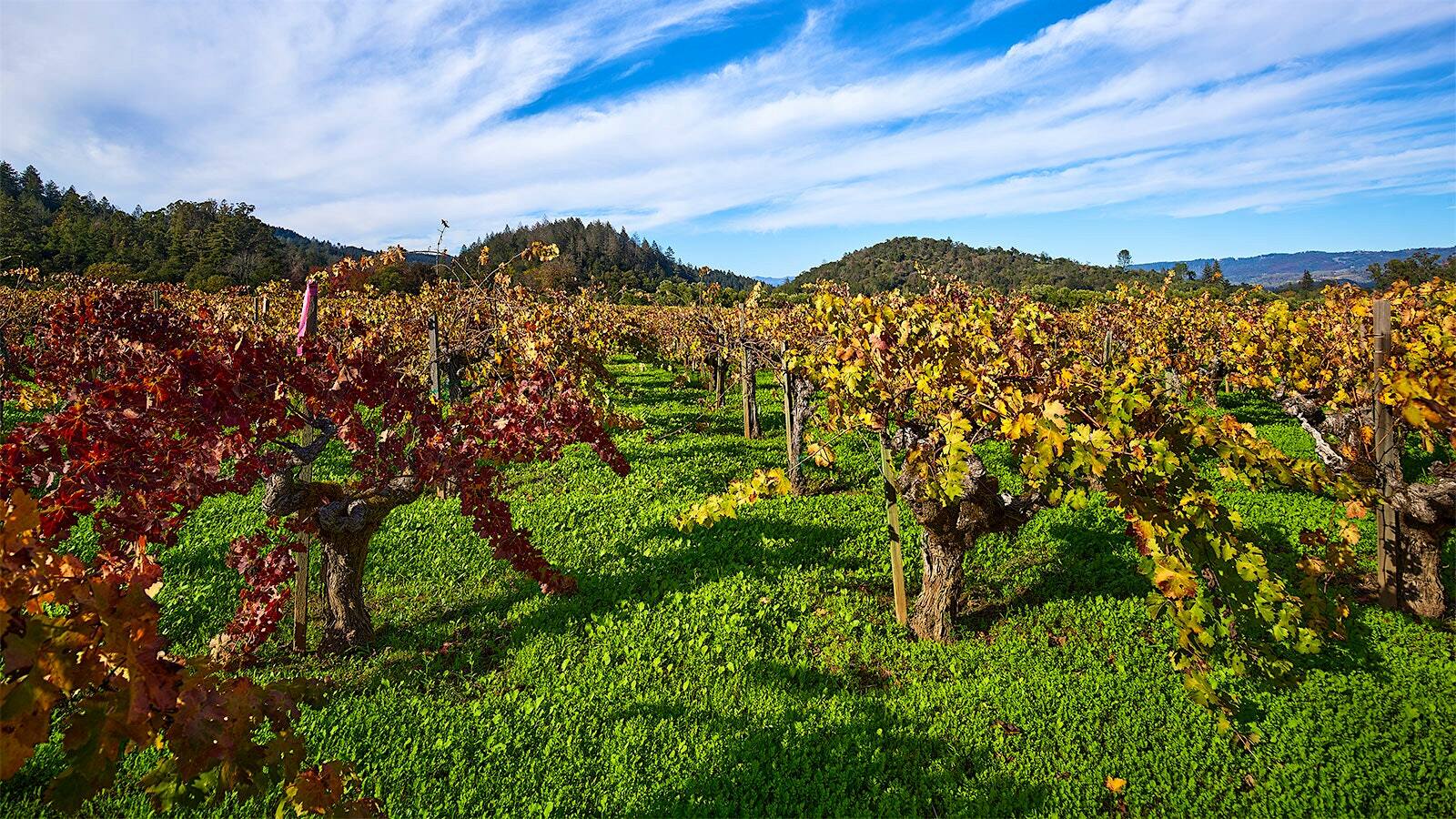
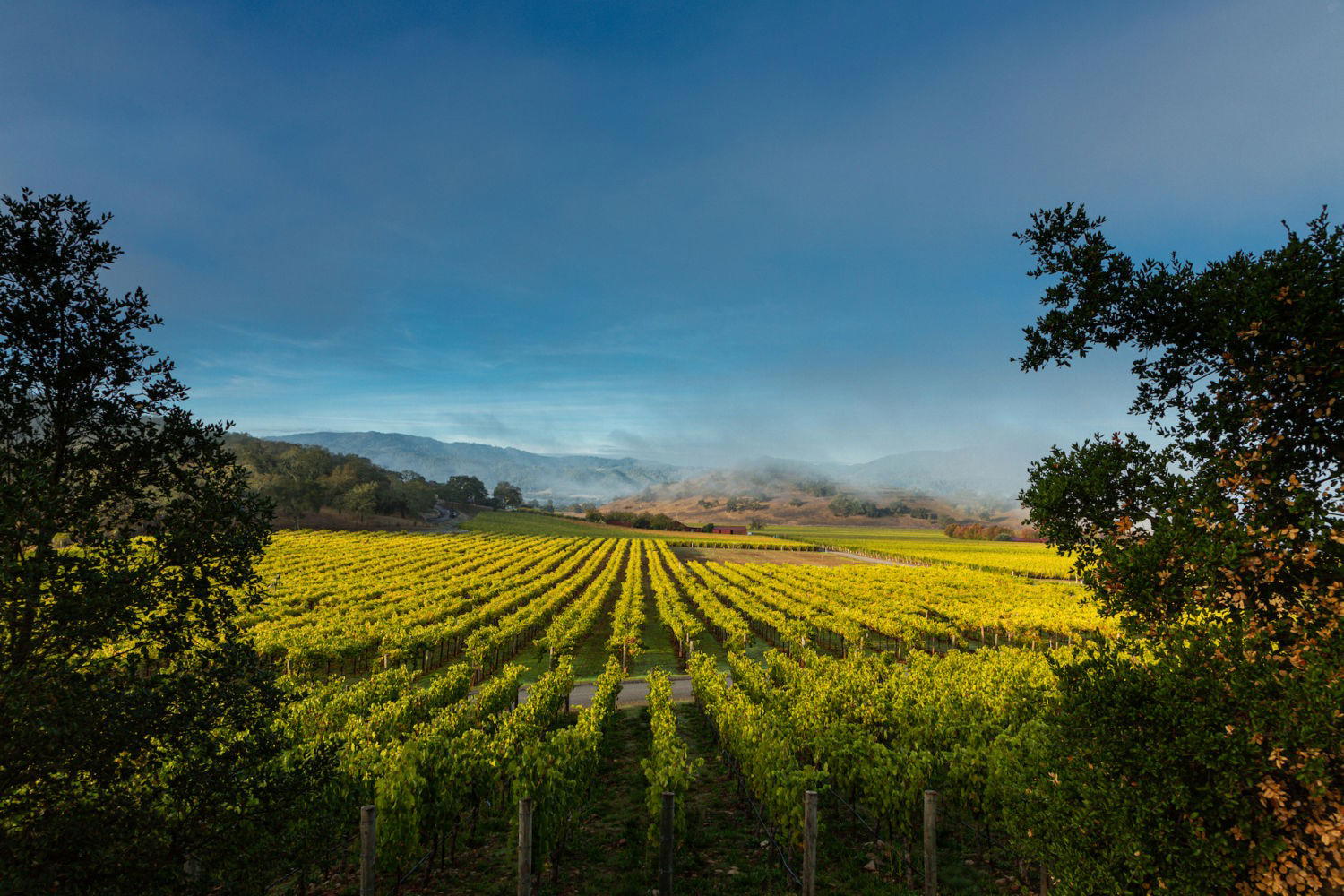
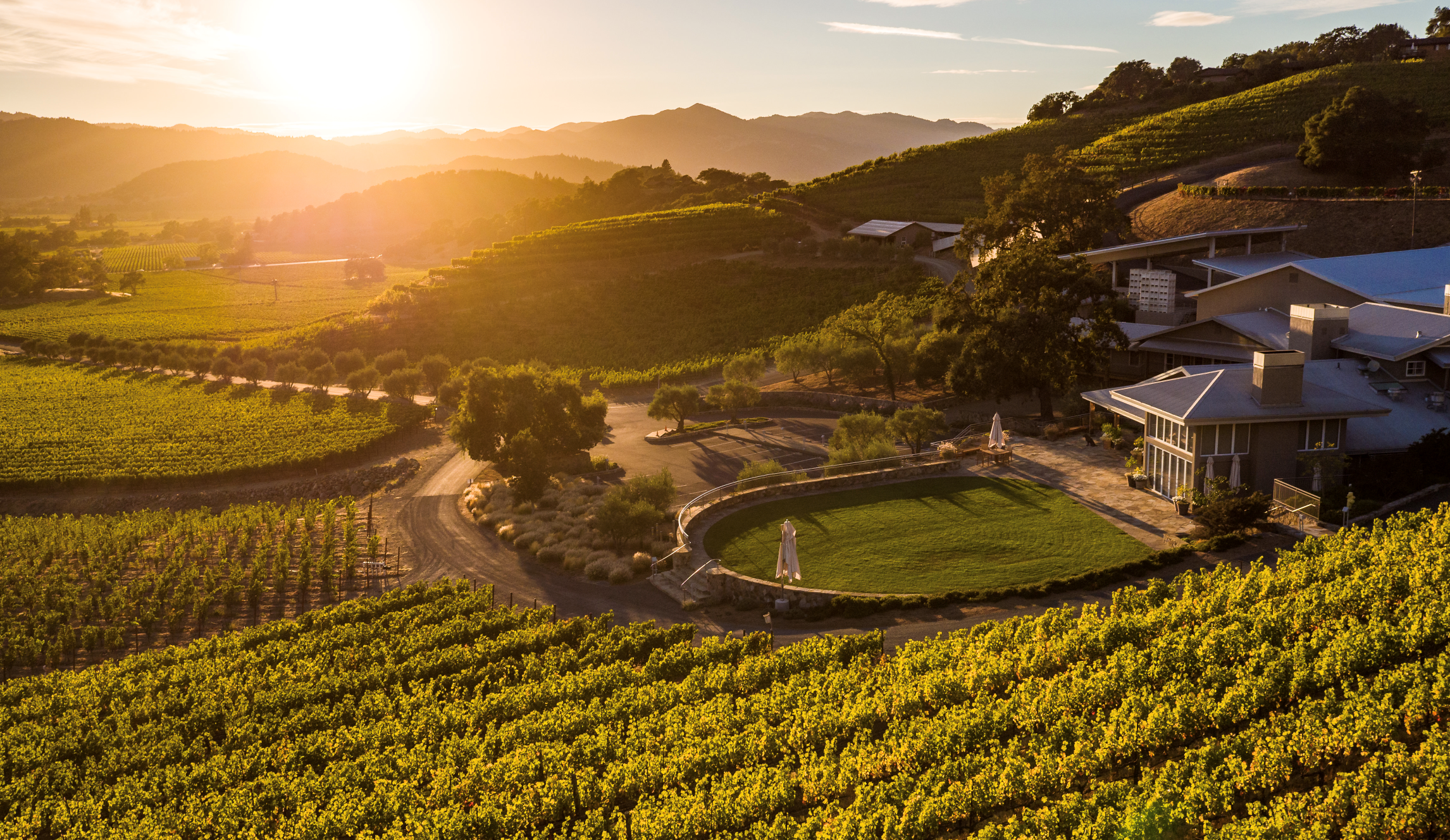
The visual case for Atlas Peak is made on the approach. The road up from the valley floor climbs through mixed chaparral and Douglas fir, the temperature dropping a few degrees with each ascending mile. At the ridge, the views open across the full width of Napa Valley, with the Mayacamas range closing the western horizon and the valley floor laid out in the middle distance as a patchwork of vine rows and oak woodland. The orientation of these hillside vineyards means morning sun arrives early and afternoon breezes from San Pablo Bay push through the passes, moderating heat accumulation and extending the growing season relative to what the latitude alone would suggest.
This physical environment is the primary reason to seek out Atlas Peak producers. The volcanic tuff and rocky soils that define the appellation are not gentle growing conditions, and the wines that come from them reflect that. Compared with the soft-shouldered richness of a Stags Leap Cabernet or the plush weight of a Howell Mountain release, Atlas Peak reds tend to read as more angular on first encounter, with a savory edge and a mineral spine that becomes more expressive with time in the glass or in the cellar. For visitors already familiar with Napa's broader range, this appellation offers a distinct counterpoint worth building an itinerary around.
Levendi in the Atlas Peak Context
This cluster of recognized producers is part of what makes Atlas Peak worth a dedicated visit rather than a detour. The sub-appellation lacks the tasting-room density of Yountville or St. Helena, so the ratio of high-quality producers to total stops is actually favorable for visitors with focused interests.
The winery's listed address on 1st Street in Napa suggests a tasting operation accessible from the city rather than a remote mountain vineyard visit, a distinction that matters practically. Some Atlas Peak producers receive visitors at hillside estate locations that require advance planning and careful navigation. An address in Napa proper would place Levendi within reach of the downtown core and the concentration of hospitality infrastructure that has developed there over the past decade, though visitors should verify current tasting arrangements and hours directly before planning around it.
Placing Levendi Against Broader California Comparisons
The high-elevation, volcanic-soil model that Atlas Peak represents has parallels elsewhere in California wine. Adelaida Vineyards in Paso Robles works with similarly calcareous, well-drained soils at elevation, producing wines that read as structurally tighter than their Paso peers. Alban Vineyards in Arroyo Grande makes the case for extreme-site viticulture on the Central Coast with comparable conviction. In the north, Adelsheim Vineyard in Newberg demonstrates how elevation and aspect shape Pinot Noir in Oregon with the same logic applied to a different grape. What connects these producers across regions is the argument that site stress, rather than site comfort, generates the most interesting results.
Within Napa specifically, the contrast between mountain-appellation producers and valley-floor houses is one of the more useful frameworks for organizing a visit. Alpha Omega Winery in Rutherford represents the benchland style against which Atlas Peak producers like Levendi offer a counterpoint. Accendo Cellars in St. Helena bridges the two registers with fruit sourced from multiple elevations. Alexander Valley Vineyards in Geyserville and Andrew Murray Vineyards in Los Olivos each pursue Cabernet and Rhône-style work respectively at warmer, lower-elevation sites, making the tonal difference from Atlas Peak instructive when tasted side by side. For those building a comparative California itinerary, it is also worth noting how different the volcanic-soil model looks when transposed to an entirely different context, as demonstrated by Achaia Clauss in Patras, where Greek terroir applies its own version of site-driven restraint.
Planning a Visit
Atlas Peak sits outside the main axis of Napa Valley tourism. The tasting rooms and hotel infrastructure concentrated along Highway 29 and the Silverado Trail are the framework most visitors use, with Atlas Peak functioning as a deliberate side trip rather than a default stop. For those spending more than a single day in the valley, allocating a morning or afternoon to the eastern mountain appellations, including Atlas Peak and the adjacent Stags Leap District, allows for a tasting itinerary that covers meaningfully different terrain without requiring a separate multi-day trip. The full Atlas Peak guide covers the appellation's producers and orientation in detail, and is a useful reference before finalizing which wineries to contact.
Confirmed hours, current tasting formats, and reservation requirements are details leading verified directly.
The Quick Read
Comparable venues nearby, for context on price, style, and recognition.
| Venue | Cuisine | Price | Notes |
|---|---|---|---|
| Levendi WineryThis venue — the venue you are viewing | Not listed | Not listed | Not listed |
| Frias Family Vineyard | Not listed | Not listed | Spring Mountain District, Cabernet Sauvignon, Merlot |
| Maroon Wines | Not listed | Not listed | Coombsville, Cabernet Sauvignon, Chardonnay |
| Acacia Vineyard | Carneros, Pinot Noir, Chardonnay | $10–20 | Not listed |
| Domaine Chandon | Yountville, Chardonnay, Pinot Noir | $30–50 | Not listed |
| Massican Winery | Napa Valley, Sauvignon Blanc, Chardonnay | Not listed | Not listed |
Continue exploring
More in Napa
Wineries in Napa
Browse all →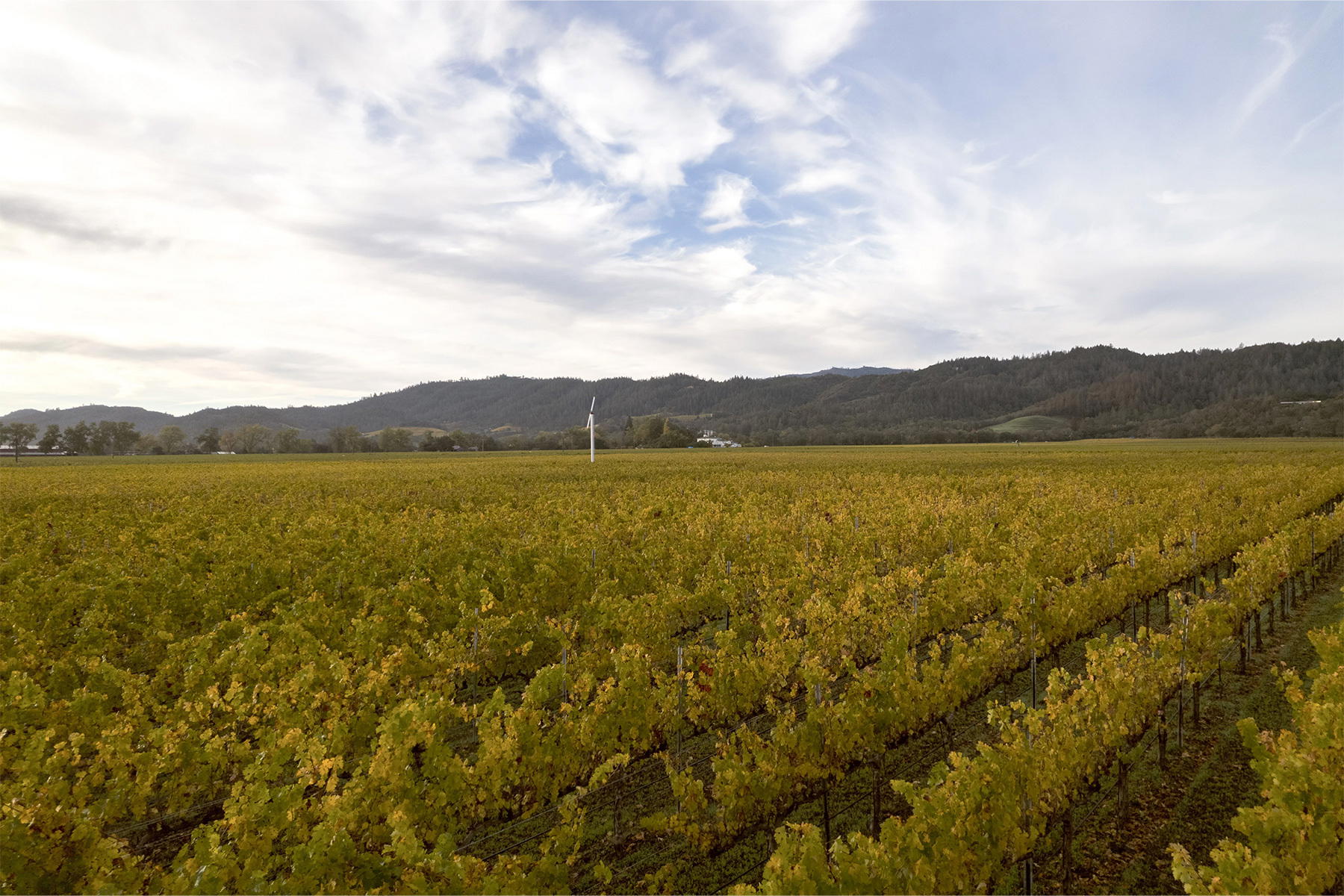
Bars in Napa
Browse all →
Restaurants in Napa
Browse all →
Details
- Elegant
- Sophisticated
- Intimate
- Rustic
- Wine Education
- Special Occasion
- Private Tasting
- Sustainable
- Cabernet Sauvignon
- Chardonnay
- Pinot Noir
- Merlot
- Sauvignon Blanc
- Rosé Of Pinot Noir
- Still Red
- Still White
- Still Rosé
- Flight Tasting
- Seated Tasting
- Private Tasting
Current opening hours
- Monday
- 2–7 PM
- Tuesday
- Closed
- Wednesday
- Closed
- Thursday
- 2–7 PM
- Friday
- 1–9 PM
- Saturday
- 1–9 PM
- Sunday
- 2–7 PM
Hours can change for holidays and private events. Last verified .
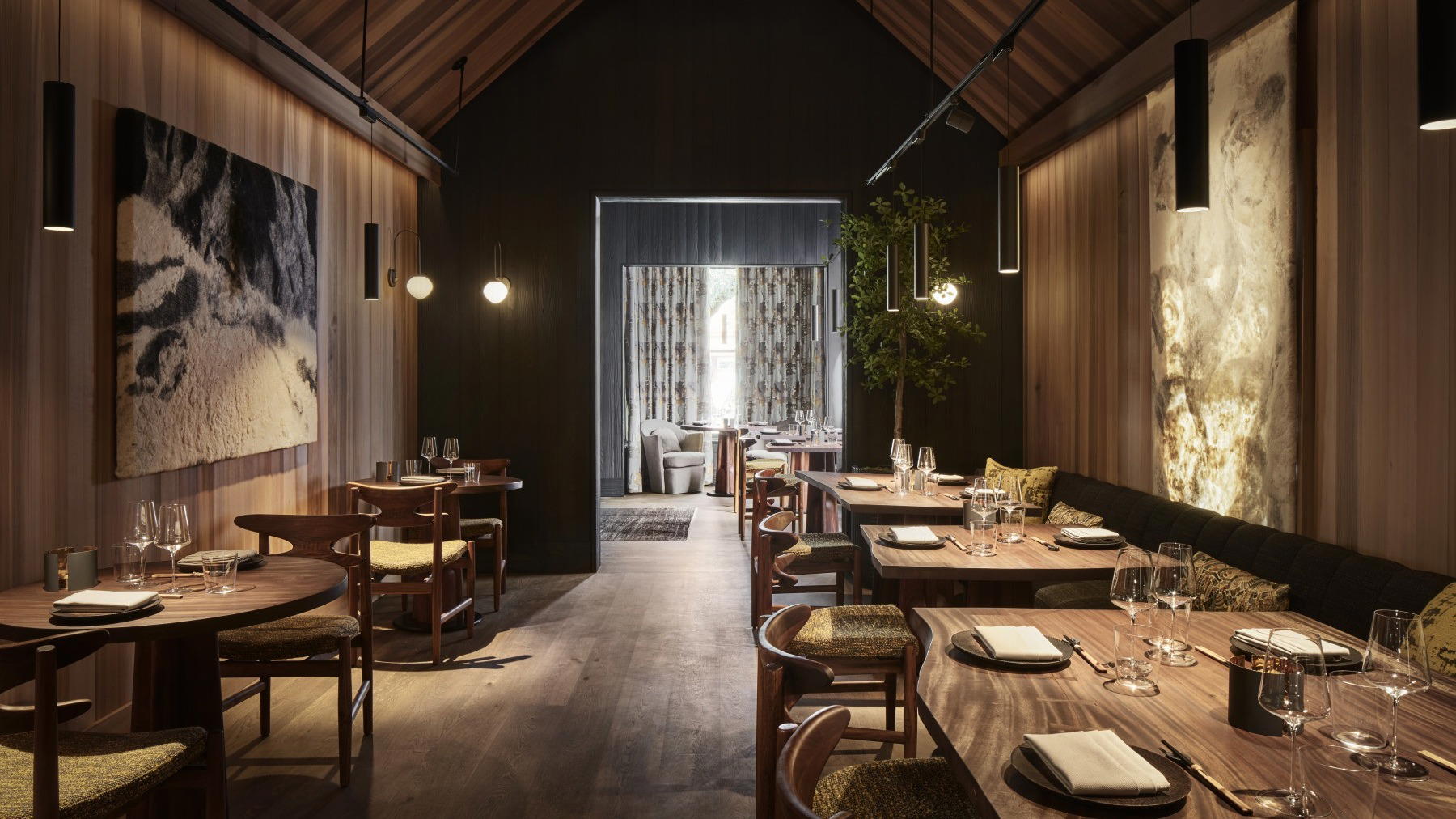
Warm and welcoming urban tasting room featuring live edge wood, a lively bar, and knowledgeable sommeliers, with live music on Friday evenings.