Shafer Vineyards


Falstaff Winery - Listed
Shafer Vineyards has been producing Cabernet Sauvignon from the Stags Leap District since 1978, with winemaker Elías Fernández shaping a program that draws directly from the volcanic, iron-rich soils of Silverado Trail.

Pearl is the En Primeur Club membership app — saves, bookings, and concierge access live there. Same editors, same standards.
- Address
- 6154 Silverado Trail, Napa, CA 94558
- Phone
- (707) 944-2877
- Website
- shafervineyards.com
- Directions
- Get directions
That continuity matters in a district where ownership changes and brand consolidation have reshuffled many long-established estates. Among Stags Leap producers, the combination of single-estate focus and a first vintage predating the AVA's formal designation in 1989 places Shafer in a distinct historical cohort, alongside names like Clos du Val and Chimney Rock Winery, both of which share the district's geological fingerprint and are tracking the same Cabernet-forward identity from different ownership structures.
What the Soils Produce
The editorial case for terroir-driven Napa Cabernet rests on measurable differences between sub-appellations, and the Stags Leap District makes that case more legibly than most. The volcanic tuff and iron-rich clay loam soils in this corridor contribute to earlier phenolic ripeness at lower sugar accumulation compared with benchland or mountain sites further north. That soil composition is not incidental: it shapes what Shafer is able to grow, and how Elías Fernández, the estate's winemaker, chooses to work with what the site produces.
Fernández has held his position at Shafer for a period long enough to constitute institutional knowledge of this specific ground, which is itself a form of terroir intelligence. In a market where winemaker turnover is a genuine disruption risk for estate consistency, the continuity of a single practitioner interpreting the same parcels across multiple decades produces a compounding advantage. The wines read as a function of place, not as a reconstruction of place.
This kind of site-winemaker continuity is comparatively rare in the district. Lewis Cellars and Pine Ridge Vineyards operate on similar geographic ground but with different ownership histories and program evolutions. Quixote Winery occupies the same district with a smaller footprint and a more singular architectural identity. Each of these estates draws on the district's shared geology while expressing it through distinct production philosophies.
In the context of the Stags Leap District, where the density of high-performing Cabernet producers is higher than almost any other Napa sub-region, a Prestige-tier designation functions as a signal of consistent execution rather than novelty. Producers at this level are reviewed against their own historical performance as much as against peers, which means the rating reflects depth of track record, not just current vintage quality.
What these estates share is a sourcing foundation: the Stags Leap palisades and the surrounding valley floor provide the raw material, and the rating infrastructure assesses how consistently that material is realized across vintages.
How the Estate Fits Its Competitive Set
Napa Valley's premium tier has stratified significantly since the 1990s. At the leading sit cult-allocation Cabernets priced above $300 per bottle with multi-year waiting lists. Below them, a mid-premium category occupies the $100 to $250 range, where estate identity, winemaker continuity, and AVA specificity are the primary differentiators. Shafer operates in this mid-premium tier, with a production model that relies on estate fruit and defined appellation character rather than the scarcity mechanics that drive the allocation tier.
That positioning is a deliberate structural choice common to estates with roots in the late 1970s and early 1980s, when Napa's commercial infrastructure favored estate-grown, appellation-labeled wines over multi-source blends. The estates that entered the market during that period and maintained their sourcing discipline have generally built the most coherent brand identities over time. Shafer's 1978 first vintage anchors it in that founding cohort alongside estates whose longevity is itself a form of market signal.
For readers exploring California's wider fine wine geography, the sourcing philosophy that defines Stags Leap Cabernet has regional parallels at estates operating in different appellations. Accendo Cellars in St. Helena works with Napa's benchland geology. Adelaida Vineyards in Paso Robles interprets limestone-dominant soils in the Central Coast context. Adelsheim Vineyard in Newberg demonstrates how volcanic soils shape Pinot Noir in Oregon's Willamette Valley. Alban Vineyards in Arroyo Grande applies a Rhône-varietal frame to California's Central Coast. Alexander Valley Vineyards in Geyserville and Alpha Omega Winery in Rutherford provide further Napa-adjacent reference points for premium Cabernet sourcing.
Beyond California, estate-driven sourcing philosophies operating under entirely different geographic conditions can be found at Andrew Murray Vineyards in Los Olivos, and even across international frameworks at estates like Aberlour in Aberlour and Achaia Clauss in Patras, where local sourcing traditions have shaped production identity across generations. Helena, making this stretch more suited to appointment-based visits than drop-in wine tourism. Visits to Shafer are conducted by appointment, as is standard for estate producers at this tier, and scheduling well in advance is advisable, particularly for weekend slots during harvest season from September through November.
The broader Stags Leap District rewards visitors who concentrate their time in the sub-appellation rather than attempting a cross-valley itinerary. A focused morning on the eastern slope, including time at Shafer alongside neighboring producers, delivers a more coherent appellation education than a dispersed day across multiple Napa sub-regions. For a fuller orientation to dining, accommodations, and wine programming in the area, the EP Club Stags Leap District guide provides neighborhood-level context across all categories.
Where It Fits
Comparable venues nearby, for context on price, style, and recognition.
| Venue | Cuisine | Price | Awards | Notes |
|---|---|---|---|---|
| Shafer VineyardsThis venue — the venue you are viewing | Cabernet Sauvignon, Merlot | $50–100 | Falstaff Winery - Listed | Not listed |
| Truchard Vineyards | Pinot Noir, Chardonnay | Not listed | Falstaff Winery - Listed | Carneros |
| Saintsbury | Pinot Noir, Chardonnay | Not listed | Not listed | Carneros |
| Paraduxx Winery | Zinfandel, Cabernet Sauvignon | $50–100 | Not listed | Silverado Trail |
| Stags' Leap Winery | Petite Sirah, Cabernet Sauvignon | $150–200 | Not listed | Stags Leap District |
| Antica Napa Valley | Cabernet Sauvignon, Cabernet Franc | $30–50 | Falstaff Winery - Listed | Atlas Peak |
Recognition history
Dated appearances from independent guides and award organizations, with the underlying list record or original source where available.
James Beard Award Outstanding Wine & Spirits Professional
James Beard Award
Falstaff Winery - Listed
Falstaff
Continue exploring
More in Napa
Wineries in Napa
Browse all →
Bars in Napa
Browse all →

Restaurants in Napa
Browse all →

Details
- Classic
- Scenic
- Elegant
- Well Known
- Wine Education
- Romantic Getaway
- Special Occasion
- Cave Tasting
- Vineyard Tour
- Estate Grounds
- Panoramic View
- Historic Building
- Sustainable
- Vineyard
- Mountain
- Cabernet Sauvignon
- Merlot
- Cabernet Franc
- Petit Verdot
- Malbec
- Still Red
- Estate Tasting
- Hillside Vineyard Tour
- English
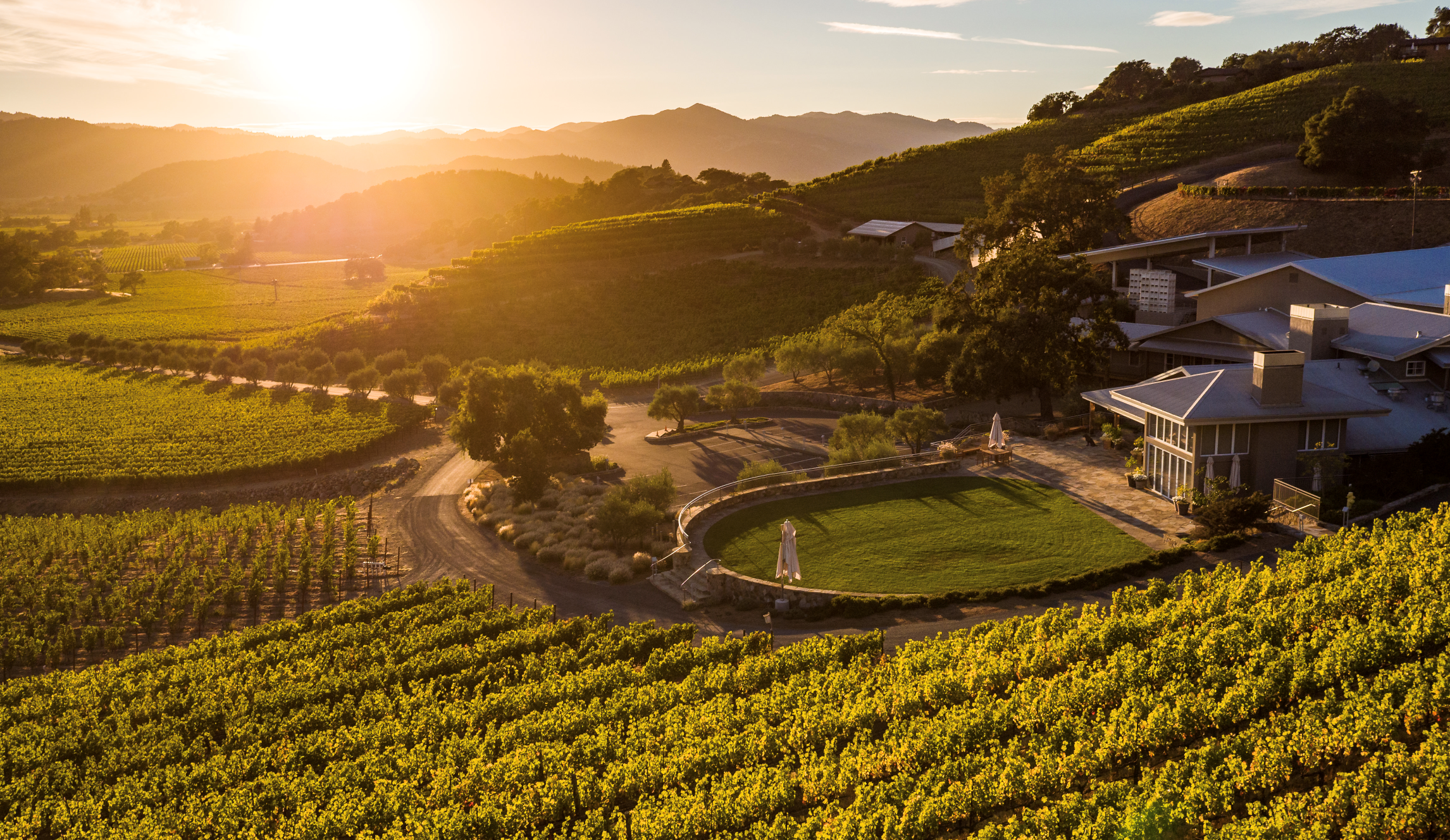
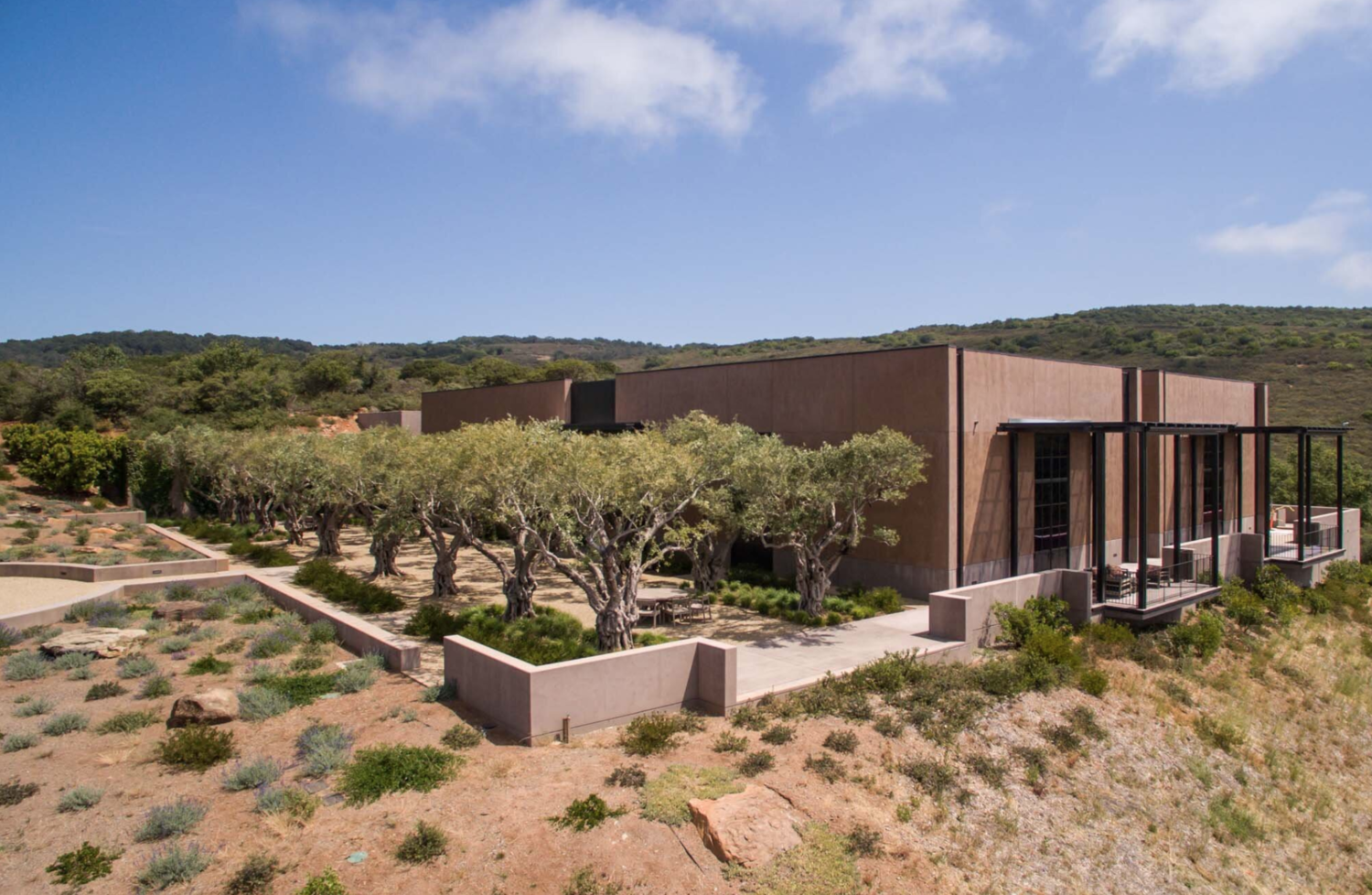
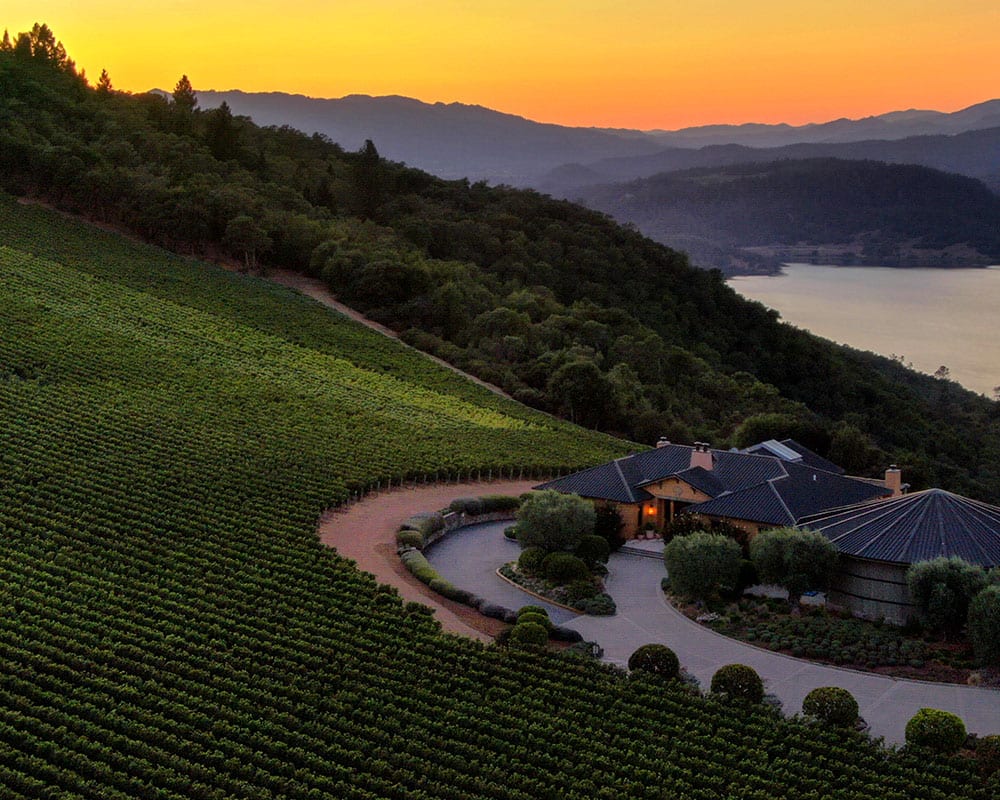
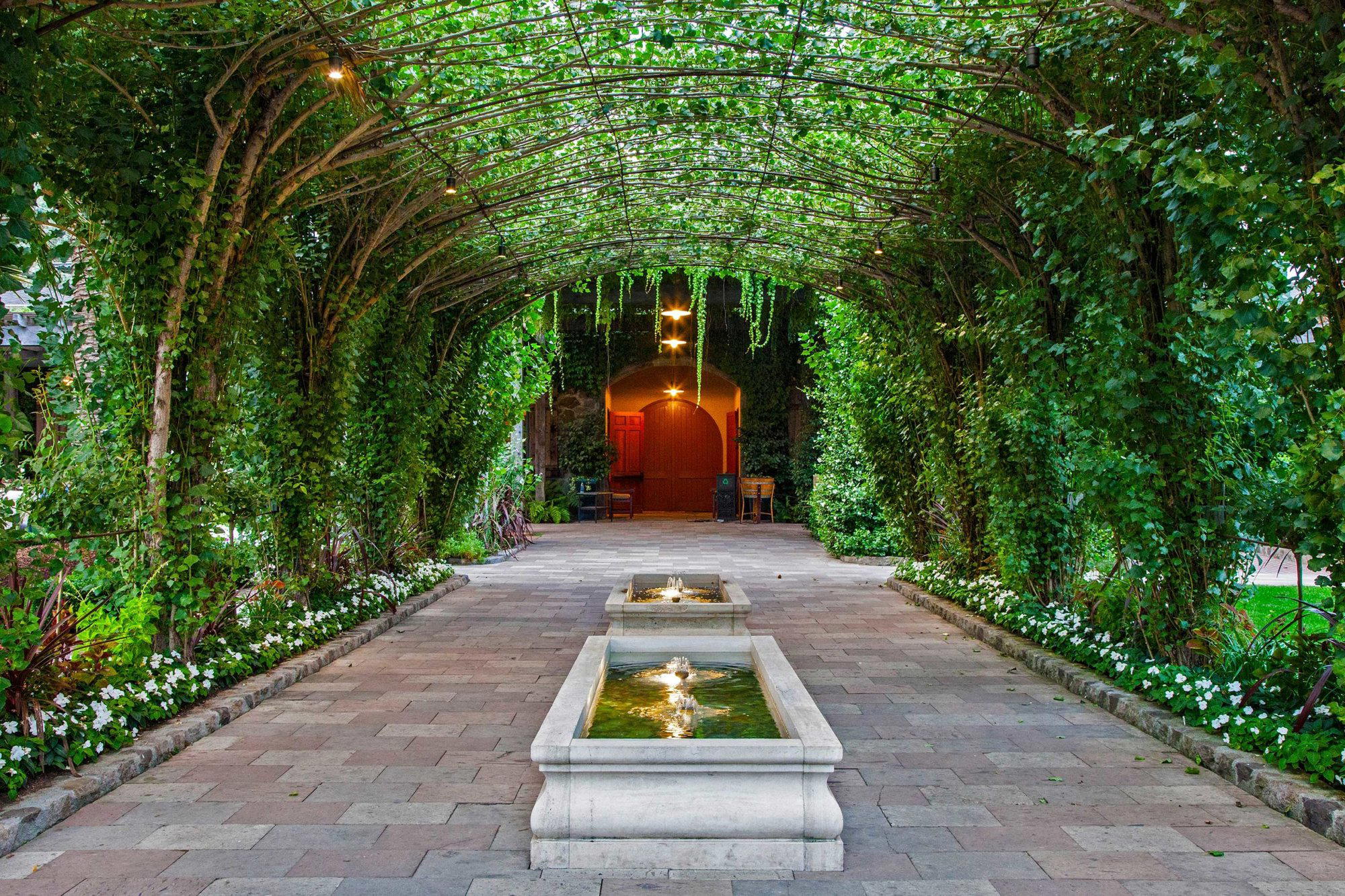
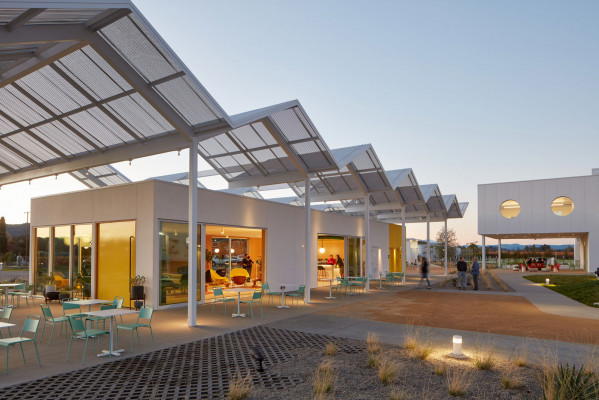
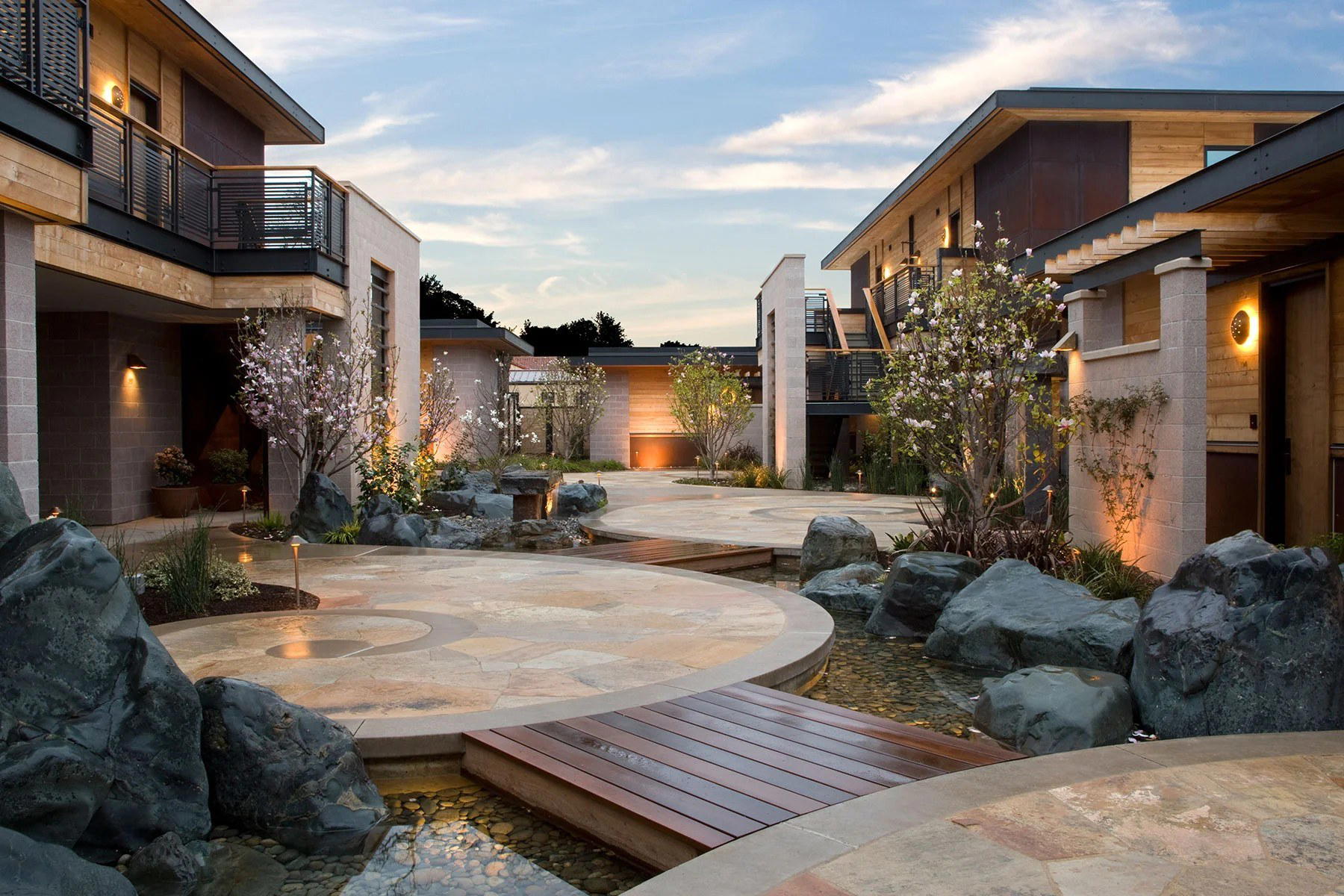
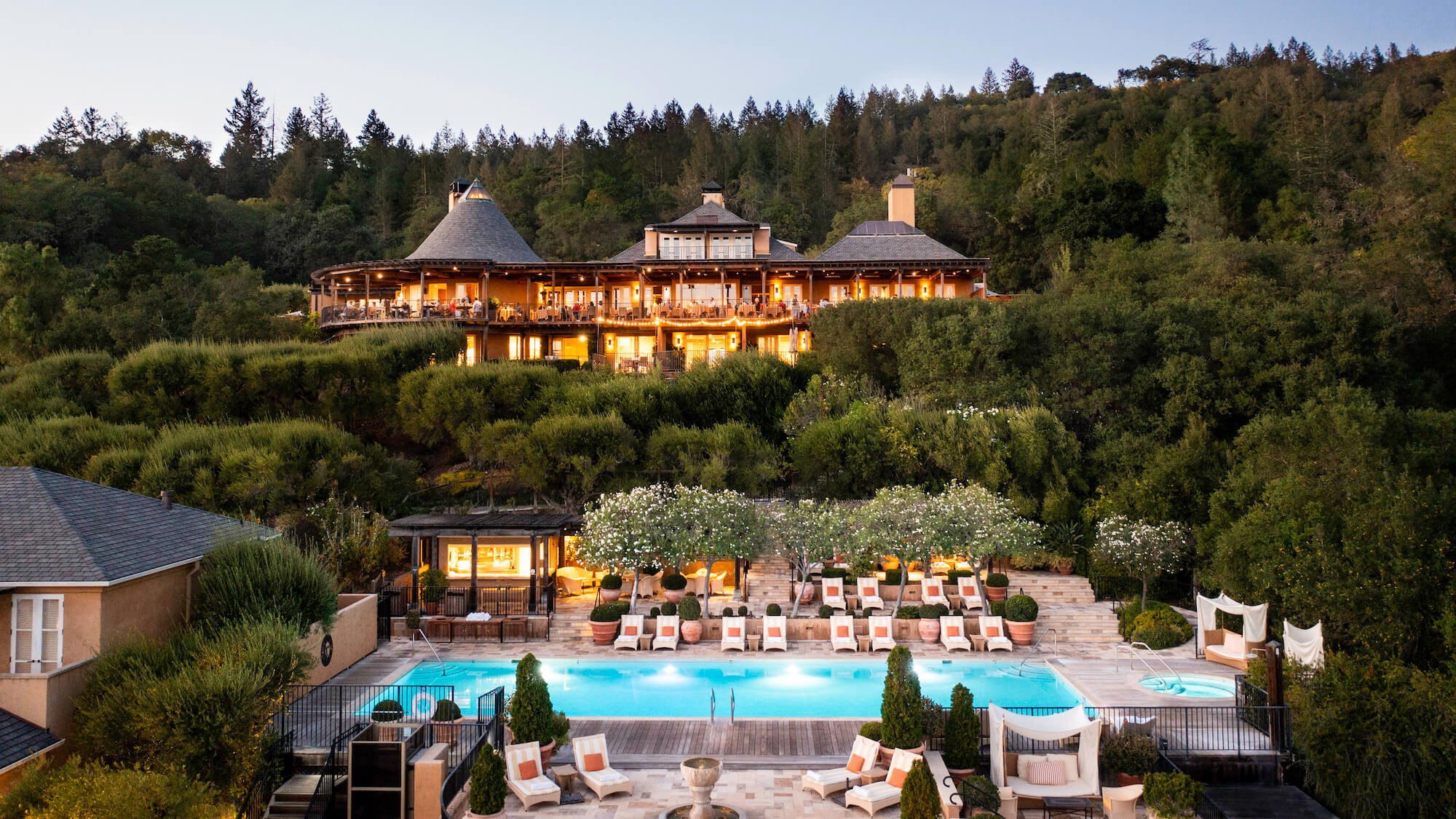
Refined and contemplative atmosphere set within an amphitheater-like structure of dry, rugged hillsides with natural sunlight filtering through the winery's modern facilities.