Alban Vineyards

Alban Vineyards, operating since its first vintage in 1989, is one of California's foundational Rhône-variety producers, working from Arroyo Grande in San Luis Obispo County. Winemaker John Alban built an early reputation for Viognier and Syrah in a region where those varieties were barely planted.
Pearl is the En Primeur Club membership app — saves, bookings, and concierge access live there. Same editors, same standards.
- Address
- 8575 Orcutt Rd, Arroyo Grande, CA 93420
- Phone
- +1 805-546-0305
- Website
- albanvineyards.com
- Directions
- Get directions
 Saves & bookings on Pearl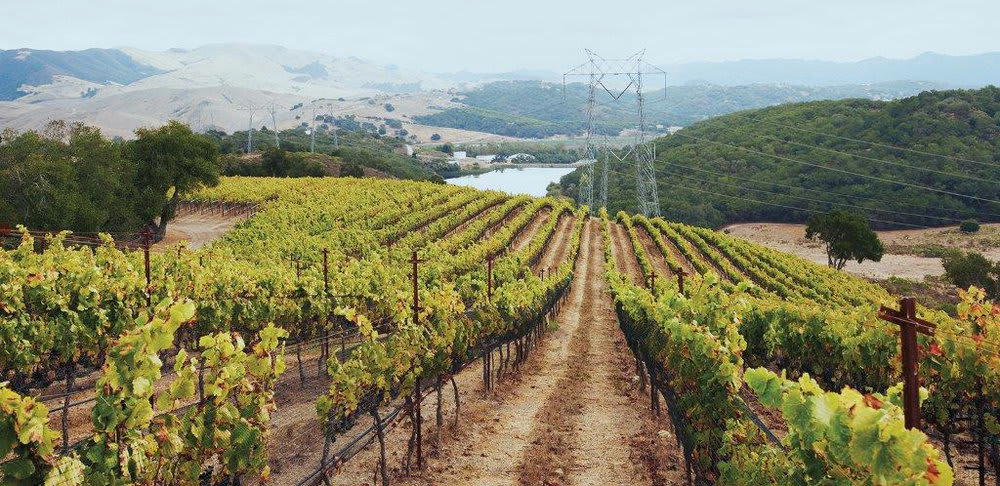
Where the Central Coast Commits to Rhône
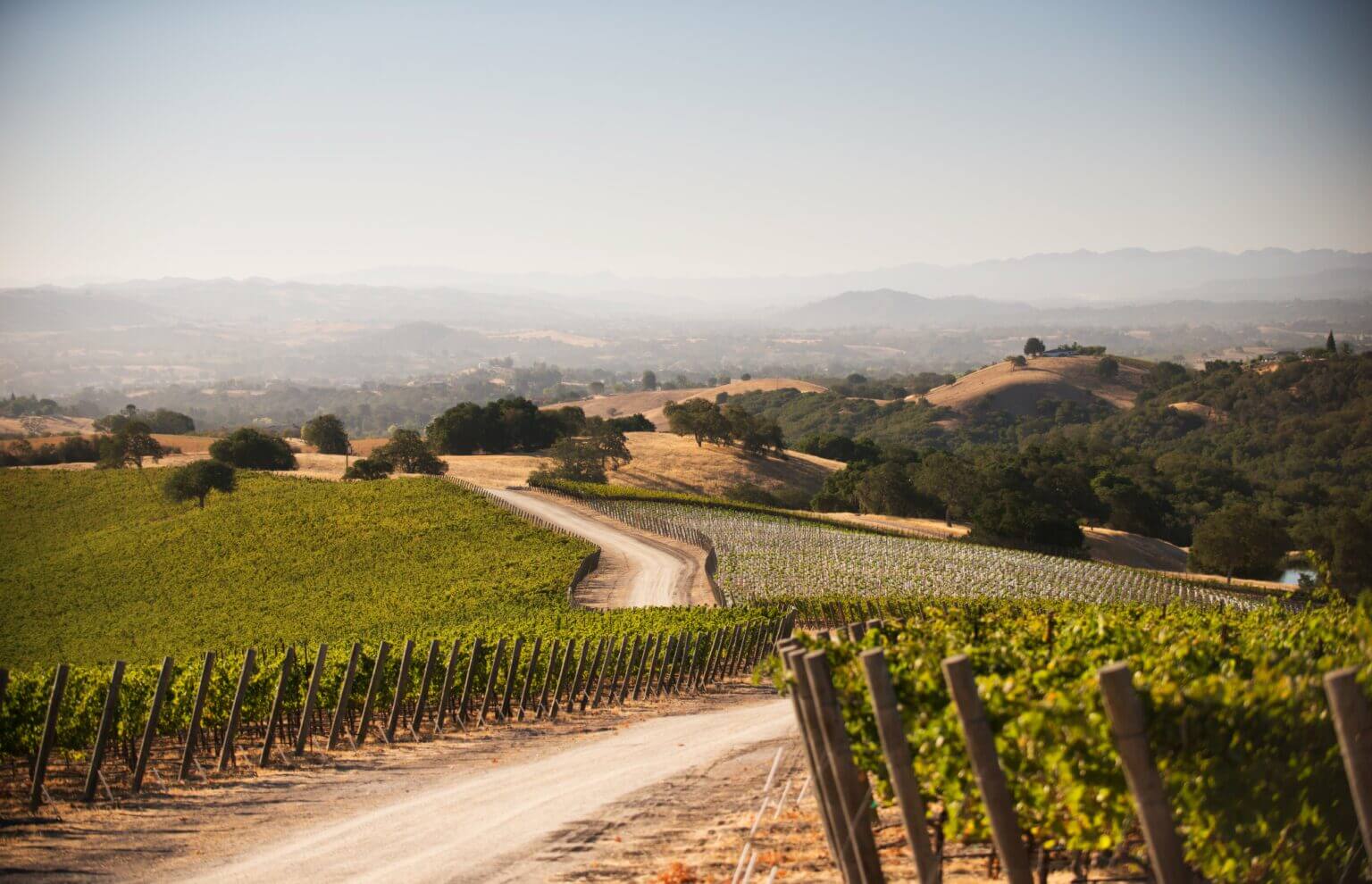
The Central Coast of California has long operated in the shadow of Napa's Cabernet dominance, but a distinct counter-tradition has existed here since the late 1980s, one built on Rhône varieties, on the argument that Syrah and Viognier could find a serious home outside their French origin. Arroyo Grande, a sub-appellation within San Luis Obispo County, sits far enough south of the Salinas Valley and close enough to the Pacific that marine influence shapes the growing season in ways the region's cooler-climate advocates have pressed into service for decades. Alban Vineyards, with its first vintage dating to 1989, is one of the foundational expressions of that argument.
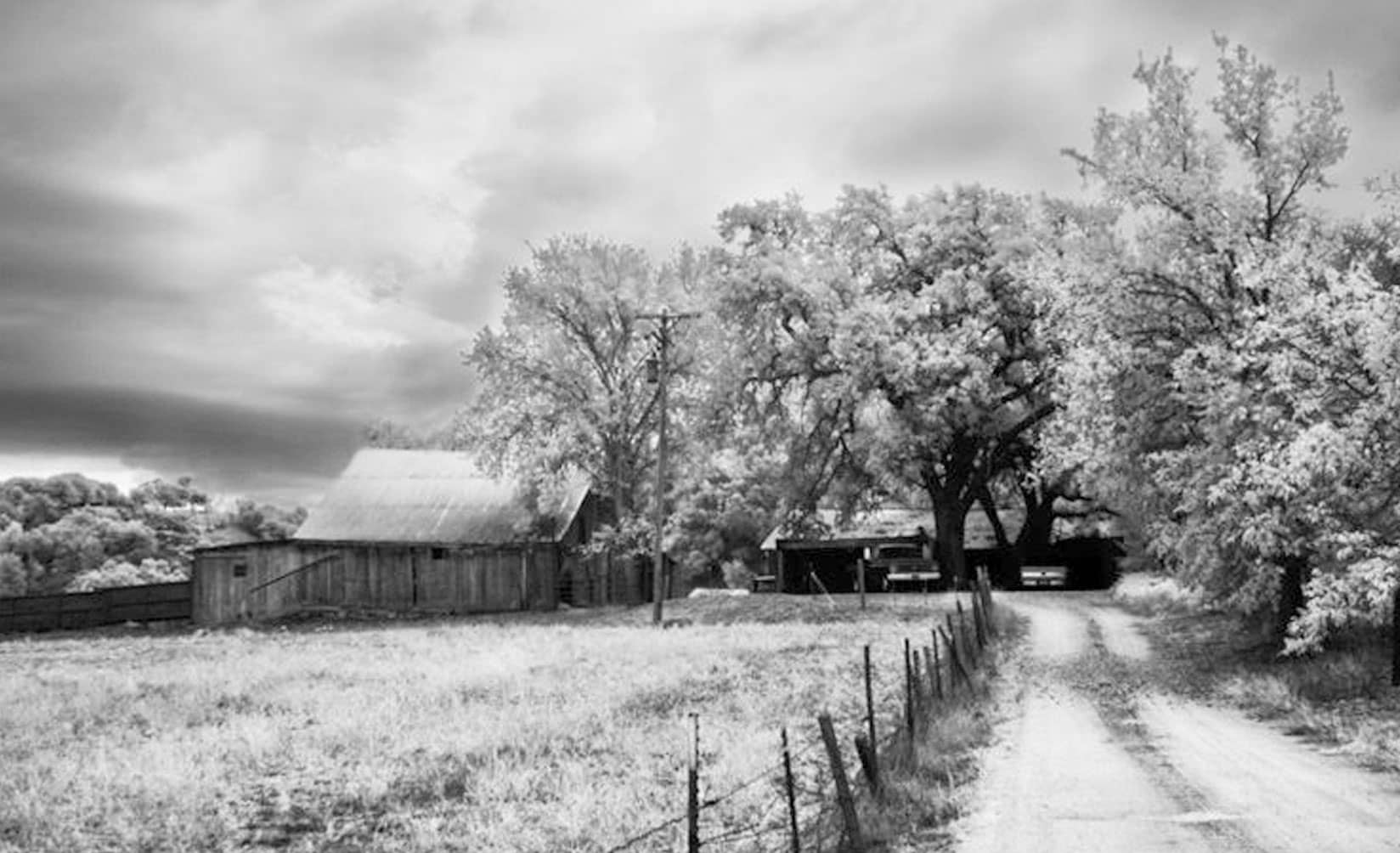
The property on Orcutt Road is farm-working land in the true sense, no manicured visitor courtyard designed for Instagram. Approaching it, you get the impression of a working agricultural operation before a hospitality one, which tells you something meaningful about where John Alban's priorities have consistently sat. The Central Coast's serious wine culture has generally tolerated, even rewarded, that attitude: producers who treat the vineyard as the story tend to earn more lasting recognition than those who invest in the tasting room experience first.
The Terroir Case for Arroyo Grande
California's Rhône-variety producers cluster in a few key zones: the Santa Ynez Valley, Paso Robles, and Arroyo Grande. Each offers a different climate signature. Paso Robles, where producers like Adelaida Vineyards work, runs warmer and has expanded dramatically in planted acreage over the past two decades. Santa Ynez's Ballard Canyon has become a recognised Syrah sub-appellation. Arroyo Grande sits cooler than both, and that coolness is the central argument Alban Vineyards makes through its wines.
San Luis Obispo County's coastal influence means diurnal temperature swings that can exceed 50 degrees Fahrenheit on a summer day, warm enough to ripen Syrah's dense fruit, cool enough overnight to retain the acidity that keeps those wines from reading as simple or overripe. This climate signature is what separates serious Central Coast Syrah from the over-extracted versions that gave California Syrah a complicated critical reputation in the early 2000s. When Andrew Murray Vineyards in Los Olivos and others were building the case for California Rhône varieties alongside Alban, the shared argument was always terroir-driven: these coastal and near-coastal sites could produce wines of tension rather than weight.
Viognier, the white Rhône variety most associated with Alban's earliest work, is particularly unforgiving of warm, low-acid conditions. It tends toward flatness and excess alcohol when picked late in warm sites. In Arroyo Grande's cooler envelope, it retains the floral aromatic intensity the variety is known for in Condrieu, stone fruit and white flower, while holding enough freshness to make it worth serious consideration at the table. That balance is not automatic anywhere in California, which is partly why Alban's track record with the variety carries weight in the category.
A 1989 Starting Point and What It Means
The 1989 first vintage matters as a data point beyond mere longevity. California's Rhône Ranger movement, producers committing to Syrah, Viognier, Grenache, and related varieties, was still taking shape in the late 1980s. Alban Vineyards belongs to the founding cohort of that movement, which means its winemaking decisions over more than three decades have contributed to defining what serious California Rhône production looks like, rather than simply following a template established by others.
For comparative context: Au Bon Climat in Santa Barbara was building its Pinot Noir and Chardonnay reputation through the same era, demonstrating that the Central Coast could produce wines of structural integrity rather than fruit-forward simplicity. These parallel projects, operating in relative proximity and sharing a commitment to European-facing styles, helped position the Central Coast as California's most credible alternative to Napa's Cabernet-driven orthodoxy.
Within the broader California premium tier, Alban sits in a specific comparable set: allocation-based producers, typically operating with limited volume, whose reputations rest on vineyard specificity and long critical track records rather than on aggressive distribution. Compare this to large-footprint operations like Artesa Vineyards in Napa, where visitor infrastructure and production scale serve a different commercial logic. Alban's approach is closer in spirit to producers like Aubert Wines in Calistoga, where the focus narrows to specific sites and specific varieties, with everything else secondary.
At this level, the rating reflects a pattern of consistent quality and category significance, not a single strong vintage. For producers working with Rhône varieties in California, a smaller, more specialist market than Napa Cabernet or even Sonoma Pinot Noir, that kind of sustained recognition carries particular weight, because the category has fewer producers competing for critical attention and the bar for standing out is consequently higher.
Other producers in the Prestige tier across California, including Accendo Cellars in St. Helena and Alpha Omega Winery in Rutherford, operate in different variety categories but share the common characteristic of limited-production, site-specific work that earns placement in allocation lists rather than retail channels. Alban represents the benchmark against which other serious producers in the area are reasonably measured.
Accessing the Wines
Producers at Alban's tier and recognition level typically operate on a mailing list or allocation model. First-time access usually requires joining a waiting list or reaching out directly to the winery at the Orcutt Road address to inquire about current availability. Visiting the property is not structured around a walk-in tasting room experience, this is consistent with the working-farm character of the operation described above. Anyone planning a broader Central Coast wine itinerary would do well to combine a visit to Arroyo Grande with Paso Robles producers like Adelaida Vineyards or venture north toward Adelsheim Vineyard in Oregon for a full picture of Pacific Coast cool-climate production.
Other producers worth understanding alongside Alban include Babcock Winery in Lompoc, Alexander Valley Vineyards in Geyserville, and B.R. Cohn Winery in Glen Ellen, each working in different California sub-regions and variety profiles, but sharing the common thread of estate-focused production with long histories. For a wider global perspective on prestige-tier winemaking, Barboursville Vineyards in Virginia and Achaia Clauss in Patras offer useful contrasts in how terroir-driven ambitions play out in entirely different continental contexts. Even single-malt producers like Aberlour in Speyside draw on parallel logic: site specificity, long production history, and the conviction that place expresses itself in what ends up in the bottle.
In Context: Similar Options
Comparable venues nearby, for context on price, style, and recognition.
| Venue | Cuisine | Price | Notes |
|---|---|---|---|
| Alban VineyardsThis venue — the venue you are viewing | Syrah, Viognier | $$$$ | Not listed |
| Sea Smoke | Pinot Noir, Chardonnay | $$$$ | Sta. Rita Hills |
| L'Aventure Winery | Syrah, Grenache | $$$ | Paso Robles Willow Creek District |
| Epoch Estate Wines | Grenache, Syrah | $$$ | York Mountain |
| Harper’s Rest | Pinot Noir, Chardonnay | $$$ | Middle Reach |
| Villa San-Juliette Winery | Grenache, Malbec | $$$ | Paso Robles wine country |
Recognition history
Dated appearances from independent guides and award organizations, with the underlying list record or original source where available.
Falstaff Winery - Listed
Falstaff
Continue exploring
More in Arroyo Grande
Wineries in Arroyo Grande
Browse all →
Bars in Arroyo Grande
Browse all →
Restaurants in Arroyo Grande
Browse all →


At a Glance
- Elegant
- Sophisticated
- Rustic
- Intimate
- Well Known
- Wine Education
- Special Occasion
- Solo Exploration
- Vineyard Tour
- Estate Grounds
- Vineyard
- Edna Valley AVA
- Syrah
- Viognier
- Roussanne
- Grenache Noir
- Still White
- Still Red
- Private Tasting
Elegant and sophisticated with a rustic winery setting amid scenic vineyards.