The Estate Yountville


A 22-acre compound on Washington Street in downtown Yountville, The Estate operates two distinct luxury hotels on a single property: the social Hotel Villagio and the quieter Vintage House. Set in the heart of Napa Valley's most restaurant-dense village, it functions as a self-contained Wine Country retreat within walking distance of some of California's most decorated dining rooms.
Pearl is the En Primeur Club membership app — saves, bookings, and concierge access live there. Same editors, same standards.
- Address
- 6481 Washington St
- Phone
- +17079448877
- Directions
- Get directions
 Saves & bookings on Pearl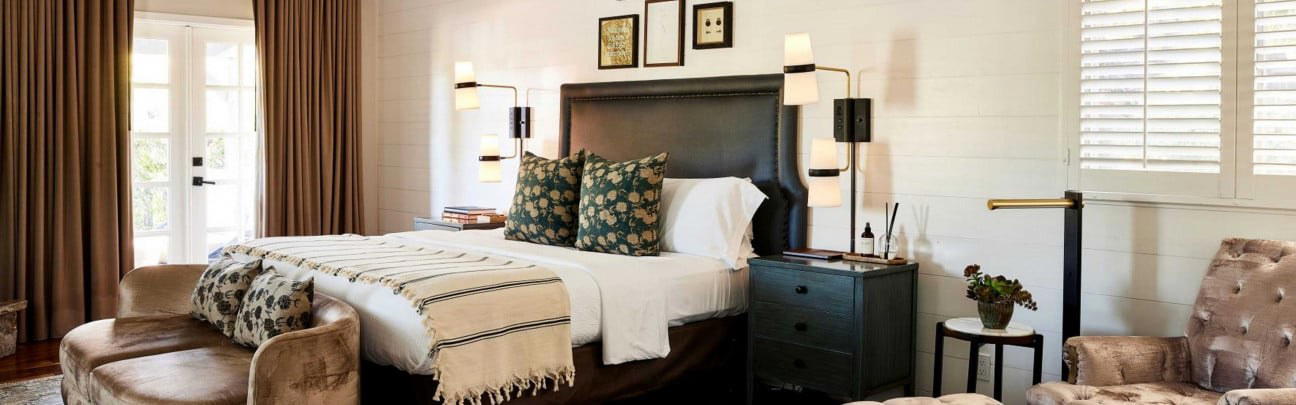
Where Napa Valley Concentrates Into a Single Address
The Estate Yountville is a 5-star hotel at 6481 Washington St in Yountville, with 191 rooms and a recommended reservation policy. Thomas Keller's French Laundry sits a short walk away. Bottega, Bouchon, and a cluster of tasting rooms occupy the same corridor. Against that backdrop, The Estate Yountville does something that few properties in the region have attempted at scale: it consolidates two distinct hotel personalities, shared grounds, and the full infrastructure of a wine-country retreat onto 22 acres without either property swallowing the other.
The address on Washington Street places guests within easy reach of Yountville's restaurant row while remaining set back enough to feel like a self-contained compound. That combination, proximity to the village without immersion in its foot traffic, is the core asset here. For travellers who want to walk to a Michelin-starred dinner and return to something that feels more like a private estate than a corridor hotel, the location does most of the work before you've unpacked.
Two Properties, One Terrain
Napa Valley's premium lodging market spans hillside retreats and village-scale inns. At one end sit hillside retreats with dramatic elevation, commanding views, and deliberate remoteness, properties like Auberge du Soleil in Napa, where the view is part of the price of admission. At the other end are intimate, village-scale inns, Maison Fleurie, A Four Sisters Inn being a representative example, where the charm is in the small scale and the innkeeper relationship. The Estate Yountville sits across both categories at once by operating two hotels on the same campus: Hotel Villagio, positioned as the sociable, event-friendly option, and Vintage House at The Estate Yountville, which angles toward quieter, more sanctuary-led guests.
The dual-hotel model is relatively uncommon in the region and solves a genuine problem for group travel. Couples or solo travellers who want calm can book Vintage House while the larger wedding party or corporate group occupying Hotel Villagio shares the same pool and grounds infrastructure without disturbing the quieter cohort. Whether that separation holds in practice depends on occupancy and season, but the structural intent is legible in how the two buildings are positioned on the 22-acre site.
For comparison, properties like Hotel Yountville keep the single-personality approach: one brand, one atmosphere, a more curated guest profile. The Estate's decision to run two complementary identities under one campus is a deliberate departure from that model, and it works precisely because the acreage is large enough to absorb the contrast.
The 22 Acres as Argument
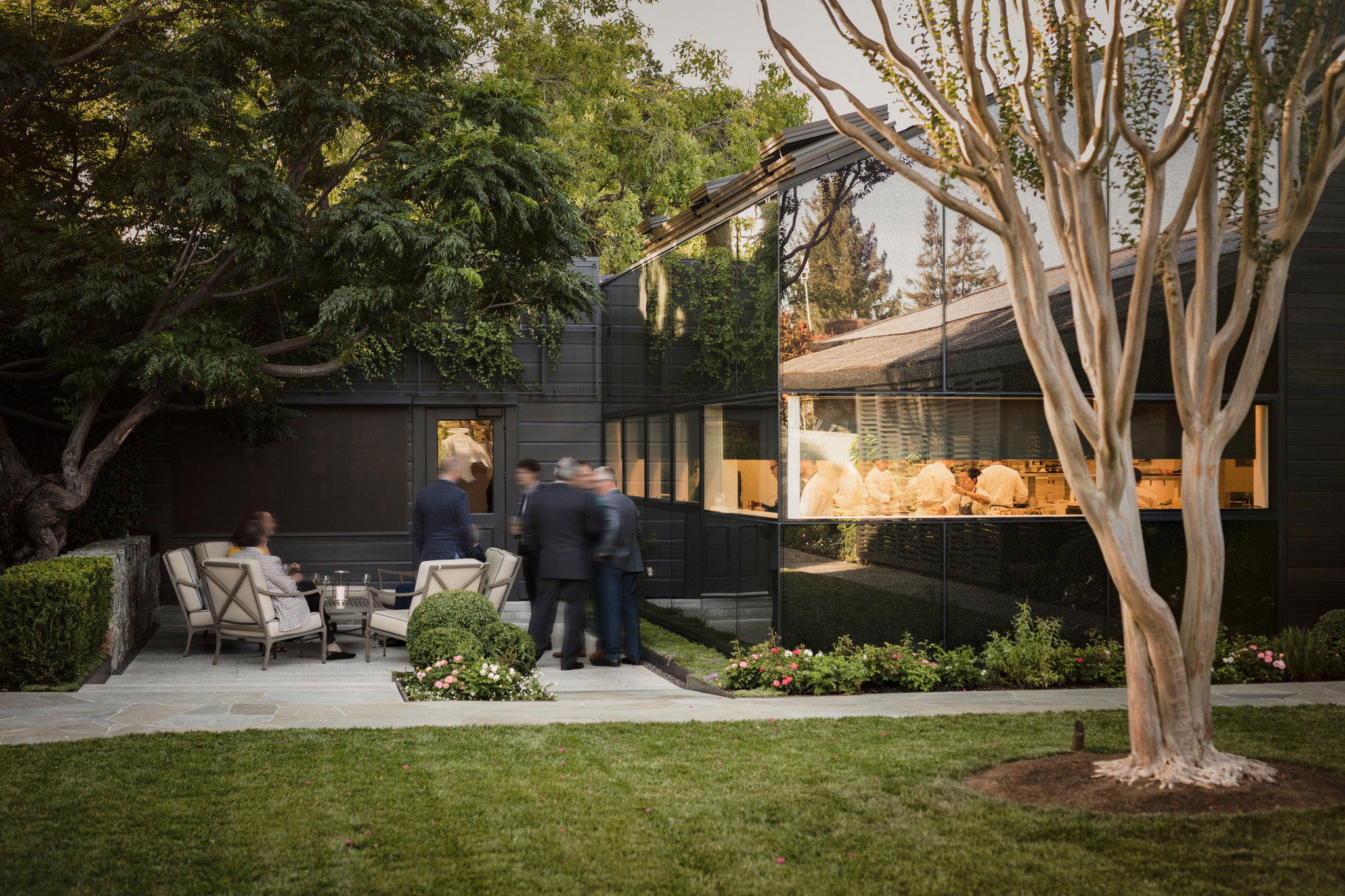
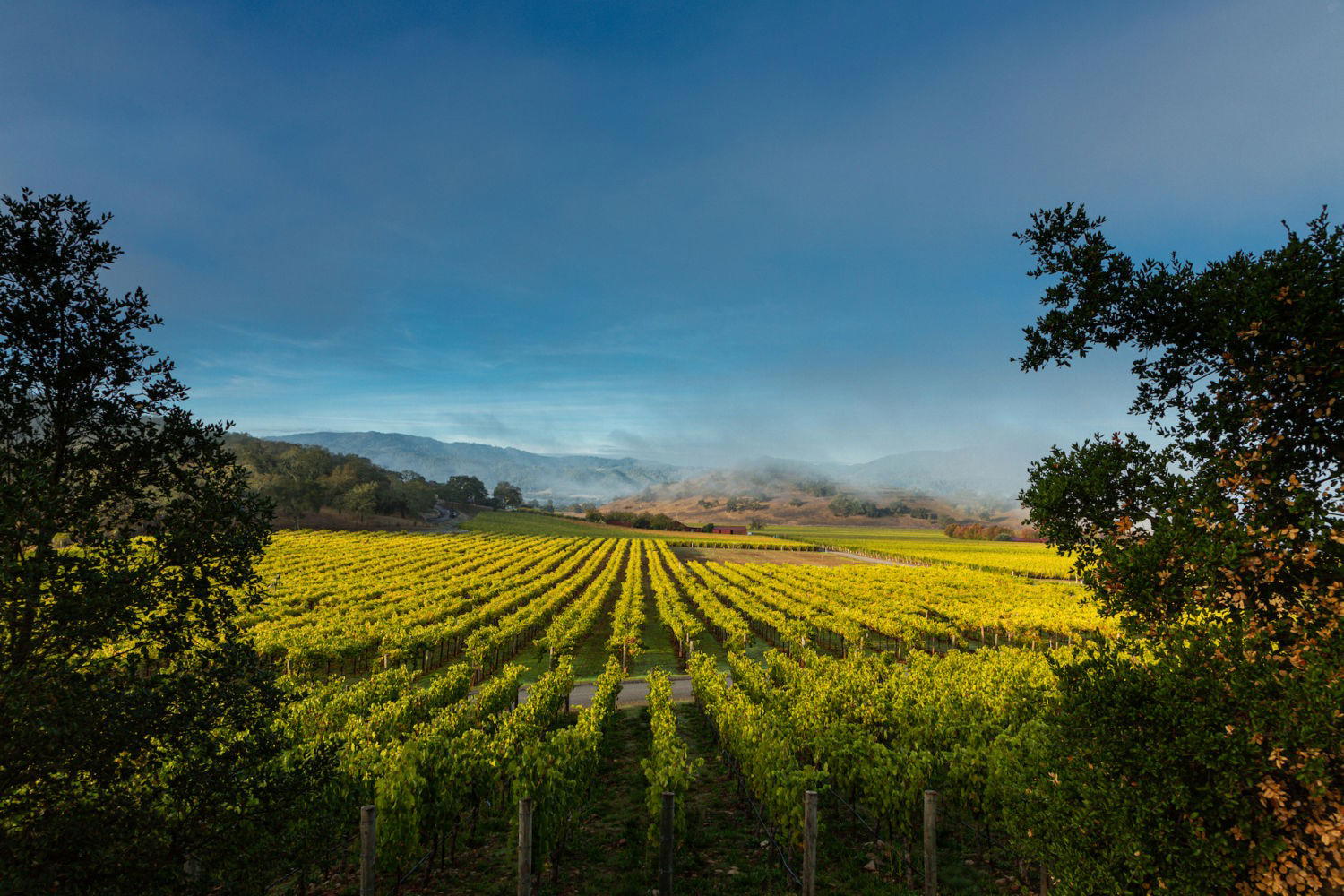
In a town where land is expensive and most properties occupy compact footprints, 22 acres in Yountville is a substantial holding. The scale enables programming and amenity layering that smaller properties cannot replicate. Shared gardens, multiple pool areas, and event spaces give guests a circulation path that doesn't require leaving the property, which matters on cooler Napa evenings when the appeal of staying put is real.
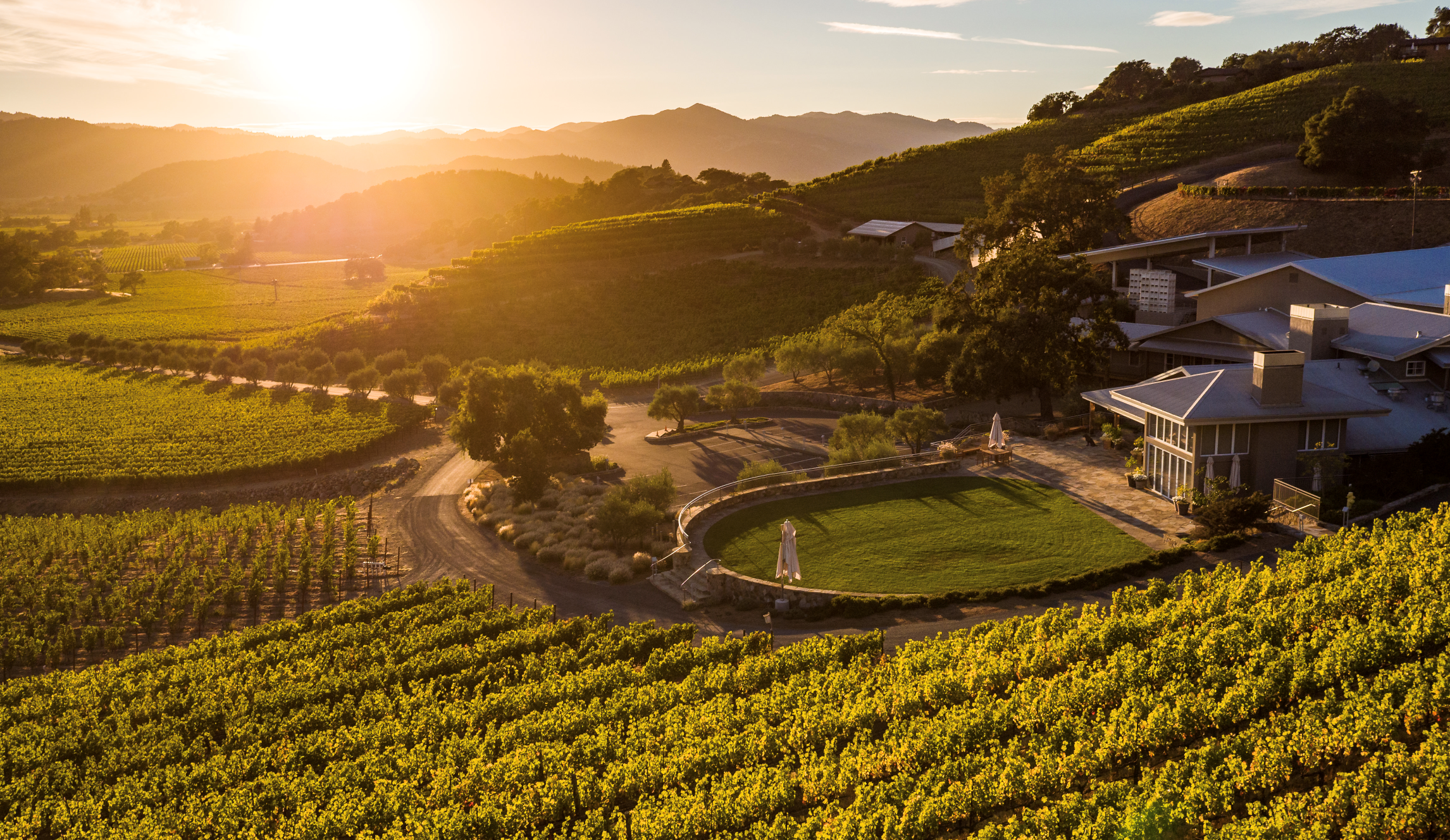
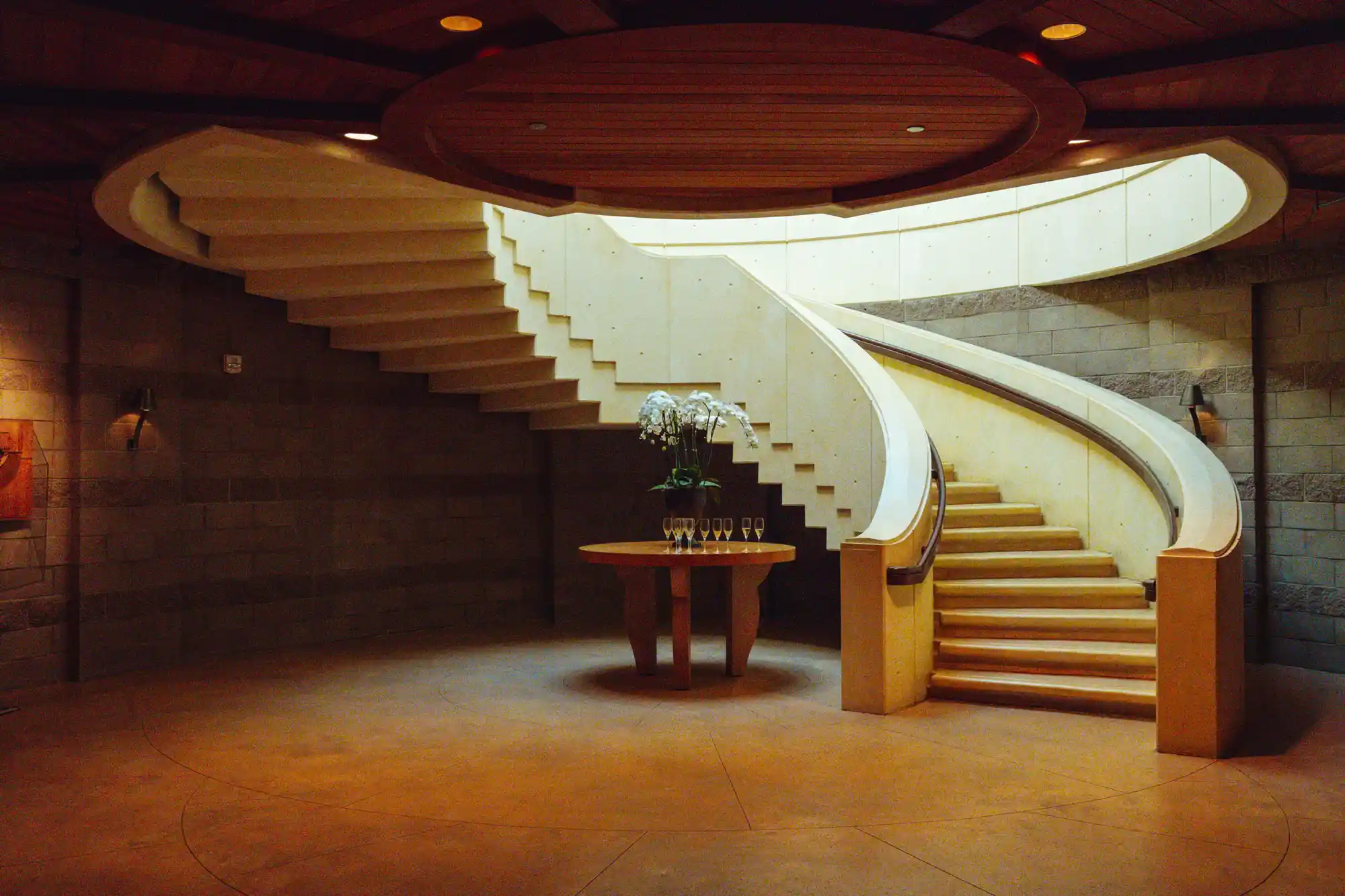
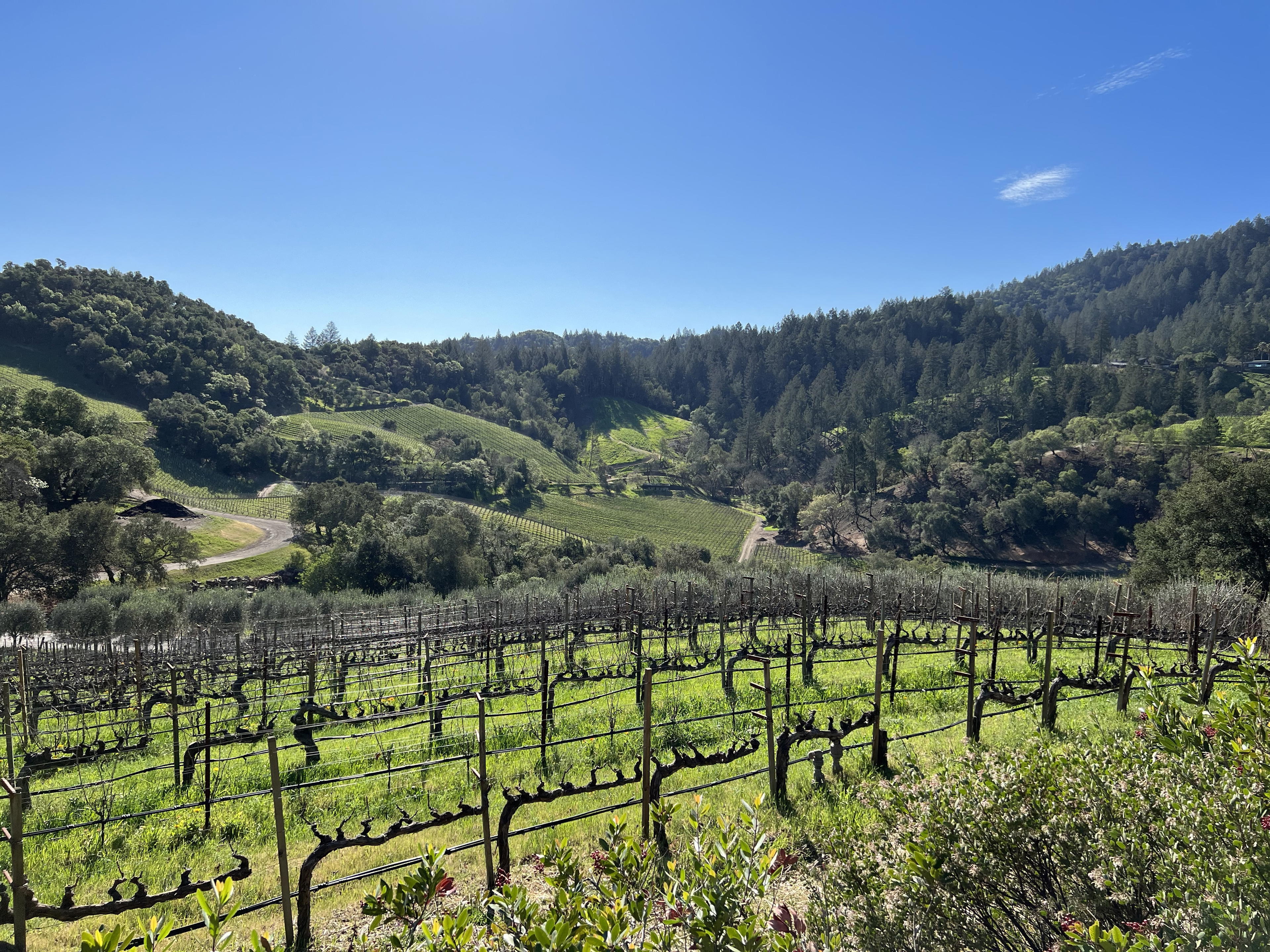
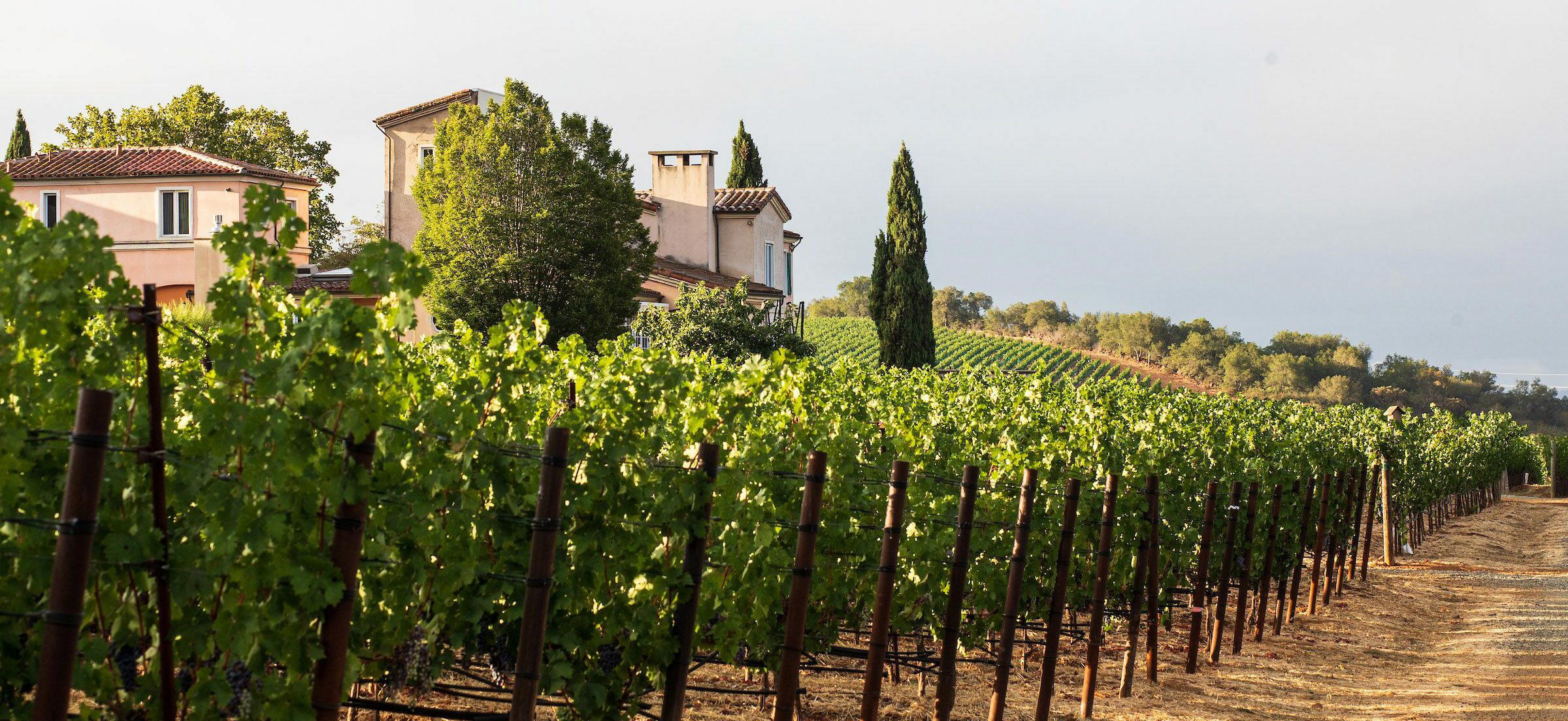
Wine-country resort design in this price tier has increasingly converged on a specific aesthetic: reclaimed wood, fieldstone, vine-draped trellises, and low-light hospitality spaces that gesture toward the agrarian without actually being agricultural. The Estate follows that regional grammar closely. The honest read is that this is a resort that takes its vineyard-adjacent setting seriously as a design framework, even if the 22 acres contain more hospitality infrastructure than productive viticulture.
The comparison point worth making is against campus-style luxury properties elsewhere in the American West. Amangiri in Canyon Point and Post Ranch Inn in Big Sur also use significant land to create a sense of remove from the outside world. What distinguishes The Estate is that it leans into village adjacency rather than away from it. The 22 acres don't isolate you from Yountville; they give you a base from which the village becomes an extension of the property rather than a distraction from it.
The Yountville Context
Yountville runs roughly a mile and a half end to end, and the village's concentration of serious restaurants per capita is, by most accounts, unusually high for a town of its size. The Estate's Washington Street address puts most of those restaurants within a 10-minute walk. That matters more than it might in a larger city because Napa Valley evenings tend to involve extended dinner hours, and returning to a hotel on foot after a long tasting menu is a different proposition than summoning a car.
Napa Valley wine tourism has shifted in recent years toward longer stays and more structured itineraries. Tasting room appointments, vineyard tours, and restaurant reservations often book weeks or months ahead, particularly during harvest season from late August through October, which remains the highest-demand window. The Estate's positioning as a multi-day destination with its own on-campus programming fits that longer-stay pattern more naturally than a single-night stopover property would.
Travellers arriving from San Francisco typically drive north on Highway 29 or the Silverado Trail. The Estate's Washington Street location puts it near the centre of Yountville, avoiding the longer drives required to reach more remote valley properties. For guests planning multiple winery visits across several days, that central positioning reduces transit time between appointments.
Where The Estate Sits in the Broader Picture
Across the wider American luxury hotel spectrum, the campus-scale wine-country property occupies a specific niche. It shares DNA with properties like SingleThread Farm Inn in Healdsburg, which also uses a wine-country agricultural framework to structure the guest experience, though SingleThread's model is far more intimate and farm-to-table specific. The Estate's scale pushes it closer to resort territory, with the attendant amenities and event infrastructure that implies.
The resort category in American luxury travel has its own geography of reference points. Canyon Ranch Tucson in Tucson and Four Seasons at The Surf Club in Surfside both operate within the large-footprint, full-amenity model that The Estate approximates, though each in a different regional and programmatic register. What makes The Estate's version distinct is the wine-country frame: guests come with a set of activities, wineries, restaurants, and tastings, that exist almost entirely outside the property and that the property's location is specifically designed to support.
For guests weighing design-led smaller properties against The Estate's campus model, comparisons to Troutbeck in Amenia or Ambiente, A Landscape Hotel in Sedona are useful: both offer considered design in a non-urban setting with strong regional character, but at a smaller scale and without the dual-hotel structure that gives The Estate its programmatic range.
Planning Your Stay
Guests choosing between Hotel Villagio and Vintage House on the same campus should consider the nature of their trip: Villagio's social orientation suits groups and guests who want a livelier common atmosphere, while Vintage House is the quieter pairing for couples or travellers seeking a more relaxed experience.
Compact Comparison
Comparable venues nearby, for context on price, style, and recognition.
| Venue | Price | Notes |
|---|---|---|
| The Estate YountvilleThis venue — the venue you are viewing | $$$$ | Not listed |
| Vintage House at The Estate Yountville | $$$$ | Yountville, Modern farmhouse-style bungalows channeling California wine country charm on a lush 22-acre estate. |
| Maison Fleurie, A Four Sisters Inn | $$$ | Yountville, Charming French-country inn blending historic details with modern luxury |
| Hotel Yountville | $$$$ | Yountville, Vineyard estate-inspired luxury retreat blending Wine Country elegance with Tuscan-European sophistication. |
| Lavender, A Four Sisters Inn | $$$ | Yountville, Historic farmhouse inn with modern boutique luxuries |
| The Estate Yountville | $$$$ | Yountville, Luxury wine country resort with two boutique hotels and private villa |
Recognition history
Dated appearances from independent guides and award organizations, with the underlying list record or original source where available.
Mr & Mrs Smith Smith Seal of Approval
Mr & Mrs Smith
Virtuoso Luxury Hotel Partner
Virtuoso
Michelin Selected
Michelin
Continue exploring
More in Yountville
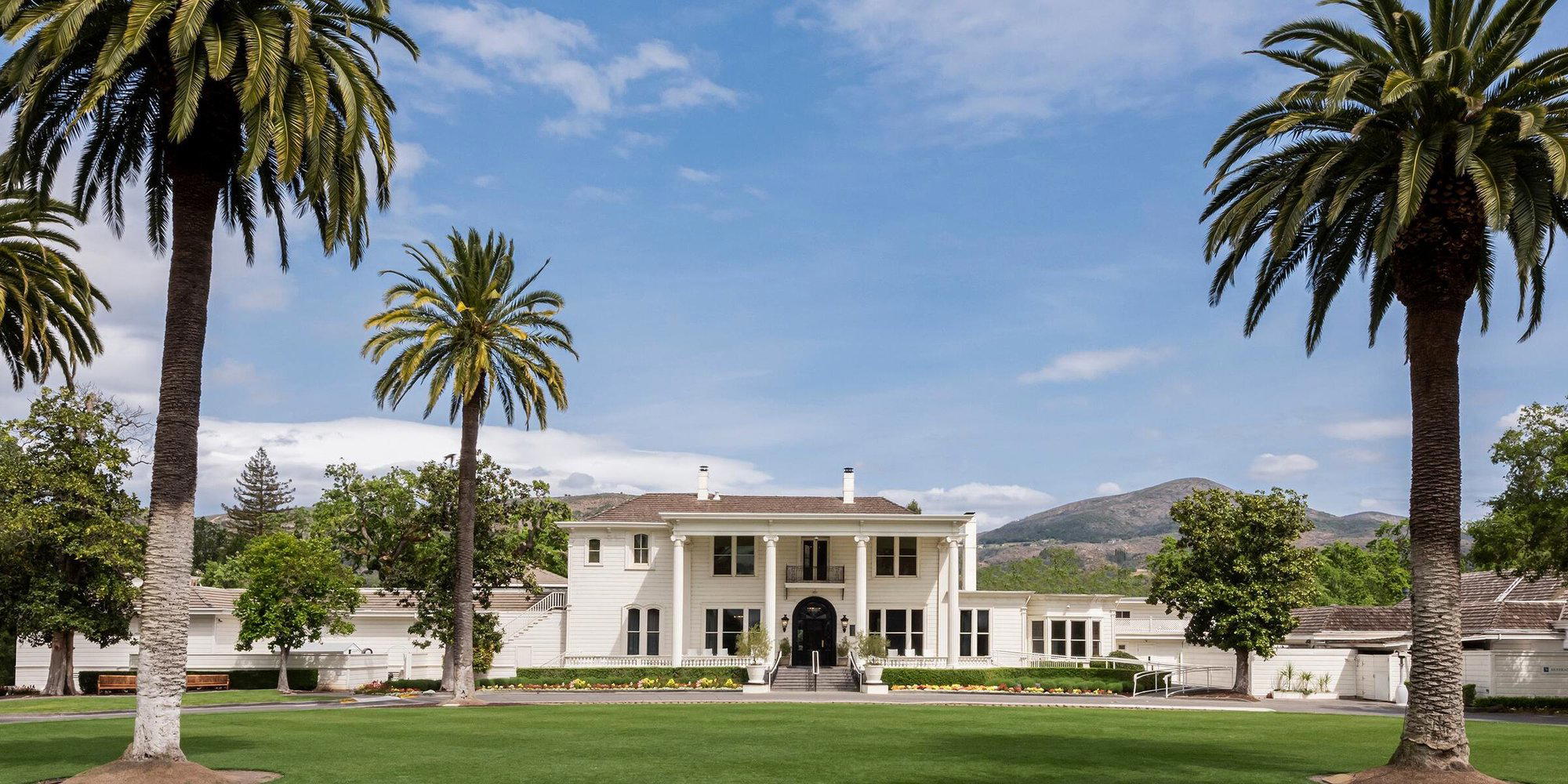
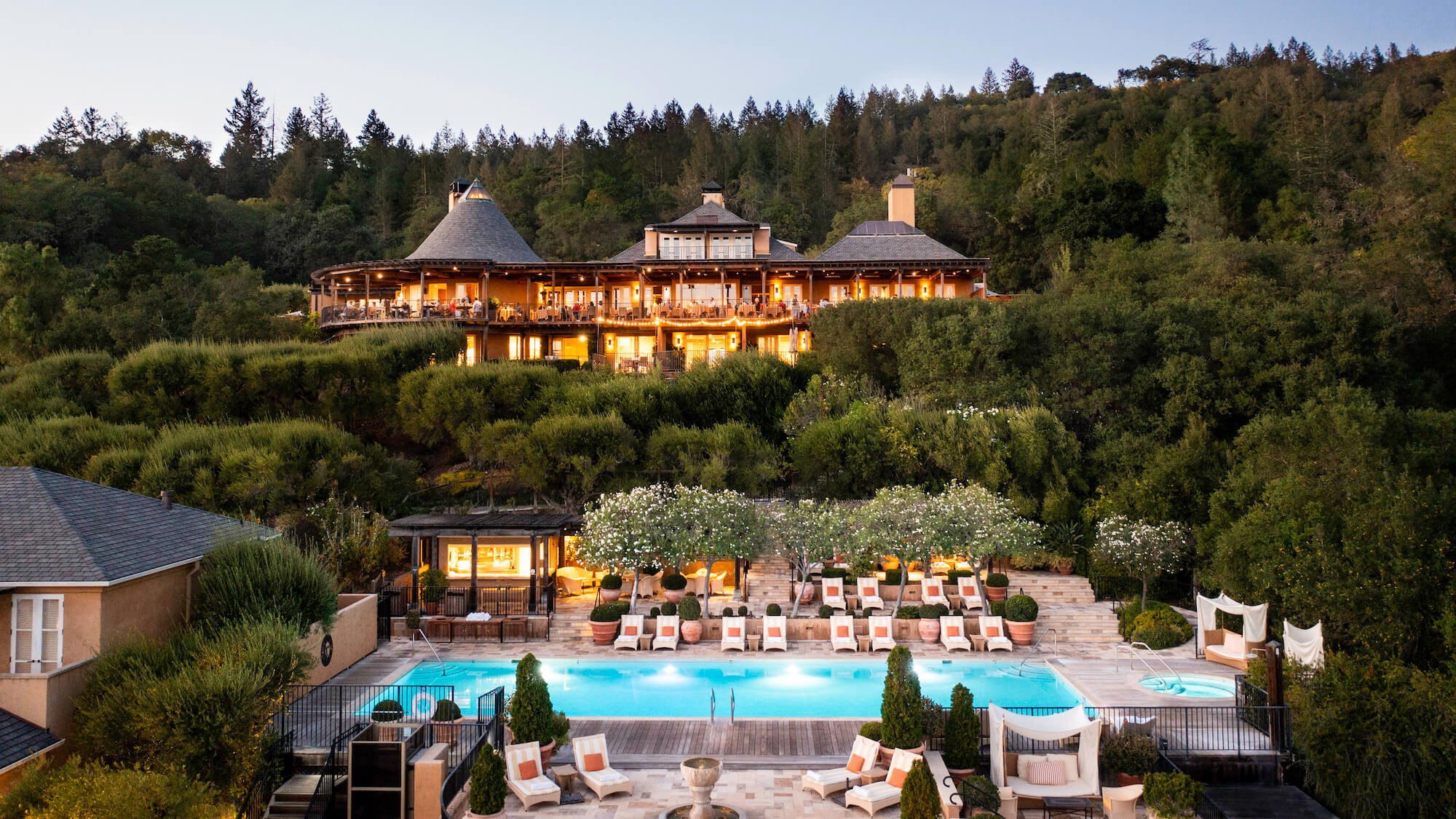
Hotels in Yountville
Browse all →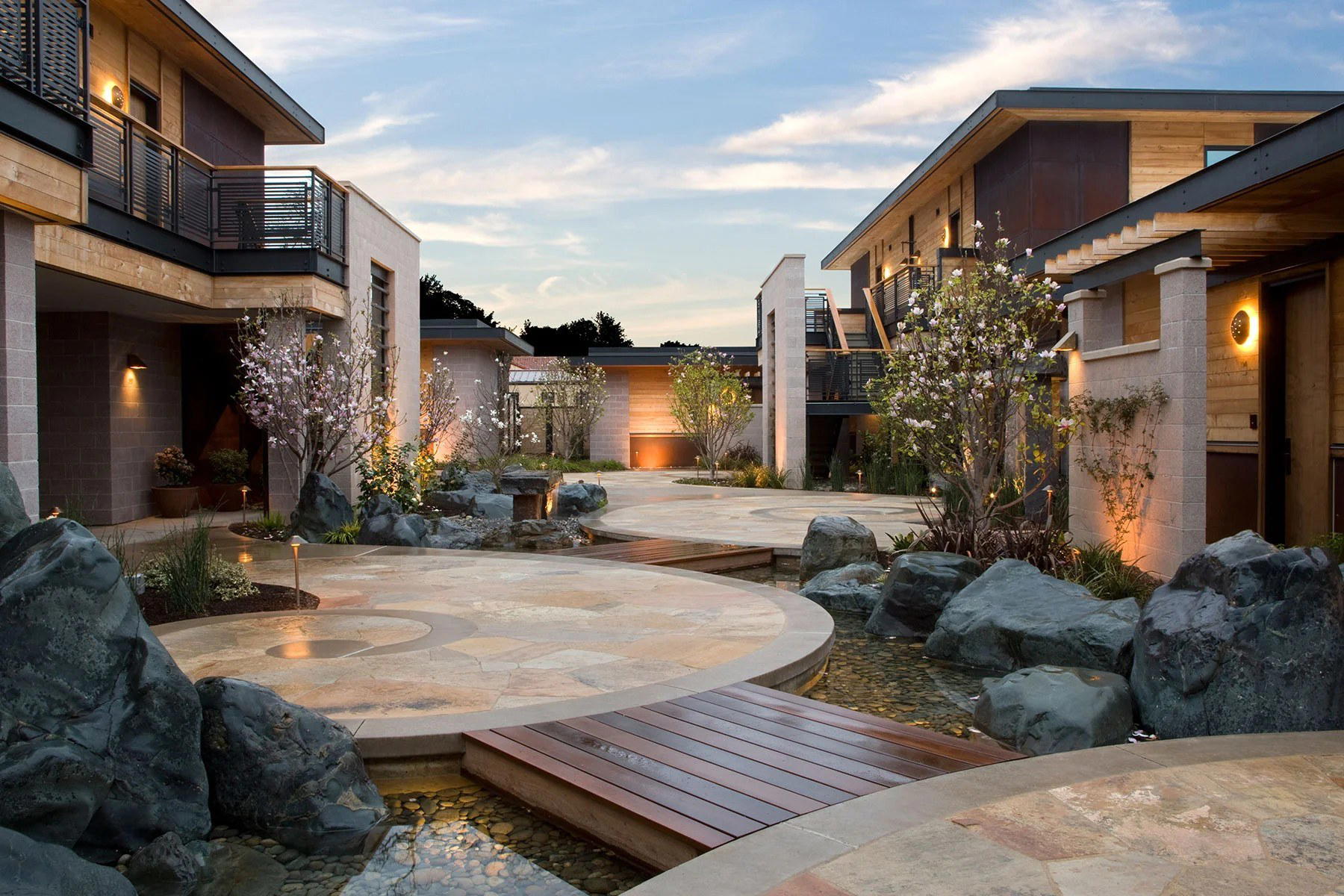
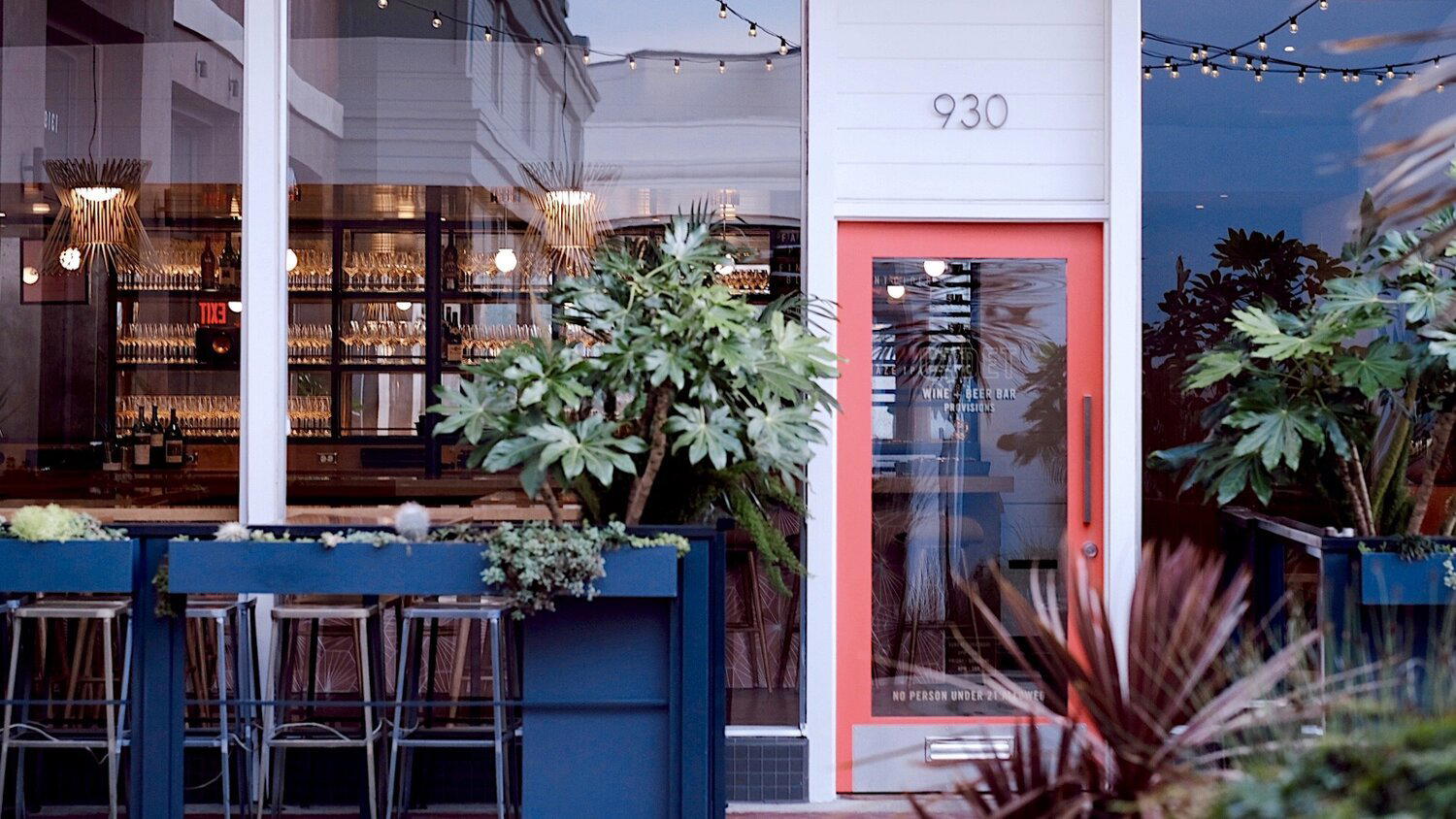
Bars in Yountville
Browse all →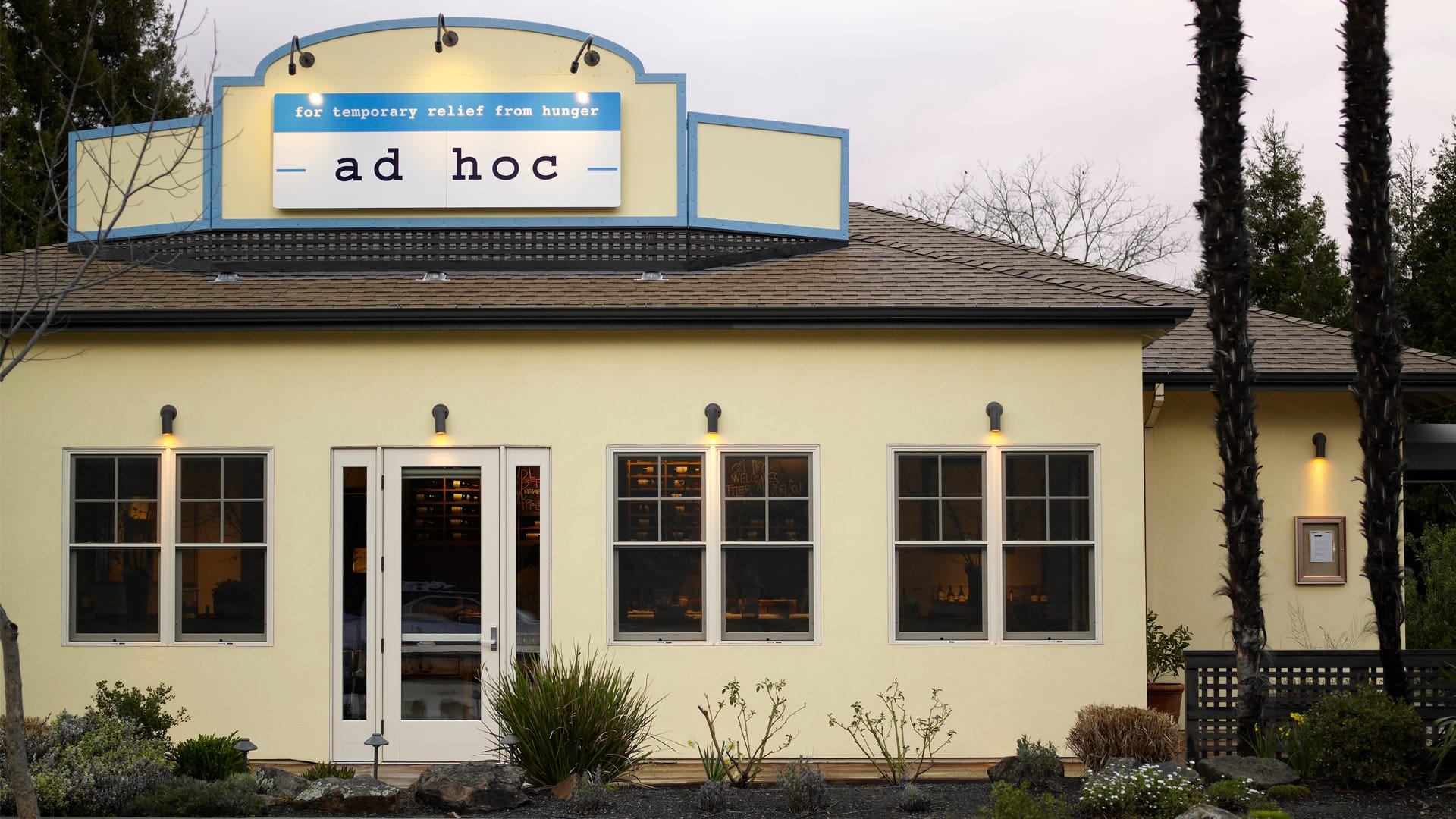
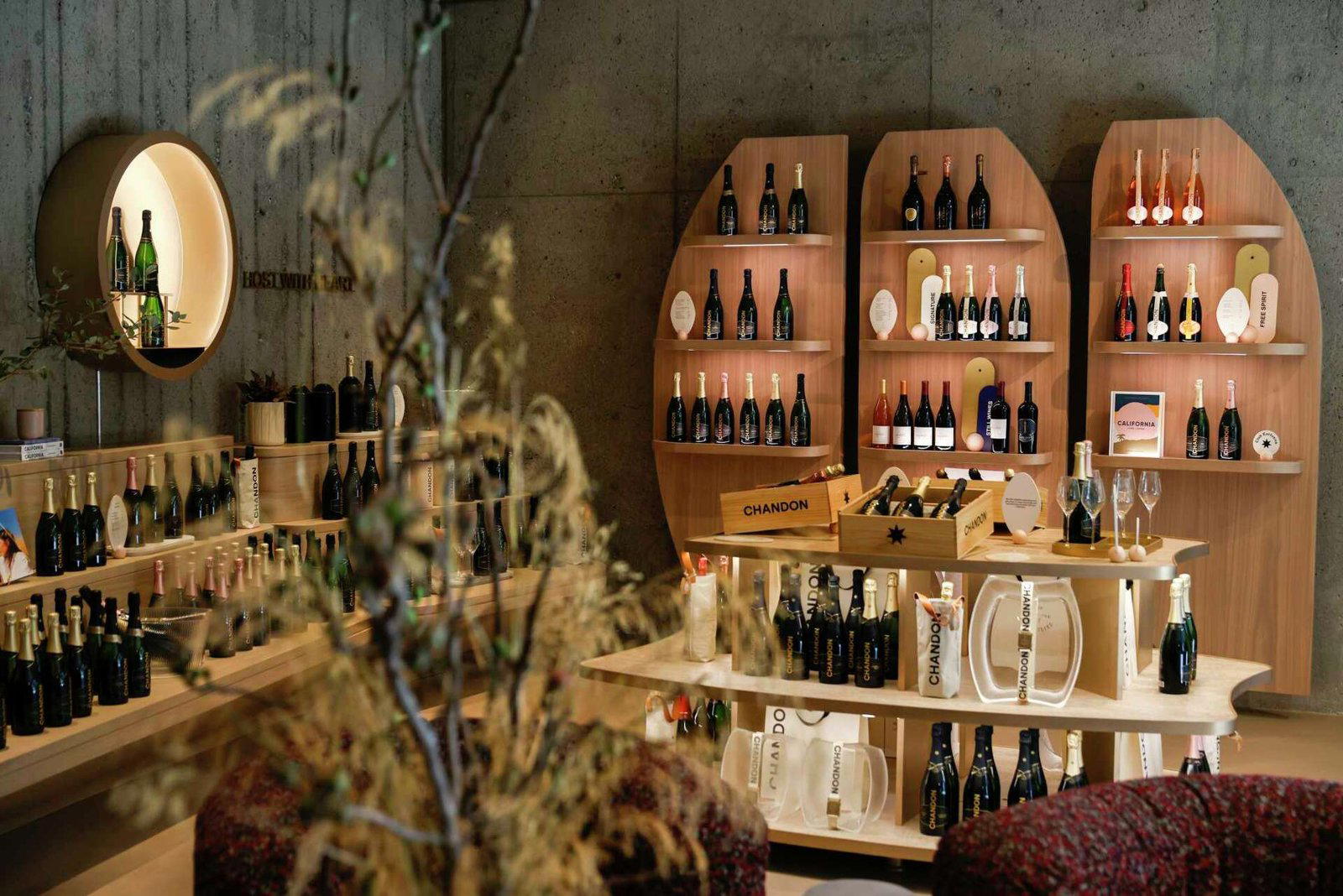
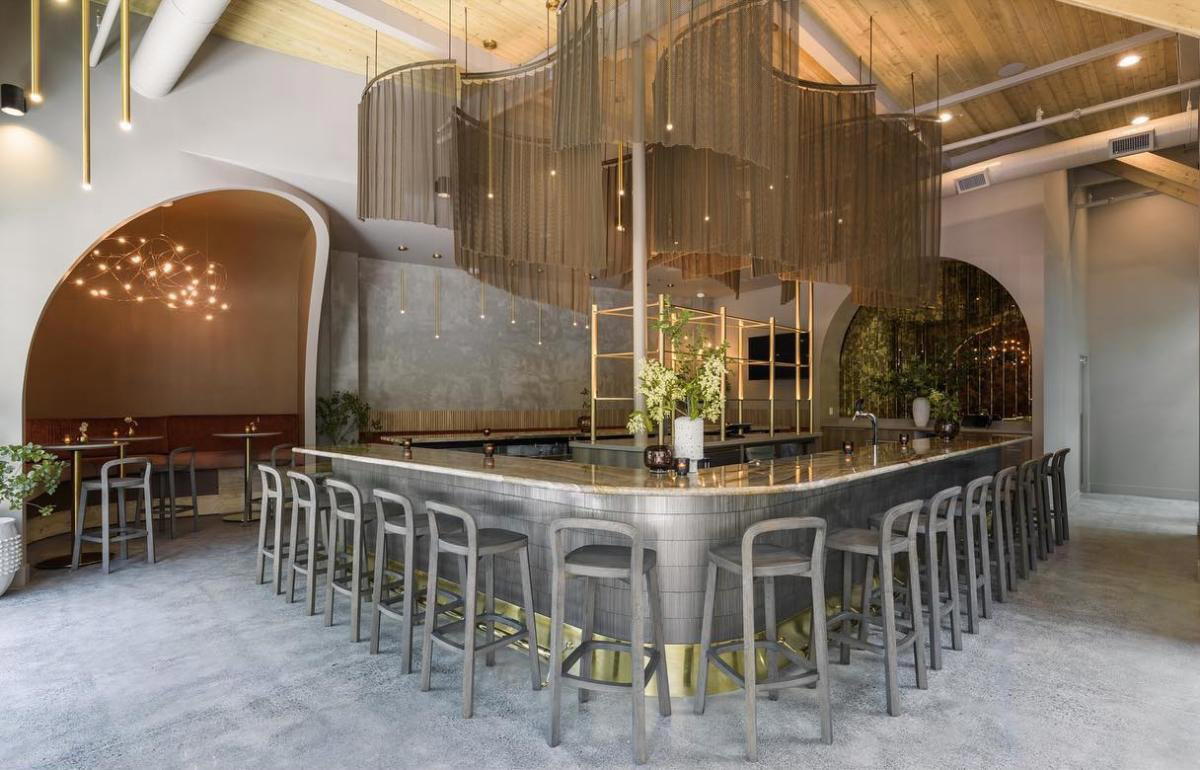
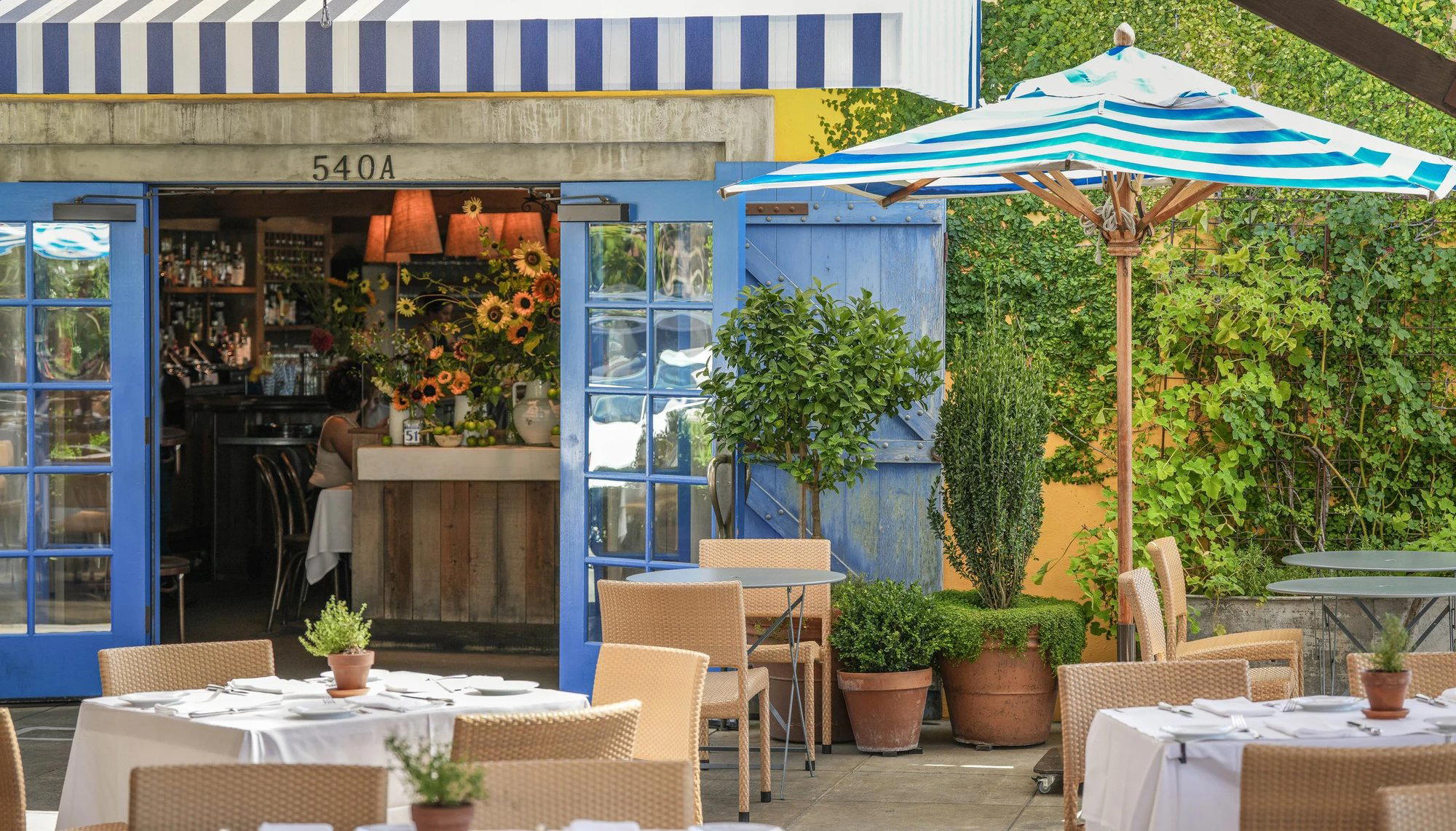
Restaurants in Yountville
Browse all →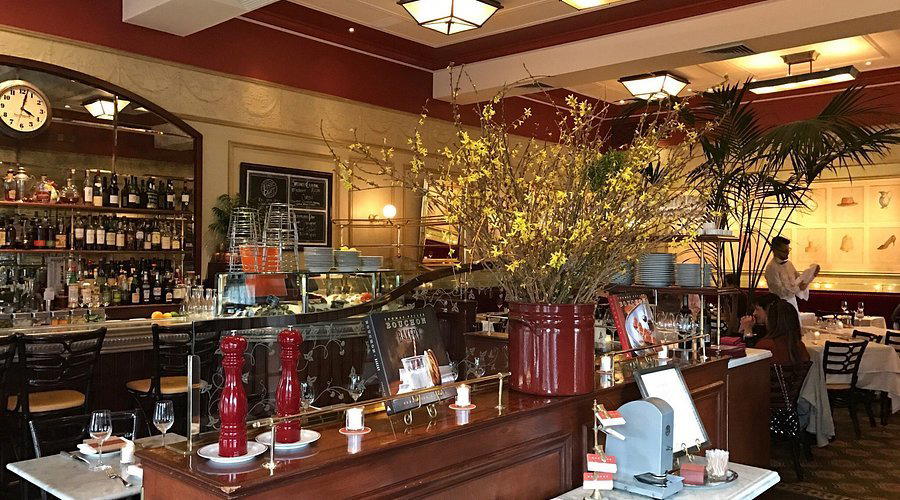
At a Glance
- Elegant
- Sophisticated
- Scenic
- Romantic
- Modern
- Romantic Getaway
- Honeymoon
- Anniversary
- Wellness Retreat
- Weekend Escape
- Private Dining
- Panoramic View
- Pool
- Spa
- Fitness Center
- Room Service
- Concierge
- Wi Fi
- Valet Parking
- EV Charging
- Restaurant
- Vineyard
- Garden
- Pool
- Spa
- Fitness Center
- Room Service
- Concierge
- Wi Fi
- Valet Parking
- EV Charging
- Restaurant
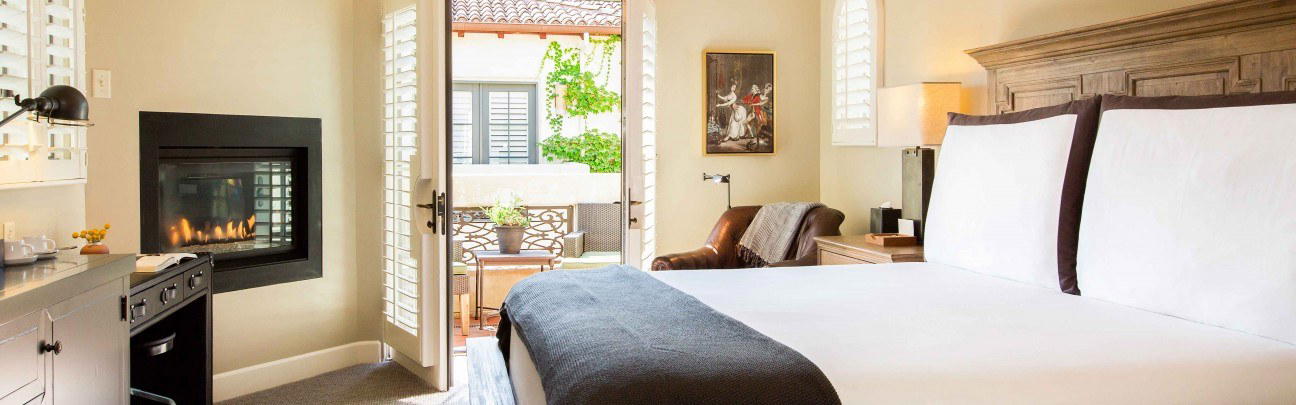
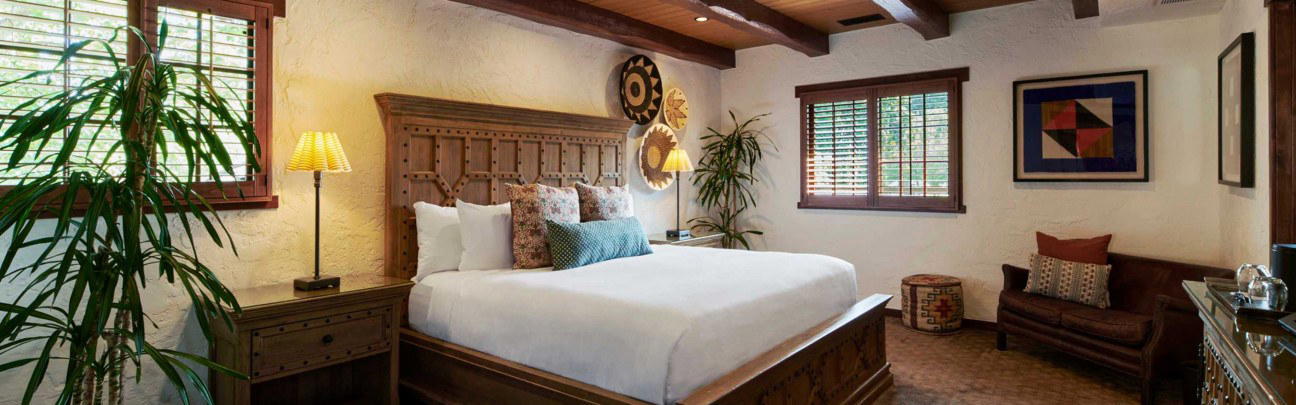
Refined and relaxed with natural light, scenic vineyard balconies, and ornate modern bathrooms creating a sophisticated retreat atmosphere.