Trefethen Family Vineyards

Trefethen Family Vineyards sits on Oak Knoll Avenue in the southern reaches of Napa Valley, operating from one of the region's few surviving nineteenth-century winery structures..
Pearl is the En Primeur Club membership app — saves, bookings, and concierge access live there. Same editors, same standards.
- Address
- 1160 Oak Knoll Ave, Napa, CA 94558
- Phone
- +1 707-255-7700
- Website
- trefethen.com
- Directions
- Get directions
 Saves & bookings on Pearl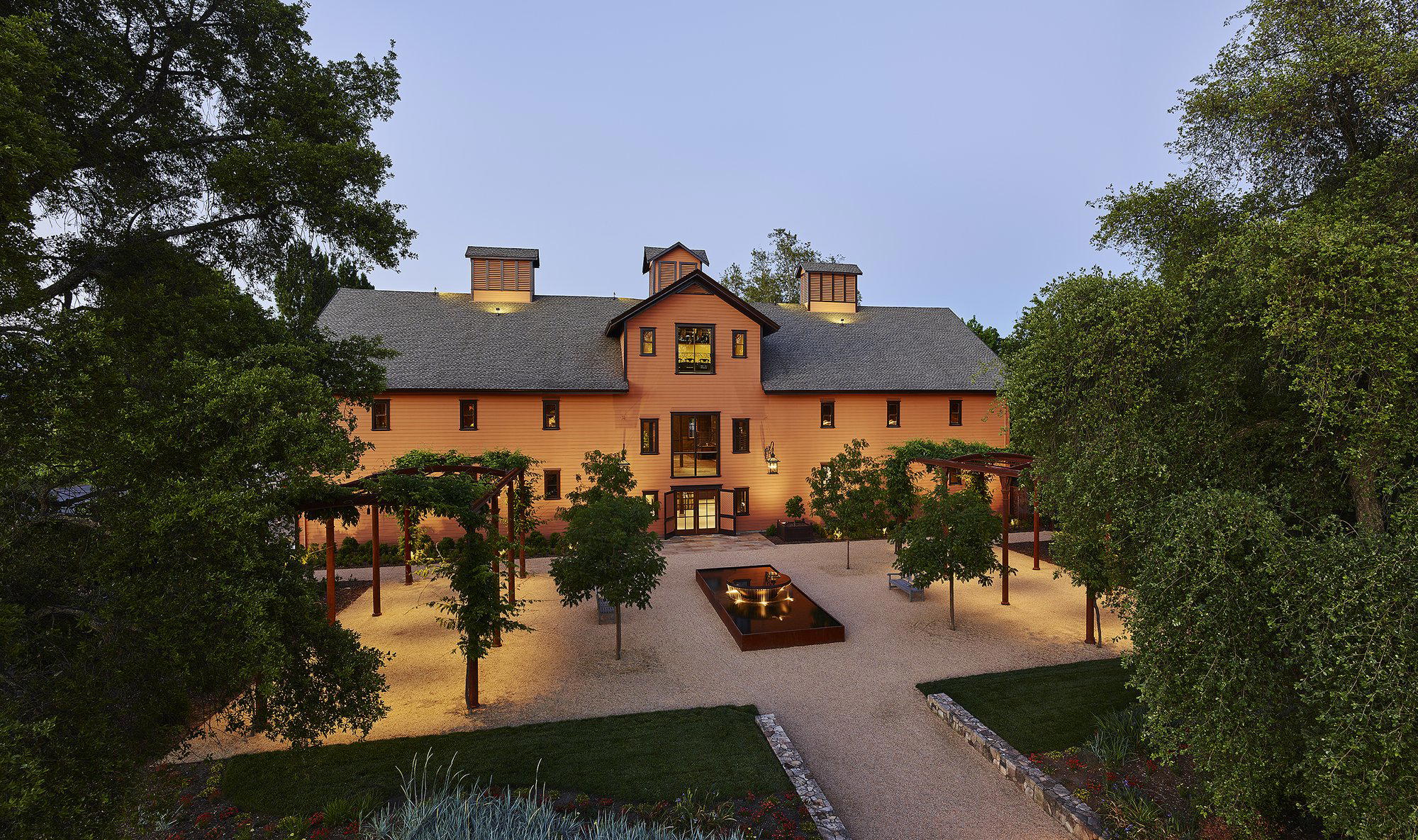
Where the Building Tells the Story
The southern end of Napa Valley has a different register from the headline appellations further north. Oak Knoll is cooler, the diurnal swings more pronounced, and the wineries that have put down roots here tend to project a quieter confidence than their Rutherford or St. Helena counterparts. Arriving at 1160 Oak Knoll Ave, you encounter that disposition immediately in the physical structure of Trefethen Family Vineyards. The main building is a rare surviving example of a wooden gravity-flow winery from the nineteenth century, a three-story redwood construction that was already aging when Prohibition halted California wine production entirely and has outlasted nearly every comparable structure in the valley.
Gravity-flow design was the engineering logic of its era: grapes entered at the leading, moved by weight alone through crush, ferment, and aging, sparing horses and later machines from work that physics could do. Most of those buildings are gone, lost to fires, earthquakes, or simple economic obsolescence. The fact that this one survives, and functions as the architectural heart of an active winery, places Trefethen in a specific historical bracket that no renovation or new-build could replicate. That bracket carries weight, particularly in a region where many wineries arrived after the 1970s revival and built accordingly.
The Physical Experience of the Estate
In Napa, where tasting spaces often read as galleries or design statements, Trefethen's approach is defined by structural honesty. The redwood frame is not decorative heritage; it is the actual working skin of the place. Visiting here is less about a curated interior sequence and more about reading a building that has been used continuously for production. The textures are functional ones: aged timber, the particular dimness of a structure that was built before electric lighting, the spatial logic of floors designed for barrels and tanks rather than tasting guests.
This matters as an experience because it shifts the sensory register. The wines you try in this space are not floating in a neutral showroom. They are inside the thing that made them possible. That relationship between container and content is something the more theatrical Napa properties, however polished, cannot quite manufacture. Artesa Vineyards and Winery offers a radically different spatial proposition, its underground architecture and hillside setting producing an entirely contemporary tasting experience. Ashes and Diamonds Winery leans into mid-century Californian design as its architectural identity. Trefethen does neither. Its building predates those aesthetic conversations entirely.
Oak Knoll and What the Appellation Actually Does
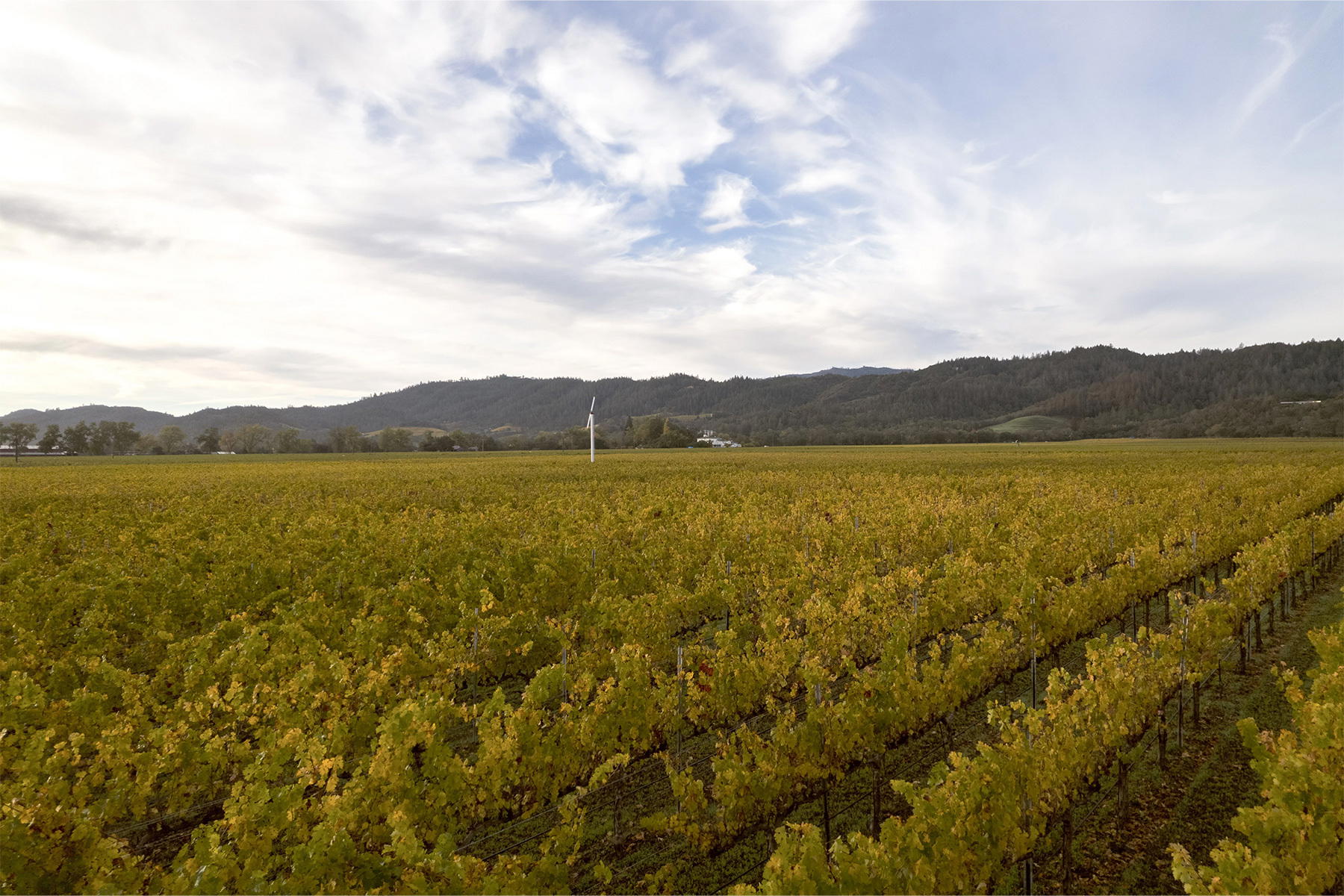
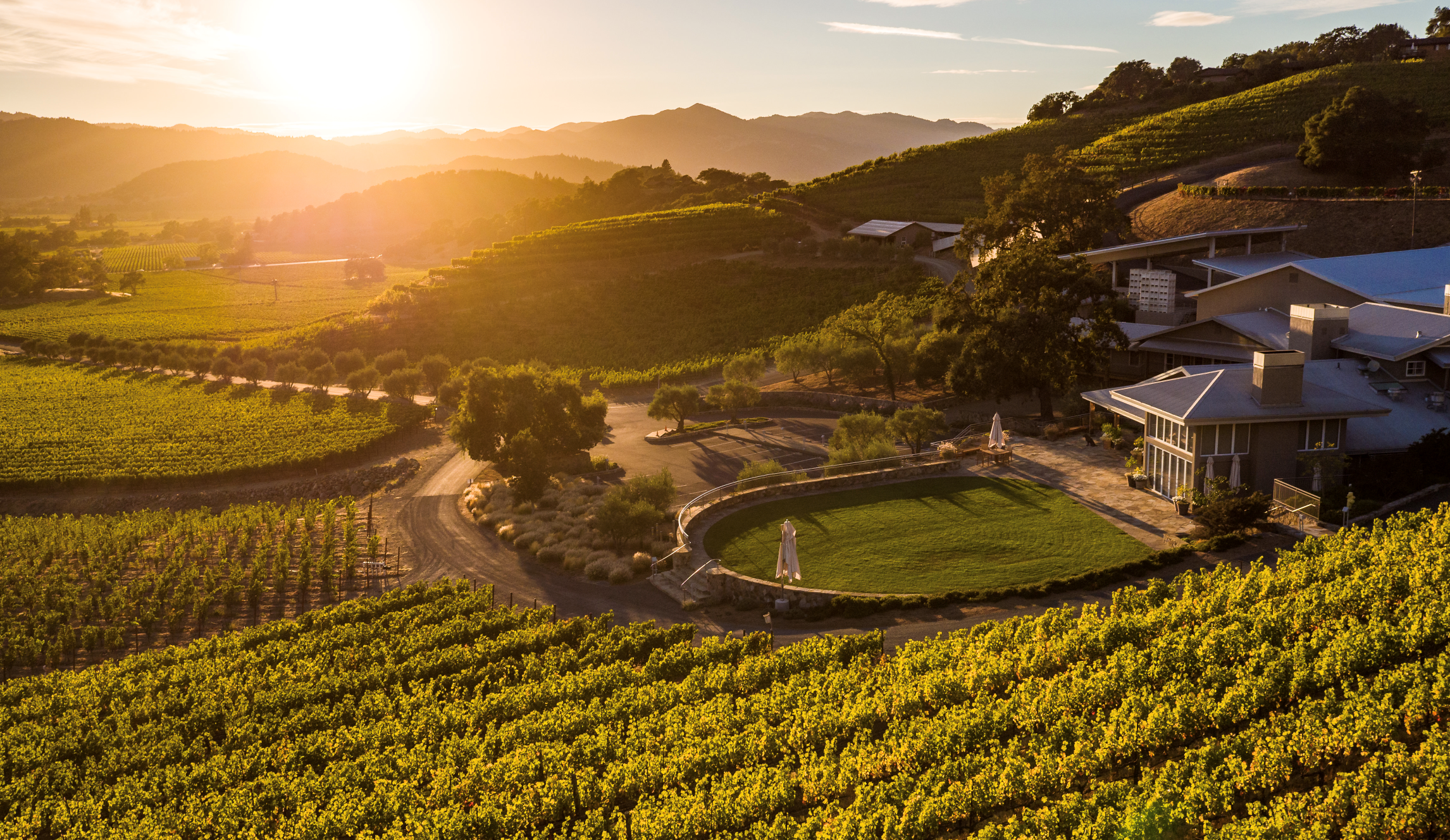
The Oak Knoll District AVA sits at the cooler, bay-influenced end of the Napa Valley corridor. Fog from San Pablo Bay reaches this far north on most mornings, and afternoon temperatures that would be several degrees warmer in Oakville or Calistoga are moderated here. That thermal profile favors aromatic whites and produces Cabernet Sauvignon with longer hang times and, in theory, more structural complexity before fruit concentration tips into obvious extraction.
Estate wineries in this part of the valley are working with a terroir argument that differs from the benchland Cabernets that built Napa's international reputation. The comparison that matters here is not Screaming Eagle or Harlan but the smaller cohort of producers who have stayed within Oak Knoll's cooler register and made that choice a point of distinction.
How Trefethen Fits the Napa Prestige Tier
Napa's upper-tier producers now occupy a fairly narrow band in terms of critical recognition, where the distance between three-star prestige and the valley's most allocated cult wines is real but the shared context is considerable. Elsewhere in the region, Darioush Winery occupies a comparable prestige position but with an entirely different architectural and stylistic vocabulary, its Persian-influenced building and Bordeaux-oriented program representing a conscious statement of identity rather than inherited one.
It functions as a peer-set locator: Trefethen belongs among the producers where serious buyers plan visits, allocations matter, and the tasting experience is designed for wine literacy rather than casual tourist throughput. That positioning has practical implications, including the expectation that visits should be arranged in advance.
Planning Your Visit
The winery is located at 1160 Oak Knoll Ave, accessible from central Napa and well-positioned for visitors combining it with other southern valley properties. Given its prestige-tier positioning and architectural significance, arriving without a reservation is a risk worth avoiding; producers at this level typically operate structured tasting programs with fixed-time appointments, and the building itself limits how many people can move through it comfortably at once. Reaching out directly through the winery's website to confirm availability and format is the standard approach for this category of Napa estate. Those building a wider California itinerary should note that Accendo Cellars in St. Helena and Alpha Omega Winery in Rutherford both operate at comparable prestige levels within a short drive.
Visitors coming from outside California with broader wine region interest might consider how Oak Knoll compares to other American AVAs. The cooler-climate argument here has structural parallels with producers like Adelsheim Vineyard in Newberg in Oregon's Willamette Valley, where thermal restraint is also a deliberate production position, or Adelaida Vineyards in Paso Robles, where elevation achieves a comparable moderating effect in a warmer overall region. Further afield, producers like Alexander Valley Vineyards in Geyserville and Andrew Murray Vineyards in Los Olivos offer instructive contrasts in how California's different sub-regions handle red wine structure. For those whose interests extend beyond domestic wine, Alban Vineyards in Arroyo Grande represents an entirely different California tradition, Rhône-varietal focused and philosophically distinct from the Bordeaux grammar that defines most of Napa.
International context, for the curious: the gravity-flow winery format that defines Trefethen's building has counterparts in older European wine regions, including at historic producers like Achaia Clauss in Patras, one of Greece's oldest operating wineries, and even in the context of Scotch distillery heritage at places like Aberlour in Aberlour, where nineteenth-century production logic similarly shaped physical structures still in use today. The age of a working facility is not itself a quality guarantee, but it does indicate a kind of continuity that accelerates credibility in a region where many wineries are still in their first or second decade.
Credentials Lens
Comparable venues nearby, for context on price, style, and recognition.
| Venue | Cuisine | Price | Notes |
|---|---|---|---|
| Trefethen Family VineyardsThis venue — the venue you are viewing | Cabernet Sauvignon, Merlot | $$$ | Not listed |
| Baldacci Family Vineyards | Cabernet Sauvignon, Pinot Noir | $$$ | Stags Leap District |
| Matthiasson Winery | Ribolla Gialla, Sauvignon Blanc | $$$ | Oak Knoll District |
| ZD Wines | Cabernet Sauvignon, Chardonnay | $$$ | Rutherford |
| Burgess Cellars | Cabernet Sauvignon, Chardonnay | $$$ | Howell Mountain |
| Bouchaine Vineyards | Pinot Noir, Chardonnay | $$$ | Carneros |
Recognition history
Dated appearances from independent guides and award organizations, with the underlying list record or original source where available.
Falstaff Winery - Listed
Falstaff
At a Glance
- Elegant
- Scenic
- Classic
- Intimate
- Sophisticated
- Romantic Getaway
- Celebration
- Wine Education
- Special Occasion
- Vineyard Tour
- Estate Grounds
- Garden
- Historic Building
- Private Tasting
- Sustainable
- Vineyard
- Garden
- Oak Knoll District, Napa Valley AVA
- Cabernet Sauvignon
- Merlot
- Riesling
- Still Red
- Still White
- Flight Tasting
- Food Paired Tasting
- Private Tasting
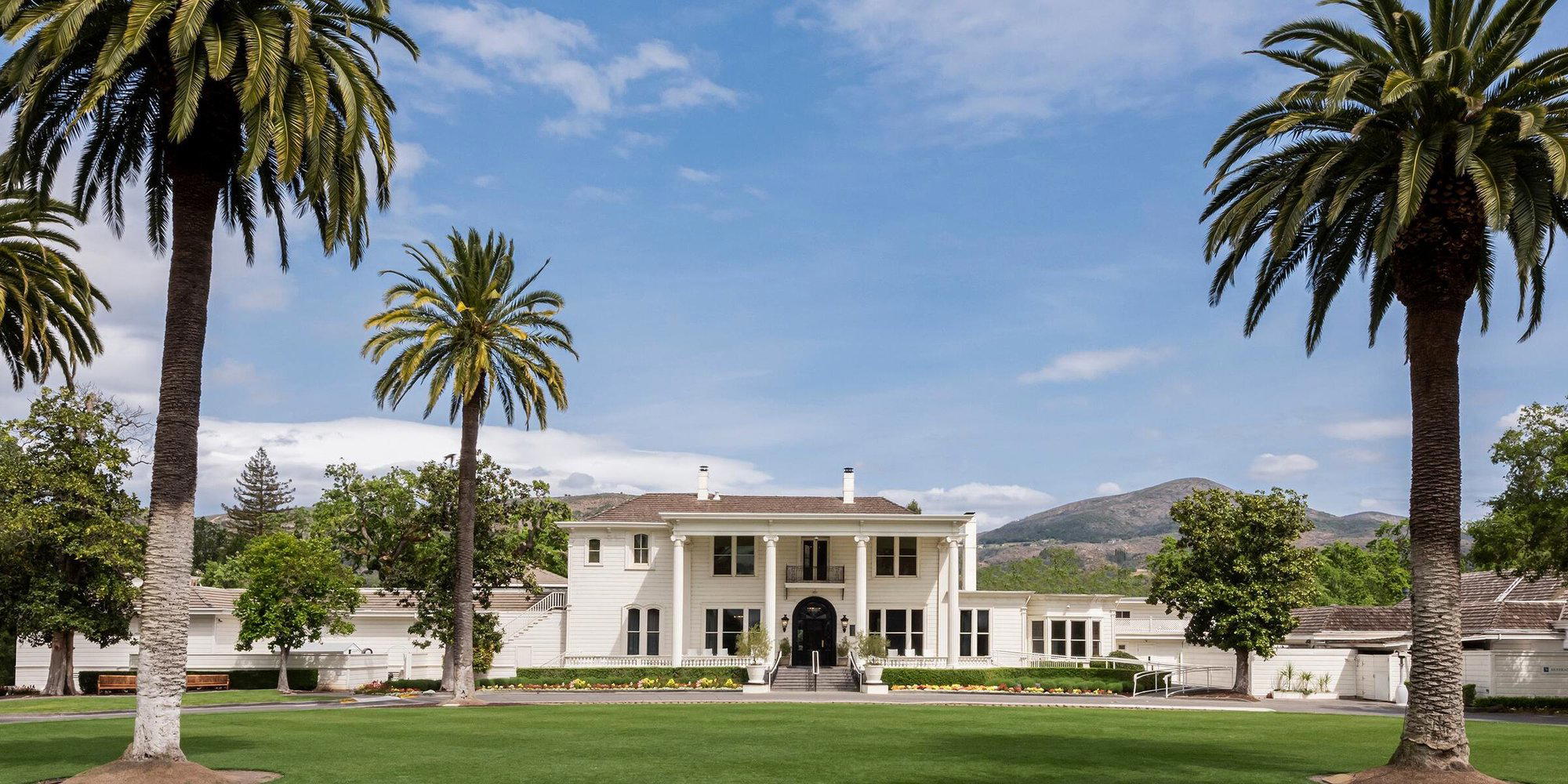
Intimate, peaceful botanical paradise with dramatic gardens, elegant historic interiors, and relaxed porch tastings overlooking beautiful grounds.