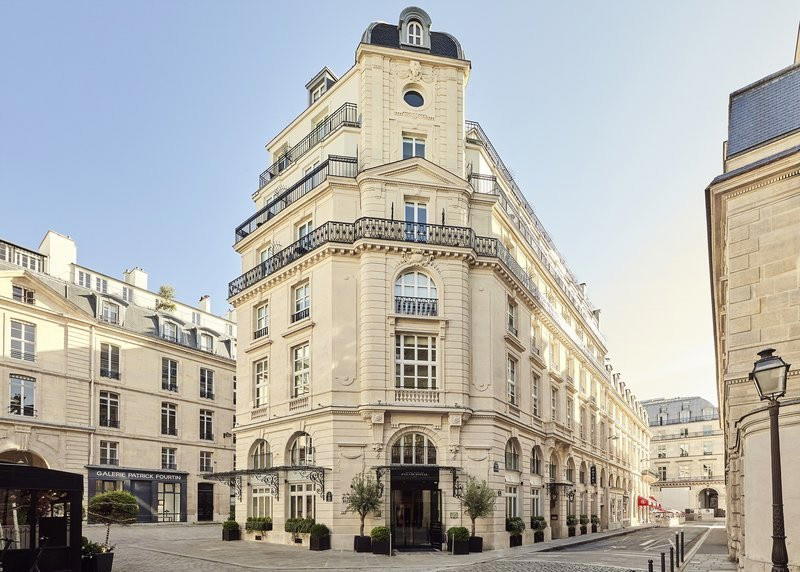
St-Germain sits in one of Paris's most historically loaded arrondissements. The sixth arrondissement has long anchored a particular idea of French cultural life, and St-Germain operates within that tradition at a prestige tier that places it among a small cohort of addresses in the neighbourhood where seriousness of purpose is the baseline expectation.

Pearl is the En Primeur Club membership app — saves, bookings, and concierge access live there. Same editors, same standards.
- Address
- Saint-Germain-des-Prés, 75006 Paris
- Website
- stgermainliqueur.com
- Directions
- Get directions

The Weight of the Sixth
There is a particular quality to Saint-Germain-des-Prés that resists easy summary. The sixth arrondissement has accumulated meaning over centuries: the abbey, the cafés that became postwar intellectual staging grounds, the galleries that defined mid-century taste. Walking through it now, especially in the quieter hours before the tourists settle into their routines, the neighbourhood still projects a density of cultural reference that few Paris districts can match. It is precisely this context that makes any serious address here legible in a way it might not be elsewhere. An establishment operating at prestige level in the sixth is not operating against the grain of its surroundings; it is, in a sense, expected to meet them.
In a neighbourhood where expectation runs high and the competition for serious attention is considerable, that positioning carries weight. For anyone building a Paris itinerary around depth rather than coverage, the sixth is not a neighbourhood you pass through — it is one you plan around. Our full Paris restaurants guide covers the broader field across all arrondissements, but Saint-Germain-des-Prés rewards focused attention of its own.
Terroir as a Frame for Drinking in Paris
The concept of terroir — the idea that land, climate, and soil express themselves directly in the glass, has moved well beyond wine education and into the practical vocabulary of how serious establishments build their lists. In the sixth arrondissement, where the clientele is often as conversant in French wine geography as the sommelier, a list that does not engage with origin and specificity is quickly exposed. The most coherent lists in this part of Paris tend to think geographically: not simply Bordeaux or Burgundy as categories, but individual communes, soil types, and vintages that trace a particular argument about what the land produces.
That conversation across the table, about clay over limestone, about how a cooler vintage in Saint-Émilion reads differently from a warmer one on the Pomerol plateau, is more available here than almost anywhere else in the city. Addresses like Château Clinet in Pomerol and Château Bélair-Monange in Saint-Émilion represent exactly that terroir-specific thinking: estates where the argument of the wine is inseparable from the argument of the place. The Médoc adds its own voice to this, with properties like Château Branaire Ducru in Saint-Julien, Château Batailley in Pauillac, Château Boyd-Cantenac in Cantenac, Château Dauzac in Labarde, and Château Cantemerle in the Haut-Médoc each expressing the gravel ridges and Atlantic-moderated climate in recognisably distinct registers.
Sauternes rounds out the Bordeaux picture with its own geographical logic: botrytis-driven concentration that only occurs reliably at the confluence of the Ciron and Garonne rivers. Château Bastor-Lamontagne in Preignac and Château d'Arche in Sauternes both work within that tight geography, producing wines whose sweetness is earned rather than applied. Move north and the terroir argument shifts entirely: Alsace's granite and gneiss soils produce a mineral tension in Riesling that clay-dominated sites simply cannot replicate, Albert Boxler in Niedermorschwihr is among the clearest expressions of that argument in bottle form.
Beyond wine, the broader drinks tradition that surrounds Saint-Germain includes the kind of French spirits and liqueur history that is easy to overlook but worth tracking. Chartreuse in Voiron produces one of the few spirits with a genuinely documented centuries-long recipe, and its presence on a serious list in Paris is a marker of how an establishment thinks about provenance. Rosé, meanwhile, has shifted from an afterthought to a considered category at the prestige tier; Château d'Esclans in Courthézon has done more than almost any estate to establish that Provence rosé can trade at the same level as serious still wine. And for those who read a list through the lens of place rather than category, the inclusion of something like Aberlour's single malt from Aberlour or a Napa Cabernet from a producer like Accendo Cellars in St. Helena signals an ambition to represent the full range of how terroir expresses itself beyond France's borders.
What the Prestige Rating Implies
In Saint-Germain-des-Prés specifically, where the baseline expectation for any address that attracts a well-travelled clientele is already high, holding that designation reflects performance against a demanding local standard rather than simply a Paris-wide one.
The sixth arrondissement has seen its share of establishments that trade on neighbourhood prestige without earning independent recognition. That distinction matters for the kind of traveller who uses EP Club to calibrate itineraries around depth of experience rather than name recognition alone.
Planning a Visit
Saint-Germain-des-Prés is accessible from most of central Paris within twenty minutes on the Métro lines that serve the sixth (Lines 4 and 10 cover the district's main points, with the Odéon and Saint-Germain-des-Prés stations most central). The neighbourhood's character shifts across the day: morning brings a quieter residential feel along the side streets running south from Boulevard Saint-Germain, while the late afternoon and evening fill the main arteries with a pace that reflects the area's long history as a place where Parisians come to be seen as much as to eat or drink. For a prestige-tier visit, arriving composed rather than rushed is worth accounting for in any itinerary. Specific booking details, hours, and contact information for St-Germain were not available at the time of writing; cross-referencing with our Paris guide or the venue directly will give you the most current logistics.
Comparison Snapshot
Comparable venues nearby, for context on price, style, and recognition.
| Venue | Cuisine | Price | Awards | Notes |
|---|---|---|---|---|
| St-GermainThis venue — the venue you are viewing | Winery | Not listed | Not listed | Not listed |
| King Family Vineyards | Winery | $20–30 | Falstaff Winery - Listed | Crozet |
| Domaine Roland Lavantureux | Chardonnay, Pinot Noir | Not listed | Not listed | Lignorelles |
| La Chablisienne | Chardonnay | Not listed | Falstaff Winery - Listed | Chablis |
| Nicolas Feuillatte | Chardonnay, Pinot Noir | Not listed | Falstaff Winery - Listed | Côte des Blancs |
| Domaine Billaud-Simon | Chardonnay | Not listed | Falstaff Winery - Listed | Chablis |
Continue exploring
More in Paris
Wineries in Paris
Browse all →

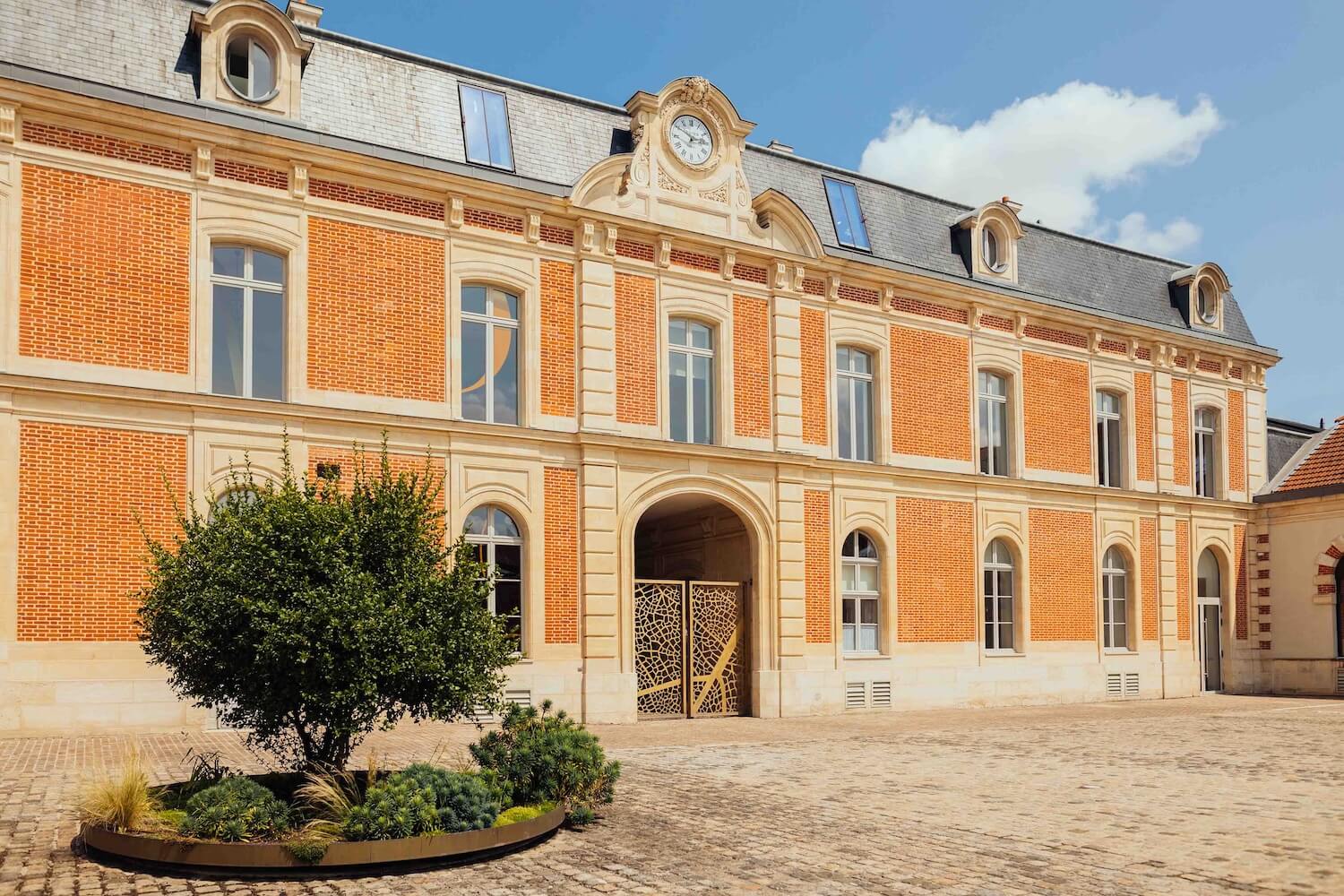
Bars in Paris
Browse all →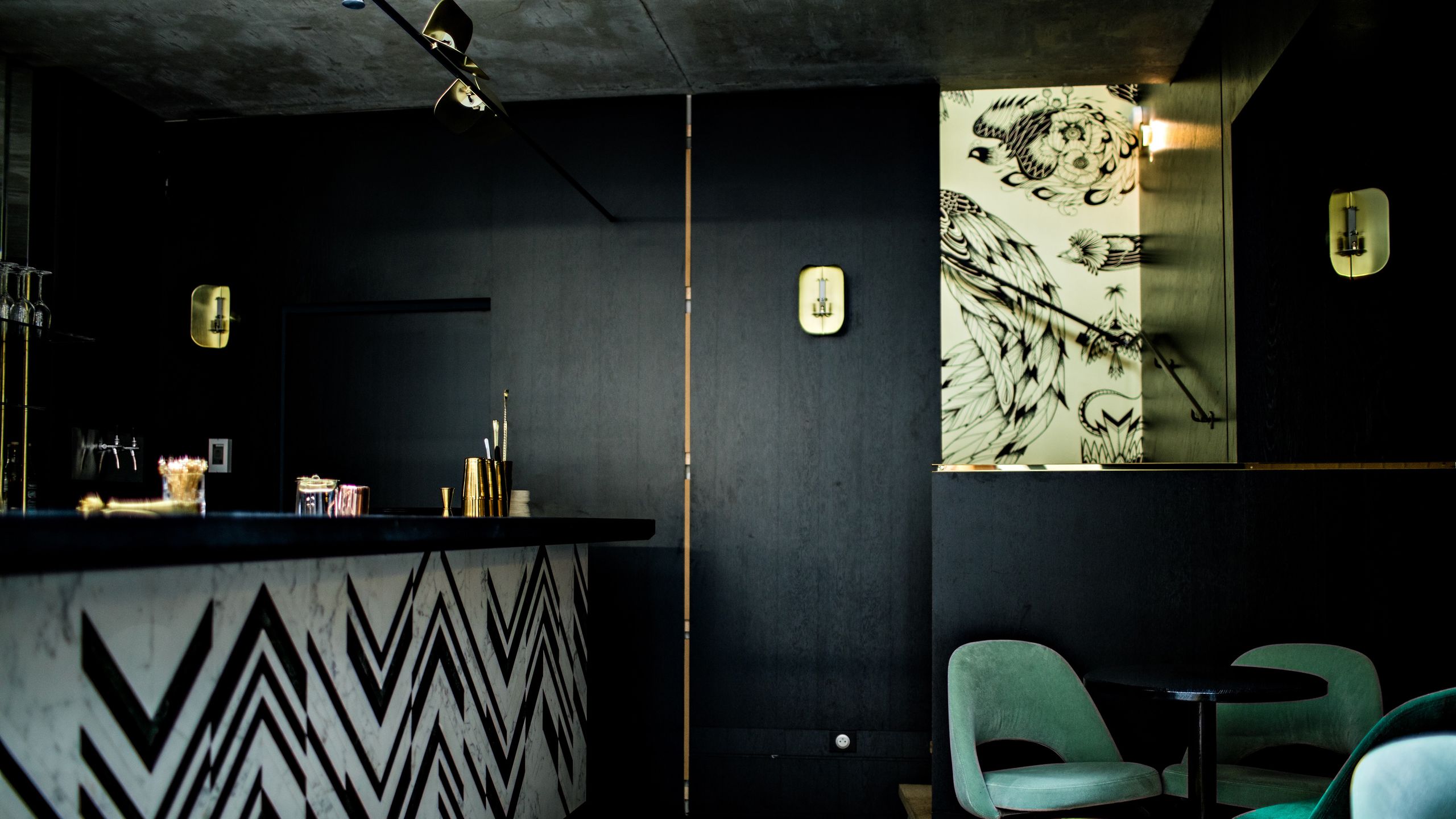
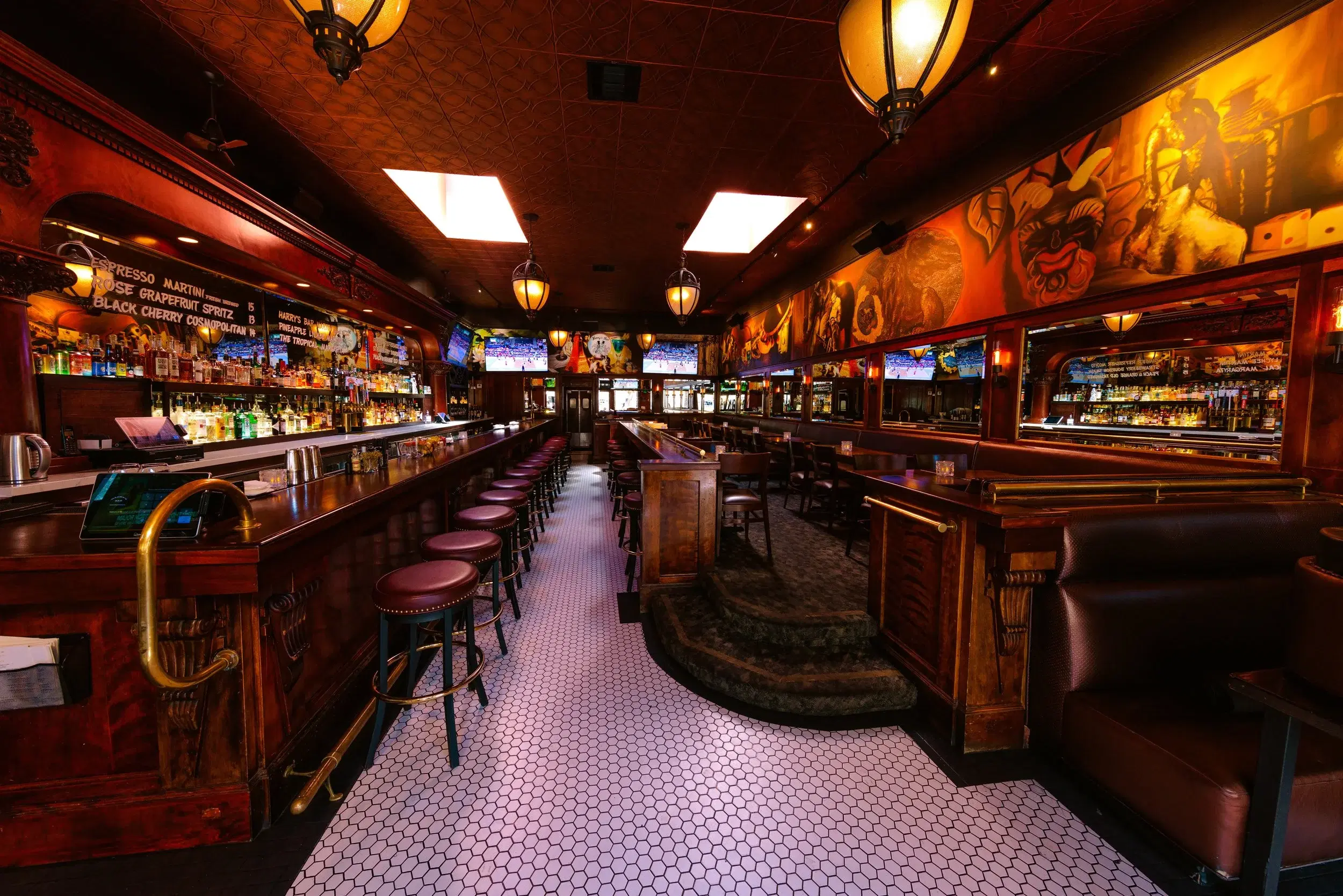
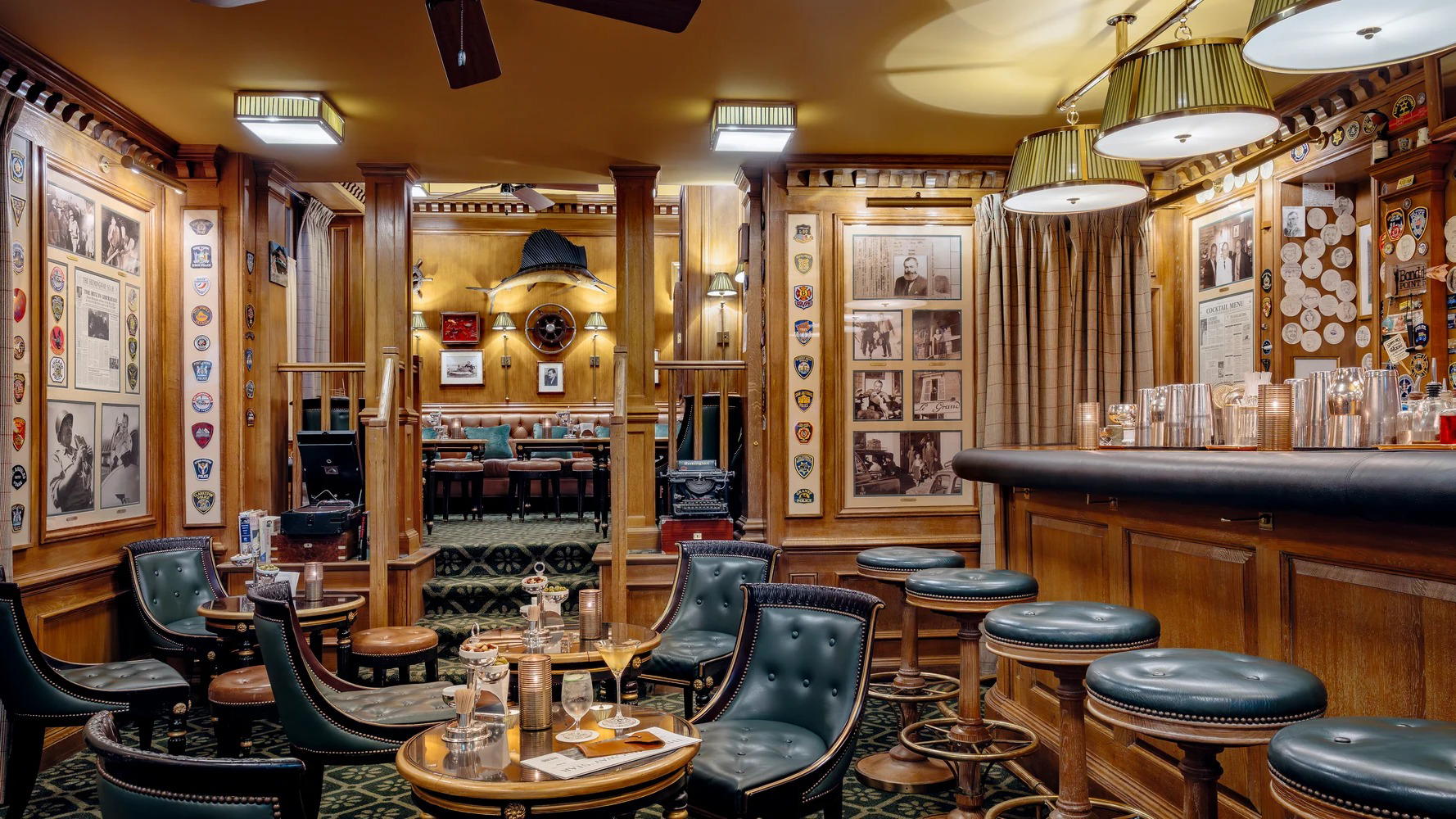
Restaurants in Paris
Browse all →


Details
- Cozy
- Intimate
- Elegant
- Trendy
- Sophisticated
- Romantic Getaway
- Wine Education
- Special Occasion
- Private Tasting
- Still Red
- Still White
- Still Rosé
- By The Glass
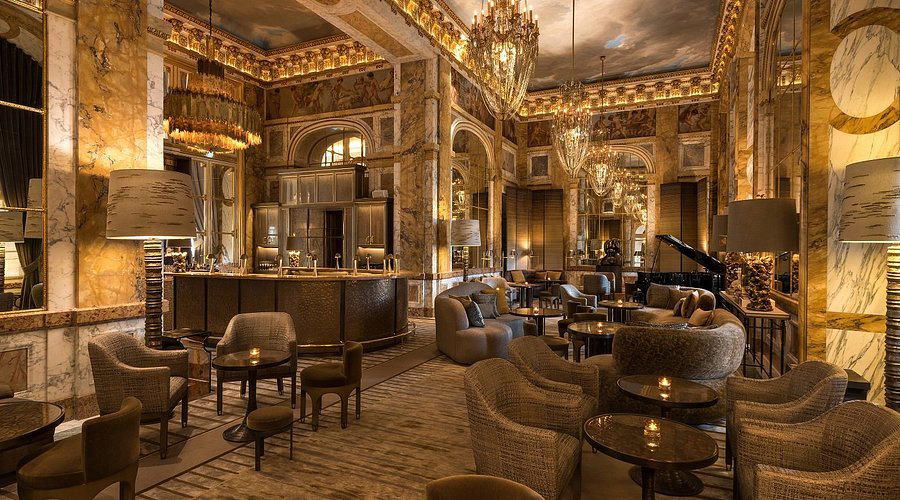
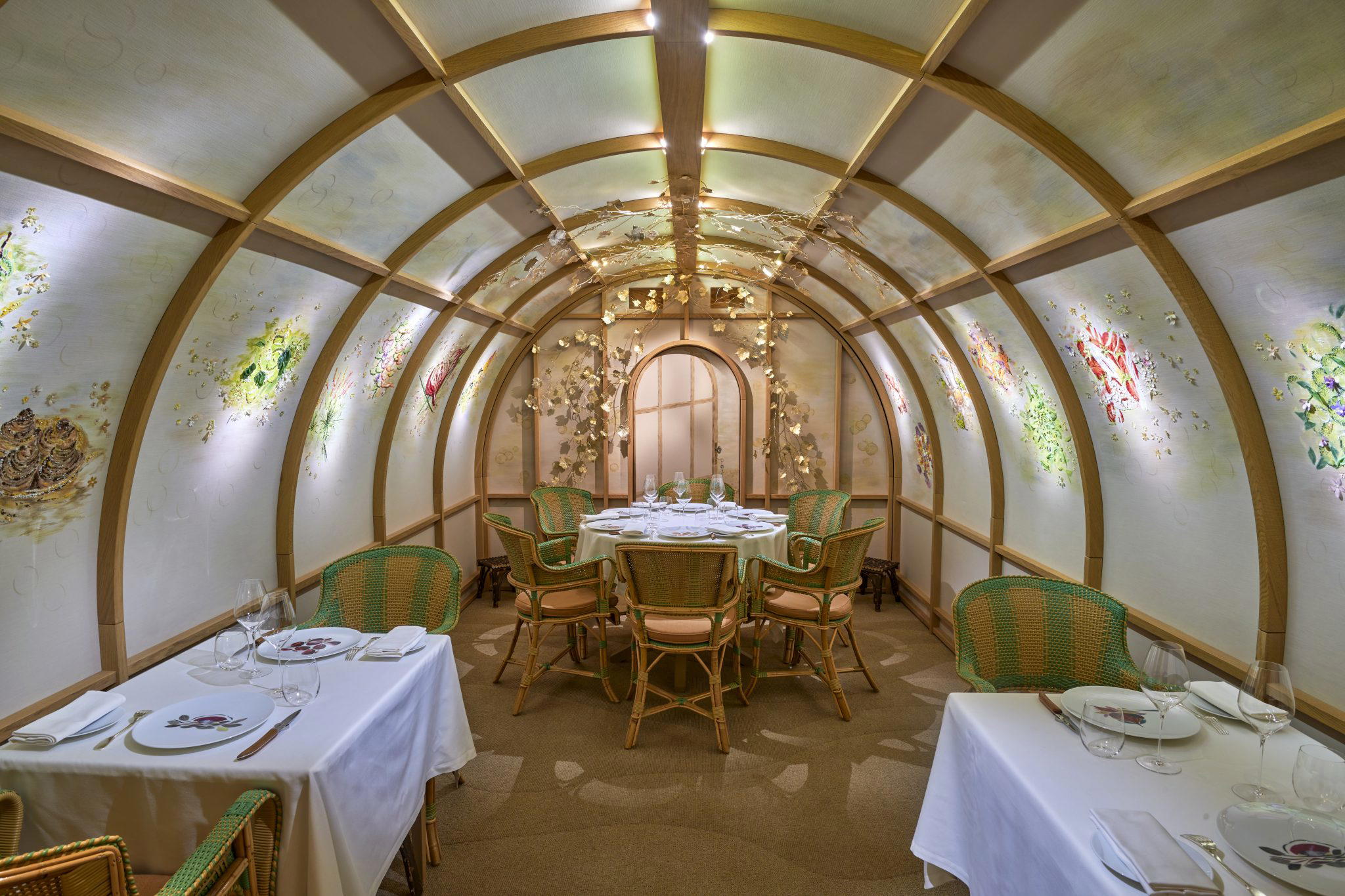
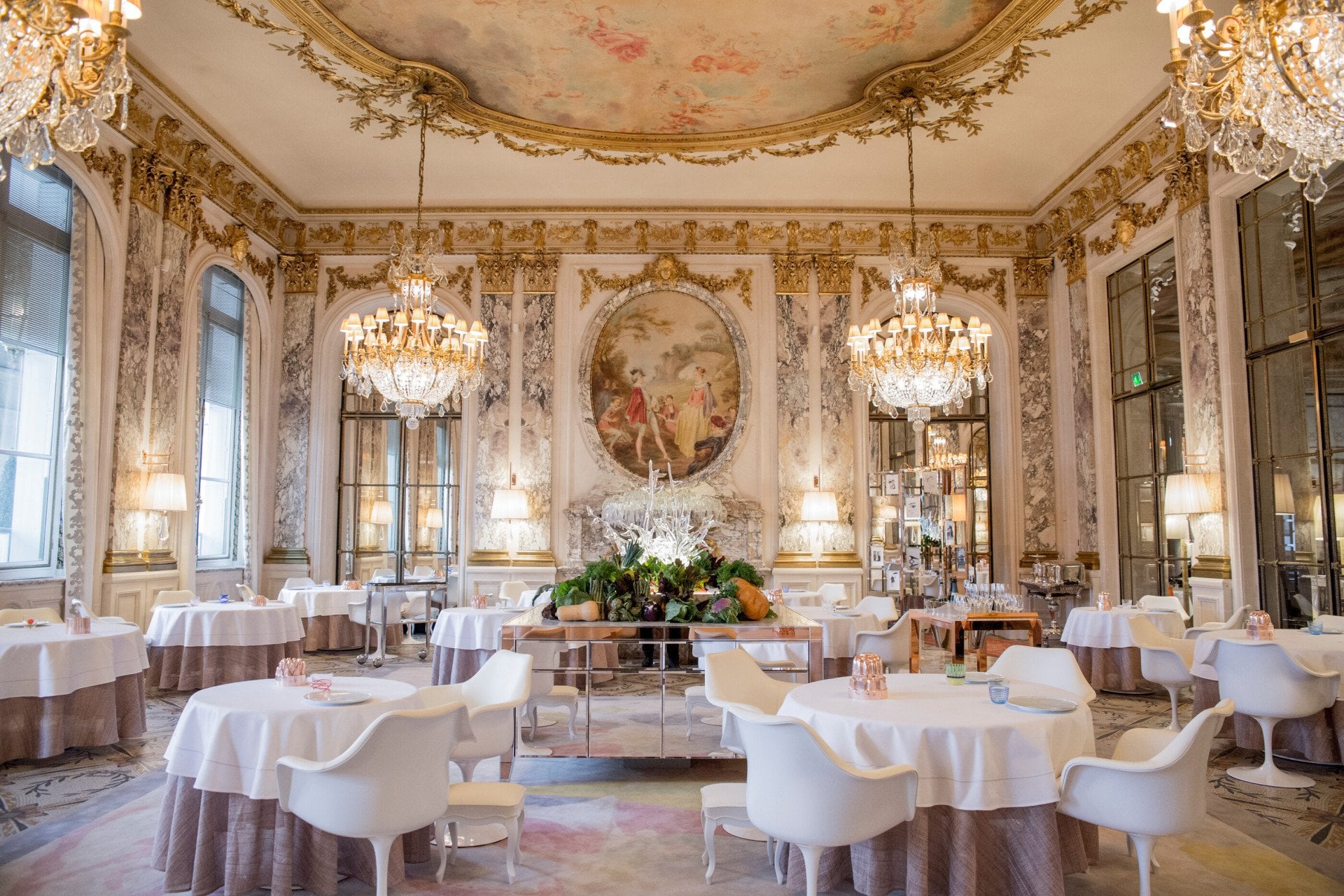
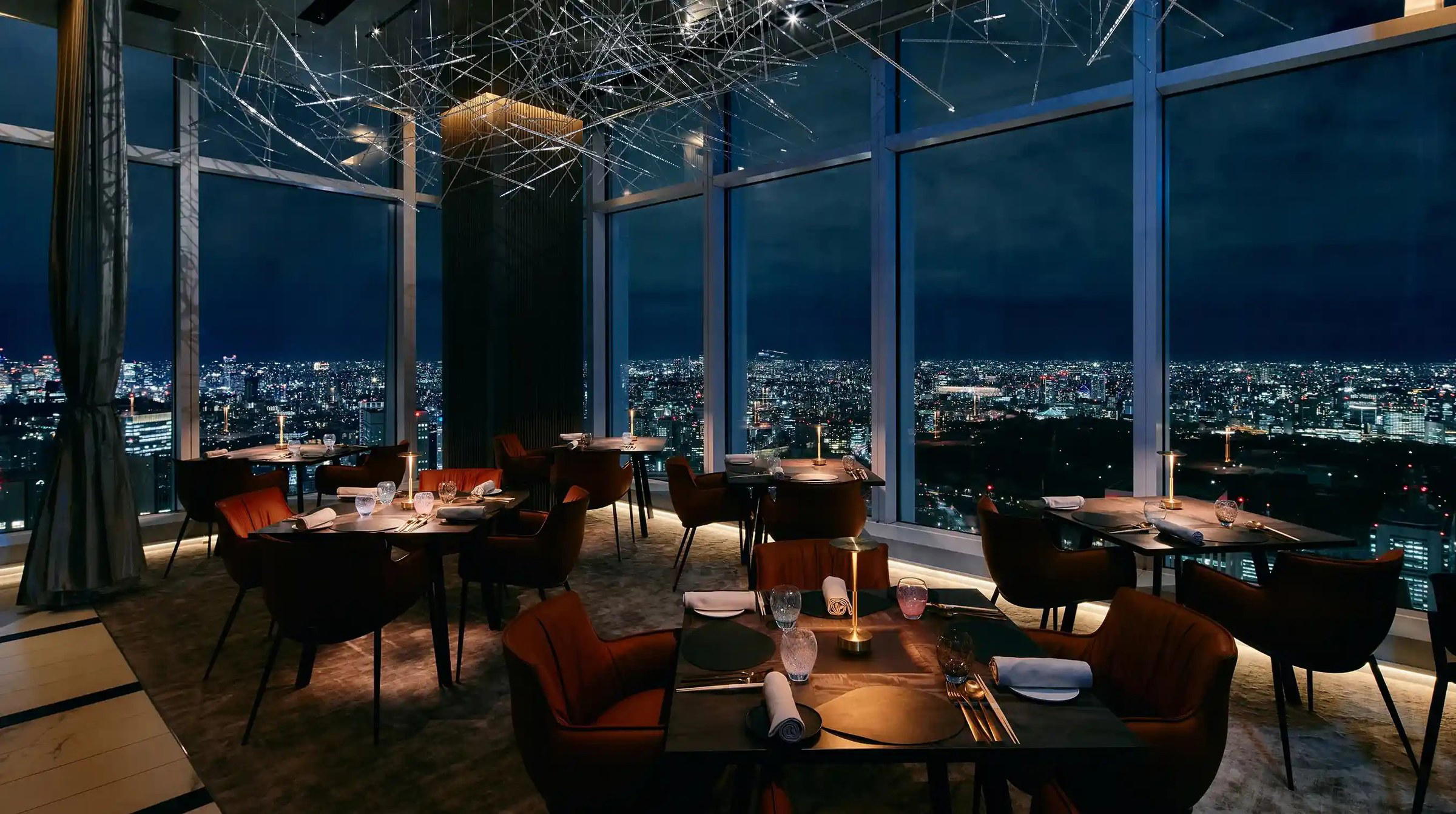
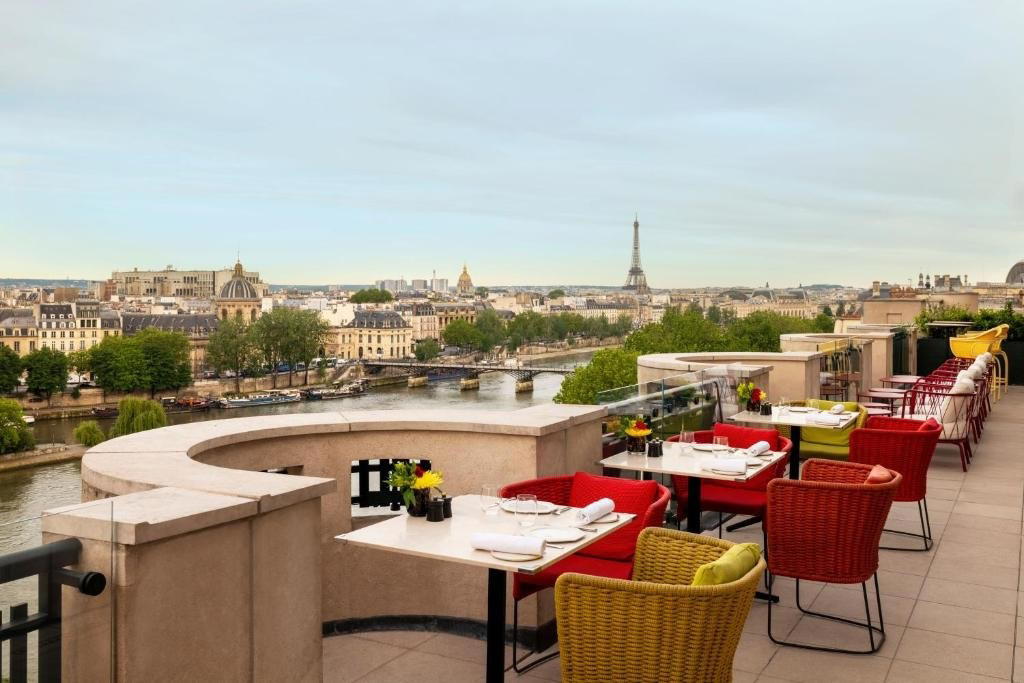
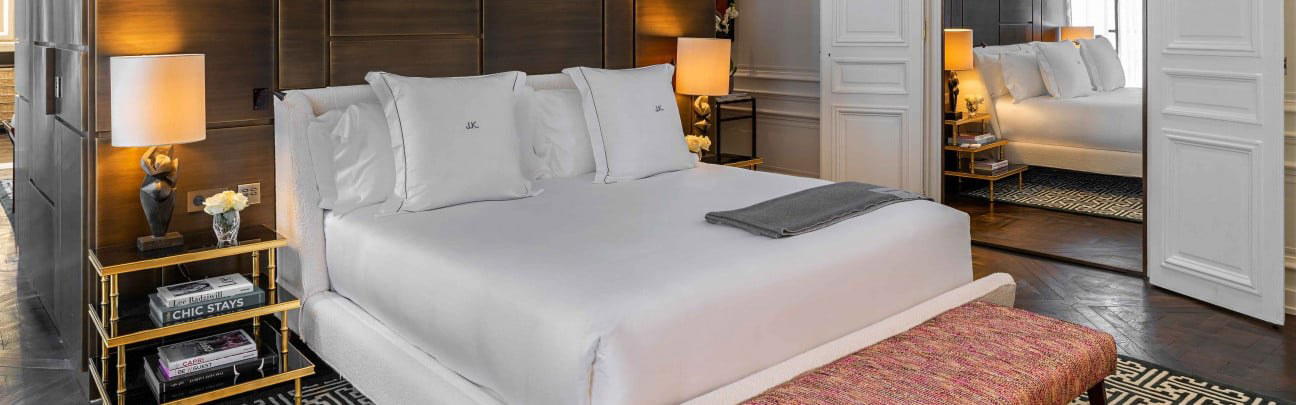
Cozy and dimly lit with a trendy, sophisticated atmosphere described as cool, dark, and glowing, well-suited for intimate evenings.