One of Barsac's most historically grounded estates, Château de Selle has been producing wine since 1940 under the stewardship of winemaker Jean-Pierre Perrin.
Pearl is the En Primeur Club membership app — saves, bookings, and concierge access live there. Same editors, same standards.
- Address
- Château Doisy Daëne, Gravas, Barsac, France
- Website
- domaines-ott.com
- Directions
- Get directions
 Saves & bookings on Pearl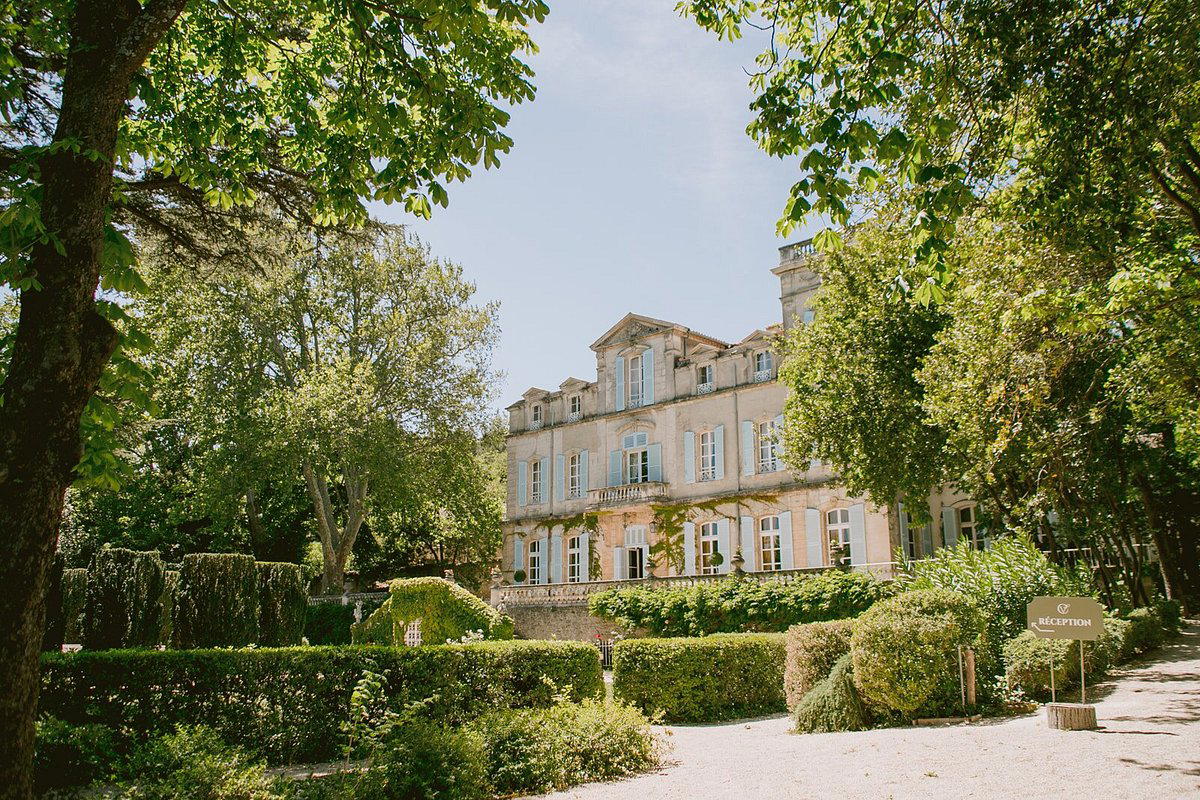
Where Barsac's Limestone Meets Long Memory
The Barsac appellation occupies a specific strip of the left bank of the Garonne, separated from its more famous neighbour Sauternes by nothing more than a communal boundary and, arguably, a slightly lighter touch in the glass. The soils here shift from the sandy gravels of the Médoc toward a mix of red clay and fossilised limestone locally called calcaire à astéries — a substrate that holds water in dry years, drains in wet ones, and imparts the kind of mineral tension that distinguishes Barsac at its most articulate. Château de Selle, addressed in the Gravas sector of the commune, sits directly on this geology. The estate's first recorded vintage dates to 1940, placing it among the generation of Barsac properties that consolidated their identity in the mid-twentieth century, before the appellation's global profile expanded in the 1980s and 1990s.
For context on where Château de Selle sits within Barsac's hierarchy, it helps to understand how the appellation's producers stratify. At the summit are classified growths with centuries of documentation, extensive parcels, and international auction records: Château Climens sits in this tier, its monopole of Boucherons clay producing some of the appellation's most age-worthy wines. Then there are the mid-tier classified and unclassified châteaux that trade on terroir specificity, technical precision, and longer-term family ownership — properties like Château Doisy-Daëne and Château Nairac, each with distinct soil profiles and house styles. Château de Selle occupies this latter category: an estate defined less by grand cru classification and more by the accumulation of knowledge across eight decades of continuous production.
The Gravas Terroir: Reading the Ground
The Gravas area takes its name from the gravelly limestone outcrops that punctuate the otherwise clay-heavy plateau. Walking the parcels here in September, when botrytis cinerea begins its selective work on the Sémillon and Sauvignon Blanc, the ground underfoot reads differently than in other parts of the commune. The drainage characteristics of this mixed substrate produce grapes with a specific concentration curve: not the extreme richness of the sandier Sauternes flats, but a more restrained sweetness offset by natural acidity that keeps the wines from reading as heavy.
This is the context in which winemaker Jean-Pierre Perrin has operated. Perrin's tenure at Château de Selle represents the kind of long-form relationship between a winemaker and a specific terroir that defines serious Bordeaux production, the sort of institutional knowledge that cannot be imported from elsewhere. In a region where botrytis patterns can shift dramatically between years, and where the optimal harvest window for noble rot sometimes spans only a few days, that accumulated read of a single site matters considerably. His work here aligns Château de Selle with a tradition of terroir-focused Barsac production rather than the more interventionist, extraction-heavy approach that came to define some of the appellation's less distinguished bottlings from the 1990s.
For comparison, producers at similar terroir-conscious estates across the broader Bordeaux region, such as Château Bastor-Lamontagne in Preignac, have demonstrated that consistent, site-faithful winemaking over decades is often a better predictor of wine quality than any single vintage's acclaim. The same logic applies in Barsac, where the appellation's leading producers distinguish themselves through vintage-to-vintage coherence as much as through singular exceptional years.
A 2025 Prestige Recognition in Context
In evaluating what this means for potential visitors or buyers, it is worth situating the award within the broader pattern of critical attention Barsac receives. The appellation has historically attracted less collector enthusiasm than Sauternes proper, despite sharing the same grape varieties, production methods, and climatic conditions.
For buyers navigating Bordeaux's sweet wine category, it narrows the field usefully.
Landscape and the Physical Estate
The editorial angle that matters most at Château de Selle is not the wine in the glass but the ground beneath the vines. The Gravas sector's terrain is among the more textured in Barsac: limestone outcrops break the otherwise flat plateau, providing both visual relief and the kind of soil variation that winemakers across this appellation spend careers learning to interpret. The estate's position within this sector means that the parcels face the conditions most associated with Barsac's structural style: moderate elevation changes, consistent morning mist from the Ciron river that promotes botrytis development, and the afternoon exposure that arrests the rot before it tips from noble to grey.
For visitors approaching from Bordeaux city, the Barsac appellation sits roughly 40 kilometres southeast, a drive that transitions from suburban sprawl to the quiet agricultural plains of the Garonne's left bank. The château address, Gravas, Barsac, places it within the heart of the producing commune, accessible via the D8 that runs through the appellation's vine-covered plateau. This is not wine country designed for tourism infrastructure in the way that, say, the Médoc's grand châteaux circuit is. Barsac remains a working agricultural landscape where visits are earned through appointment and engagement, not drive-by cellar doors. Prospective visitors should plan accordingly, approaching through the local context available in our full Barsac restaurants guide.
The physicality of the estate connects Château de Selle to a broader Bordelais tradition of anchoring wine identity in place rather than personality. Compare this to the approach taken by estates in other French appellations, such as Albert Boxler in Niedermorschwihr, where the dialogue between specific Alsatian plots and long family tenure produces a similar kind of terroir legibility. Or consider how properties in other Bordeaux communes, including Château Batailley in Pauillac and Château Branaire Ducru in St-Julien, build their identity around the specificity of their classified terroir. Château de Selle operates within the same logic, applied to the particular demands of sweet wine production in a limestone-clay commune.
Planning a Visit
Barsac operates differently from the grand tourist circuits of the Médoc and Saint-Émilion. Properties here generally receive visitors by appointment rather than through open cellar-door schedules, and Château de Selle is leading approached through direct contact arranged in advance. Given the absence of publicly available hours and booking information in the current record, prospective visitors should treat this as a destination requiring preparation: reach out through available channels, time a visit to coincide with harvest season (late September to October) for the fullest picture of how botrytis is managed in the Gravas sector, and pair the visit with the wider Barsac appellation context that nearby estates like Château Nairac and Château Doisy-Daëne provide. For comparison beyond Bordeaux's sweet wine belt, the production philosophy at estates such as Château Cantemerle in Haut-Médoc, Château Boyd-Cantenac in Cantenac, and Château Bélair-Monange in Saint-Émilion offers useful contrasts in how Bordeaux's different appellations handle prestige positioning and terroir communication. Further afield, the precision-driven estate approach at Accendo Cellars in St. Helena and the long-production-history model seen at Château de l'Aumérade provide wider international reference points for what a committed, single-site focus can produce over time.
Continue exploring
More in Barsac
At a Glance
- Elegant
- Romantic
- Classic
- Scenic
- Romantic Getaway
- Wine Education
- Special Occasion
- Vineyard Tour
- Estate Grounds
- Garden
- Terrace
- Historic Building
- Organic
- Vineyard
- Garden
- Côtes De Provence AOC
- Grenache
- Cinsault
- Rolle
- Still Rosé
- Estate Tasting
- Vineyard Walk
Refined and elegant with limestone vineyard terroir creating mineral-driven wines; bright, crystalline color with delicate fragrance of dusty dried flowers, ginger, and crushed apples.
Know Before You Go
- Getting there
- Château Doisy Daëne, Gravas, Barsac, France