


3 Michelin Stars · World's 50 Best #93 · La Liste Top Restaurants
Our verdict
Among Paris's three-Michelin-star restaurants, Kei occupies a distinct position: the only address at this tier where Japanese technique shapes classical French haute cuisine from the inside out. Ranked 99 points on La Liste 2026 and 26th in Opinionated About Dining's Classical Europe list for 2025, it operates out of a quiet first arrondissement address with tightly controlled sittings that reward forward planning.

Pearl is the En Primeur Club membership app, where members save venues, book tables and use the concierge.
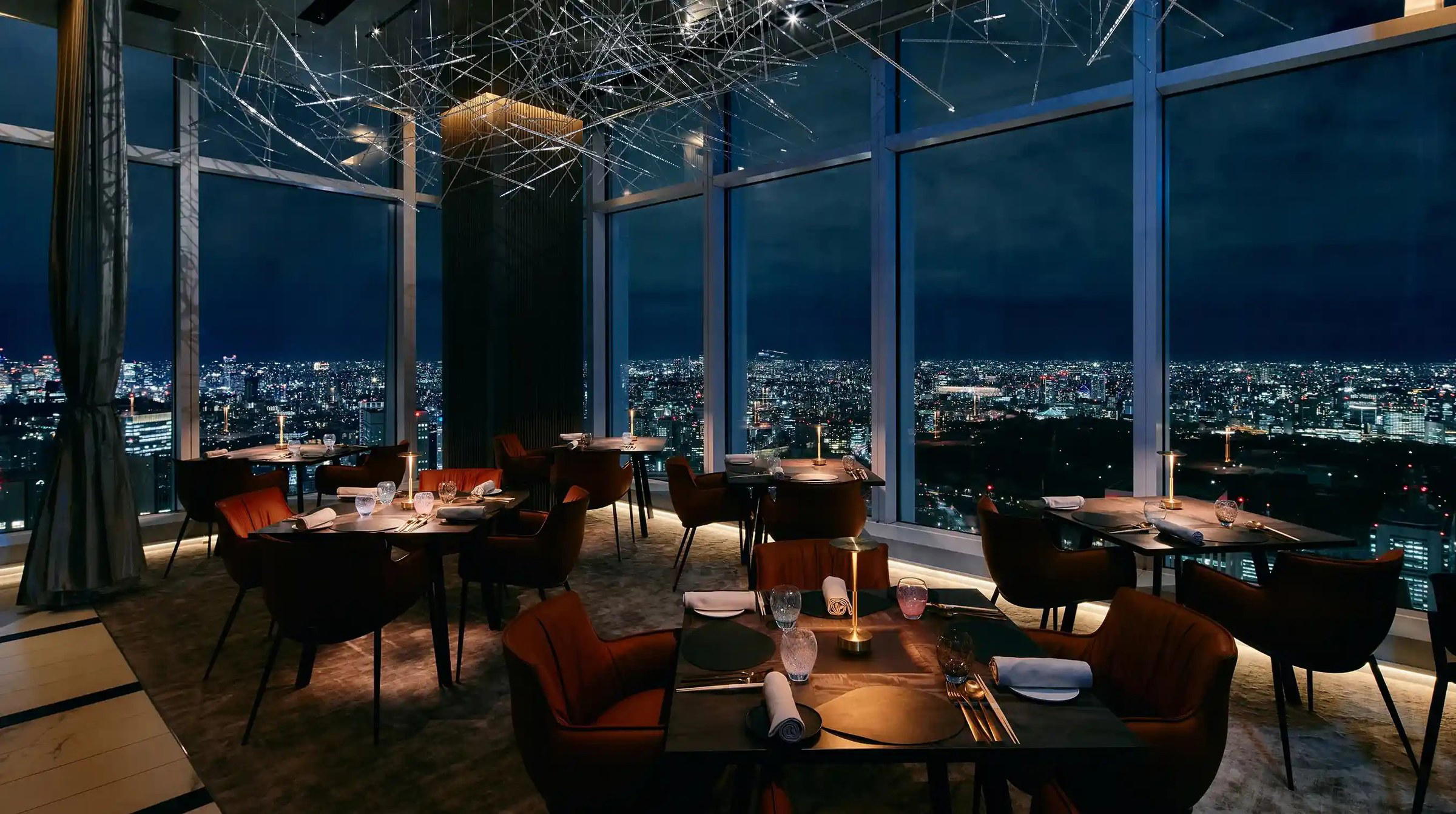
A Quiet Corner of the 1st That Operates at the Highest Level
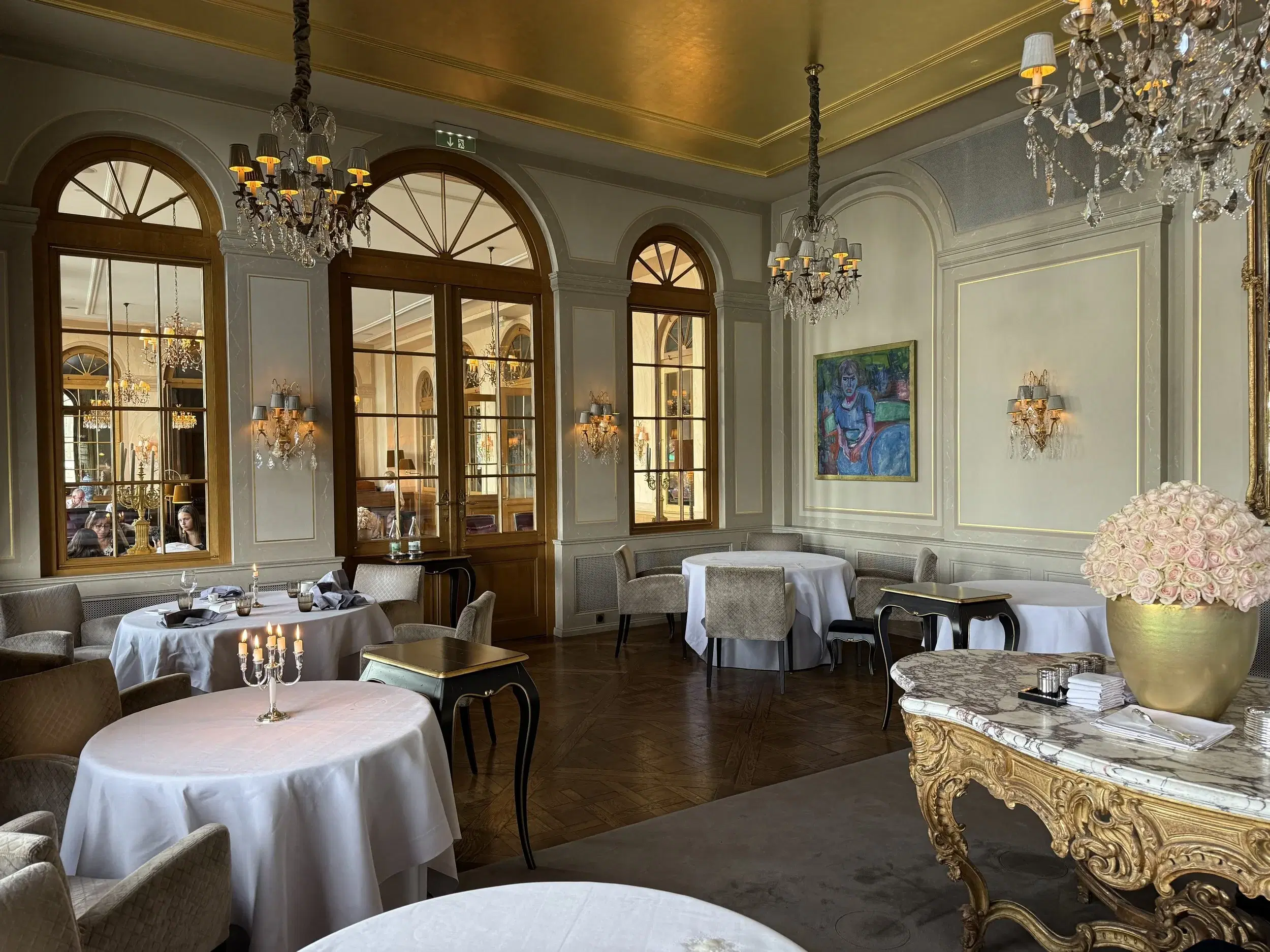
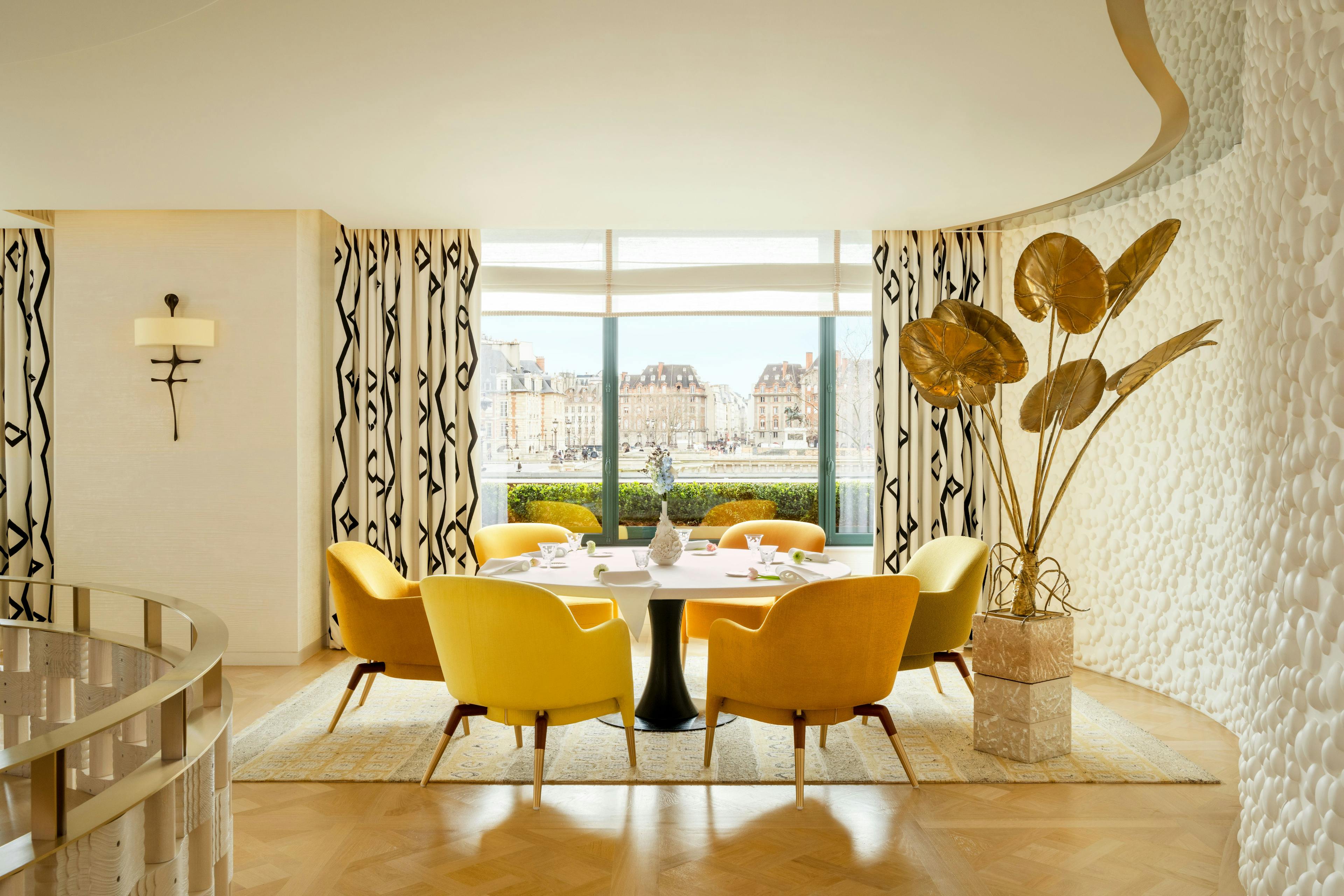
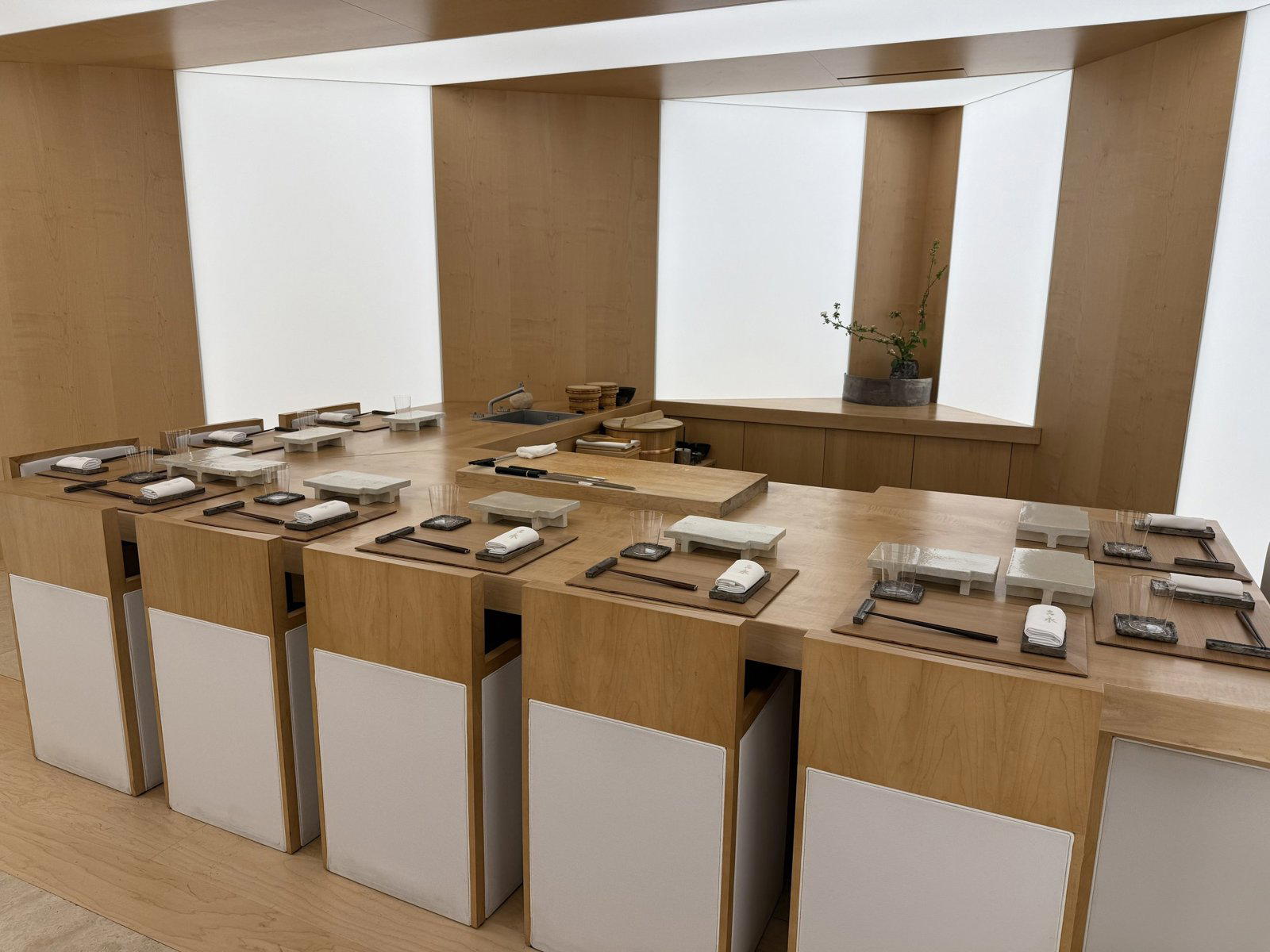
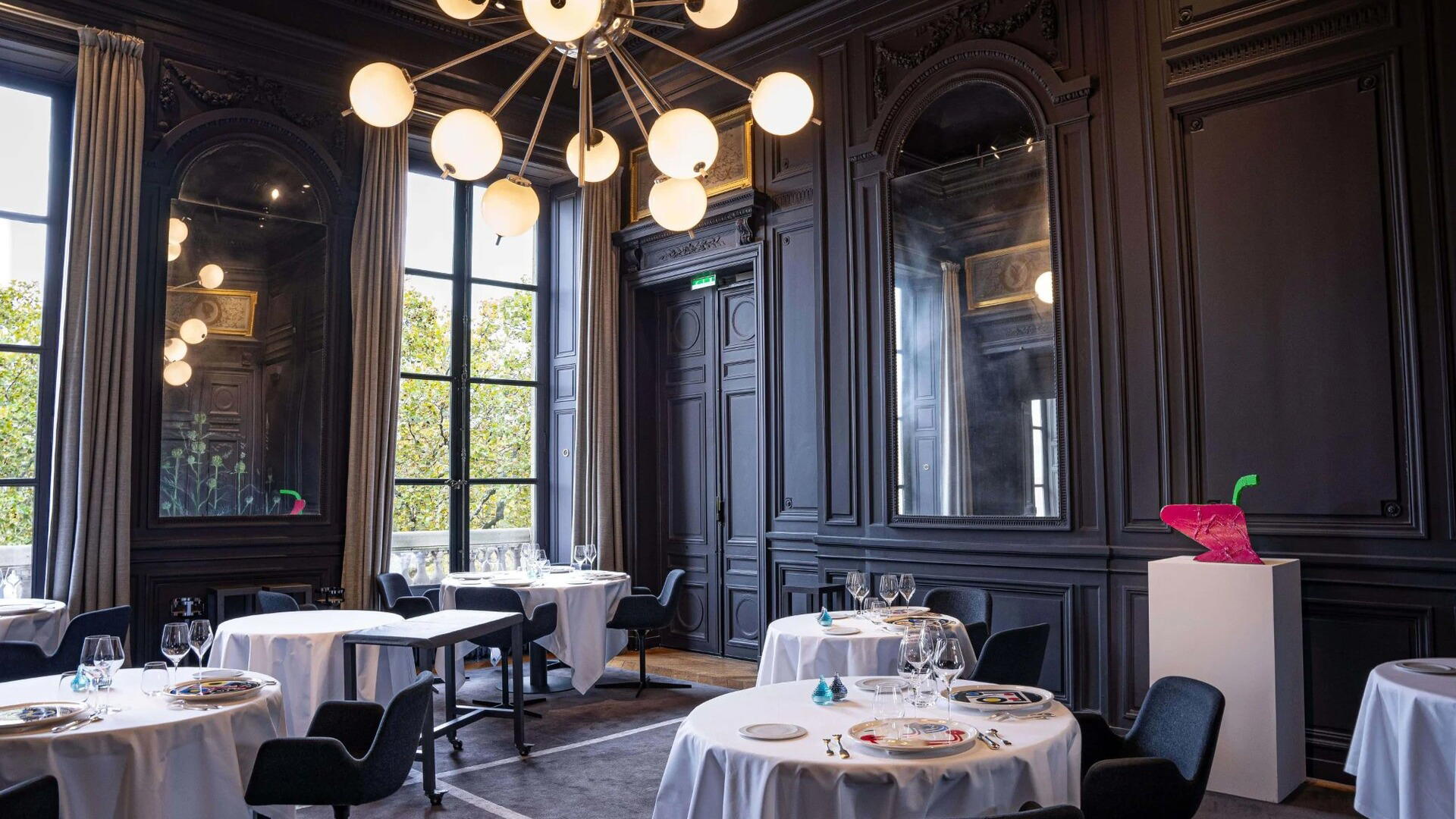
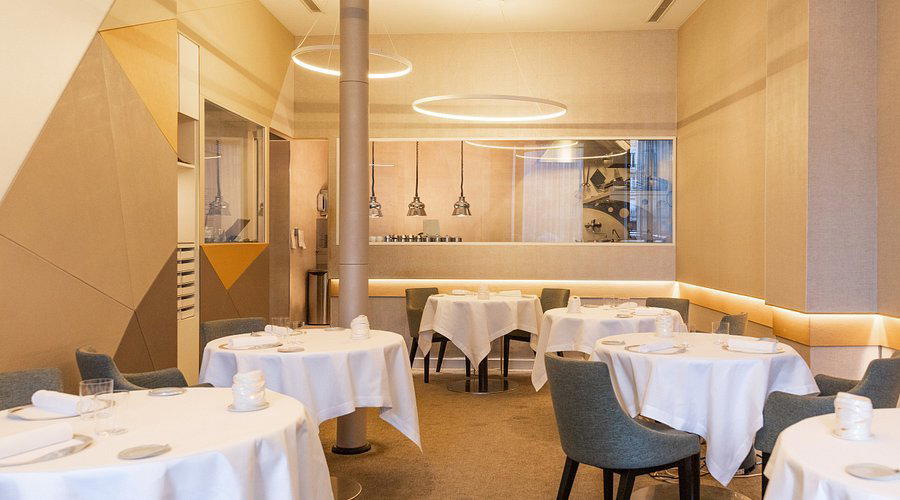
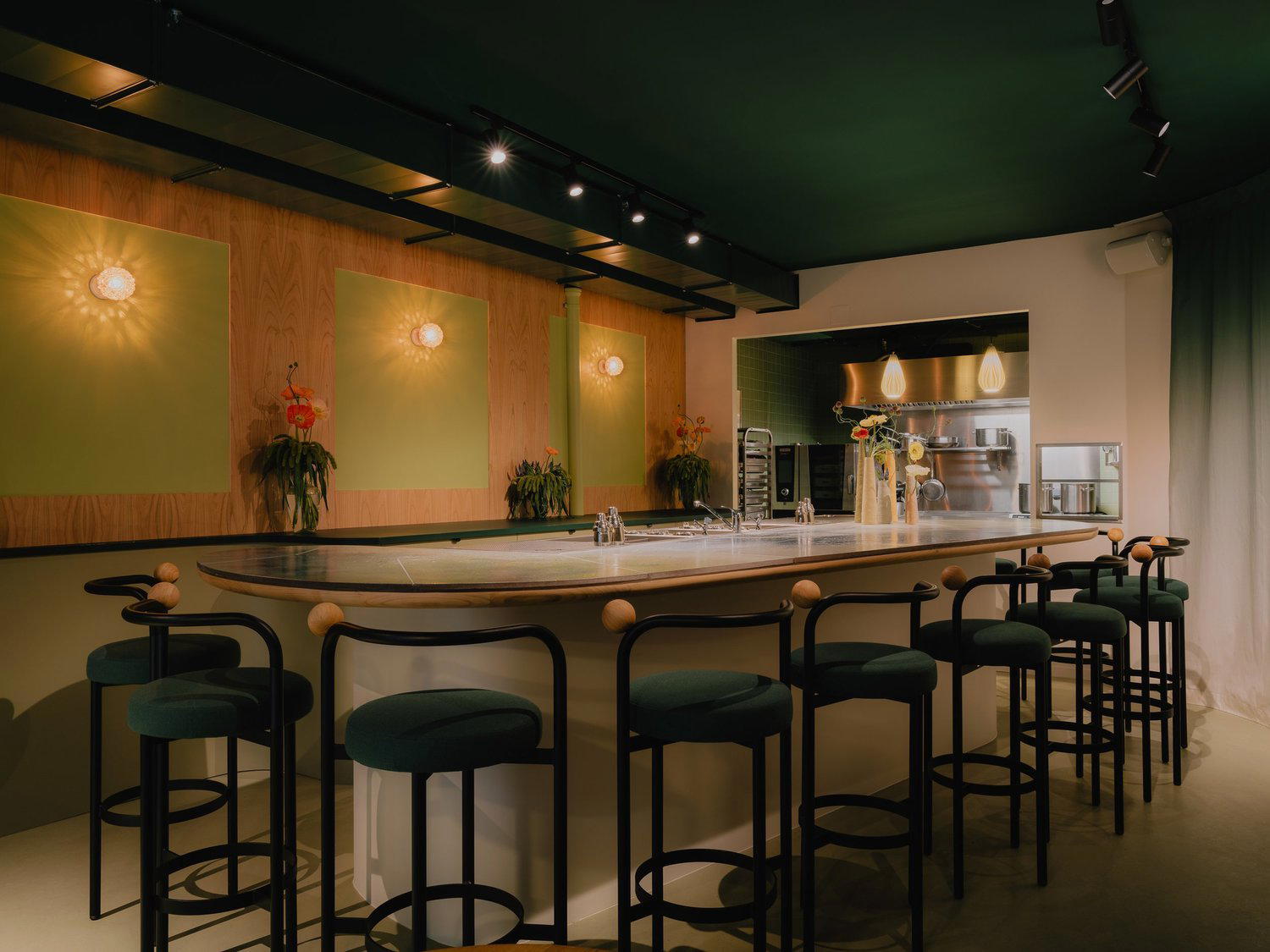
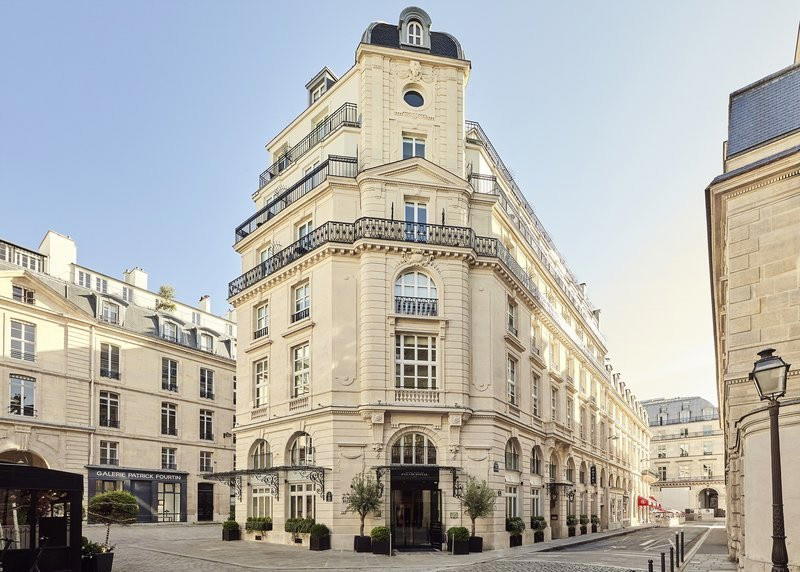
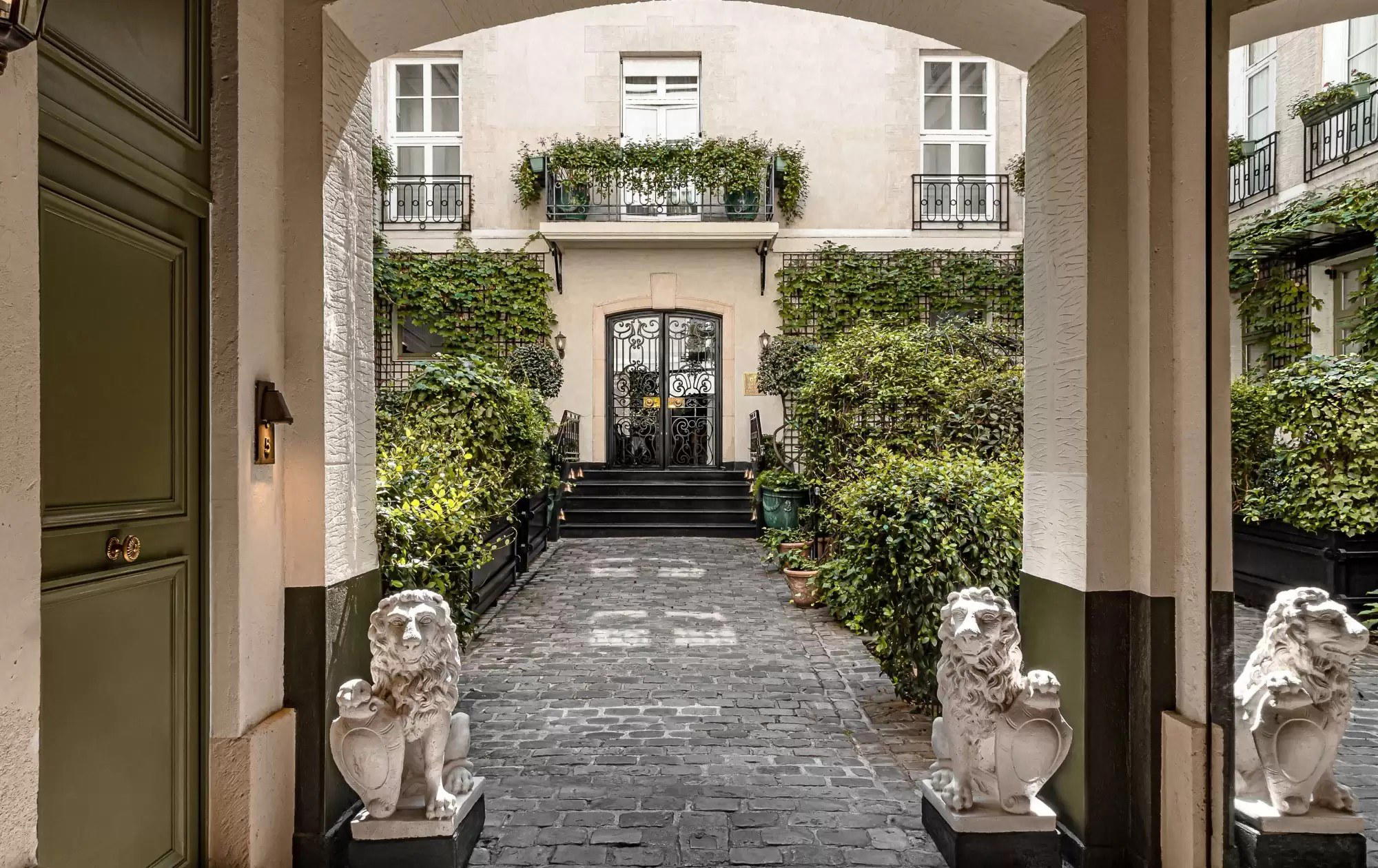
The rue Coq Héron runs off the place des Victoires into the quieter bureaucratic grid of the 1st arrondissement, away from the tourist circuits of the Louvre and the Palais-Royal's restaurant row. The building gives little away. This restraint is characteristic: Paris's most credentialed Japanese-French counter does not need to advertise itself on the street. The dining room, once you're inside, is controlled and precise in its atmosphere, a physical extension of what arrives on the plate. For context within the city's three-star tier, this matters. Alléno Paris au Pavillon Ledoyen occupies a grand Champs-Élysées pavilion; Lucas Carton is set in a Belle Époque landmark. Kei works from quieter premises, and that tonal difference carries through from the room to the service register.
The Lunch-Dinner Divide at This Level
Few questions matter more at Paris three-star restaurants than whether lunch or dinner represents the better proposition. At Kei, the gap is structural, not just atmospheric. Thursday through Saturday carry both a lunch sitting (12:30–13:15) and an evening sitting (19:45–20:45). Tuesday and Wednesday are dinner-only. Sunday and Monday see no service at all. That midday window of 45 minutes is narrow by any standard, and the precision of the booking slot signals a kitchen running to a strict tasting sequence rather than à la carte flexibility.
In practical terms, lunch at Paris's top tier has historically offered better value entry points, and at prestige houses across the city, the midi menu often provides access to the same kitchen at a lower price ceiling than the evening. Whether that differential applies here is a decision leading confirmed at booking, but the logic of the category holds: if calendar flexibility exists, the Thursday-to-Saturday lunch slot is worth considering before defaulting to an evening seat. Dinner at the 19:45 sitting carries more ceremony, longer pacing, and the atmospheric weight that the top-tier dining room earns after dark. Neither is the wrong choice, but they serve different reader priorities.
For comparison, Nakatani in the 7th, another address working the French-Japanese intersection at high level, offers a similarly controlled lunch-dinner structure worth weighing if your dates don't align with Kei's schedule. ERH operates at a different price tier but represents the same broader category for readers calibrating their Paris itinerary across multiple meals.
Where Kei Sits in Paris's Three-Star Tier
Paris currently runs seven three-Michelin-star tables within the city limits, a cluster that no European capital outside of Tokyo matches for density at this tier. Within that group, Kei holds a distinct competitive position. L'Ambroisie, in the place des Vosges, is the reference address for classical French luxury with zero foreign influence, Bernard Pacaud's kitchen is the benchmark for purists. Pierre Gagnaire on the rue Balzac operates from the opposite extreme, favouring creative disruption above all. Le Cinq at the Four Seasons George V and Plénitude at the Cheval Blanc sit inside five-star hotel environments with the full amenity stack that implies. Alléno operates at scale from the Champs-Élysées pavilion.
Kei occupies its own quadrant: three Michelin stars since 2024, a 99-point La Liste score in 2026 (up from 98.5 points in 2025), 26th in Opinionated About Dining's Classical Europe ranking for 2025, and a Les Grandes Tables du Monde listing in the same year. The World's 50 Best placed it at number 93 in 2023. These are not the marks of an address finding its footing, they represent consistent recognition across the major European assessment systems over a sustained period. For readers who use award overlap as a proxy for reliability, the combination of Michelin, La Liste, OAD, and Les Grandes Tables du Monde in the same cycle is a strong signal.
The critical distinction from its Paris peers is the Japanese substrate running through the technique. Kei Kobayashi trained with Gilles Goujon (three stars, Auberge du Vieux Puits) and Alain Ducasse before establishing this address, meaning the classical French foundation is deep and verifiable. What he added to those foundations, specifically a Japanese sense of plating discipline, ingredient legibility, and textural precision, produces something that reads as French haute cuisine but operates by different internal rules. The award data from La Liste's assessors, who gave the restaurant 99 of 100 points in their 2026 list, suggests that cross-tradition synthesis has now reached the leading fraction of European fine dining by their measure.
For readers interested in how other French regions handle three-star-level precision and tradition, Flocons de Sel in Megève, Troisgros - Le Bois sans Feuilles in Ouches, Auberge de l'Ill in Illhaeusern, Bras in Laguiole, and Paul Bocuse - L'Auberge du Pont de Collonges in Collonges-au-Mont-d'Or each represent a different strand of the tradition. Mirazur in Menton offers the Mediterranean counterpoint. For the French-Japanese synthesis at its most refined in a Paris context, Kei remains the primary reference point.
Outside France, readers tracking this cross-tradition territory at the highest level should note Ma Langue Sourit in Luxembourg and L'Arnsbourg in Baerenthal, both working Contemporary French, Modern Cuisine at the prestige tier with their own points of departure.
The Neighbourhood and Practical Access
The 1st arrondissement address at 5 rue Coq Héron places Kei between Châtelet-Les Halles and the Palais-Royal, reachable by metro on lines 1, 4, 7, 11, and 14. The immediate neighbourhood is commercial and quiet in the evenings once the administrative offices empty. It is not the kind of address you stumble upon or arrive at casually, which is, in the context of this category, entirely appropriate. The 45-minute lunch window and one-hour evening sitting suggest these are structured, pre-set sequences rather than open seatings.
Google's aggregate score of 4.7 across 1,177 reviews is a useful secondary signal. At restaurants operating at this price tier and formality level, where service encounters are high-stakes and opinions polarise between the converted and the price-sensitive, a sustained 4.7 from over a thousand responses indicates consistent execution rather than occasional brilliance.
Frenchie and Pilgrim serve readers building a Paris itinerary across multiple price points and formats alongside a prestige booking at Kei.
Planning Your Visit
| Detail | Kei | L'Ambroisie (peer ref) | Le Cinq (peer ref) |
|---|---|---|---|
| Michelin Stars | 3 | 3 | 3 |
| La Liste Score (2026) | 99 pts | Not confirmed in this cycle | Not confirmed in this cycle |
| OAD Classical Europe (2025) | #26 | Ranked separately | Ranked separately |
| Price Tier | €€€€ | €€€€ | €€€€ |
| Lunch Service | Thu–Sat, 12:30–13:15 | Lunch available | Lunch available |
| Dinner Service | Tue–Sat, 19:45–20:45 | Dinner available | Dinner available |
| Cuisine Axis | French-Japanese | Classical French | French Modern |
| Setting | Standalone, 1st arr. | Place des Vosges | Four Seasons hotel |
For the full picture of dining, drinking, and staying in the city, see our full Paris restaurants guide, our full Paris hotels guide, our full Paris bars guide, our full Paris wineries guide, and our full Paris experiences guide.
Frequently asked questions
What's the cuisine at Kei?
What's the address for Kei?
Kei is located at 5 Rue Coq Héron, 75001 Paris, France, Paris.
What awards or recognition does Kei have?
Kei has received recognition including: La Liste Top Restaurants (2026): 99pts; Opinionated About Dining Classical in Europe Ranked #26 (2025); Category: Prestige; Les Grandes Tables Du Monde Award (2025); La Liste Top Restaurants (2025): 98.5pts; Chef: Kei Kobayashi document.add….
What's the best thing to order at Kei?
Kei runs a structured set-menu format with timed sittings, lunch sittings begin at 12:30 and dinner at 19:45, so the sequence is determined by the kitchen, not the guest. The direction of the cooking follows Kei Kobayashi's documented approach: French technique applied to high-quality ingredients, with Japanese references in seasoning and plating, as seen in dishes such as binchotan-smoked royal langoustine and Vendée pigeon lacquered in red miso. At this level (3 Michelin stars, 99 points on La Liste 2026), the full menu is the proposition, arriving hungry and allowing the progression to unfold is the operative strategy.
Is Kei expensive?
Pricing at Kei is listed as €€€€.
What are Kei's hours?
Hours at Kei: Hours: Monday Closed Tuesday 19:45-20:45 Wednesday 19:45-20:45 Thursday 12:30-13:15 19:45-20:45 Friday 12:30-13:15 19:45-20:45 Saturday 12:30-13:15 19:45-20:45 Sunday Closed.
Which chef is Kei associated with?
The chef associated with Kei is Kei Kobayashi.
The Minimal Set
| Venue | Cuisine | Price | Awards | Notes |
|---|---|---|---|---|
| KeiThis venue (the venue you are viewing) | Modern French with Japanese Influences | $300–500 | 3 Michelin Stars · World's 50 Best #93 | Not listed |
| Alléno Paris au Pavillon Ledoyen | Modern French Fine Dining | $150–200 | 3 Michelin Stars · World's 50 Best #79 | Creative |
| L'Ambroisie | Classic French Haute Cuisine | $300–500 | 2 Michelin Stars · World's 50 Best #23 | French, Classic Cuisine |
| Le Cinq - Four Seasons Hôtel George V | Modern French Fine Dining | $300–500 | 3 Michelin Stars · World's 50 Best #24 | French, Modern Cuisine |
| Plénitude | Modern French Sauce-Led Fine Dining | $300–500 | 3 Michelin Stars · World's 50 Best #14 | Contemporary French |
| Pierre Gagnaire | Avant-Garde French Fine Dining | $200–300 | 3 Michelin Stars · World's 50 Best #17 | French, Creative |
Recognition history
Dated appearances from independent guides and award organizations, with the underlying list record or original source where available.
Michelin 3 Stars
Michelin
World's 50 Best Restaurants #93
World's 50 Best
La Liste Top Restaurants
La Liste
Falstaff Restaurant - 99 Falstaff Points
Falstaff
Les Grandes Tables du Monde Member
Les Grandes Tables du Monde
Full recognition history (14 entries)
Opinionated About Dining Classical in Europe Ranked #29
Opinionated About Dining
Gault & Millau Prestige Restaurant
Gault & Millau
La Liste Top Restaurants
La Liste
Michelin 3 Stars
Michelin
Opinionated About Dining Classical in Europe Ranked #26
Opinionated About Dining
The Best Chef Three Knives
The Best Chef
Michelin 3 Stars
Michelin
Opinionated About Dining Classical in Europe Ranked #22
Opinionated About Dining
Opinionated About Dining Classical in Europe Ranked #24
Opinionated About Dining