Louis Roederer has been producing Champagne from its Reims base since 1776, making it one of the oldest continuously operating houses in the region. Under chef de cave Jean-Baptiste Lécaillon, the house has shifted toward a terroir-driven, single-site approach that sets it apart from volume-led Champagne production.
Pearl is the En Primeur Club membership app — saves, bookings, and concierge access live there. Same editors, same standards.
- Address
- 21, boulevard Lundy, 51100 REIMS, France
- Phone
- +3326404211
- Website
- louis-roederer.com
- Directions
- Get directions
 Saves & bookings on Pearl
Chalk, Climate, and the Long View: Champagne as Terroir
The Marne valley does not deliver its leading wines easily. Champagne's northern latitude, among the coldest viable for wine grapes in France, means that ripeness is a negotiation conducted across decades of site selection, vine age, and cellar patience rather than a given of the growing season. The region's most serious houses have spent the past two decades moving away from the blending-for-consistency model that built Champagne's global commercial identity, and toward something harder to scale: wines that carry the specific character of chalk, clay, and microclimate rather than a house style ironed over everything.
Louis Roederer is a winery in Reims at 21 boulevard Lundy, and it sits at the centre of that shift. A first vintage recorded in the eighteenth century places it among the oldest continuous presences in Champagne, and that longevity has given the house both the vineyard holdings and the institutional patience to pursue a longer-term site-driven agenda.
What Terroir-Led Champagne Actually Means Here
The phrase terroir gets deployed loosely across French wine, but in Champagne it carries specific technical weight. The region's Belemnite chalk subsoil, the same geological formation running under the Côte des Blancs, drains quickly while retaining enough moisture to buffer the vines against dry summers, and it contributes the mineral tension that separates fine Champagne from technically adequate sparkling wine made on heavier soils. Chardonnay grown in deep chalk develops a different acid structure than the same variety planted on clay-heavy sites, and that structural difference drives the cellar decisions about dosage, disgorgement timing, and reserve wine use that distinguish house to house.
Jean-Baptiste Lécaillon, the house's chef de cave, has oriented the program around reducing what obscures that chalk expression: lower dosage across the range, an increasing proportion of still wines vinified in oak rather than inert vessels, and a push toward single-vineyard releases that make site differences legible rather than blending them away.
The House in Its Competitive Tier
Champagne's prestige tier has bifurcated over the past decade. On one side sit the volume grandes marques, whose NV blends represent enormous commercial operations calibrated for consistency across millions of bottles and whose marketing budgets define how most of the world understands the category. On the other sit the houses and growers whose production volumes are lower, whose vineyard ownership is deeper, and whose releases are timed to cellar readiness rather than commercial calendar. Roederer occupies a distinctive position: large enough to maintain serious négociant-side operations, but with an owned-vineyard percentage and a winemaking direction that pulls it toward the quality-focused side of that split.
The Cristal cuvée, first produced for Tsar Alexander II in the 1870s in a clear glass bottle, became one of Champagne's most visible prestige releases during the late twentieth century. What is less often noted is how the house has used the reputation built by that single cuvée to finance a broader quality agenda: the conversion of estate vineyards toward biodynamic farming, the introduction of lower-intervention cellar work, and the development of single-vineyard project releases that represent the house's most transparent statement about site specificity. Those project wines never sold in volume; the function was to demonstrate what the vineyards could say when given a single voice.
Reading the Region Through Roederer
Visitors approaching Champagne through a house like Roederer encounter the region differently than those entering through a supermarket NV. The house's spread across the Montagne de Reims, the Vallée de la Marne, and the Côte des Blancs gives a structured map of how those three sub-zones contribute differently to a blend: the Pinot Noir structure and red-fruit weight from the Montagne, the Chardonnay tension and vertical lift from the Côte des Blancs, the rounder, textured middle from Marne valley Pinot Meunier. Understanding any one serious Champagne house means understanding that geography, and Roederer's scale makes the lesson legible without the opacity that can come with smaller grower bottlings.
Reims itself sits at the northern anchor of the Montagne de Reims arc, and the grand houses lining its boulevards represent something specific about how Champagne industrialized in the nineteenth century: the move from merchant wine trade to vertically integrated production, cellar networks cut into the chalk below street level, and the accumulation of reserve wine stocks that allow houses to blend across multiple harvests. Roederer's cellars beneath boulevard Lundy are part of that urban substructure, holding wines in a consistent temperature environment that makes multi-year aging possible in a region where ambient winter temperatures can damage wines stored above ground.
Planning a Visit to Reims and Roederer
Reims sits approximately 130 kilometres northeast of Paris, with direct TGV service from Gare de l'Est running under fifty minutes at high-speed frequency, making it accessible as a day trip from the capital or a base for longer exploration of the region. The city's cathedral, a UNESCO World Heritage site, and its network of Champagne house cellars, several of which are also UNESCO-recognised for the chalk galleries cut beneath them, provide strong context for a multi-house visit itinerary.
Louis Roederer does not operate as an open-cellar tourism destination in the manner of some larger houses with dedicated visitor centres. Access is typically by pre-arranged appointment through professional or trade channels, and the practical logistics of booking are best confirmed through the house directly or through a specialist wine travel service. Visits are by appointment only, with a smart casual dress code.
Champagne's harvest window typically runs from mid-September through early October, and visiting during that period offers the chance to see the vineyards in activity and to understand the picking logistics across a fragmented appellation where dozens of individual crus may be harvested across a two-week window. The shoulder months of May through June and October through November offer quieter access to the region's cellar networks, with lower visitor numbers than the summer peak.
Albert Boxler in Niedermorschwihr, Château Bastor-Lamontagne in Preignac, Château Batailley in Pauillac, Château Bélair-Monange in Saint-Emilion, Château Boyd-Cantenac in Cantenac, Château Branaire Ducru in St-Julien, Château Cantemerle in Haut-Médoc, Château Clinet in Pomerol, Château d'Arche in Sauternes, Château d'Esclans in Courthézon, and Château Dauzac in Labarde. For spirits with comparable heritage depth, Aberlour in Aberlour and Chartreuse in Voiron offer parallel perspectives on long-established production. For Californian wine at comparable prestige tier, see Accendo Cellars in St. Helena. Our full Beauchamp restaurants guide covers further options in the area.
Comparison Snapshot
Comparable venues nearby, for context on price, style, and recognition.
| Venue | Cuisine | Price | Notes |
|---|---|---|---|
| Louis RoedererThis venue — the venue you are viewing | Chardonnay, Pinot Noir | $$$$ | Not listed |
| Lanson | Chardonnay, Pinot Noir | $$$$ | Tours-sur-Marne |
| Château Phélan Ségur | Cabernet Sauvignon, Merlot | $$$$ | Saint-Estèphe |
| Piper-Heidsieck | Pinot Noir, Chardonnay | $$$$ | Reims |
| Larmandier-Bernier | Chardonnay, Pinot Noir | $$$$ | Paso Robles |
| Marie Brizard | Cabernet Sauvignon, Merlot | $$$ | Charenton-le-Pont |
Continue exploring
More in Beauchamp
Wineries in Beauchamp
Browse all →


Bars in Beauchamp
Browse all →
Restaurants in Beauchamp
Browse all →

At a Glance
- Elegant
- Sophisticated
- Classic
- Special Occasion
- Wine Education
- Cave Tasting
- Vineyard Tour
- Vineyard
- Champagne AOC
- Chardonnay
- Pinot Noir
- Sparkling
- Estate Tasting
Current opening hours
- Monday
- 9 AM–12 PM, 2–6 PM
- Tuesday
- 9 AM–12 PM, 2–6 PM
- Wednesday
- 9 AM–12 PM, 2–6 PM
- Thursday
- 9 AM–12 PM, 2–6 PM
- Friday
- 9 AM–12 PM, 2–6 PM
- Saturday
- Closed
- Sunday
- Closed
Hours can change for holidays and private events. Last verified .
- Winemaker: official source · checked
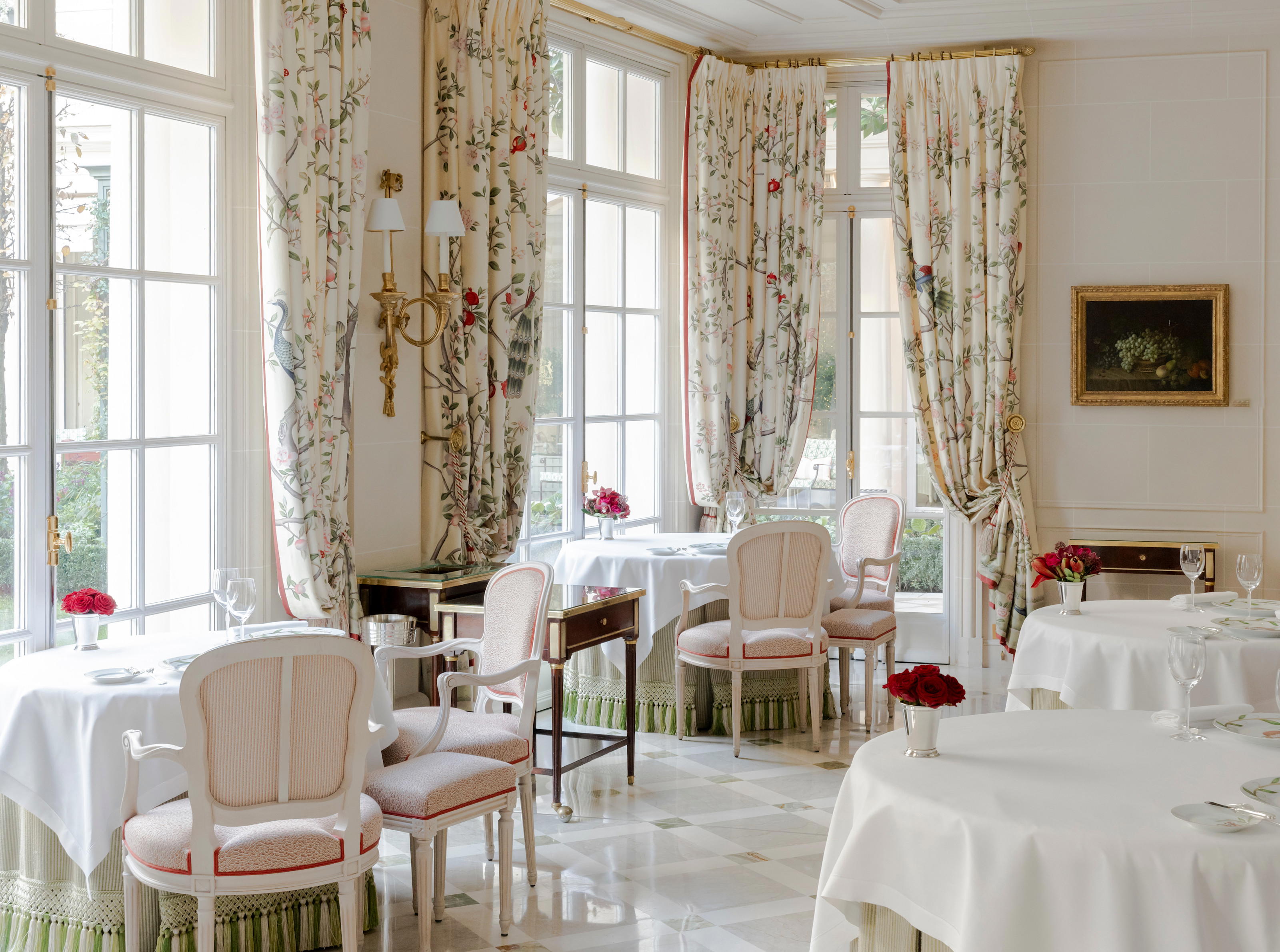
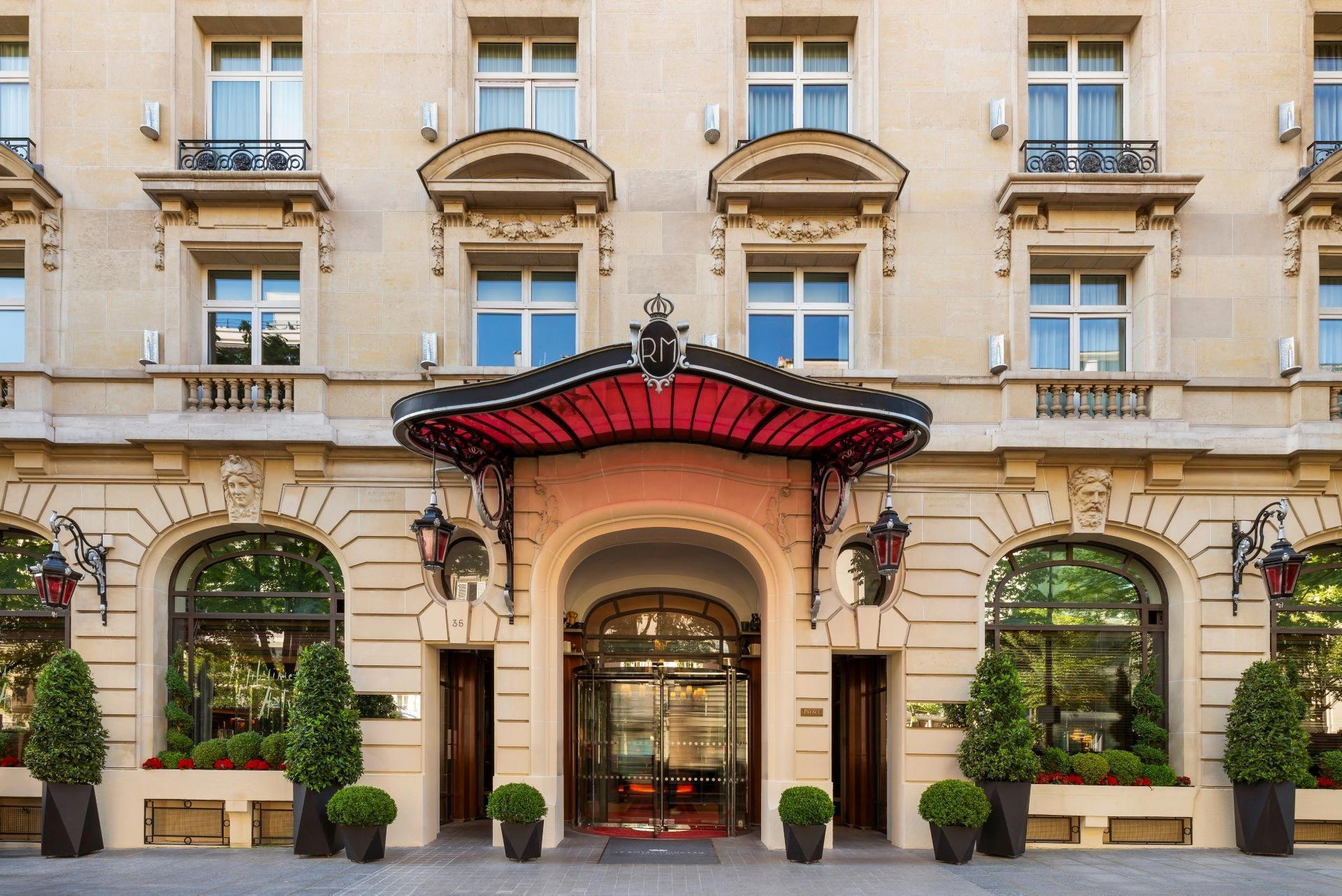
Elegant and historic champagne house with a sophisticated, classic atmosphere.