





Arpège belongs to the Paris fine-dining tier where technical French cooking is judged against its ability to evolve, not merely preserve. Alain Passard’s long turn from slow-cooked meats toward garden-led cuisine gives the restaurant its critical importance: vegetables are treated as the main argument, backed by Michelin in 2025, La Liste Top Restaurants 2026 at 97 points, and decades of international ranking history.
Pearl is the En Primeur Club membership app — saves, bookings, and concierge access live there. Same editors, same standards.
- Address
- 84 Rue de Varenne, 75007 Paris, France
- Phone
- +33 1 47 05 09 06
- Website
- alain-passard.com
- Directions
- Get directions
 Saves & bookings on Pearl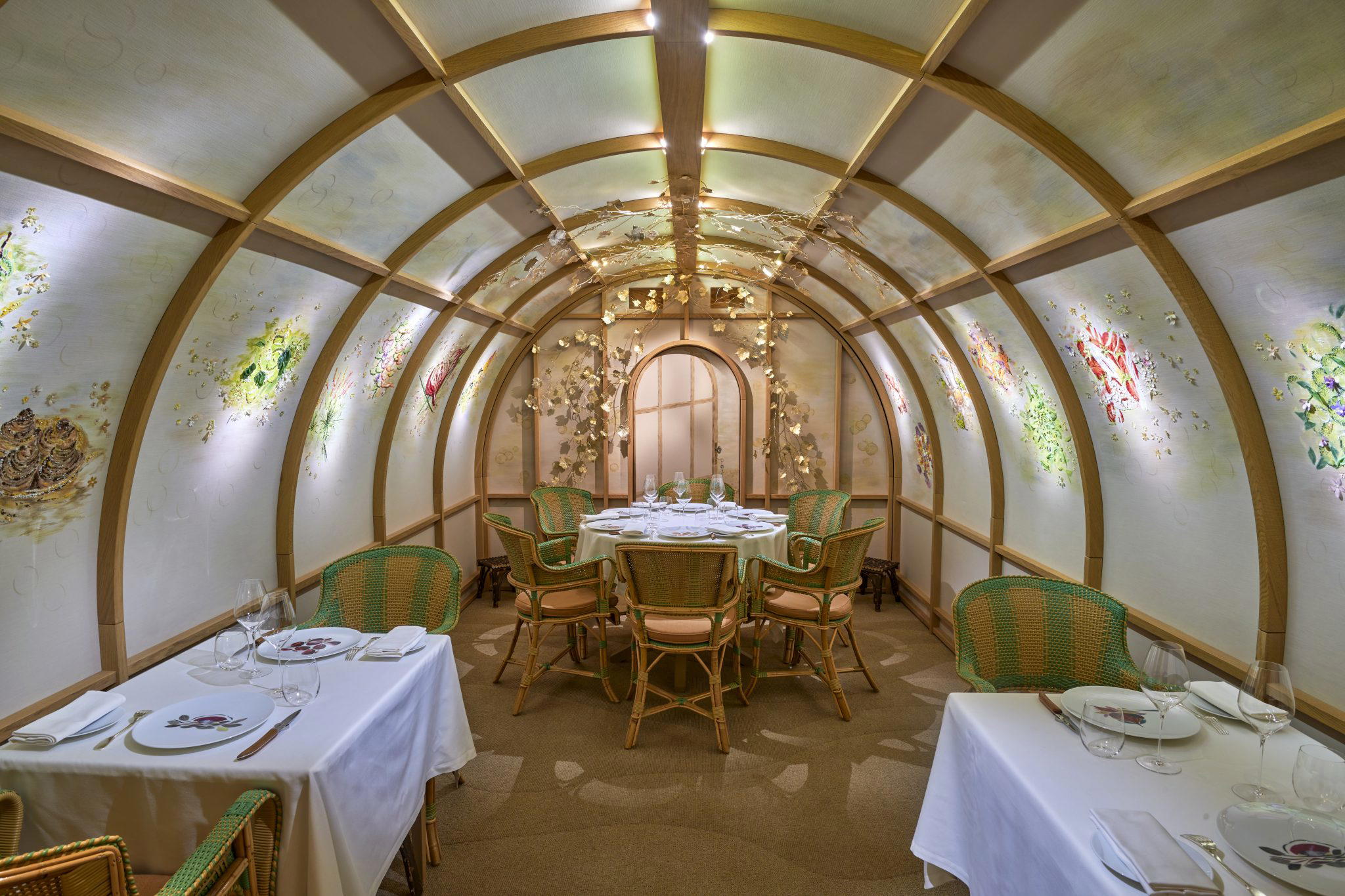
Arpège is a formal, high-priced creative restaurant in Paris associated with chef Alain Passard. The verified public details are concise: the cuisine is listed as Creative, the price level is €€€€, the dress code is Formal, and service is scheduled Monday to Friday for lunch and dinner, with Saturday and Sunday closed.
Within Paris’s upper-end creative-dining bracket, Arpège can be considered alongside Alléno Paris au Pavillon Ledoyen, L’Écrin, Le Meurice Alain Ducasse, and Le Clos Y. Those comparisons are useful for planning, but the safest confirmed description of Arpège itself is simple: a formal Paris restaurant led by Alain Passard, listed in the €€€€ range, and categorized as Creative cuisine.
Creative dining in a formal Paris setting
Arpège’s verified identity rests on a few practical facts rather than a long list of confirmed menu claims. It is a Creative restaurant in Paris, connected to chef-owner Alain Passard, with a Formal dress code and a premium €€€€ price classification.
Diners should read Arpège as a high-end creative Paris restaurant and confirm current menu and booking details directly before planning a visit.
The verified recognition text includes a booking-oriented description and a quotation associated with L’Arpège, but it does not provide a clearly confirmed award, ranking, score, or star level that should be stated as fact here.
The practical information is clearer: Arpège is listed as open Monday through Friday from 12–2:30 PM and 7:30–10:30 PM, and closed Saturday and Sunday. That schedule supports both lunch and dinner planning on weekdays.
Passard's role is the main verified context
Alain Passard is the chef-owner connected to Arpège. That is the strongest confirmed personal context for the restaurant and the most reliable way to frame the venue without adding unsupported biographical or culinary specifics.
Any planning description should therefore stay general unless current information is confirmed directly by the restaurant.
For visitors comparing premium Paris dining rooms, Arpège’s combination of chef association, formal dress code, and €€€€ price level places it firmly in the city’s serious restaurant-planning conversation.
That does not require overstating what is known. The accurate summary is that Arpège is a formal Creative restaurant in Paris, led by Alain Passard, with weekday lunch and dinner hours and weekend closure.
How to read it against Paris and beyond
If comparing it with other high-end options, consider Alléno Paris au Pavillon Ledoyen, L’Écrin, Le Meurice Alain Ducasse, and Le Clos Y as part of the broader Paris dining landscape.
The booking decision should be based on confirmed fundamentals: Creative cuisine, Alain Passard’s association, €€€€ pricing, Formal dress code, weekday lunch and dinner service, and Saturday-Sunday closure. For menu specifics, dietary needs, beverage options, or current availability, diners should verify directly before committing.
Use the broader Paris restaurant landscape to decide whether Arpège fits the tone of the trip. It is most clearly suited to diners seeking a formal, high-end Creative restaurant in Paris rather than a casual or low-price meal.
A Quick Peer Check
Nearby venues at a similar price tier for orientation.
| Venue | Cuisine | Price | Awards |
|---|---|---|---|
| ArpègeThis venue — the venue you are viewing | Creative | €€€€ | Michelin 3 Stars, World's 50 Best Restaurants #45 (2024), World's 50 Best Restaurants #62 (2023), World's 50 Best Restaurants #31 (2022), World's 50 Best Restaurants #23 (2021), World's 50 Best Restaurants #8 (2019), World's 50 Best Restaurants #8 (2018), World's 50 Best Restaurants #12 (2017), World's 50 Best Restaurants #19 (2016), World's 50 Best Restaurants #12 (2015), World's 50 Best Restaurants #25 (2014), World's 50 Best Restaurants #16 (2013), World's 50 Best Restaurants #16 (2012), World's 50 Best Restaurants #19 (2011), World's 50 Best Restaurants #46 (2008), World's 50 Best Restaurants #43 (2007), World's 50 Best Restaurants #44 (2006), World's 50 Best Restaurants #26 (2005), World's 50 Best Restaurants #25 (2004), World's 50 Best Restaurants #6 (2003) |
| Alléno Paris au Pavillon Ledoyen | Creative | €€€€ | Creative, €€€€ |
| Le Clos Y | Creative | €€€ | Creative, €€€ |
| Interlude | Creative | ££££ | Creative, ££££ |
| L'Écrin | Creative | €€€€ | Creative, €€€€ |
| Le Meurice Alain Ducasse | Creative | €€€€ | Creative, €€€€ |
Recognition history
Dated appearances from independent guides and award organizations, with the underlying list record or original source where available.
La Liste Top Restaurants
La Liste
Michelin 3 Stars
Michelin
Opinionated About Dining Top Restaurants in Europe Ranked #32
Opinionated About Dining
Chef's Table Featured on Chef's Table
Chef's Table
La Liste Top Restaurants
La Liste
Michelin 3 Stars
Michelin
The Best Chef Three Knives
The Best Chef
We're Smart World 5 Radishes
We're Smart World
We're Smart World Top 100 #36
We're Smart World
World's 50 Best Best Restaurants #45
World's 50 Best
Michelin 3 Stars
Michelin
Opinionated About Dining Top Restaurants in Europe Ranked #28
Opinionated About Dining
World's 50 Best Best Restaurants #45
World's 50 Best
Opinionated About Dining Top New Restaurants in Europe Ranked #21
Opinionated About Dining
World's 50 Best Best Restaurants #62
World's 50 Best
World's 50 Best Best Restaurants #31
World's 50 Best
World's 50 Best Best Restaurants #23
World's 50 Best
World's 50 Best Best Restaurants #8
World's 50 Best
World's 50 Best Best Restaurants #8
World's 50 Best
World's 50 Best Best Restaurants #12
World's 50 Best
World's 50 Best Best Restaurants #19
World's 50 Best
World's 50 Best Best Restaurants #12
World's 50 Best
World's 50 Best Best Restaurants #25
World's 50 Best
World's 50 Best Best Restaurants #16
World's 50 Best
World's 50 Best Best Restaurants #16
World's 50 Best
World's 50 Best Best Restaurants #19
World's 50 Best
World's 50 Best Best Restaurants #46
World's 50 Best
World's 50 Best Best Restaurants #43
World's 50 Best
World's 50 Best Best Restaurants #44
World's 50 Best
World's 50 Best Best Restaurants #26
World's 50 Best
World's 50 Best Best Restaurants #25
World's 50 Best
World's 50 Best Best Restaurants #6
World's 50 Best
Continue exploring
More in Paris
Restaurants in Paris
Browse all →
Bars in Paris
Browse all →
Hotels in Paris
Browse all →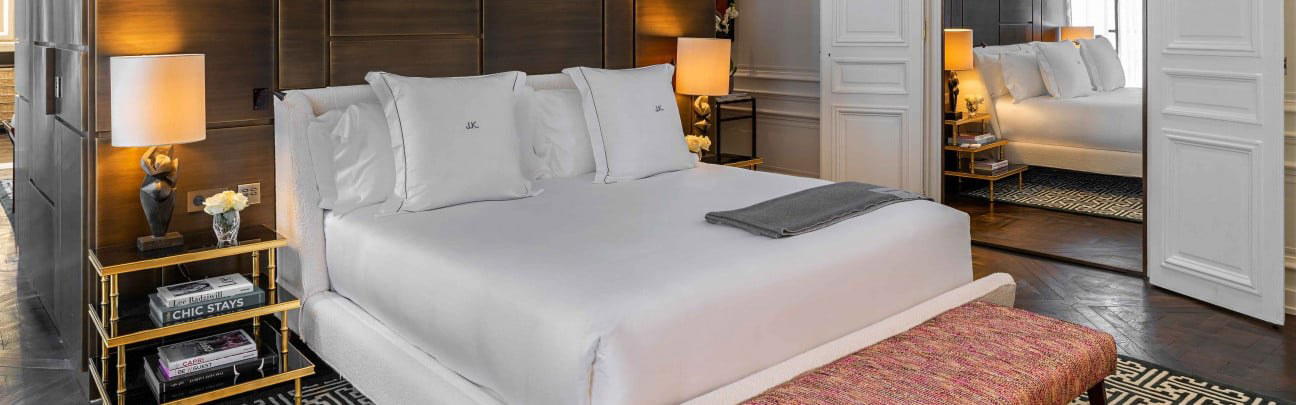
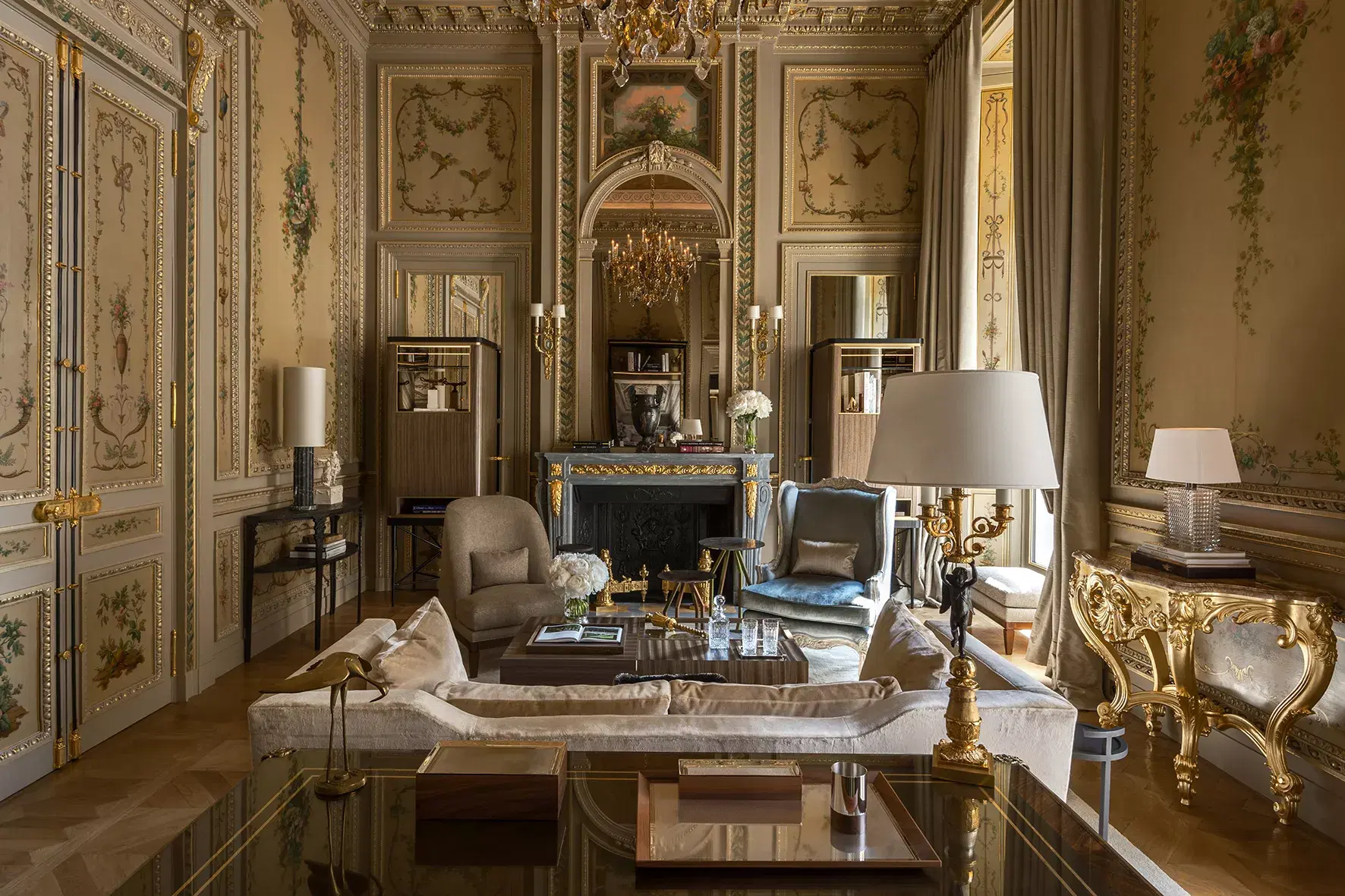
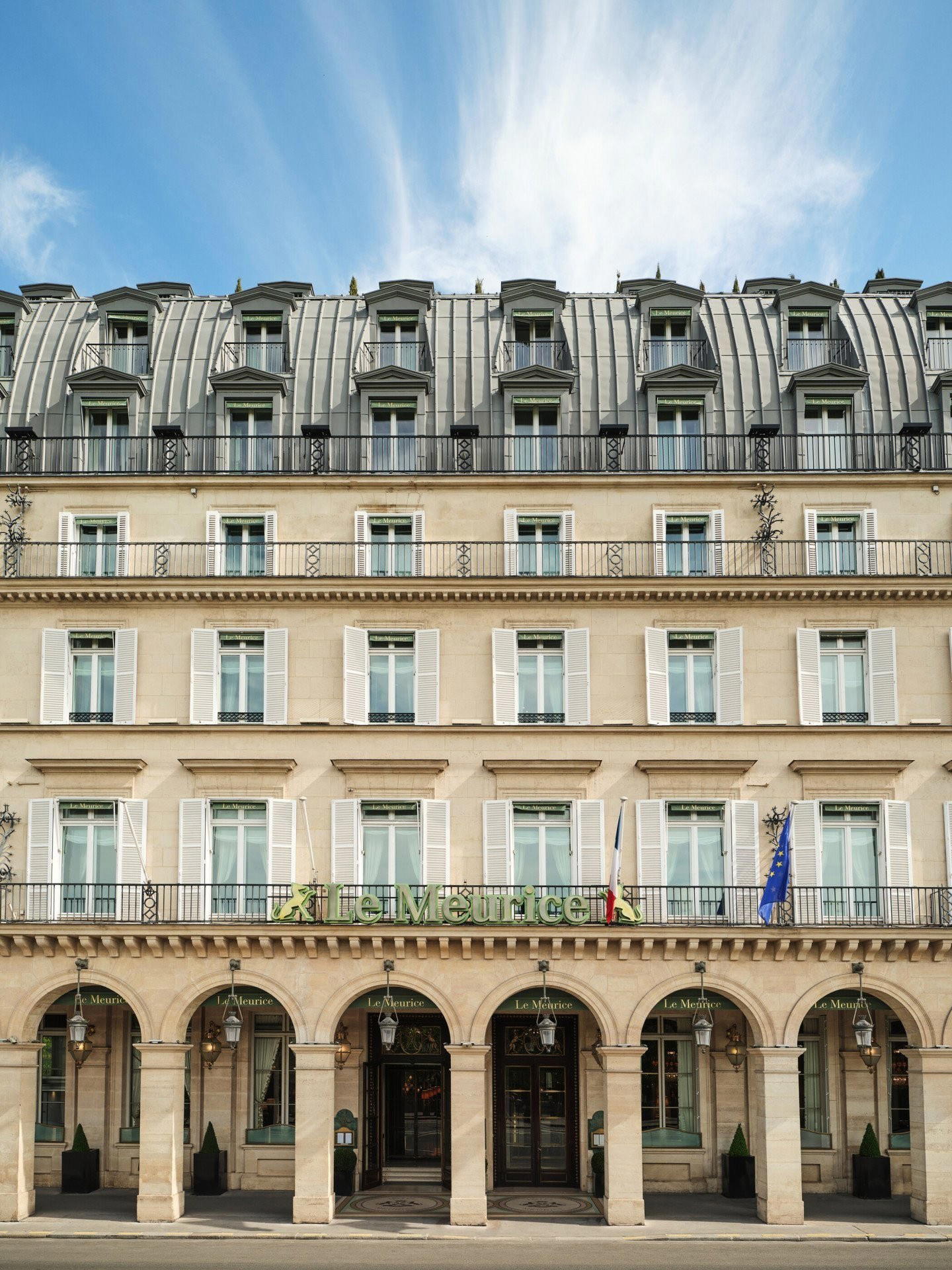
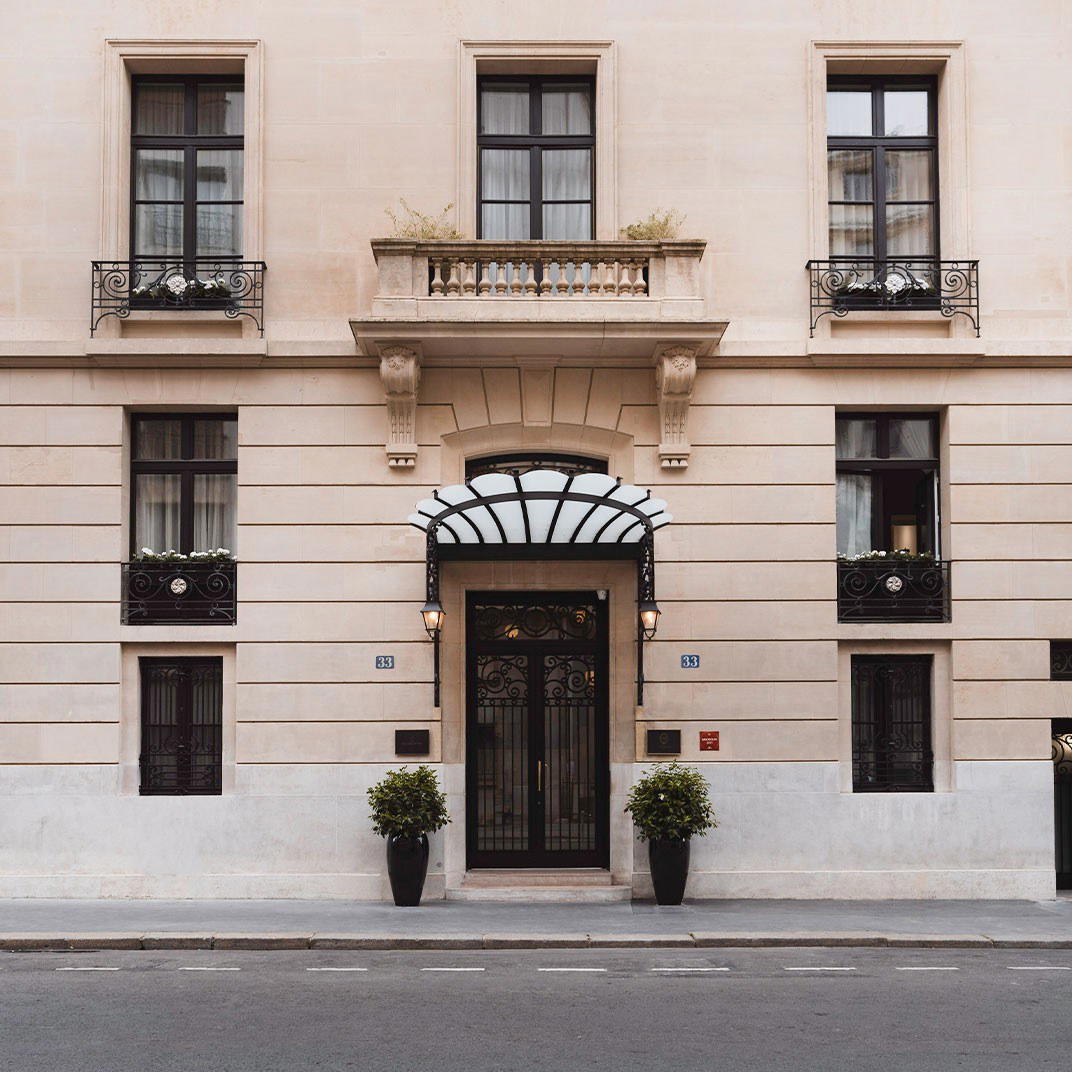
At a Glance
- Elegant
- Sophisticated
- Intimate
- Classic
- Special Occasion
- Date Night
- Business Dinner
- Open Kitchen
- Extensive Wine List
- Local Sourcing
Current opening hours
- Monday
- 12–2:30 PM, 7:30–10:30 PM
- Tuesday
- 12–2:30 PM, 7:30–10:30 PM
- Wednesday
- 12–2:30 PM, 7:30–10:30 PM
- Thursday
- 12–2:30 PM, 7:30–10:30 PM
- Friday
- 12–2:30 PM, 7:30–10:30 PM
- Saturday
- Closed
- Sunday
- Closed
Hours can change for holidays and private events. Last verified .
Elegant, cozy, and atmospheric with beautiful, inviting decor featuring artistic details and a fairytale-like charm.
Know Before You Go
- Reservations
- Essential
- Dress code
- Formal
- Getting there
- 84 Rue de Varenne, 75007 Paris, France