Seppeltsfield Road Distillers
Seppeltsfield Road Distillers sits at 436 Seppeltsfield Rd in Marananga, placing it inside one of the Barossa Valley's most historically loaded wine corridors. For visitors moving through the valley's cellar door circuit, it represents a distinct detour into spirits production within a wine-dominant region.

Pearl is the En Primeur Club membership app — saves, bookings, and concierge access live there. Same editors, same standards.
- Address
- 436 Seppeltsfield Rd, Marananga SA 5355
- Phone
- +61 8 7081 2000
- Directions
- Get directions
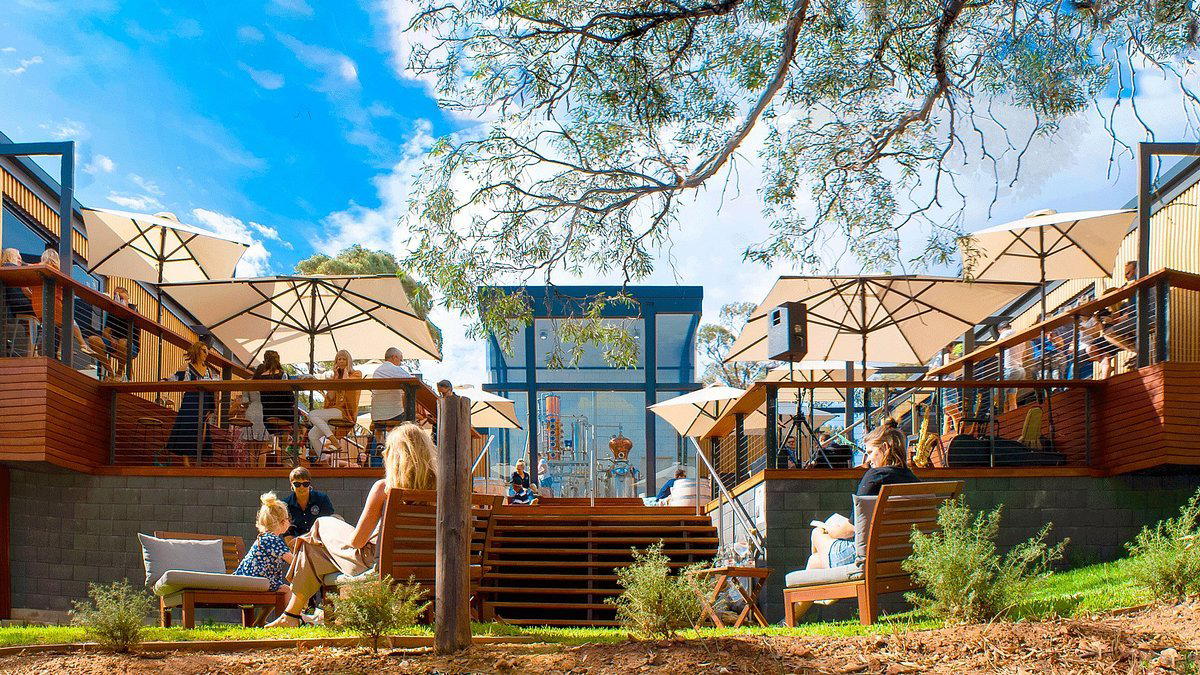
A Spirits Producer on the Valley's Most Celebrated Road
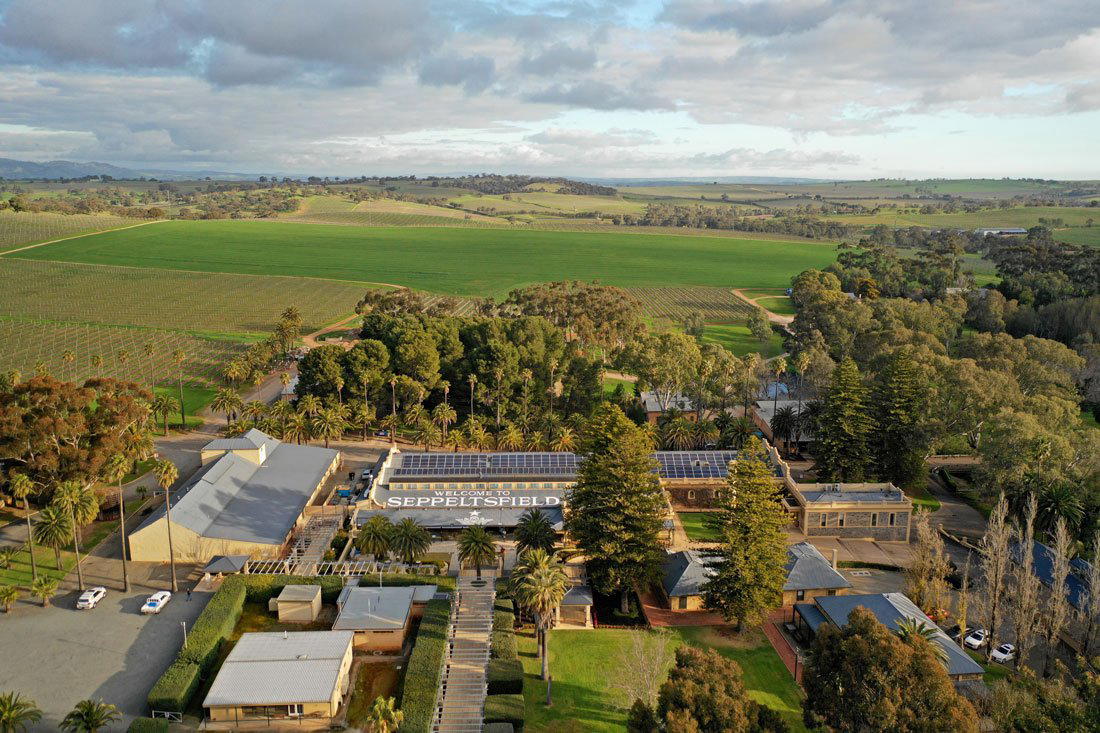
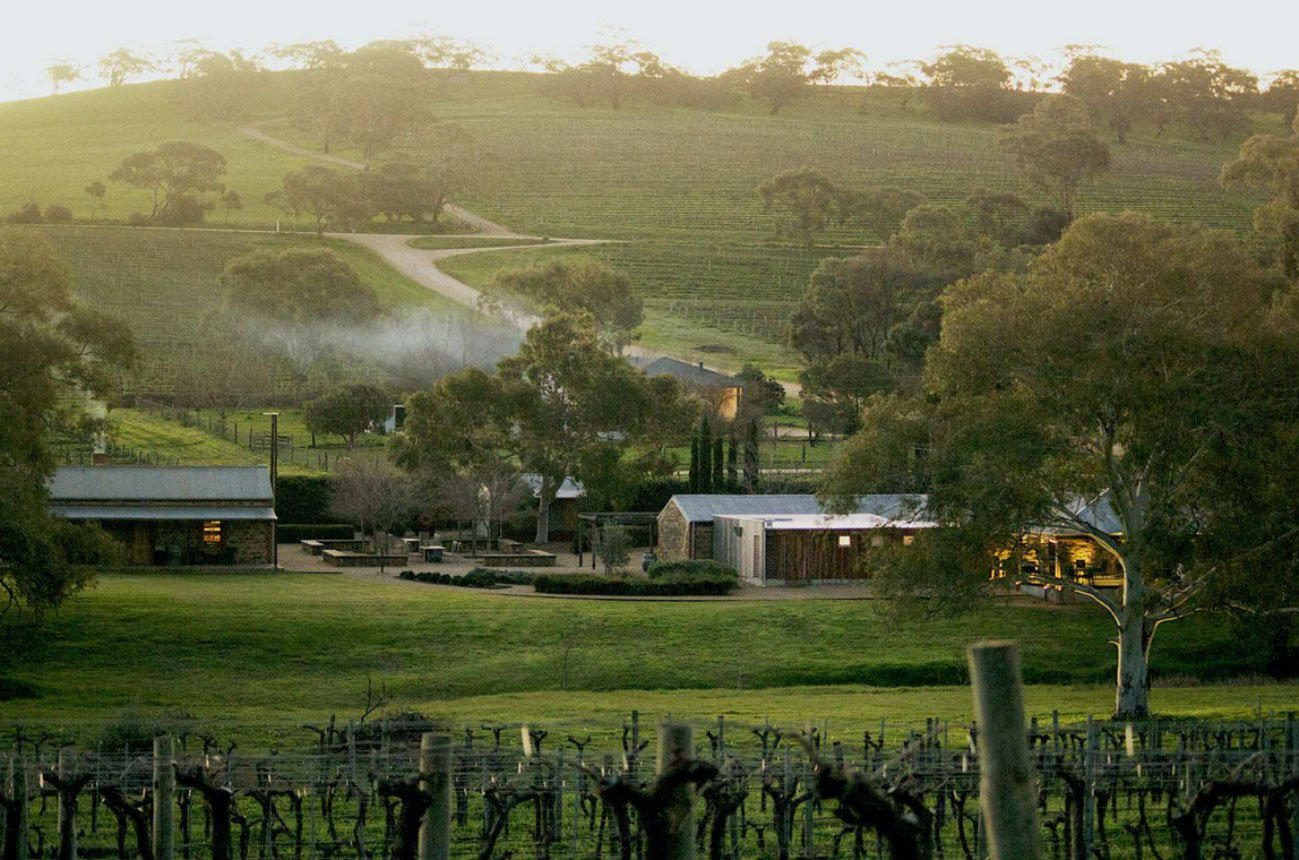
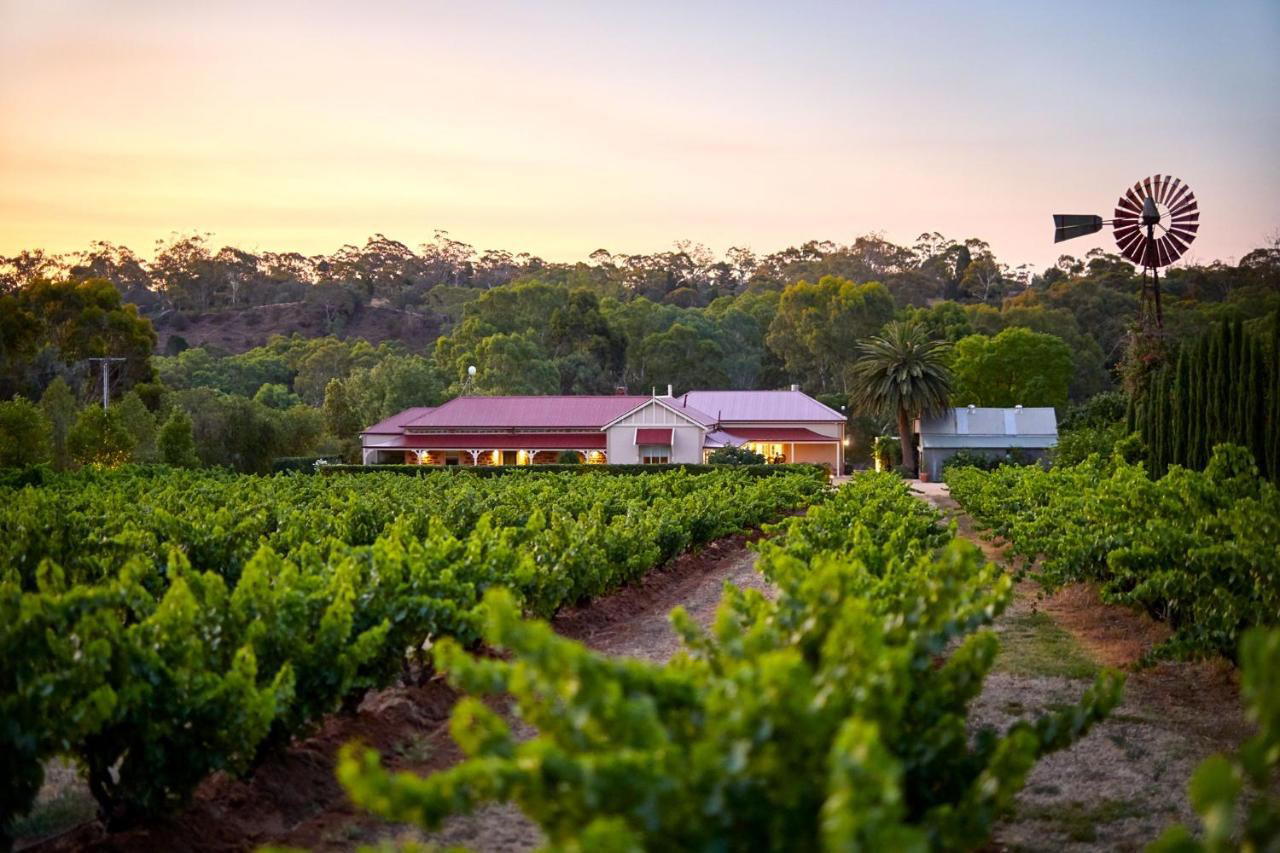
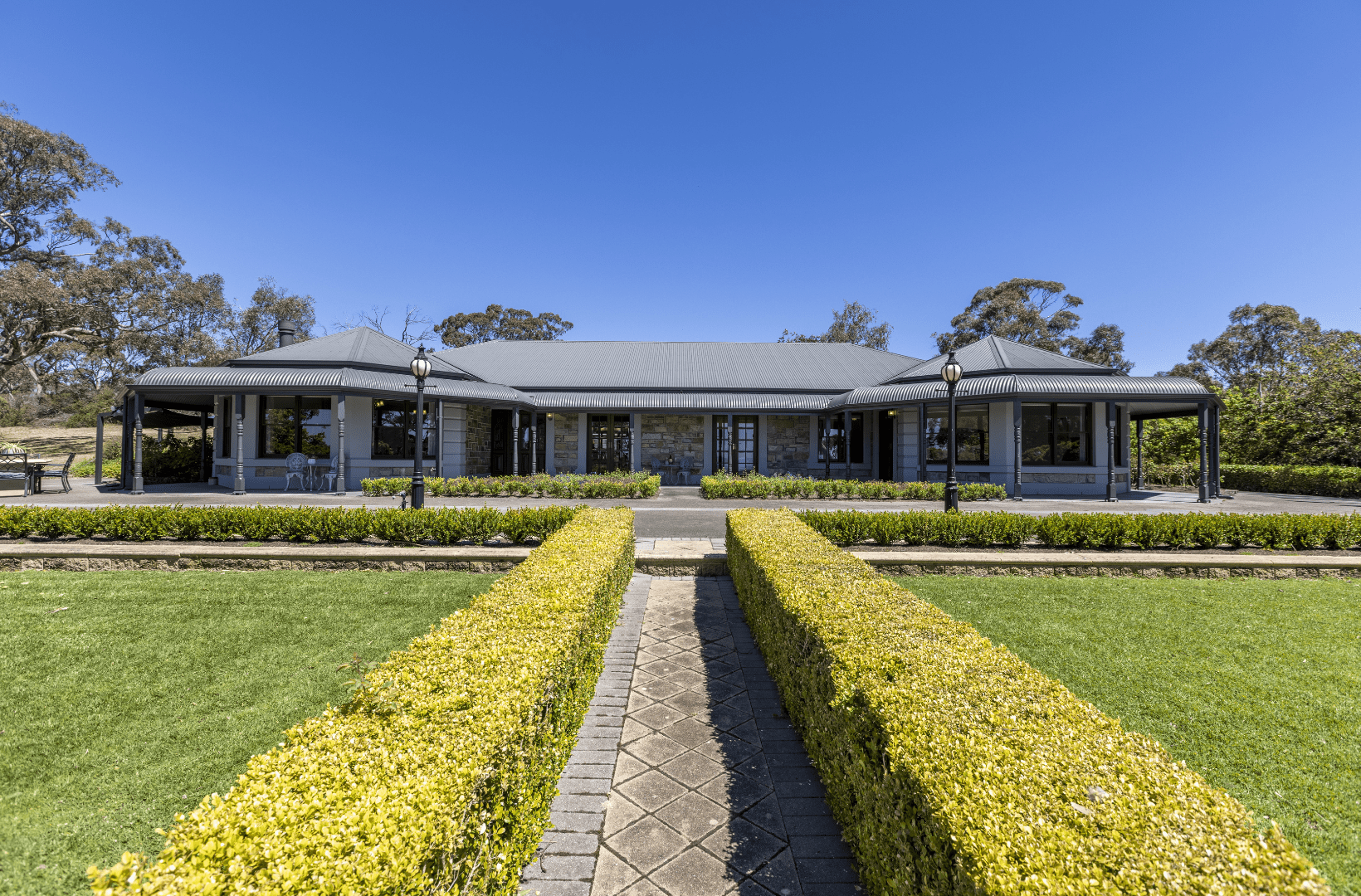
Seppeltsfield Road runs through the Barossa like a compressed timeline of Australian wine history. The avenue of date palms, the grand heritage winery buildings, the dense clustering of cellar doors that have shaped regional identity for well over a century — this is the corridor that most first-time visitors to the Barossa navigate instinctively. To arrive at 436 Seppeltsfield Road in Marananga is to approach via that same charged stretch of asphalt, but to step into a building that sits slightly apart from its neighbours by category: Seppeltsfield Road Distillers is a spirits operation in a wine valley, and that distinction shapes everything about the physical experience and the context in which it belongs.
The broader shift in Australian premium beverage production over the last decade has made that positioning less anomalous than it once seemed. Craft distilling has expanded aggressively across wine regions, with producers recognising that the agricultural infrastructure, the visitor culture, and the raw material access already present in wine country can translate directly into spirit production. Archie Rose Distilling Co in Sydney demonstrated how a premium distillery with serious design intent and production rigour could generate recognition at the level normally associated with established wine estates. Seppeltsfield Road Distillers operates within a similar premium-tier logic, though its address places it inside one of Australia's most historically dense wine precincts rather than in an urban setting.
The Space as an Argument for Craft
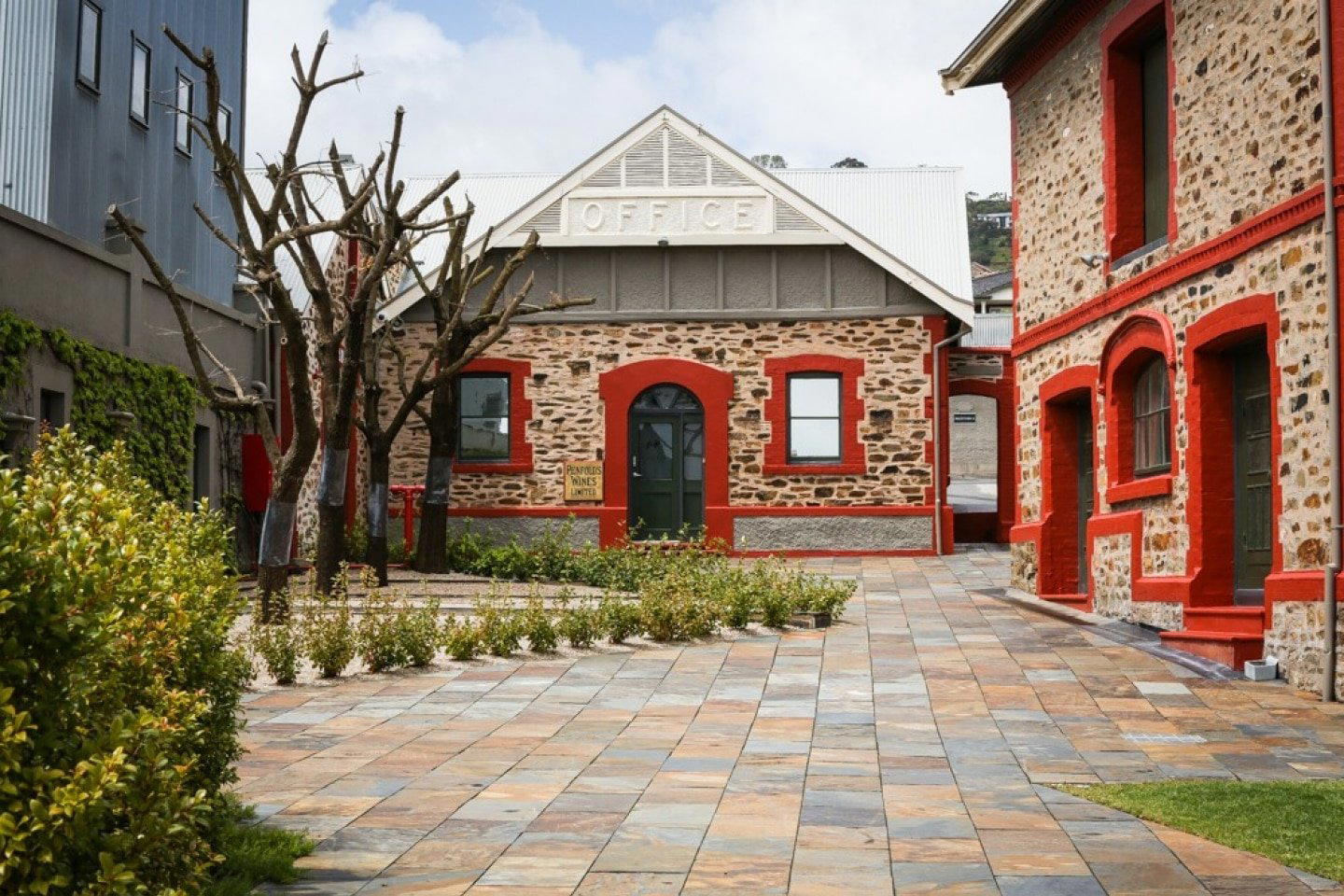
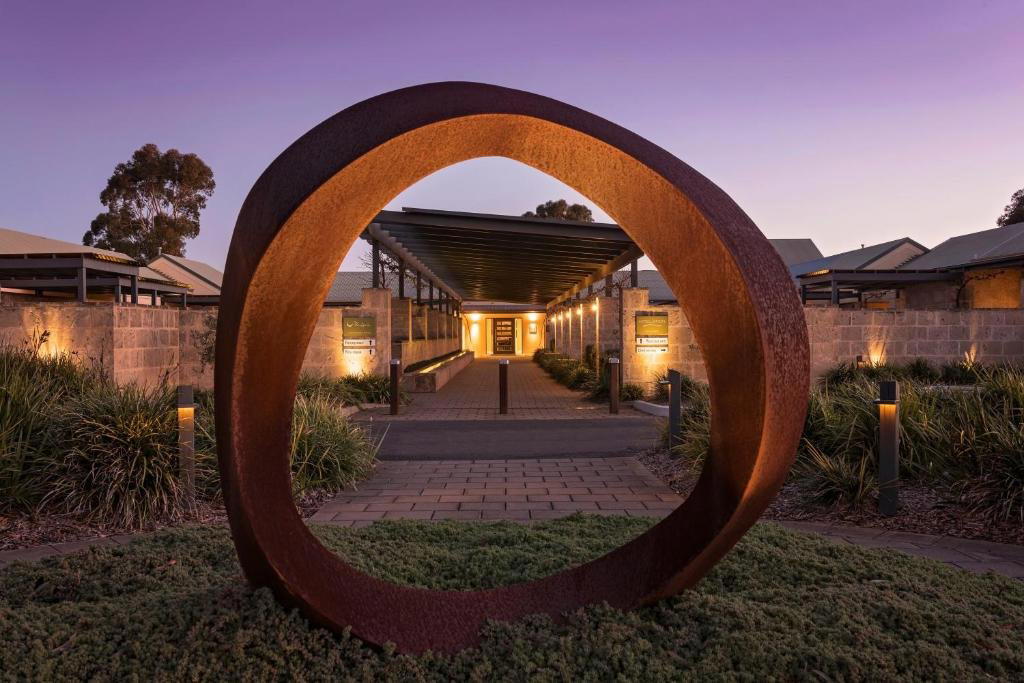
In wine regions, the cellar door space has long been used as a persuasion tool. The architecture communicates the producer's sense of self before a single pour happens. Visitors to the Barossa already move through a varied range of cellar door environments — from the nineteenth-century stone grandeur of Château Tanunda to the more intimate country-house register of Charles Melton Wines, and each spatial choice signals a different relationship between producer and guest.
For a distillery on this road, the design task is more complex. The visual language of spirits production differs from wine: copper pot stills, condensers, the industrial poetry of distillation equipment occupies a different aesthetic register than barrel halls and vine-framed windows. How a distillery integrates that production aesthetic into a visitor-friendly space is, increasingly, a measure of its seriousness.
That rating is a trust signal worth pausing on. A 2 Star Prestige result in 2025 aligns Seppeltsfield Road Distillers with a peer group of Australian producers for whom the work in the still room has achieved external validation. Among distilleries, that kind of recognition carries weight that self-promotion cannot replicate.
Barossa as Raw Material Context
The valley's reputation rests overwhelmingly on Shiraz, and to a lesser extent on old-vine Grenache and Mourvèdre, the varieties that anchor producers like Elderton and Grant Burge at the premium end. But the Barossa's agricultural depth extends further than its wine output suggests. The valley has fruit orchards, grain production, and a general richness of raw material that a spirits producer can access in ways that a pure winery cannot. This is one reason craft distillers have been drawn to wine regions: the locality argument, the ability to source from the surrounding land, is part of what differentiates a prestige regional distillery from a contract-distilled brand.
The Barossa visitor is also, by profile, already primed to think seriously about provenance and production craft. The audience arriving at a cellar door on Seppeltsfield Road has typically spent time at Jacob's Creek or worked through the valley's deeper tier of heritage producers, and arrives with a framework for understanding how geography and production method translate into what ends up in the glass. That context benefits a distillery positioned at the prestige level: the audience self-selects for engagement rather than casual curiosity.
How Seppeltsfield Road Distillers Sits Within a Broader Australian Spirits Moment
Australian craft distilling has moved through several stages since its early expansion phase. The initial boom produced a large number of new producers, many of which have since consolidated or closed as the premium end of the market demanded tighter production standards and more consistent identity. The producers who have persisted and gathered recognition tend to be those with a clear sense of what they are making, where the raw materials come from, and how the visitor experience connects those two things. Archie Rose is the most visible national example of that cohort, but regional producers with serious intent have developed strong local and export profiles as well.
Beyond the Barossa, the broader South Australian and Victorian premium producer map offers useful comparisons. Bird in Hand in Adelaide Hills and Bass Phillip in Gippsland represent wine producers in adjacent regions who have built prestige on the same logic of geographic specificity and production rigour. Leading's Wines in Great Western and Blue Pyrenees Estate in Pyrenees extend that map further into Victoria's western districts. In each case, the argument is regional: where you are and what grows there matters. Seppeltsfield Road Distillers works inside that same logic, applied to spirits rather than wine.
Internationally, the reference point for serious distilleries within wine or agricultural regions is long established. Aberlour in Aberlour demonstrates how a distillery's physical address within a defined landscape becomes part of the product's identity at the global tier. Closer to the Australian context, All Saints Estate in Rutherglen and Angove Family Winemakers in Renmark illustrate how heritage properties in Australian wine regions can hold multiple production identities simultaneously. The Barossa's density of prestige producers makes Seppeltsfield Road Distillers' address an asset rather than an anomaly.
Planning a Visit
Seppeltsfield Road Distillers sits at 436 Seppeltsfield Rd, Marananga, within easy reach of the valley's main cellar door cluster. Visitors planning a day along the Seppeltsfield Road corridor should factor the distillery into an itinerary that might also include estate visits in the surrounding area. The valley's cellar door culture rewards advance planning during peak season, particularly in autumn and at the major harvest-period weekends when Barossa traffic concentrates. For broader context on the region's food and drink circuit, the full Barossa Valley restaurants guide covers the valley's dining and producer landscape in detail. For comparisons with Napa Valley distillery and cellar door formats, Accendo Cellars in St. Helena provides a useful reference point for how prestige producers in wine-focused regions manage visitor experience at the top end of the market.
Comparison Snapshot
Comparable venues nearby, for context on price, style, and recognition.
| Venue | Cuisine | Price | Awards | Notes |
|---|---|---|---|---|
| Seppeltsfield Road DistillersThis venue — the venue you are viewing | Shiraz, Semillon | Not listed | Not listed | Not listed |
| St Hallett | Shiraz, Grenache | Not listed | Not listed | Tanunda |
| Turkey Flat | Shiraz, Grenache | $30–50 | Falstaff Winery - Listed | Tanunda |
| Peter Lehmann | Shiraz, Riesling | Not listed | Falstaff Winery - Listed | Tanunda |
| Glaetzer Wines | Shiraz, Grenache | Not listed | Falstaff Winery - Listed | Tanunda |
| The Standish Wine Co | shiraz, viognier | Not listed | Not listed | Light Pass |
Continue exploring
More in Barossa Valley
Wineries in Barossa Valley
Browse all →
Bars in Barossa Valley
Browse all →
Restaurants in Barossa Valley
Browse all →
Details
- Historic
- Rustic
- Scenic
- Wine Education
- Solo Exploration
- Historic Building
- Estate Grounds
- Vineyard
- Shiraz
- Semillon
- Grenache
- Cabernet Sauvignon
- Touriga
- Still Red
- Cellar Door
- English
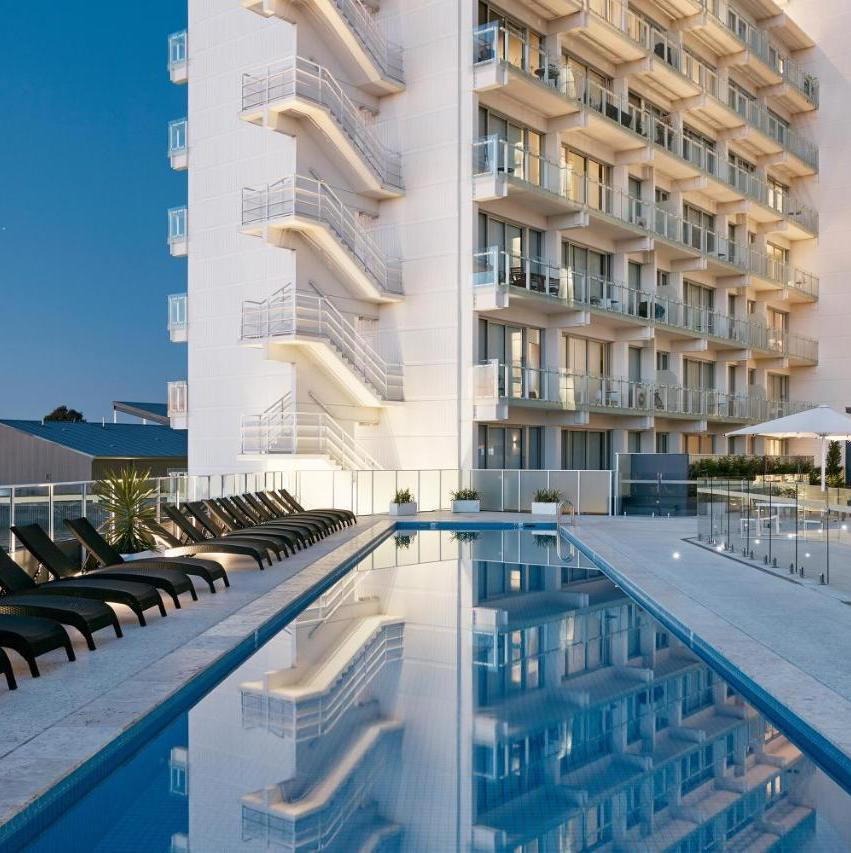
Bright, fresh distillery atmosphere in a historic palm-lined Barossa setting blending wine heritage with craft distilling.