St Hallett
St Hallett sits on St Hallett Road in Tanunda at the heart of the Barossa Valley. One of the region's most enduring addresses, it draws regulars who return season after season for the Barossa's distinctive old-vine character. For those building a serious itinerary through the valley, it belongs on the shortlist alongside the area's other prestige-tier producers.
- Address
- 24 St Hallett Rd, Tanunda, South Australia 5232, Australia
- Phone
- +61885637070
- Website
- sthallett.com.au
- Directions
- Get directions
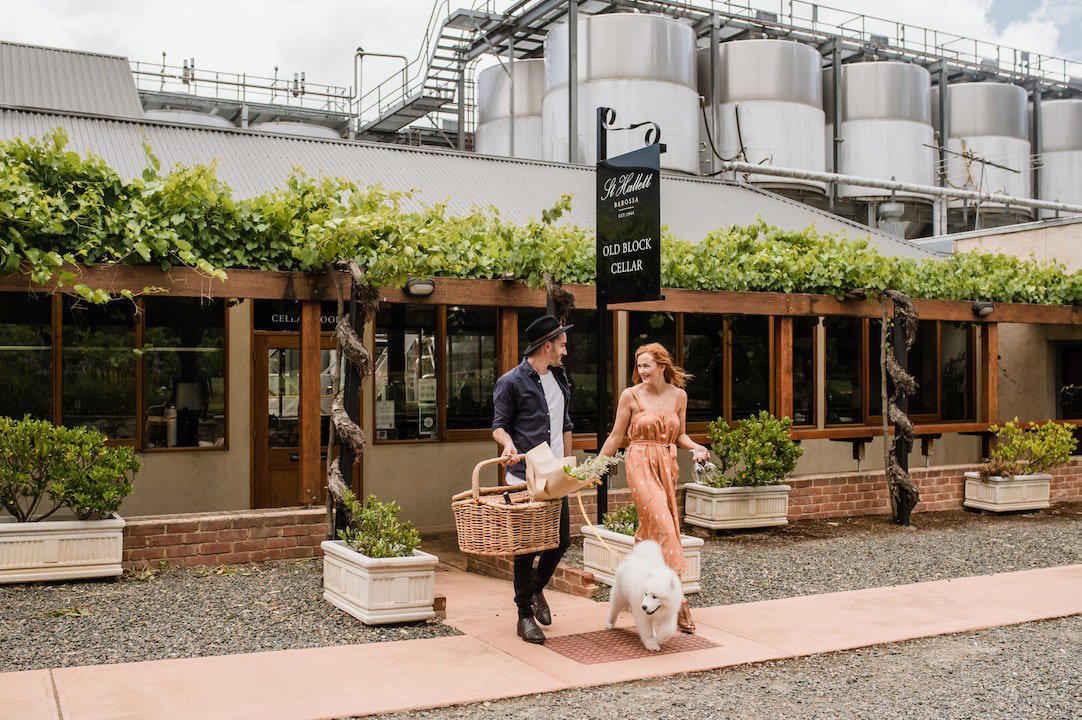
The Barossa at Its Most Settled
There is a particular kind of winery that regulars return to not because it surprises them, but because it never disappoints. Tanunda, the township that anchors the central Barossa Valley, has several of these — addresses where the relationship between producer and visitor has been worn smooth by repetition and mutual understanding. St Hallett, on St Hallett Road, sits in that category. The approach along the valley floor, flanked by old Grenache and Shiraz rows that predate most visitors' grandparents, sets a tone that the cellar door doesn't undermine. This is a place that has been doing this long enough to have developed a grammar of its own.
The Barossa Valley's claim to international attention rests substantially on vine age. Nowhere else in the wine world has such a continuous uninterrupted run of pre-phylloxera old vines — material that was never pulled and replanted, simply because South Australia was never afflicted by the louse that decimated European viticulture in the nineteenth century. What this means in practice, for producers working with century-old Shiraz and Grenache blocks, is a concentration and complexity that younger vines cannot replicate regardless of technique.
What Loyal Visitors Come Back For
The regulars at Barossa's prestige-tier cellars are a specific type. They are not the tourists who arrive on a Saturday coach from Adelaide and work through the valley alphabetically. They are the visitors who have found a producer that speaks to their palate and have been returning, sometimes for decades, to track vintages, accumulate library stock, and settle into a relationship with the land through the wines it produces. At St Hallett, this is the core audience, and the experience reflects it.
What keeps that cohort returning, across wineries in this tier, is consistency of character rather than novelty. The Barossa's distinctive style, warm-climate Shiraz with weight, density, and the particular spice register that comes from very old vines, reads differently in a great vintage versus a more constrained one, but the underlying voice stays stable. Returning visitors learn to read those variations. They understand that a cooler season produces something leaner and more structured from the same blocks that, in a warmer year, would yield something more plush and immediately generous. That kind of literacy is what the Barossa's prestige producers reward.
The Barossa also rewards those who plan their visit around the calendar. Harvest season, roughly February through April, is when the valley is at its most active and its most atmospheric, with processing happening across the floor and the air carrying a particular fermentation character that only occurs at this time of year. By contrast, the quieter months of June and July allow for more unhurried cellar door experiences. For regulars, both visits serve different purposes, and many make the trip twice: once in summer to taste the new vintage alongside those being harvested, once in winter to assess how wines have developed in bottle.
Within the Barossa Valley's prestige tier, St Hallett holds a specific position. The valley's winery roster divides, broadly, into large-volume commercial operations, heritage family houses, and a smaller cohort of prestige producers whose recognition comes from critical ratings and the loyalty of a wine-literate audience.
These are producers who are not competing on volume or accessibility. They are competing on the quality signal their wines send to a relatively narrow but very engaged audience. Jacob's Creek, a few kilometres away and operating at a fundamentally different scale, serves a different market entirely. The distinction matters when calibrating expectations: a visit to St Hallett is not oriented around casual sampling at low price points. It is oriented around serious wines with a pedigree traceable to specific old-vine blocks in a valley that has been producing wine since the 1840s.
The comparison points are the northern Rhône, Hermitage and Côte-Rôtie, and, in a different register, McLaren Vale to the south. What Barossa Shiraz does that neither of those do is combine extraordinary vine age with a climate that reliably produces phenolic ripeness, creating wines that are dense and long-lived but not austere. For visitors arriving with a Rhône reference, the Barossa's style will read as richer and more immediately textured. For visitors arriving with a New World Shiraz reference, it will read as more structured and more serious than the category's reputation might suggest. St Hallett, in the prestige tier, leans toward the latter reading.
For comparative context beyond Australia, the dynamic of old-vine heritage combined with prestige critical recognition has parallels at producers like Abadía Retuerta in Sardón de Duero and at heritage estates like All Saints Estate in Rutherglen, which similarly draws its authority from deep regional roots. The underlying logic, producer identity built on provenance and consistency rather than novelty, is what connects this cohort across geographies.
Planning a Visit to Tanunda
St Hallett's address on St Hallett Road in Tanunda puts it within the heart of the valley's most concentrated stretch of prestige producers. Tanunda itself is the functional centre of the Barossa, with accommodation, restaurants, and the infrastructure that supports a two- or three-night stay. For those building a serious valley itinerary, the full range of options is mapped across our full Barossa Valley wineries guide, our full Barossa Valley restaurants guide, our full Barossa Valley hotels guide, our full Barossa Valley bars guide, and our full Barossa Valley experiences guide.
The valley is approximately 75 kilometres northeast of Adelaide, making it a viable day trip but a more rewarding two-day visit. Driving is the practical approach for covering multiple producers in a single day, which means designating a non-drinking driver or using one of the valley's guided tour operations if tasting is the priority. Cellar door hours across the Barossa are generally tighter on Sundays and public holidays, and the most in-demand producers can fill appointment slots quickly during the harvest window. For prestige-tier visits, contacting ahead is advisable.
For context on what other prestige winemaking operations look like in different regional settings, Angove Family Winemakers in Renmark offers a comparison point from South Australia's Riverland, while Archie Rose Distilling Co in Sydney and Aberlour in Aberlour illustrate how prestige craft producers operate across spirits categories in entirely different geographic contexts.
Comparable Spots
| Venue | Cuisine |
|---|---|
| St HallettThis venue — the venue you are viewing | This venue |
Continue exploring
More in Barossa Valley
Wineries in Barossa Valley
Browse all →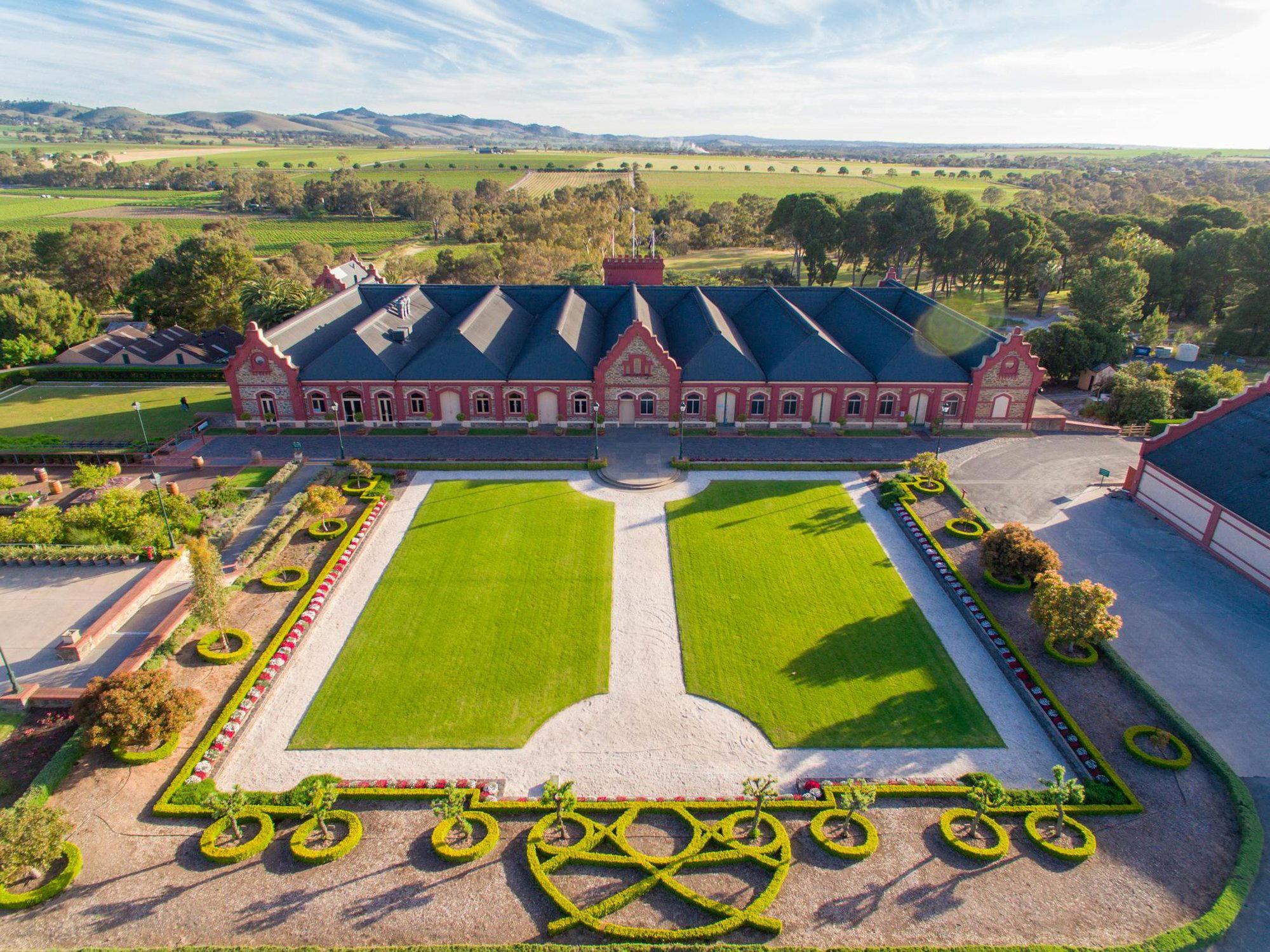

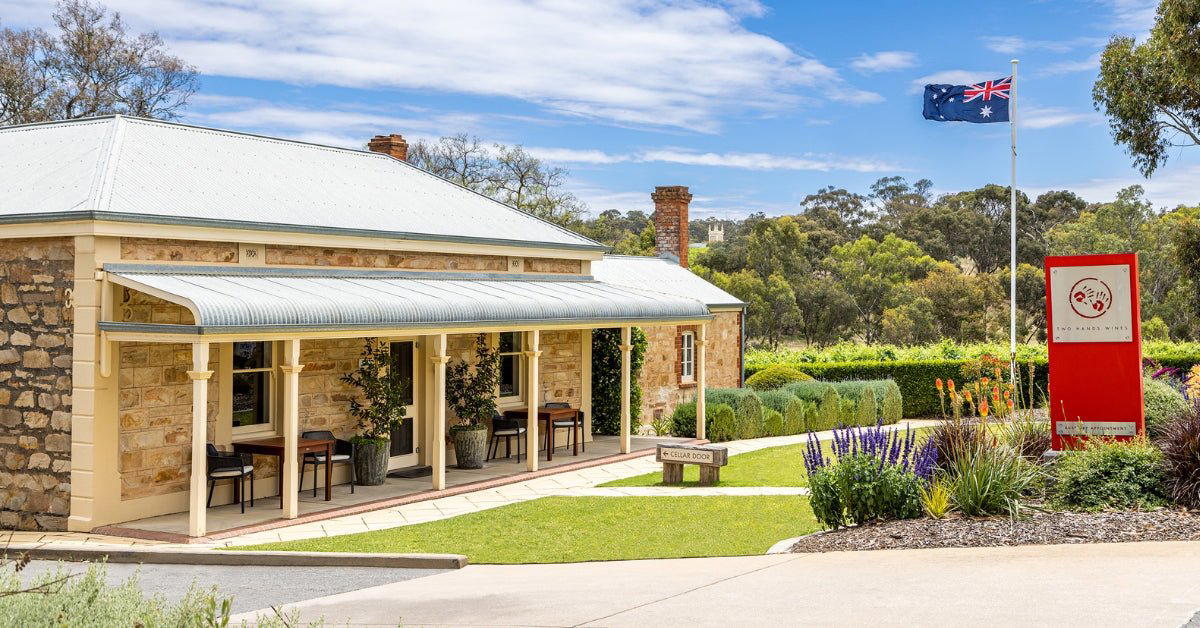
Bars in Barossa Valley
Browse all →
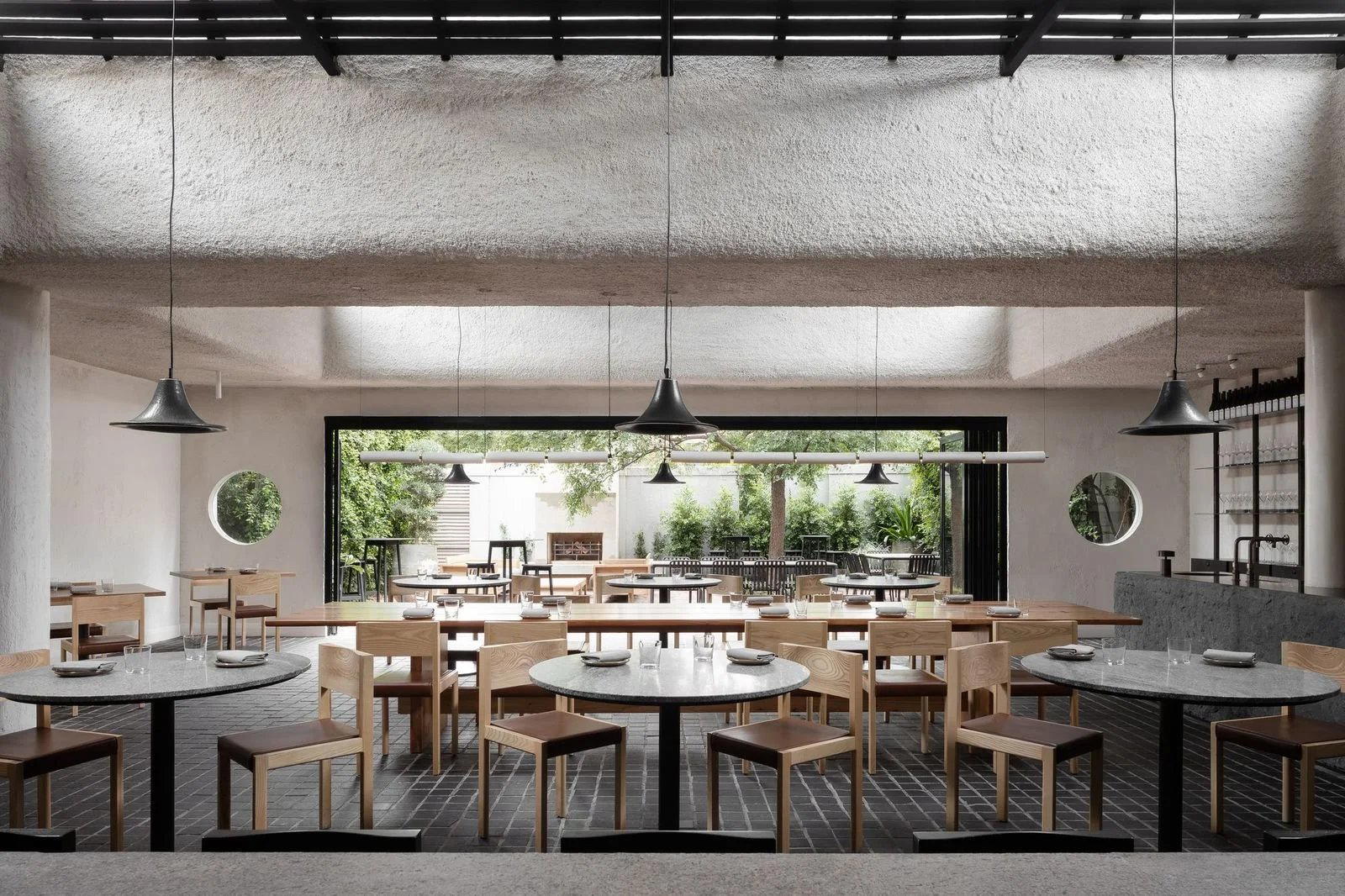
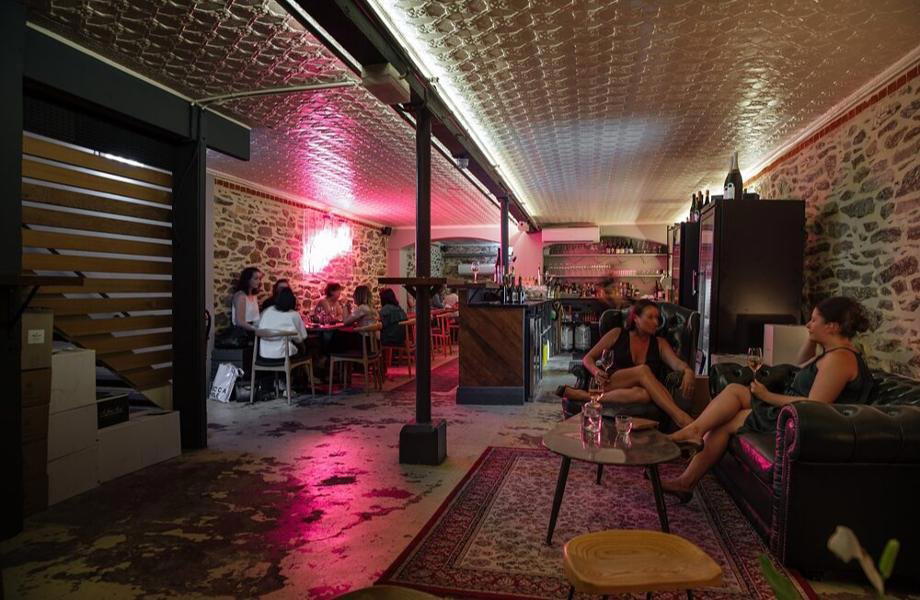
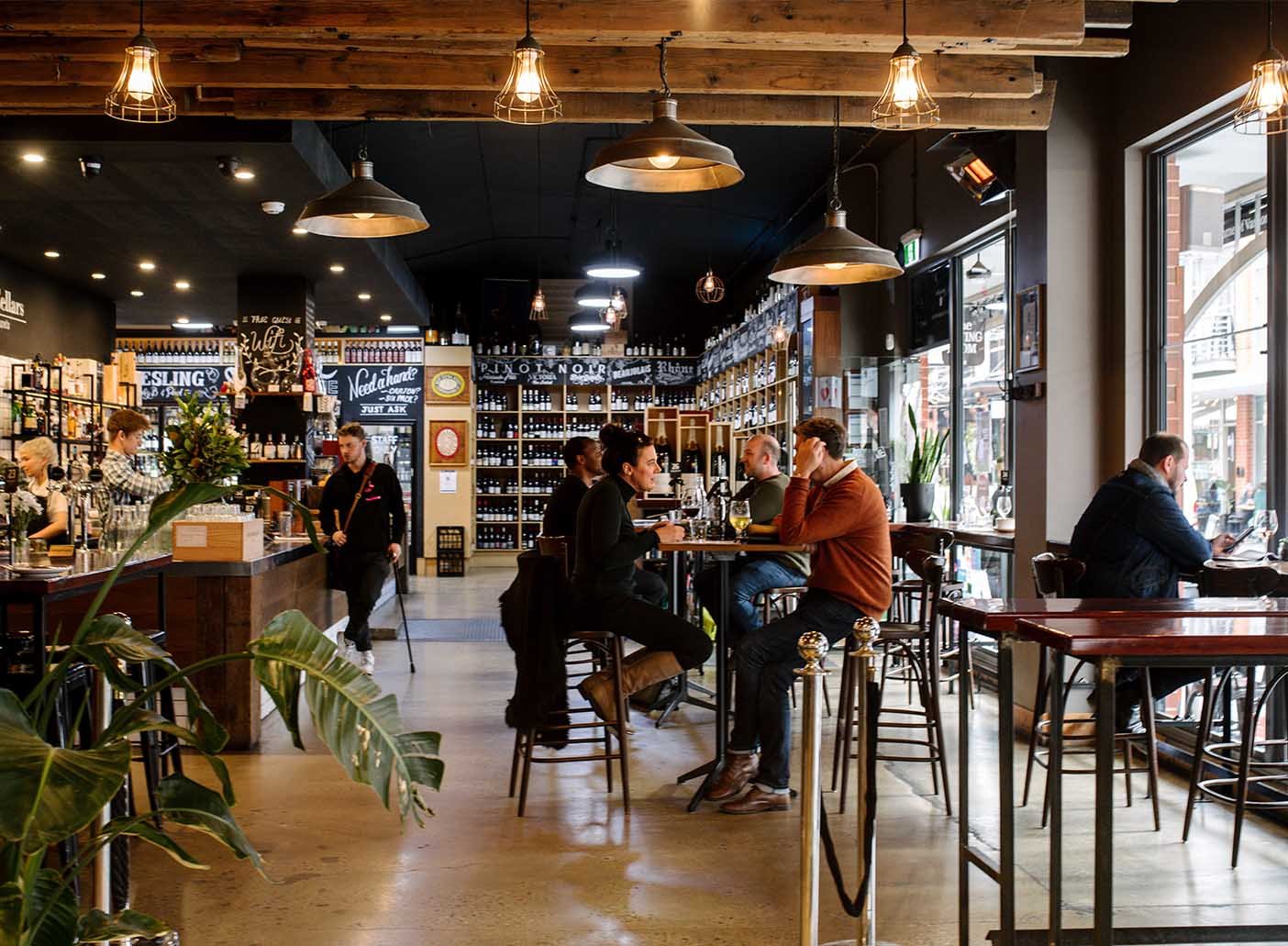
Restaurants in Barossa Valley
Browse all →

At a Glance
- Classic
- Rustic
- Scenic
- Elegant
- Wine Education
- Solo Exploration
- Group Outing
- Vineyard Tour
- Estate Grounds
- Terrace
- Sustainable
- Vineyard
- Garden
- Barossa Valley
- Shiraz
- Grenache
- Cabernet Sauvignon
- Riesling
- Still Red
- Still Rosé
- Cellar Door Tasting
- Private Tasting
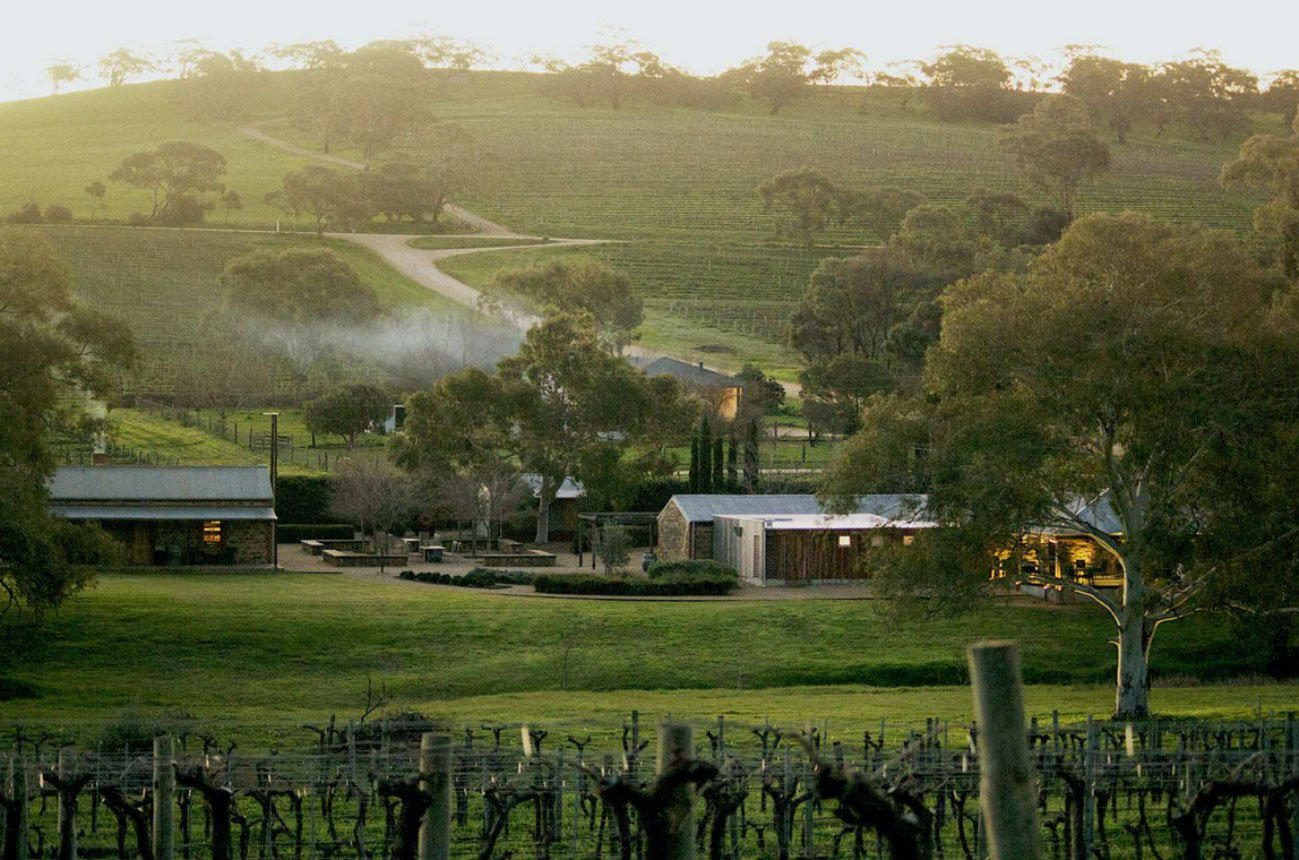
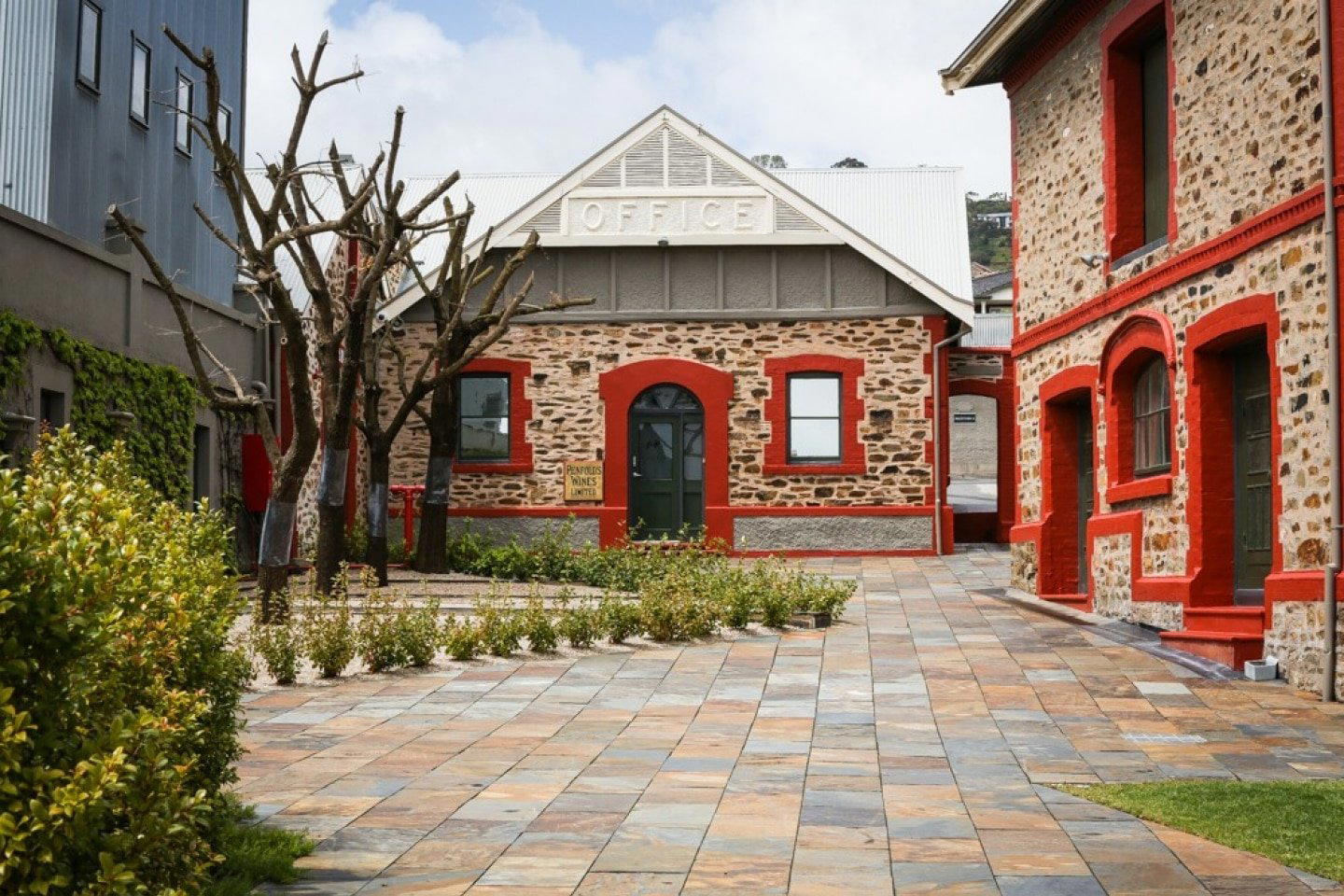
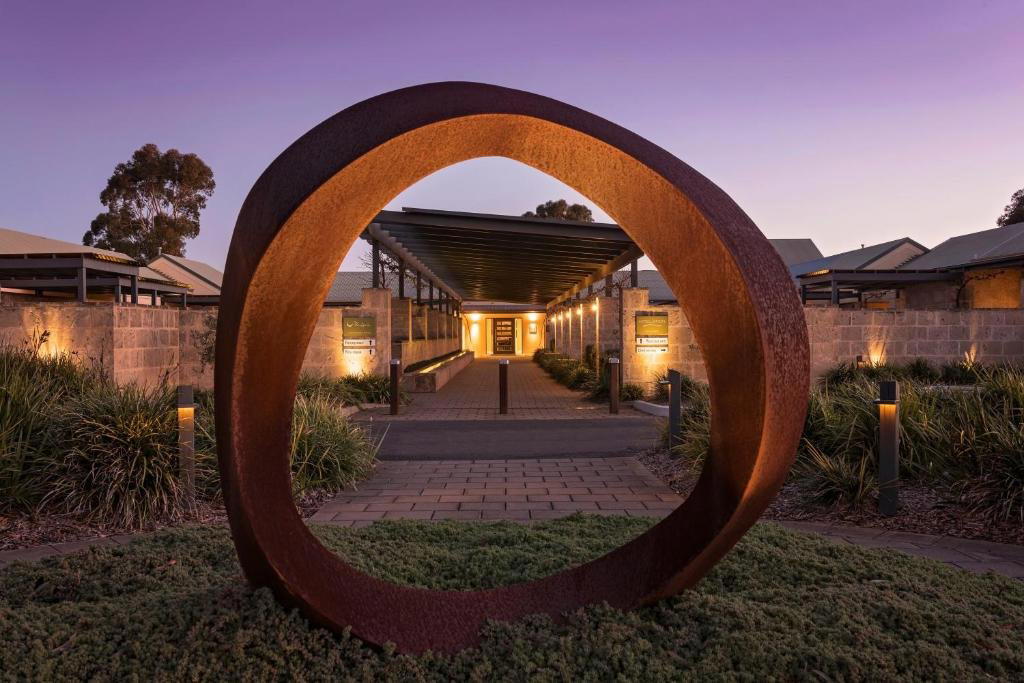
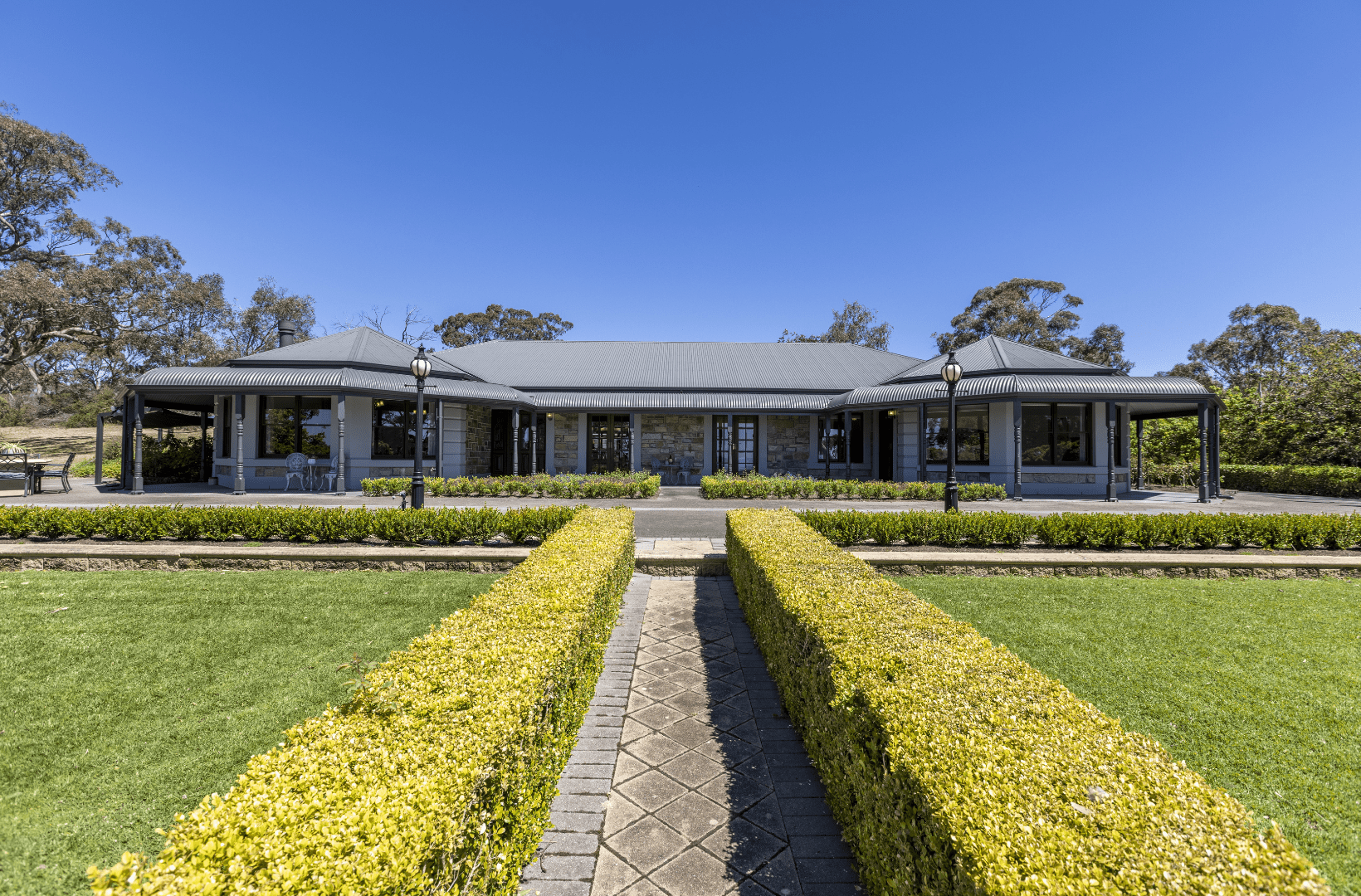
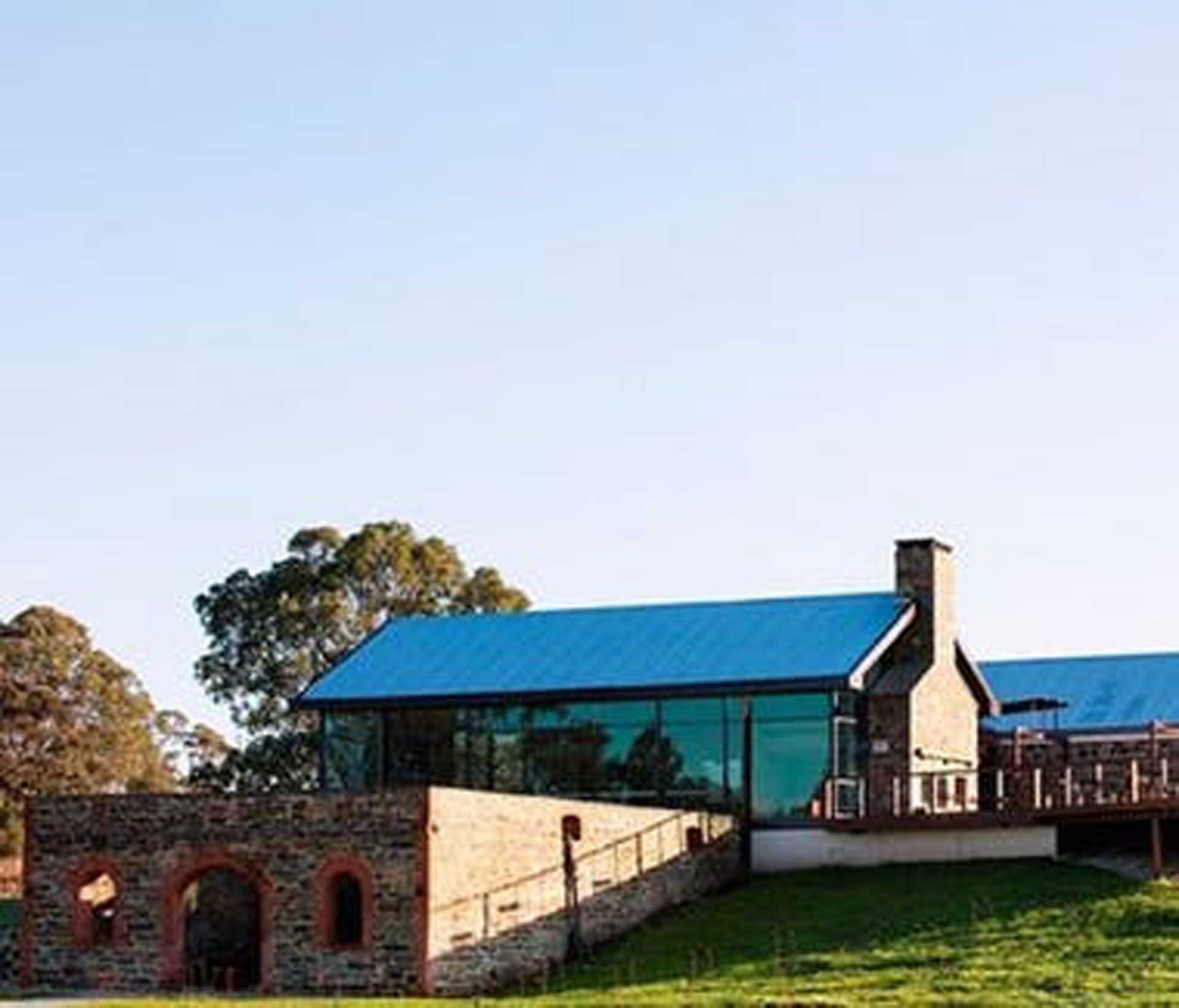
Set among manicured vines with vine-entwined pergolas and vast lawns, offering a serene and picturesque tasting experience.
Know Before You Go
- Getting there
- 24 St Hallett Rd, Tanunda, South Australia 5232, Australia