The Standish Wine Co
The winery sits within one of Australia's most scrutinised Shiraz corridors, where old-vine concentration and winemaking precision define the upper tier. A visit places you inside the Barossa's small-production, quality-led cohort rather than its high-volume cellar-door circuit.

Where Old Vines Meet Considered Craft
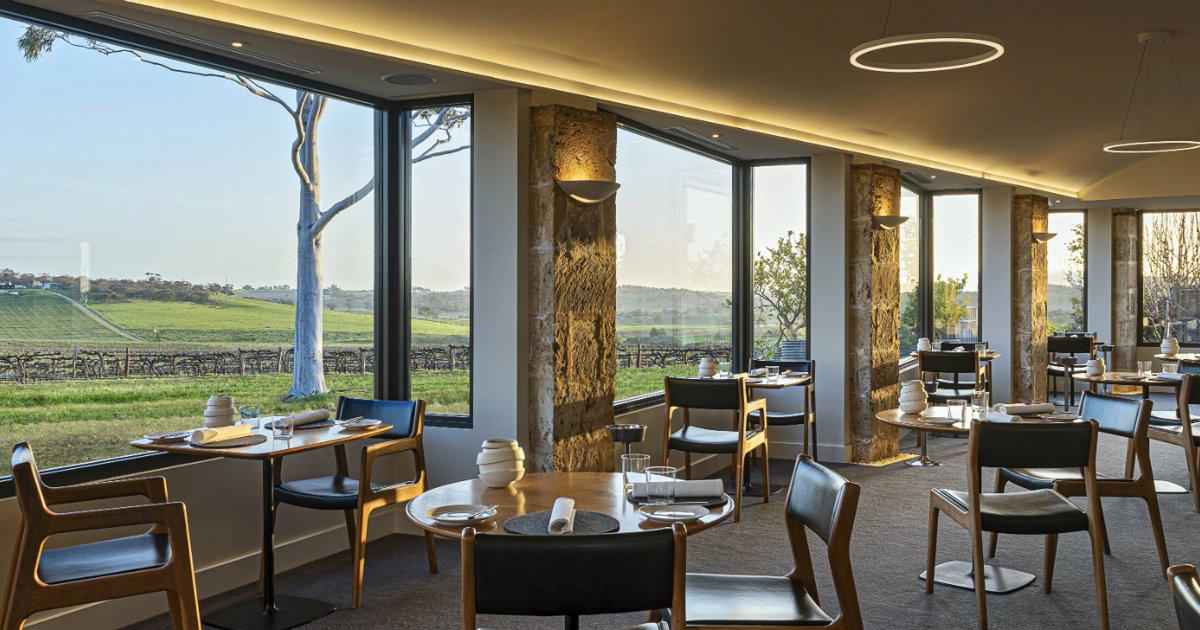
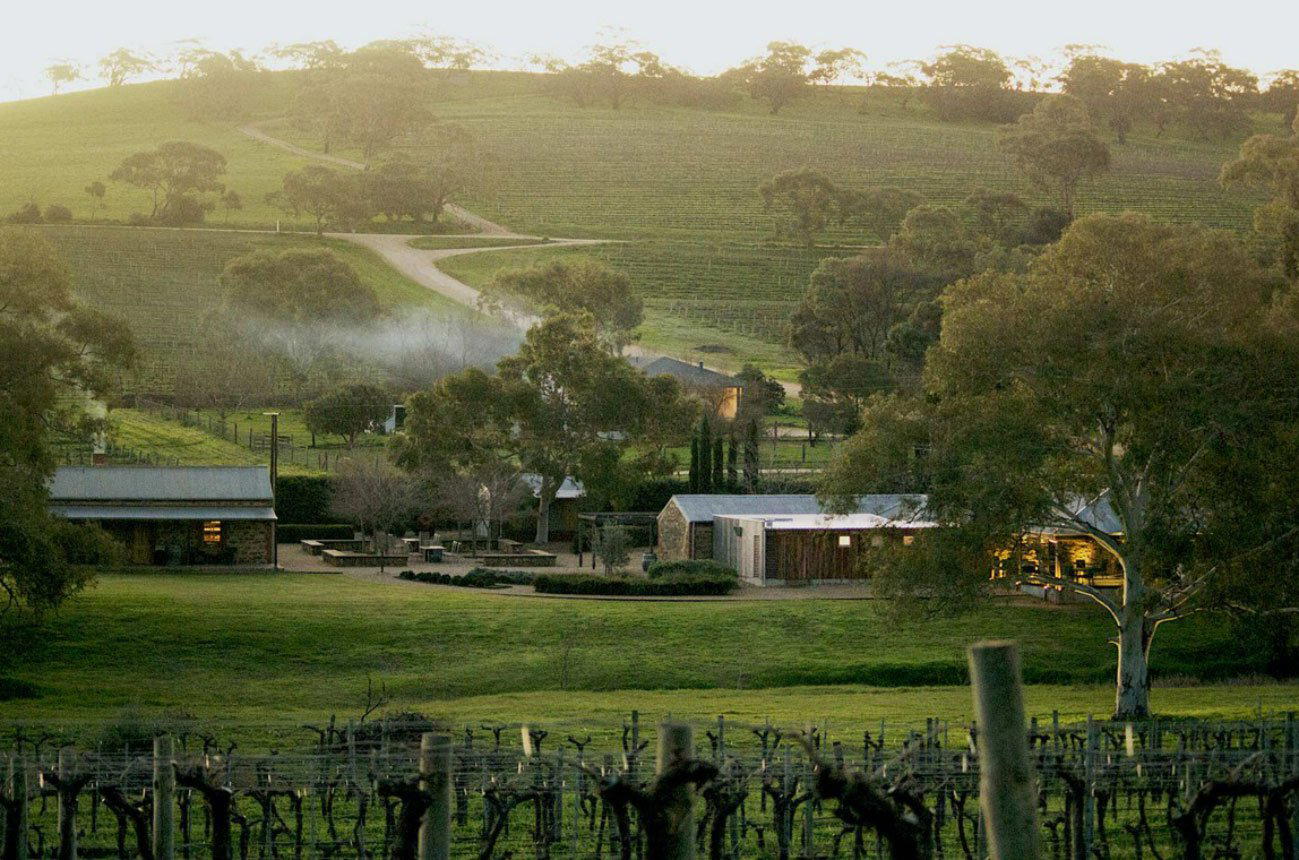
The Barossa Valley's back roads carry a particular quality of light in the late afternoon: low, golden, and falling across vine rows that in some cases predate Federation. Arriving here, the context is already set before you open a bottle.
The Barossa operates across several distinct commercial tiers. At the volume end, producers like Jacob's Creek and Grant Burge built their reputations on consistent, widely distributed wines that placed the region on supermarket shelves globally. In the mid-tier, estates such as Elderton and Château Tanunda balance cellar-door hospitality with serious vineyard holdings, offering depth for collectors without requiring allocation lists. At the upper bracket, a smaller cohort prioritises strictly limited production, provenance-specific fruit, and winemaking approaches drawn from outside the region's dominant traditions.
That rating is not given to producers who simply make clean, commercially appealing wine. Comparable recognition in the valley sits with producers like Charles Melton Wines, a long-standing reference point for Barossa style at the quality tier.
Technique Imported, Fruit Rooted: The Barossa's Defining Tension
Most interesting producers working in the Barossa today are those who have absorbed winemaking frameworks developed elsewhere and applied them to fruit that cannot be replicated outside this specific valley. The Barossa grows Shiraz on soils that have never been replanted following phylloxera, a status shared with very few wine regions globally. The consequence is old-vine material of extraordinary concentration and structural complexity, the kind of raw ingredient that rewards restraint-led technique rather than aggressive extraction.
This intersection of imported method and indigenous product defines the upper tier of contemporary Barossa winemaking. Producers who have trained in Burgundy, the Rhône, or Priorat bring a different technical vocabulary to fruit that has no European equivalent. The results can be wines that carry the Barossa's inherent weight and dark-fruit depth while showing the precision and textural integration associated with cooler-climate European traditions. That is a harder balance to achieve than it sounds. Too much European restraint and the wine suppresses what makes Barossa Shiraz distinct. Too much regional confidence and the wine becomes a demonstration of power rather than a statement of place. The Barossa already has its share of high-extraction, high-alcohol flagship wines that perform well in certain critical contexts. The more interesting question, in 2025, is which producers are working with the valley's old-vine material in ways that extend its critical reputation into new registers.
Reading the Barossa Through Its Premium Producers
Visitors approaching the Barossa as a serious wine destination, rather than a cellar-door tourism circuit, tend to build their itineraries around producers who offer a specific point of difference within the region's dominant Shiraz narrative. The Standish Wine Co addresses that visitor's interest directly.
The broader South Australian wine geography offers additional reference points for visitors contextualising the Barossa within a larger itinerary. Bird in Hand in Adelaide Hills works in a cooler-climate register that contrasts sharply with Barossa density, useful context for understanding what old-vine warmth actually means on the palate. Further afield, Angove Family Winemakers in Renmark represents the Riverland's different relationship with South Australian viticulture, scale and irrigation defining a distinct set of wine outcomes.
Bass Phillip in Gippsland occupies a similarly rarefied position in Australian Pinot Noir, where limited production and specific site focus have built a reputation that operates independently of the mainstream critical circuit. All Saints Estate in Rutherglen offers another model, where regional specificity in Muscat and Topaque has generated a prestige identity tied entirely to a wine style found nowhere else in comparable form. Tanunda and Angaston draw most of the cellar-door traffic, with their concentration of restaurants, accommodation, and high-volume tasting rooms.
Reaching the winery directly, or booking through a concierge or wine-travel specialist familiar with the valley's premium tier, is the more reliable approach than searching for an online booking portal. Producers at this level in the Barossa frequently manage visits by appointment, a format that limits throughput but increases the quality of engagement for those who arrive prepared. For a broader read on the valley's dining and drinking scene, see our full Barossa Valley restaurants guide. Those building a multi-region Australian itinerary with an interest in craft production beyond wine may find Archie Rose Distilling Co in Sydney a useful point of comparison for understanding how Australian terroir-led thinking is extending into spirits.
Internationally, producers who have navigated the tension between local raw material and externally derived technique include Aberlour in Aberlour, where Speyside tradition shapes whisky of considerable regional specificity, and Accendo Cellars in St. Helena, a Napa producer whose restrained approach to Cabernet positions it in the same conversation about technique applied to powerful, place-specific material. Leading's Wines in Great Western and Blue Pyrenees Estate in Pyrenees round out the Victorian reference set for visitors assessing Australia's broader fine-wine geography.
Frequently asked questions
Where exactly is The Standish Wine Co?
The Standish Wine Co is located at 319 Kalimna Rd, Nuriootpa SA 5355, Barossa Valley.
What wine is The Standish Wine Co famous for?
The Standish Wine Co operates from Kalimna Rd in Nuriootpa, one of the Barossa Valley's historically significant zones for old-vine Shiraz. That address is meaningful: the Kalimna precinct has supplied fruit to the region's most serious producers for well over a century, and small operations based here typically draw on similarly storied material.
What's the main draw of The Standish Wine Co?
The address at 319 Kalimna Rd places The Standish Wine Co squarely in the northern Barossa, where old-vine Shiraz concentration is highest and production volumes are typically small. For serious wine visitors, that combination of provenance and scale is the draw: wines made in limited quantities from fruit with genuine generational depth.
Should I book The Standish Wine Co in advance?
Nuriootpa functions as the Barossa's commercial centre rather than its cellar-door hub, so The Standish Wine Co is not positioned for high foot traffic by design. Contacting the producer directly before travelling is the appropriate approach.
Cuisine and Credentials
Comparable venues nearby, for context on price, style, and recognition.
| Venue | Cuisine | Price | Awards | Notes |
|---|---|---|---|---|
| The Standish Wine CoThis venue (the venue you are viewing) | shiraz, viognier | Not listed | Not listed | Not listed |
| Langmeil | Shiraz, Grenache | $30–50 | Not listed | Tanunda |
| Greenock Creek Wines | Shiraz, Cabernet Sauvignon | $20–30 | Falstaff Winery - Listed | Marananga |
| St Hallett | Shiraz, Grenache | Not listed | Falstaff Winery - Listed | Tanunda |
| Jacob's Creek | Shiraz, Cabernet Sauvignon | $50–100 | Not listed | Rowland Flat |
| Charles Melton Wines | Grenache, Shiraz | Not listed | Falstaff Winery - Listed | Tanunda |
Enquire about visiting The Standish Wine Co or buying its wine
Visits to The Standish Wine Co are usually kept for the estate's regular buyers and the wine trade. Tell us when you would like to go and a little about how you buy, and we put the request to the estate and reply to you by email. For buying, we source directly from the producer or from a licensed seller we know and vouch for, and tell you the route before you pay.
Continue exploring
More in Barossa Valley
Wineries in Barossa Valley
All wineries in Barossa Valley →
Bars in Barossa Valley
Browse all →

Details
- Quiet
- Rustic
- Intimate
- Wine Education
- Solo Exploration
- Special Occasion
- Vineyard Tour
- Private Tasting
- Sustainable
- Vineyard
- Shiraz
- Viognier
- Still Red
- Private Tasting
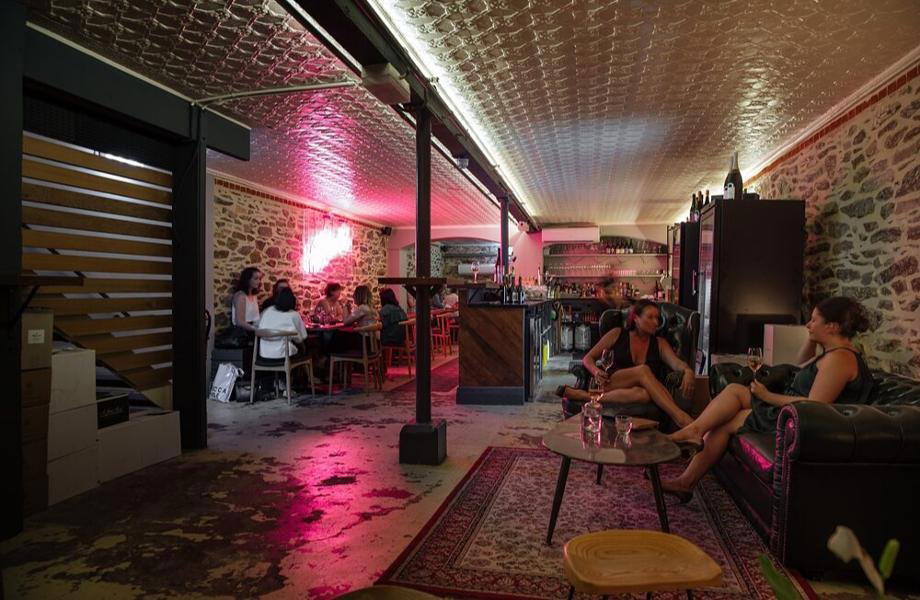
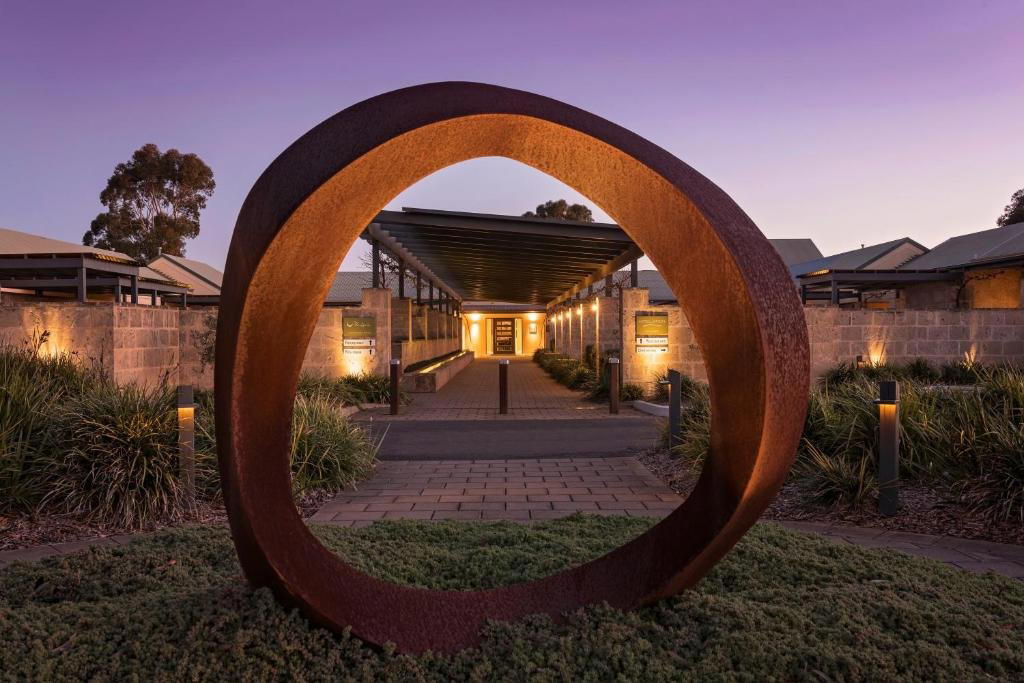
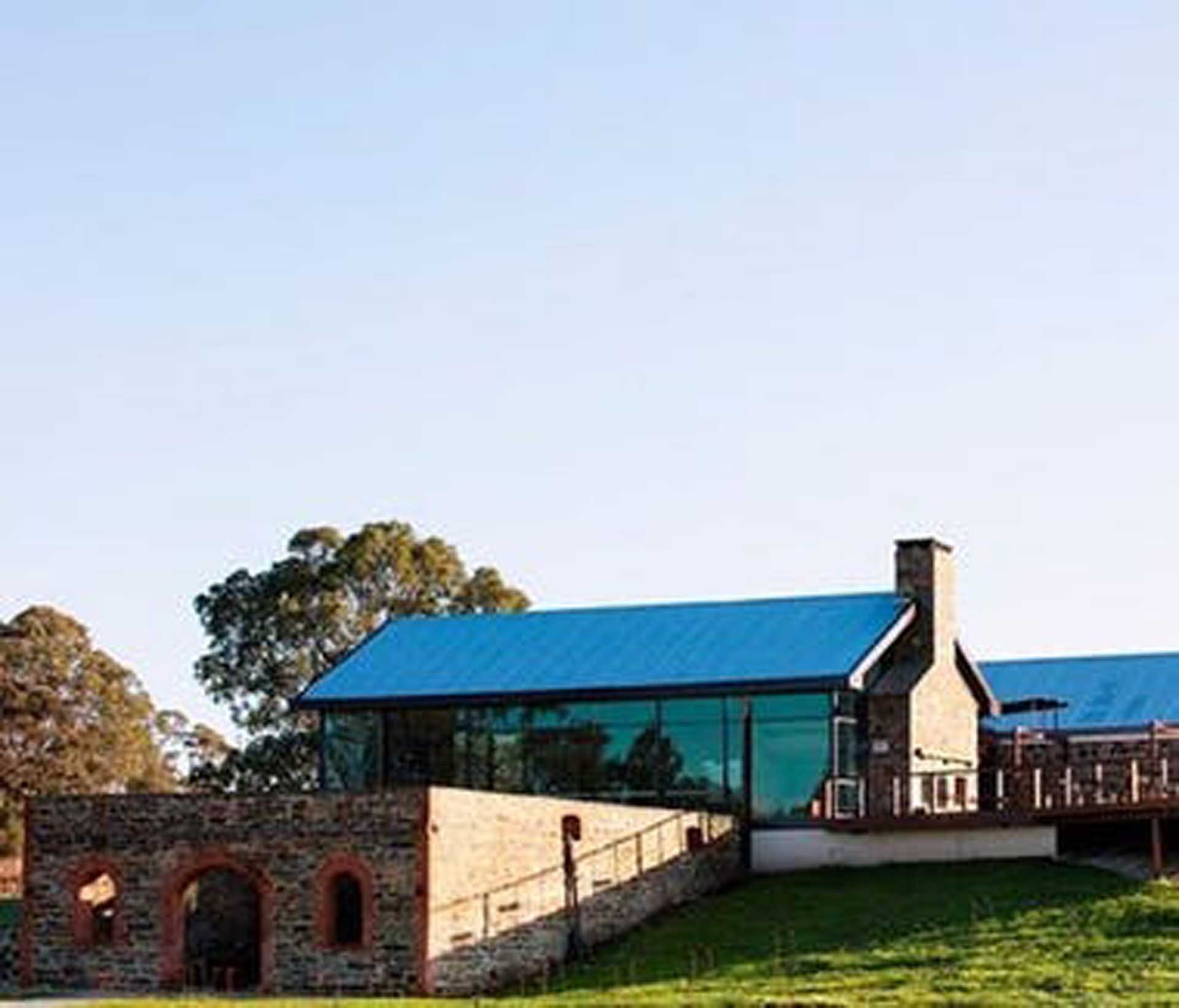
Quiet and tucked-away setting off the tourist path, emphasizing understated allure and focus on wine purity without flashy marketing.