Glaetzer Wines

Falstaff Winery - Listed
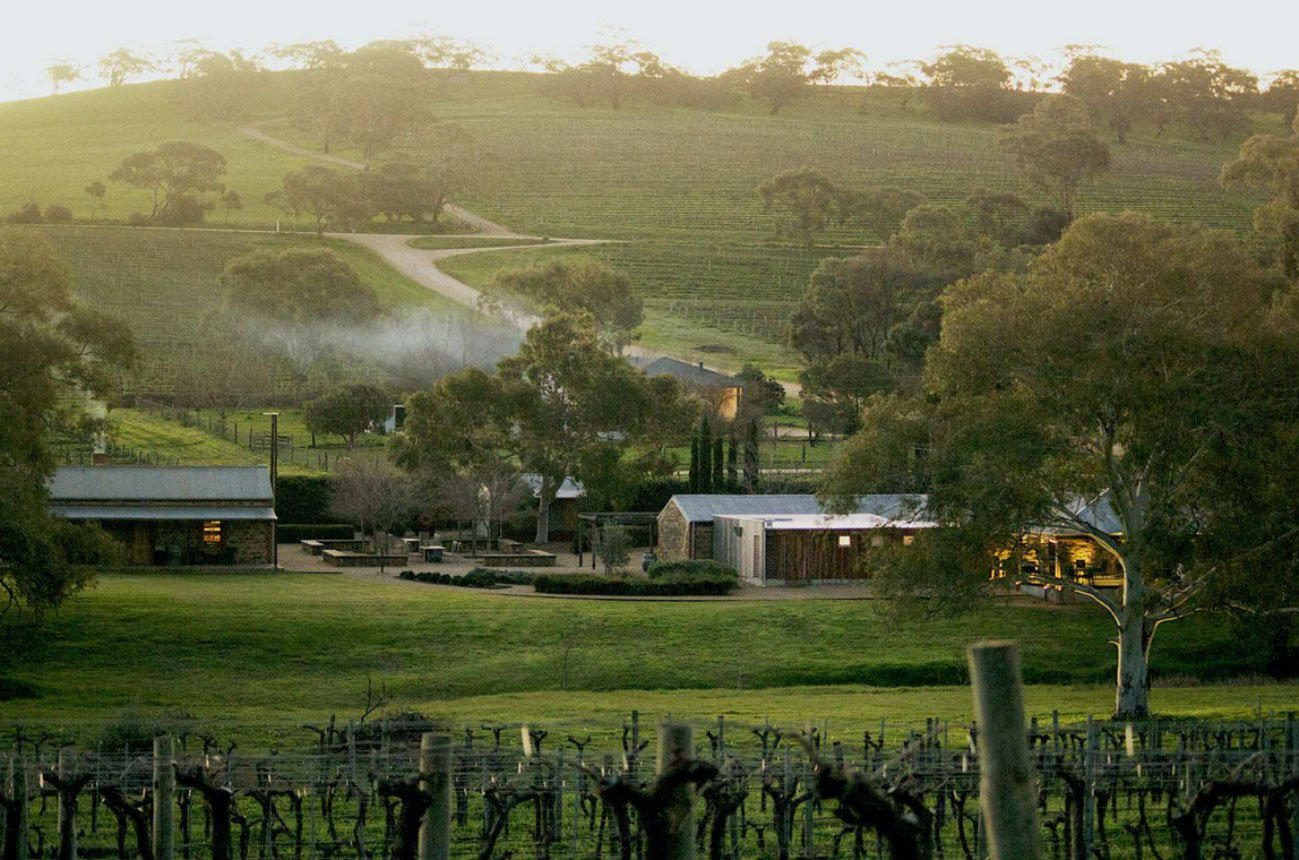
Glaetzer Wines operates from Gomersal Road in Tanunda, at the heart of the Barossa Valley's old-vine corridor.. For visitors tracing the valley's serious red-wine thread, it belongs on the itinerary.

Pearl is the En Primeur Club membership app — saves, bookings, and concierge access live there. Same editors, same standards.
- Address
- Gomersal Rd, Tanunda SA 5232
- Phone
- +61 8 8563 0947
- Website
- glaetzer.com
- Directions
- Get directions
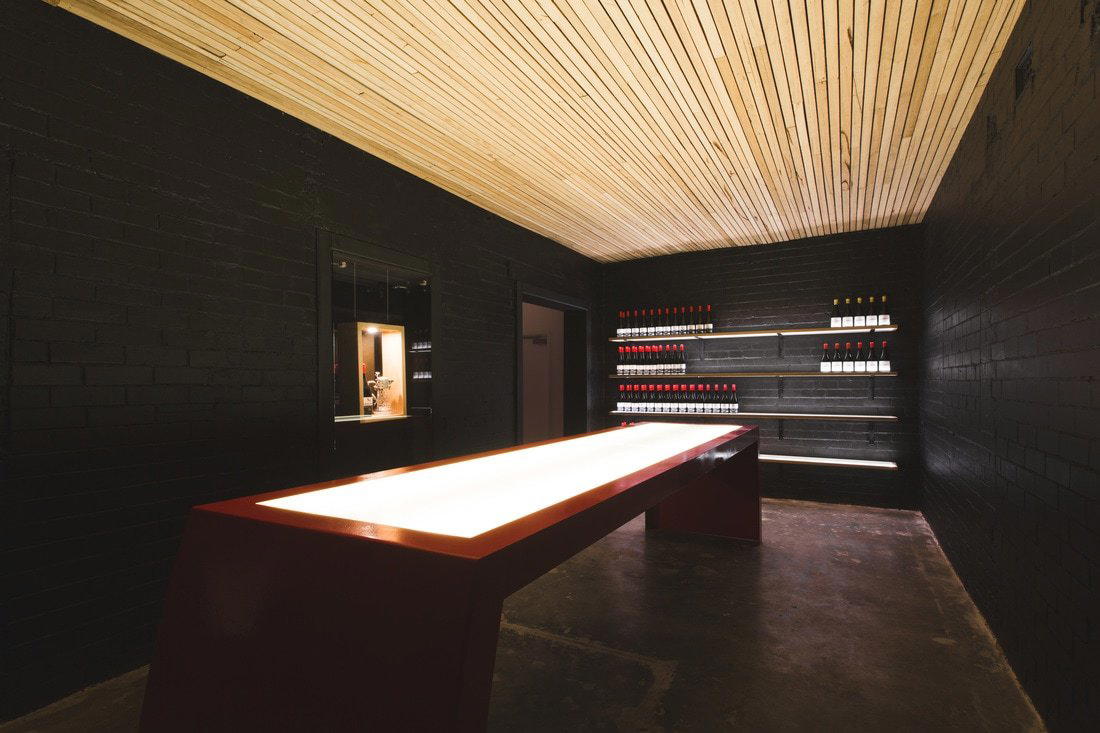
Old Ground, Serious Intent: Glaetzer Wines in the Barossa Context
The Barossa Valley does not lack for names. From the broad commercial reach of Jacob's Creek to the estate grandeur of Château Tanunda, the valley's producer list spans every scale and ambition. What separates the prestige tier from the crowd is not volume or heritage alone but a demonstrable commitment to site: to specific blocks of old-vine Shiraz and Grenache planted when the Barossa's soil profile was already well understood, worked with methods that treat those vines as a resource rather than a raw material.
That rating is not ceremonial. In a valley where marketing budgets can run ahead of what's in the glass, a prestige-tier credential functions as a navigational tool for visitors doing serious tasting itineraries. It positions Glaetzer alongside producers like Elderton and Charles Melton Wines, houses whose reputations rest on the consistency of what they bottle rather than on cellar-door theatre.
The Barossa's Viticulture Argument and Where Glaetzer Fits
The most important conversation happening across Australian premium wine regions right now is not about winemaking technique. It is about what happens before the grapes are picked. Across the Barossa, a cohort of producers has shifted attention back to the vineyard itself: soil health, vine age, canopy management, and the degree to which chemical intervention either supports or undermines the integrity of fruit grown on century-old rootstock. This is not a niche philosophical position. It has measurable commercial consequences. Wines made from sites managed with lower-input approaches consistently command allocation waitlists and secondary-market premiums that synthetically farmed equivalents do not. This matters because Barossa Shiraz at its most articulate is an argument about place first and winemaker second. When vines have been in the ground for eighty or a hundred years, root systems have reached depths and spread that no irrigation programme can replicate. The resulting fruit carries a concentration and structural complexity that reflects the specific mineral and clay composition beneath each block. Producers working in this corridor who align their viticulture with that depth, rather than overriding it with yield-boosting inputs, are making a different category of wine from those who source across broader, less-specific parcels.
For visitors comparing producers across a Barossa itinerary, this distinction matters practically. The difference between a producer managing for site fidelity and one managing for volume consistency shows up in the glass clearly enough that a single tasting will register it, even without a technical briefing. Glaetzer's prestige rating signals which side of that argument the winery sits on. Producers like Grant Burge operate in the same general corridor, making it practical to structure a half-day around a cluster of tastings rather than driving widely across the valley floor.
The Barossa's tasting culture has matured considerably over the past decade. The expectation at the prestige tier is now a seated tasting with considered pours rather than a brief stand-up encounter at a shared counter. Visitors to properties in this bracket should plan for longer appointments and, where booking is possible, contact ahead. For a broader picture of how to structure time in the valley, our full Barossa Valley guide maps the region's producers, dining, and logistics in detail.
Reading Glaetzer Against the Wider Australian Premium Tier
The Barossa does not operate in isolation. Australia's premium wine conversation now spans regions with very different identities: the cool-climate precision of Bass Phillip in Gippsland, the historic fortified tradition of All Saints Estate in Rutherglen, the lower-intervention approach gaining ground in the Adelaide Hills, and the generational family model of Angove Family Winemakers in Renmark. Each region is making a case for a different version of what Australian wine can be.
Barossa's case remains the most commercially powerful: structured, full-bodied red wines with documented vine age and a regional identity legible to international buyers. Within that case, prestige-rated producers like Glaetzer carry the weight of demonstrating that the region's ambitions extend beyond volume. That is a specific role in the ecosystem, and it is one that requires sustained quality across vintages, not a single strong release.
For visitors whose tasting circuits extend beyond Australia, the reference points are worth holding in mind. The combination of old-vine site specificity and lower-intervention viticulture at the Barossa's upper tier places these wines in a conversation with estate producers in the Rhône or Ribera del Duero, not merely with other New World Shiraz. Accendo Cellars in St. Helena and Aberlour in Aberlour represent comparably credentialled producers in their own regions, and the structural logic of how prestige-tier producers differentiate from volume peers follows a similar pattern across all of them.
It is also worth noting how the broader craft beverage ecosystem contextualises wine tourism. Operations like Archie Rose Distilling Co in Sydney or Blue Pyrenees Estate in Pyrenees and Leading's Wines in Great Western illustrate that Australia's premium producer story is not confined to a single region. The Barossa Valley is approximately an hour's drive from Adelaide, with Tanunda sitting near the valley's northern centre. Given the concentration of quality producers in this part of the valley, a visit to Glaetzer fits logically into a morning or afternoon circuit that might also include stops at Elderton or Charles Melton Wines. Current hours and booking availability should be confirmed directly with the winery before arrival, as prestige-tier cellar doors in this region increasingly operate by appointment during quieter periods.
Where the Accolades Land
Comparable venues nearby, for context on price, style, and recognition.
| Venue | Cuisine | Price | Awards | Notes |
|---|---|---|---|---|
| Glaetzer WinesThis venue — the venue you are viewing | Shiraz, Grenache | Not listed | Falstaff Winery - Listed | Not listed |
| John Duval Wines | Shiraz, Grenache | $50–100 | Not listed | Tanunda |
| Torbreck Vintners | Shiraz, Grenache | $50–100 | Falstaff Winery - Listed | Marananga |
| Grant Burge | Shiraz, Cabernet Sauvignon | $30–50 | Falstaff Winery - Listed | Barossa Valley |
| Rockford | Shiraz, Cabernet Sauvignon | Not listed | Falstaff Winery - Listed | Tanunda |
| Château Tanunda | Shiraz, Grenache | Not listed | Falstaff Winery - Listed | Barossa Valley |
Recognition history
Dated appearances from independent guides and award organizations, with the underlying list record or original source where available.
Falstaff Winery - Listed
Falstaff
Continue exploring
More in Barossa Valley
Wineries in Barossa Valley
Browse all →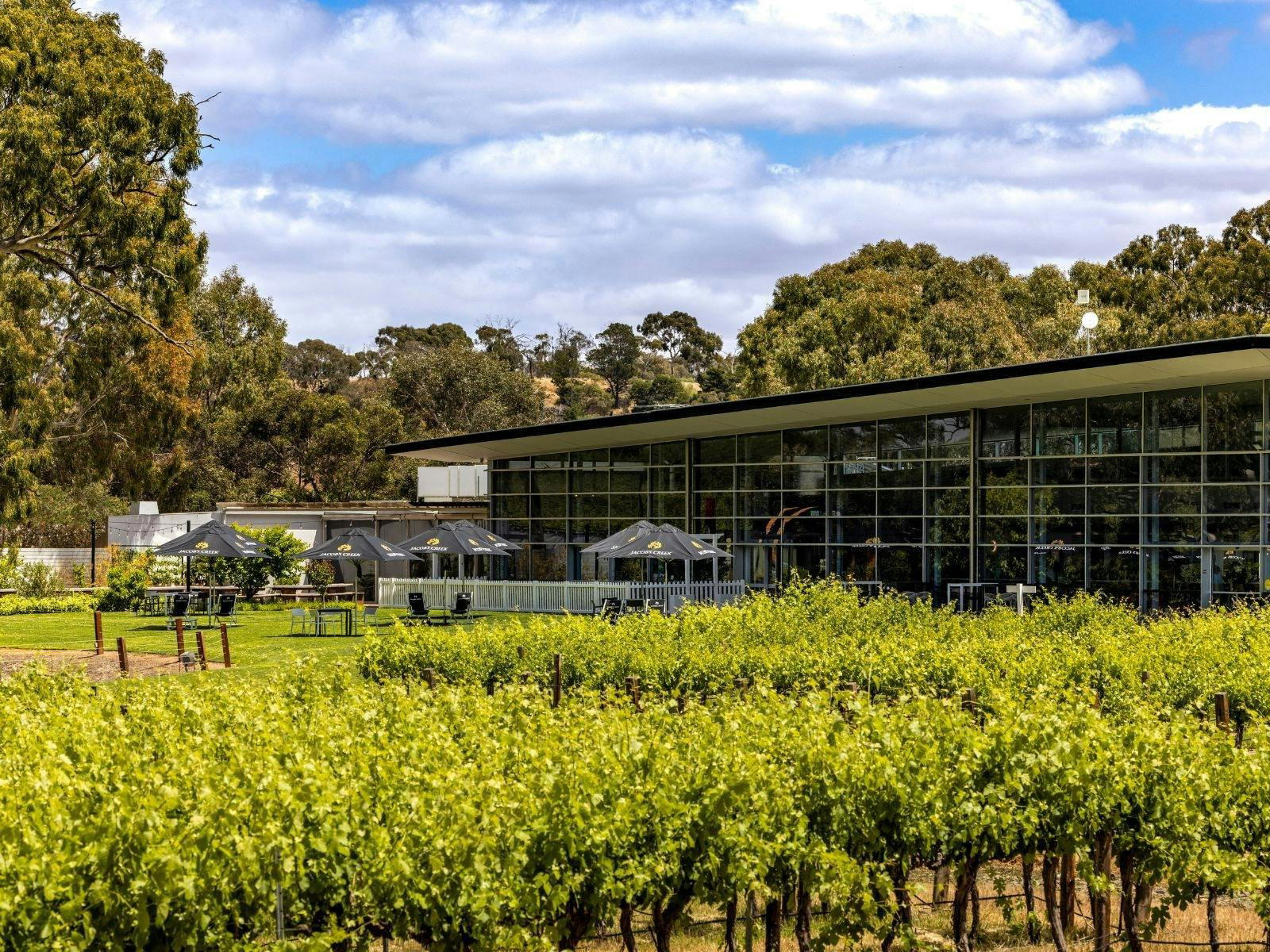
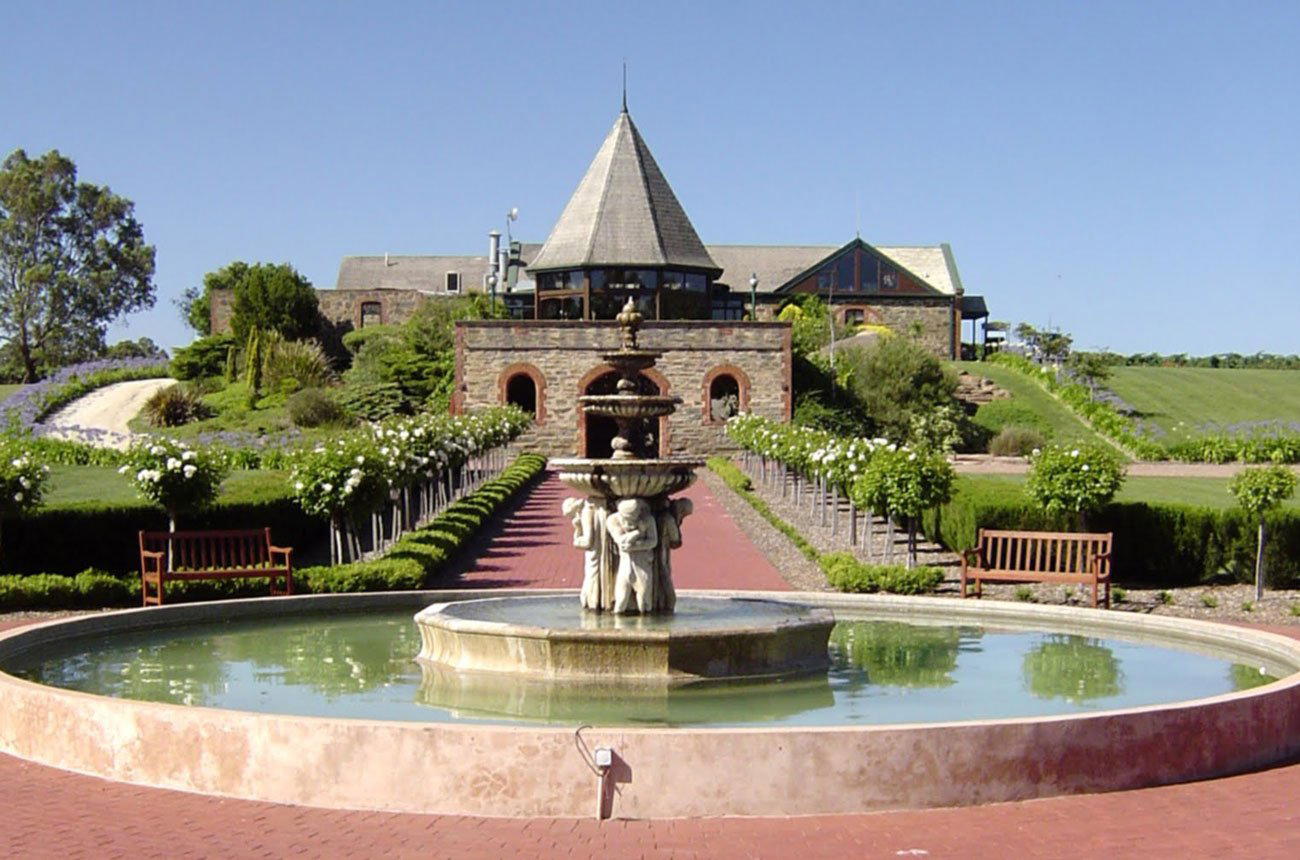
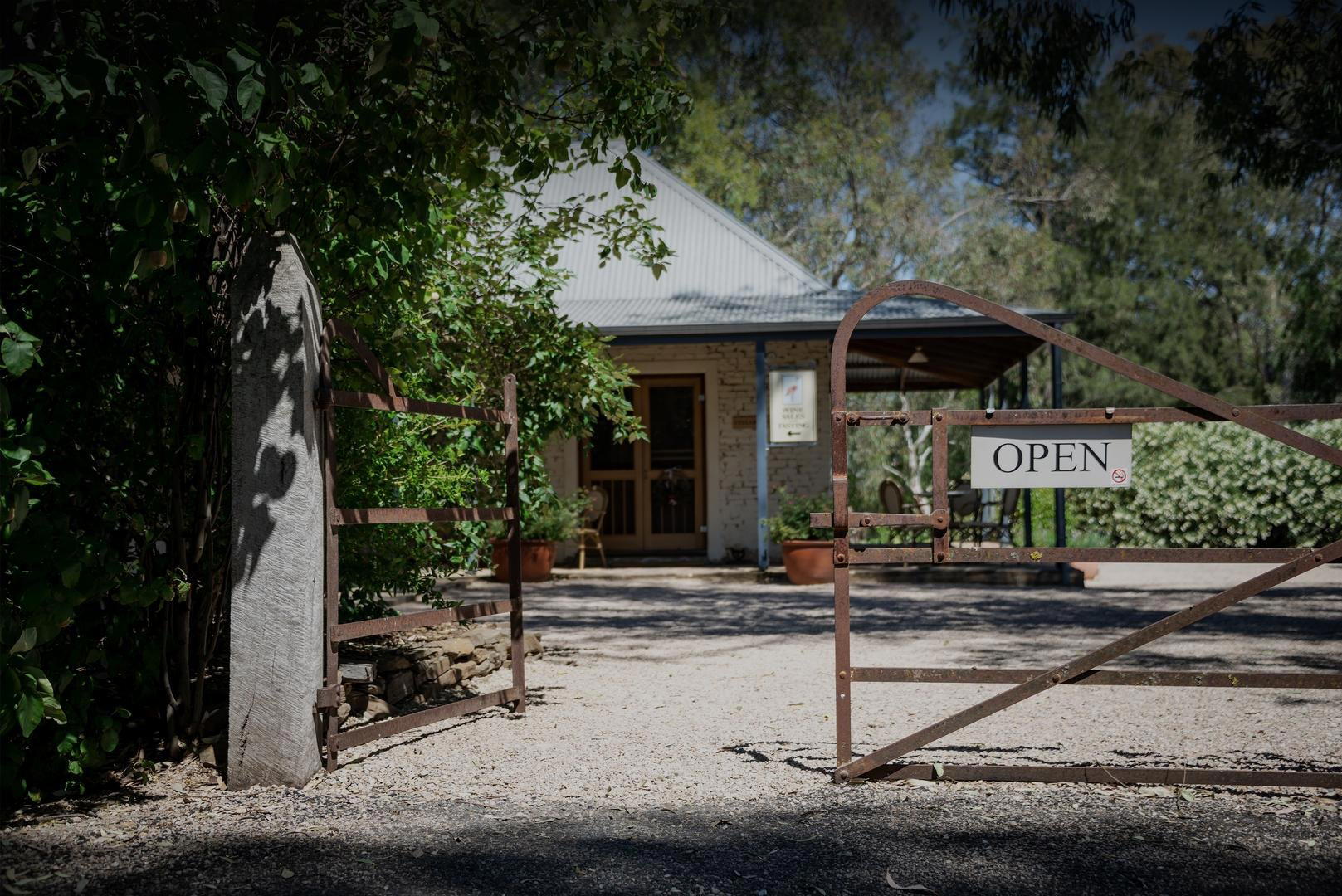
Bars in Barossa Valley
Browse all →
Restaurants in Barossa Valley
Browse all →
Details
- Elegant
- Rustic
- Scenic
- Wine Education
- Special Occasion
- Vineyard Tour
- Estate Grounds
- Dry Farmed
- Vineyard
- Shiraz
- Grenache
- Cabernet Sauvignon
- Still Red
- Private Tasting
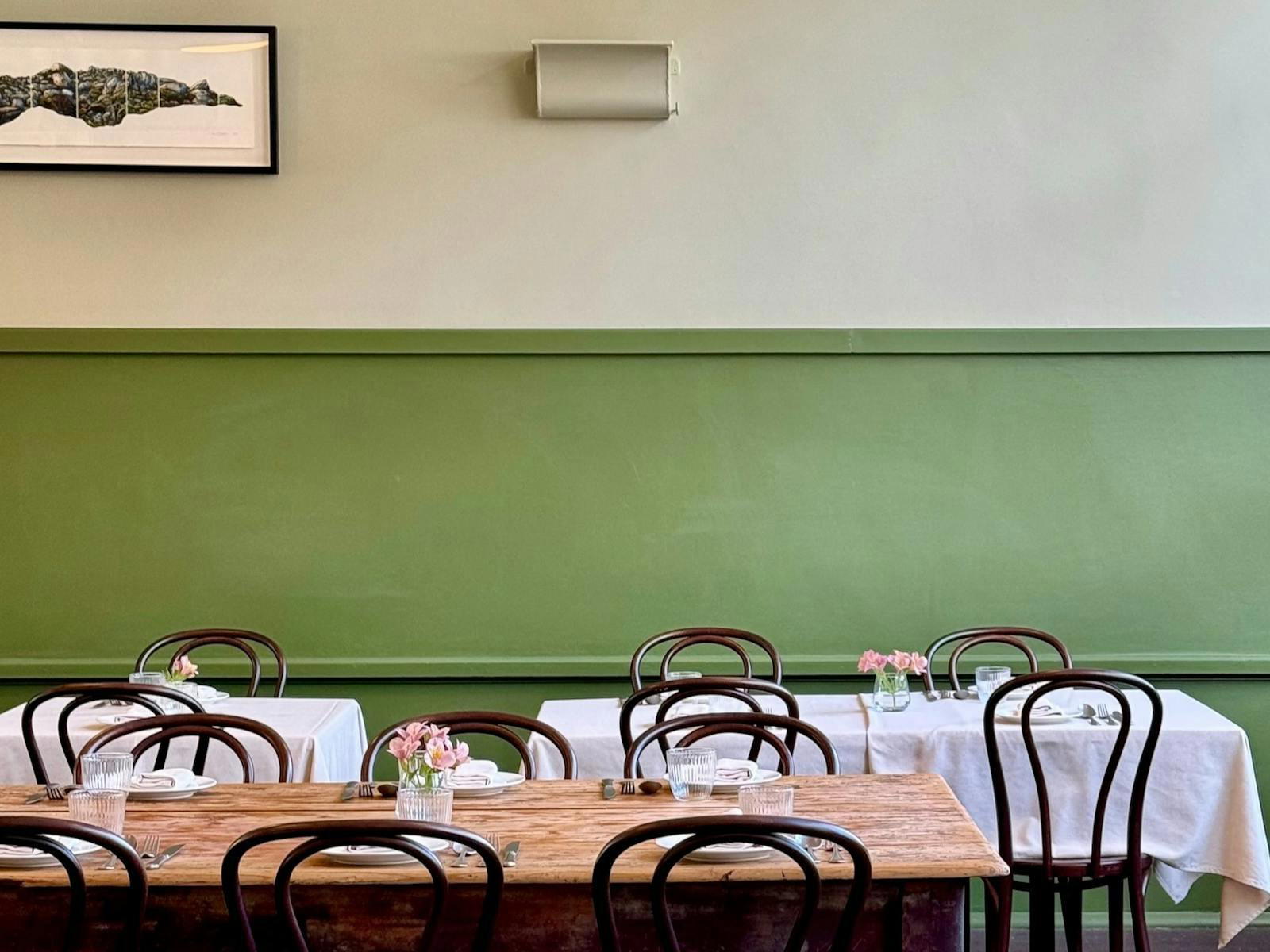
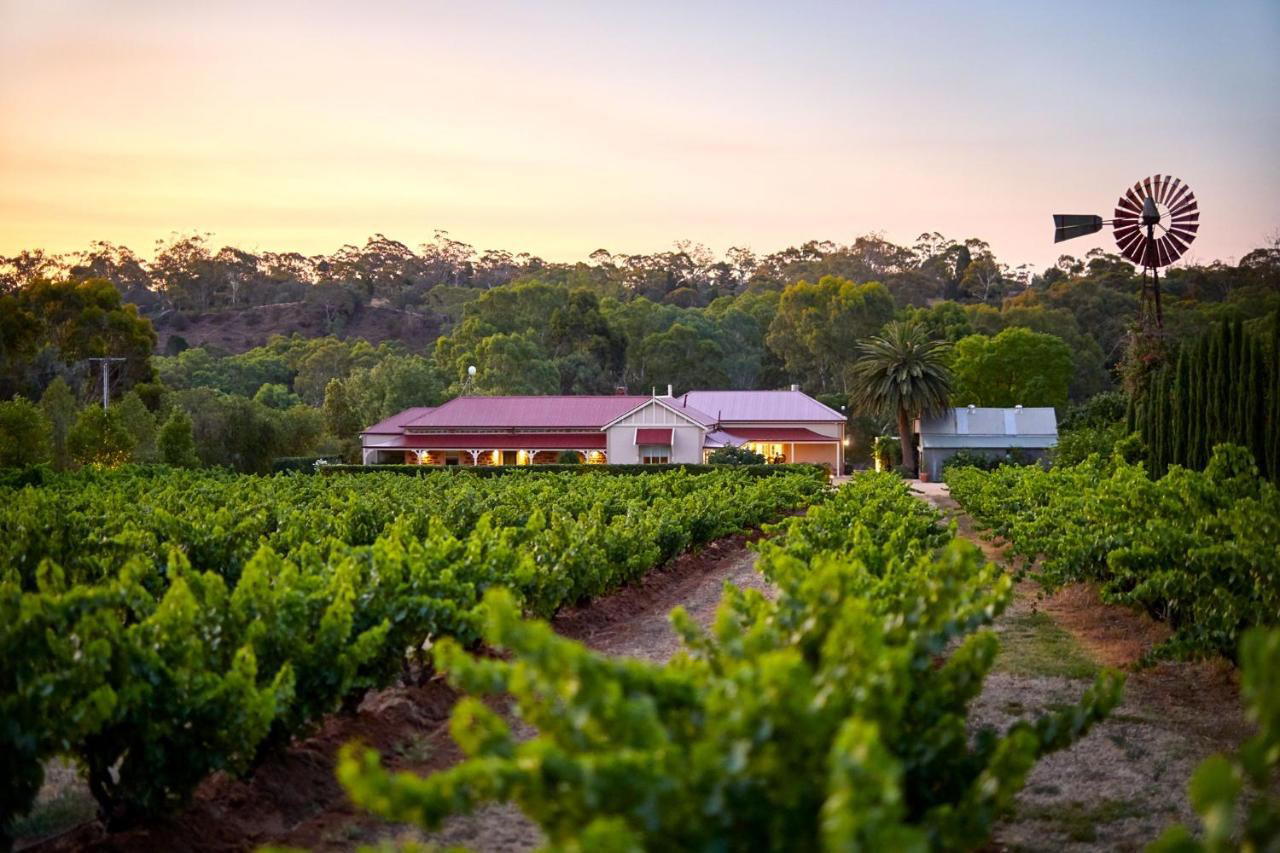
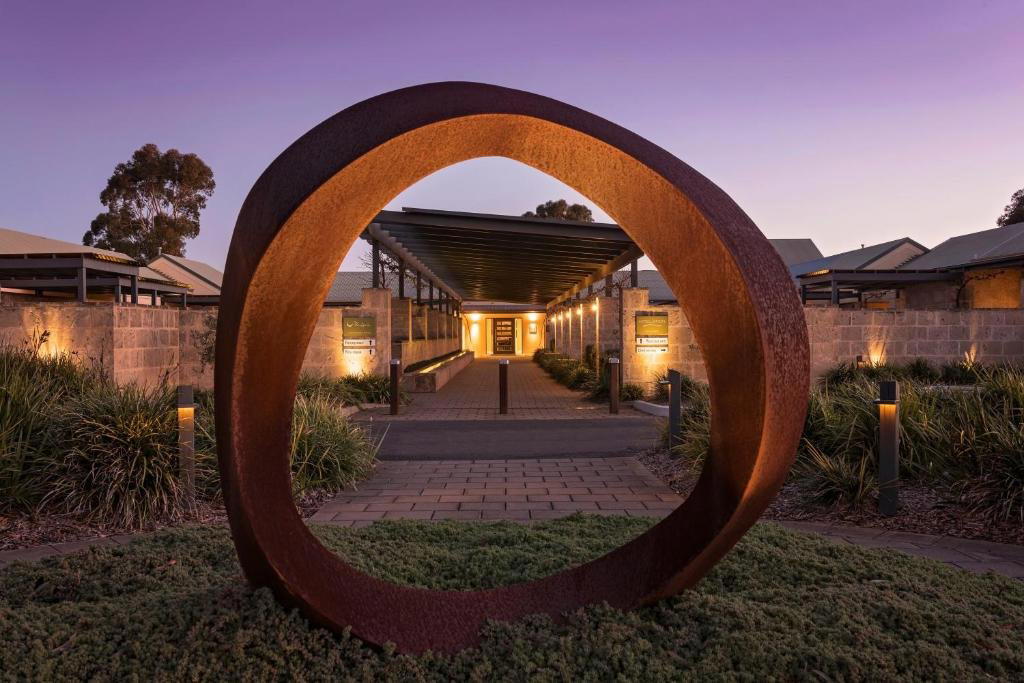
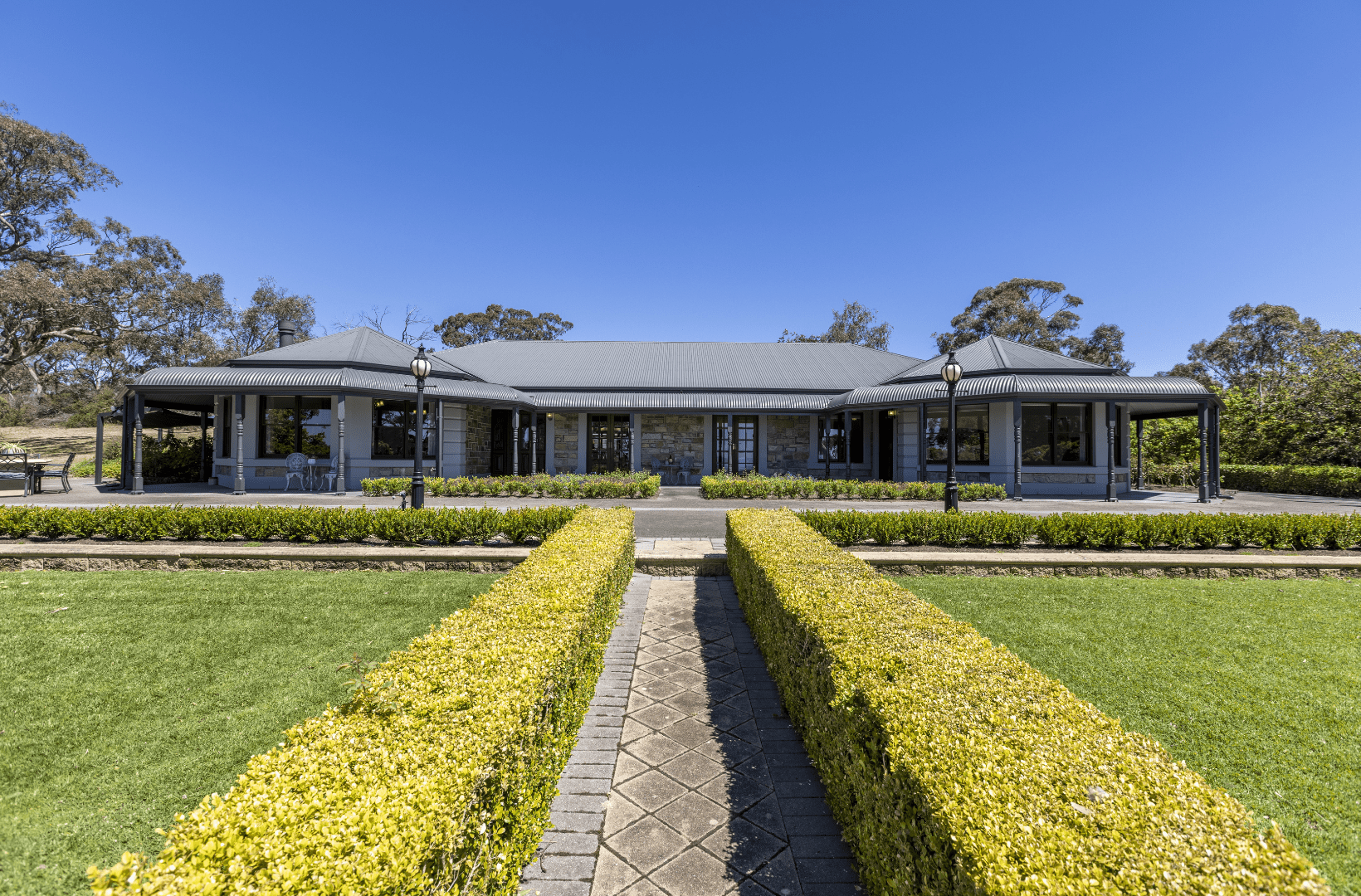
Elegant and classic with knowledgeable service in a scenic vineyard setting.