Rampoldi
The restaurant operates at the intersection where California's agricultural depth meets refined technique, drawing guests who approach the valley as seriously for its table as for its wine. For the full picture of Napa's dining scene, see our city guide.

Pearl is the En Primeur Club membership app — saves, bookings, and concierge access live there. Same editors, same standards.
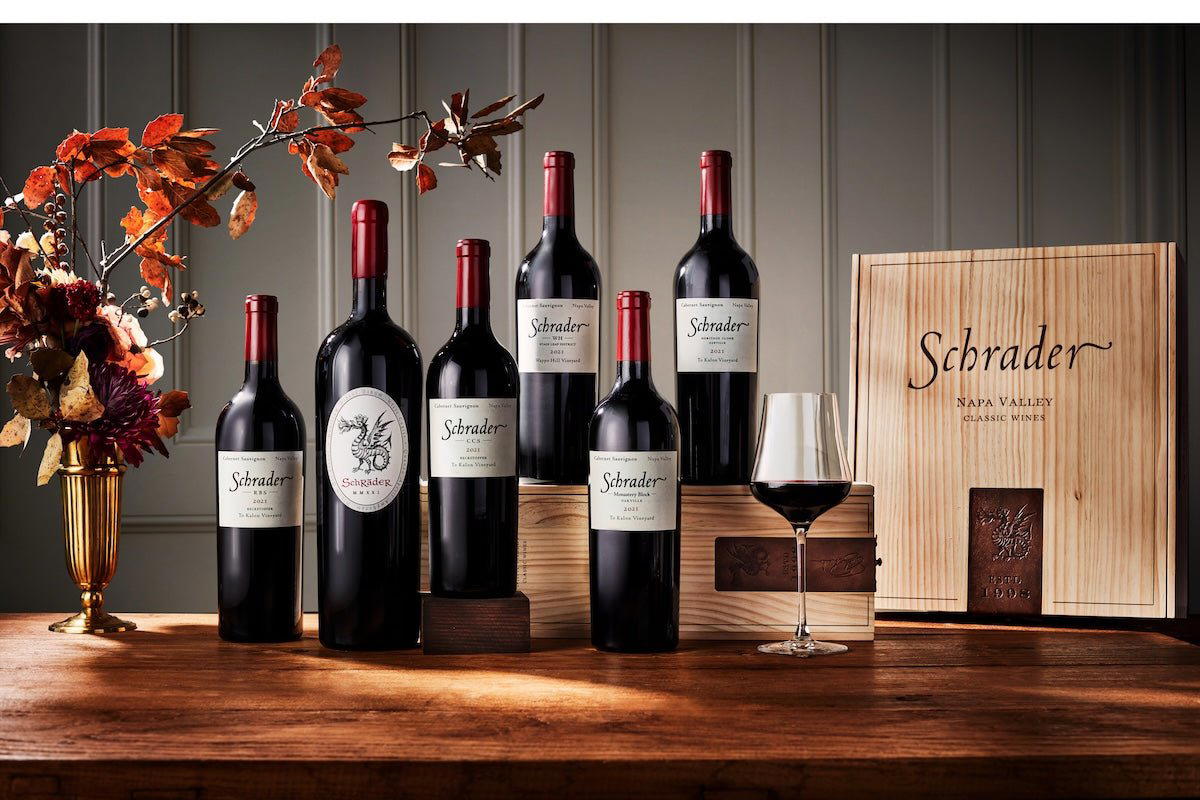
Where the Vines Stop and the Table Begins
Napa's identity is so thoroughly shaped by its wine culture that its restaurant scene has long played a supporting role in the broader valley narrative. That is changing. A generation of dining addresses has emerged in the valley that treat the table as the destination, not the afterthought to a tasting room afternoon. Rampoldi sits inside that shift.
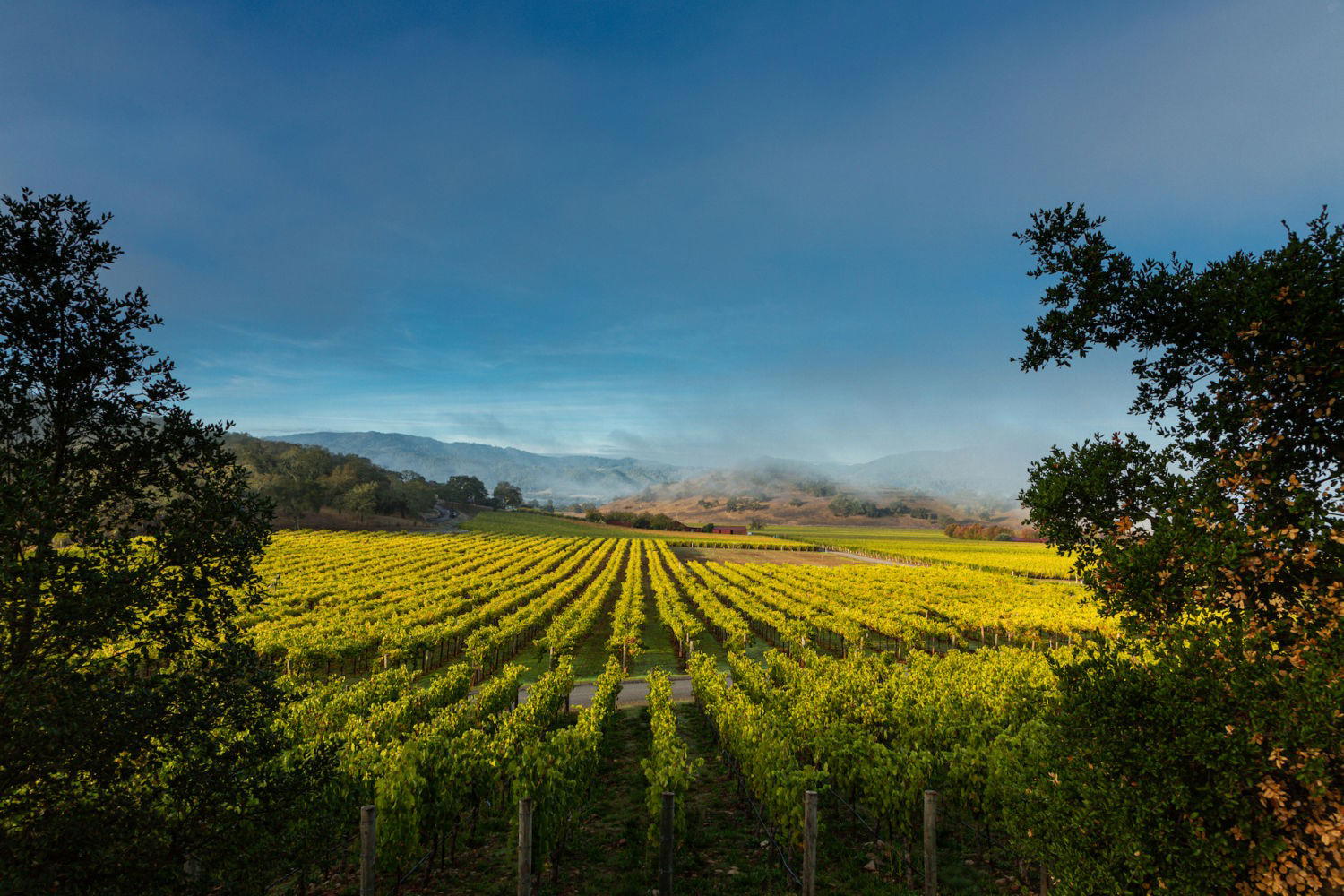
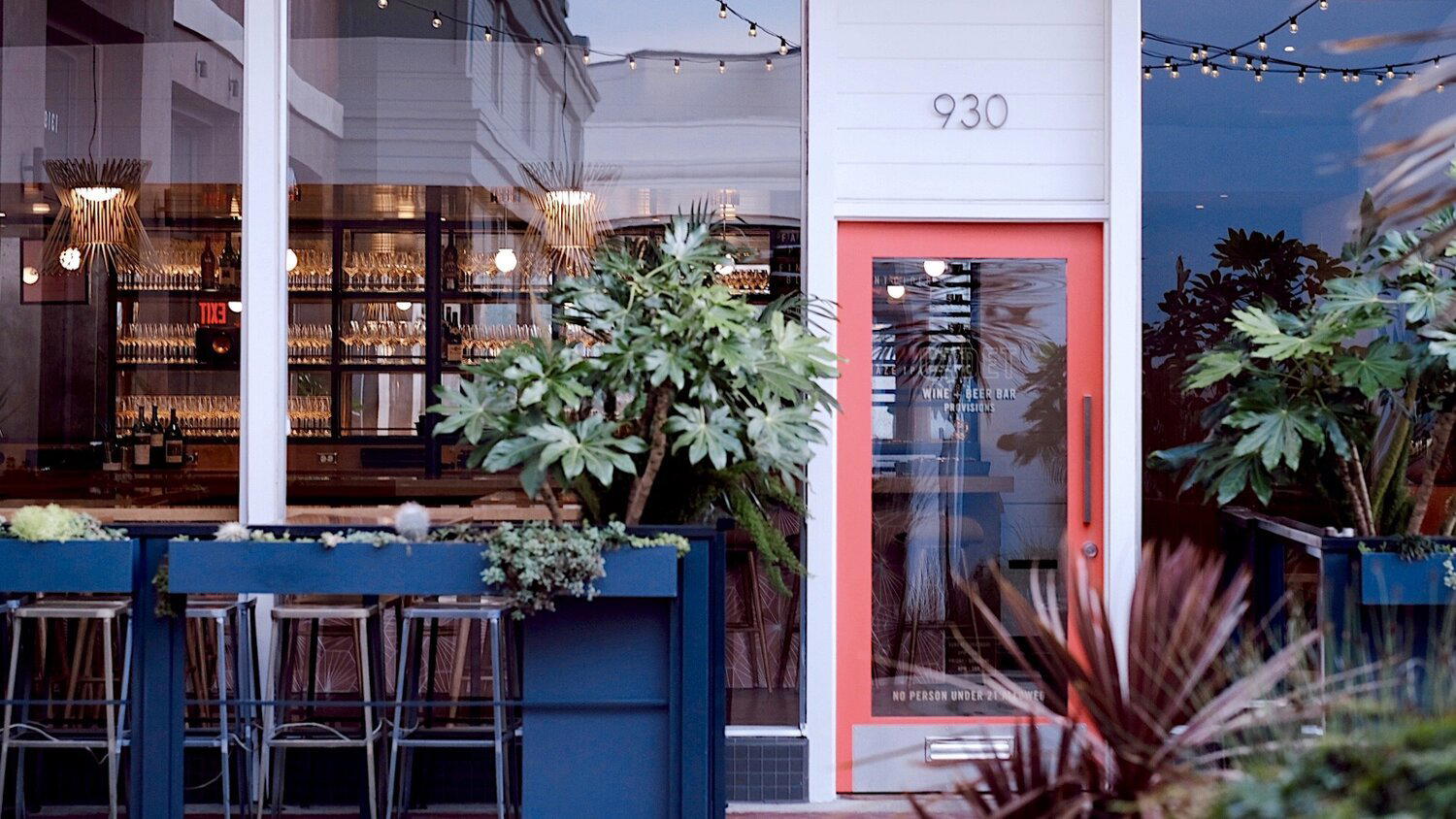
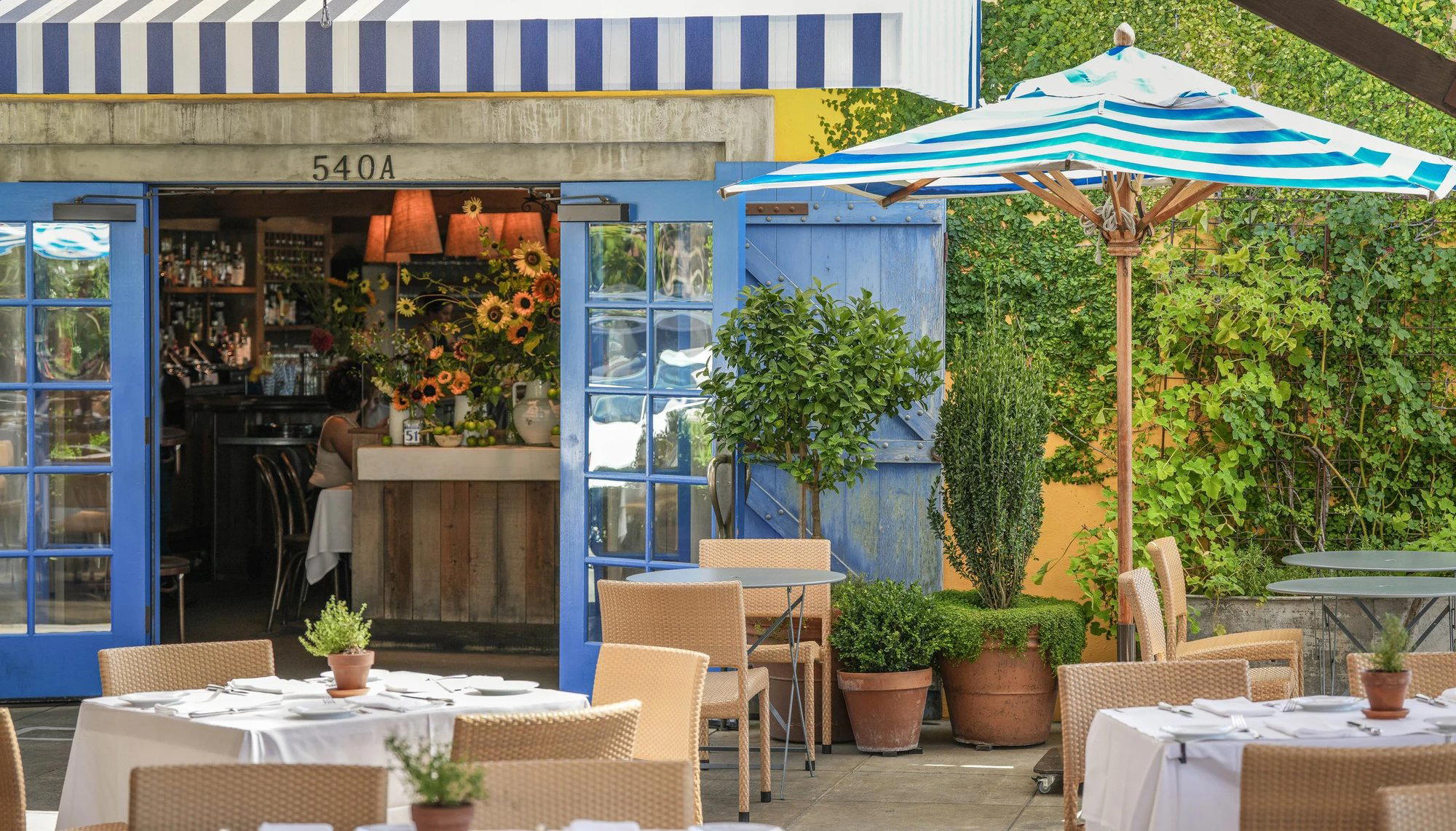
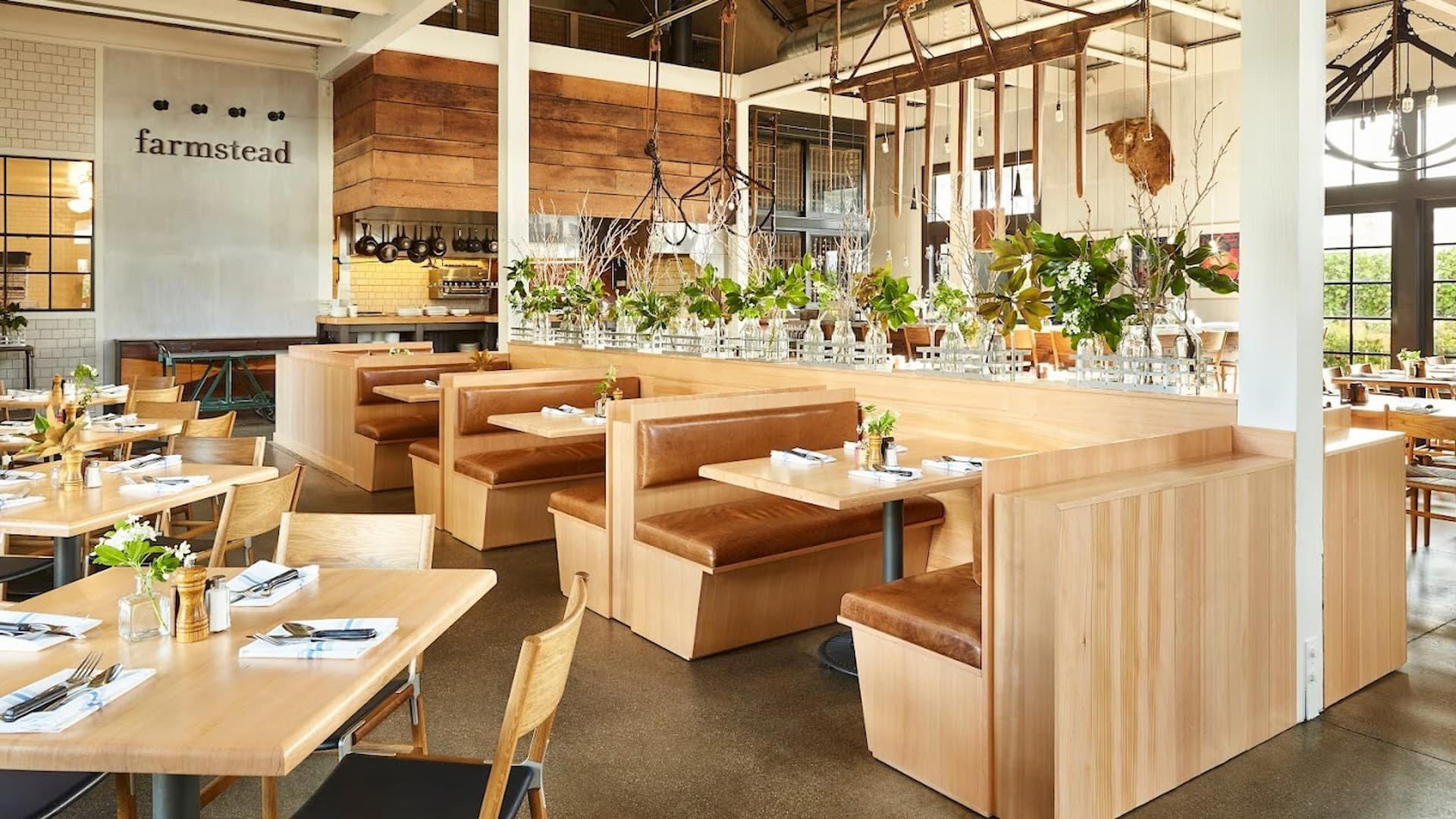
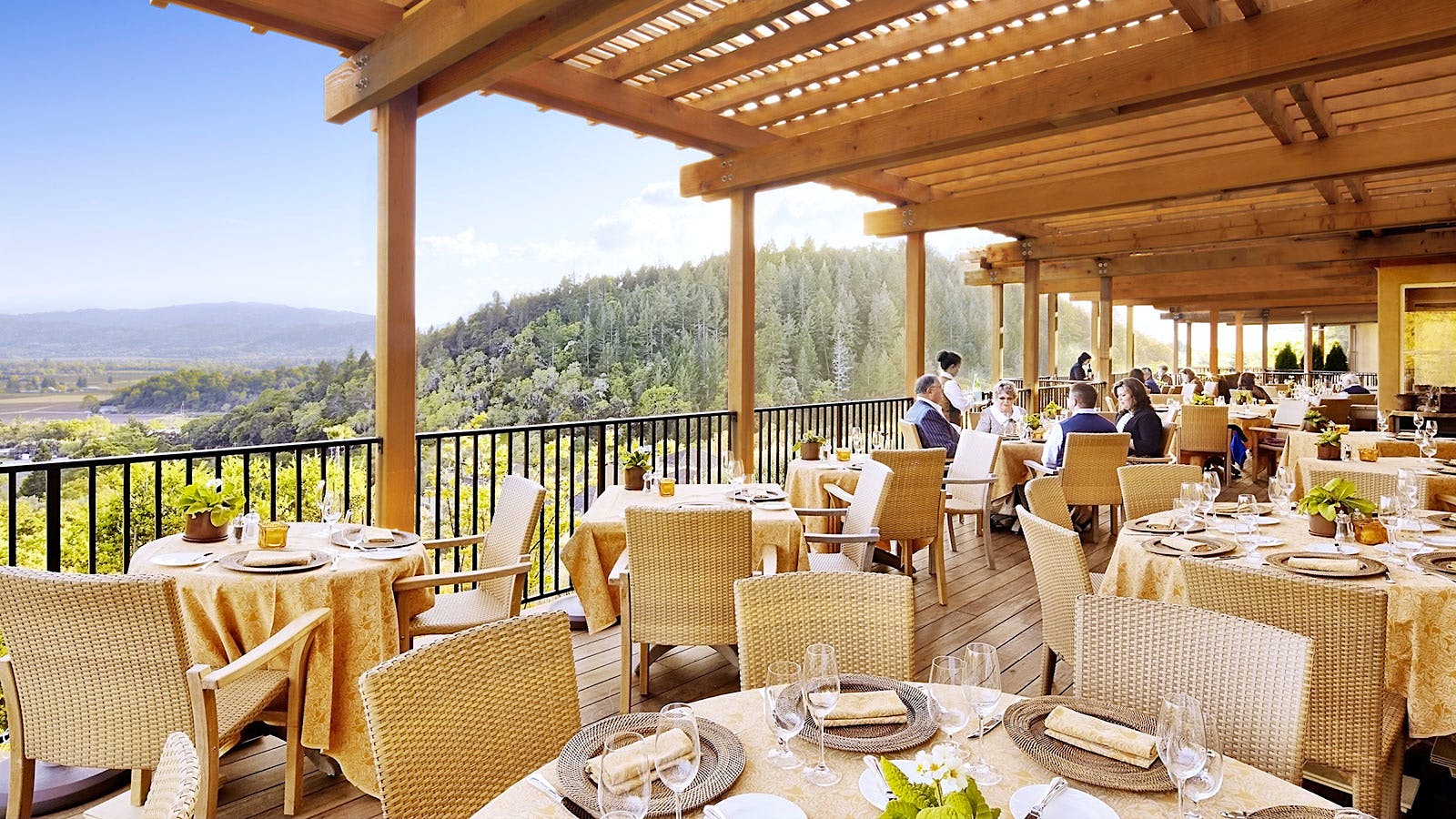
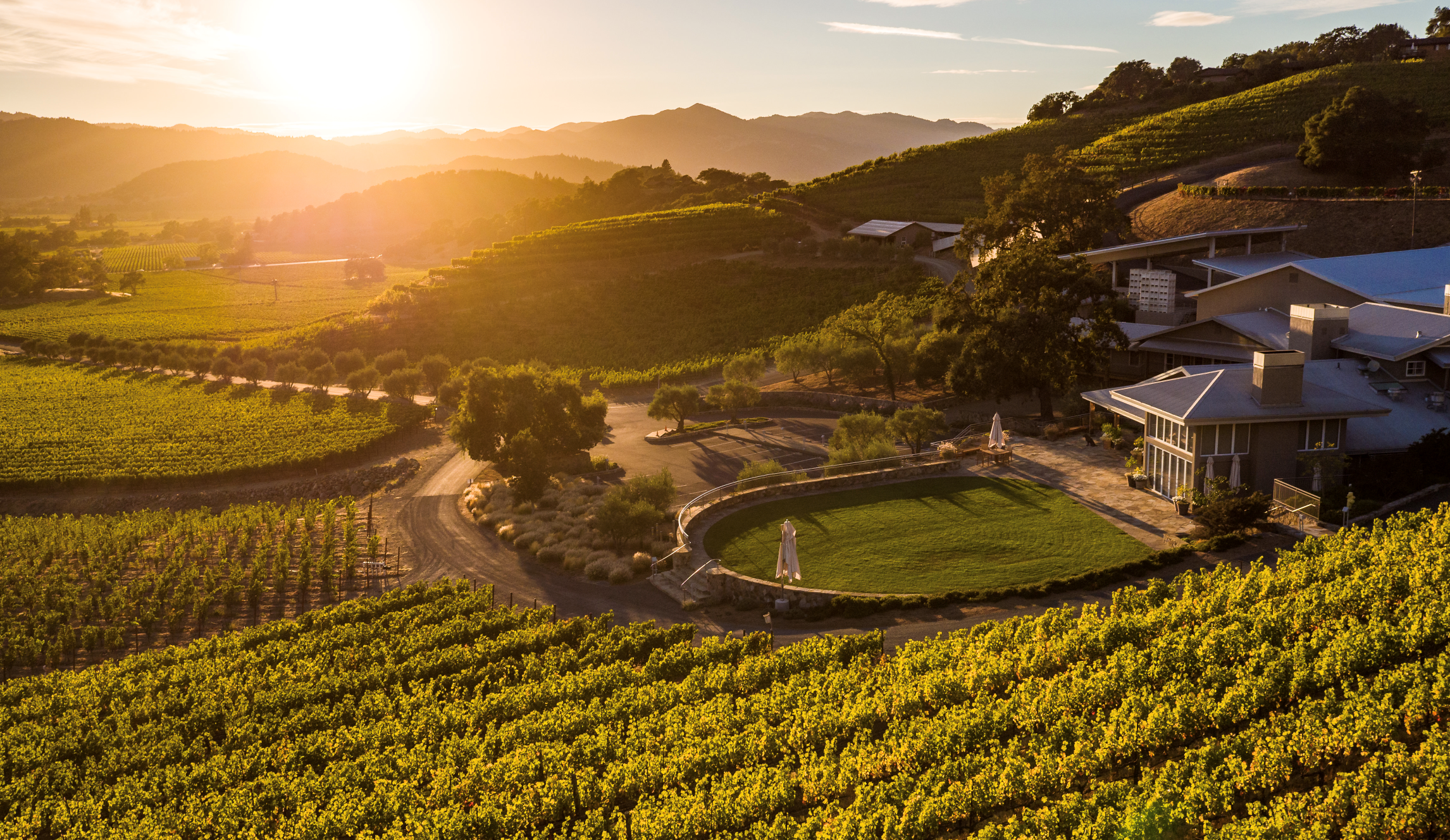
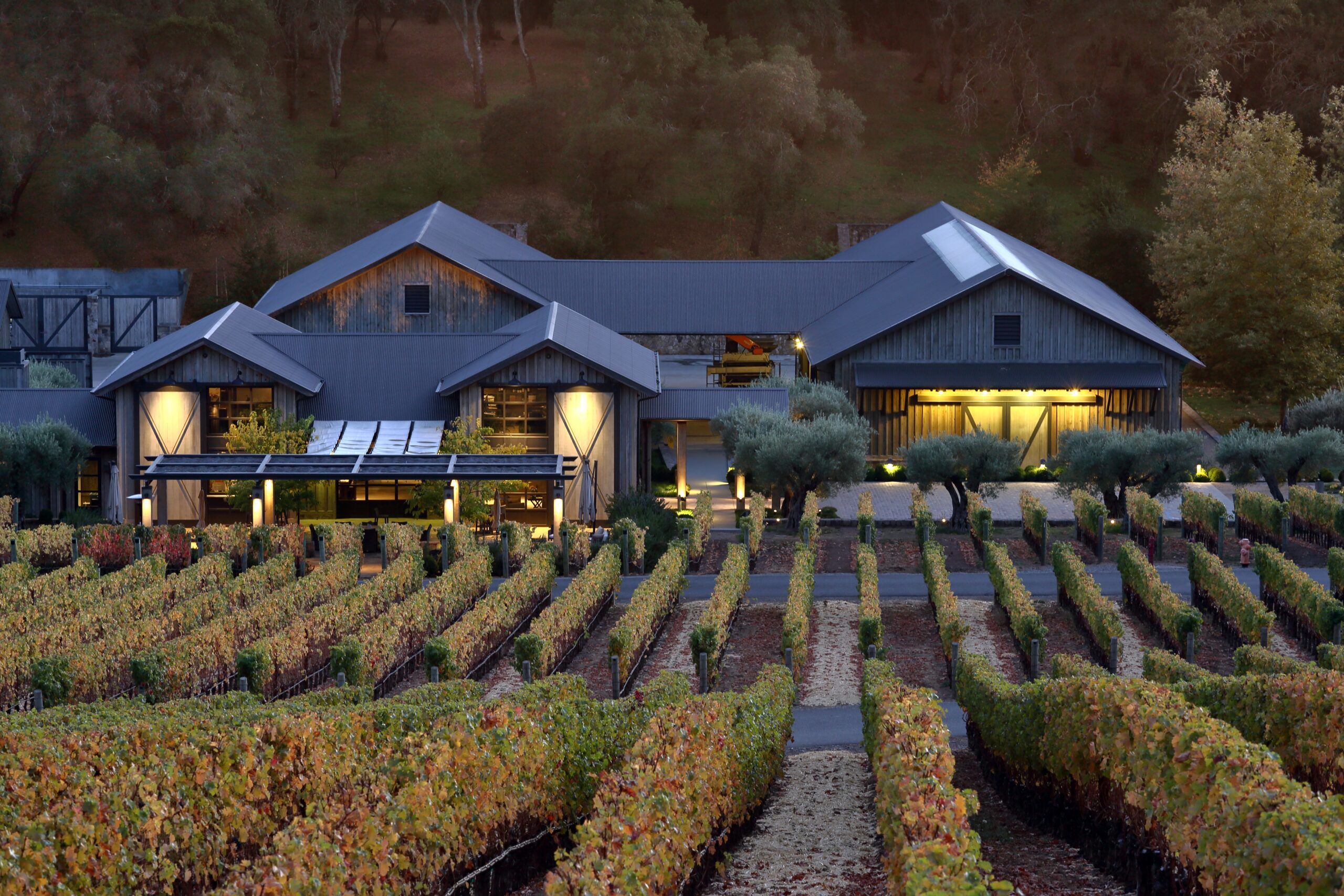
The physical approach to Napa's premium dining tier tends to carry a particular quality: the valley's agricultural abundance is never far from view, whether through the produce that arrives from nearby farms or the framing of a room that acknowledges the landscape outside rather than sealing itself off from it. Restaurants in this bracket tend to earn their recognition through discipline and point of view.
Technique Meeting Terroir
The interesting tension in California fine dining right now is not between old-guard and new-wave kitchens. It is between the global fluency of contemporary technique and the specific, irreplaceable character of what Northern California actually grows. Napa sits at among the more ingredient-rich intersections in the country: the valley floor and surrounding hills supply stone fruit, brassicas, alliums, and proteins that carry genuine seasonal urgency. The question every serious kitchen in this corridor faces is how to apply precision without neutralizing the specificity of those products.
Restaurants working at this intersection, the editorial angle that frames Rampoldi's place in the Napa scene, tend to draw on training traditions from outside California, whether European classical technique, Japanese precision, or the modern American tradition that has absorbed both, and apply that discipline to what the local season actually offers. The result, when it works, is food that reflects its place while carrying formal rigor.
The Wine Pairing Question
No restaurant in Napa operates in isolation from the valley's wine identity. The question is not whether to engage with that identity but how to do so with enough intelligence that the wine list becomes editorial rather than reflexive. The valley's dominant grape, Cabernet Sauvignon, has defined Napa's premium reputation for decades, but the more interesting cellar decisions at the valley's leading tables tend to involve how to place that dominance in context: what Chardonnays from the cooler sub-appellations do alongside leaner preparations, how Rhone-adjacent bottlings from the valley's warmer sites interact with richer dishes, and whether to range outside Napa entirely when the food demands it.
Wineries in the valley working in different registers offer useful framing for that diversity. Artesa Vineyards and Winery approaches the valley from a Carneros-influenced perspective, with Pinot and Chardonnay alongside its Cabernet program. Ashes and Diamonds Winery draws on a mid-century California aesthetic and works with varieties that sit outside the valley's dominant narrative. Blackbird Vineyards occupies the blending tradition, while Darioush Winery brings a distinct architectural and stylistic sensibility to its estate program. Clos Selene Winery connects to Napa's older Stags Leap heritage. Collectively, these producers illustrate why a thoughtful Napa wine list does not have to default to a single varietal mode.
Beyond Napa, the California wine conversation extends to properties that reward attention from serious diners. Accendo Cellars in St. Helena works in the mountain-fruit Cabernet tradition. Alpha Omega Winery in Rutherford takes a Bordeaux-trained approach to valley-floor fruit. Adelaida Vineyards in Paso Robles and Alban Vineyards in Arroyo Grande push the Rhone-variety argument in California further south. Andrew Murray Vineyards in Los Olivos adds to that Rhone California chapter, while Alexander Valley Vineyards in Geyserville traces the Sonoma-adjacent part of the Northern California wine arc. For something outside California entirely, Adelsheim Vineyard in Newberg represents Oregon's Pinot-centered alternative.
In a valley where the competition for serious dining recognition includes properties with deep hospitality infrastructure and long track records.
For travelers whose dining decisions are partly organized around award signals, Pearl-level properties represent a reliable category. The 2025 cycle, in particular, reflects a broadening of the criteria that have historically privileged large-format tasting menu restaurants, acknowledging that interesting cooking in a given city does not always arrive in the elaborate structure.
Planning a Visit
Napa's premium dining tier operates on a different logic from its tasting room culture. Where many wineries across the valley, from Artesa to Darioush, manage appointments on a rolling basis with some availability held for walk-ins, the valley's recognized restaurants tend to reward forward planning. A dinner at a Pearl-tier address in Napa will typically require a reservation.
The valley's geographical logic also shapes how a restaurant like Rampoldi fits into a trip. Napa's dining addresses are distributed across a corridor stretching from the town of Napa in the south through Yountville, Oakville, Rutherford, St. Helena, and up to Calistoga. A dinner at a recognized address in Napa proper anchors an itinerary differently from one in Yountville, where the concentration of high-profile rooms is densest. Understanding where a property sits within that corridor, combined with where you have planned winery visits, is one practical frame for building a coherent day around the table and the cellar.
Reputation Context
Comparable venues nearby, for context on price, style, and recognition.
| Venue | Cuisine | Price | Notes |
|---|---|---|---|
| RampoldiThis venue — the venue you are viewing | Winery | Not listed | Not listed |
| RAIN | Winery | Not listed | Napa |
| Stony Hill Vineyard | Chardonnay, Riesling | $$ | St. Helena |
| Rombauer Vineyards | Winery | Not listed | Napa |
| Silverado Vineyards | Cabernet Sauvignon, Merlot | $$$ | Stags Leap District |
| Napa Valley Distillery | Napa Valley | $$ | downtown Napa |
At a Glance
- Sophisticated
- Elegant
- Scenic
- Quiet
- Celebration
- Special Occasion
- Romantic Getaway
- Design Destination
- Private Tasting
- Vineyard
- Mountain
- Napa Valley AVA
- Cabernet Sauvignon
- Still Red
- Private Tasting
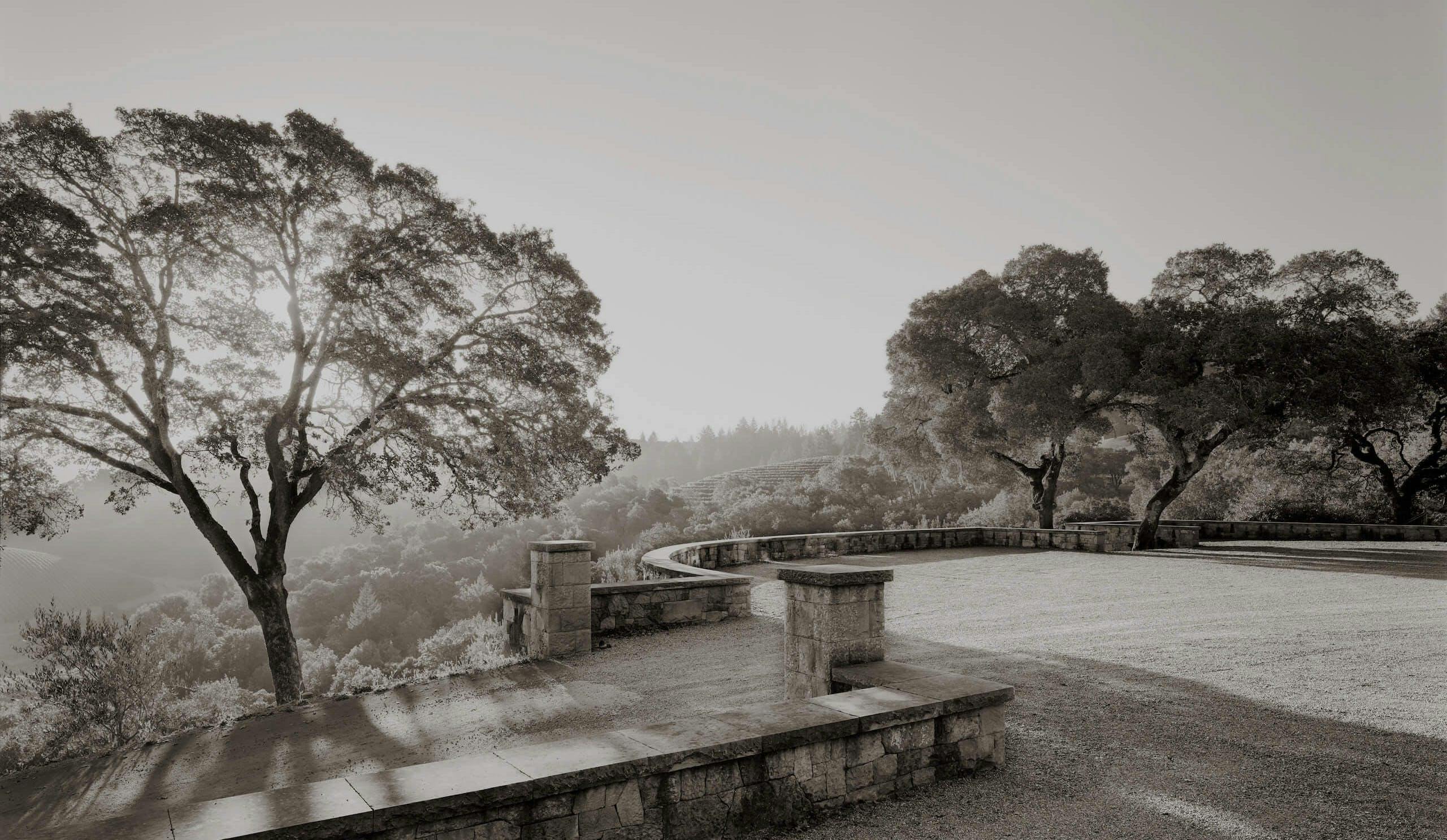
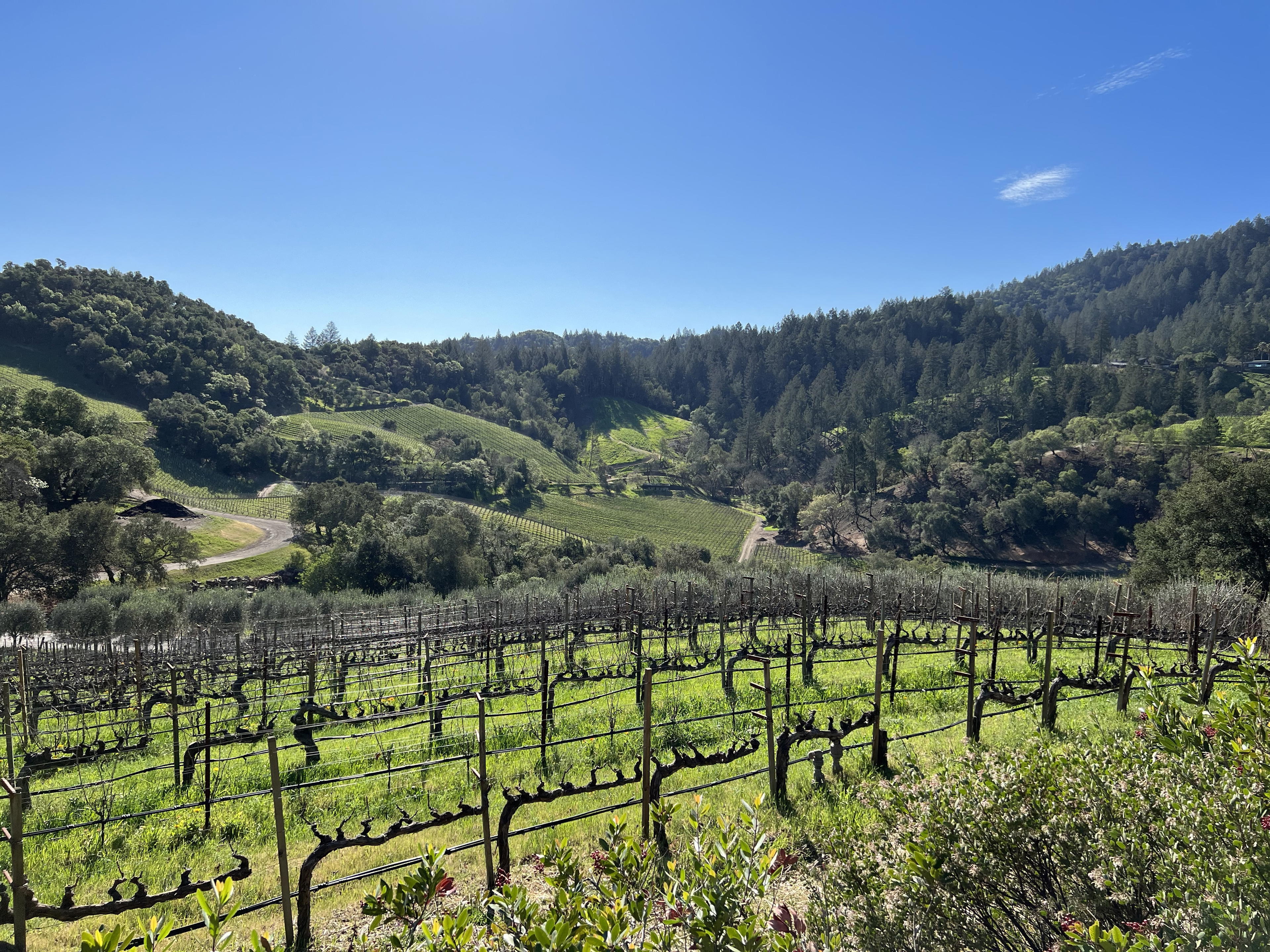
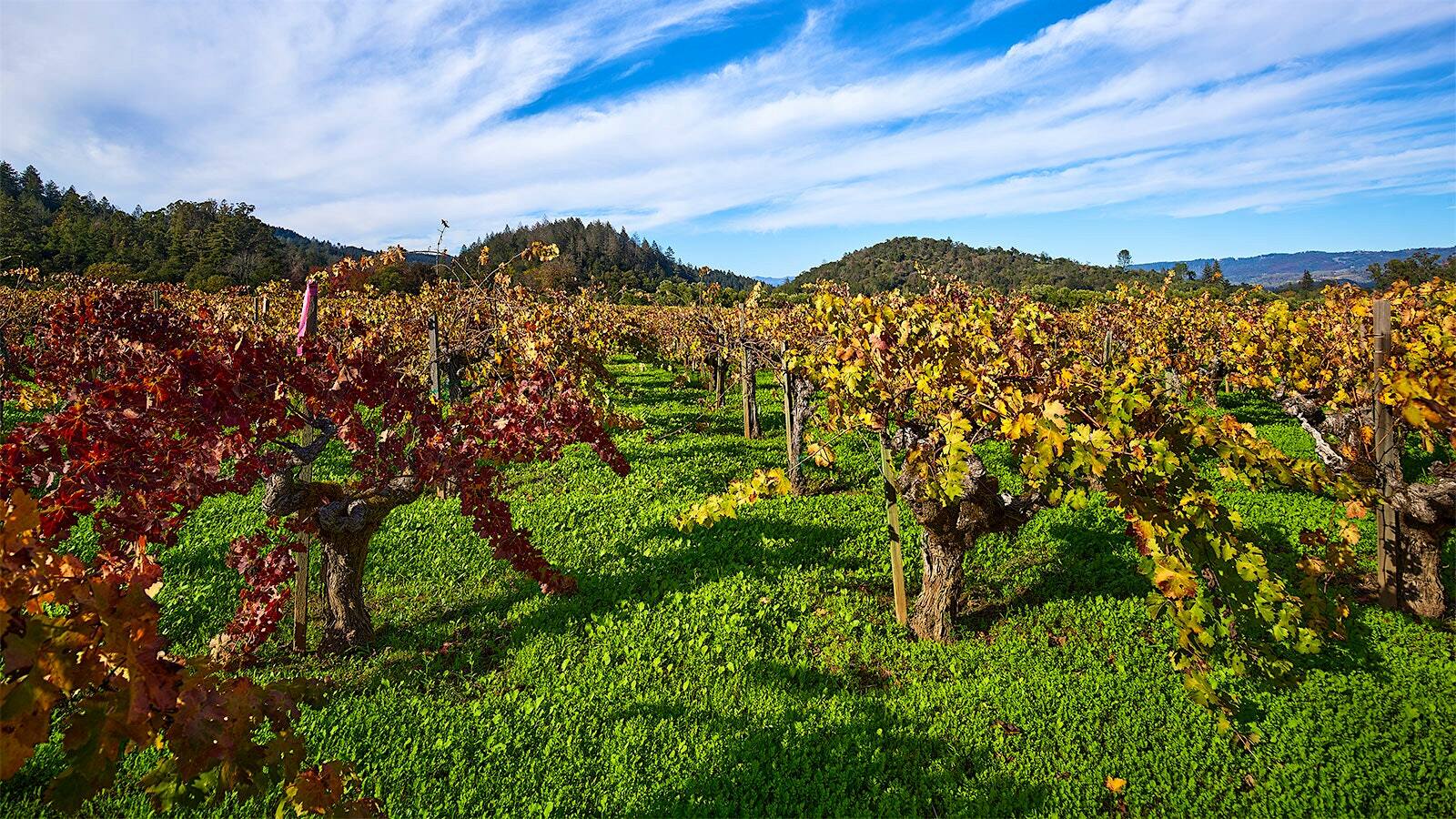
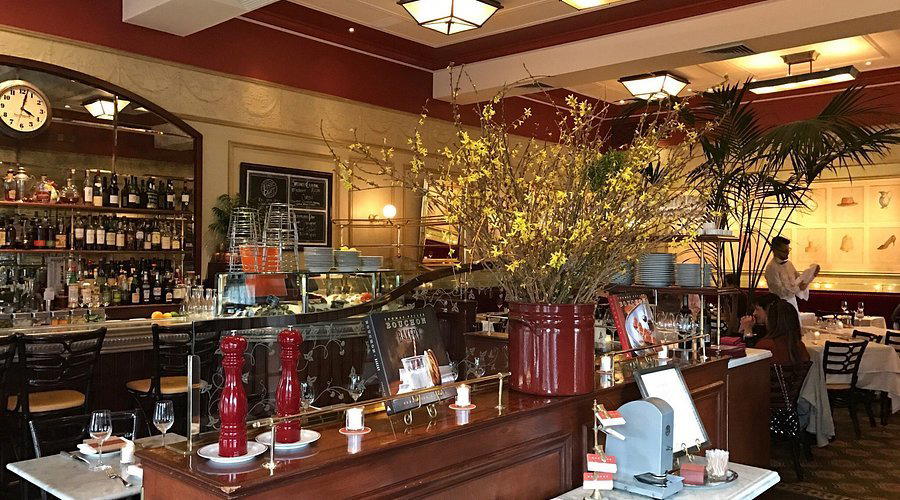
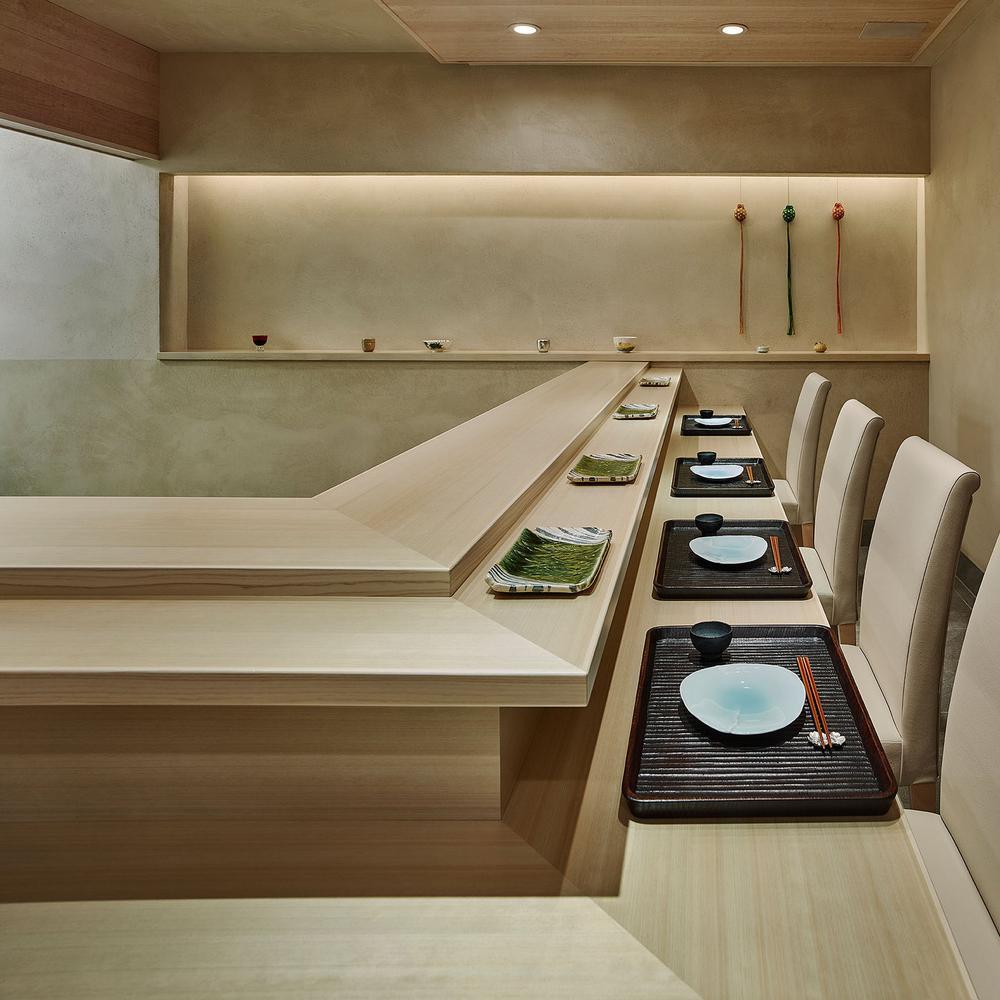
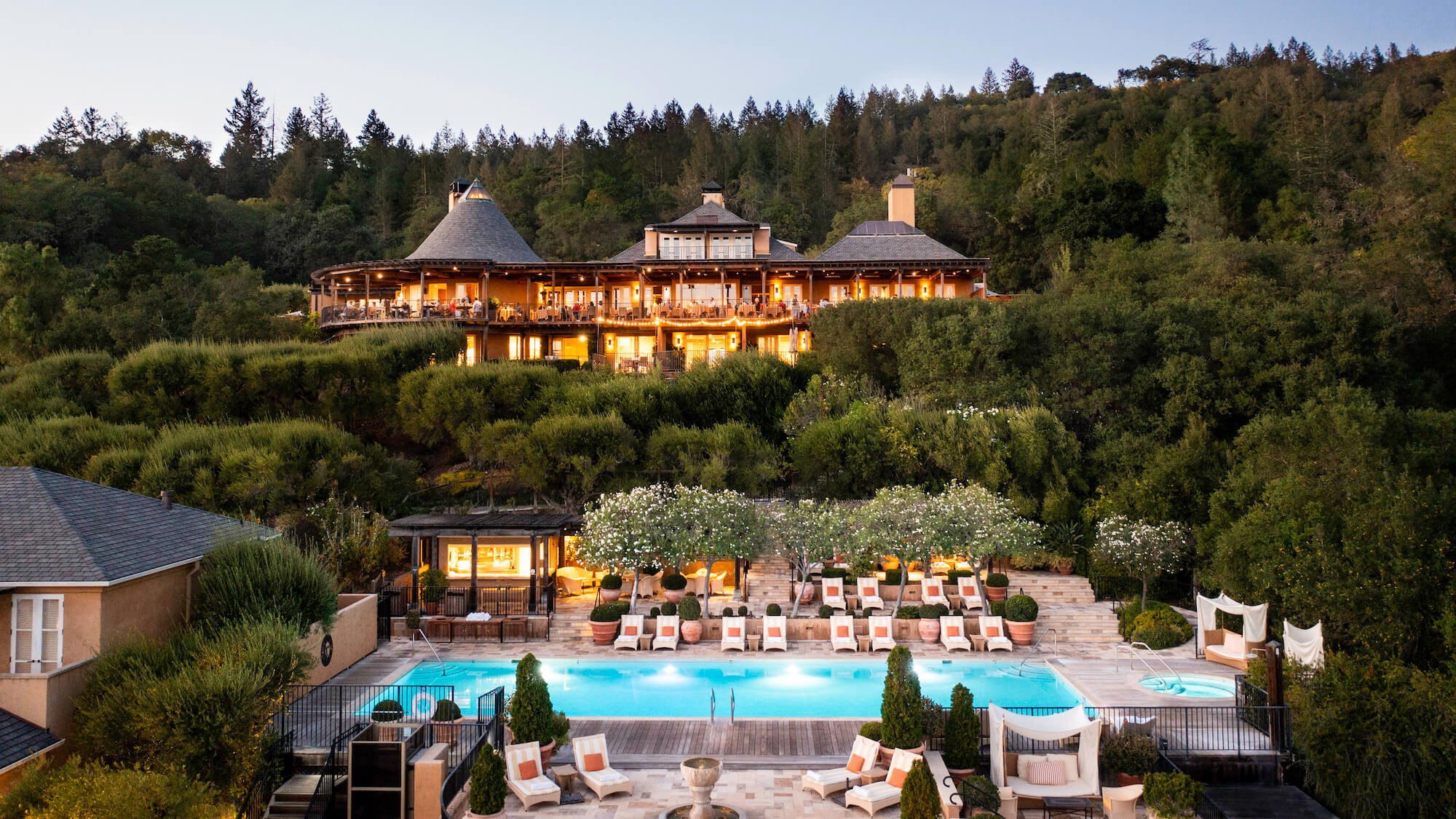
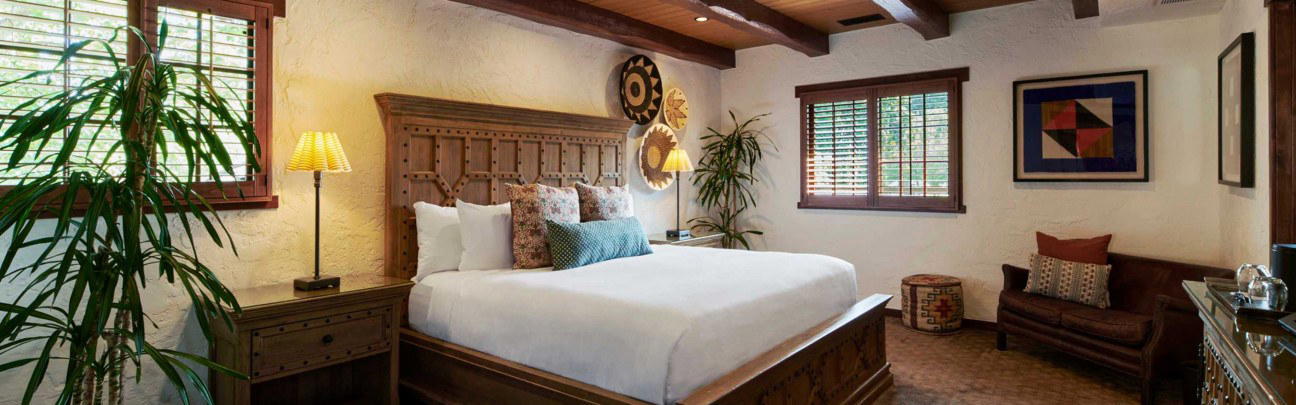
Refined and focused, with elegant service and a scenic room that opens to the valley and frames the surrounding hills and agricultural landscape.