Ashes and Diamonds Winery

Ashes and Diamonds Winery, established in 2013 in Napa, sits within a mid-century-inspired estate on Howard Lane that deliberately steps outside the valley's dominant Cabernet orthodoxy.
Pearl is the En Primeur Club membership app — saves, bookings, and concierge access live there. Same editors, same standards.
- Address
- 4130 Howard Ln, Napa, CA 94558
- Phone
- +1 707-666-4777
- Website
- ashesdiamonds.com
- Directions
- Get directions
 Saves & bookings on Pearl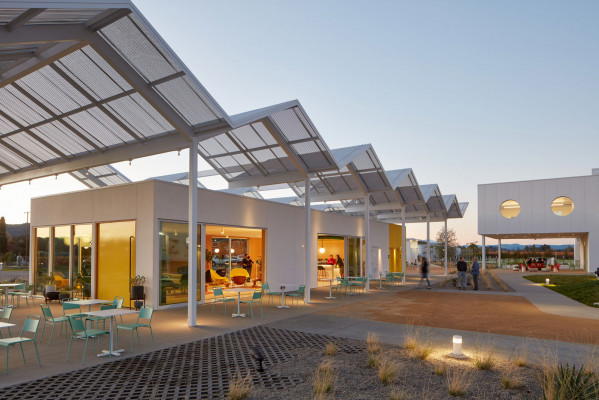
Where Napa's Mid-Century Revival Meets Restraint-Focused Winemaking
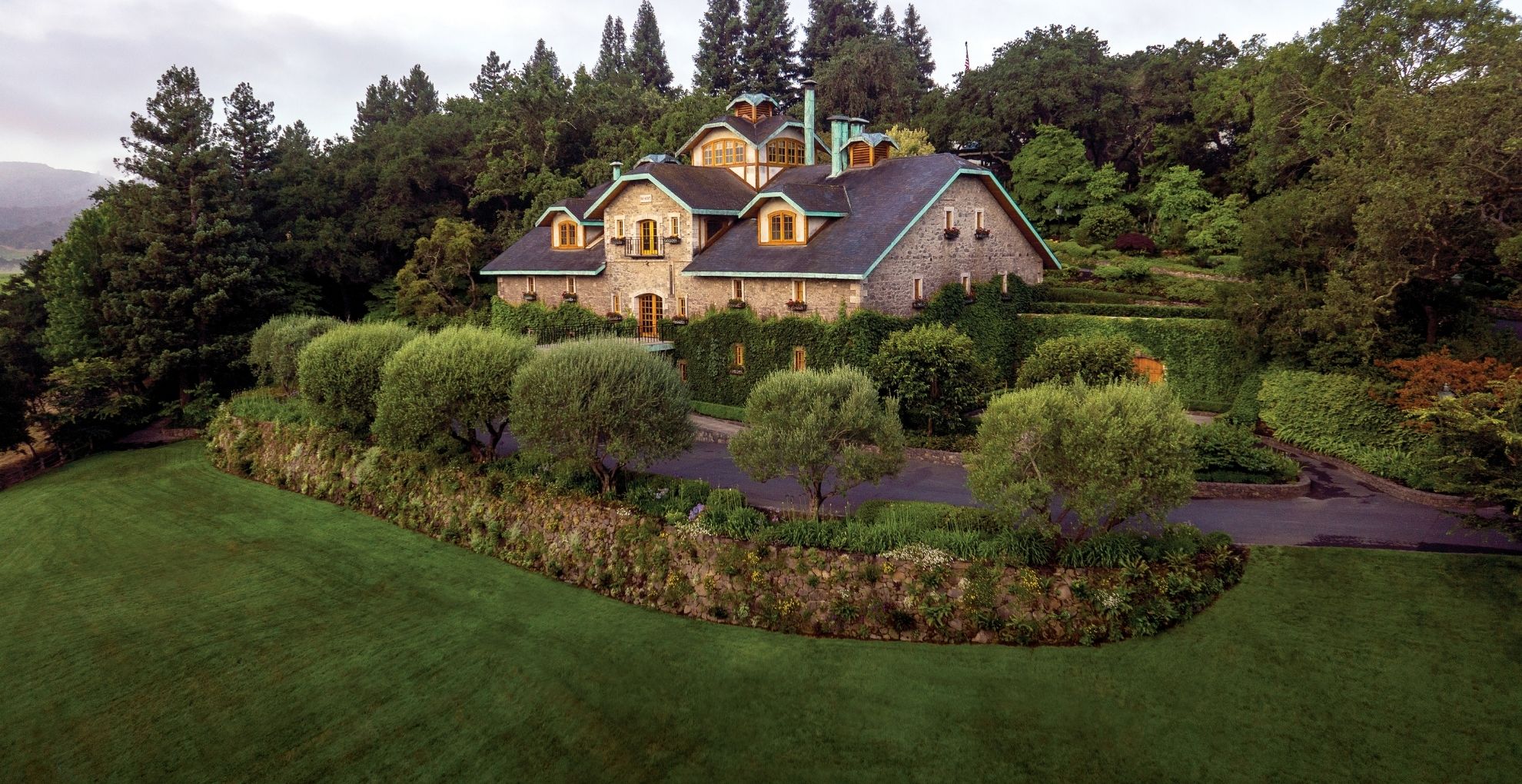
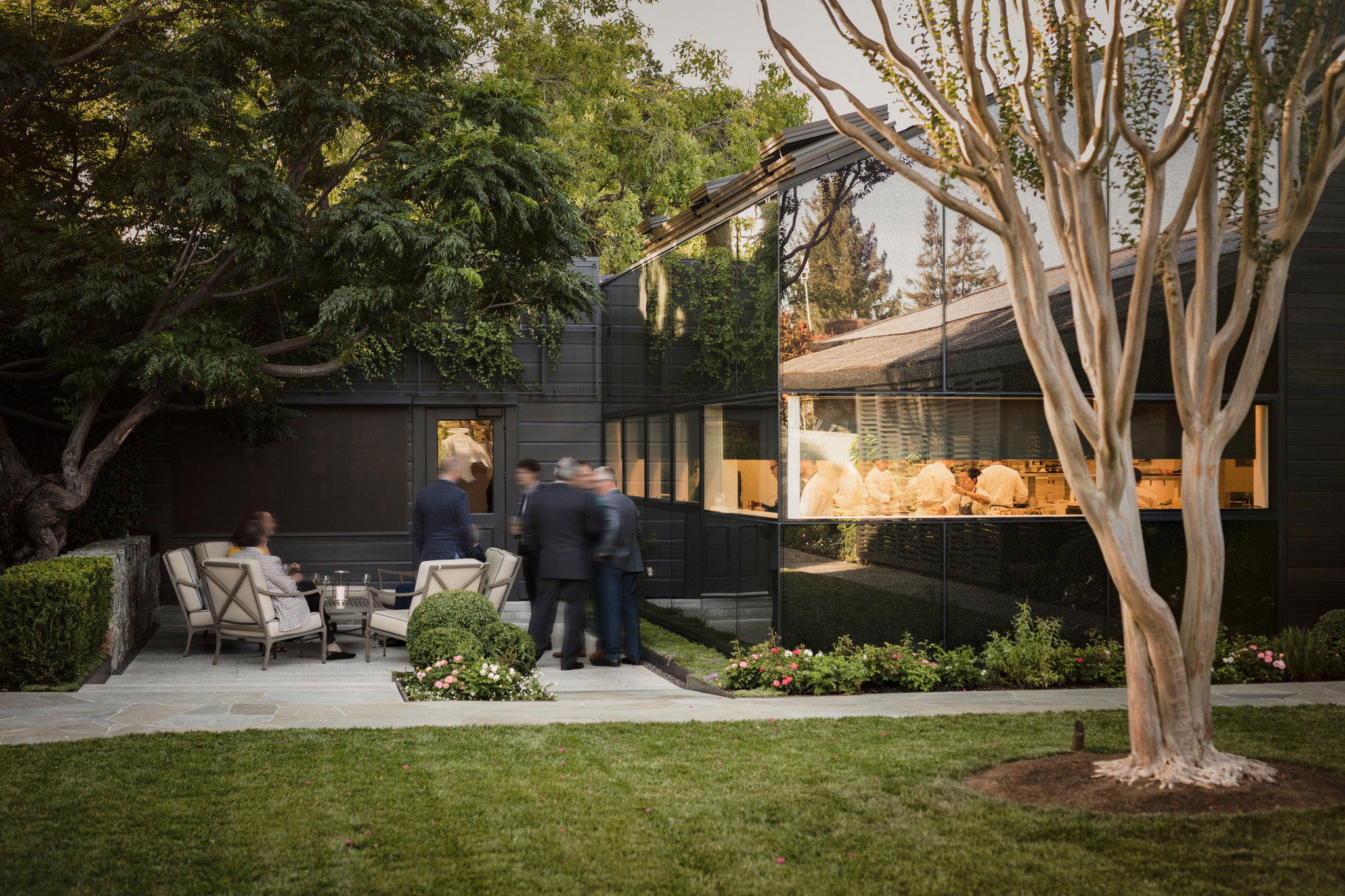
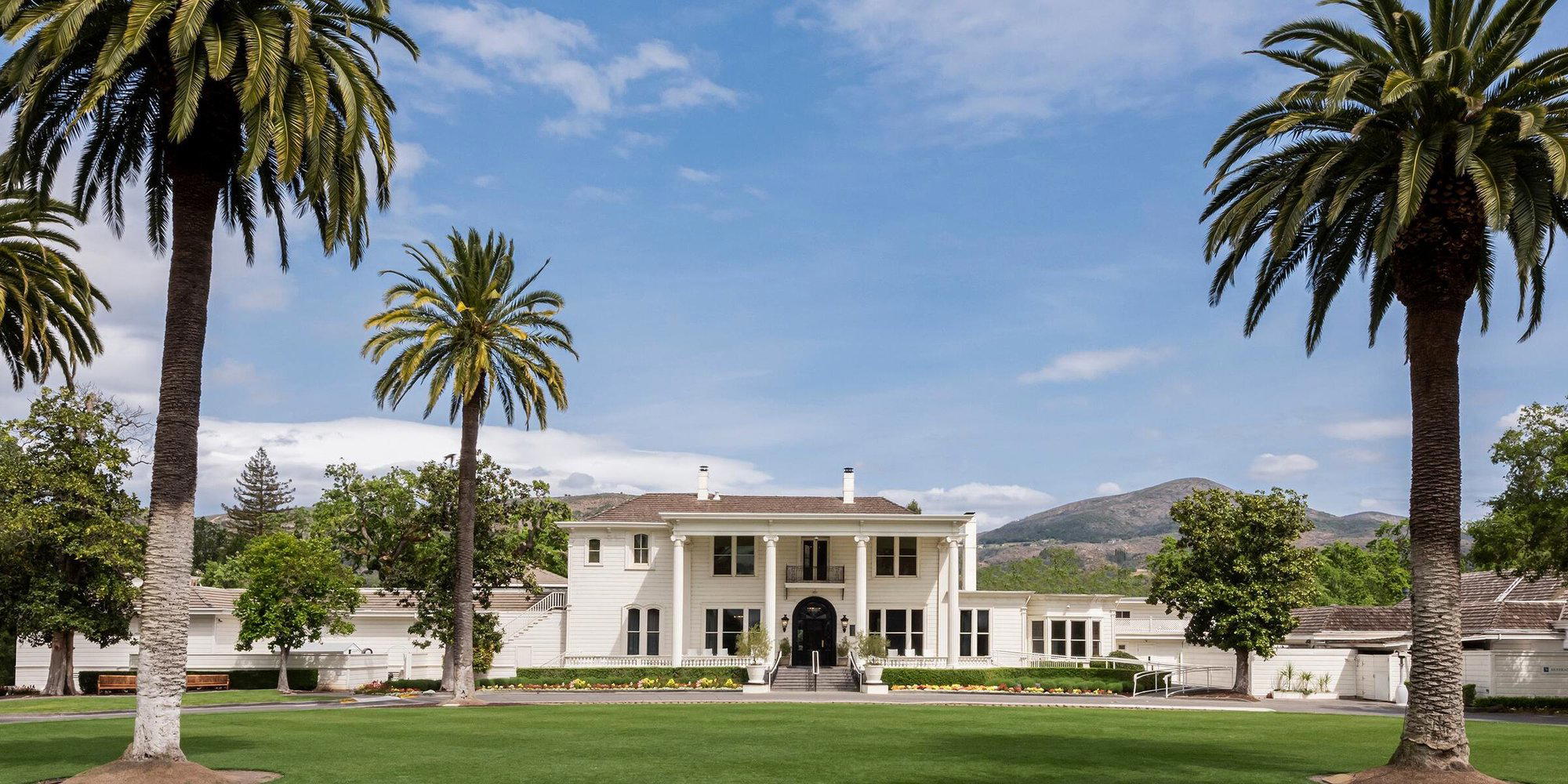
Ashes and Diamonds Winery is a winery in Napa, California, with a price point of about $75 per person. The terrain here is flatter, the architecture more agricultural, and the visual language of the valley shifts accordingly. Ashes and Diamonds Winery was designed to occupy this geography deliberately, its mid-century modern structure referencing the California of the 1950s and 1960s rather than the Tuscan-inflected stone barns that became Napa's architectural shorthand during the 1990s boom. Approaching the property, the building reads more Palm Springs than Rutherford, a contrast that signals something intentional about what's happening inside.
Napa's Two-Track Premium Tier
Napa's premium identity has long been underwritten by Cabernet Sauvignon, and the valley's most recognized names, from the Oakville benchland to the Stags Leap District, built their reputations through that grape. But a smaller, separate cohort of producers has consistently operated outside that framework, working instead with varieties that dominated California before the Cabernet era took hold: Chardonnay, Sauvignon Blanc, and earlier-drinking red blends with Cabernet Franc at their structural core. Ashes and Diamonds belongs to this second track. Its first vintage in 2013 placed it squarely within a contemporary wave of Napa producers self-consciously reviving pre-1970s California wine culture, a movement that also includes producers working in a similar register at Accendo Cellars in St. Helena and design-forward estates such as Blackbird Vineyards, each carving distinct space within the valley's broader premium tier.
That positioning matters competitively. Where large-production Napa Cabernet houses price against Parker scores and auction results, this smaller cohort prices against allocation exclusivity and conceptual coherence.
The Winemaking Credentials Behind the Approach
In California wine, consultant and collaborative winemaking arrangements are common, but the specific pairings matter enormously to a wine's competitive identity. Ashes and Diamonds is made by Steve Matthiasson and Diana Snowden Seysses, a combination that maps directly onto the estate's stylistic commitments. Matthiasson is among Napa's most closely watched figures in the restraint-focused, lower-intervention space, with a viticulture and consulting background that runs through some of the valley's most thoughtfully farmed sites. Snowden Seysses brings transatlantic credentials: her formation runs through Domaine Dujac in Burgundy, one of the reference addresses for elegant, texture-led red winemaking in France. Their combined presence here is not biographical decoration; it is a direct statement about competitive comparable set. These are winemakers whose other projects are tracked by collectors who typically look well beyond Napa for their reference points. That positions Ashes and Diamonds in a conversation with producers at Adelsheim Vineyard in Newberg or Alban Vineyards in Arroyo Grande in terms of the kind of wine collector attention it attracts, rather than with the Napa mainstream.
California Wine History as Design Brief
The deliberate mid-century reference at Ashes and Diamonds extends well beyond architecture. California's pre-1970s wine culture was characterized by lighter extraction, earlier-drinking wines with genuine acidity, and a confident relationship with white varieties that the subsequent Cabernet-led export boom largely displaced. Reviving that tradition requires working against established market assumptions, since buyers arriving in Napa with Cabernet in mind must be redirected toward a different set of expectations. This is the same challenge that faces producers like Andrew Murray Vineyards in Los Olivos or Adelaida Vineyards in Paso Robles, who each work within their own regional orthodoxies while making wines that ask visitors to recalibrate. In Napa's case, the orthodoxy is particularly entrenched, which makes the mid-century revisionist position both commercially riskier and more culturally legible to a specific audience.
The result, in practice, is that Ashes and Diamonds draws visitors with a different profile than the valley's dominant tasting rooms. Collectors interested in Sauvignon Blanc and Chardonnay with genuine tension, and in reds built around freshness rather than weight, arrive with reference points that include Burgundy and the Loire Valley alongside California. Estates with a similar relationship to their regional orthodoxy in other contexts include Alexander Valley Vineyards in Geyserville, which maintains its own distinct register within Sonoma's competitive landscape, and Artesa Vineyards and Winery, another Napa producer whose physical design and stylistic identity mark it apart from the valley's dominant visual and vinous codes.
The Southern Napa Context
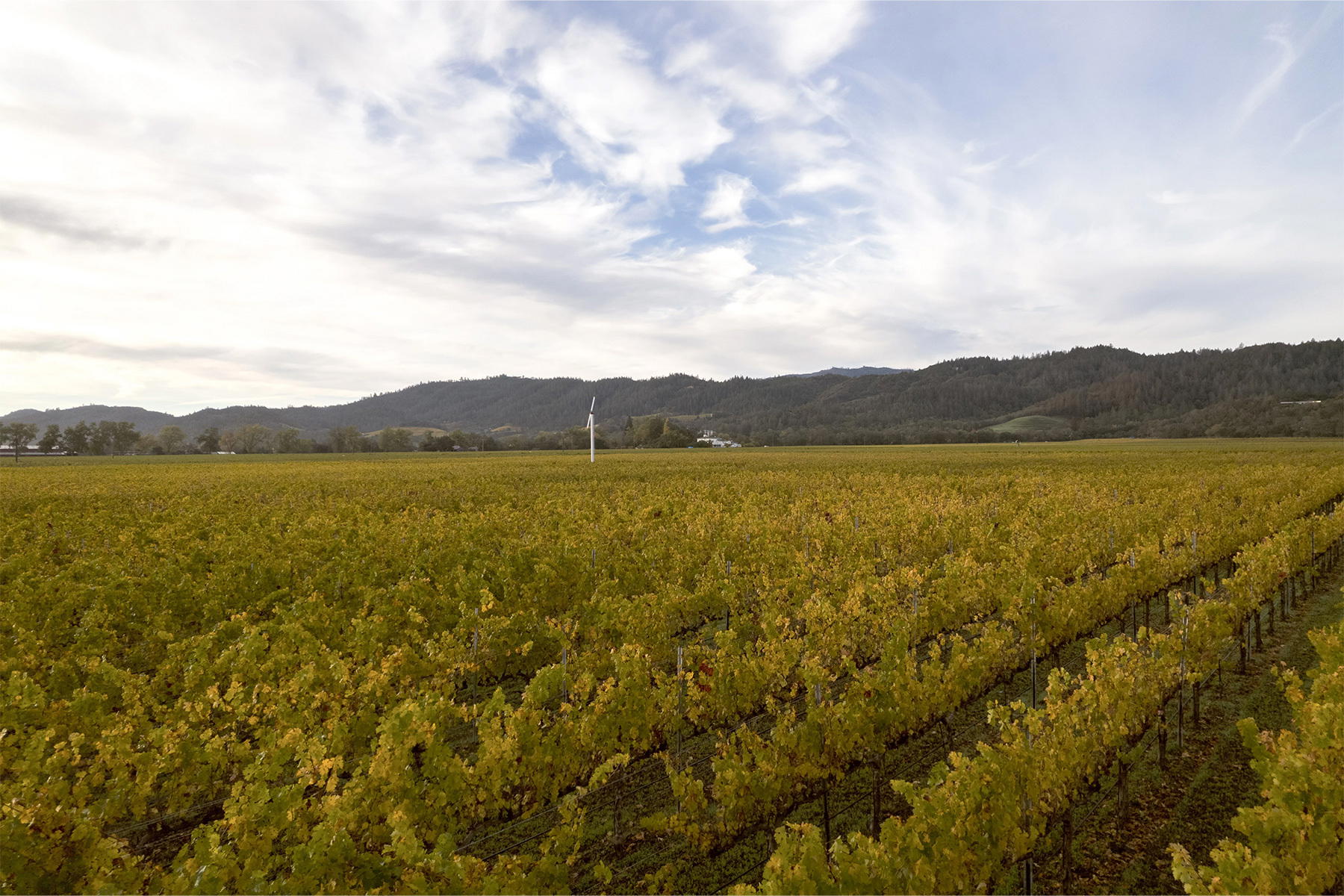
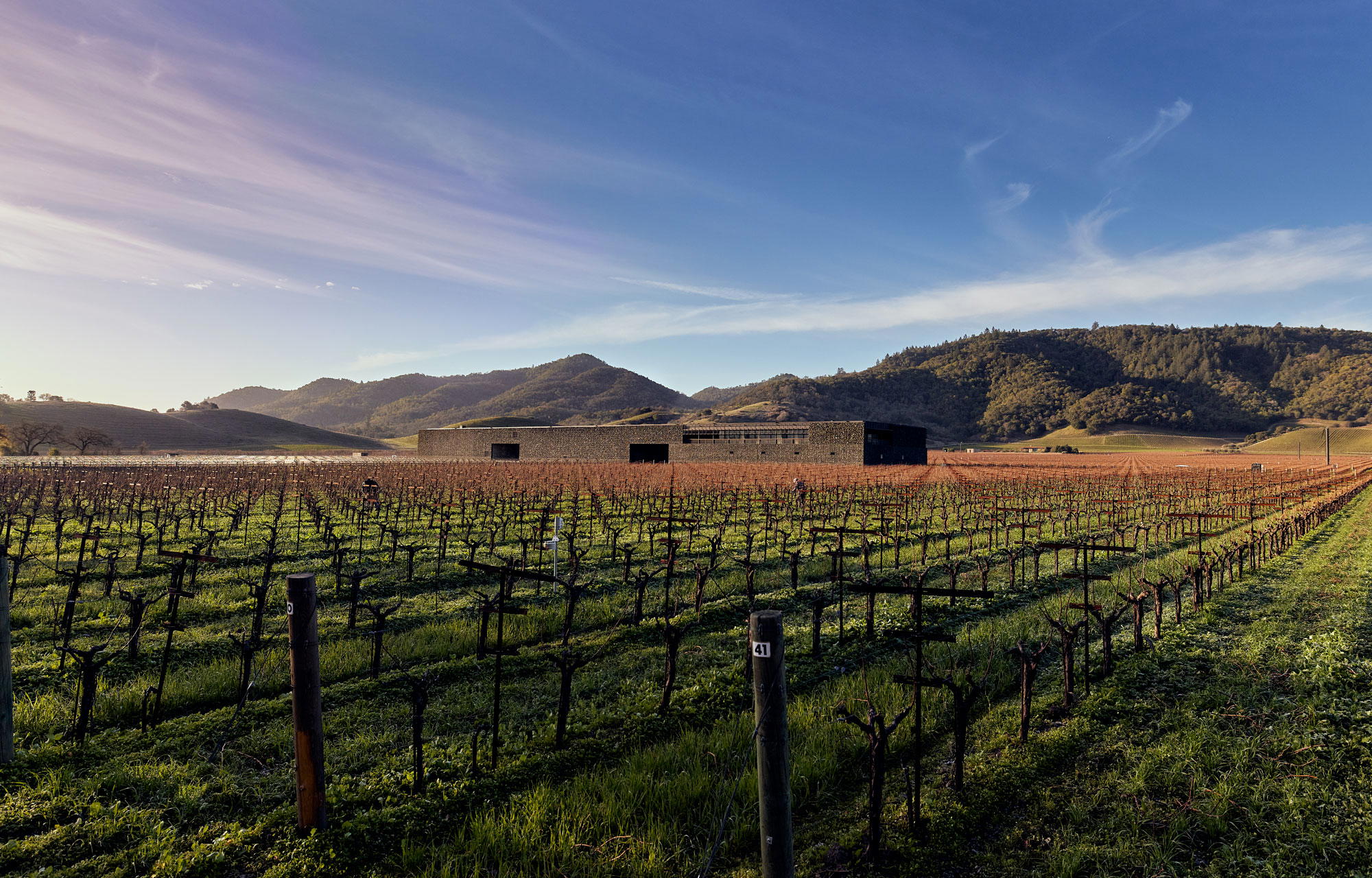
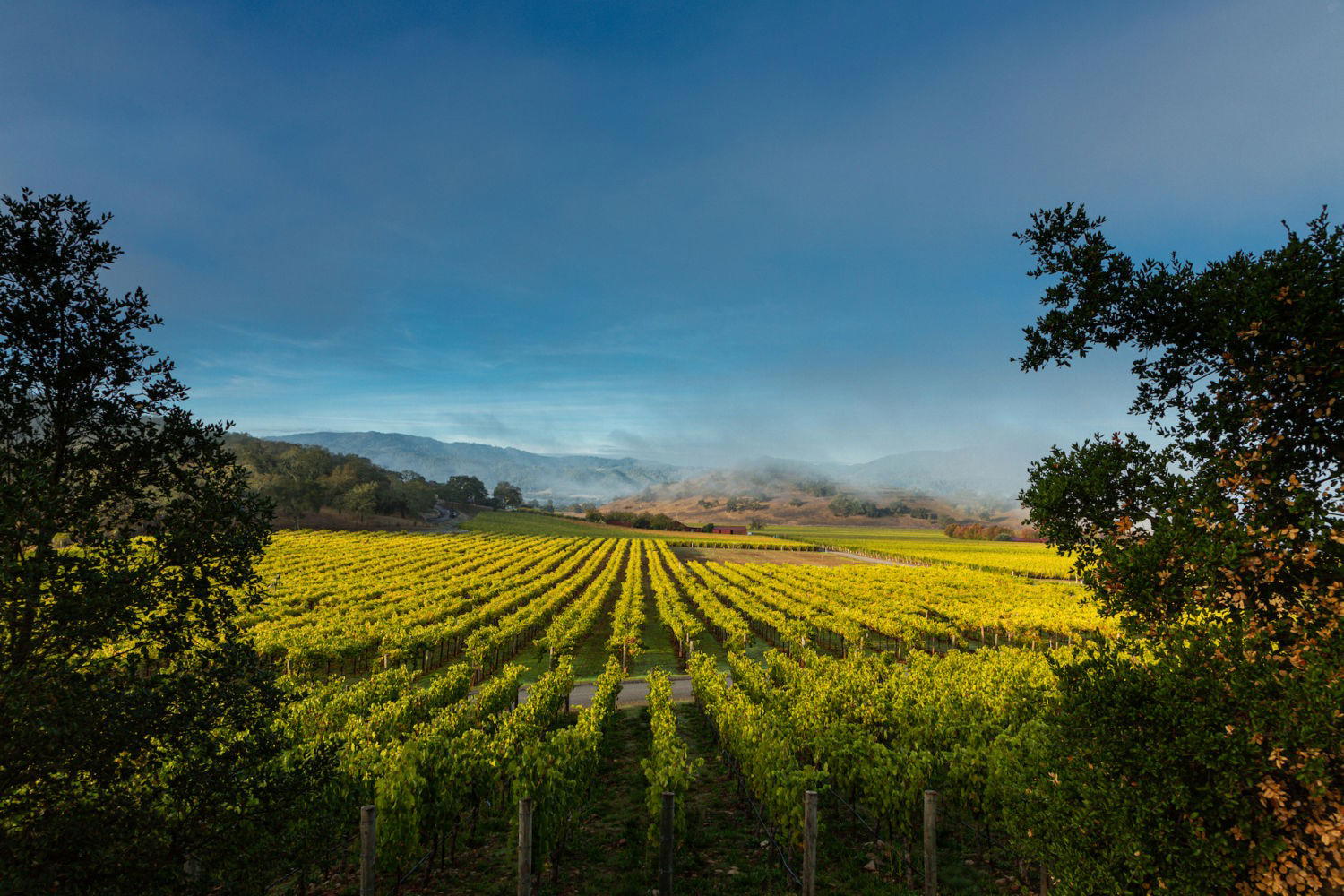
Southern Napa, roughly the area between the city of Napa itself and the Coombsville appellation, has historically received less attention than the mid-valley benchlands. That is changing. The cooler temperatures in the south, influenced by San Pablo Bay, suit the kinds of wines Ashes and Diamonds is making: higher-acid whites and reds with a longer, more structured finish rather than the jammy, forward fruit that warmer inland sites can produce. The address on Howard Lane places the winery in territory that, compared with Oakville or Rutherford, remains less trafficked by casual visitors, which affects the character of any visit. Appointments at smaller, design-led southern Napa producers tend to run more like private tastings than the high-volume hospitality operations further up the valley.
Nearby estates worth considering in the same visit include Clos Selene Winery and Del Dotto Estate Winery and Caves, the latter offering a dramatically different format, cave-based barrel tastings, that complements rather than duplicates the Ashes and Diamonds experience.
Planning a Visit
Ashes and Diamonds operates on an appointment model, consistent with smaller prestige producers in its tier. The estate is located at 4130 Howard Lane, Napa, CA 94558, in the southern end of the valley. The mid-century building is a visual anchor on an otherwise agricultural stretch of road, making it direct to identify. Visit planning is direct: the winery is walk-in friendly. For those building a wider Napa itinerary, pairing this visit with estates at the opposite end of the stylistic spectrum, such as the Spanish-influenced Artesa Vineyards and Winery, gives a fuller sense of how much tonal range Napa's premium tier actually contains.
Price and Recognition
Comparable venues nearby, for context on price, style, and recognition.
| Venue | Cuisine | Price | Notes |
|---|---|---|---|
| Ashes and Diamonds WineryThis venue — the venue you are viewing | Not listed | $$$ | Not listed |
| Odette Estate Winery | Not listed | $$$ | Stags Leap District, Cabernet Sauvignon, Chardonnay |
| Cuvaison Estate Wines | Napa, Chardonnay, Pinot Noir | $$$ | Not listed |
| Hesperian Wines | Atlas Peak, Cabernet Sauvignon | $$$ | Not listed |
| Materra, Cunat Family Vineyards | Not listed | $$$ | Oak Knoll District, Merlot, Cabernet Sauvignon |
| Robert Biale Vineyards | Oak Knoll, Zinfandel, Petite Sirah | $$$ | Not listed |
Recognition history
Dated appearances from independent guides and award organizations, with the underlying list record or original source where available.
Falstaff Winery - Listed
Falstaff
At a Glance
- Modern
- Trendy
- Elegant
- Sophisticated
- Romantic Getaway
- Group Outing
- Wine Education
- Special Occasion
- Barrel Room
- Estate Grounds
- Design Destination
- Private Tasting
- Terrace
- Sustainable
- Vineyard
- Napa Valley AVA
- Cabernet Franc
- Merlot
- Chardonnay
- Cabernet Sauvignon
- Still Red
- Still White
- Still Rosé
- Wine And Cheese Pairing
- Wine And Food Pairing
- Grand Vin Tasting
- Single Vineyard Tasting
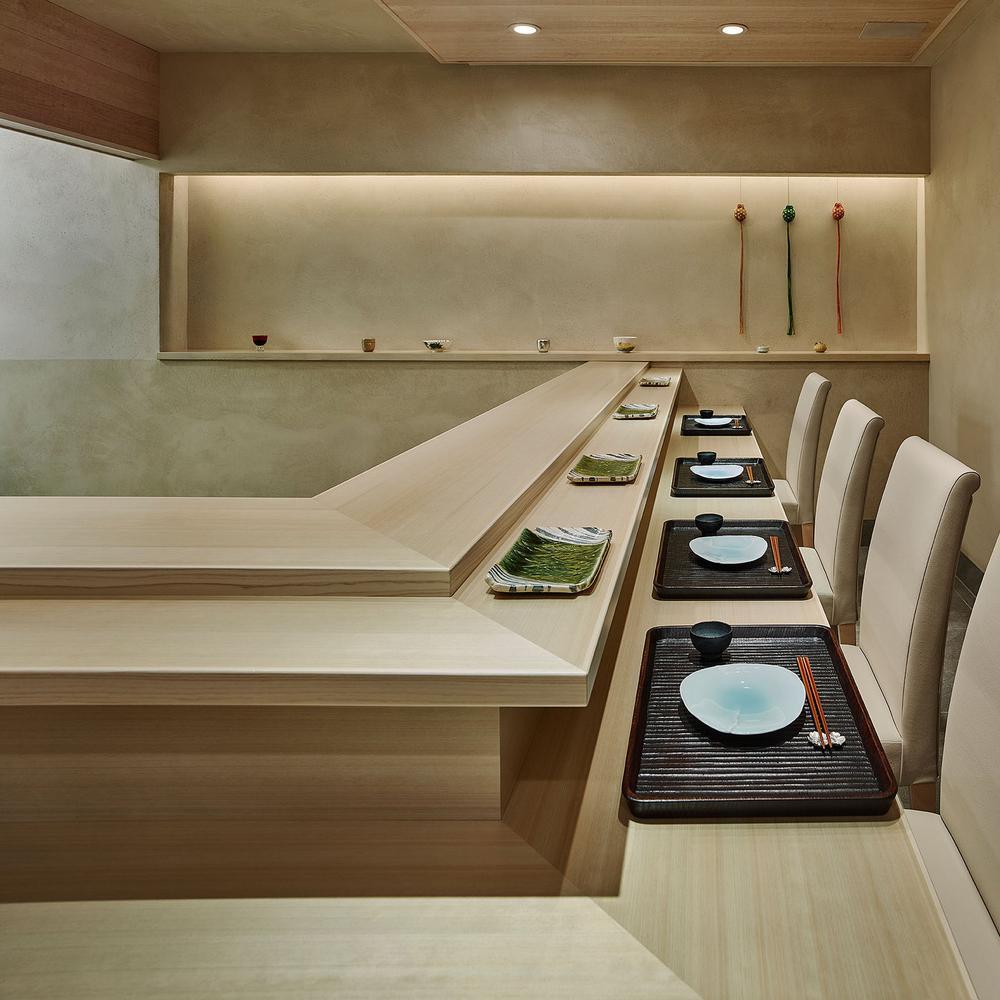
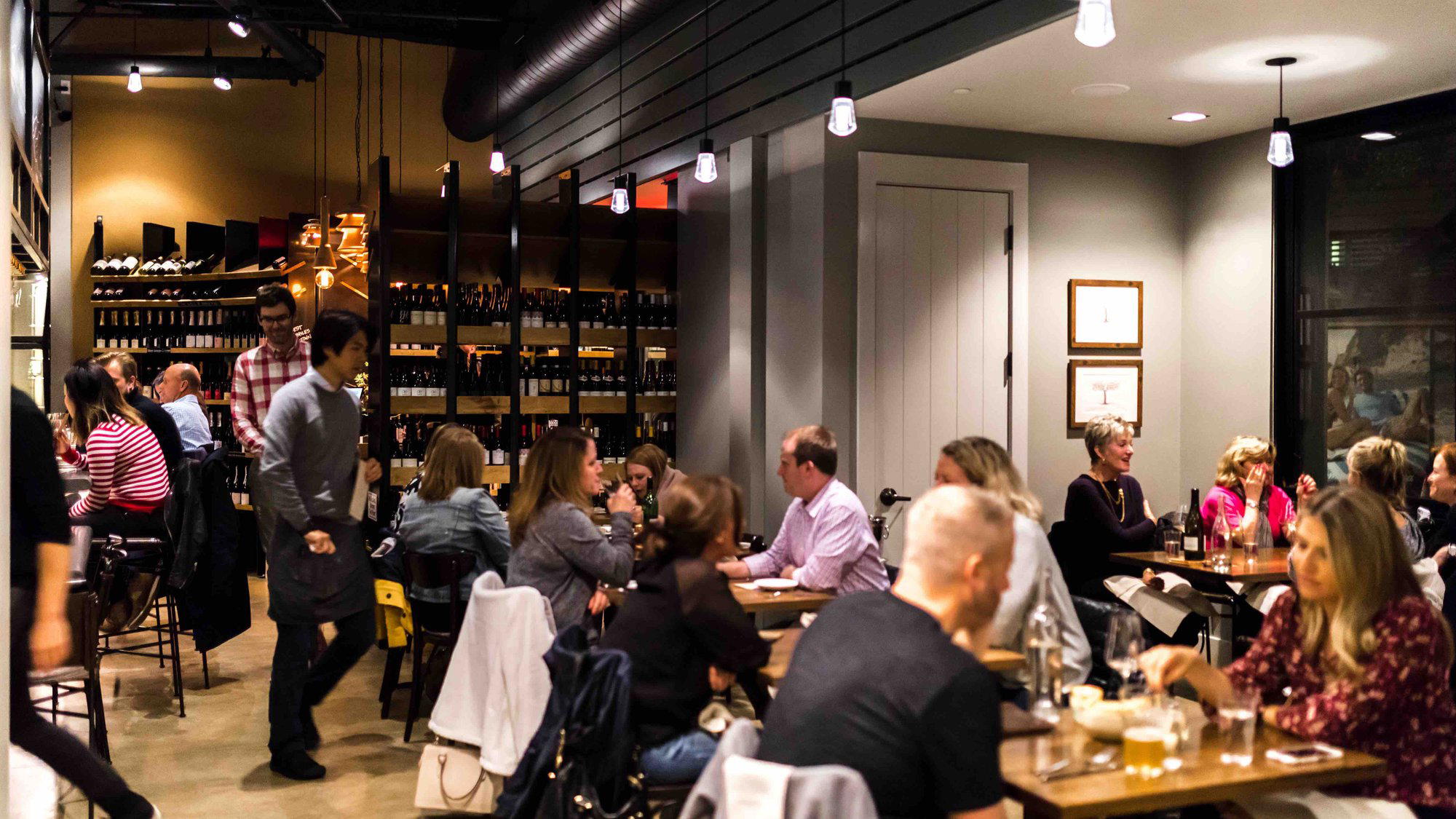
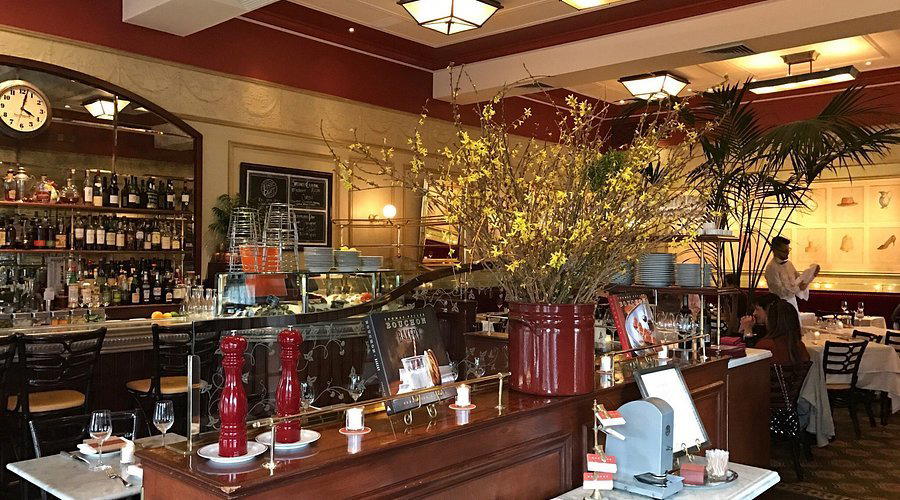
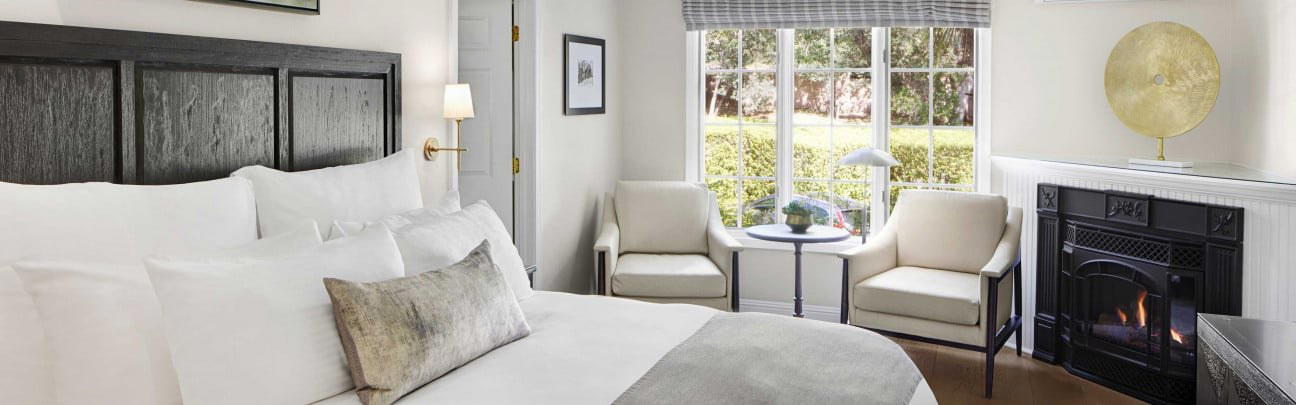
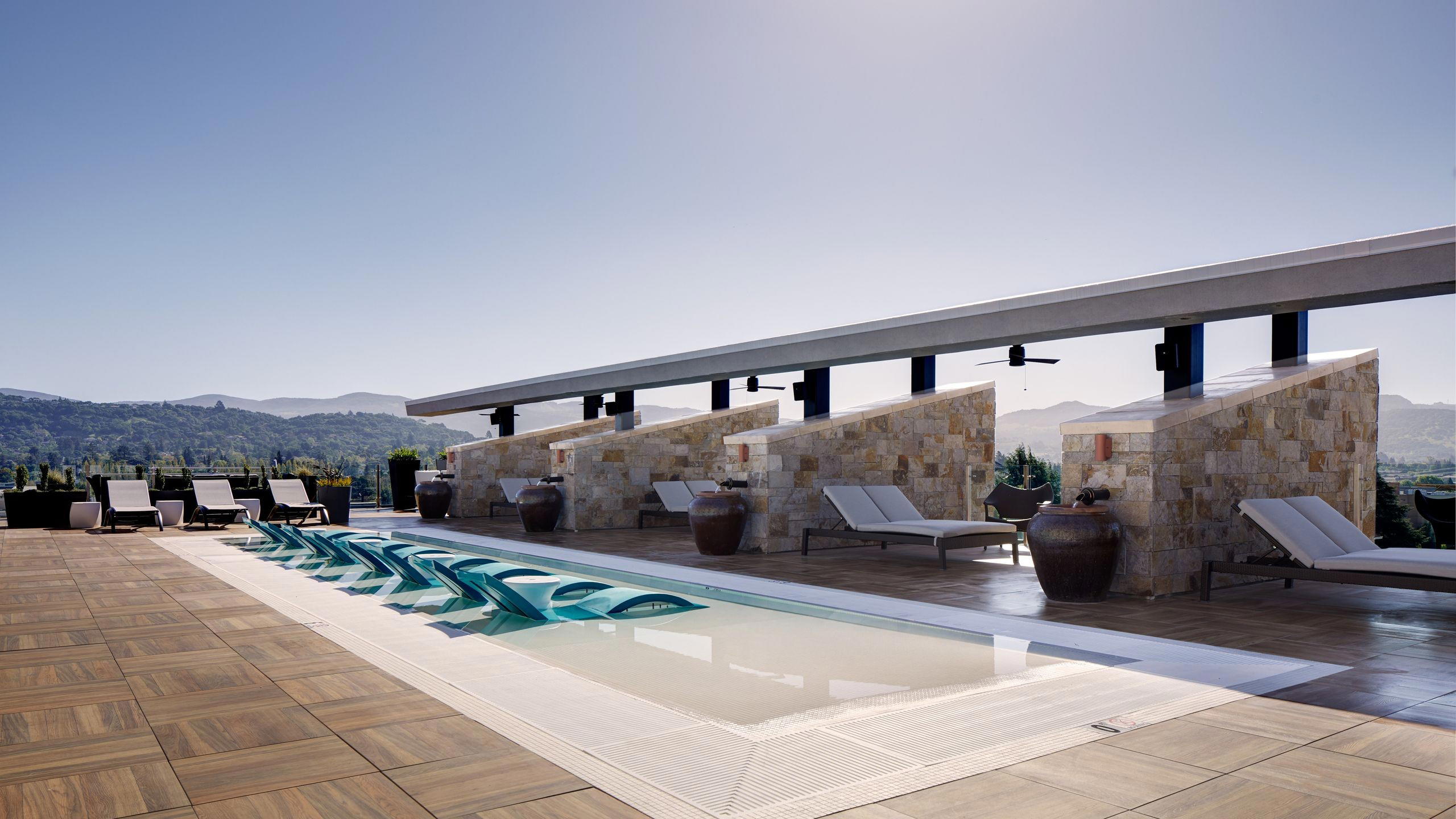
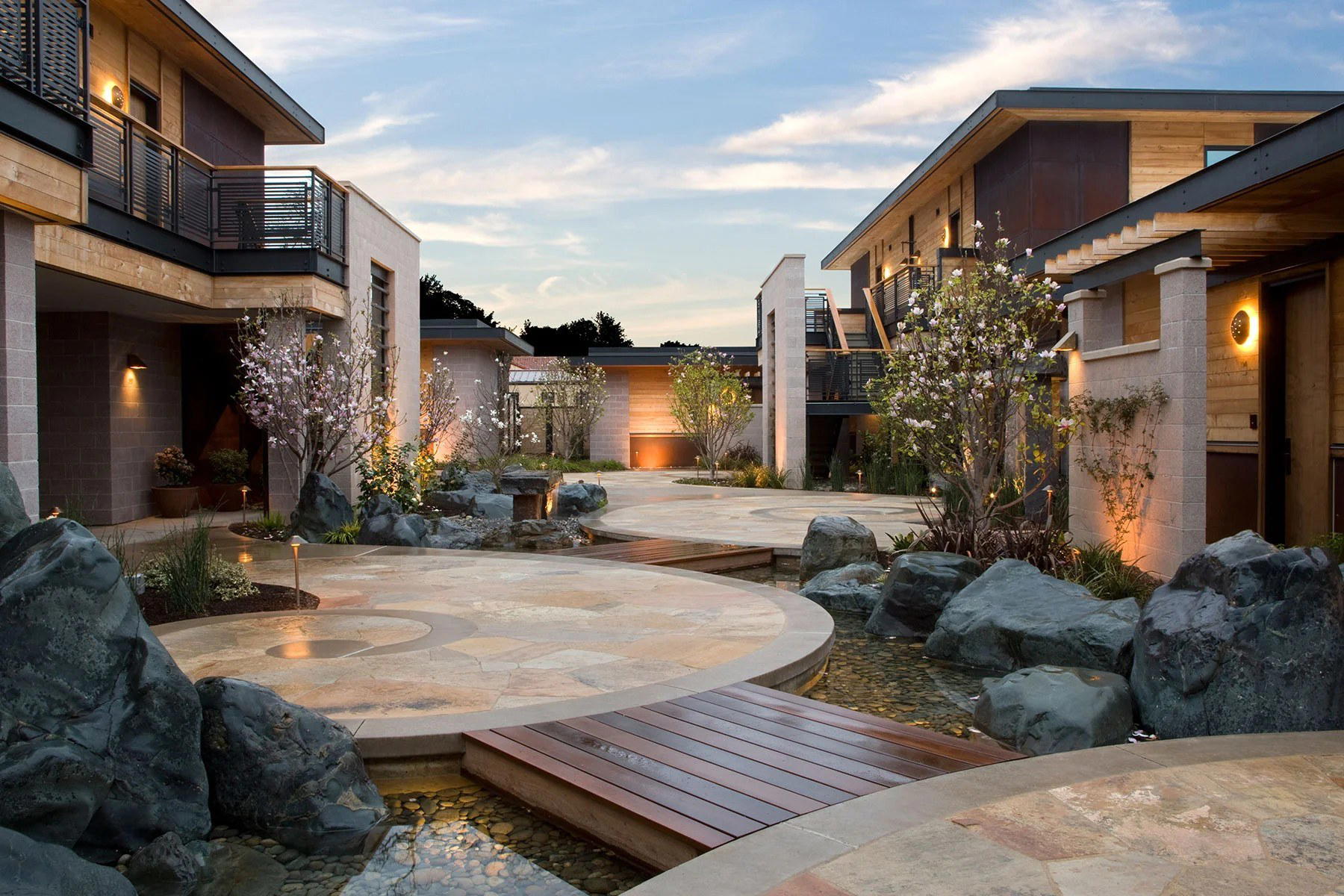
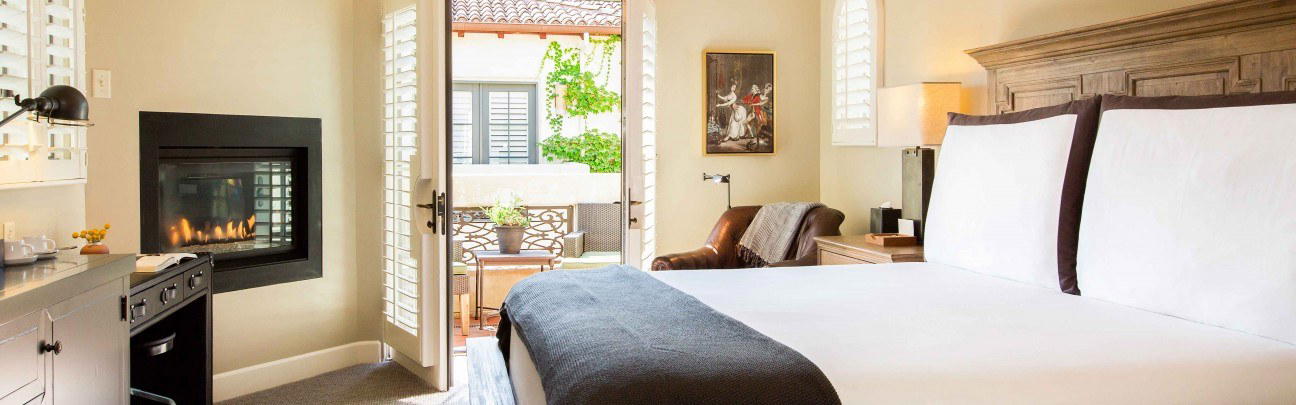
Bright, airy spaces with natural light, mid-century modern design featuring a zigzag roof and yellow door, playful rolling berms, and a relaxed yet refined atmosphere that feels contemporary and welcoming.