Artesa Vineyards and Winery
Under winemaker Ana Diogo-Draper, the program has developed a distinct identity within Napa's broader conversation around cool-climate expression. The property has been producing wine since 1989, giving it one of the longer institutional records in the region.

Pearl is the En Primeur Club membership app, where members save venues, book tables and use the concierge.

Where Carneros Cool Climate Meets Architectural Intention
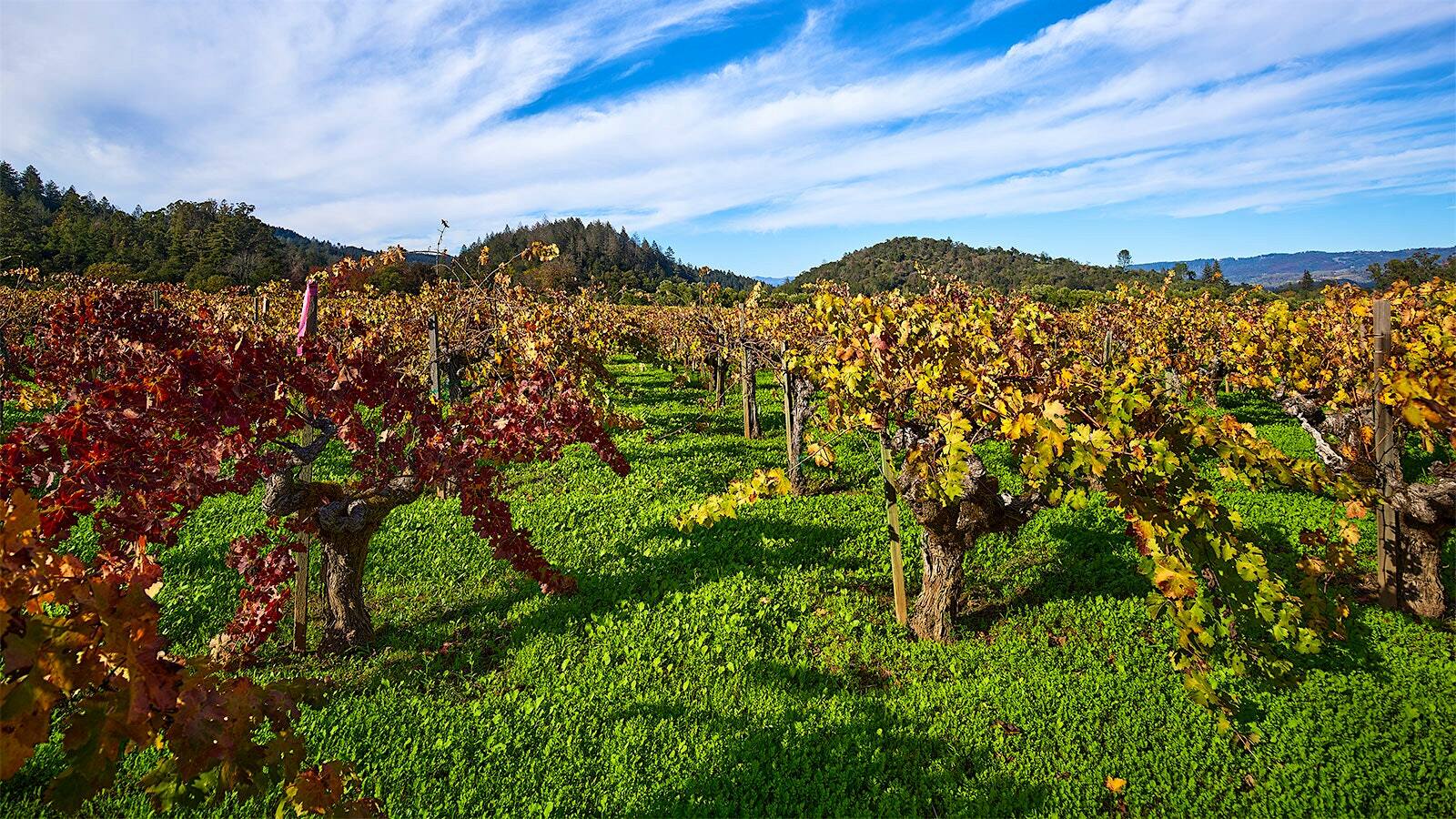
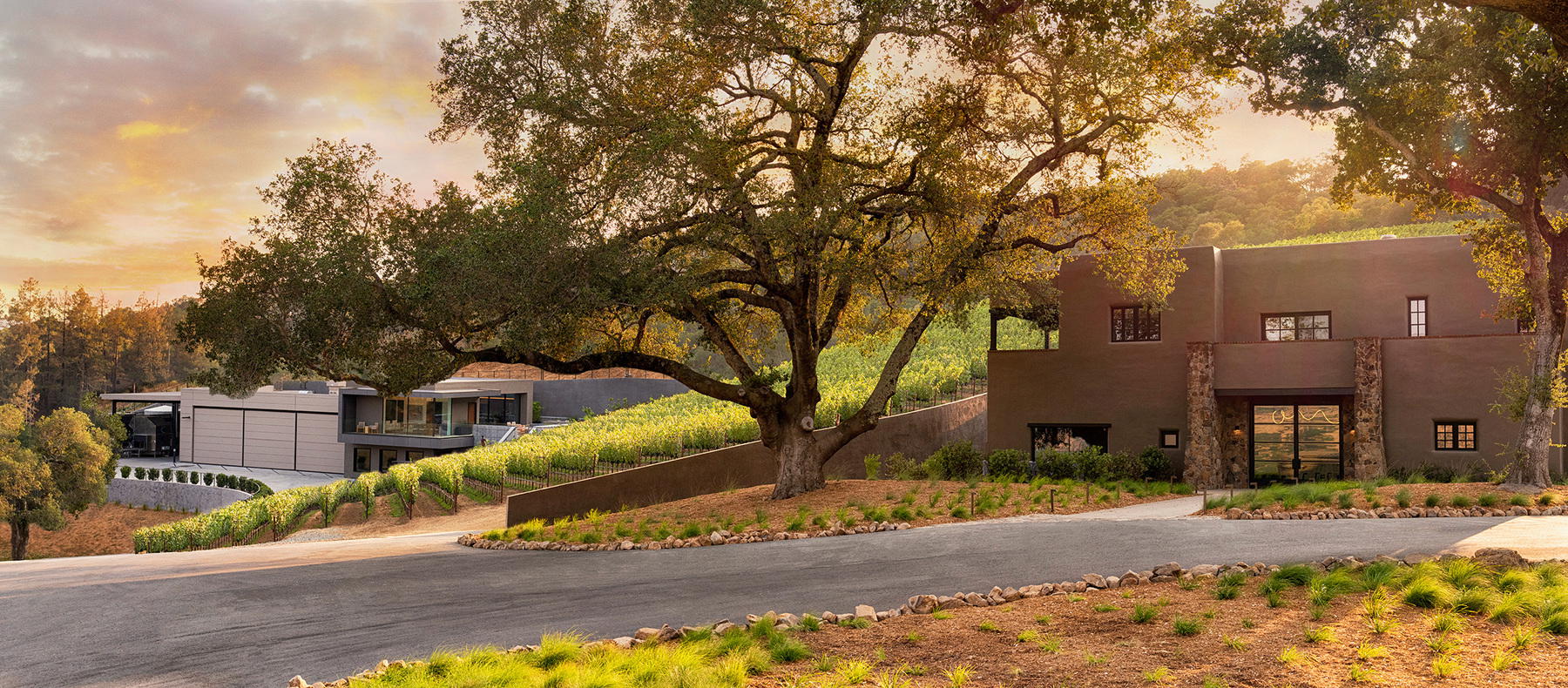
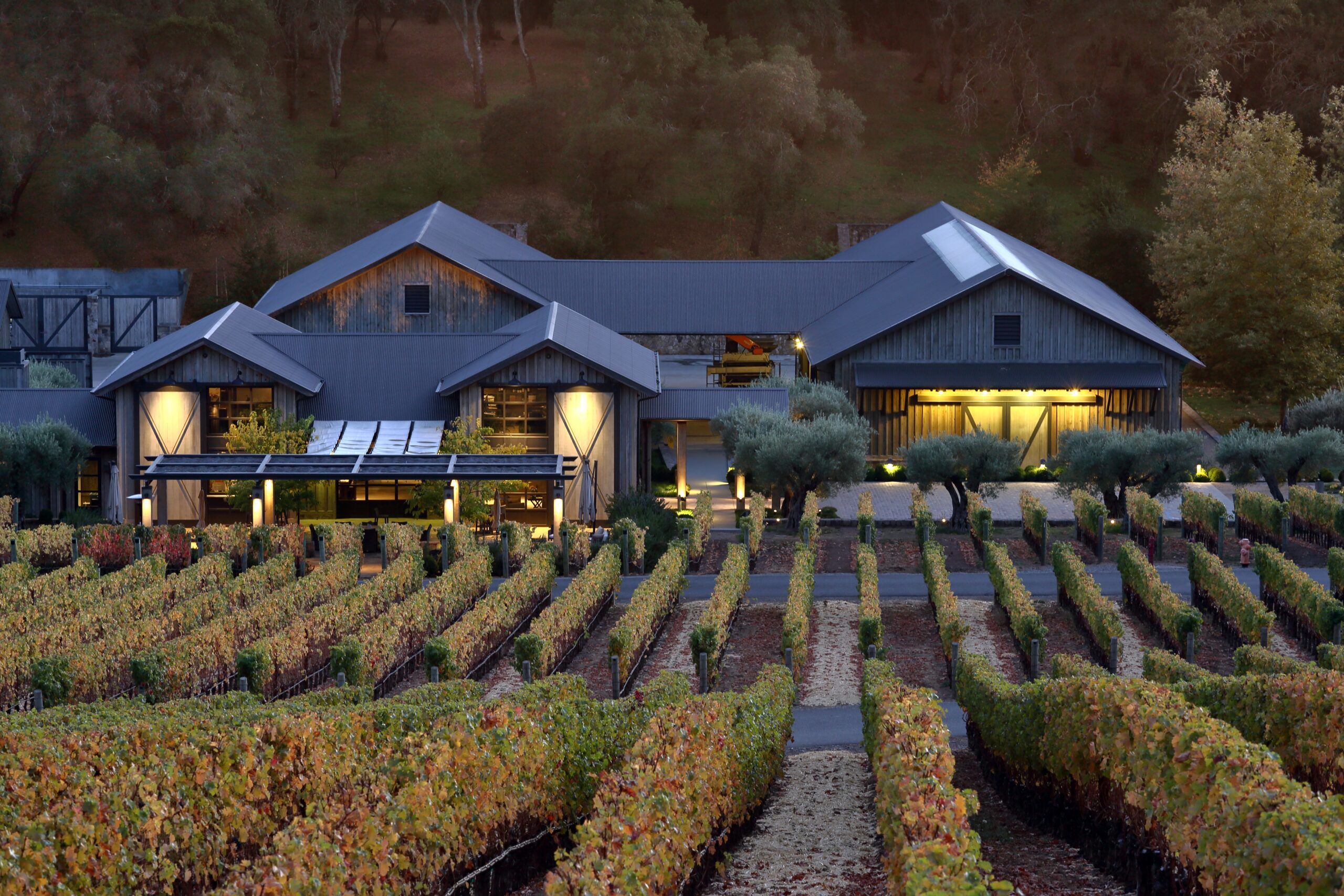
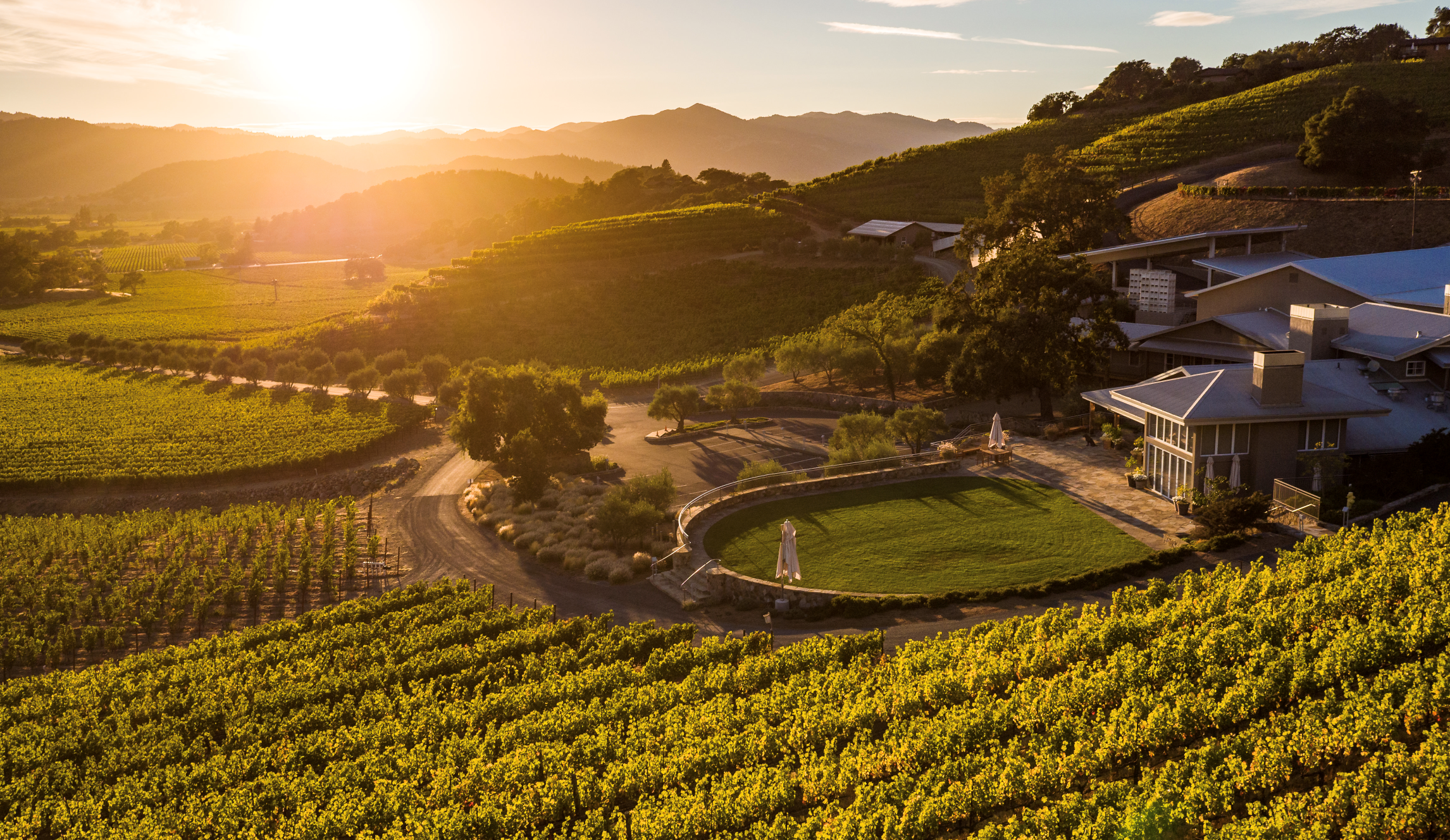
The approach to Artesa tells you something before you taste a single wine. The facility sits partially embedded into a hillside at 1345 Henry Rd, its flat-roofed modernist structure blending into the Carneros terrain in a way that most Napa valley-floor showrooms do not attempt. This is not the grand-chateau formula that defines much of the northern valley. Carneros operates on a different register: lower temperatures, marine influence from San Pablo Bay, and a slower ripening curve that shapes what the wines can become. Any serious conversation about the Artesa program has to start with that geography, because it sets the constraints that make the winemaking choices legible.
Carneros has historically been Napa's answer to the question of where Pinot Noir and Chardonnay actually belong in a region that built its commercial identity on Cabernet Sauvignon. The appellation straddles Napa and Sonoma counties, and the producers who work within it often self-select as interested in precision over power. Artesa, which released its first vintage in 1989, has been part of that cooler-site conversation for over three decades. That institutional depth matters when assessing where the property sits relative to peers: it is not a recent entrant chasing a trend but a winery with a long record in a specific and demanding terroir. Comparable properties working the cool-climate angle include Ashes and Diamonds Winery, which approaches Napa's identity questions from a mid-century design and restraint-led production angle, and Blackbird Vineyards, whose Bordeaux-varietal focus places it in a different but overlapping tier of the Napa conversation.
Ana Diogo-Draper and the Winemaking Argument
Napa's winemaking community increasingly frames its most interesting debates around site specificity: not what the winemaker believes in the abstract, but what decisions a given site demands. Winemaker Ana Diogo-Draper's work at Artesa fits that framework. Diogo-Draper brings a cross-regional perspective to a program that sits at the convergence of Iberian wine culture and Californian terroir thinking, and that lineage is visible in how the winery positions itself relative to the valley's dominant Cabernet bloc.
For visitors who treat the tasting visit as a form of education rather than entertainment, the winemaking angle provides a useful lens. Cool-climate Carneros production involves trade-offs that warmer-site Napa vineyards simply do not face: acid retention, the management of hang time without overripeness, and the question of how much oak intervention is appropriate when the fruit itself carries more structural tension. These are the kinds of decisions that separate technically proficient wineries from those with genuine point of view.
The Food Pairing Program and Hospitality Format
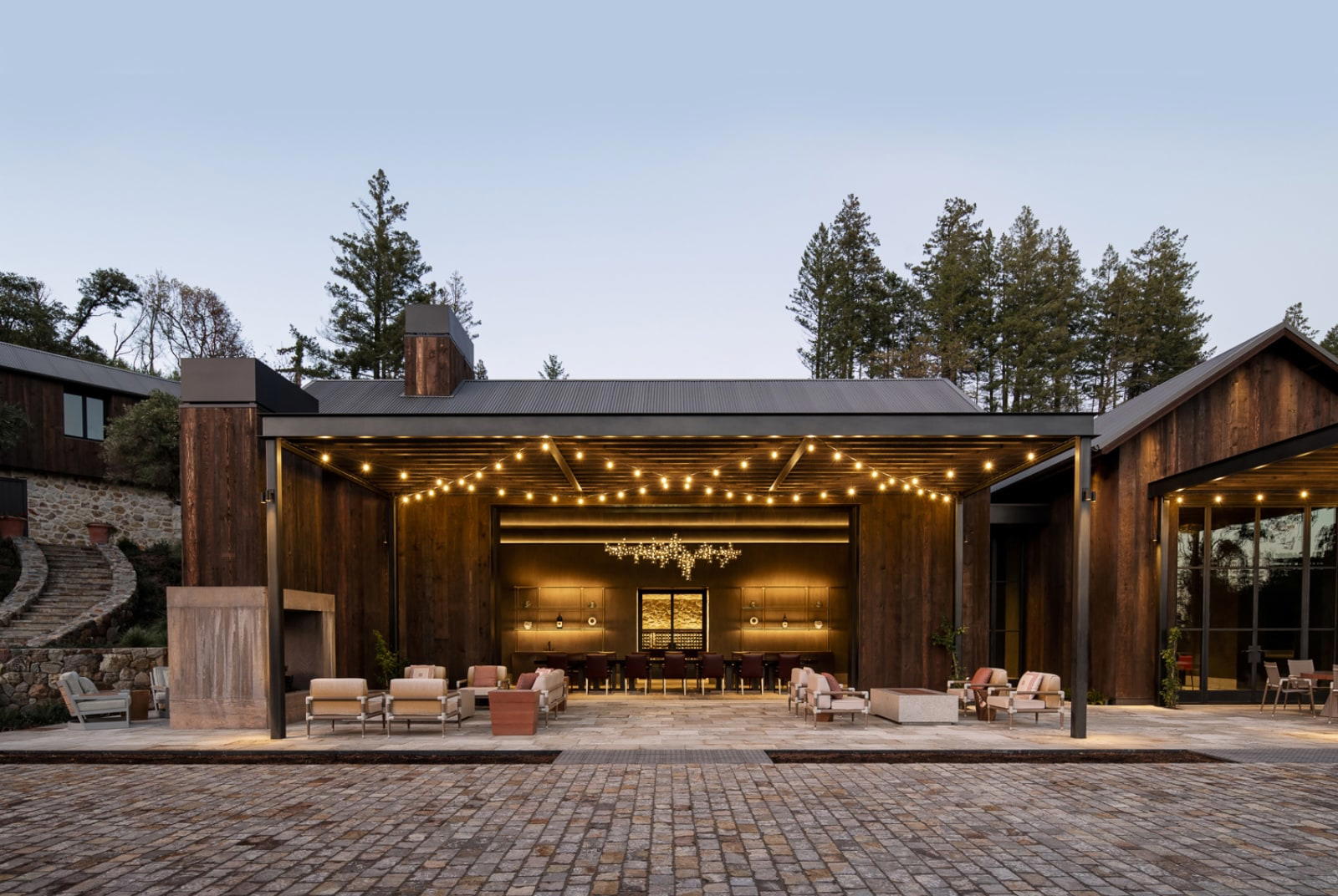
Among Napa's premium wineries, the hospitality format has become as contested as the wine program itself. The valley has moved from generic barrel-room tastings toward structured experiences that justify higher visit fees and smaller group capacities. Artesa's positioning within this shift reflects the broader Carneros tendency toward a more considered, less theatrical hospitality register than you find at some of the production-scale estates further north in the valley.
The food pairing dimension at a cool-climate winery like Artesa carries its own editorial logic. Carneros Pinot Noir and Chardonnay occupy a different pairing range than valley-floor Cabernet: the acidity and relative restraint of the wines make them natural partners for preparations where richness is in the food rather than the glass. The structural relationship between wine and food at this level is not incidental, it is the argument the winemaker is making with every vineyard decision. Properties at this tier, including Del Dotto Estate Winery and Caves with its cave-based experience format and Darioush Winery with its Persian-influenced hospitality approach, each demonstrate that the hospitality format can become an extension of the winery's identity argument. Artesa's architectural setting, the hillside integration, the views over the Carneros hills, functions similarly: the environment contextualizes the wine before the pour begins.
For visitors planning around the food pairing program, timing matters. Carneros mornings tend to be cooler and often foggy, which actually enhances the sense of place for a winery whose wines are shaped by those same marine conditions. Afternoon visits allow the fog to clear and the full range of the site's visual context to become apparent. The logistical point: Artesa is located at 1345 Henry Rd, which places it at the southern end of Napa proper, making it a practical first or last stop on a day that extends north toward St. Helena or Rutherford. Accendo Cellars in St. Helena and Alpha Omega Winery in Rutherford represent the kind of valley-floor Cabernet-driven properties that create a useful contrast with a Carneros visit.
Napa's premium tier has stratified considerably since 2010. At one end, cult-allocation Cabernet producers with mailing-list waiting periods measured in years. At the other, estate wineries with strong hospitality programs that draw visitors seeking education alongside tasting. Artesa sits in the second category with the added dimension of a cool-climate appellation identity that differentiates it from the valley-floor majority.
Comparison with properties outside Napa also clarifies the positioning. Adelsheim Vineyard in Newberg and Adelaida Vineyards in Paso Robles each operate within cool-climate or elevation-driven production arguments that share methodological DNA with what Artesa is doing in Carneros, even if the varieties and regional identities differ. Alban Vineyards in Arroyo Grande and Alexander Valley Vineyards in Geyserville represent warmer-site California production that provides useful contrast for anyone tracking how geography shapes wine style across the state. For a broader view of how Artesa fits into the Napa dining and drinking ecosystem, our full Napa restaurants guide covers the valley's hospitality range from vineyard tastings to standalone restaurants.
Within Napa specifically, Clos Selene Winery offers another point of reference for how estate producers in the valley balance production identity with visitor experience. The comparison is instructive: different terroir arguments, different hospitality formats, but a shared commitment to placing the wine program at the center of what the visit is about.
Planning Your Visit
The 1989 first vintage gives Artesa a production history that most California wineries established in the current wave of boutique estate development cannot match. For visitors whose interest runs toward understanding how a winery's style evolves over decades rather than tasting a single moment in time, that history is worth factoring into how you approach the tasting. Given the recognition level and the Carneros location's growing profile, visiting with some lead time on reservations is advisable rather than assuming walk-in availability. For international reference points on aged estate production, Achaia Clauss in Patras and Aberlour in Aberlour represent estate producers with even longer institutional histories, providing useful context for thinking about what sustained production identity looks like across different wine cultures. Closer to home, Andrew Murray Vineyards in Los Olivos offers a California point of comparison for estate wineries that have built their identity around a specific varietal argument over time.
Comparison Snapshot
Comparable venues nearby, for context on price, style, and recognition.
| Venue | Cuisine | Price | Awards | Notes |
|---|---|---|---|---|
| Artesa Vineyards and WineryThis venue (the venue you are viewing) | Chardonnay, Pinot Noir | $30–50 | Not listed | Not listed |
| Acacia Vineyard | Pinot Noir, Chardonnay | $10–20 | Not listed | Carneros |
| Truchard Vineyards | Pinot Noir, Chardonnay | Not listed | Falstaff Winery - Listed | Carneros |
| Stags' Leap Winery | Petite Sirah, Cabernet Sauvignon | $150–200 | Not listed | Stags Leap District |
| Massican Winery | Sauvignon Blanc, Chardonnay | Not listed | Not listed | Napa Valley |
| Materra, Cunat Family Vineyards | Merlot, Cabernet Sauvignon | Not listed | Falstaff Winery - Listed | Oak Knoll District |
Continue exploring
More in Napa
Wineries in Napa
All wineries in Napa →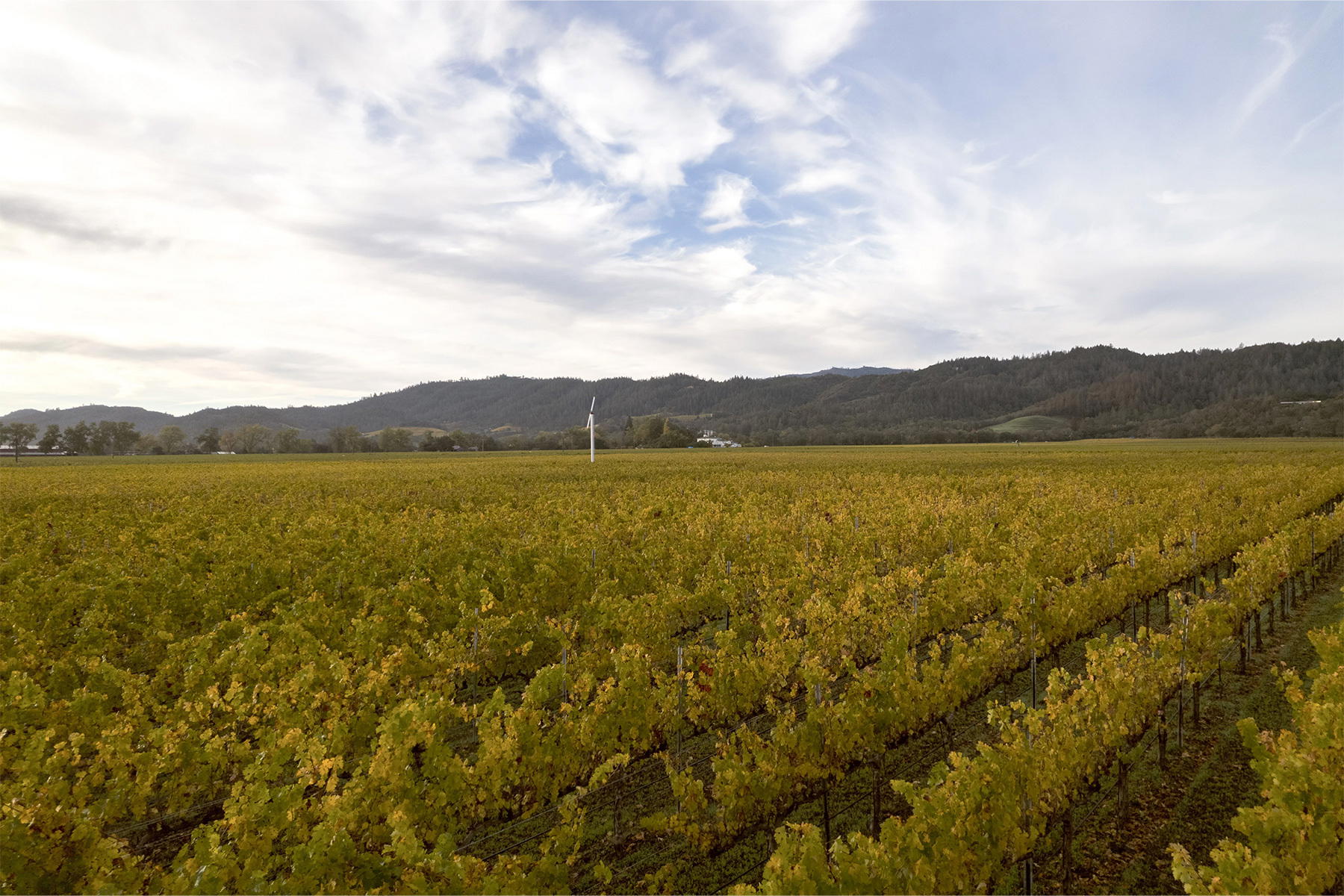
Bars in Napa
All bars in Napa →

Restaurants in Napa
All restaurants in Napa →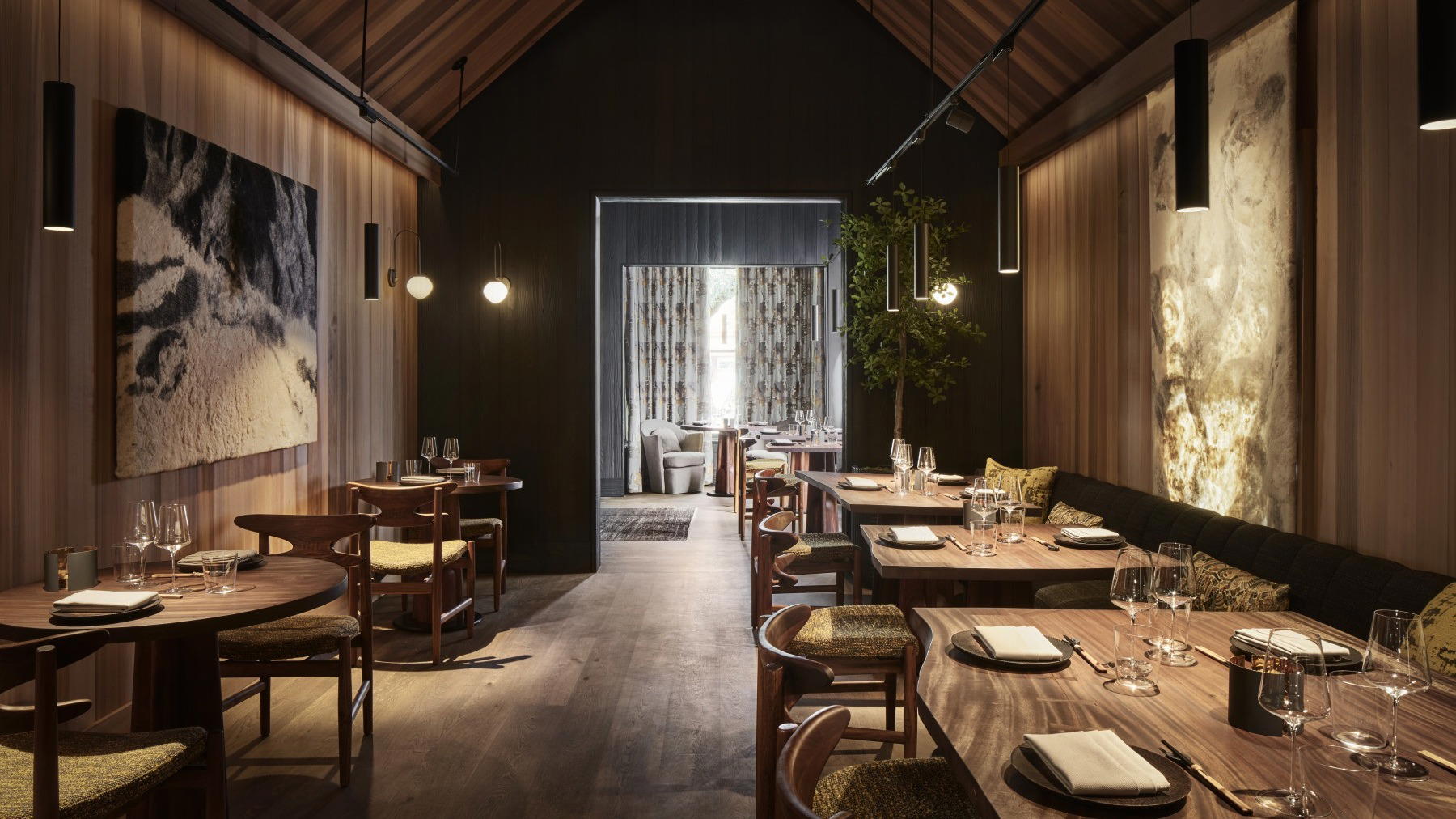

Details
- Elegant
- Scenic
- Sophisticated
- Modern
- Romantic Getaway
- Special Occasion
- Wine Education
- Vineyard Tour
- Estate Grounds
- Panoramic View
- Terrace
- Sustainable
- Vineyard
- Mountain
- Chardonnay
- Pinot Noir
- Cabernet Sauvignon
- Albariño
- Tempranillo
- Still Red
- Still White
- Sparkling
- Estate Tasting
- Private Tasting
- English
- Spanish
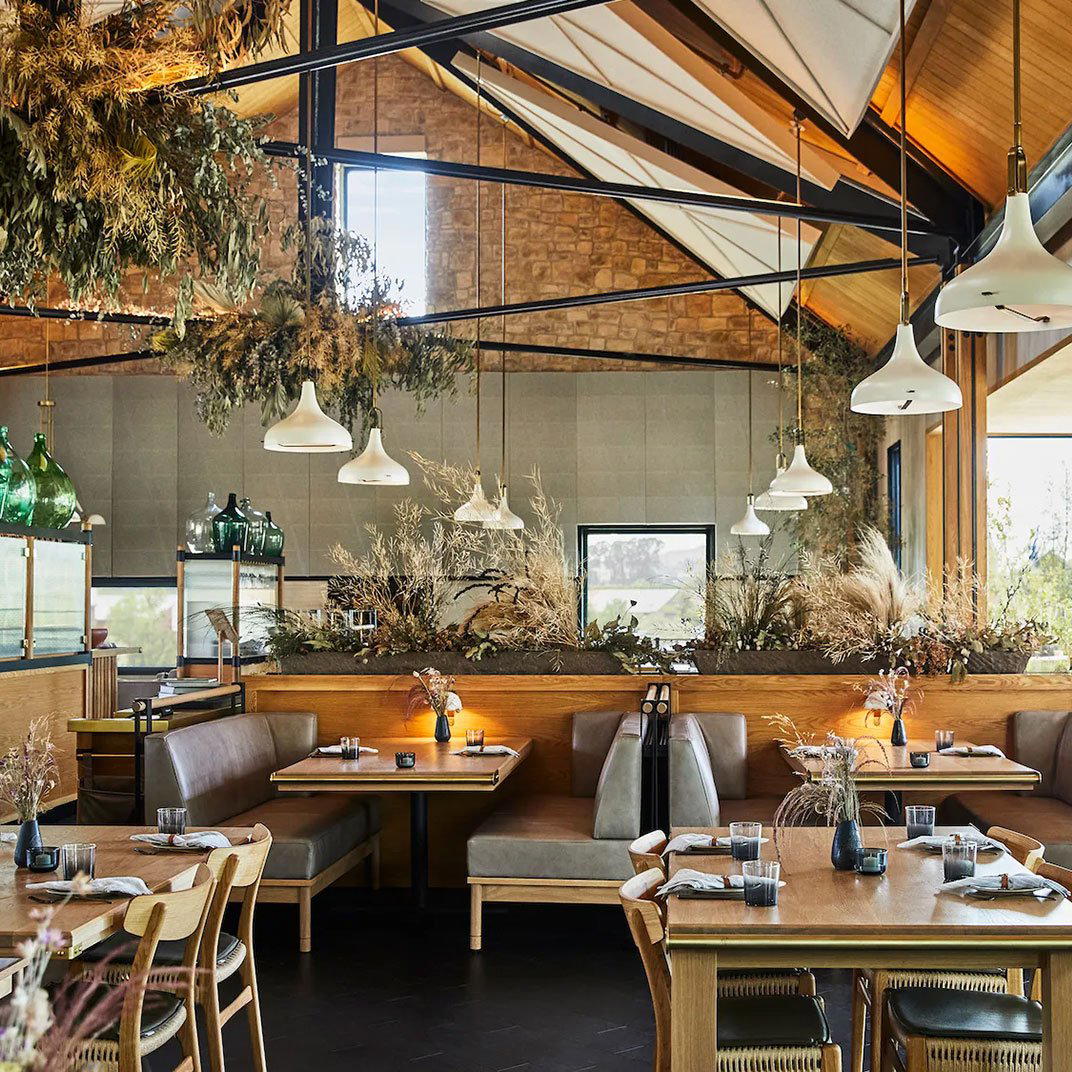
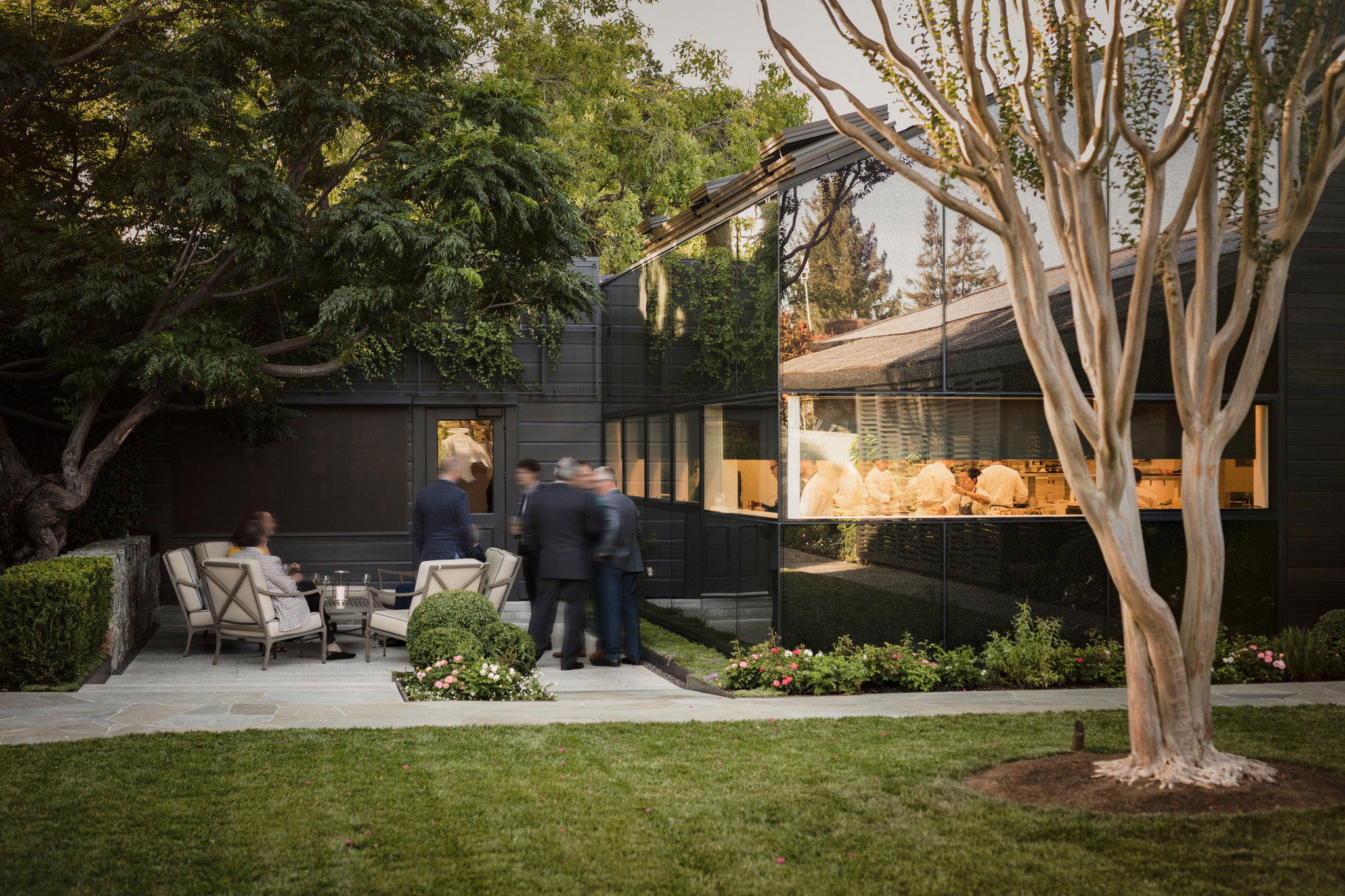
Elegant and serene with modern architecture blending into the landscape, bright terrace lighting, and sophisticated atmosphere highlighted by guest reviews.