Stony Hill Vineyard

Falstaff Winery - Listed
Stony Hill Vineyard has been producing wine from its Spring Mountain hillside site since 1952, making it one of Napa's longest-running estate operations. Winemaker Mike Chelini oversees a program. The winery sits within a small cohort of Napa producers where age of operation and estate continuity carry as much weight as appellation prestige.

Pearl is the En Primeur Club membership app — saves, bookings, and concierge access live there. Same editors, same standards.
- Address
- 3331 St Helena Hwy North, St Helena, CA 94574
- Phone
- (707) 963-2636
- Website
- stonyhillvineyard.com
- Directions
- Get directions
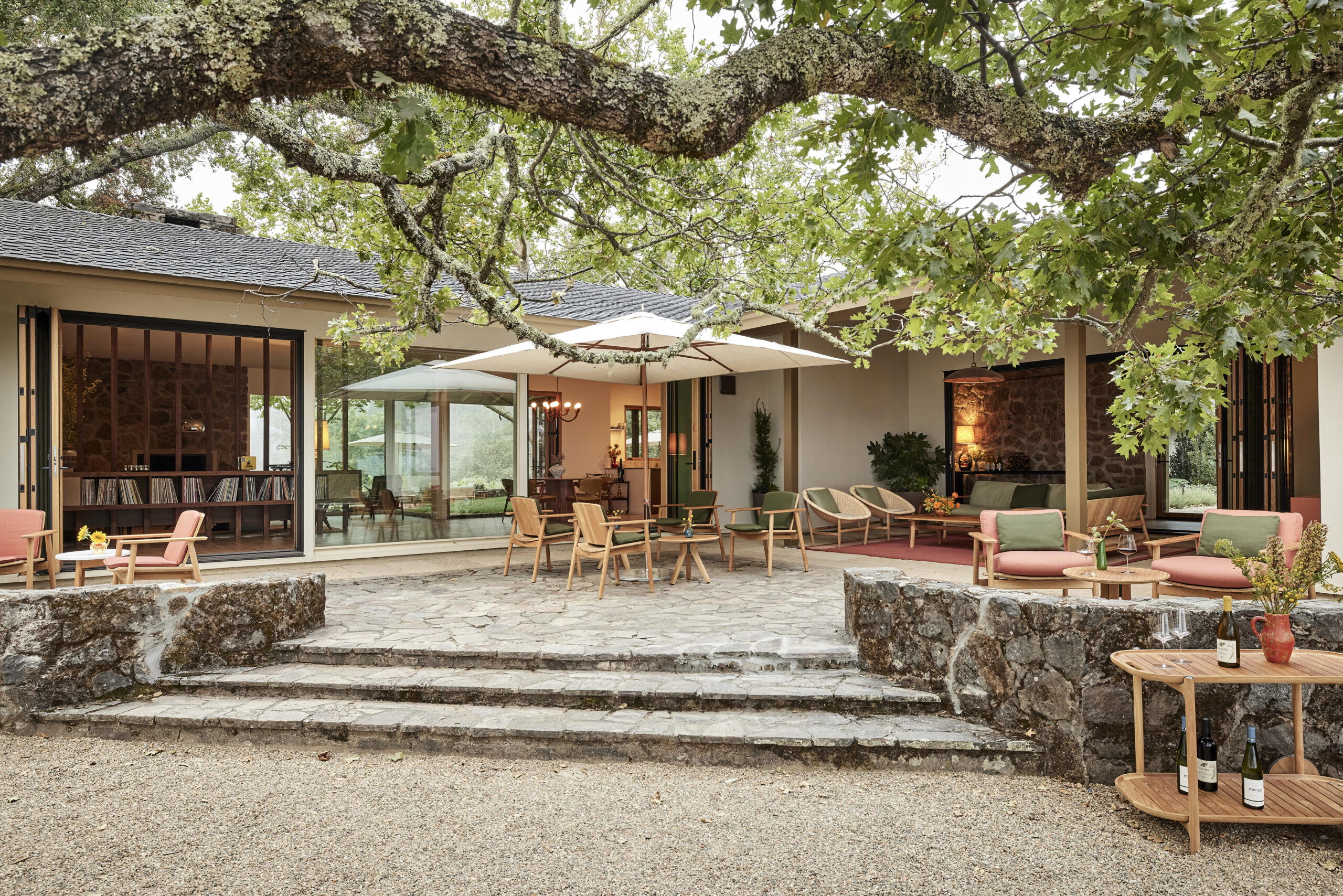
A Hillside Estate That Predates Napa's Modern Era
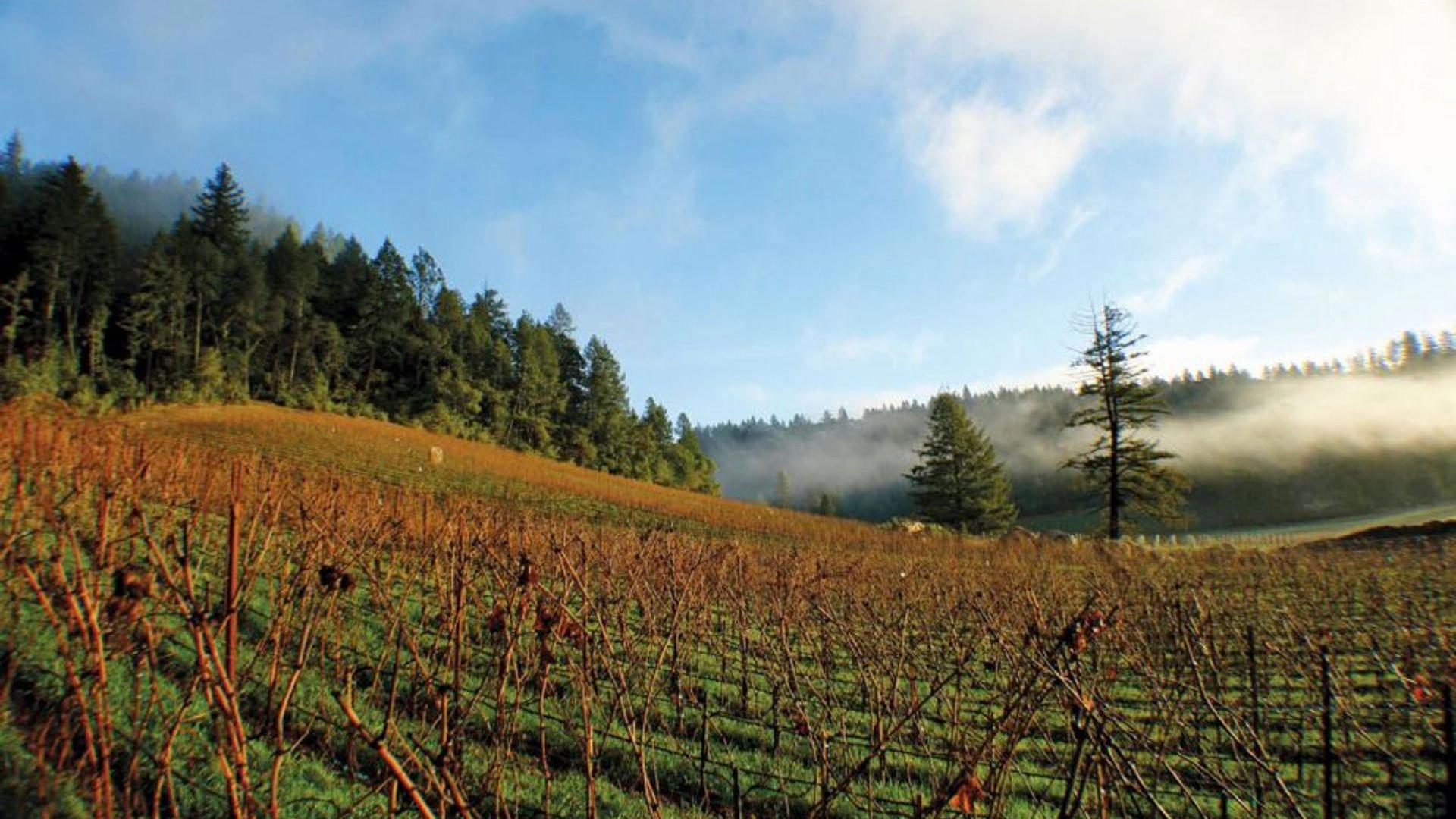
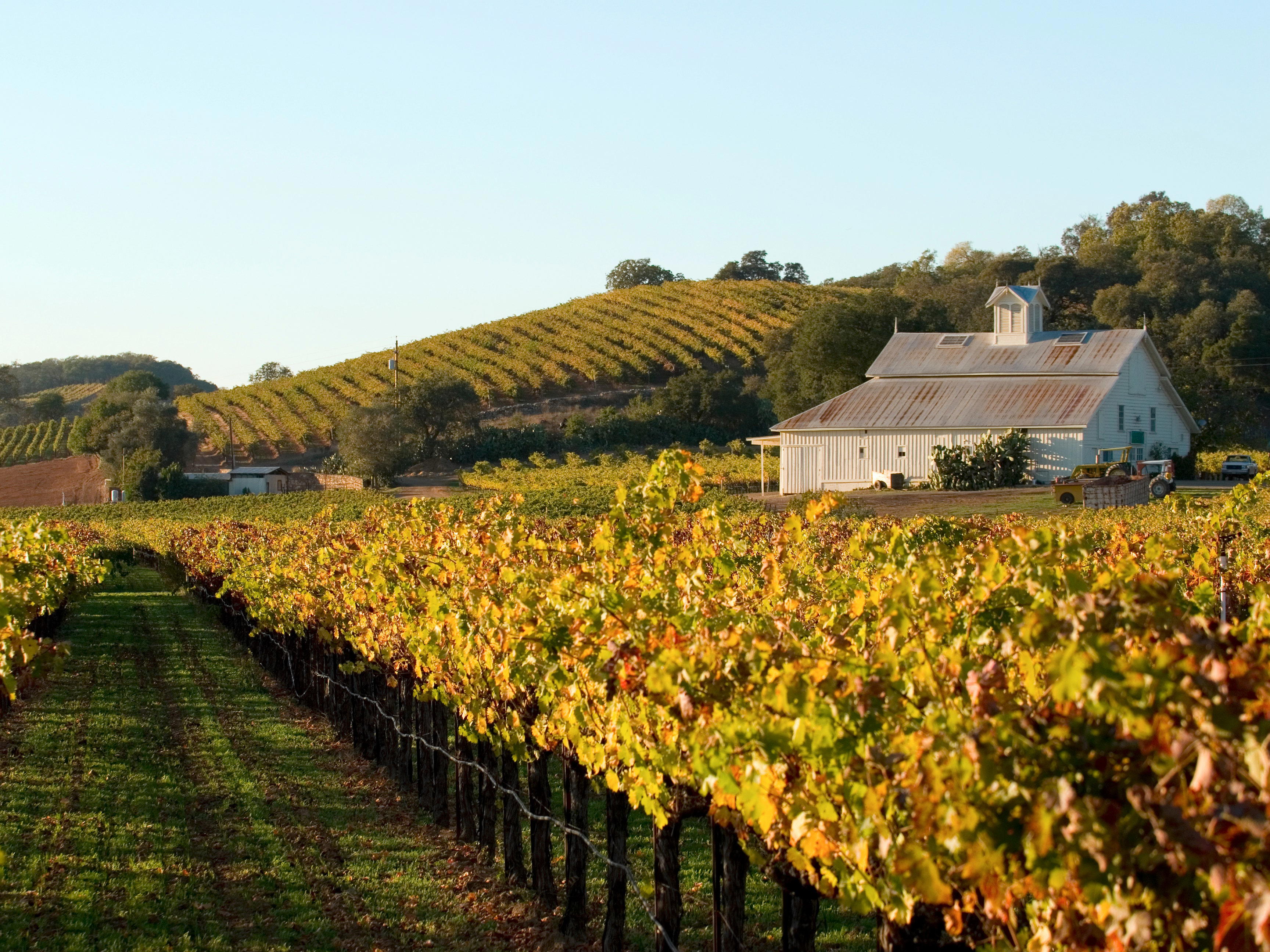
The road up Spring Mountain reads differently in each season. In early spring, the oak canopy is still sparse enough that afternoon light cuts low across the slope, catching the volcanic-derived soils in amber relief. By harvest, the same hillside closes into deep shade, the temperature differential between valley floor and elevation already announcing why this particular stretch of St. Stony Hill Vineyard sits in that topographic context, and it has done so since 1952, a first vintage that places it firmly in Napa's pre-commercial era, when the valley's reputation was still a local proposition rather than a global one.
That founding date matters more than it might appear. Much of Napa's current identity was assembled in the 1970s and 1980s, after the Judgment of Paris recalibrated international attention toward California. Wineries with roots before that moment occupy a different position in the regional story: they were not responding to market demand or reputational momentum, they were simply farming. Stony Hill's 1952 provenance places it in that earlier, quieter cohort, alongside a handful of other estate operations whose continuity predates the valley's transformation into a premium wine destination. For context, Accendo Cellars in St.enprimeurclub.com/wineries/alpha-omega-winery-rutherford-winery">Alpha Omega Winery in Rutherford represent the newer generation of precision-focused Napa producers, built explicitly within that post-Paris framework. Stony Hill predates it entirely.
The Case for Elevation and Restraint
Napa's premium identity has long been built on Cabernet Sauvignon from valley-floor appellations, where deep alluvial soils and consistent heat accumulation produce the concentration and weight that define the commercial benchmark. The hillside alternative operates under different conditions. Spring Mountain, where Stony Hill's vines are planted, delivers lower yields, harder root competition, and a diurnal temperature range that extends the growing season and moderates the ripening curve. The sensory result, across producers who farm this elevation seriously, tends toward structure over softness, acidity over glycerol weight, and wines that read differently against the valley floor standard.
Winemaker Mike Chelini has overseen the program with a continuity that is itself a distinguishing characteristic of the estate. Long-tenured winemakers in single-estate operations accumulate a specific kind of knowledge: the way a particular block responds to a late-season rain event, the micro-drainage patterns that separate a vintage's strongest fruit from its weaker lots. That accumulated site reading is not transferable by credential or training alone. At Stony Hill, it has compounded over decades. Producers working at a similar intersection of elevation, restraint, and long-term site stewardship include Blackbird Vineyards and, further afield in California's wine geography, Alban Vineyards in Arroyo Grande, which has built its own identity around site specificity in a less commercially crowded appellation.
In a valley where marketing language often outpaces the liquid in the bottle, third-party recognition of this kind provides a useful coordinate for positioning the winery relative to its peers. Darioush Winery, Artesa Vineyards and Winery, and Ashes and Diamonds Winery each occupy their own position in Napa's tiered recognition structure, and placing Stony Hill alongside them in terms of prestige-level recognition makes the comparative picture clearer for a visitor deciding how to allocate time and attention across the valley.
For a winery with roots in 1952 and a profile built on quiet consistency rather than aggressive market positioning, the 2025 award represents external confirmation of something the estate's long-term followers have understood for years: that continuity and site-specificity produce a kind of quality that is not always loudly announced but is reliably present vintage after vintage.
Situating Stony Hill in the Broader Napa Conversation
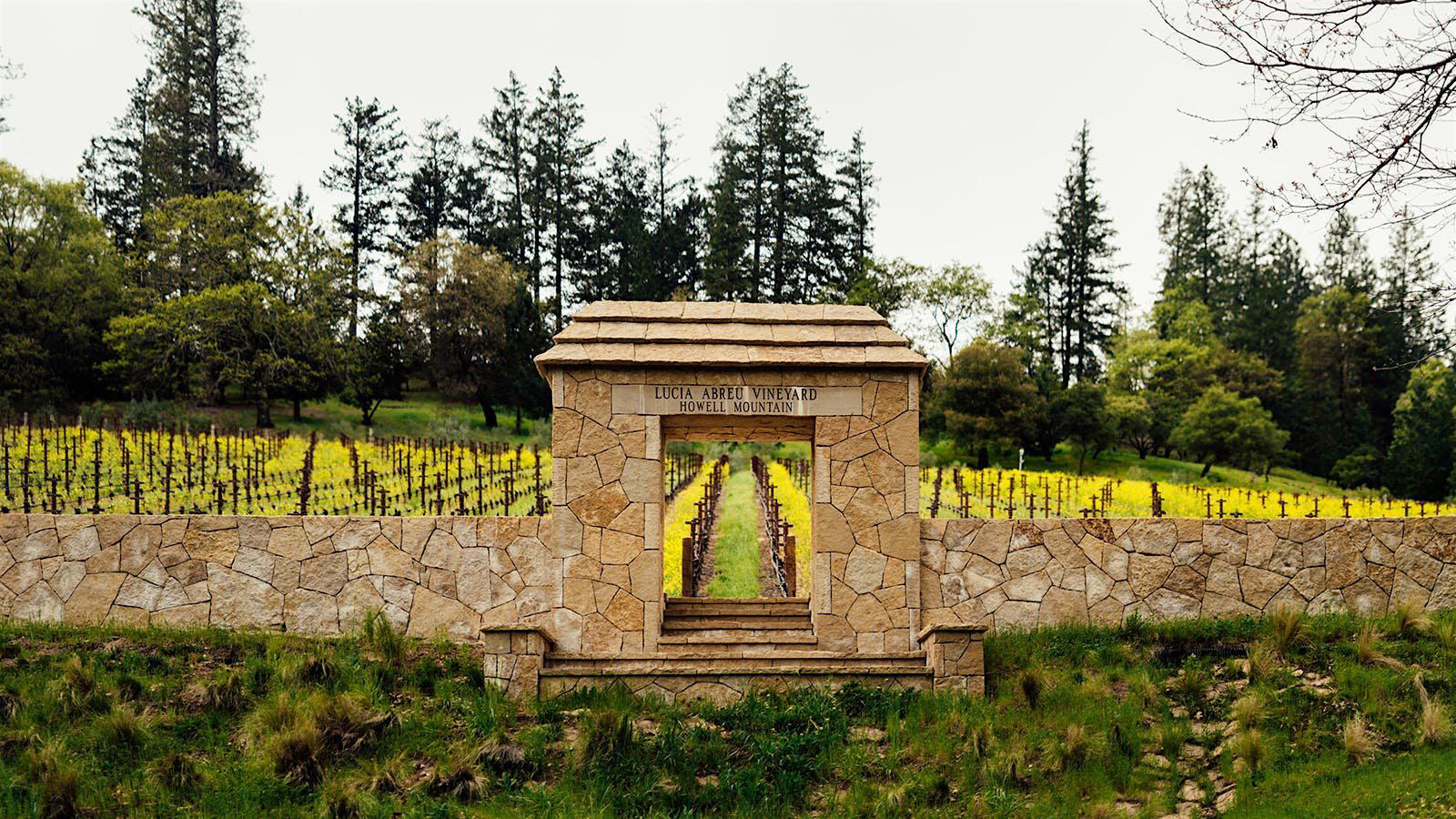
Napa's wine geography is often discussed in terms of its famous valley-floor appellations, Rutherford, Oakville, Stags Leap, where Cabernet benchmarks are set and prices reflect appellation cachet. The mountain appellations, Spring Mountain, Howell Mountain, Mount Veeder, operate on different terms. Production volumes are lower, access is less casual, and the wines tend to attract a more specific audience: collectors and drinkers who prioritize structure and ageability over immediate accessibility. This is a smaller market, but it is a loyal one.
Within California's wider wine geography, the contrast between Napa's hillside producers and those working other premium regions is instructive. Adelaida Vineyards in Paso Robles and Andrew Murray Vineyards in Los Olivos each pursue site-driven production in appellations that carry different commercial profiles. Alexander Valley Vineyards in Geyserville works within Sonoma's own elevation and terroir variations. Each of these operations makes the case for California wine identity beyond the Napa valley-floor benchmark, and Stony Hill's Spring Mountain address places it in that larger argument about what the state's wine geography can offer when the emphasis shifts from immediate concentration to site-expressive structure.
For those building a broader picture of premium wine beyond California, comparison points extend internationally. Adelsheim Vineyard in Newberg represents Oregon's own hillside-and-restraint tradition, while operations as different as Aberlour in Aberlour and Achaia Clauss in Patras demonstrate how old-establishment provenance functions as a signal of continuity in entirely different production contexts. The shared thread is that age of operation and institutional memory carry a different kind of weight than appellation prestige alone, and Stony Hill's 1952 founding is perhaps its most durable credential in that sense.
Planning a Visit to Spring Mountain
Stony Hill is located at 3331 St. Visits to mountain-appellation producers along this corridor typically require advance planning, as estate operations of this scale and profile do not function as walk-in destinations. Consulting the estate directly is advisable well before any intended visit date. The full Napa restaurants and wineries guide provides broader context for building a multi-day itinerary across the valley, including how to balance Spring Mountain estates with valley-floor visits and the dining options that merit serious attention in their own right. Also worth considering in sequence with Stony Hill is Clos Selene Winery, which brings its own distinct production philosophy to the Napa conversation.
Peers Worth Knowing
Comparable venues nearby, for context on price, style, and recognition.
| Venue | Cuisine | Price | Awards | Notes |
|---|---|---|---|---|
| Stony Hill VineyardThis venue — the venue you are viewing | Chardonnay, Riesling | Not listed | Falstaff Winery - Listed | Not listed |
| Ashes and Diamonds Winery | Cabernet Franc, Merlot | $50–100 | Falstaff Winery - Listed | Oak Knoll District |
| V. Sattui | Cabernet Sauvignon, Zinfandel | Not listed | Not listed | St. Helena |
| Black Stallion Estate Winery | Cabernet Sauvignon, Chardonnay | $30–50 | Falstaff Winery - Listed | Oak Knoll District |
| RAIN | Winery | Not listed | Not listed | Napa |
| Mumm Napa | Chardonnay, Pinot Noir | $30–50 | Not listed | Rutherford |
Recognition history
Dated appearances from independent guides and award organizations, with the underlying list record or original source where available.
Falstaff Winery - Listed
Falstaff
Continue exploring
More in Napa
Wineries in Napa
Browse all →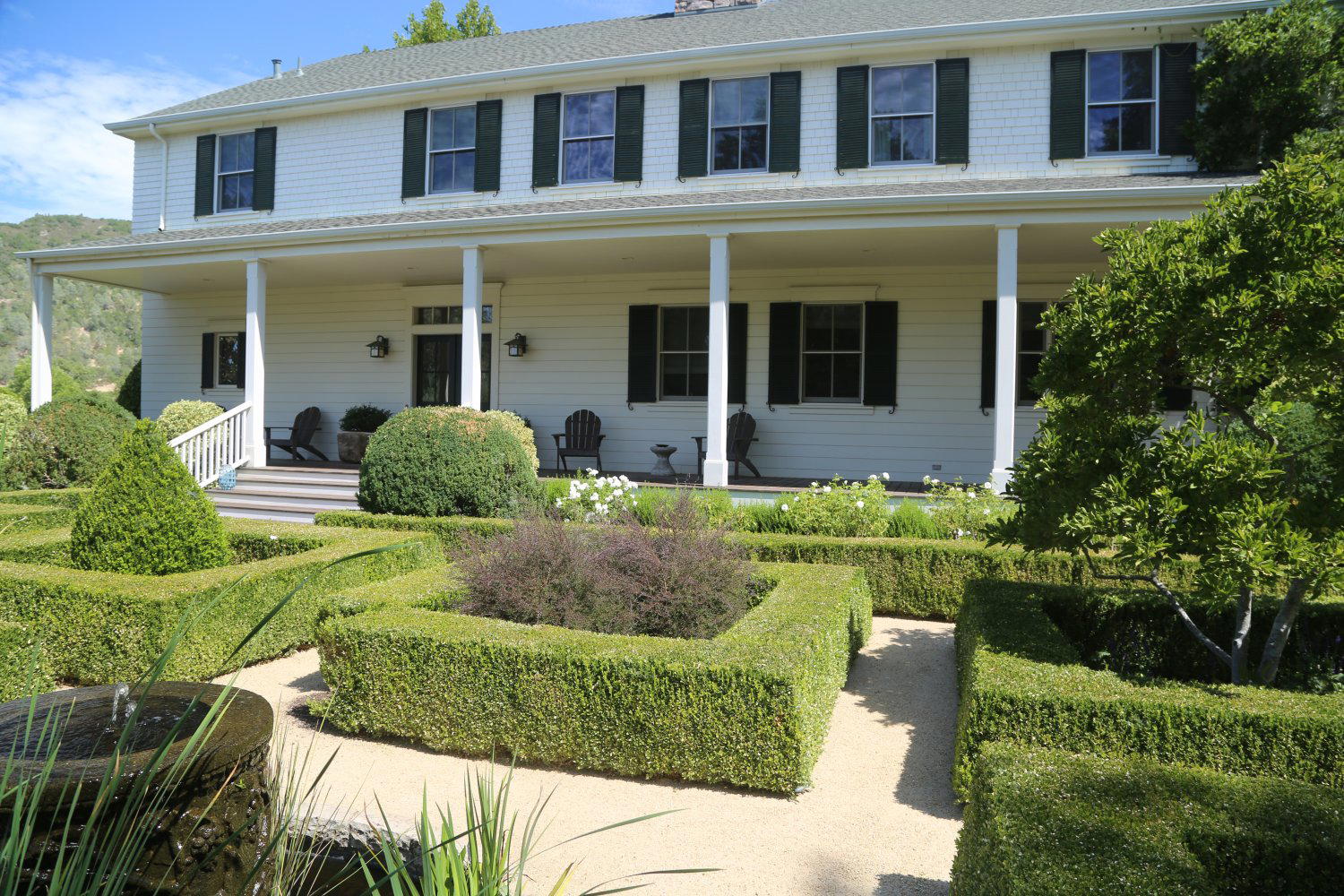
Bars in Napa
Browse all →
Restaurants in Napa
Browse all →
Details
- Quiet
- Intimate
- Rustic
- Scenic
- Classic
- Romantic Getaway
- Solo Exploration
- Wine Education
- Special Occasion
- Estate Grounds
- Panoramic View
- Historic Building
- Vineyard
- Mountain
- Chardonnay
- Riesling
- Gewurztraminer
- Cabernet Sauvignon
- Syrah
- Semillon
- Still White
- Still Red
- Private Tasting
- Winemaker: official source · checked
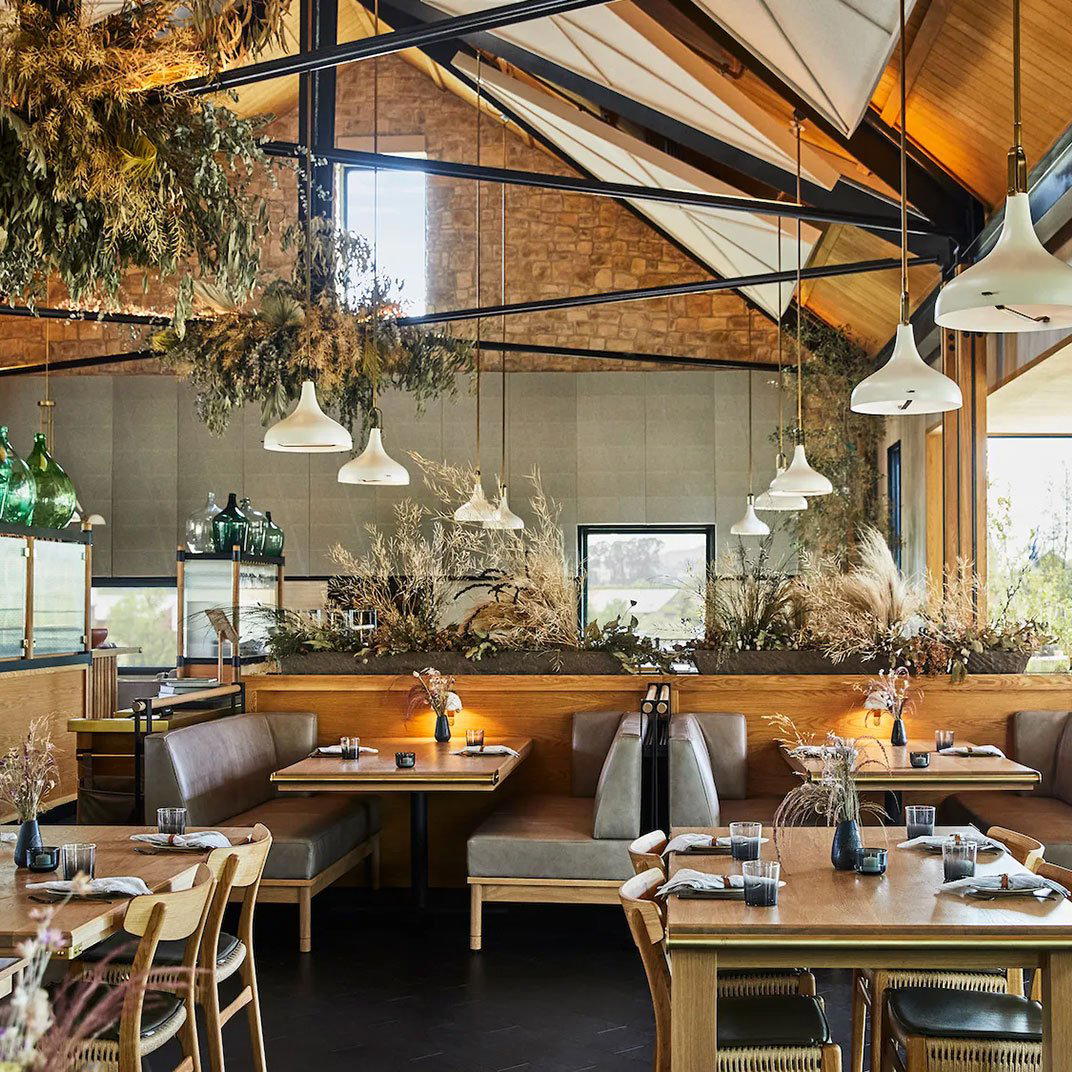
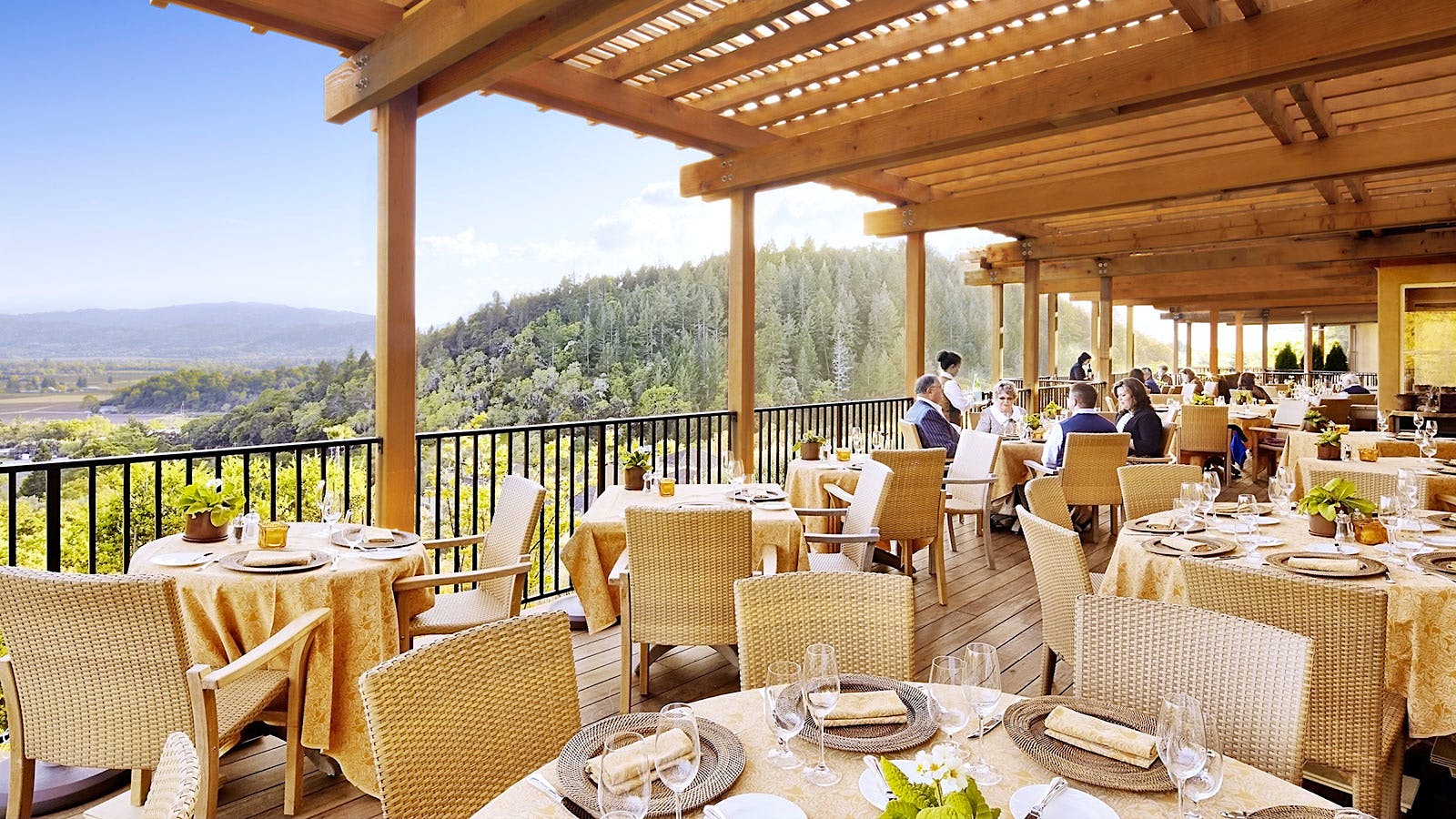
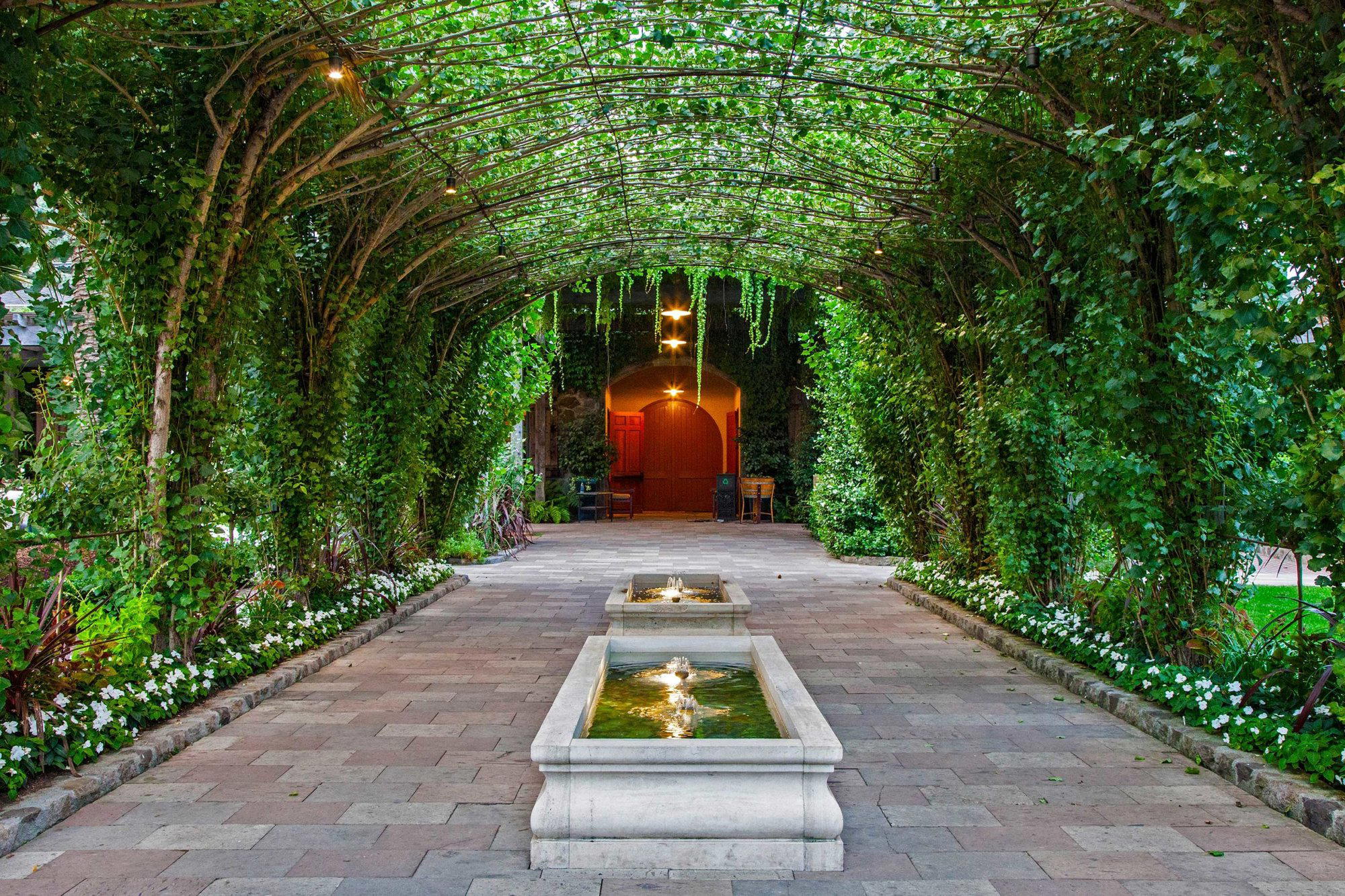
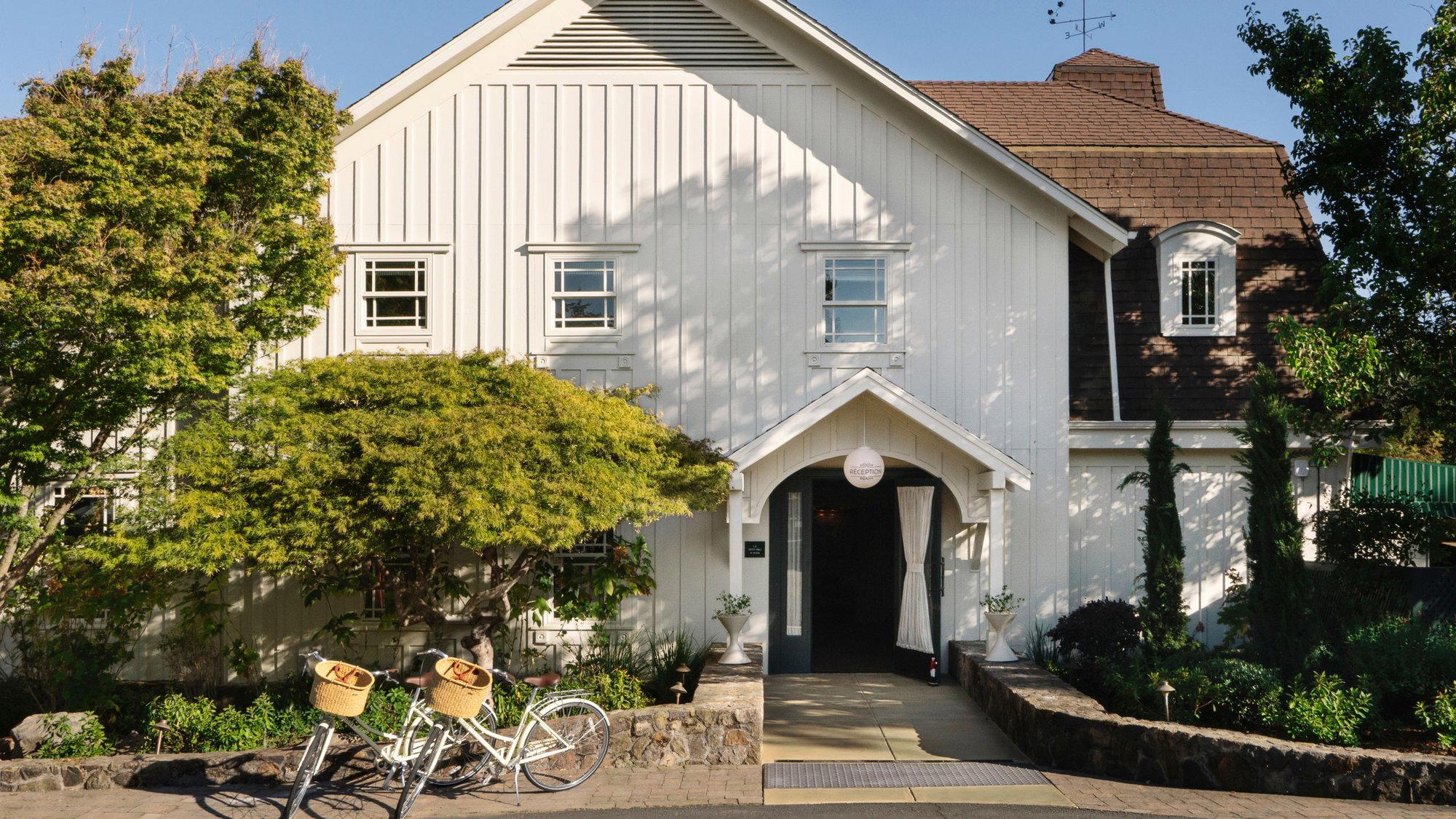
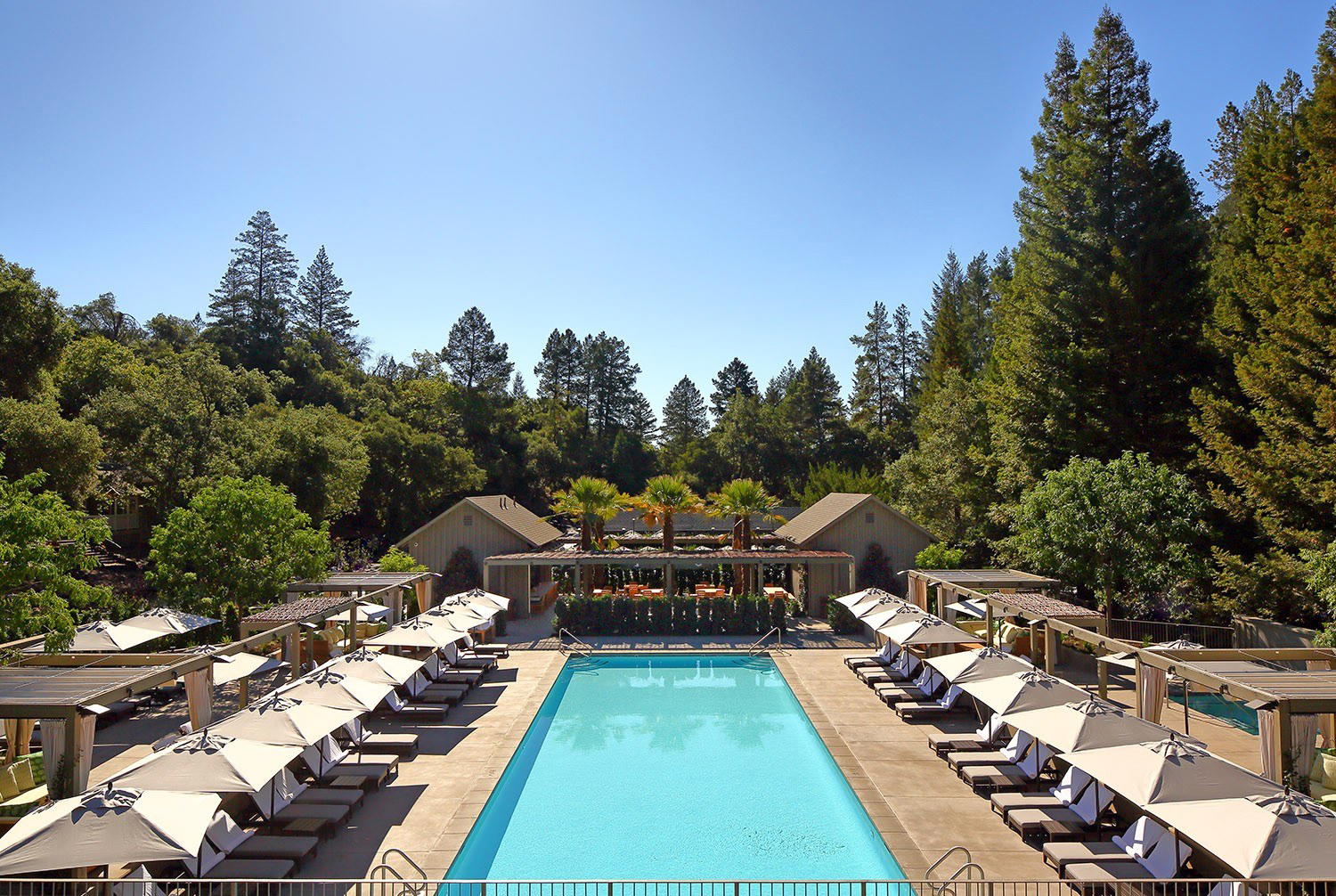
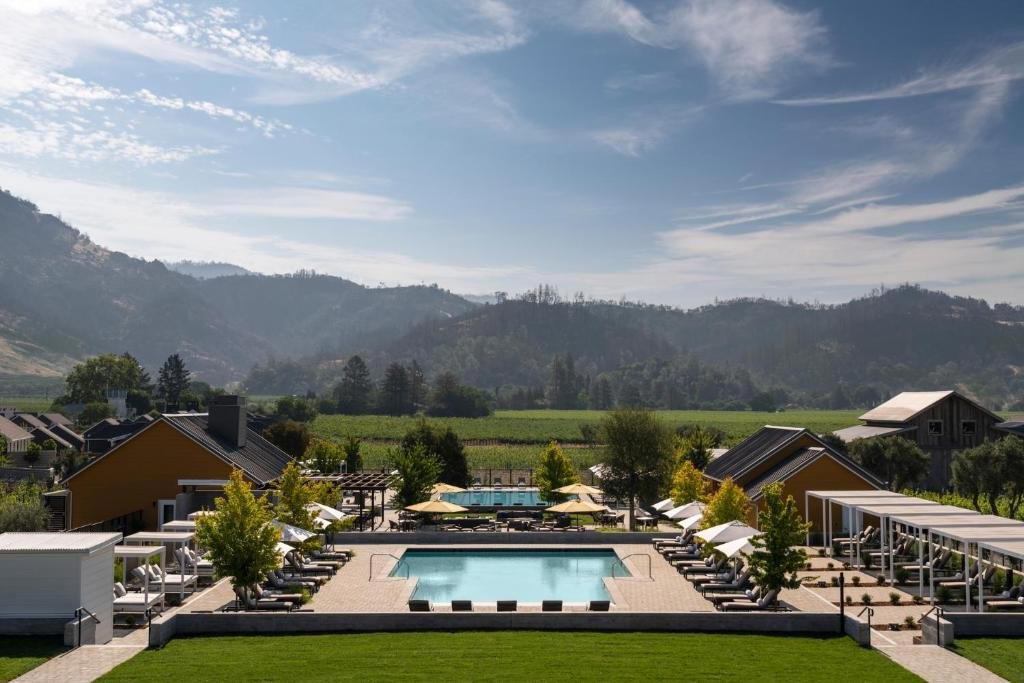
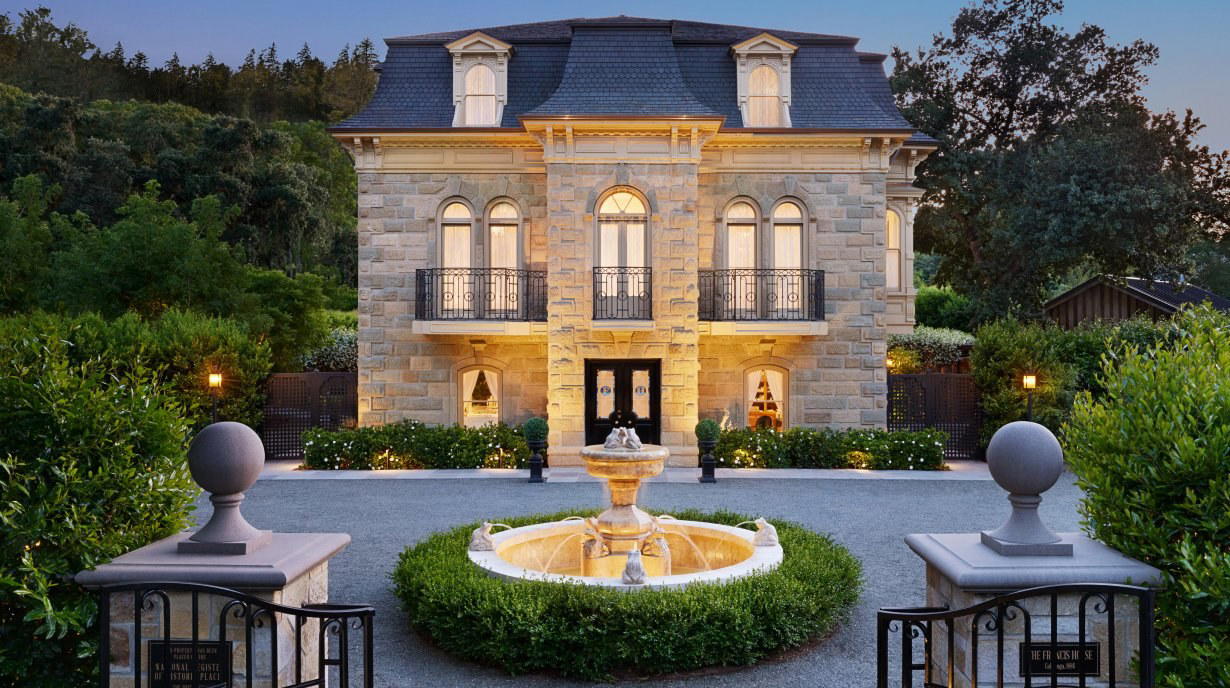
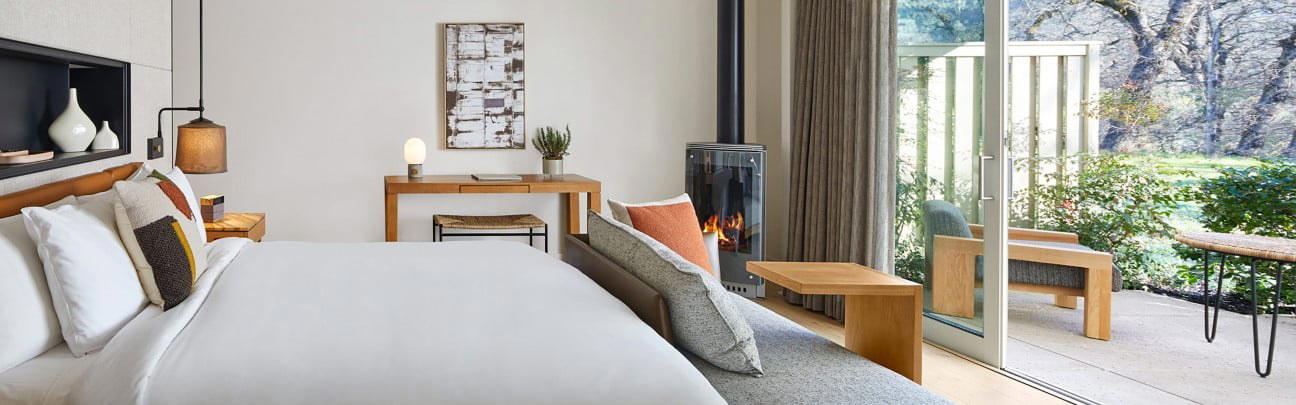
Cozy and warm home-like atmosphere with far-reaching hillside views, peaceful and private setting.