Clos du Val
One of Napa Valley's founding estates, Clos du Val has produced Cabernet Sauvignon from the Stags Leap District since 1972. Winemaker Ted Henry leads a program built on the district's characteristic volcanic soils and cool afternoon winds. The estate sits within a comparable set that helped define Napa's international reputation across five decades.
Pearl is the En Primeur Club membership app — saves, bookings, and concierge access live there. Same editors, same standards.
- Address
- 5330 Silverado Trail, Napa, CA 94558
- Website
- closduval.com
- Directions
- Get directions
 Saves & bookings on Pearl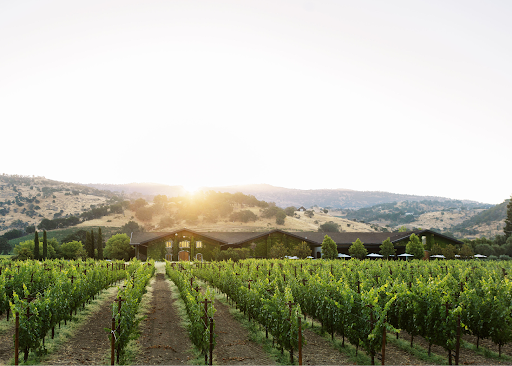
Five Decades of Stags Leap Cabernet
The Stags Leap District earned its American Viticultural Area designation in 1989, but its reputation was already being assembled in the early 1970s by a small group of estates planting Cabernet Sauvignon on volcanic loam soils above the Napa Valley floor. Clos du Val entered that founding cohort in 1972, making it one of a handful of producers whose institutional memory predates Napa's modern commercial era. That longevity carries weight in a region where first-vintage dates function as credentials: the 1972 benchmark places Clos du Val alongside estates that shaped the district's identity before it had a formal name.
The Stags Leap District's signature is textural rather than purely structural. The porous volcanic soils drain quickly, stressing vines into smaller berry yields and tighter tannin development, while the Palisades rock face radiates afternoon heat and the gap between the Vaca and Mayacamas ranges funnels cool air off San Pablo Bay each evening. That diurnal range is responsible for the district's reputation for Cabernets that hold both weight and acidity, a combination that has consistently placed Stags Leap wines in a different tasting register from Oakville or Rutherford Cabernets grown on heavier benchland soils.
The Ritual of Tasting at a Founding Estate
There is a particular pacing to tasting at an estate with a half-century of production history. At properties like Clos du Val, the conversation in a tasting room is rarely about the current vintage in isolation. The estate's archive creates an implicit vertical dimension: wines are understood against a lineage, and winemaker decisions read as responses to what came before rather than standalone choices. Bernard Portet's role at the winery places him within that longer arc, where each release is a chapter rather than a standalone statement.
That institutional depth changes the tempo of a tasting visit. Guests are not simply sampling a portfolio; they are engaging with a body of work that runs back through major shifts in California winemaking, the shift toward riper, higher-alcohol profiles in the 1990s and 2000s, the subsequent recalibration toward fresher, more European-informed styles in the 2010s, and the current moment of soil-focused, site-expressive Cabernet that has repositioned Napa's top tier against Bordeaux's left bank on sommeliers' lists.
The etiquette of such a visit rewards patience. Rushing through a five-wine flight at a founding estate wastes the layering that distinguishes a serious tasting from a scenic afternoon. The standard approach is to give each pour enough time to open in glass, to return to earlier pours after later ones have shifted your palate reference, and to ask directly about the winemaker's reasoning on stylistic choices. At estates with Henry's level of tenure, that conversation is usually substantive.
Where Clos du Val Sits in the Stags Leap comparable set
The Stags Leap District has become one of Napa's more competitive sub-appellations at the prestige tier. Estates in the district now include a dense concentration of well-capitalized producers, and the peer benchmarks are demanding. Chimney Rock Winery focuses its program almost entirely on Cabernet Franc-informed blends alongside a core Cabernet Sauvignon; Silverado Vineyards operates at scale while maintaining appellation-level seriousness; Pine Ridge Vineyards has built a reputation for multi-appellation blending alongside its estate-fruit program; and Lewis Cellars positions at the allocation-driven, highly extracted end of the district's range. Quixote Winery operates at micro-scale with a distinctive architectural identity.
The winery's founding date and its half-century of continuous production create a different kind of authority within that peer group. Where newer estates build identity through branding and allocation scarcity, the winery's identity is built through uninterrupted presence across Napa's defining chapters. That is a meaningful distinction for collectors and serious visitors making deliberate choices about which estates to prioritise on a Stags Leap itinerary.
For broader regional context, our full Stags Leap District guide maps the district's estates against each other by style, scale, and visitor experience.
The Address Anomaly Worth Clarifying
The winery's address is listed as Clos Solène Winery, Niderer Road, Paso Robles, CA, USA. Visitors planning a tasting visit should confirm current location and access directly with the estate before travelling.
California's Wider Context for Serious Visitors
A visit to the winery fits most naturally into a Napa-focused itinerary structured around the district's founding estates and current prestige tier. For visitors building a longer California wine route, the state's producing regions span a significant range of styles and scales. Adelaida Vineyards in Paso Robles and Alban Vineyards in Arroyo Grande represent the Central Coast's Rhône-variety programs, which operate in a different stylistic register from Napa Cabernet. Andrew Murray Vineyards in Los Olivos anchors the Santa Barbara County Rhône scene. In Sonoma, Alexander Valley Vineyards in Geyserville offers a counterpoint in Cabernet from a warmer, less volcanic growing context.
Within Napa itself, Accendo Cellars in St. Helena and Alpha Omega Winery in Rutherford offer peer-level tasting experiences from different sub-appellations, useful for visitors interested in comparing district-level soil and climate differences within the valley. Further north, Adelsheim Vineyard in Newberg represents Oregon's Willamette Valley Pinot Noir program for those building a Pacific Coast wine route across state lines.
For visitors with international reference points, Aberlour in Aberlour and Achaia Clauss in Patras anchor the European comparison set across Scotch whisky and Greek wine traditions respectively, useful for placing Napa Cabernet's prestige tier in a global context of estate-driven production with long institutional histories.
Planning a Visit
Given the address irregularity noted above, visitors should treat the winery as a Stags Leap District estate and confirm tasting room access and current booking process directly. Serious Napa itineraries in the district are typically booked several weeks in advance.
Quick Reference
- Founded: 1972
- Location: Stags Leap District, Napa Valley
- Winemaker: Ted Henry
- Primary variety: Cabernet Sauvignon
- Booking: Confirm directly with the estate; advance reservation advised
Recognition, Side-by-Side
Comparable venues nearby, for context on price, style, and recognition.
| Venue | Cuisine | Price | Notes |
|---|---|---|---|
| Clos du Val | Cabernet Sauvignon, Cabernet Franc | $$$ | Stags Leap District |
| Rampoldi | Winery | Not listed | Napa |
| Burgess Cellars | Cabernet Sauvignon, Chardonnay | $$$ | Howell Mountain |
| Hyde Vineyard Estate | Pinot Noir, Chardonnay | $$$ | Carneros |
| Cuvaison Estate Wines | Chardonnay, Pinot Noir | $$$ | Napa |
| Lail Vineyards | Cabernet Sauvignon, Sauvignon Blanc | $$$$ | Yountville |
Continue exploring
More in Napa
Wineries in Napa
Browse all →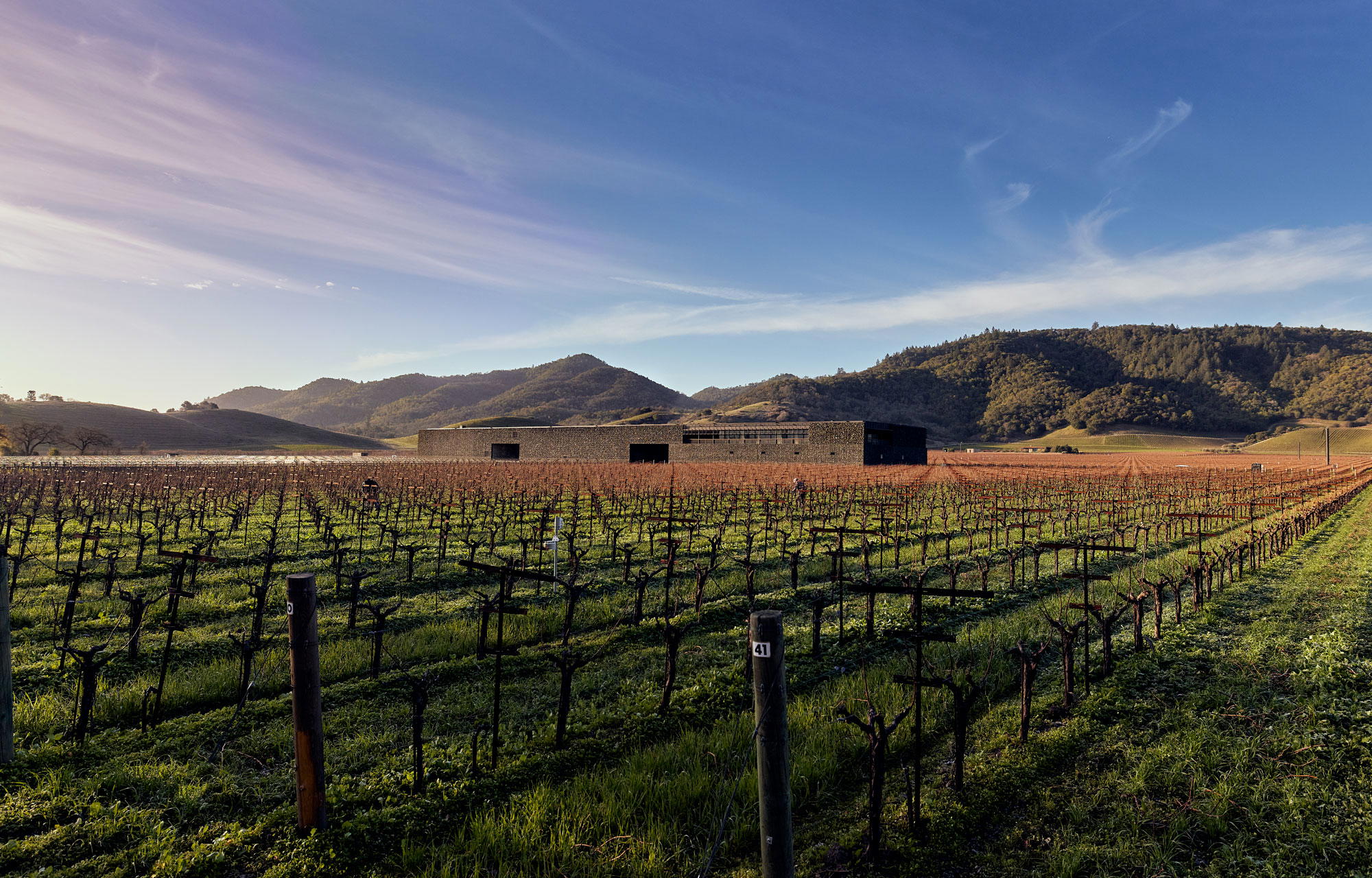
Bars in Napa
Browse all →
Restaurants in Napa
Browse all →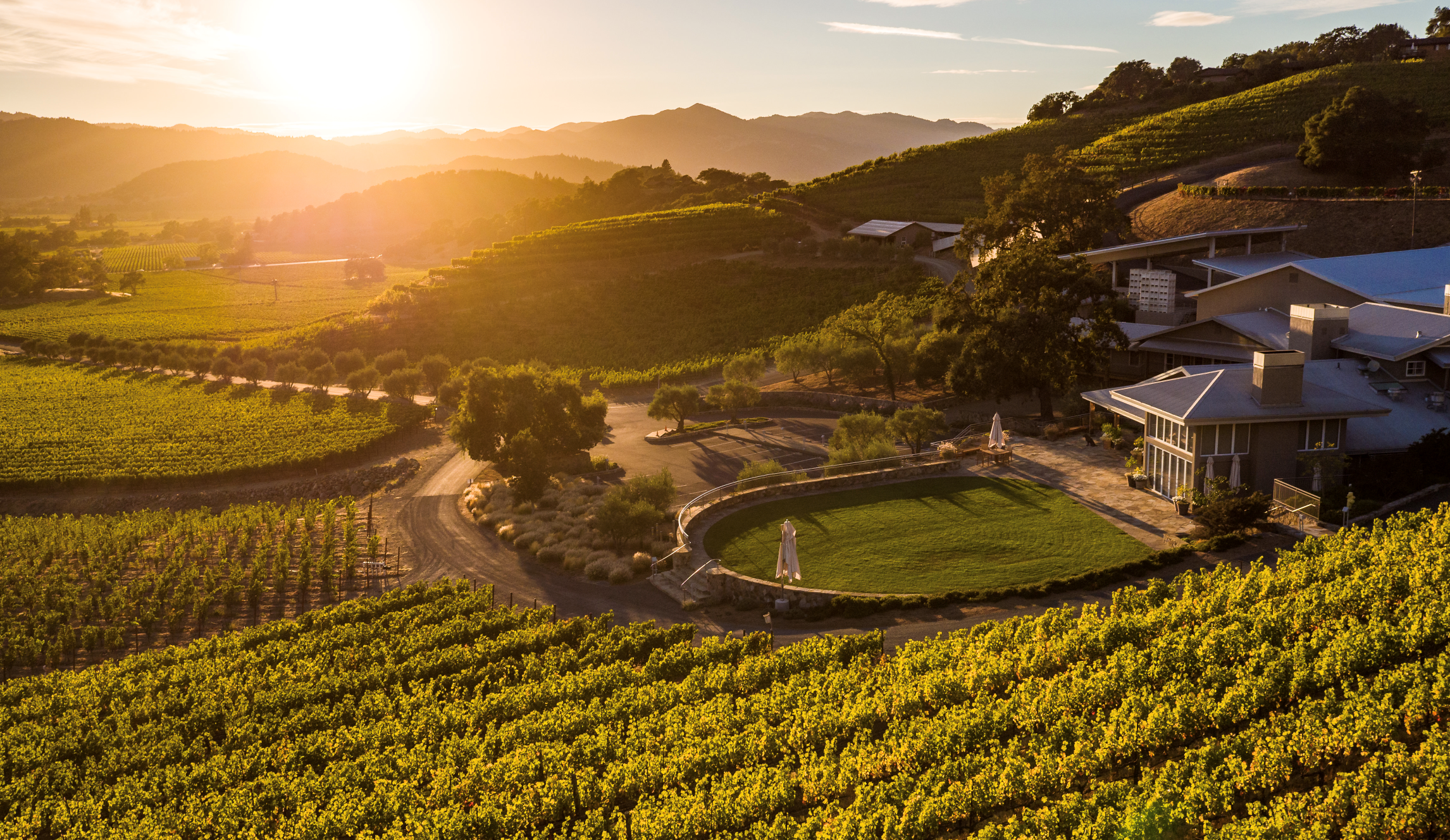
At a Glance
- Classic
- Elegant
- Scenic
- Intimate
- Wine Education
- Special Occasion
- Solo Exploration
- Vineyard Tour
- Estate Grounds
- Terrace
- Panoramic View
- Sustainable
- Vineyard
- Mountain
- Stags Leap District
- Cabernet Sauvignon
- Cabernet Franc
- Malbec
- Petit Verdot
- Merlot
- Sauvignon Blanc
- Rose
- Still Red
- Still White
- Still Rosé
- Sit Down Tasting
- Private Tasting
- Library Tasting
Current opening hours
- Monday
- 10 AM–5 PM
- Tuesday
- Closed
- Wednesday
- Closed
- Thursday
- 10 AM–5 PM
- Friday
- 10 AM–5 PM
- Saturday
- 10 AM–5 PM
- Sunday
- 10 AM–5 PM
Hours can change for holidays and private events. Last verified .
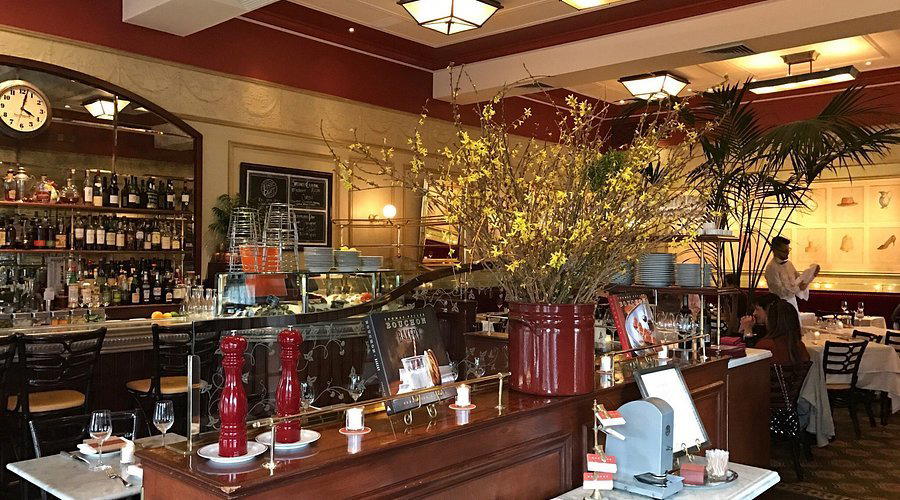
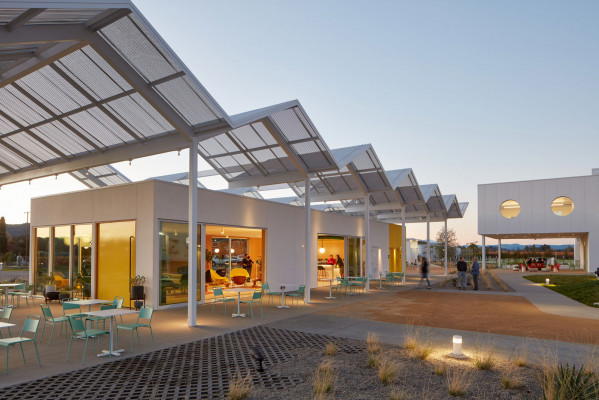
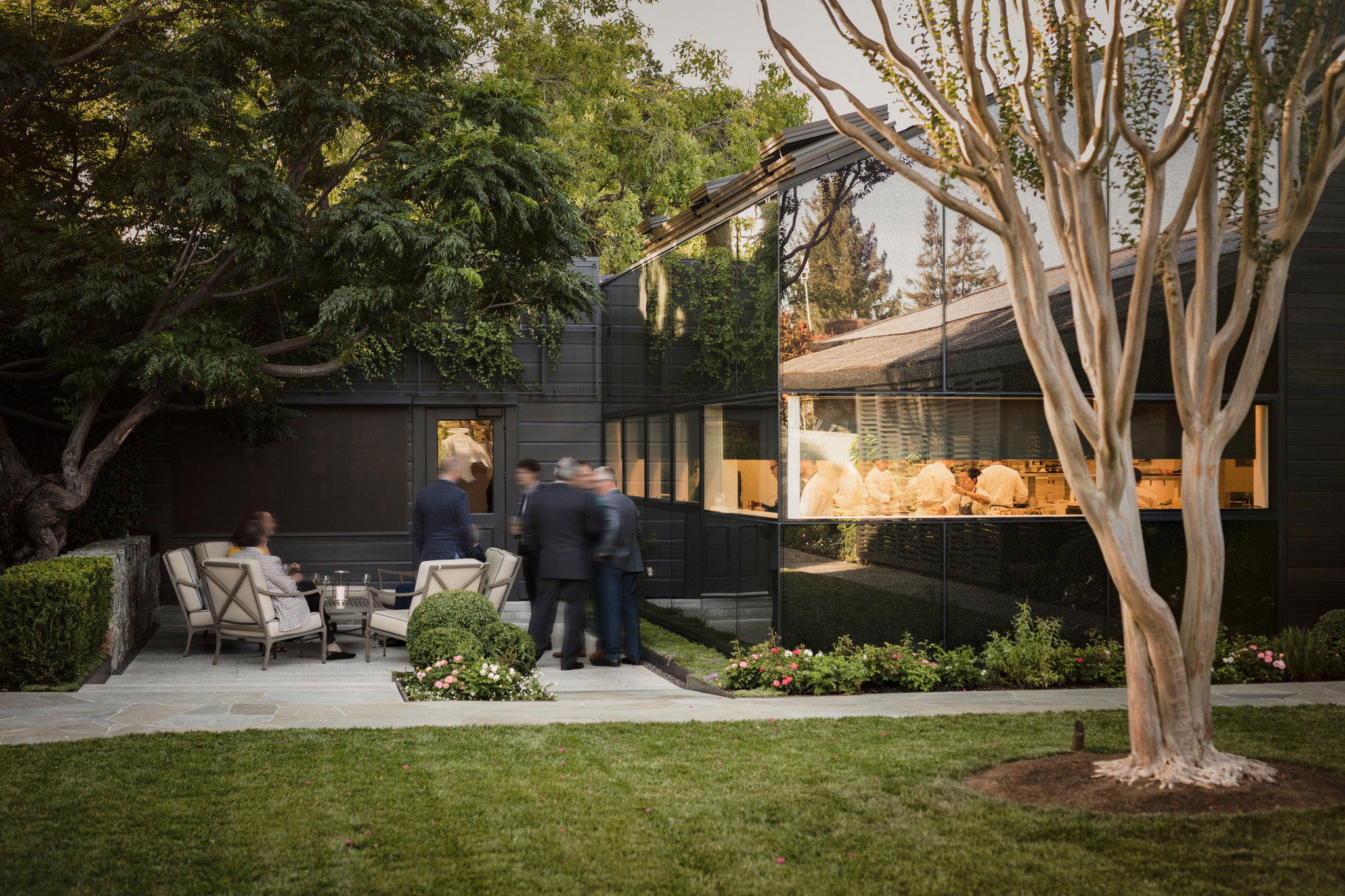
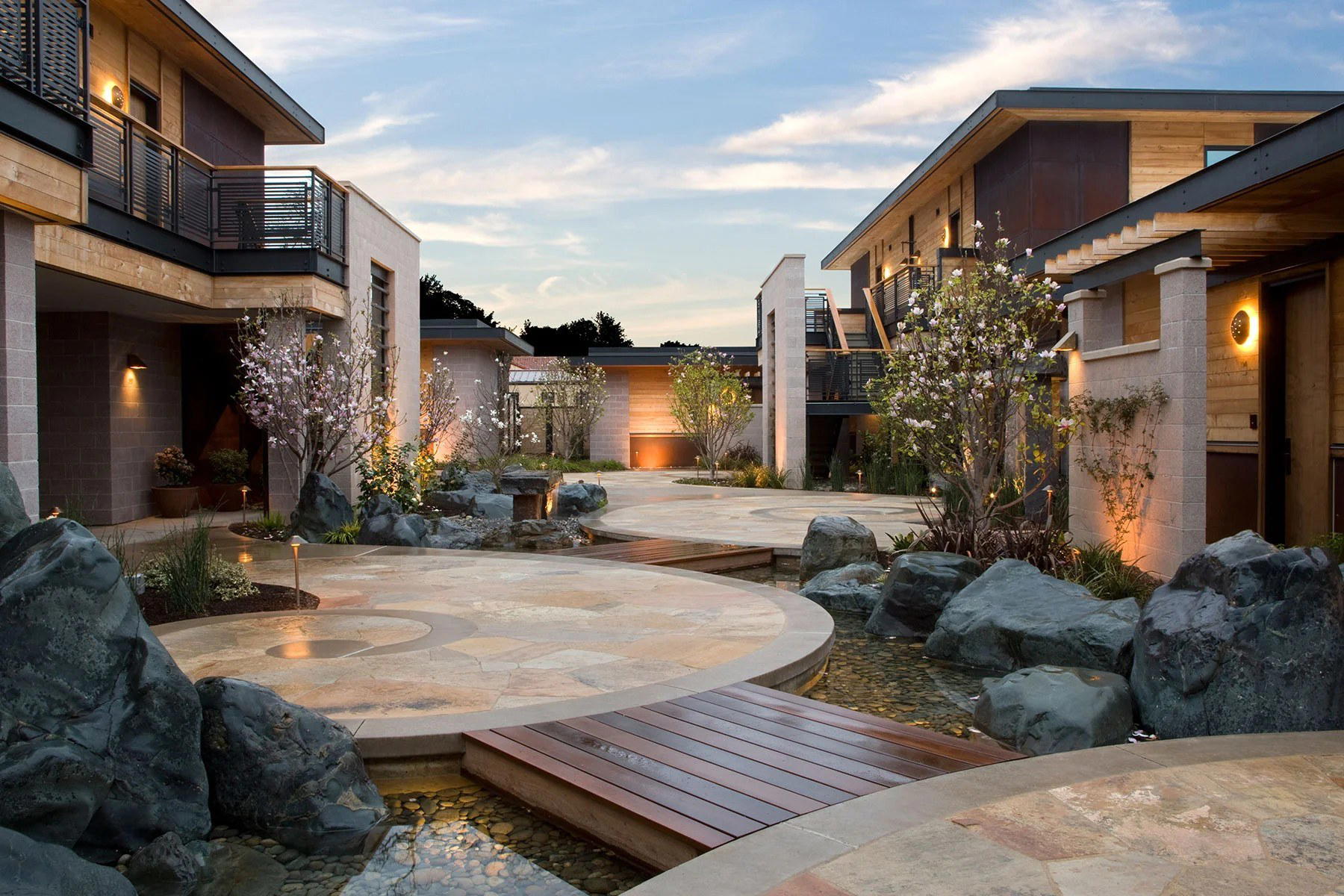
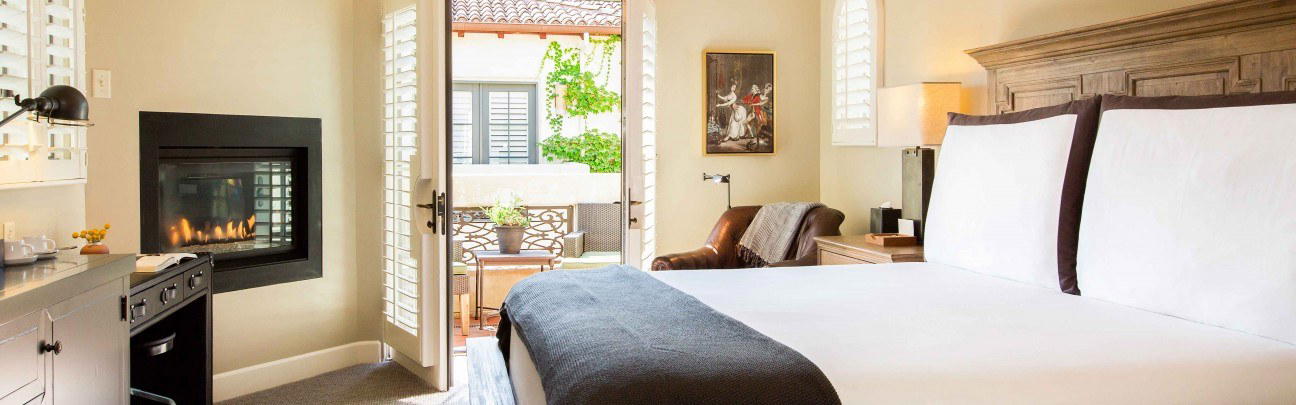
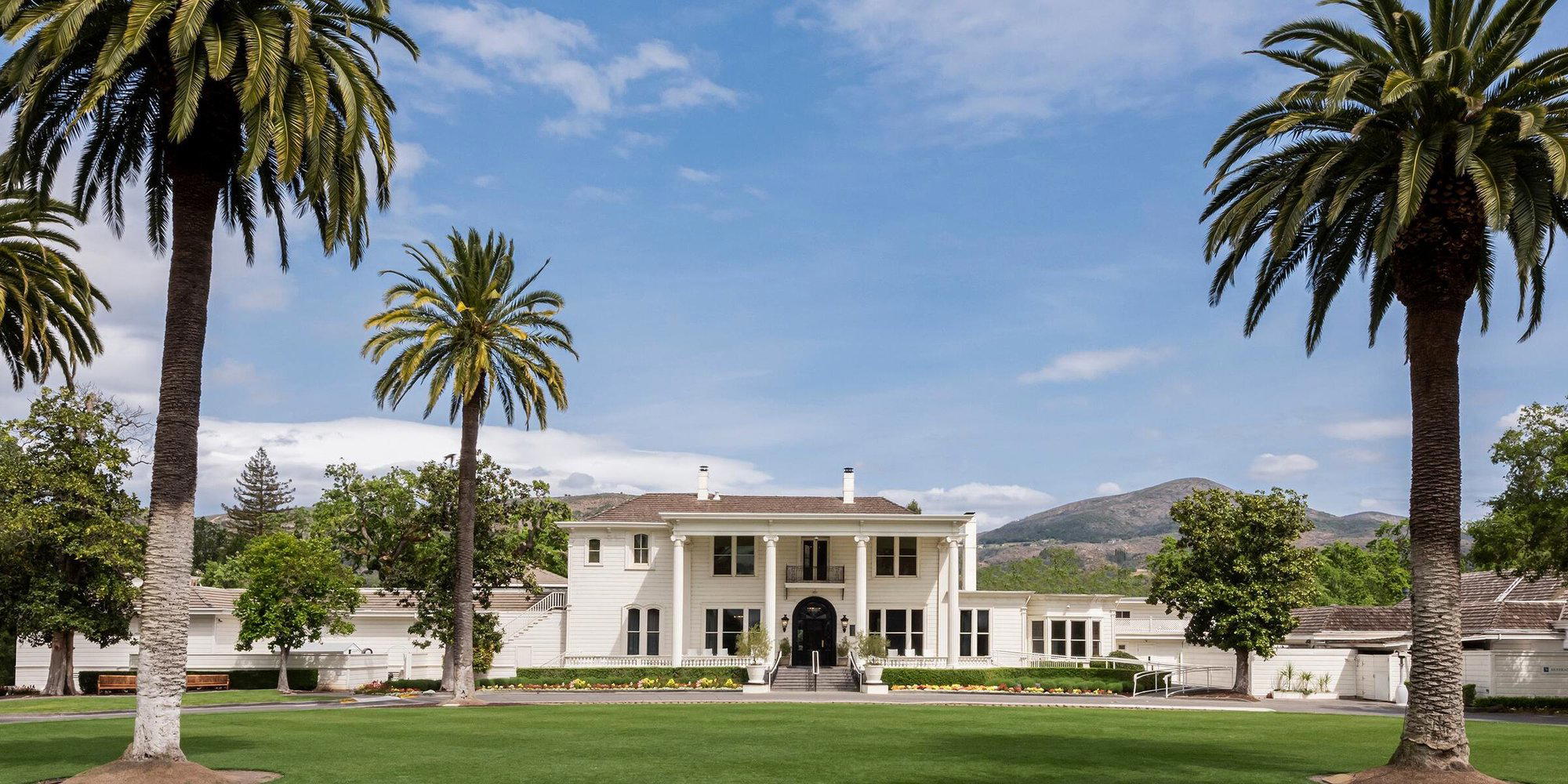
Sleek modern tasting room with thoughtful details, shaded outdoor patio overlooking vines, relaxed yet sophisticated atmosphere.