RAIN
Where Napa's Dining Ambition Meets the Tasting Progression Napa Valley's most serious dining rooms tend to share a structural logic: the meal unfolds as a sequence, each course doing specific work in relation to what came before and what follows. That architecture, long native to the valley's fine wine culture, has migrated from the tasting room into the dining room proper. RAIN. The award places it in a distinct tier of Napa restaurants, a group small enough that each addition is worth noting. The Pearl system measures consistency, ambition, and coherence across the full experience, not just a single standout dish or an unusually good evening. For context on how Napa's broader dining and wine scene is structured, our full Napa restaurants guide maps the valley's award-carrying addresses across price tiers and neighborhoods. Reading the Progression: How the Meal Unfolds The tasting progression format, where a kitchen controls pacing, temperature, and sequence across multiple courses, suits Napa dining in ways that go beyond aesthetics. The valley's wine culture already trains visitors to think about arc, how a Cabernet develops in glass, how a flight moves from lighter to denser, how a vertical reads across time. A restaurant that mirrors that logic, that presents a meal as a structured argument rather than a menu of options, is drawing from the same grammar. Progression format also demands discipline from a kitchen. Early courses set expectations. A misstep in the middle can unravel the rhythm. The final course carries the weight of the whole sequence's memory. Awards like Pearl Prestige are, in part, a measure of how reliably a kitchen sustains that discipline across services, not just on a single inspected night. Napa has a layered dining culture that can obscure clear comparisons. At one end, the valley operates large-footprint resort dining that leans on wine-country spectacle and high guest volumes. At the other, a smaller cohort of precision-focused kitchens competes on execution and technical depth. For a useful comparison within Napa's wine-adjacent culture, consider how houses like Ashes and Diamonds Winery and Blackbird Vineyards have built identities around restraint and focus rather than volume and spectacle. The better Napa dining rooms operate with the same logic: a clear editorial point of view, a bounded scope, and consistency over time. RAIN's award, current as of 2025, suggests it functions within that framework. Wineries further afield reinforce the point about what focused curation looks like across a category. Accendo Cellars in St. Helena, Alpha Omega Winery in Rutherford, and Darioush Winery each occupy defined positions within Napa's premium wine tier, demonstrating that the valley rewards clarity of purpose at every level of the beverage and dining ecosystem. The Valley Context: Why Award-Carrying Napa Tables Are Worth Tracking California wine country dining has evolved considerably from its early positioning as an adjunct to the winery visit. Tables in the valley now compete on terms that would be legible in any major city, measured against technique, sourcing depth, and the quality of the service sequence. The 2025 Pearl calendar reflects that shift: the recognized addresses are evaluated as restaurants first, wine-country attractions second. That context matters for planning. A traveler arriving in Napa with serious dining intent should think about the recognized tier as they would in any destination with a short list of award-carrying rooms. Early booking at any Pearl-level address in Napa is standard practice, not a precaution. Napa's premium wine culture provides natural pairings for a serious dinner itinerary. Artesa Vineyards and Winery and Clos Selene Winery each offer tasting experiences that complement an evening in a progression-format dining room, with the daytime and evening halves of the itinerary following a similar arc of escalating focus. Wineries further down the California coast, including Adelaida Vineyards in Paso Robles, Alban Vineyards in Arroyo Grande, and Andrew Murray Vineyards in Los Olivos, share the same north-to-south premium corridor for visitors building a longer California wine itinerary. Situating RAIN in the Broader Dining Tier The Pearl Prestige designation does not operate in isolation. It positions RAIN within a scoring system that applies consistent criteria across dining addresses internationally, which means the 2025 recognition carries comparative weight beyond Napa alone. That kind of external validation is increasingly the operative signal for serious diners in a market where self-description and marketing copy have become indistinguishable from editorial coverage. Awards from named systems carry more interpretive weight precisely because they apply defined criteria and must be renewed or revised. For RAIN, the 2025 date anchors the recognition to the current vintage of the restaurant's performance, not a legacy status that may no longer reflect the kitchen's form. For travelers building a California wine country wine list alongside their dining itinerary, addresses like Adelsheim Vineyard in Newberg, Alexander Valley Vineyards in Geyserville, and international references including Achaia Clauss in Patras and Aberlour provide useful calibration points for understanding what precision and heritage look like across different wine traditions. Planning Your Visit For addresses at this level in the valley, contacting the venue directly for current reservation availability, hours, and pricing is the most reliable approach, as operational details shift with seasons and demand cycles. Harvest season carries the valley's highest dining demand, so planning further ahead during September through November is advisable. The broader dining and winery context across Napa is mapped in our full Napa restaurants guide, which covers the full range of award-carrying addresses in the valley across formats and price points. Frequently Asked Questions What wine is RAIN famous for?Napa's award-carrying dining rooms at the Pearl Prestige tier generally carry wine lists calibrated to the valley's Cabernet-dominant identity, with varying depth in Burgundian varieties. Verifying the current list and any house specialties directly with the venue is the reliable approach.Why do people go to RAIN?That recognition signals consistent performance across the full experience, which is the primary driver for diners who track award-carrying tables in wine country rather than visiting purely for the winery circuit. Its position in Napa, one of California's most concentrated premium dining destinations, makes it a natural anchor for a serious food-and-wine itinerary.Do I need a reservation for RAIN?At Pearl Prestige level in Napa, reservations are standard operating procedure. Demand at recognized Napa tables runs several weeks ahead during peak season, and harvest months (September through November) compress availability further.What makes RAIN different from other award-recognized Napa dining rooms?The Pearl system evaluates consistency and coherence across the whole experience, not a single signature moment, which distinguishes recipients from restaurants that have earned legacy recognition but may no longer perform at the same level. For visitors cross-referencing RAIN against other Napa addresses, the 2025 date is the operative anchor: it reflects the kitchen's present form.

Pearl is the En Primeur Club membership app — saves, bookings, and concierge access live there. Same editors, same standards.
- Address
- Napa, United States
Where Napa's Dining Ambition Meets the Tasting Progression
Napa Valley's most serious dining rooms tend to share a structural logic: the meal unfolds as a sequence, each course doing specific work in relation to what came before and what follows. That architecture, long native to the valley's fine wine culture, has migrated from the tasting room into the dining room proper. RAIN. The award places it in a distinct tier of Napa restaurants, a group small enough that each addition is worth noting.
The Pearl system measures consistency, ambition, and coherence across the full experience, not just a single standout dish or an unusually good evening. For context on how Napa's broader dining and wine scene is structured, our full Napa restaurants guide maps the valley's award-carrying addresses across price tiers and neighborhoods.
Reading the Progression: How the Meal Unfolds
The tasting progression format, where a kitchen controls pacing, temperature, and sequence across multiple courses, suits Napa dining in ways that go beyond aesthetics. The valley's wine culture already trains visitors to think about arc, how a Cabernet develops in glass, how a flight moves from lighter to denser, how a vertical reads across time. A restaurant that mirrors that logic, that presents a meal as a structured argument rather than a menu of options, is drawing from the same grammar.
Progression format also demands discipline from a kitchen. Early courses set expectations. A misstep in the middle can unravel the rhythm. The final course carries the weight of the whole sequence's memory. Awards like Pearl Prestige are, in part, a measure of how reliably a kitchen sustains that discipline across services, not just on a single inspected night.
Napa has a layered dining culture that can obscure clear comparisons. At one end, the valley operates large-footprint resort dining that leans on wine-country spectacle and high guest volumes. At the other, a smaller cohort of precision-focused kitchens competes on execution and technical depth.
For a useful comparison within Napa's wine-adjacent culture, consider how houses like Ashes and Diamonds Winery and Blackbird Vineyards have built identities around restraint and focus rather than volume and spectacle. The better Napa dining rooms operate with the same logic: a clear editorial point of view, a bounded scope, and consistency over time. RAIN's award, current as of 2025, suggests it functions within that framework.
Wineries further afield reinforce the point about what focused curation looks like across a category. Accendo Cellars in St. Helena, Alpha Omega Winery in Rutherford, and Darioush Winery each occupy defined positions within Napa's premium wine tier, demonstrating that the valley rewards clarity of purpose at every level of the beverage and dining ecosystem.
The Valley Context: Why Award-Carrying Napa Tables Are Worth Tracking
California wine country dining has evolved considerably from its early positioning as an adjunct to the winery visit. Tables in the valley now compete on terms that would be legible in any major city, measured against technique, sourcing depth, and the quality of the service sequence. The 2025 Pearl calendar reflects that shift: the recognized addresses are evaluated as restaurants first, wine-country attractions second.
That context matters for planning. A traveler arriving in Napa with serious dining intent should think about the recognized tier as they would in any destination with a short list of award-carrying rooms. Early booking at any Pearl-level address in Napa is standard practice, not a precaution.
Napa's premium wine culture provides natural pairings for a serious dinner itinerary. Artesa Vineyards and Winery and Clos Selene Winery each offer tasting experiences that complement an evening in a progression-format dining room, with the daytime and evening halves of the itinerary following a similar arc of escalating focus. Wineries further down the California coast, including Adelaida Vineyards in Paso Robles, Alban Vineyards in Arroyo Grande, and Andrew Murray Vineyards in Los Olivos, share the same north-to-south premium corridor for visitors building a longer California wine itinerary.
Situating RAIN in the Broader Dining Tier
The Pearl Prestige designation does not operate in isolation. It positions RAIN within a scoring system that applies consistent criteria across dining addresses internationally, which means the 2025 recognition carries comparative weight beyond Napa alone.
That kind of external validation is increasingly the operative signal for serious diners in a market where self-description and marketing copy have become indistinguishable from editorial coverage. Awards from named systems carry more interpretive weight precisely because they apply defined criteria and must be renewed or revised. For RAIN, the 2025 date anchors the recognition to the current vintage of the restaurant's performance, not a legacy status that may no longer reflect the kitchen's form.
For travelers building a California wine country wine list alongside their dining itinerary, addresses like Adelsheim Vineyard in Newberg, Alexander Valley Vineyards in Geyserville, and international references including Achaia Clauss in Patras and Aberlour provide useful calibration points for understanding what precision and heritage look like across different wine traditions.
Planning Your Visit
For addresses at this level in the valley, contacting the venue directly for current reservation availability, hours, and pricing is the most reliable approach, as operational details shift with seasons and demand cycles. Harvest season carries the valley's highest dining demand, so planning further ahead during September through November is advisable. The broader dining and winery context across Napa is mapped in our full Napa restaurants guide, which covers the full range of award-carrying addresses in the valley across formats and price points.
The Short List
| Venue | Price | Awards |
|---|---|---|
| RAINThis venue — the venue you are viewing | Not listed | Not listed |
| Artesa Vineyards and Winery | $30–50 | Not listed |
| Ashes and Diamonds Winery | $50–100 | Falstaff Winery - Listed |
| Del Dotto Estate Winery and Caves | $50–100 | Not listed |
| Kanpai Wines | $30–50 | Not listed |
Details
- Cozy
- Quiet
- Scenic
- Intimate
- Solo Exploration
- Vineyard
- Mountain
- Pinot Noir
- Still Red
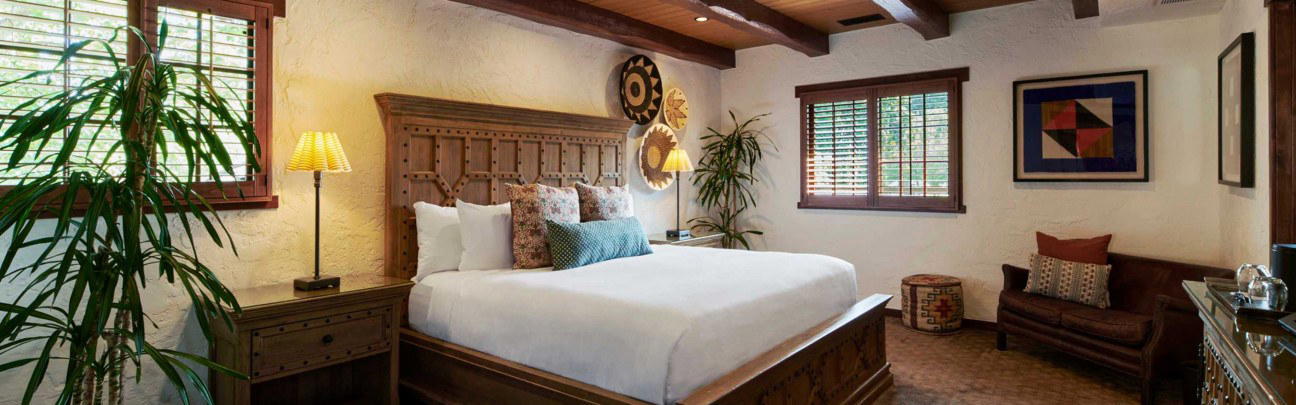
Cozy and intimate, with warmth inside tasting rooms and a rainy-day, fireside-lounge feel described as rich and quiet.