Aisna

Falstaff Winery - Listed
Aisna belongs to the quieter side of Montalcino: small-scale Sangiovese Grosso, Brunello di Montalcino DOCG, and Rosso di Montalcino shaped around classic red-wine structure rather than spectacle. Founded in 2011 by Alessandro Rossi, it suits travelers who want a focused Tuscan winery experience with vineyard context, bottle sales, and a reserved, education-led pace.
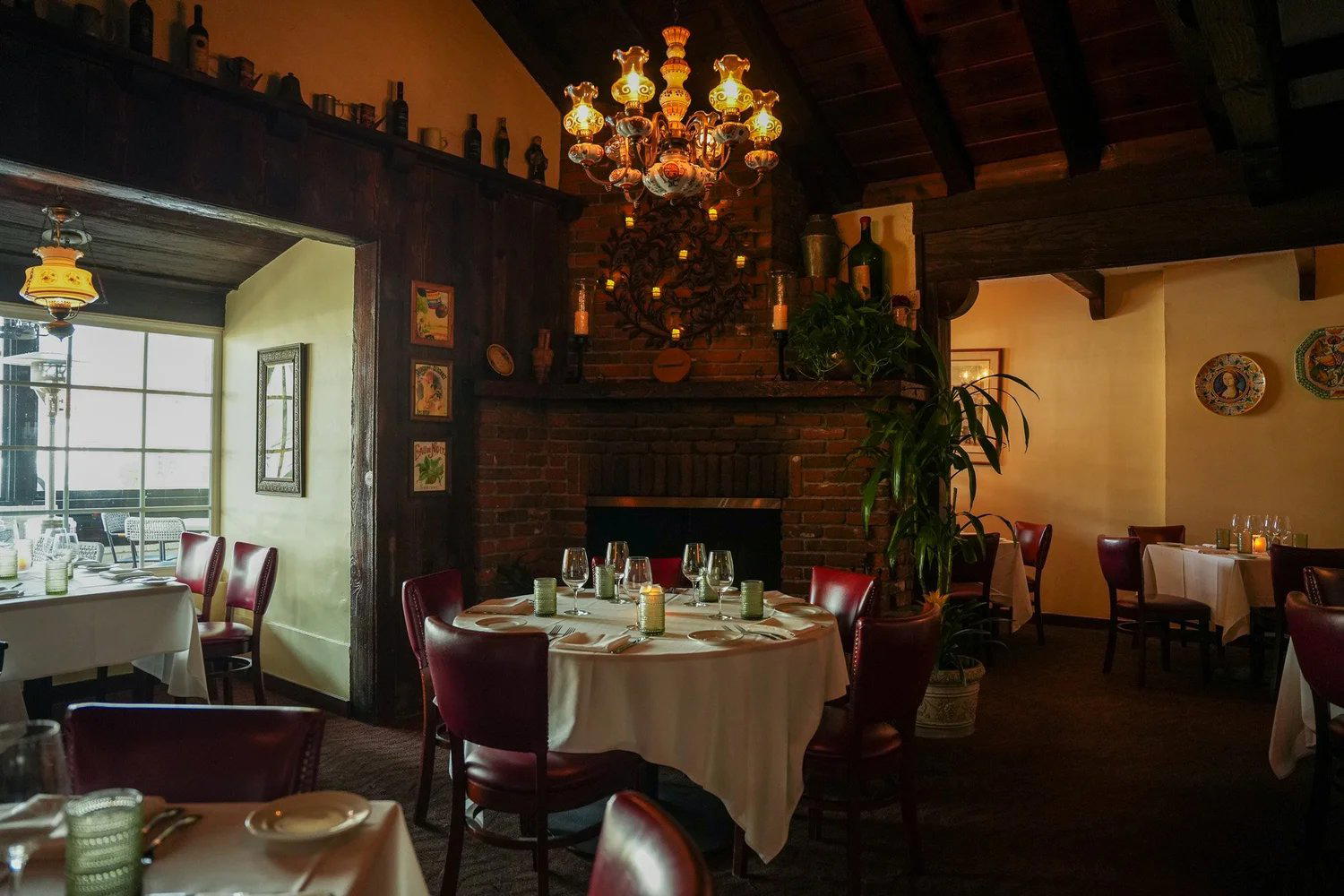
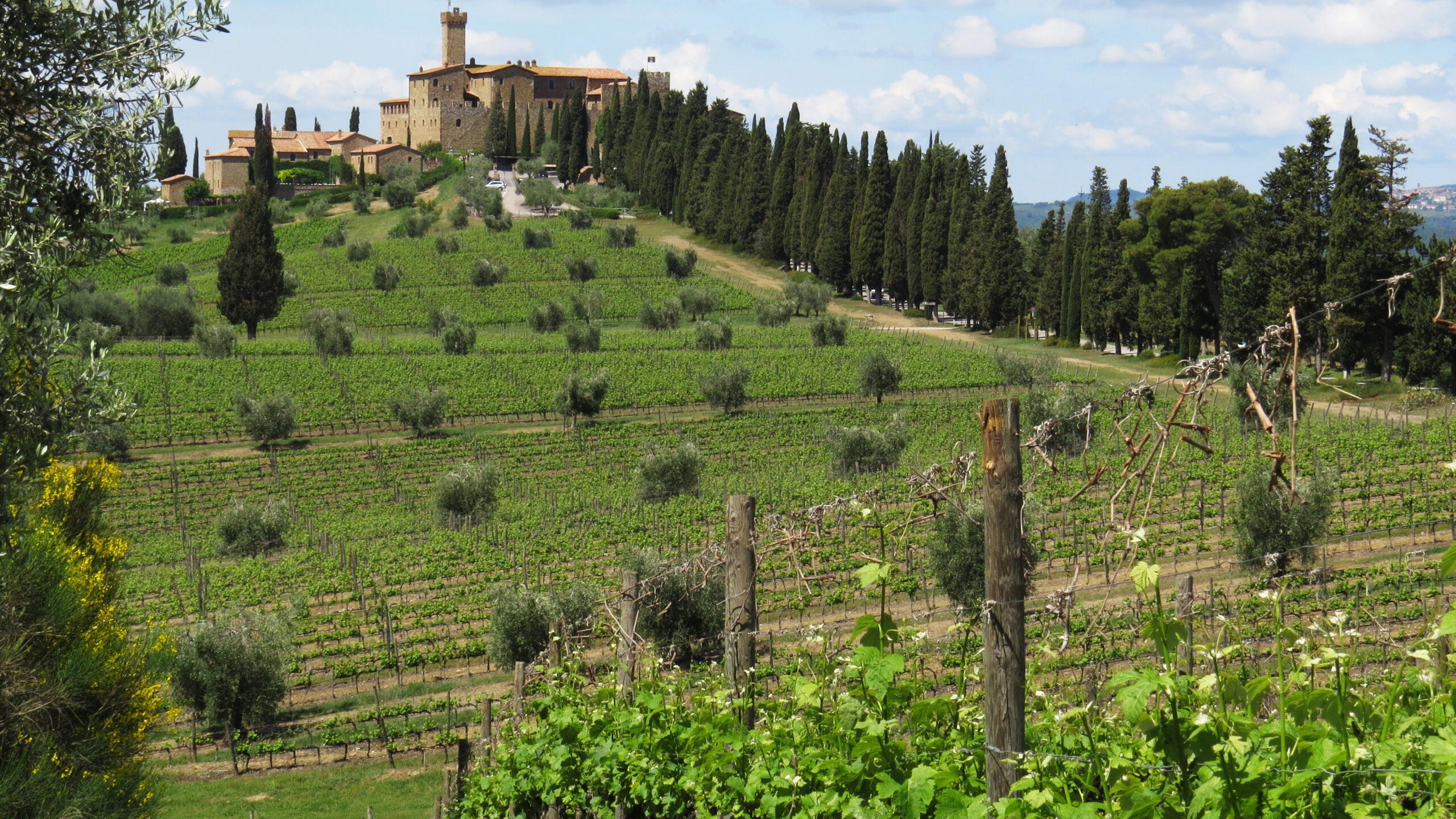
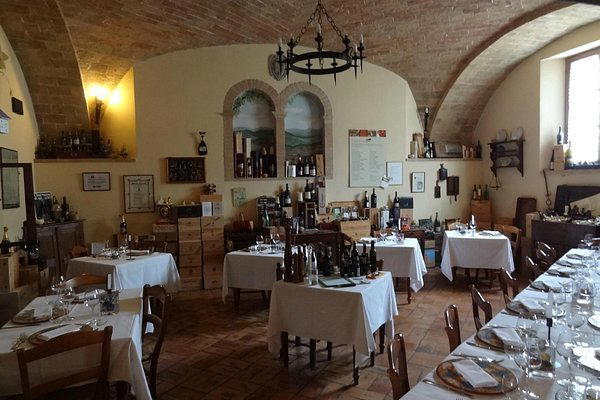
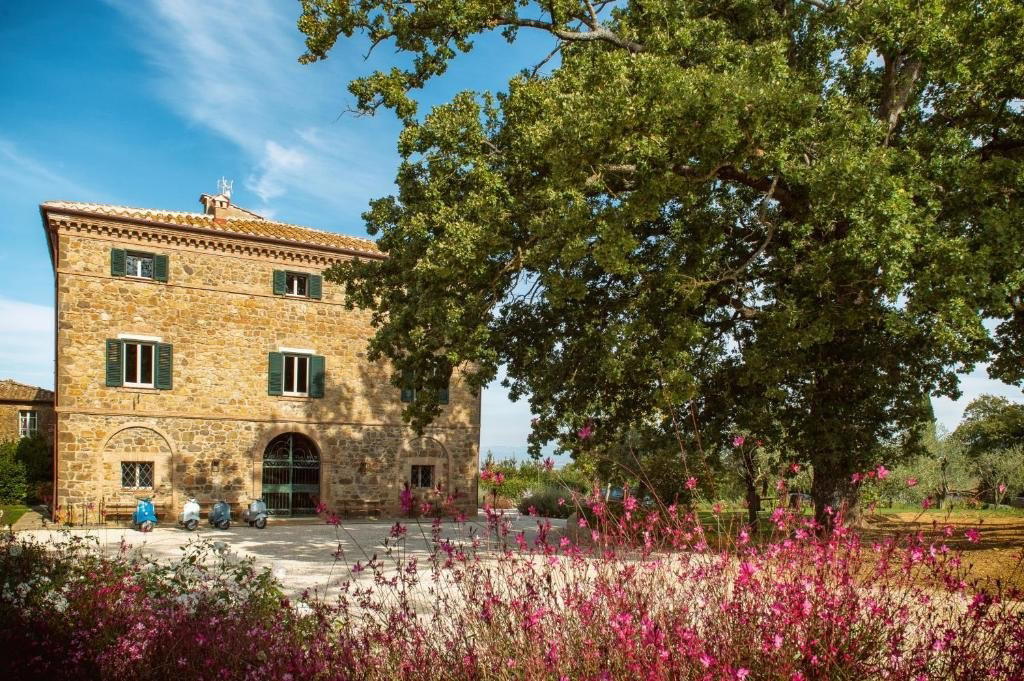
Aisna is best described from the information as a quiet Montalcino wine address with a traditional Tuscan winery atmosphere. The setting is centered on red-wine production, with the editorial emphasis on classic, food-friendly Brunello and Rosso styles rather than on spectacle or a broad hospitality concept. For EP Club readers, that makes Aisna a restrained choice: a hidden-gem type of stop for travelers who want the conversation to stay close to Montalcino wine, Tuscan character, and a calm sense of place.
The profile is deliberately narrow. Aisna is in Montalcino, its price level is listed as $$$, and its atmosphere is classic and quiet. Beyond that, the available confirmed data does not support claims about a specific menu, chef, owner, founding year, seat count, tasting format, reservation policy, views, bottle-sales setup, food-pairing service, opening hours, or awards. That limited record matters: the safest way to present Aisna is not as a full-service destination with many documented amenities, but as a traditional Tuscan winery environment focused on red-wine production.
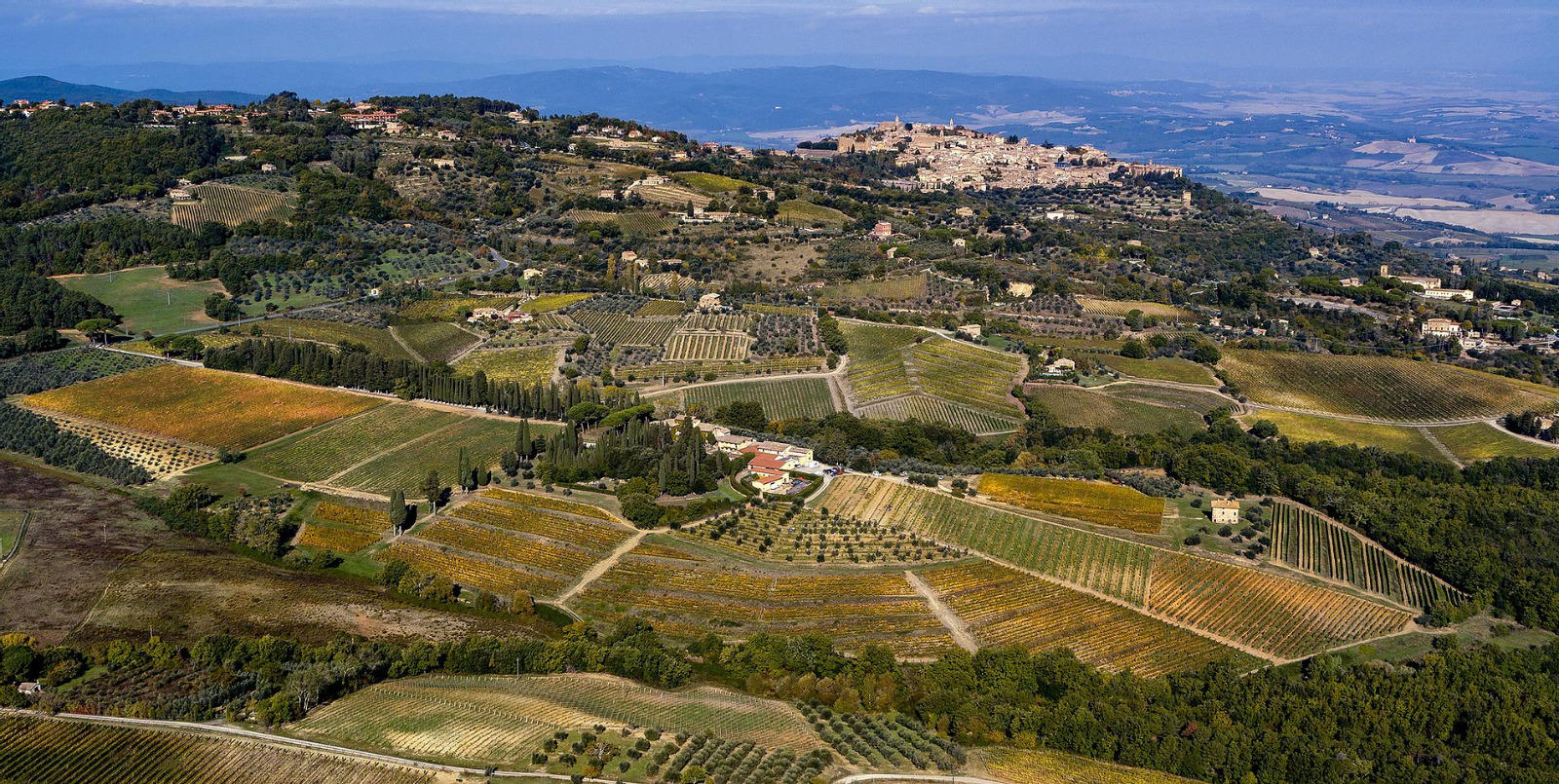
Montalcino itself gives that profile context. The town is closely associated with Brunello and Rosso, and Aisna’s positioning sits within that red-wine frame. The appeal is not breadth for its own sake. It is the quieter promise of a classic, food-friendly Tuscan style in a place where wine is the central reason to visit. Readers planning a wine-focused day should treat Aisna as a more reserved option and confirm current visiting arrangements directly before making plans.
Sangiovese Grosso, read through Montalcino soil rather than cellar gloss
The most grounded way to discuss Aisna is through its focus on Brunello and Rosso styles. Those names carry a strong Montalcino identity, and the page should not overreach beyond that. The available facts do not verify specific grapes, cellar techniques, tasting notes, aging methods, vineyard parcels, production volume, or winemaking biography. What can be said is simpler: Aisna belongs in the red-wine conversation of Montalcino, with an emphasis on classic, food-friendly expressions rather than on experimental branding or a wide beverage program.
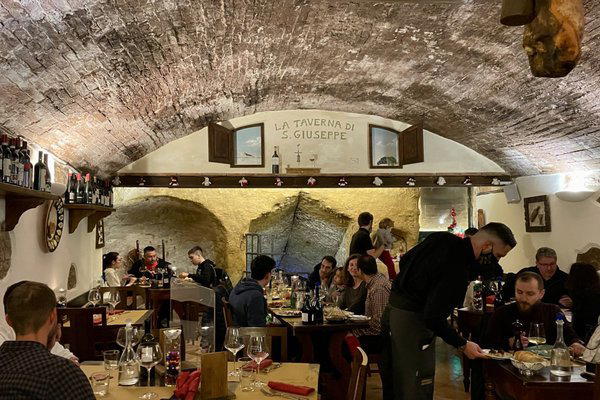
That restraint is useful for visitors. A wine stop in Montalcino can be approached in many ways: through famous estates, broader regional tastings, restaurant-led wine lists, or smaller addresses that keep the tone quiet. Aisna’s identity points toward the last of those. It is not confirmed here as a restaurant, a tasting-menu venue, or a large leisure estate. It is a Montalcino winery atmosphere, traditional in mood, and centered on red-wine production.
EP Club readers should therefore evaluate Aisna by fit rather than by extras. If the goal is a classic Tuscan red-wine context in Montalcino, the profile makes sense. If the priority is documented amenities, published hours, a confirmed food program, or a known visitor format, those details should be checked directly because they are not part of the record supplied.
A quiet tasting format in a region that rewards slower attention
Aisna’s confirmed atmosphere is quiet, classic, and hidden-gem in character. That is enough to distinguish it from more theatrical or highly public-facing wine experiences, but it is not enough to claim a specific tasting structure. Here, the reliable point is the mood: traditional Tuscan winery, calm, and focused on red wine.
That mood naturally suits a slower Montalcino itinerary. Brunello and Rosso styles are generally understood as wines for the table, and the description emphasizes food-friendly character. Still, that does not mean Aisna has a confirmed dining service or pairing menu. The better reading is editorial rather than operational: its red-wine identity is compatible with the broader Tuscan idea of wine as part of a meal, not as a standalone performance.
For context within the Montalcino wine landscape, Aisna can be considered alongside Biondi-Santi Tenuta Greppo, Valdicava Az Agr, Azienda Agricola Casanova di Neri di Giacomo Neri, Cerbaiona, and Il Poggione. Those names help frame the broader Brunello conversation without changing what is about Aisna itself: a quiet, traditional Montalcino winery profile with a red-wine focus.
How to place Aisna within a Montalcino itinerary
Aisna makes the most sense for travelers who are already building a Montalcino day around wine rather than around a general dining or nightlife plan. The confirmed identity is narrower and more useful: Aisna is a $$$ Montalcino venue with a traditional Tuscan winery atmosphere, a quiet hidden-gem feel, and a focus on classic Brunello and Rosso styles.
That means planning should be practical. Confirm current access, timing, and visit details directly before going, because this fact-check does not verify hours or reservation rules. Pair the visit with other Montalcino plans only after checking logistics.
The clean recommendation is this: choose Aisna when you want a quieter Montalcino wine stop with traditional Tuscan character and a focus on classic, food-friendly red styles. Do not choose it on the assumption of a published tasting package, a restaurant service, a specific view, or any confirmed accolade. On the facts available, its strength is modest but clear: Aisna offers a classic Montalcino winery profile without needing to be overstated.
Frequently asked questions
What should I expect atmosphere-wise at Aisna?
Expect a quiet, traditional Tuscan winery atmosphere in Montalcino, centered on red-wine production and classic, food-friendly Brunello and Rosso styles.
What's Aisna's location?
Aisna is in Montalcino.
What's the cost level for Aisna?
Pricing at Aisna is listed as $$$.
Why do people go to Aisna?
People choose Aisna for a calm Montalcino winery atmosphere and a focus on classic Brunello and Rosso styles. The profile is quiet, traditional, and red-wine centered.
Do I need a reservation for Aisna?
The information supplied for Aisna does not confirm a reservation policy. Check directly before planning a visit.
When does Aisna make the most sense to choose?
Aisna makes sense when the goal is a quiet, traditional Montalcino wine stop focused on classic, food-friendly red styles rather than a broad hospitality or dining experience.
Comparable Spots, Quickly
Comparable venues by cuisine and price in the same metro.
| Venue | Price | Awards |
|---|---|---|
| AisnaThis venue (the venue you are viewing) | Not listed | Falstaff Winery - Listed |
| Biondi-Santi Tenuta Greppo | Not listed | Falstaff Winery - 5 Stars |
| Azienda Agricola Casanova di Neri di Giacomo Neri | Not listed | World's 50 Best #87 · Falstaff Winery - 5 Stars |
| Cerbaiona | Not listed | Falstaff Winery - Listed |
| Il Poggione | $50–100 | Falstaff Winery - 4 Stars |
Recognition history
Dated appearances from independent guides and award organizations, with the underlying list record or original source where available.
Falstaff Winery - Listed
Falstaff
Request a visit to Aisna
Tell us when you would like to go and how many people, and we put the request to the estate and reply to you by email.
Continue exploring
More in Montalcino
Wineries in Montalcino
All wineries in Montalcino →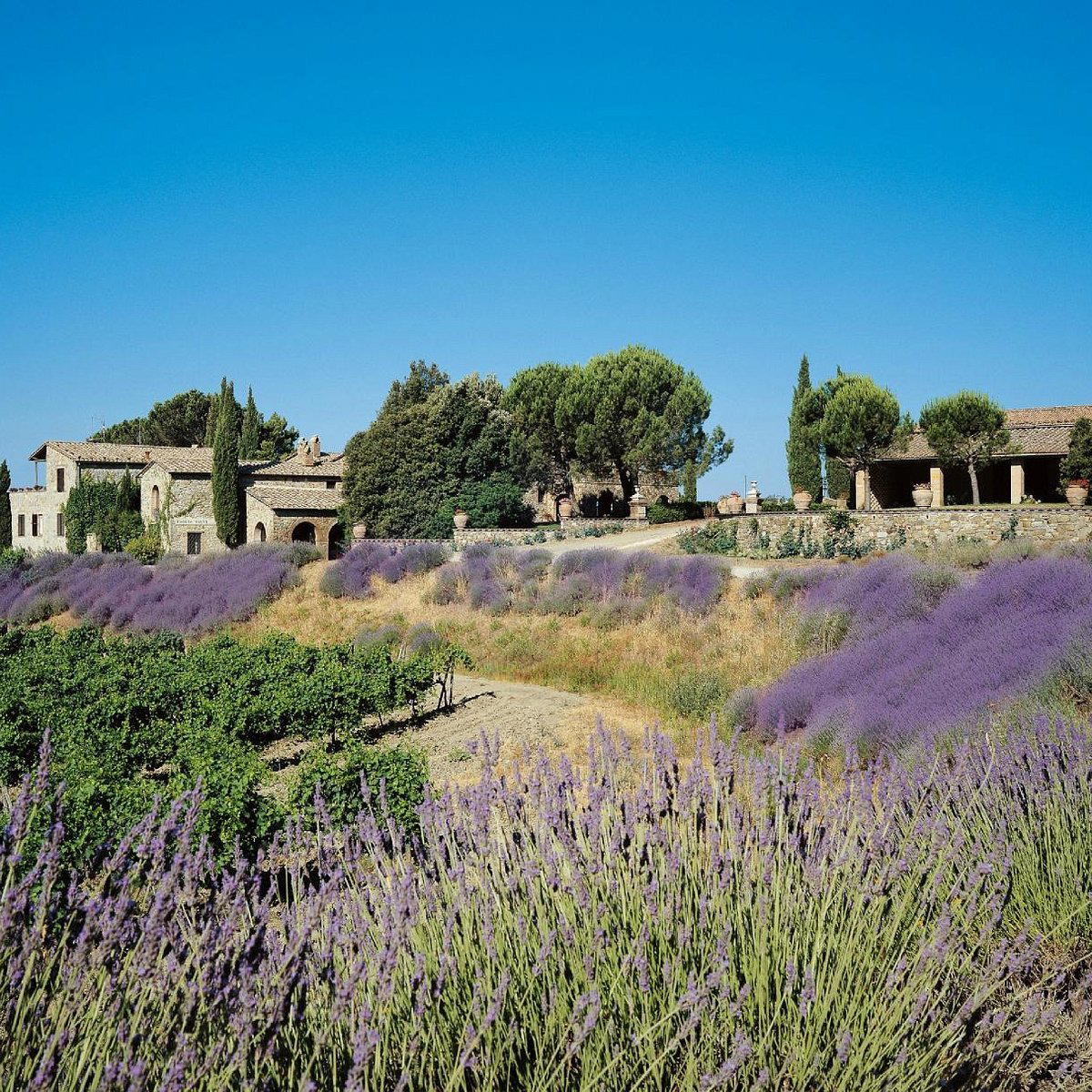
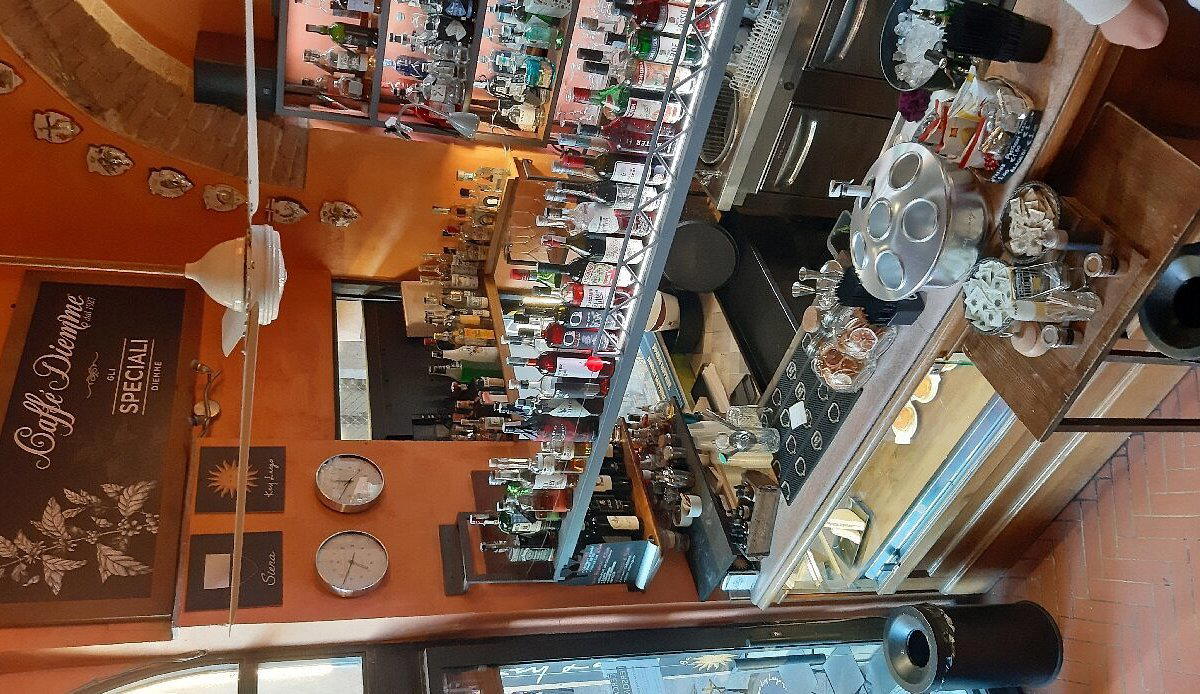
Bars in Montalcino
All bars in Montalcino →

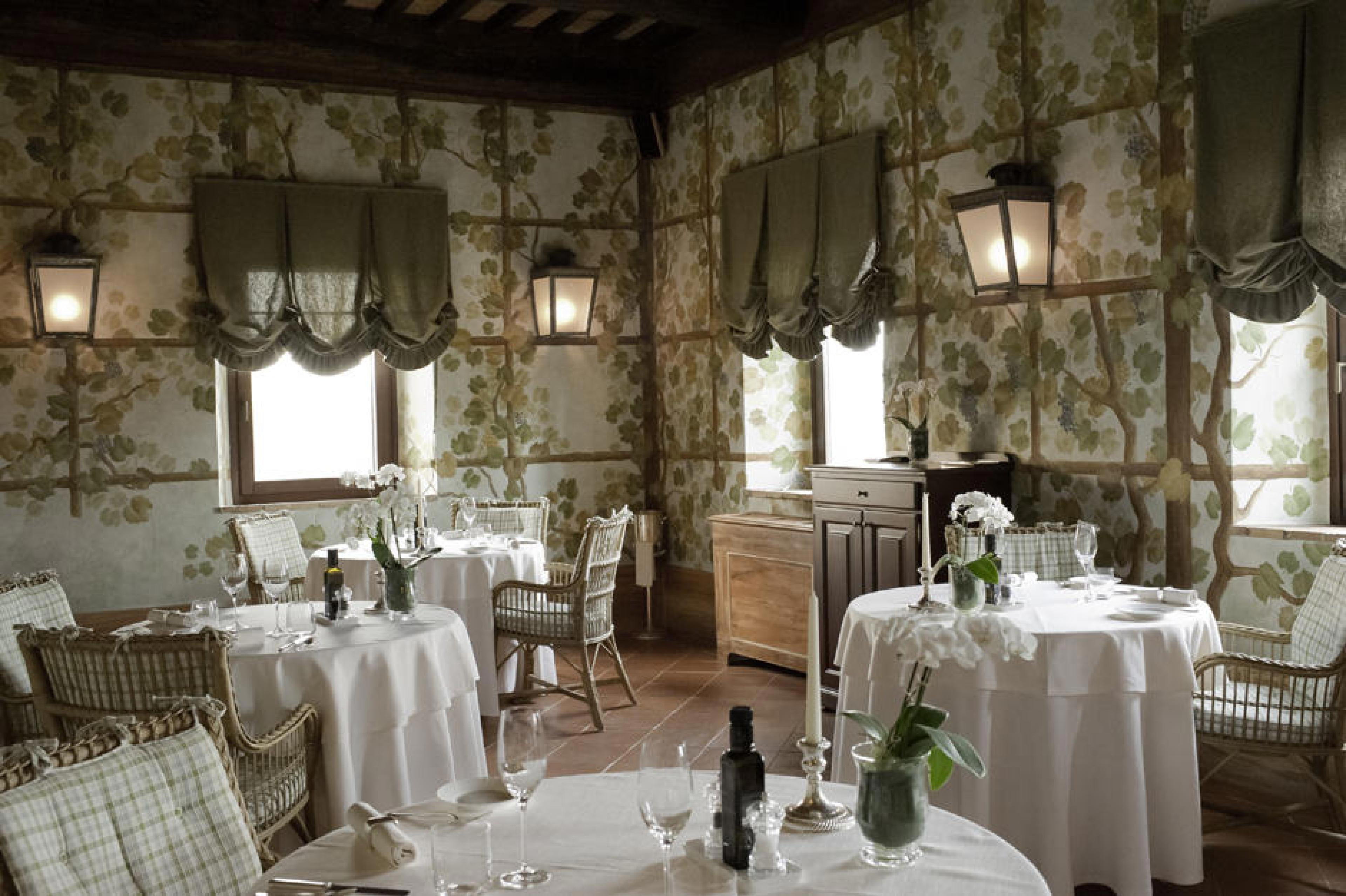
Restaurants in Montalcino
All restaurants in Montalcino →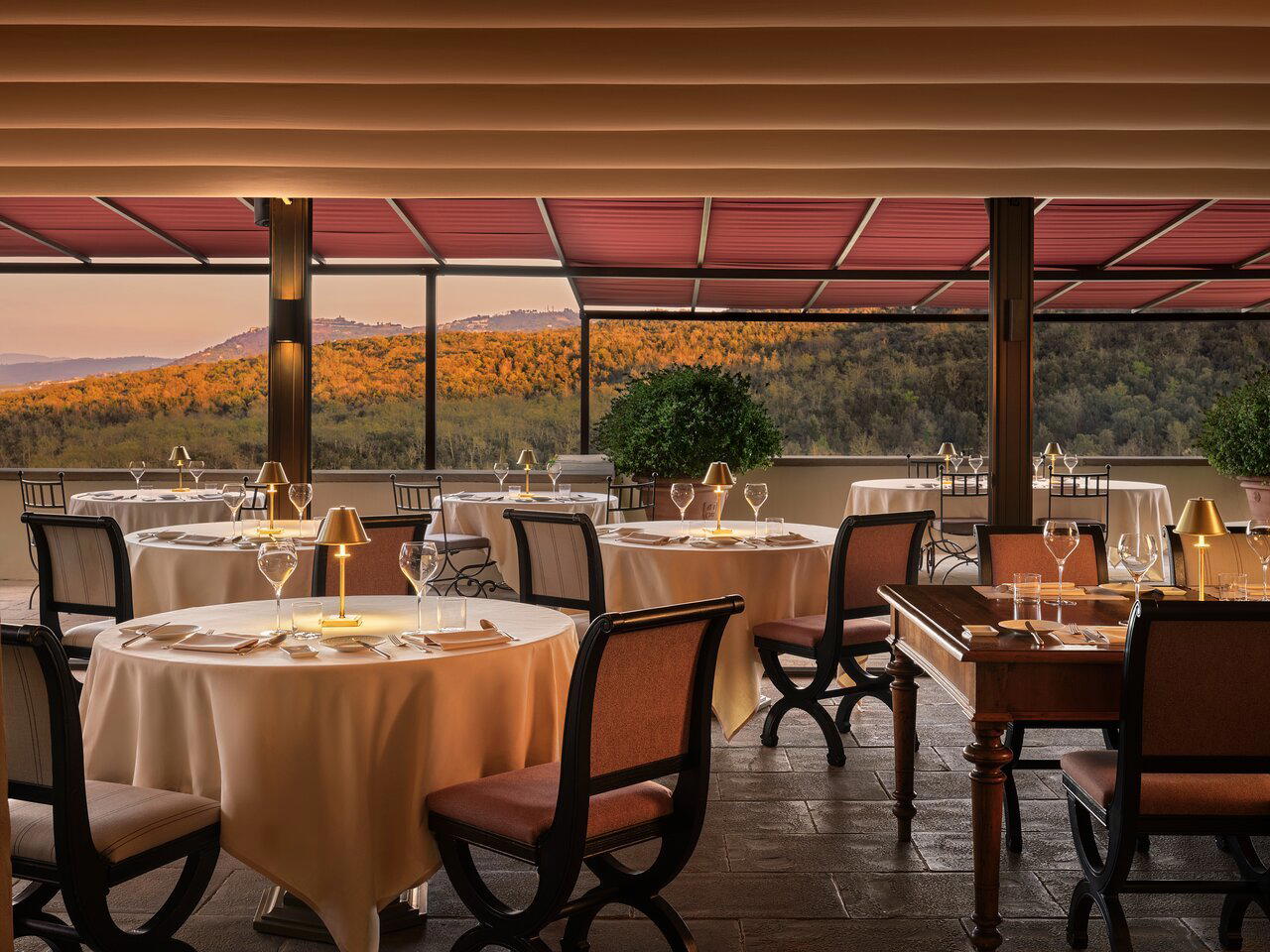
Details
- Classic
- Quiet
- Wine Education
- Solo Exploration
- Special Occasion
- Vineyard
- Sangiovese Grosso
- Still Red
- Bottle Sales
- Wine Tasting
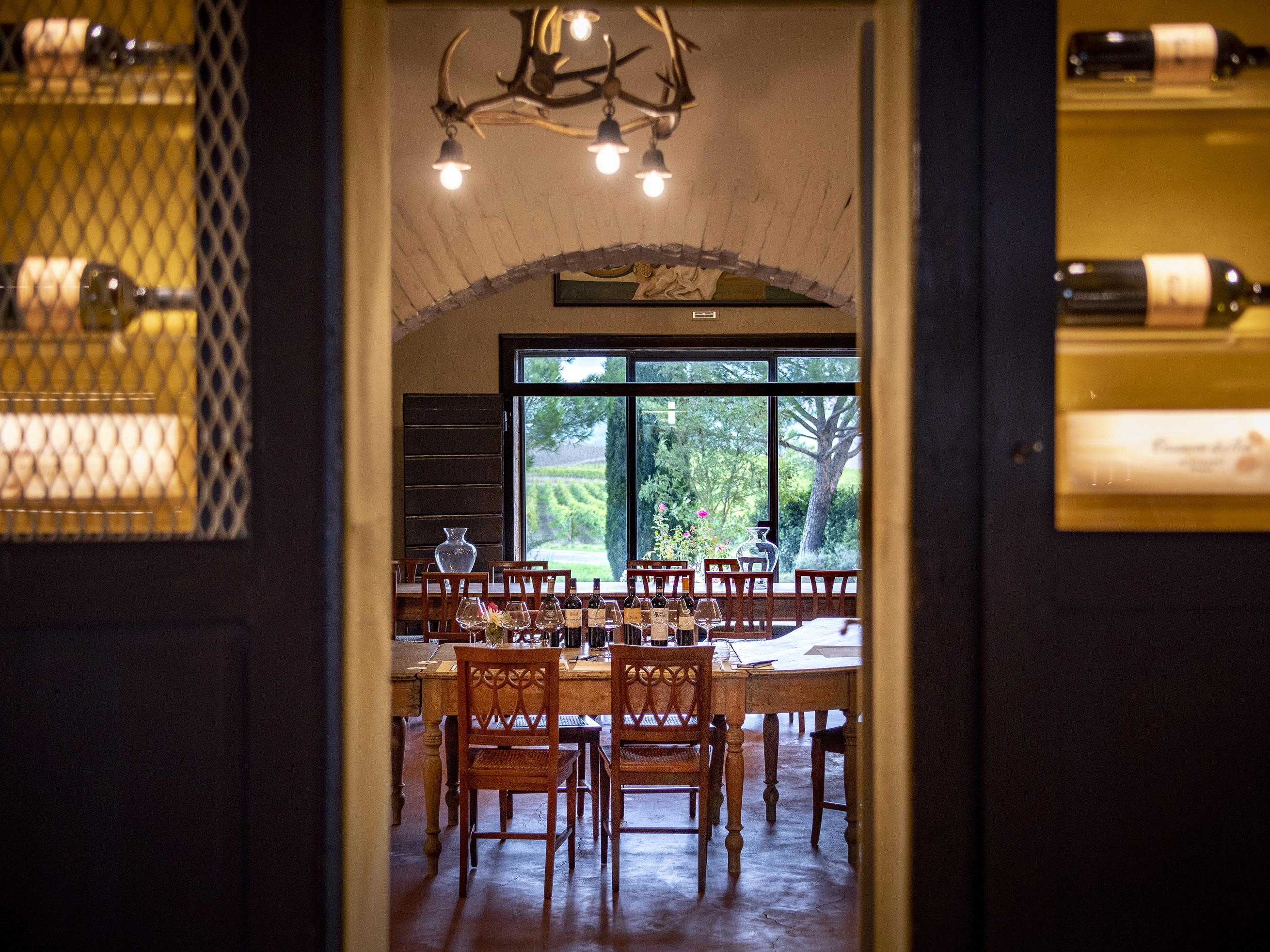
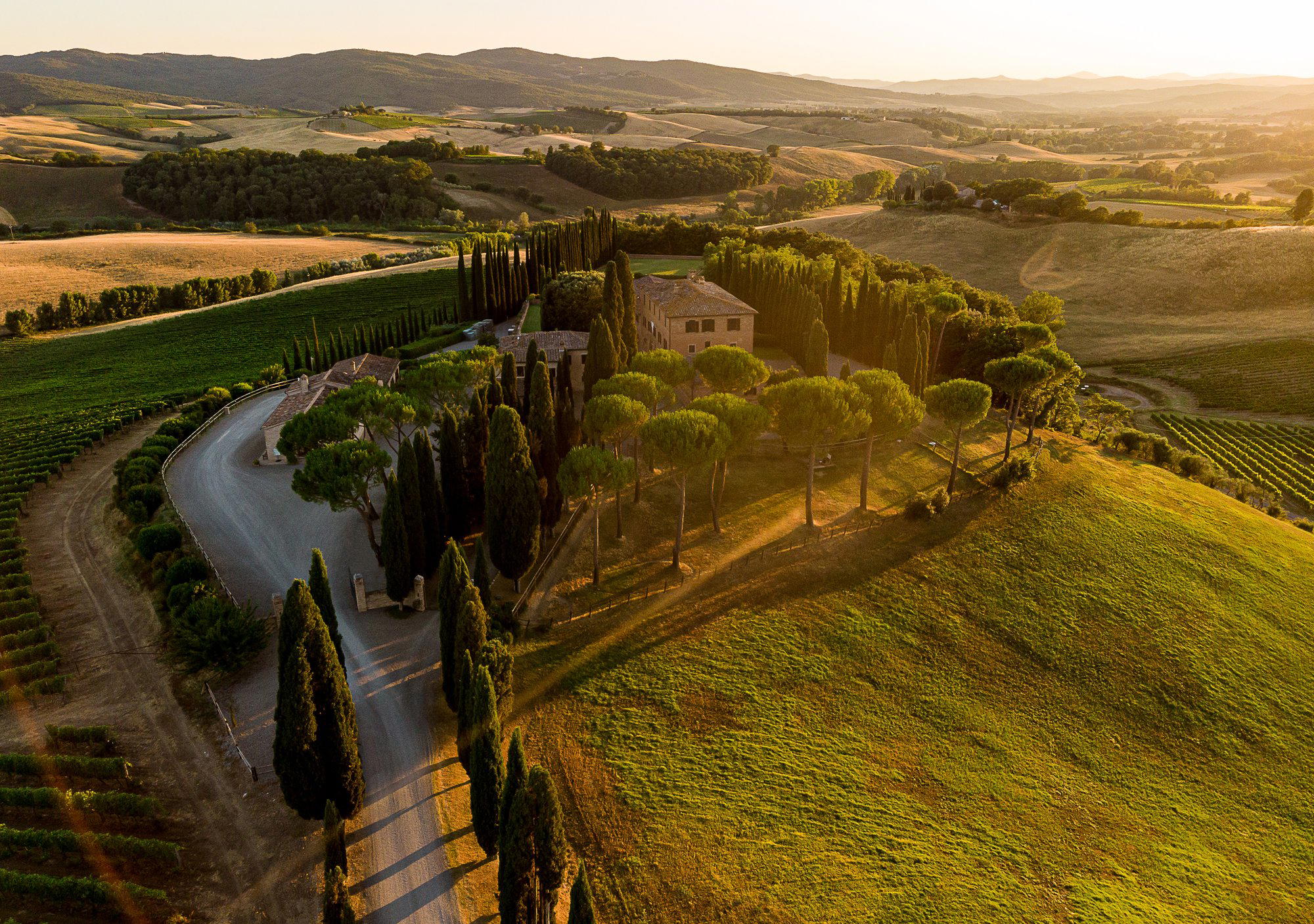
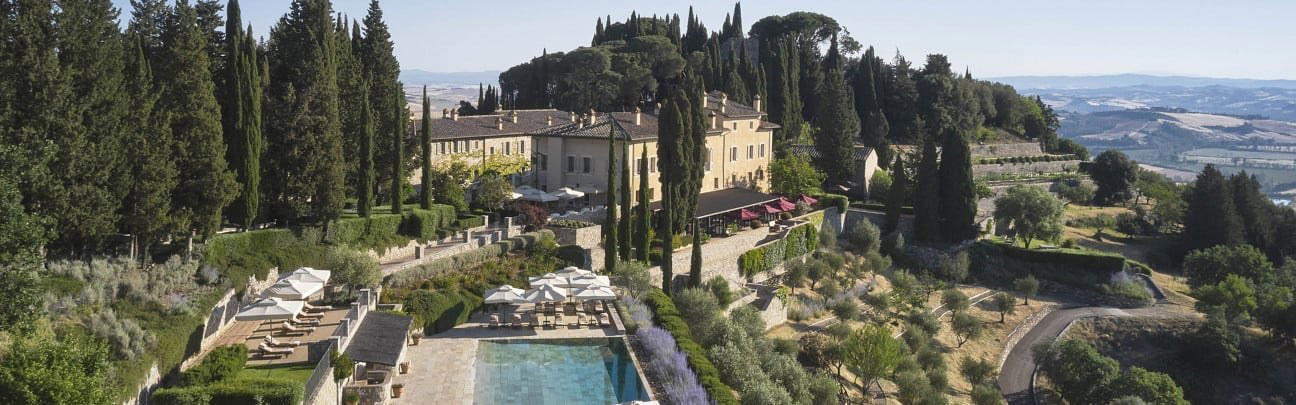
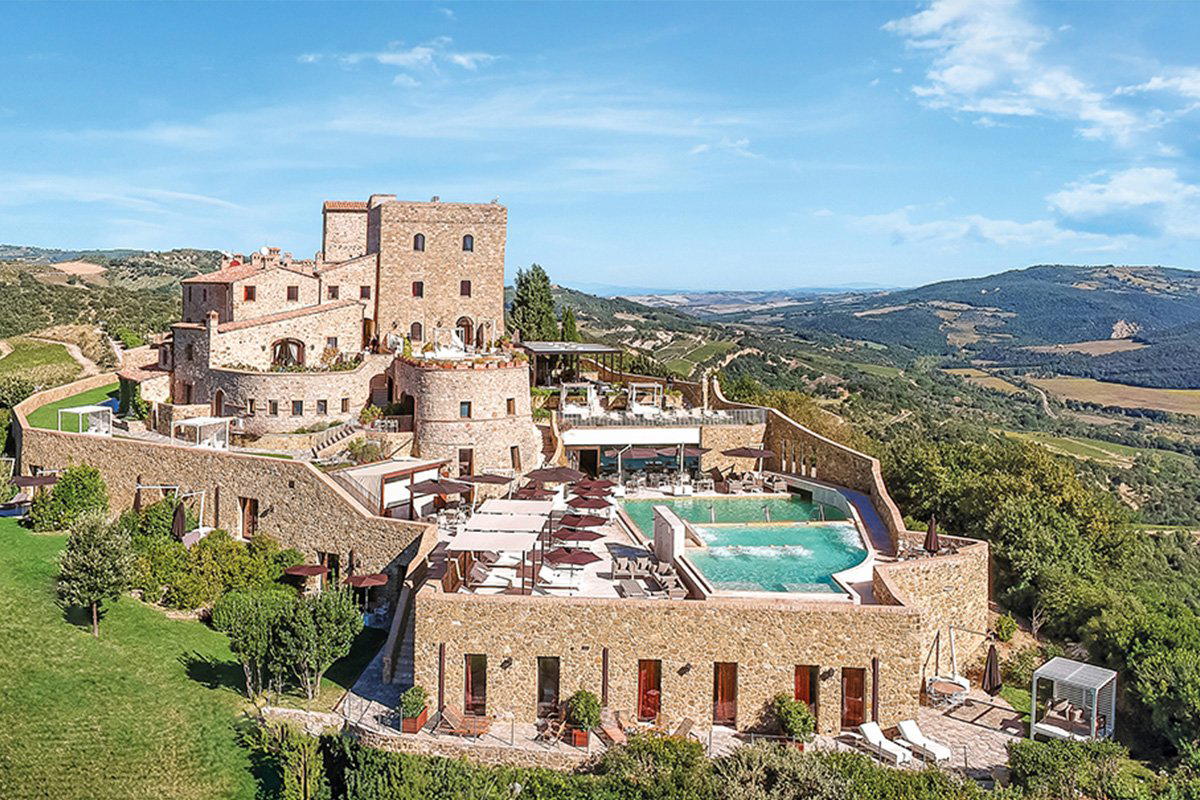
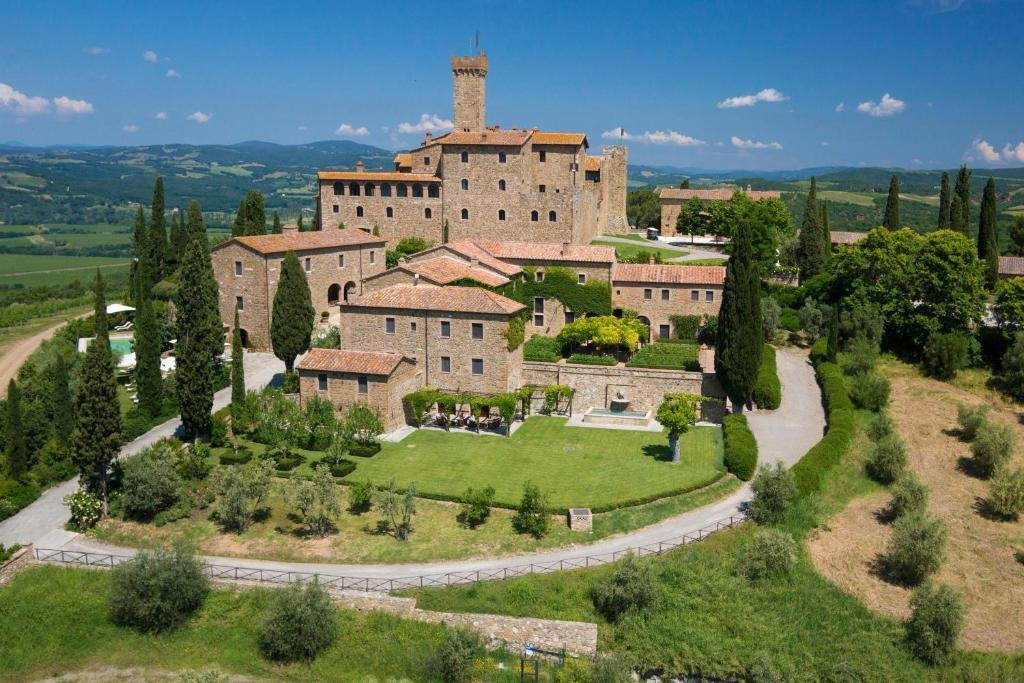
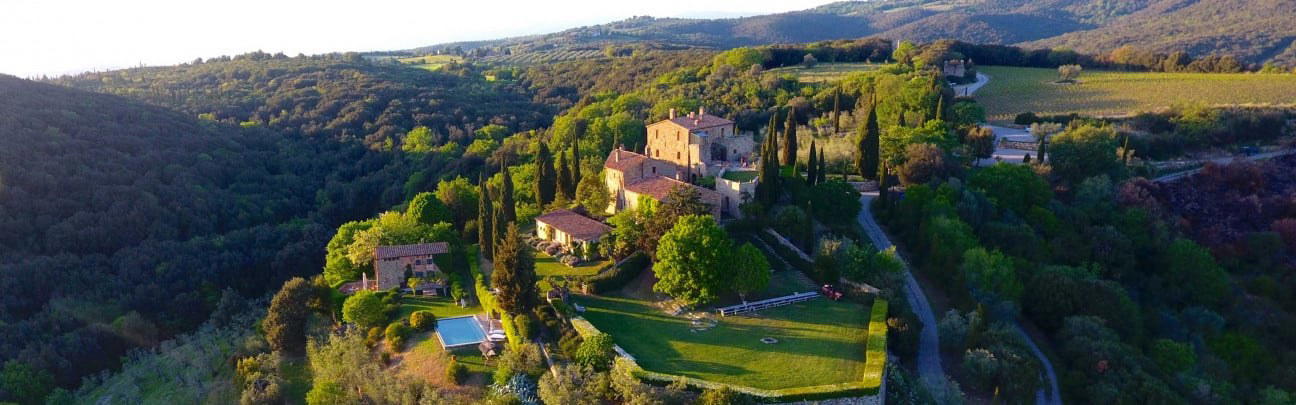
Traditional Tuscan winery atmosphere centered on red-wine production, with a focus on classic, food-friendly Brunello and Rosso styles.