Greenock Creek Wines

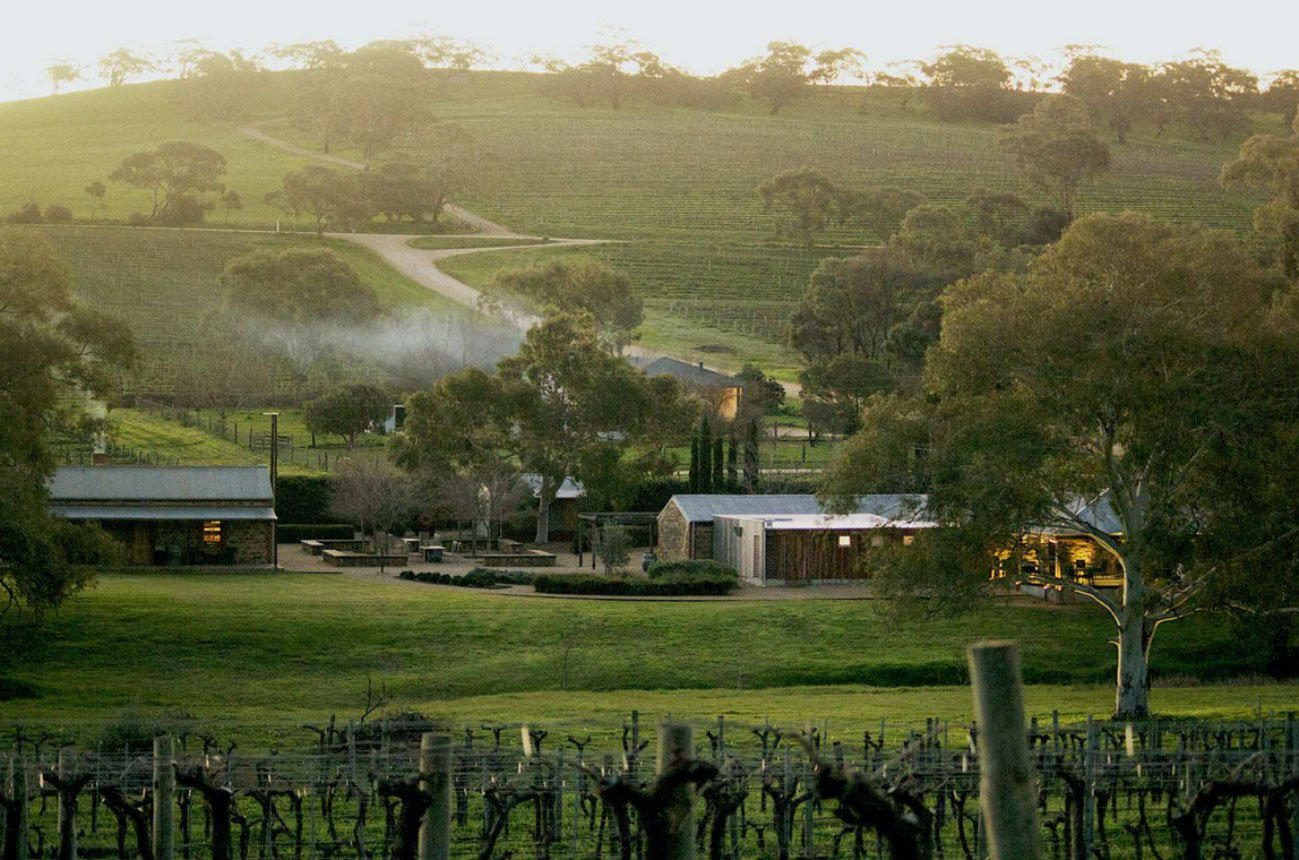
Greenock Creek Wines sits on Seppeltsfield Road in the Marananga subregion of the Barossa Valley. The address places it among the Barossa's most concentrated stretch of premium producers, where old-vine Shiraz and Grenache dominate both the vineyards and the conversation. Visitors arrive for wines that reflect the Barossa's particular argument for concentration and site fidelity.
Pearl is the En Primeur Club membership app — saves, bookings, and concierge access live there. Same editors, same standards.
- Address
- 450 Seppeltsfield Rd, Marananga SA 5355
- Phone
- +61 8 8562 8103
- Website
- greenockcreekwines.com.au
- Directions
- Get directions
 Saves & bookings on Pearl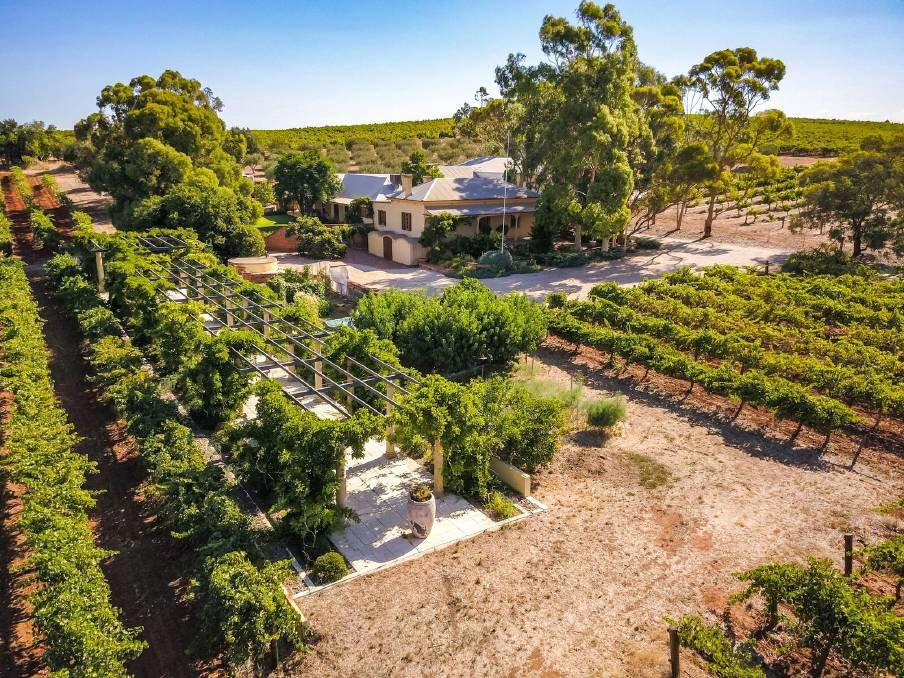
Seppeltsfield Road and the Logic of the Marananga Corridor
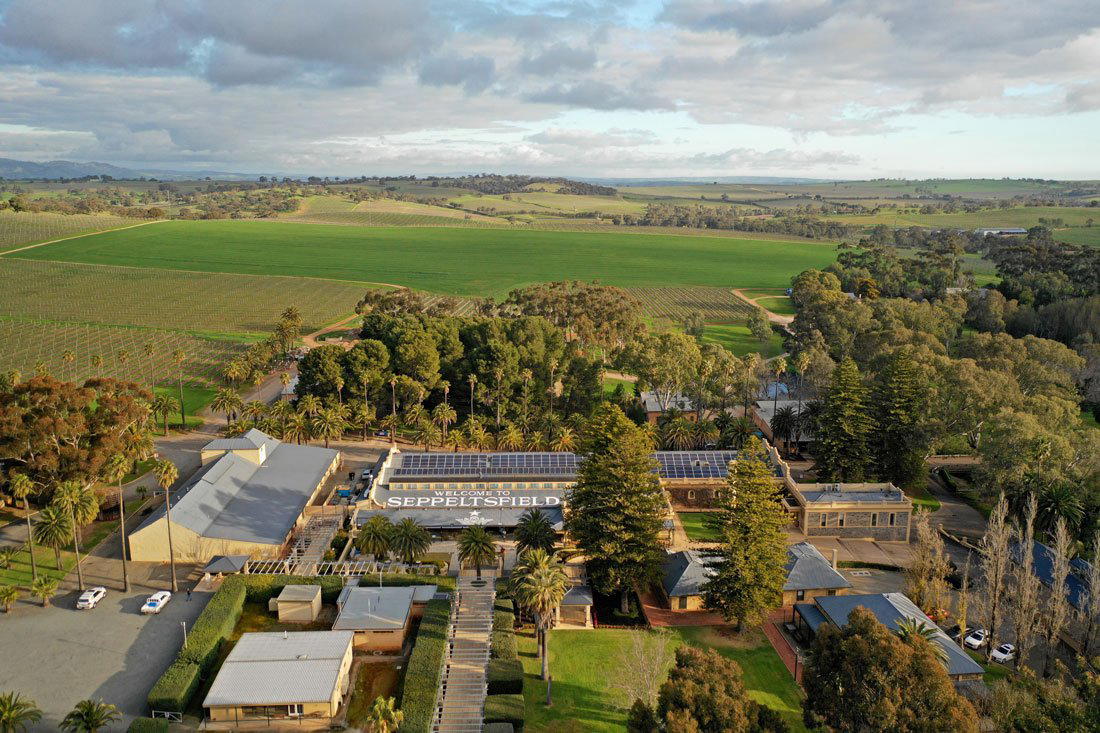
There is a stretch of road in the Barossa Valley that functions less like a route and more like an argument. Seppeltsfield Road through Marananga concentrates some of the region's most historically weighted producers within a few kilometres, and arriving at 450 Seppeltsfield Rd places you inside that argument whether you intend to engage with it or not. The avenue of date palms, the low-slung stone walls, the sense that the vines here have been doing the same thing for well over a century: these are not incidental to the Barossa's premium identity, they are the premise of it. Greenock Creek Wines operates from within this corridor, and that address alone signals a particular competitive set.
The Marananga pocket sits in the western Barossa, where the soils tend toward sandy loam over clay and the diurnal temperature range is less dramatic than the Eden Valley to the east. These conditions have historically produced wines with more immediate generosity, deeper colour, and the kind of fruit concentration that defined the Barossa's international reputation through the 1990s and into the 2000s. That style remains contested in wine criticism, but the producers who built their identities around it have not retreated. Comparable Barossa addresses with sustained critical recognition include Charles Melton Wines and Elderton, both of which have built long-form reputations on old-vine material from similar subregional positions.
The Barossa Prestige Tier and Where Greenock Creek Sits Within It
The Barossa's premium category has never been fully unified. At one end, large-volume operations like Jacob's Creek and Grant Burge maintain broad distribution and recognisable brand equity across export markets. At the other, a smaller cohort of allocation-driven producers with constrained output and site-specific sourcing operates on a different logic entirely.
This distinction matters practically. A visitor planning a Barossa itinerary around prestige producers will encounter a different set of conditions at this tier than at volume-oriented estates. Tastings may be appointment-based, visitor numbers are typically lower, and the conversation at the cellar door tends to be more granular about specific blocks, vintages, and vine age. For those building a regional picture by visiting multiple addresses, pairing a stop at Greenock Creek with peers like Château Tanunda or Charles Melton Wines provides useful contrast across scale and philosophy within the same general geography.
Beyond the Barossa, the broader South Australian premium wine conversation connects Greenock Creek to producers working in related frameworks. Bird in Hand in the Adelaide Hills and Angove Family Winemakers in Renmark represent different regional expressions within the same state, useful reference points for understanding how site and climate variation shapes output across South Australia's wine geography.
Dining, Pairing, and the Cellar Door as a Culinary Encounter
The editorial angle on Barossa cellar doors has shifted considerably in the past decade. Where visits were once primarily transactional, the better producers now treat the tasting experience as a food and wine encounter, not merely a wine evaluation. This shift has been driven in part by the success of the broader Barossa food culture, which has developed serious restaurant infrastructure capable of supporting multi-day visits. The region's cuisine draws on the German settler legacy, with charcuterie, cured meats, and bread traditions that sit naturally alongside the valley's full-bodied reds.
At the prestige tier, the expectation is that wine service will be calibrated to show wines in the leading possible context. For a producer with Greenock Creek's positioning, this typically means that visits are structured around understanding the wines rather than moving through them quickly. Old-vine Shiraz of the kind associated with Marananga addresses benefits from being tasted with food: the wine's tannin structure and fruit density interact differently with fat and protein than in an isolated glass. Producers at this level who offer any form of food accompaniment, whether formal or informal, are responding to a real consideration about how their wine communicates.
The Barossa food scene has also matured to a point where winery visits and restaurant bookings can be planned as a coherent day. The concentration of producers along Seppeltsfield Road means that a morning of cellar door visits followed by lunch at one of the valley's better restaurants constitutes a genuine food and wine programme rather than a loosely connected series of stops. For a full account of dining options across the valley, the EP Club Barossa Valley guide maps the region's restaurants, cellar doors, and hospitality anchors in detail.
Regional Comparisons Worth Making
Understanding a producer like Greenock Creek is partly a matter of knowing what else to compare it against, both within Australia and internationally. Within Victoria, Bass Phillip in Gippsland and Leading's Wines in Great Western represent allocation-driven producers with sustained critical records in cooler-climate categories, a useful counterpoint to the Barossa's warmer-site argument. In Rutherglen, All Saints Estate offers a comparison in terms of heritage positioning and visitor experience at an established family property.
Internationally, the closest analogues to the Barossa's prestige Shiraz tier are found in the Northern Rhône, where site-specific Syrah from small producers commands allocation lists and critical attention that outpaces their output. The comparison is imperfect in terms of style, but the structural logic is similar: limited production, old vine material, and a defined regional identity that resists easy replication elsewhere. In Napa, Accendo Cellars in St. Helena operates in a comparable prestige niche within a different varietal tradition. Even across categories, the allocation dynamic at a producer like Greenock Creek has more in common with a tightly held Napa Cabernet house than with a mid-tier Barossa volume producer.
For those whose interest extends beyond wine to other premium beverage categories, Archie Rose Distilling Co in Sydney and Aberlour in Aberlour represent comparable prestige-tier thinking applied to spirits, where provenance and production discipline function as analogous signals to the vine age and site specificity that define the Barossa's leading producers. And for a European reference point in a different wine category, Blue Pyrenees Estate in the Pyrenees shows how Australian producers across multiple regions have built individual prestige identities outside the dominant varietal conversations.
Planning a Visit
Greenock Creek Wines is located at 450 Seppeltsfield Rd, Marananga, in the western Barossa. The address sits within easy reach of the cluster of producers along Seppeltsfield Road, making it a natural inclusion in any itinerary that also covers Charles Melton Wines or Elderton. Specific hours, contact details, and current visitor arrangements are best confirmed through the winery directly.
The Barossa Valley is approximately 70 kilometres north of Adelaide by road, and most visitors base themselves in Tanunda or Nuriootpa if staying overnight. The western Barossa, including Marananga, is leading approached with a car; public transport links to this part of the valley are limited. Spring and autumn are the seasons that attract the most wine-focused visitors, autumn coinciding with harvest activity that adds context to any cellar door visit. Summer heat in the Barossa can be significant, and tastings of full-bodied reds require some consideration of palate fatigue over a long day of visits.
Recognition history
Dated appearances from independent guides and award organizations, with the underlying list record or original source where available.
Falstaff Winery - Listed
Falstaff
Continue exploring
More in Barossa Valley
Wineries in Barossa Valley
Browse all →
Bars in Barossa Valley
Browse all →
Restaurants in Barossa Valley
Browse all →
At a Glance
- Rustic
- Scenic
- Intimate
- Classic
- Wine Education
- Solo Exploration
- Estate Grounds
- Sustainable
- Dry Farmed
- Vineyard
- Barossa Valley
- Shiraz
- Cabernet Sauvignon
- Grenache
- Mataro
- Still Red
- Seated Tasting
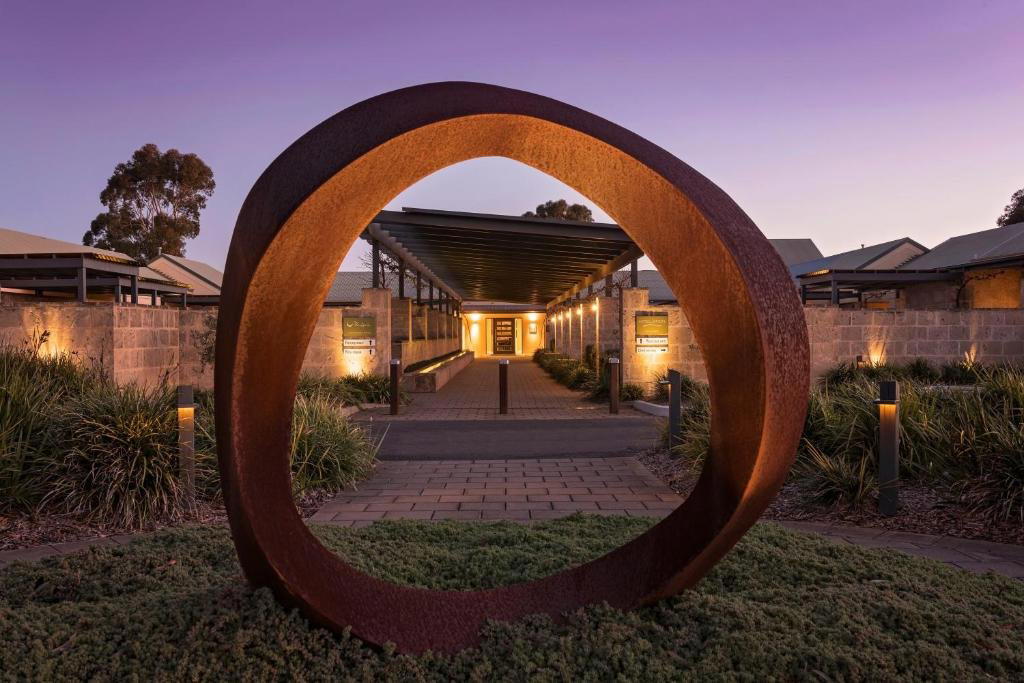
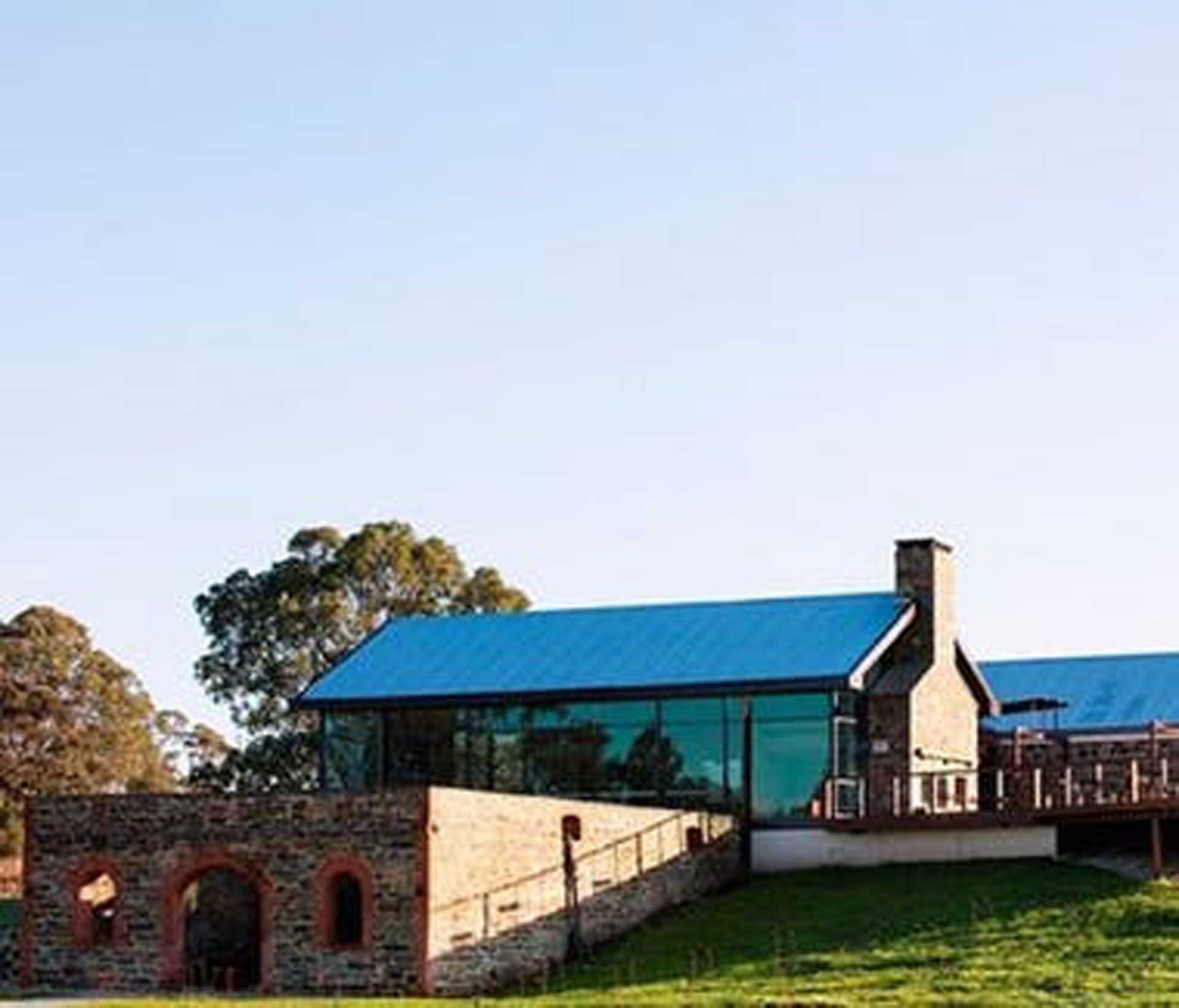
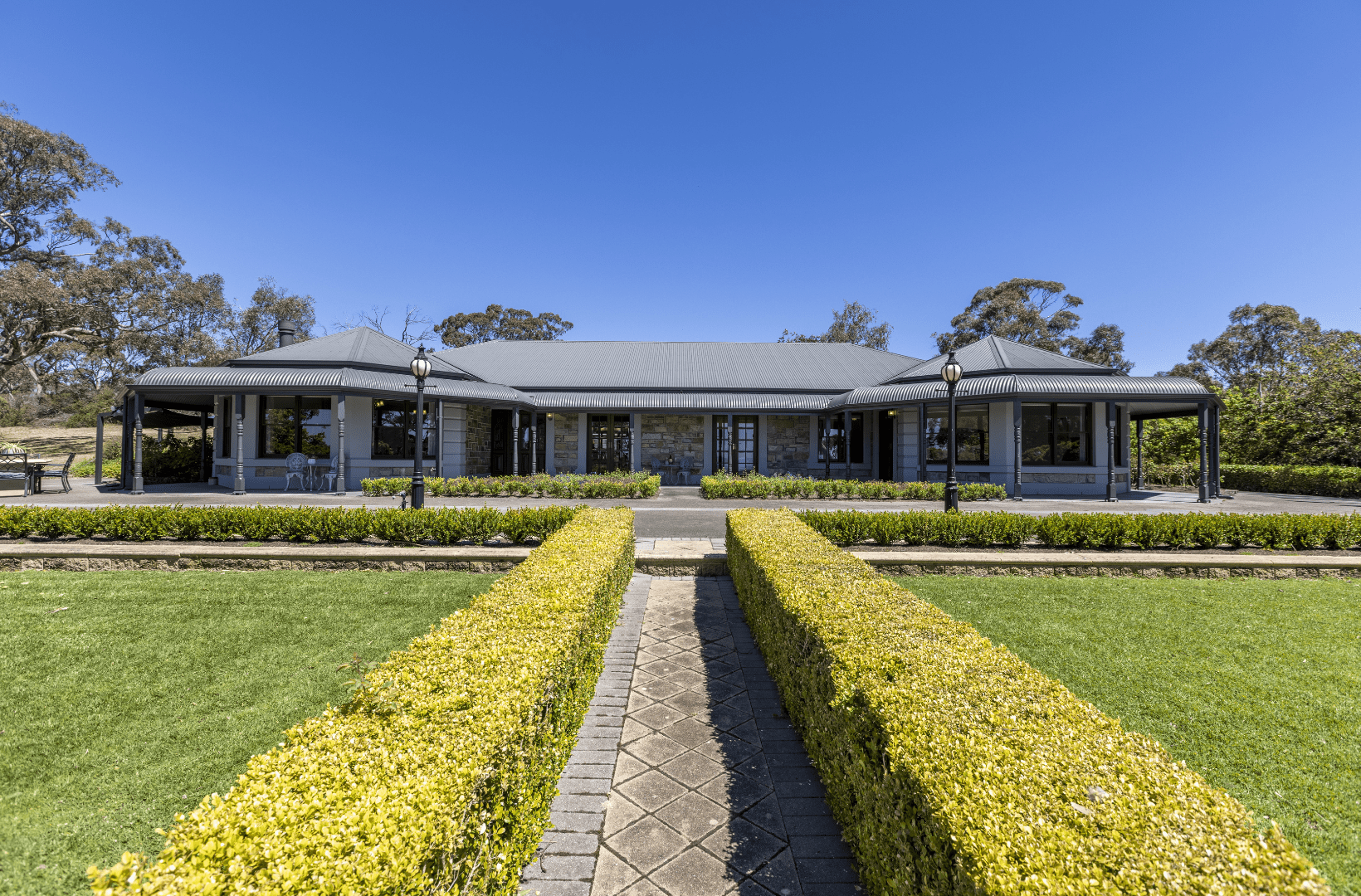
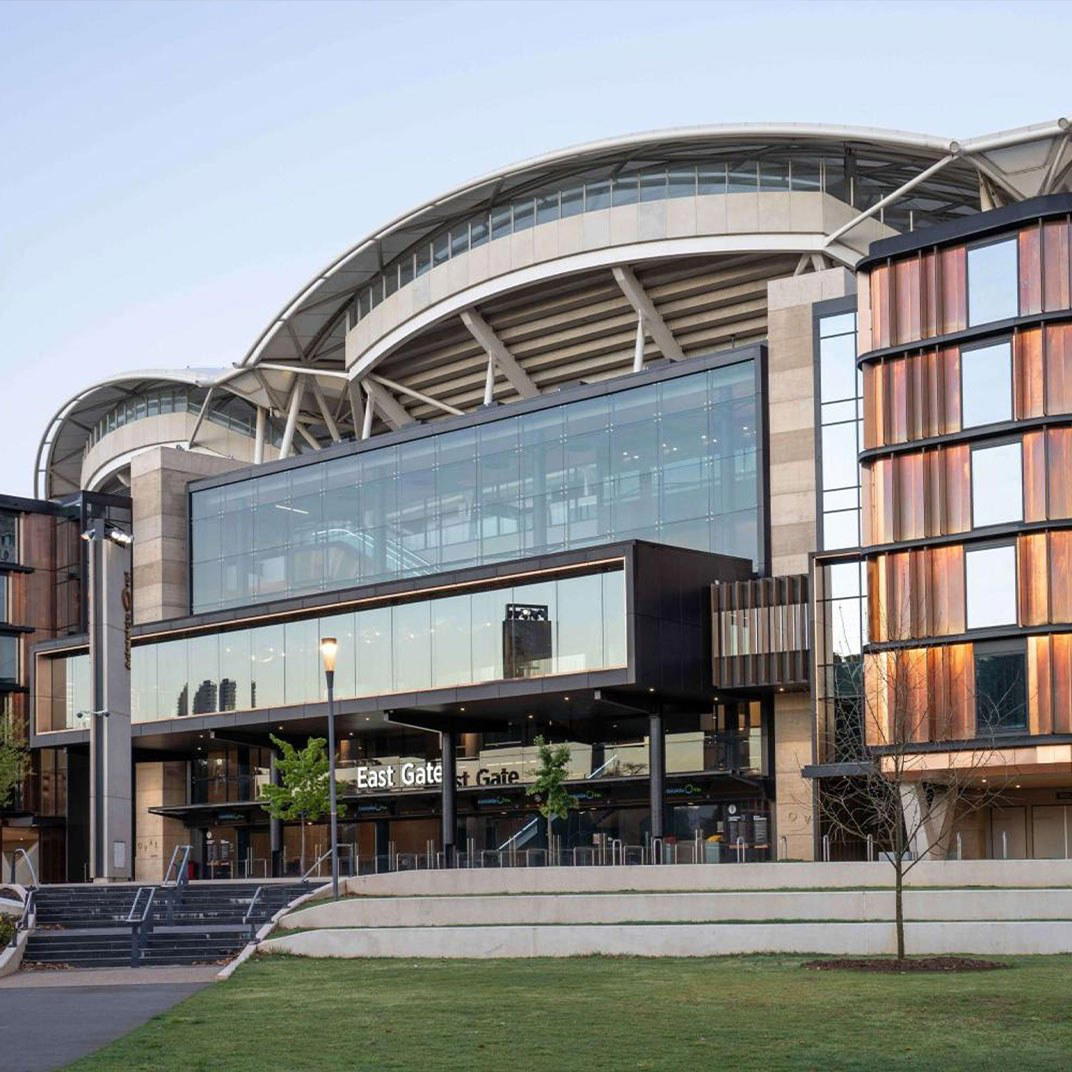
Warm, rustic cellar door with timber finishes, offering a cozy and welcoming atmosphere amid the classic Barossa landscape of rolling hills and vineyards.
Know Before You Go
- Getting there
- 450 Seppeltsfield Rd, Marananga SA 5355