Rockford

Rockford is a Barossa Valley winery on Krondorf Road, Tanunda. Operating within the Barossa's tradition of old-vine Shiraz and estate-driven production, Rockford occupies a distinct tier among the valley's most closely followed small producers, valued for restraint and long-cellaring potential.
Pearl is the En Primeur Club membership app — saves, bookings, and concierge access live there. Same editors, same standards.
- Address
- 131 Krondorf Rd, Tanunda SA 5352
- Phone
- +61 8 8563 2720
- Website
- rockfordwines.com.au
- Directions
- Get directions
 Saves & bookings on Pearl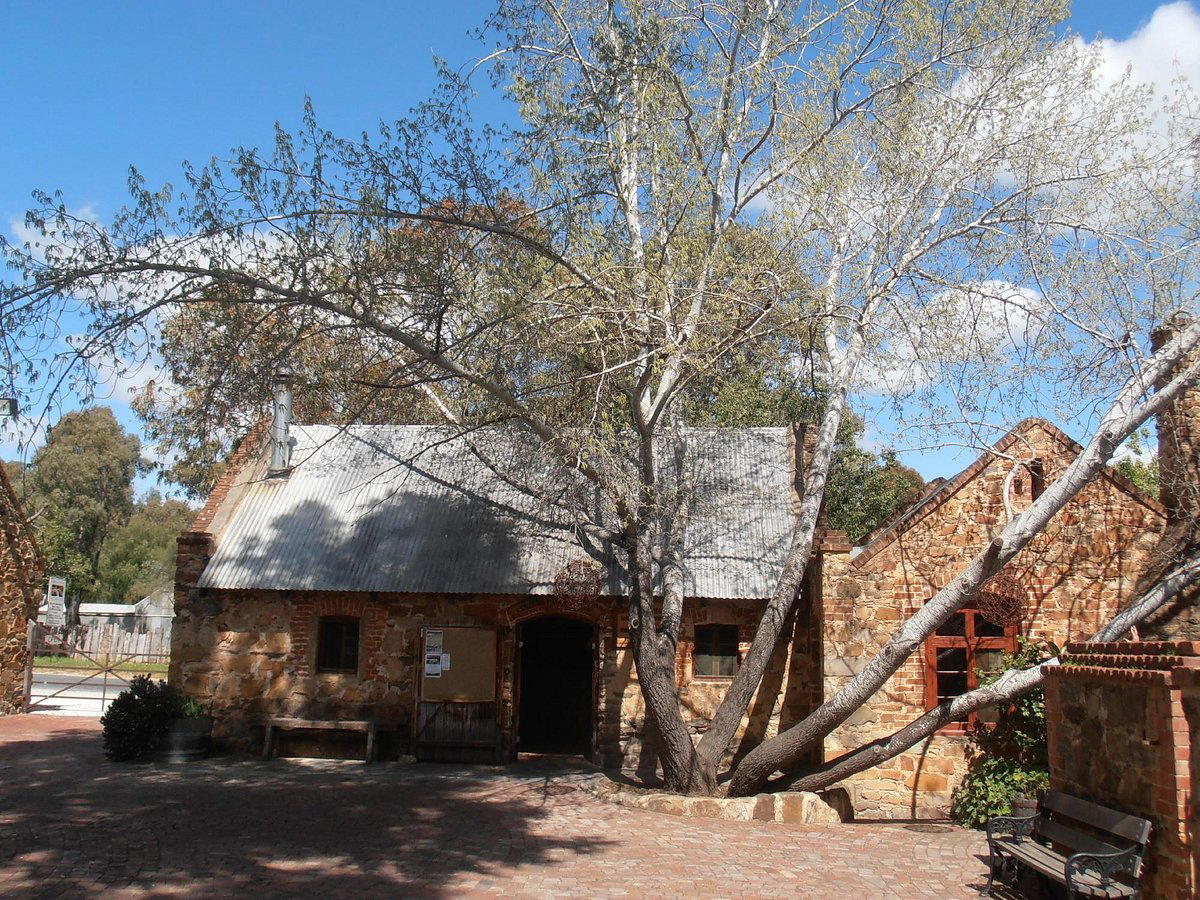
Old Vines, Quiet Authority: Rockford in the Barossa Valley
There is a particular stillness that settles over the older corners of the Barossa Valley, where stone buildings sit low against red-clay rises and the vines have been in the ground long enough to need no introduction. Krondorf Road, Tanunda, is one of those corners. Rockford sits at 131 Krondorf Road, and the address alone carries weight among serious Australian wine collectors. The winery occupies a position in the Barossa's hierarchy that has less to do with volume or visibility and more to do with the kind of trust that accumulates slowly, across decades of consistent, disciplined production.
That designation is not handed out on reputation alone; it reflects a sustained standard that puts Rockford in direct comparison with the valley's most carefully followed names.
The Barossa's Small-Producer Tradition
To understand where Rockford sits, it helps to understand what the Barossa Valley's premium tier actually looks like from the inside. The region built its international reputation largely on Shiraz: old-vine material, often dry-grown, with the structural depth to age for fifteen to twenty-five years without losing its core. Over the past three decades, a split has formed between large-scale production houses that use the Barossa name as a broad regional identity and smaller estate operations that treat individual vineyard sources as the primary asset. Rockford belongs firmly in the latter category.
Small-production Barossa houses operate on allocation logic rather than open-market availability. Mailing lists, cellar-door priorities, and long-standing wholesale relationships govern who actually gets access to the wines. This is a consistent feature of the upper end of Australian estate production, visible not only in the Barossa but also at producers like Bass Phillip in Gippsland and Leading's Wines in Great Western, where scarcity is structural rather than manufactured. Rockford follows this same model, and for first-time visitors, the cellar door at Tanunda is the most reliable point of access to the full range.
At the Cellar Door
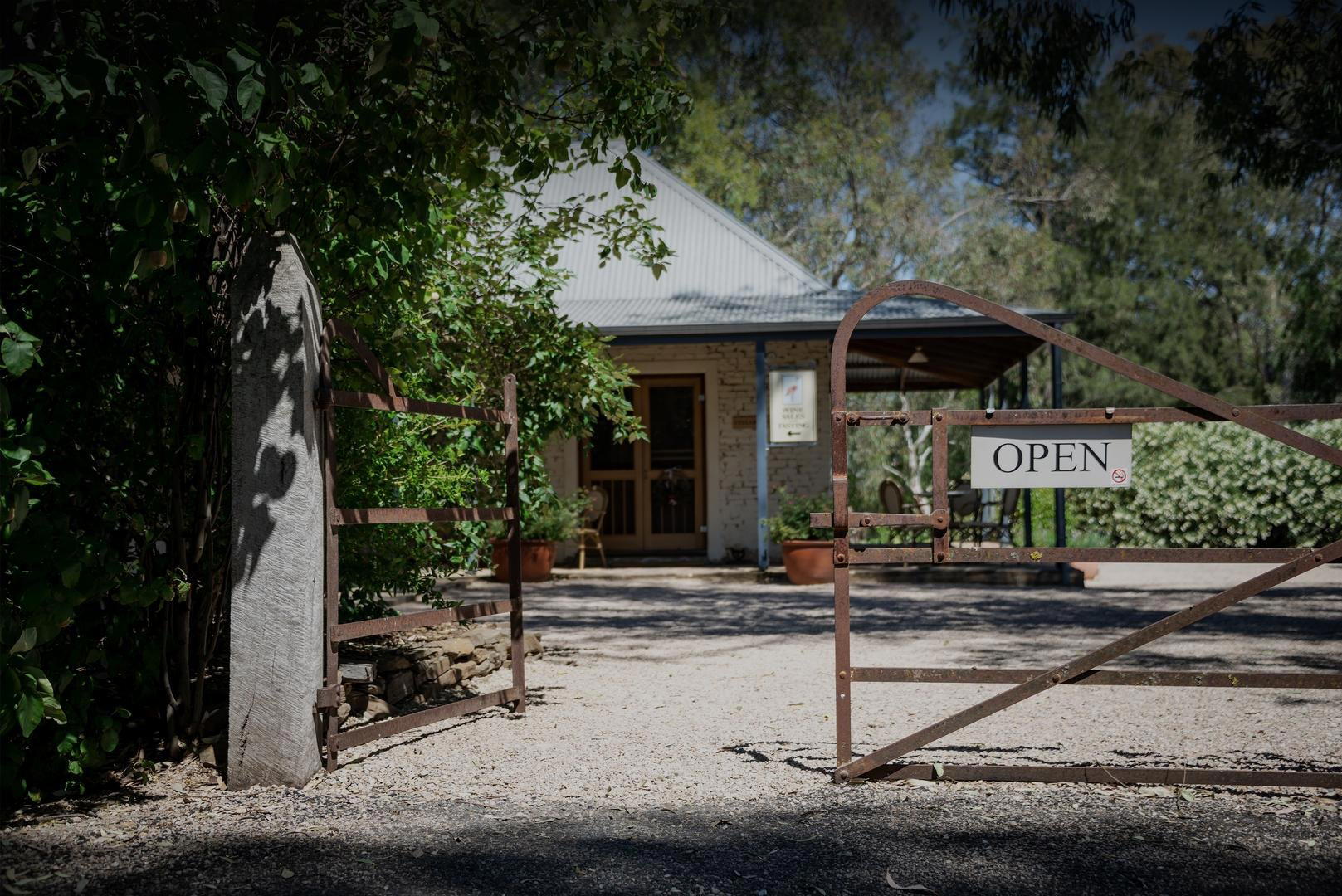
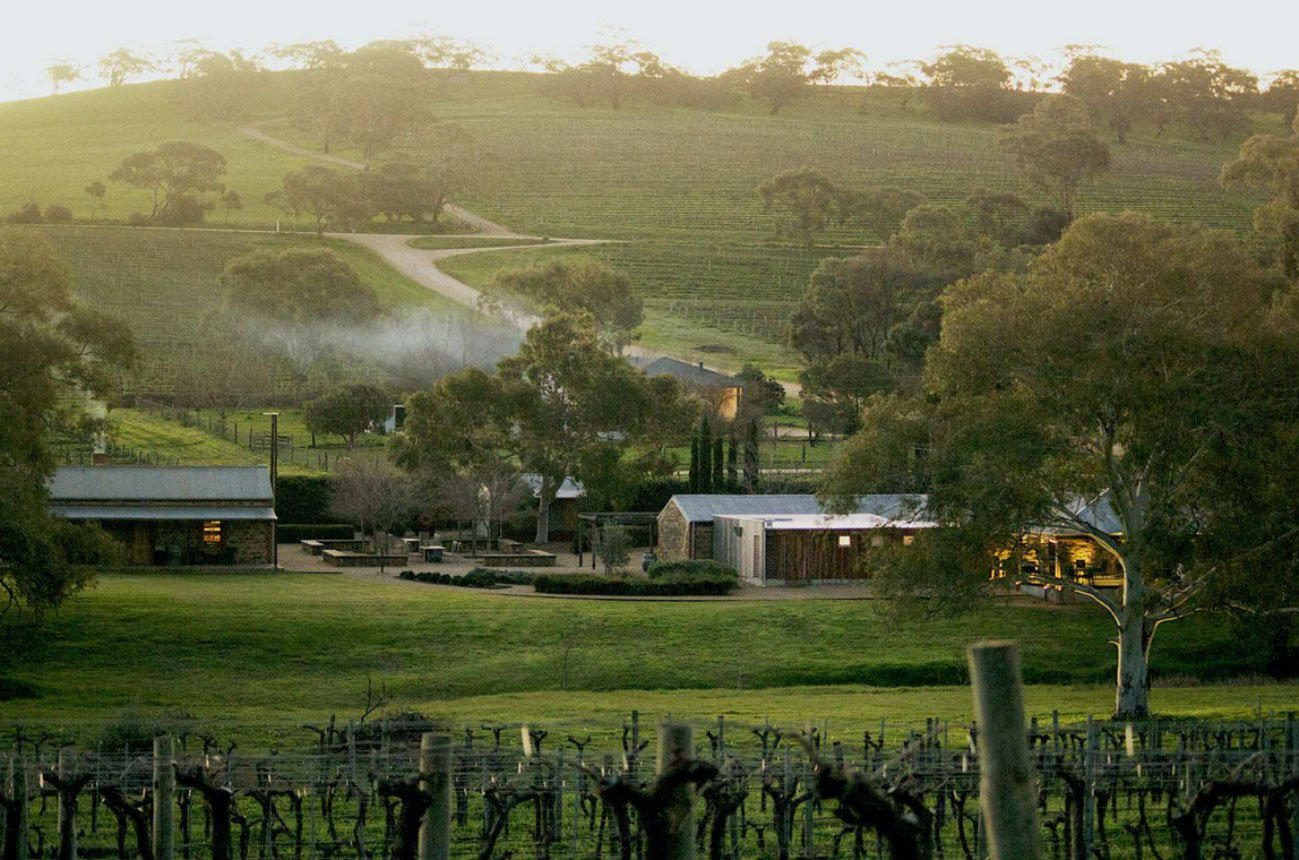
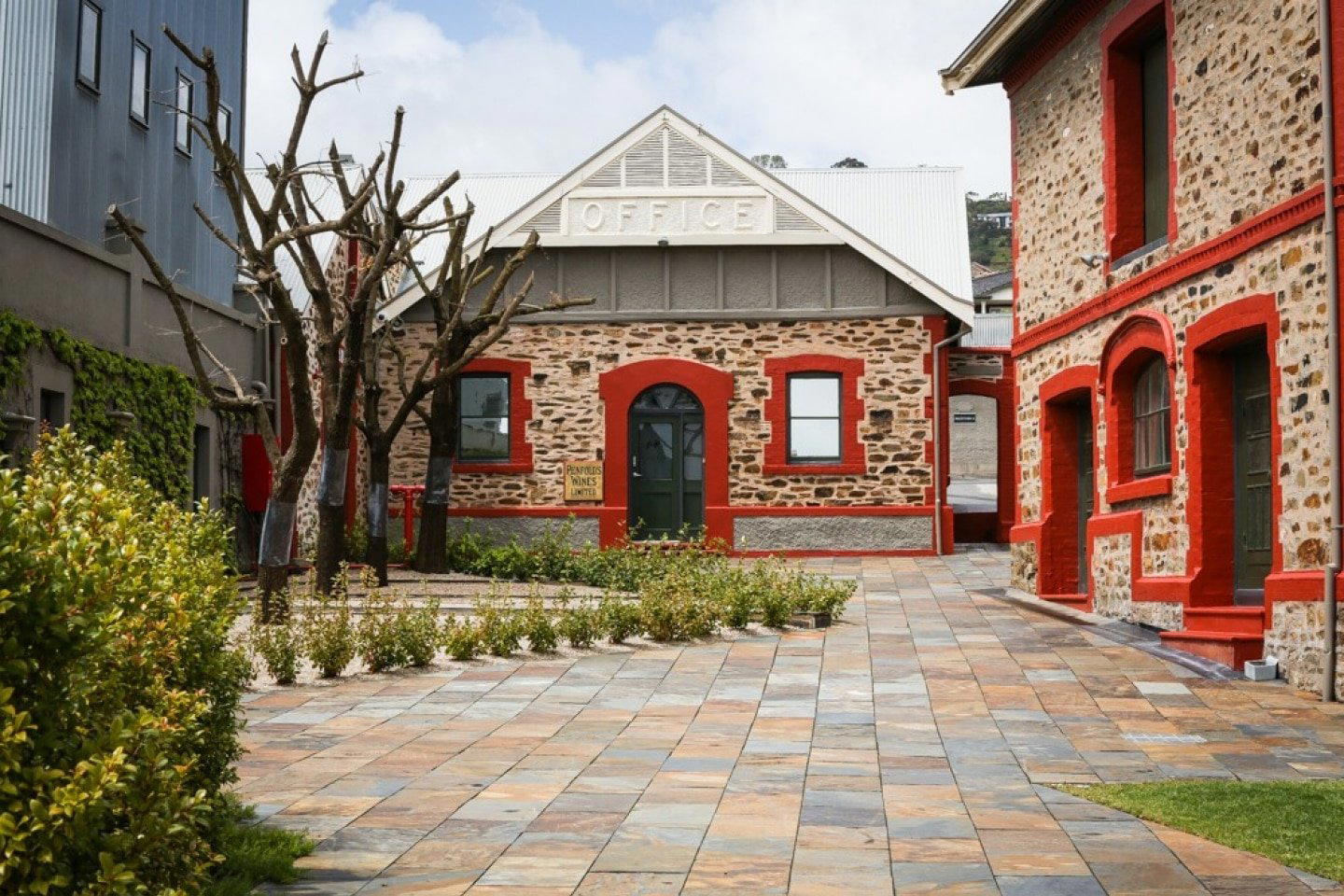
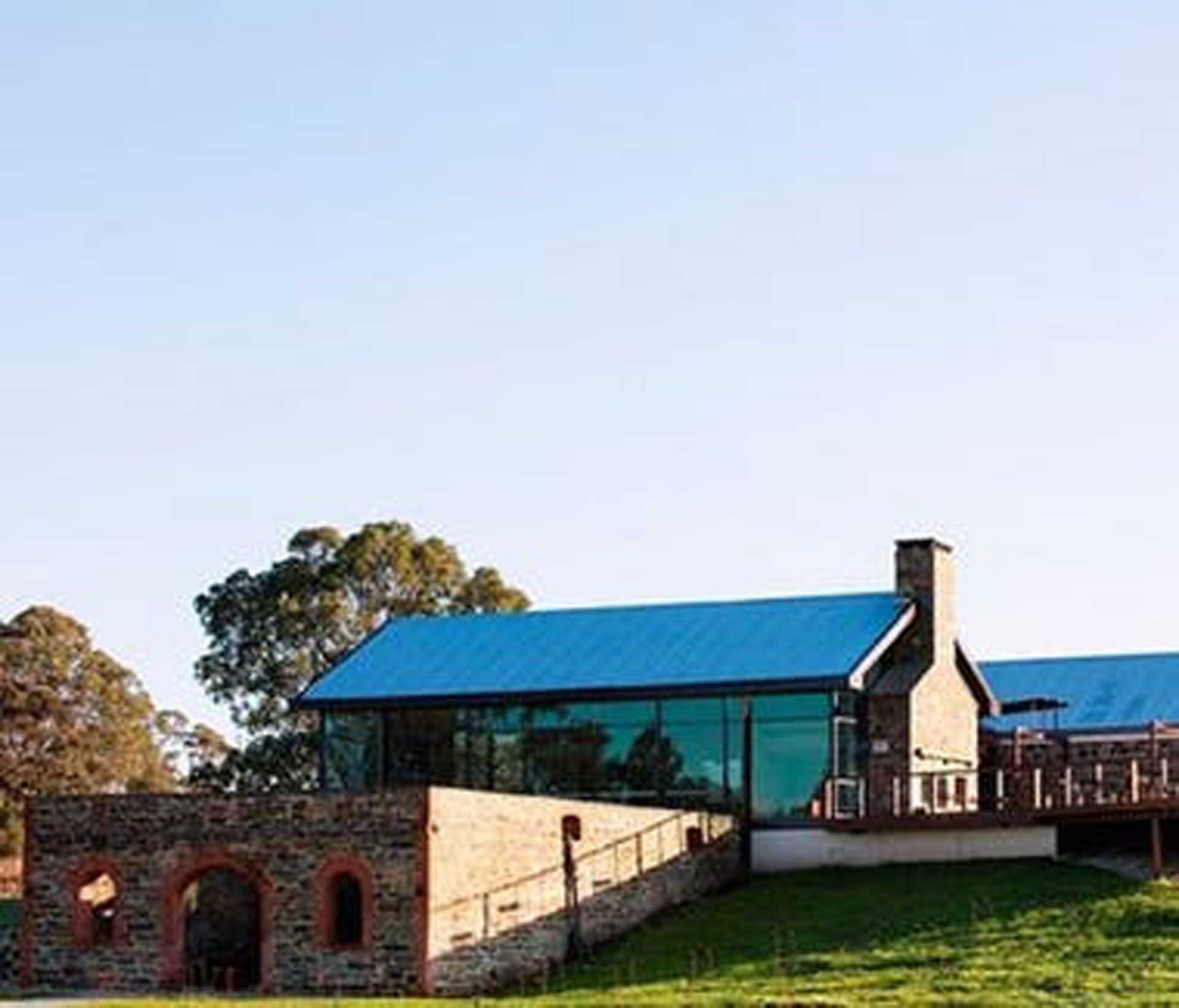
The experience of visiting Rockford is shaped by the physical character of the site. The stone cellar buildings at Krondorf Road reflect the architectural language that defines the older parts of Tanunda and Lyndoch: thick walls, low ceilings, and a workmanlike quality that predates any notion of hospitality design as a marketing tool. This is a working winery in the most literal sense, and the cellar door reflects that. Tasting here is a function of the production operation, not a separate tourism layer added on top of it.
That sensory environment matters to the tasting experience. Cooler cellar temperatures, the faint presence of oak and old stone, and a slower pace of service all reinforce what the wines in the glass are communicating. The Barossa's premium cellar-door tier has increasingly moved toward designed hospitality spaces, but producers at Rockford's level have generally resisted that shift, on the grounds that the wine itself is the primary event. That restraint is consistent with how the wines are made.
The Team Behind the Experience
Editorial angle on a winery like Rockford requires looking at the collaboration between its production, cellar-door, and hospitality functions as a unified discipline rather than treating any one role as the headline. At small Barossa estates carrying prestige-tier ratings, the cellar-door team functions as the primary interface between the wine and the collector audience. Their role is not simply pouring; it involves translating production decisions (vintage variation, blending choices, aging format) into information that allows a serious buyer to make long-term cellaring decisions.
This is a pattern visible across the Australian small-producer tier. At All Saints Estate in Rutherglen, at Bird in Hand in Adelaide Hills, and at Angove Family Winemakers in Renmark, the cellar-door staff carry a level of technical knowledge that would be unusual in a standard hospitality context. The same applies here. A visit to Rockford is most productive when treated as a conversation rather than a tasting menu run through a fixed format. The staff's depth of knowledge about the wines, the vineyards, and the vintage history is the main reason to show up in person rather than simply ordering through a distributor.
The winery's production philosophy, reinforced at every point of visitor contact, prioritises old-vine material and minimal intervention in the cellar. That alignment between what is made and how it is explained is not standard across the category.
Rockford in the Wider Australian Premium Context
Viewed across the full map of Australian premium wine production, Rockford occupies a position comparable to a small number of estate operations that have maintained consistent critical recognition across multiple decades without expanding into commercial volume. Within Australia, the comparison set includes producers across several states: Blue Pyrenees Estate in Pyrenees in Victoria and beyond.
The Barossa's premium tier differs from, say, the Adelaide Hills or the cooler-climate Victorian regions in that it is anchored by warm-climate, old-vine red wine production. The structural weight and tannin depth of Barossa Shiraz at this level require long cellaring to resolve fully, and producers operating at Rockford's standard are typically working with material that expects to be opened between eight and twenty years after vintage. That's a different category of investment from the more immediate drinking profile of regions like Bird in Hand in Adelaide Hills or craft-spirits producers such as Archie Rose Distilling Co in Sydney.
Planning a Visit
Rockford is located at 131 Krondorf Road, Tanunda, in the central Barossa Valley. Tanunda is the commercial and hospitality centre of the valley, accessible from Adelaide in approximately one hour by road. Krondorf Road runs through an older section of the valley floor, where several historically significant estates operate in close proximity. A visit to Rockford combines efficiently with stops at neighbouring producers along the same corridor. Given the allocation-driven nature of the production, visitors who intend to buy should arrive with some knowledge of the current release program; the cellar-door team can advise on what is available and what is held for existing list members.
There is no publicly listed phone number or booking system available through EP Club's database at time of publication. Visitors are advised to check current cellar-door hours before travelling, as smaller Barossa estates sometimes operate on reduced schedules outside the peak autumn and spring visitor periods. For a broader orientation to the valley's producers and eating options, see our full Barossa Valley restaurants guide.
Recognition history
Dated appearances from independent guides and award organizations, with the underlying list record or original source where available.
Falstaff Winery - Listed
Falstaff
Continue exploring
More in Barossa Valley
Wineries in Barossa Valley
Browse all →
Bars in Barossa Valley
Browse all →
Restaurants in Barossa Valley
Browse all →
At a Glance
- Rustic
- Classic
- Scenic
- Well Known
- Wine Education
- Solo Exploration
- Special Occasion
- Estate Grounds
- Historic Building
- Organic
- Vineyard
- Garden
- Barossa Valley
- Shiraz
- Cabernet Sauvignon
- Grenache
- Mataro
- Semillon
- Riesling
- Still Red
- Fortified
- Cellar Door
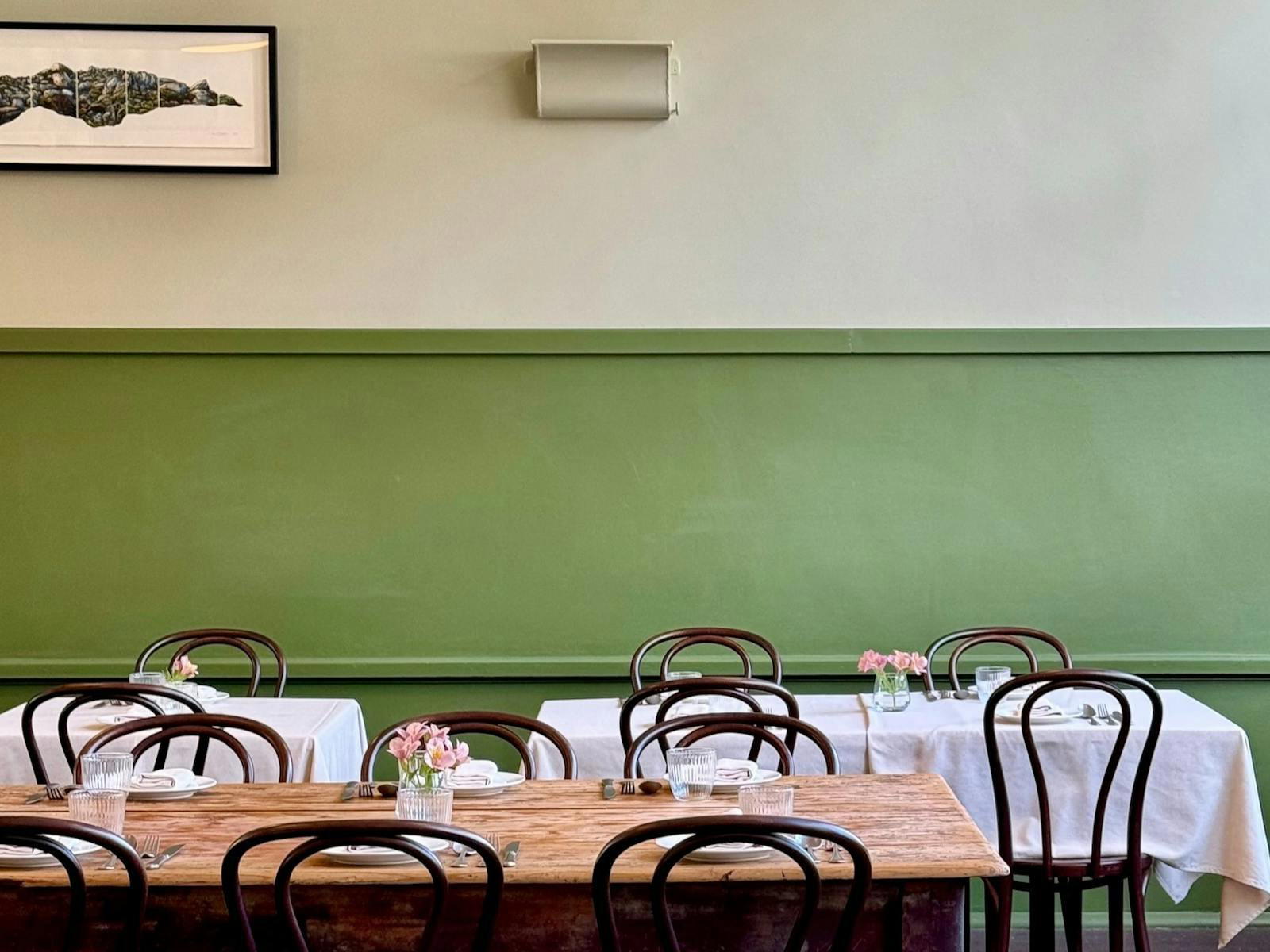
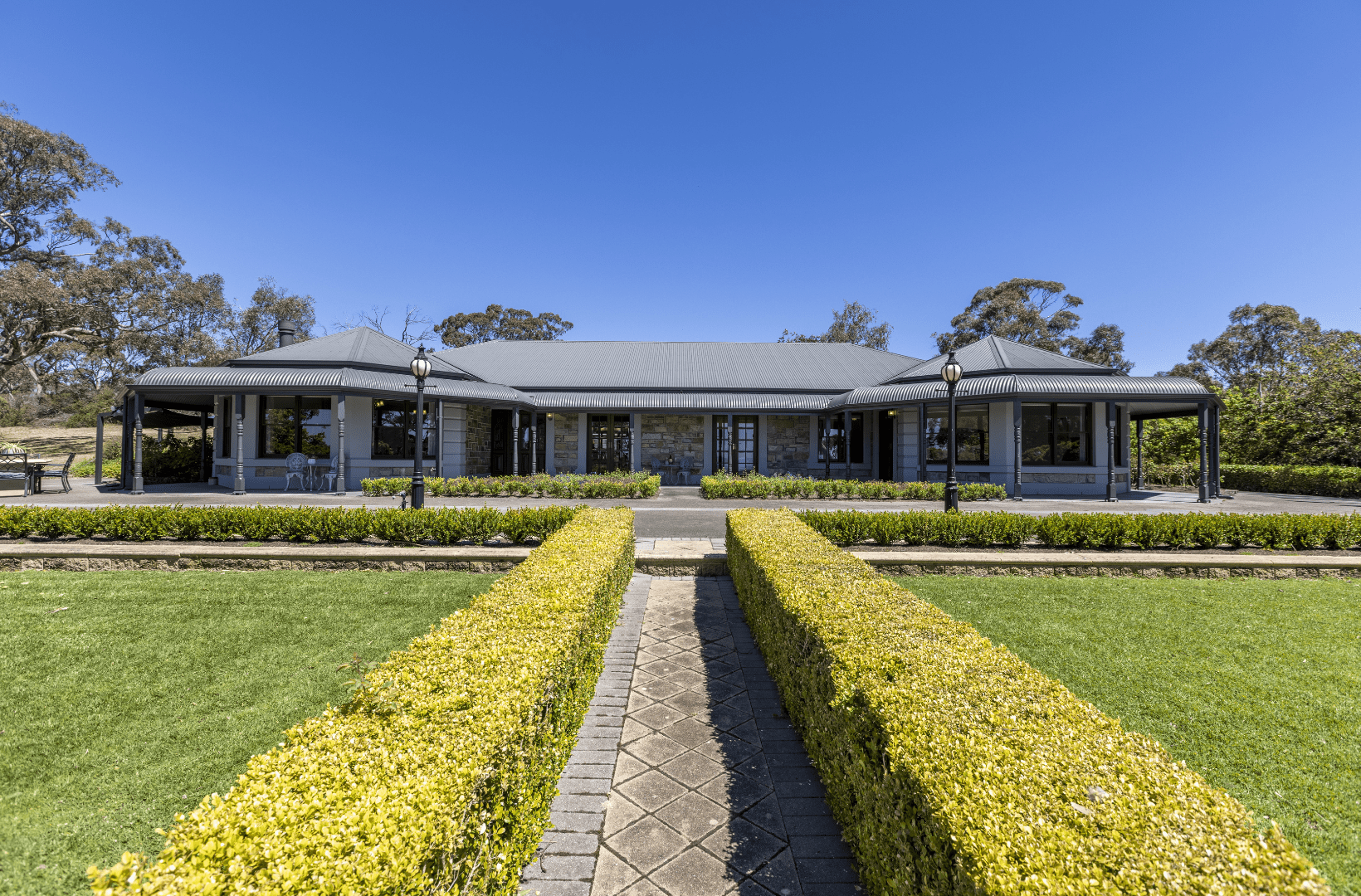
Rustic and atmospheric with stone cottages, courtyard shaded by trees, pioneer-era equipment, and cozy fireplaces creating a museum-like sense of permanence.
Know Before You Go
- Getting there
- 131 Krondorf Rd, Tanunda SA 5352