Wolf Blass

Wolf Blass has held a defining position in the Barossa Valley wine scene for decades. Located on the Sturt Highway at Nuriootpa, the estate draws visitors seeking wines that have shaped the international perception of Australian Shiraz and Cabernet Sauvignon. It represents the commercial and critical weight of Barossa's mainstream tier at its most assured.
Pearl is the En Primeur Club membership app — saves, bookings, and concierge access live there. Same editors, same standards.
- Address
- 97 Sturt Hwy, Nuriootpa SA 5355
- Phone
- +61 8 8568 7311
- Website
- wolfblass.com.au
- Directions
- Get directions
 Saves & bookings on Pearl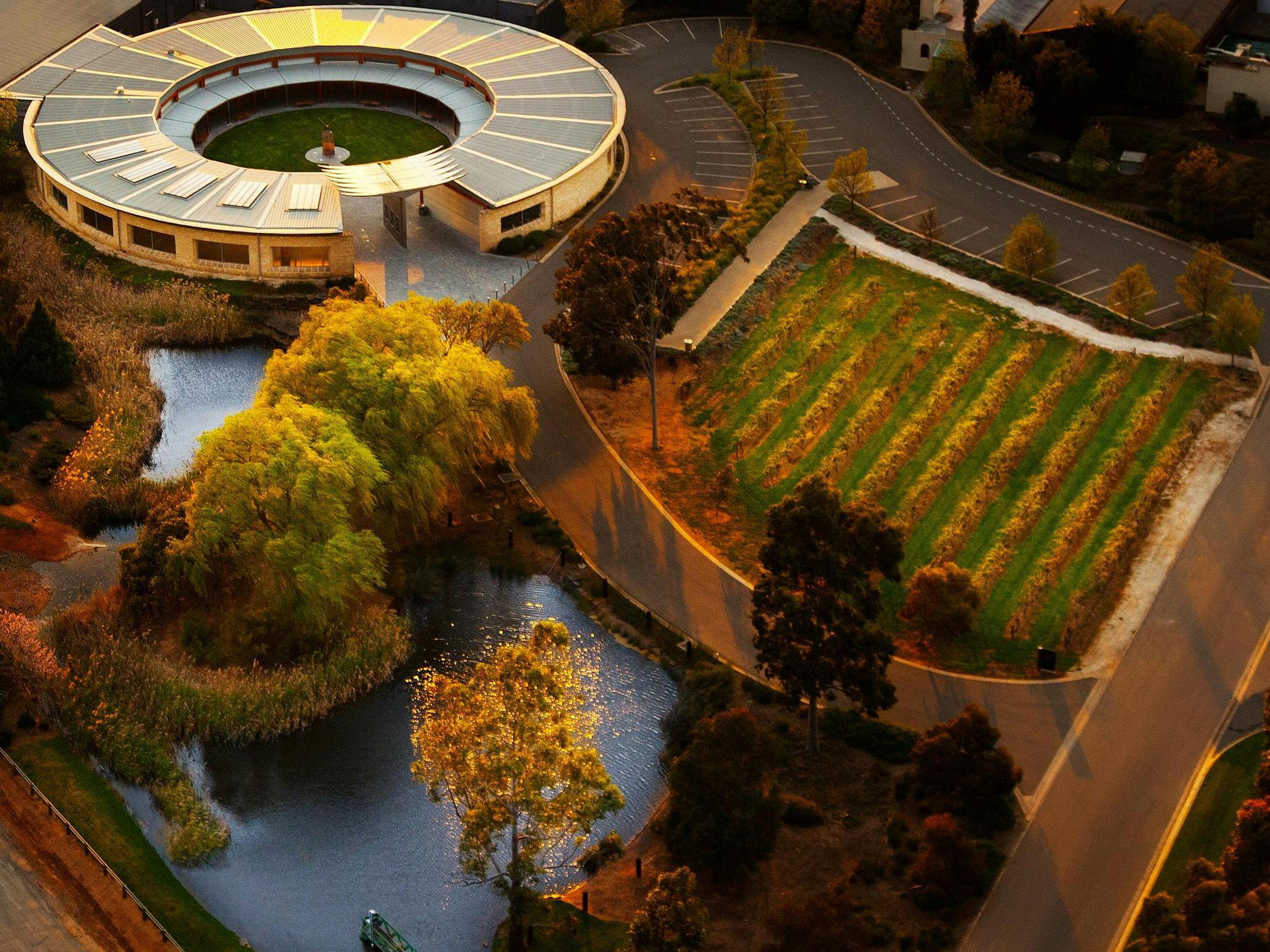
Where Barossa's Critical Weight Shows Up
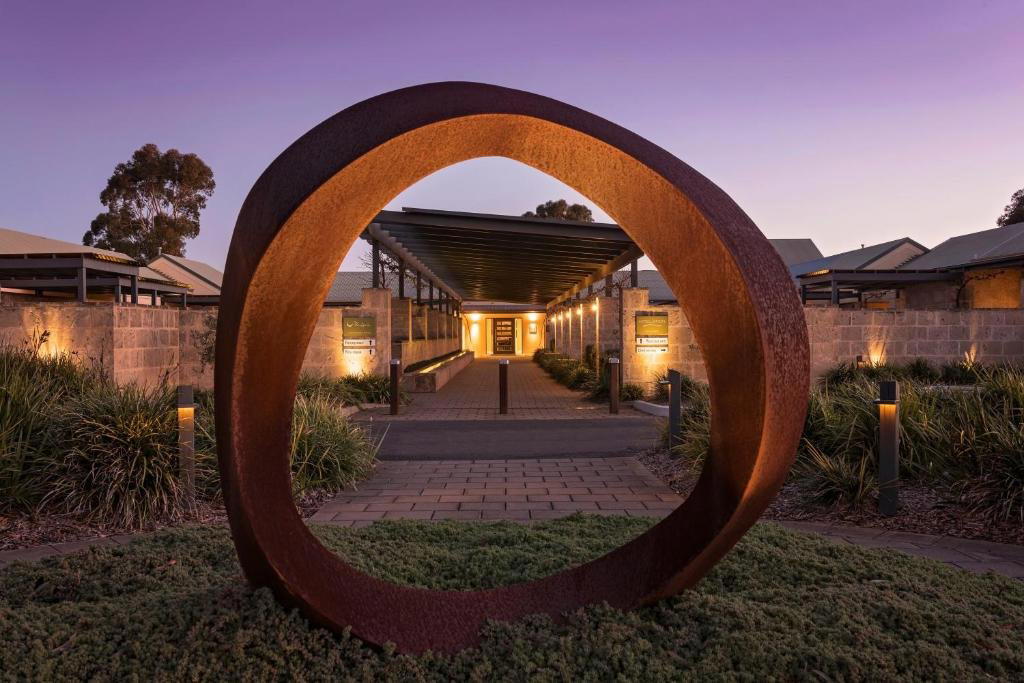
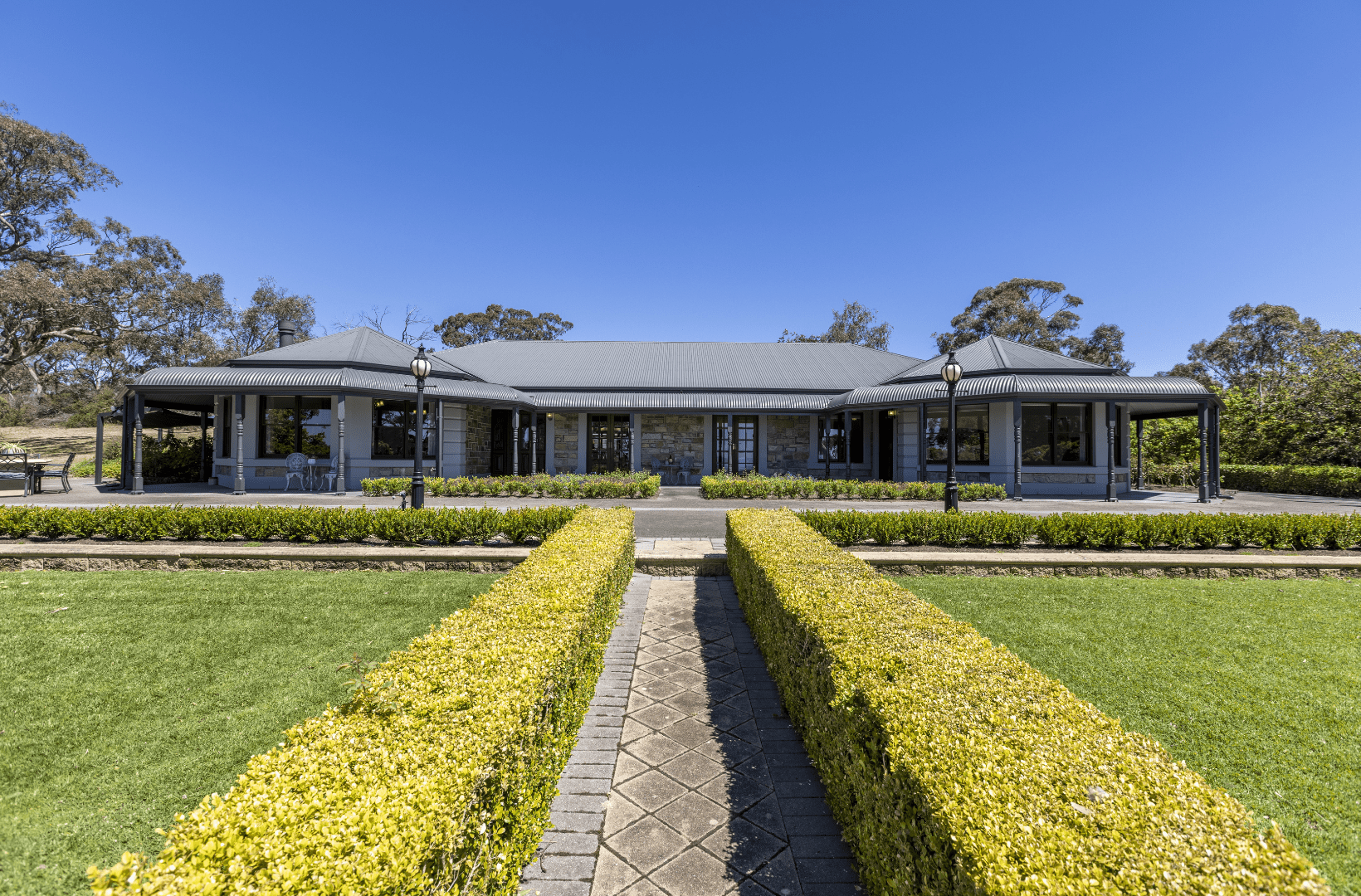
The Sturt Highway through Nuriootpa is not a scenic back road. It is a working arterial, lined with the infrastructure of a wine region that produces at serious volume — tank farms, machinery sheds, the functional architecture of estates that move wine in quantities most boutique producers cannot imagine. Wolf Blass sits along this corridor at number 97, and the setting is honest about what the estate represents: this is not a weekend fantasy of cellar-door rusticity. It is the physical address of one of Australian wine's most recognised and scrutinised names, and the experience of arriving there carries that weight.
In the Barossa context, that places the estate in company with producers who have sustained recognition across multiple vintages and assessment cycles rather than those who have caught a single favourable moment.
The Barossa Tier This Estate Occupies
The Barossa Valley's producer landscape has stratified considerably over the past two decades. At one end sit micro-producers making a few hundred cases from single vineyards, often with allocation lists and no walk-in cellar door. At the other end sit large-volume operations whose wines dominate export markets and supermarket shelves. Wolf Blass has historically occupied a third position: scaled production combined with a quality narrative that has attracted genuine critical attention, including international medal results that predate the current era of Australian wine's global confidence.
This is not a credential awarded to producers simply because they are large or historically significant. It reflects assessed wine quality, and in the Barossa, that means competing against a field that includes Elderton, Grant Burge, Château Tanunda, and Charles Melton Wines, each of whom operates with their own critical standing and peer comparisons. Within that field, Wolf Blass is not a peripheral player.
The comparison with Jacob's Creek is instructive. Both estates operate at significant scale and both carry international name recognition.
What the Recognition Record Implies
Awards-driven producers in the Barossa tend to cluster around a consistent set of variety choices. Shiraz from the valley floor — in the Eden Valley sub-region and across the broader Barossa appellation, anchors most serious critical cases here. Cabernet Sauvignon, often blended with smaller proportions of Merlot or Malbec, forms the secondary pillar for producers with Wolf Blass's historical positioning. The international medal history of the estate, which extends back to gold results at London competitions in the 1970s and 1980s, was built on exactly that combination.
The 2025 recognition arrives at a moment when Barossa Shiraz is under more critical scrutiny than at any point in the past decade. The conversation about ripeness, alcohol, and regional identity has shifted the reference points for what constitutes quality in this appellation. Producers who emerged through the high-extract, full-ripeness era of Australian wine are being reassessed against a standard that values precision and integration alongside power.
For visitors making cellar door decisions across a day in the Barossa, this kind of critical signal matters. The valley has enough producers to fill a week of tasting, and separating those with sustained quality from those coasting on legacy requires external reference points. The 2025 rating provides one. For broader comparison across Australian regions, producers like All Saints Estate in Rutherglen, Bird in Hand in Adelaide Hills, and Angove Family Winemakers in Renmark offer useful comparison points for understanding how South Australian wine quality is distributed across sub-regions and production scales.
Planning a Visit to Nuriootpa
Wolf Blass's cellar door at 97 Sturt Highway, Nuriootpa, is accessible by car from the main Barossa township of Tanunda in under ten minutes. Nuriootpa functions as the valley's commercial centre rather than its tourist centrepiece, which means the drive in lacks the vineyard-draped romance of routes through Seppeltsfield or the back roads east of Tanunda, but the access is direct and parking is uncomplicated. Visitors arriving from Adelaide typically pass through the northern end of the valley, making Nuriootpa a logical first or last stop depending on the itinerary direction.
The estate's scale means the cellar door experience differs structurally from smaller producers in the valley. Where a winery like Charles Melton or Château Tanunda tends to offer a more intimate encounter, fewer labels, more contextual conversation with whoever is pouring, Wolf Blass operates at a volume that shapes the format of the tasting experience. That is not a criticism; it is a category distinction. Visitors who want depth of conversation about single vineyard provenance and winemaking philosophy are working with a different set of producers than those who want a broad survey of what the Wolf Blass range contains at various price points.
For those building a Barossa itinerary around critically rated producers, combining Wolf Blass with stops at Elderton or Grant Burge gives a useful triangulation across different production philosophies within the same appellation. Further afield in the Australian context, the contrast with Bass Phillip in Gippsland, Leading's Wines in Great Western, or Blue Pyrenees Estate in Pyrenees illustrates how differently Australian wine quality is expressed when the regional base shifts from Barossa Shiraz to cooler-climate varieties. See our full Barossa Valley restaurants guide for broader planning across food and wine in the region.
Recognition history
Dated appearances from independent guides and award organizations, with the underlying list record or original source where available.
Falstaff Winery - Listed
Falstaff
Continue exploring
More in Barossa Valley
Wineries in Barossa Valley
Browse all →
Bars in Barossa Valley
Browse all →
Restaurants in Barossa Valley
Browse all →

At a Glance
- Classic
- Well Known
- Rustic
- Wine Education
- Special Occasion
- Vineyard Tour
- Estate Grounds
- Vineyard
- Barossa Valley
- Shiraz
- Cabernet Sauvignon
- Chardonnay
- Riesling
- Merlot
- Pinot Noir
- Sauvignon Blanc
- Sémillon
- Still Red
- Still White
- Cellar Tasting
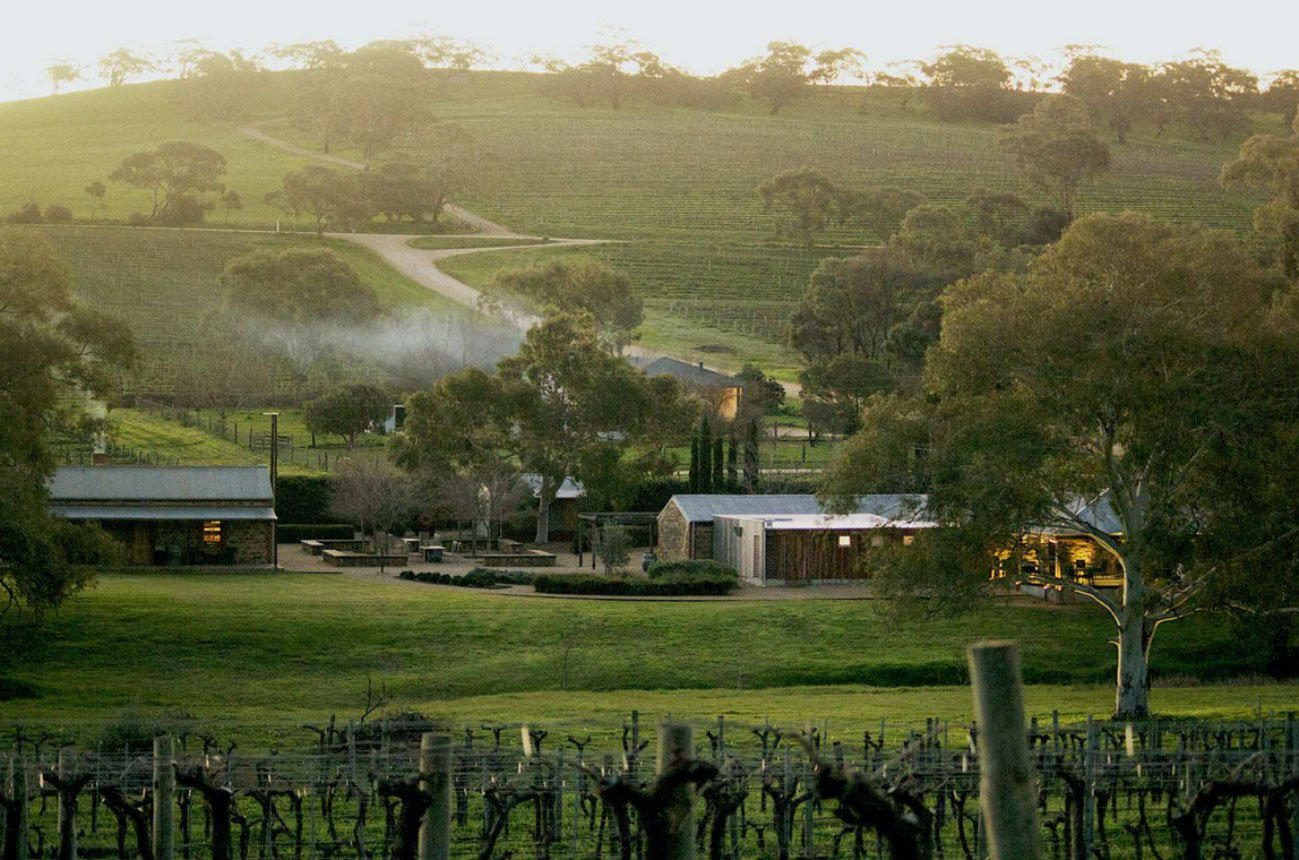
Classic winery atmosphere in the historic Barossa Valley with a focus on winemaking heritage.
Know Before You Go
- Getting there
- 97 Sturt Hwy, Nuriootpa SA 5355