
1 Michelin Key
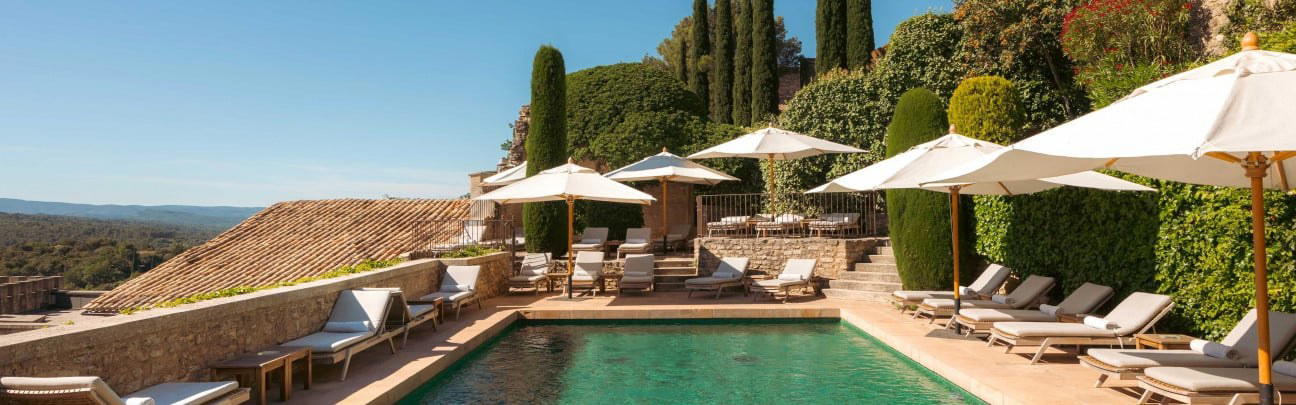
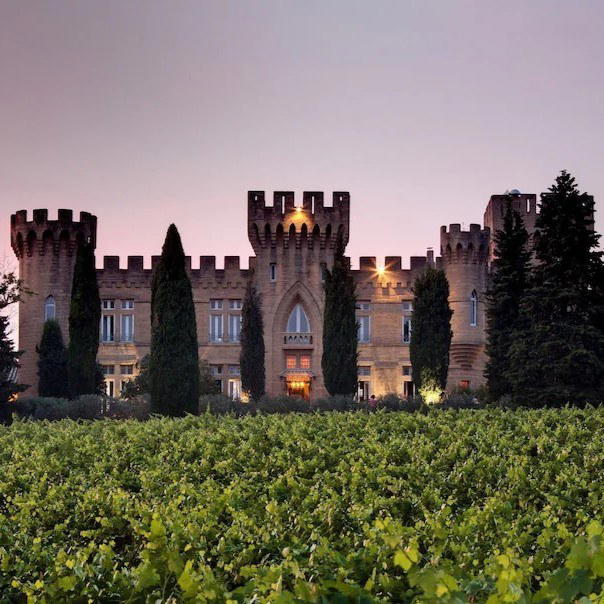
Spread across several historic buildings at the foot of Grignan's medieval castle, Le Clair de la Plume holds 16 rooms and suites alongside a Michelin-starred gastronomic restaurant and a summer garden restaurant. The property earned a Michelin Key in 2024, with a Green Star for sustainability underpinning its kitchen. It reads less like a hotel than a small village within a village, rooted firmly in the character of the Drôme Provençale.

Pearl is the En Primeur Club membership app — saves, bookings, and concierge access live there. Same editors, same standards.
- Address
- 2 Pl. du Mail, 26230 Grignan
- Phone
- +33 4 75 00 01 01
- Website
- clairplume.com
- Directions
- Get directions
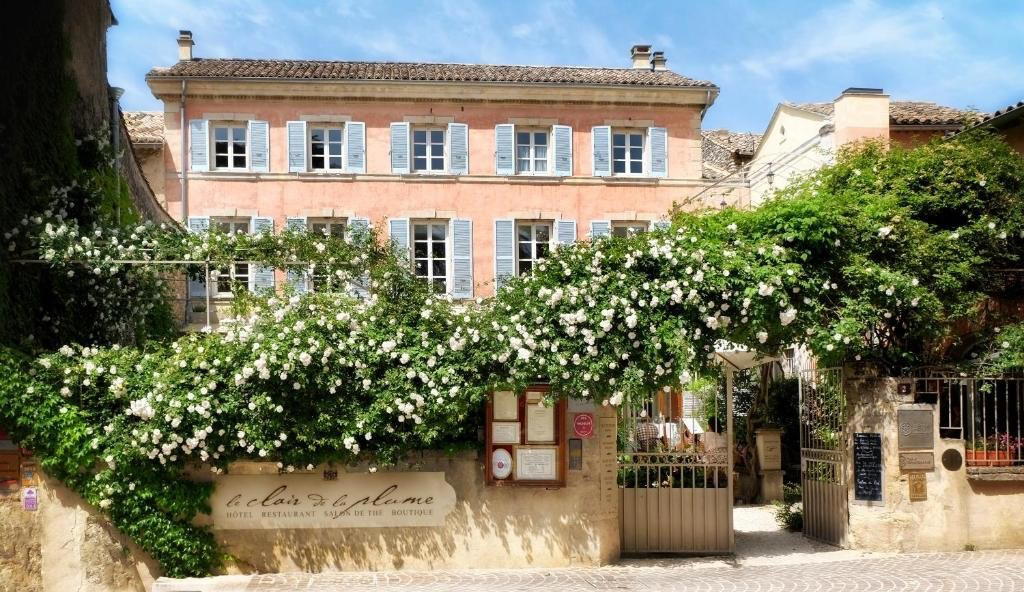
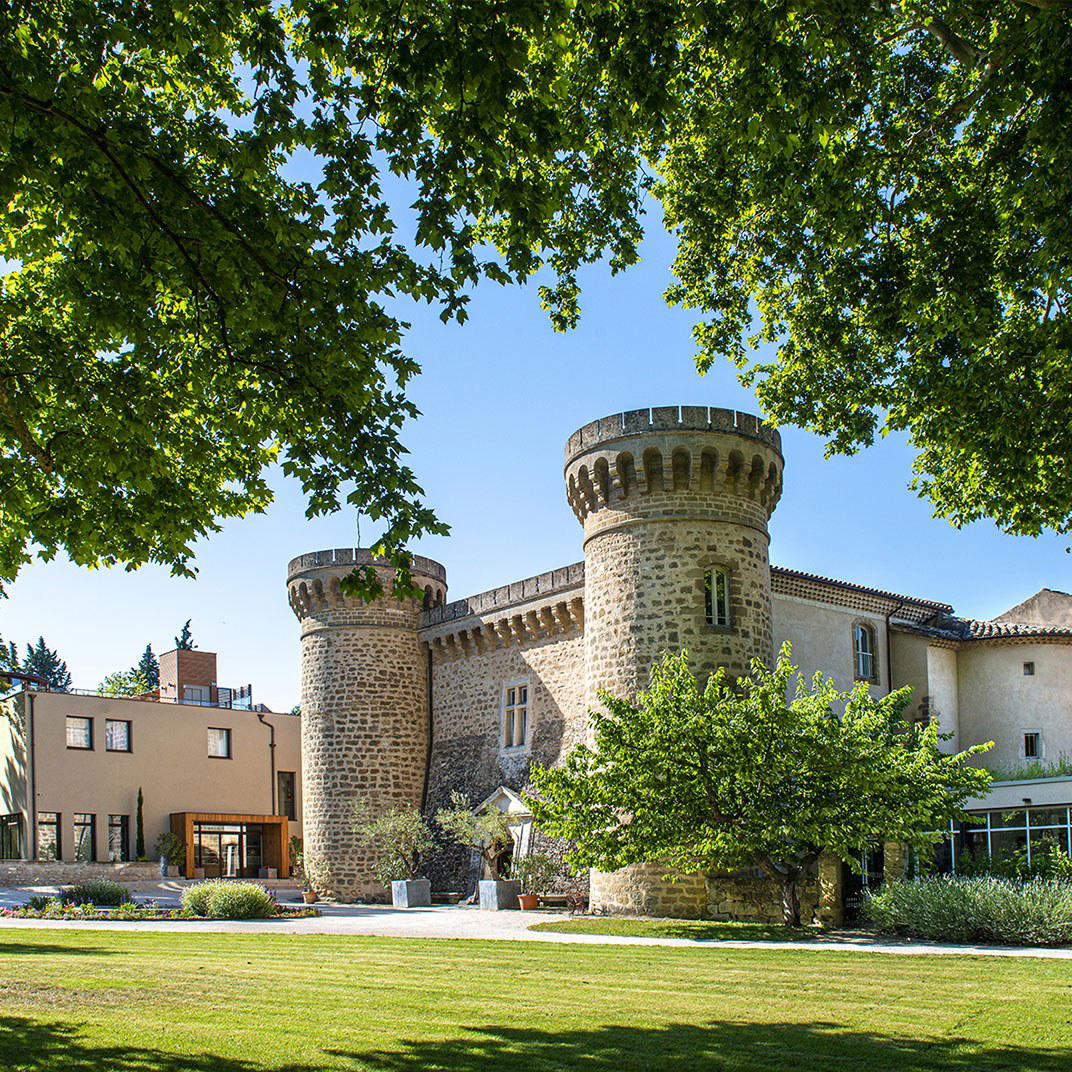
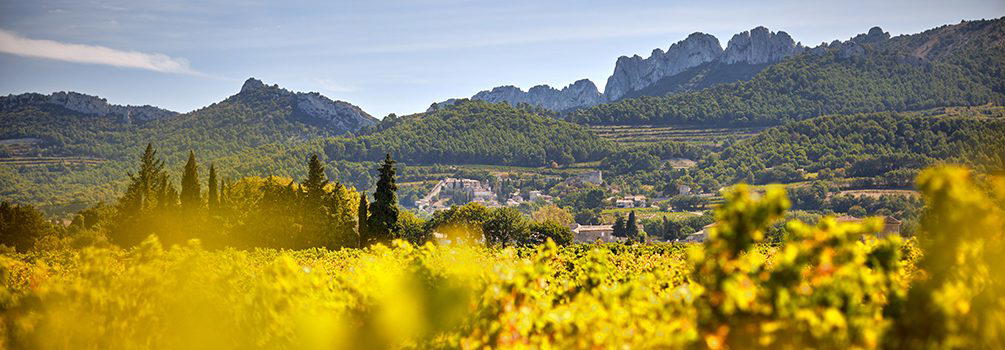
The approach to Grignan requires a particular kind of attention. The village rises above the surrounding plains of the Drôme Provençale in tiers of honey-coloured stone, with the silhouette of a Renaissance castle crowning the whole arrangement. Fields of lavender occupy the lower ground in the months between June and August, and the light at late afternoon has the density and warmth that painters and travel writers have been attempting to describe since the 17th century, when the Marquise de Sévigné made the castle famous through her correspondence. Into this setting, Le Clair de la Plume doesn't arrive as an interruption but as a continuation: a hotel that distributes itself across several village buildings so quietly that the line between property and place becomes genuinely difficult to locate. See our full Grignan restaurants guide for how the broader dining scene maps against the gastronomic restaurant here.
Architecture Across the Village
The design model at Le Clair de la Plume is unusual enough to warrant serious attention as a category choice, not just a stylistic preference. Rather than consolidating around a single building, the property occupies multiple structures distributed through the historic village core, each with a distinct character. The Main House and the Private House sit in the heart of the village, while the Lovers' Pavilion, a single freestanding room, is positioned on the edge of the Mediterranean Garden property. This distributed architecture is a deliberate spatial strategy: it means the property cannot be read as a compound or a resort, and guests move through actual village streets to reach different parts of the experience.
Among French properties operating in historic rural villages, this approach places Le Clair de la Plume in a different tier from large-footprint château conversions. Properties such as Baumanière Les Baux-de-Provence or La Bastide de Gordes offer significant scale and full consolidation of amenities under one address; Le Clair de la Plume offers something closer to the opposite: 16 rooms across multiple buildings, each physically embedded in the village rather than set apart from it. The Michelin Key awarded in 2024 reflects a peer recognition of this positioning, placing it among properties judged on the totality of experience rather than volume of amenity.
Internally, the rooms span a range that moves from a cosy mansard-roofed double on the third floor of the Main House to suites and family rooms sleeping four. The styling sits in a broadly classical register, with modern comfort systems integrated rather than foregrounded, which is consistent with the property's broader refusal to impose a contemporary design statement over the existing architecture. The Lovers' Pavilion, as the only standalone room, represents the most architecturally distinct option: a private house-in-miniature set among the Mediterranean Garden, separated from the main buildings and calibrated for a different kind of stay than the village-centre rooms.
The Restaurant Program
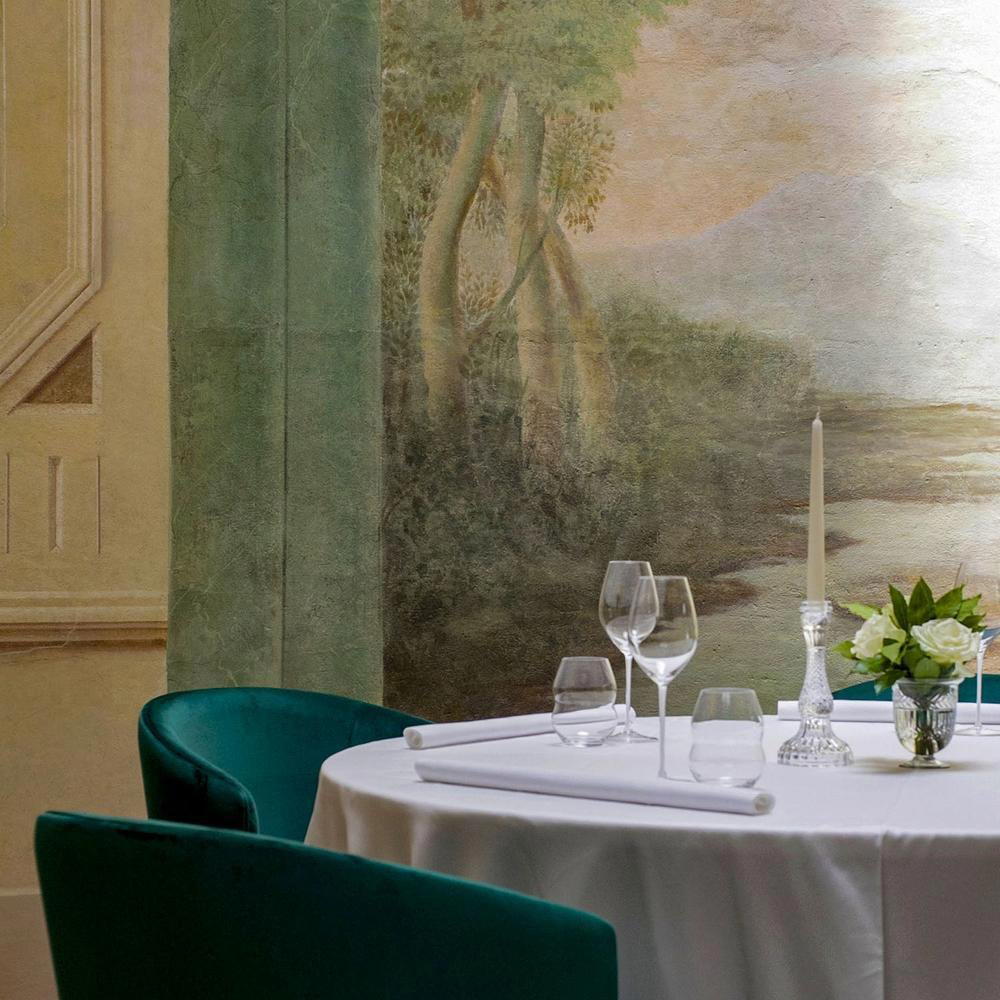
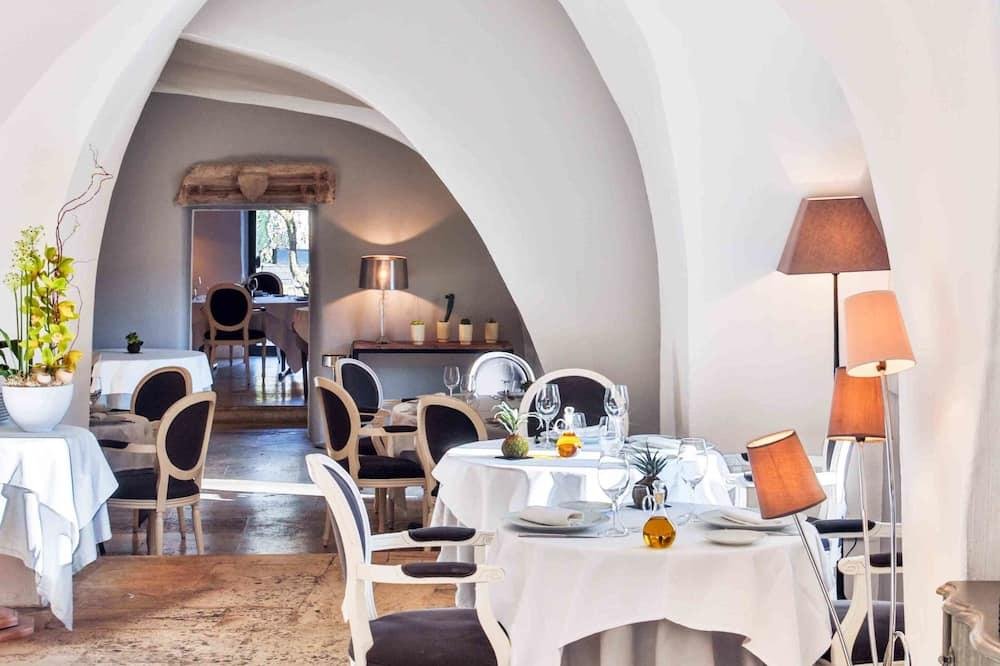
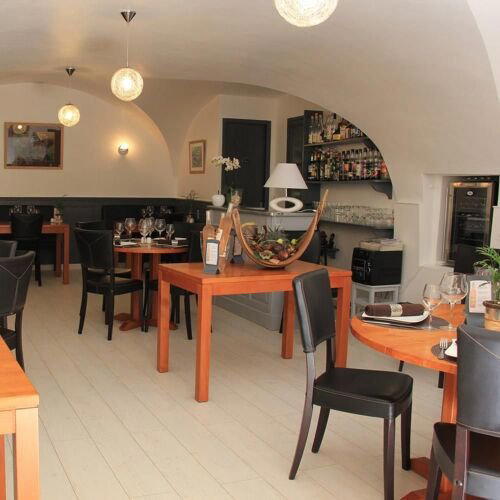
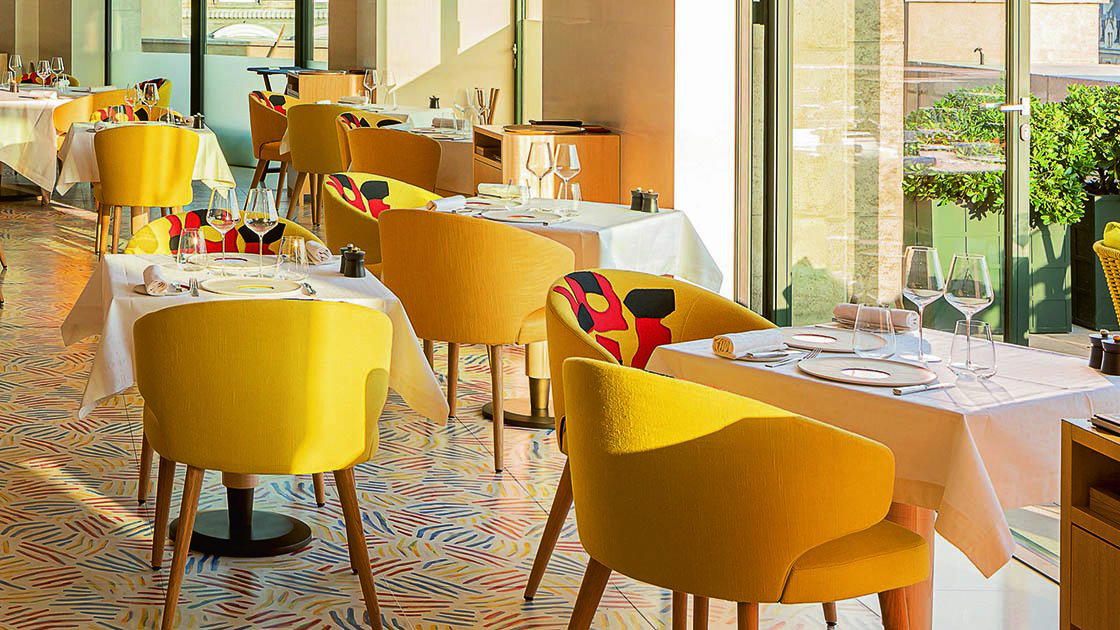
The southern Rhône corridor, from the Luberon across to the Drôme, has accumulated a notable density of Michelin-starred kitchens attached to small luxury properties, and Le Clair de la Plume's gastronomic restaurant is a legitimate part of that conversation. The restaurant holds one Michelin Star alongside a Green Star for sustainability, the latter a recognition that has become increasingly meaningful as a differentiator in the region, where sourcing proximity and kitchen garden integration are now subjects of genuine competitive attention rather than marketing language.
The sustainability credential matters structurally. Properties in this part of southern France that hold both a dining star and a Green Star are committing to an alignment between the landscape that defines their visual identity and the supply chains that feed their kitchens. The Mediterranean Garden, which surrounds the Lovers' Pavilion and functions as the summer home of the open-air Garden Restaurant, is one physical expression of that commitment. The gastronomic restaurant sits in the Main House, operating through the year; the Garden Restaurant is a seasonal alternative, active in summer only, that shifts the dining register toward the landscape rather than away from it.
For guests comparing this property to other design-led rural addresses in France, the dual-restaurant model is worth noting as a practical advantage. Château de Montcaud in nearby Sabran and Villa La Coste near Aix-en-Provence each offer different dining formats tied to their landscapes; Le Clair de la Plume's approach of running a starred indoor room alongside a summer-only garden format gives the kitchen a range that holds up across different weather and seasonal conditions. The bistro format is outsourced, effectively, to La Ferme Chapouton, the property's sister hotel just outside the village, which takes the casual dining volume and keeps the main address focused on its two higher registers.
Grignan and Its Territorial Position
Le Clair de la Plume sits technically in the Auvergne-Rhône-Alpes region rather than in Provence, a bureaucratic distinction that does almost nothing to change the character of the landscape. The Drôme Provençale is a transitional zone, carrying the lavender, limestone, and light of the Provençal tradition into a slightly cooler, less-visited northern margin. This positioning has practical advantages for guests who want the south-of-France aesthetic without the summer congestion that saturates the Luberon or the coast. Properties such as Hotel Du Cap-Eden-Roc on Cap d'Antibes or La Réserve Ramatuelle operate in zones of high summer demand; Grignan's relative obscurity translates into a quieter base with a medieval castle and surrounding village that remain genuinely accessible. The castle itself, which dominates the skyline above the hotel's buildings, hosts cultural events and concerts through the summer months, particularly the Festival de la Correspondance each July, which gives the village a literary character that distinguishes it from the more purely touristic lavender-belt destinations to the south.
Lyon lies approximately two hours north by road, making the property reachable from a major international hub without an extended transfer. Montélimar, the nearest substantial town, is around 25 kilometres away. For guests considering properties at a comparable remove from major infrastructure, addresses such as Château de la Gaude near Aix-en-Provence or Château du Grand-Lucé in the Loire offer different regional contexts but face similar questions of access; the Drôme Provençale solution is a personal car, with the reward being a village that functions as a destination rather than a transit point.
Planning a Stay
With 16 rooms distributed across multiple buildings, availability at Le Clair de la Plume compresses more quickly than the room count alone might suggest, particularly across the lavender season from late June through August and around the July festival period. The mix of room types, from the solo-occupancy Lovers' Pavilion to four-person family suites, means early selection matters: the specific building and room type define the experience more than at a conventionally consolidated property. The gastronomic restaurant warrants separate reservation planning, particularly for guests visiting in peak season when the Garden Restaurant draws its own audience.
For a considered comparison of what this scale and format offers against larger French luxury properties in analogous settings, Domaine Les Crayères in Reims and Château Lafaurie-Peyraguey in the Sauternes each represent the model of a single historic building wrapped around a starred restaurant; Le Clair de la Plume's village-distributed alternative produces a materially different kind of stay, one that is more porous to its surroundings and less insulated from the texture of daily village life. Whether that porousness is an asset or a limitation depends entirely on what the stay is for.
Side-by-Side Snapshot
Comparable venues nearby, for context on price, style, and recognition.
| Venue | Cuisine | Price | Awards | Notes |
|---|---|---|---|---|
| Le Clair de la PlumeThis venue — the venue you are viewing | Historic Provençal charm with contemporary comfort, distributed across multiple 17th and 18th-century buildings in a preserved village setting. | $200–300 | 1 Michelin Key | Not listed |
| La Ferme Chapouton | rustic farmhouse with contemporary updates | Not listed | Michelin Selected | Grignan |
| Le Vieux Castillon | Authentic medieval village hotel blending Renaissance architecture with contemporary luxury, preserving historical character while offering modern comfort. | $300–500 | 1 Michelin Key | Castillon-du-Gard |
| Crillon le Brave | Restored Provençal village estate with stone houses and panoramic terraces. | Not listed | 1 Michelin Key · Vogue 2026 Vogue Best Hotels in Provence | Crillon-le-Brave |
| Le Prieuré | 14th-century priory in a lush Provençal garden setting | Not listed | Michelin 1 Key | Villeneuve-lès-Avignon |
| Le Phébus | Converted Provençal stone farm buildings with modern comforts | Not listed | 1 Michelin Key · Relais Chateaux Award | Joucas |
Recognition history
Dated appearances from independent guides and award organizations, with the underlying list record or original source where available.
Michelin 1 Key
Michelin
Full recognition history (3 entries)
Michelin 1 Key
Michelin
Michelin 1 Key
Michelin
Details
- Romantic
- Elegant
- Quiet
- Classic
- Intimate
- Scenic
- Romantic Getaway
- Anniversary
- Honeymoon
- Weekend Escape
- Celebration
- Historic Building
- Garden
- Terrace
- Panoramic View
- Pool
- Spa
- Restaurant
- Garden
- Bicycle Rental
- Garden
- Street Scene
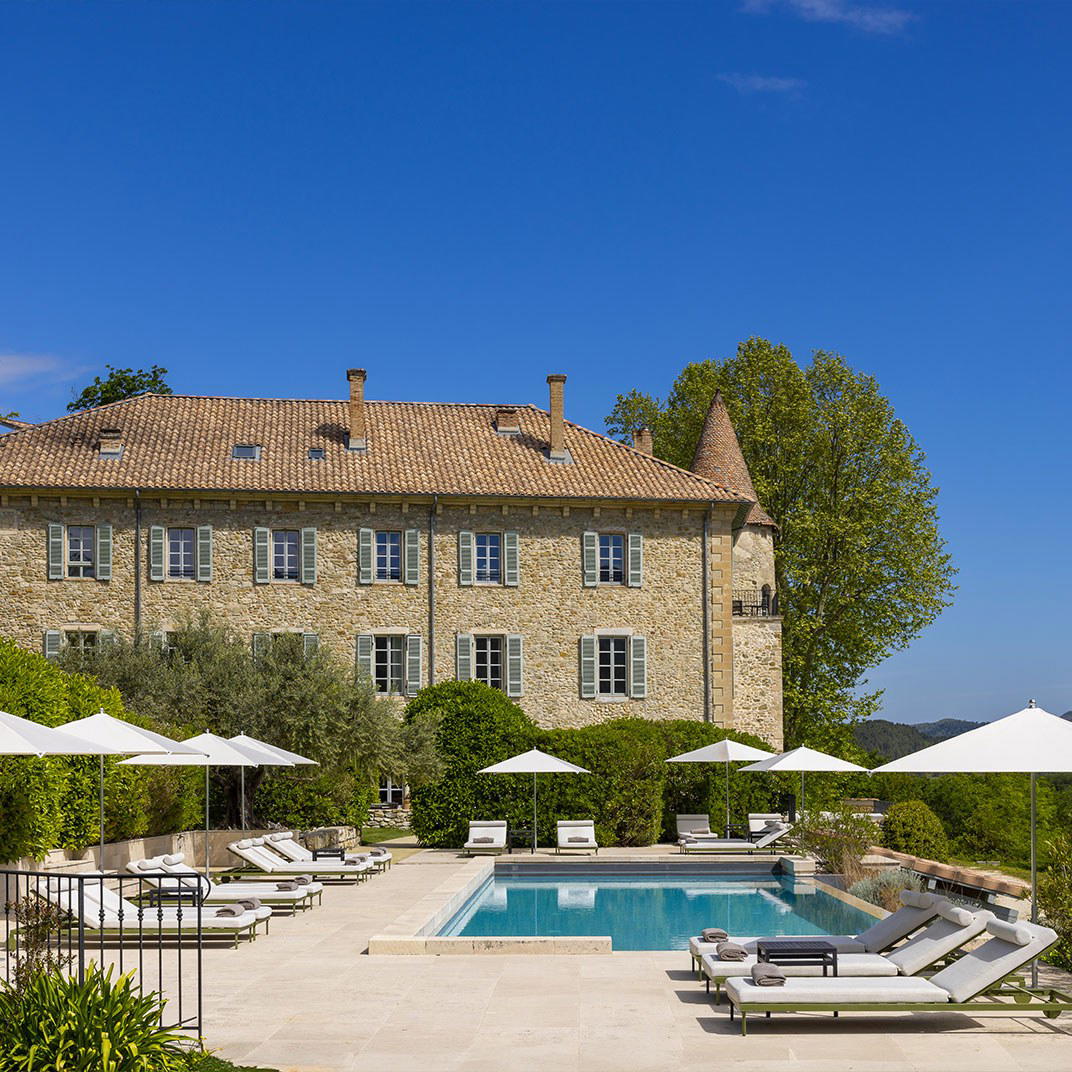
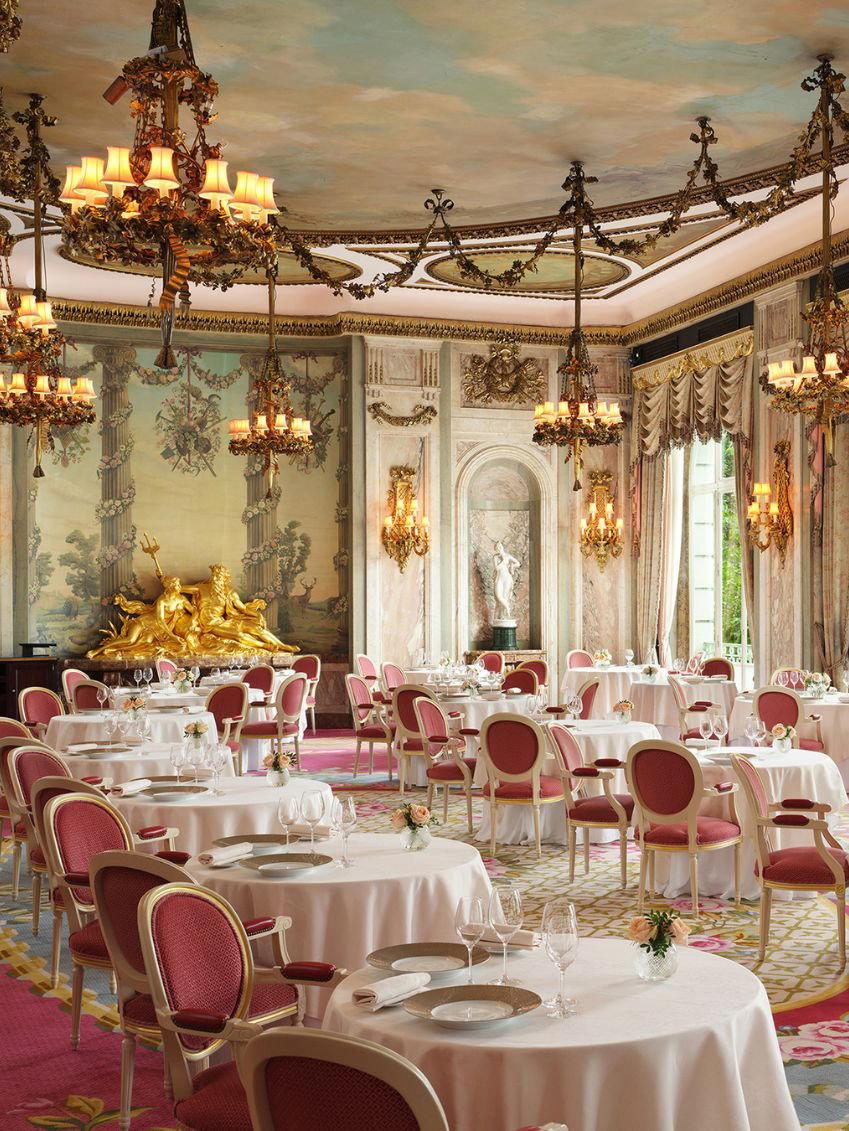
Soft afternoon light filtering through 19th-century verrière and salon spaces, with candlelit dinners and intimate garden settings creating a timeless, romantic atmosphere reminiscent of 18th-century Provence.