Domaine Santa Duc is a Gigondas producer. The domaine operates from the garrigue-scented slopes above the village, where Grenache-dominant blends reflect the appellation's granitic and clay-limestone terroir. For those tracing the Southern Rhône's serious red wine producers, it belongs on a short list alongside neighbours like Domaine du Cayron.
Pearl is the En Primeur Club membership app — saves, bookings, and concierge access live there. Same editors, same standards.
- Address
- 157 Chem. des Hautes Garrigues, 84190 Gigondas
- Phone
- +33 4 90 65 84 49
- Website
- santaduc.fr
- Directions
- Get directions
 Saves & bookings on Pearl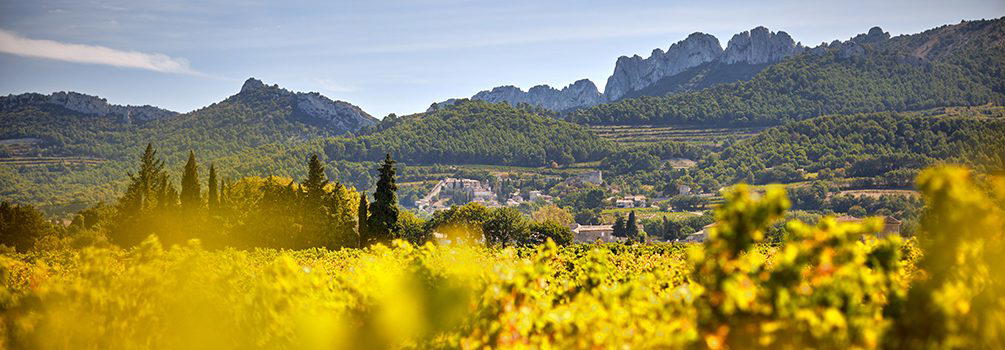
Grenache on the Garrigues: What Gigondas Demands of Its Producers
Domaine Santa Duc is a winery in Gigondas, with a price tier of $45 per person, under winemaker Benjamin Gras. From the village square of Gigondas, the garrigue thickens quickly, lavender and thyme threading through limestone outcrops, and the addresses of the better domaines begin to feel deliberately remote. Domaine Santa Duc sits along the Chemin des Hautes Garrigues at exactly this altitude, where the air carries a resinous dryness even in early morning and the vines tighten into older, lower-trained forms. The physical approach is part of the argument the wines eventually make: this is not Châteauneuf's flat alluvial warmth, and it is not the Gard's easy-drinking register. Gigondas produces reds from a site that demands patience from both the vine and the person tending it.
The appellation earned its own AOC status in 1971, separating from Côtes du Rhône after decades of supplying anonymous blending wine to négociants across the south. Since then, the collective reputation has been built producer by producer, with a handful of estates doing much to establish the category internationally. Santa Duc's first recorded vintage dates to 1985, placing it inside the generation that grew with the appellation rather than arriving after its reputation was already fixed. That continuity through nearly four decades of harvests matters in a region where terroir consistency is the primary argument, not annual reinvention.
Benjamin Gras and the Approach the Appellation Rewards
Southern Rhône winemaking divides roughly between two philosophies: those who chase extraction and concentration as proof of a serious vintage, and those who treat the site's natural structure as sufficient, working instead to avoid obscuring it. Benjamin Gras, the winemaker at Santa Duc, belongs to the second camp. In Gigondas, where Grenache Noir dominates the blending hierarchy and can easily tip into jammy overripeness if harvested late, the restraint-first approach produces wines that age rather than impress immediately on first pour.
Grenache's particular challenge at this altitude is managing the gap between phenolic ripeness and sugar accumulation. The Dentelles' elevation moderates temperatures through the growing season but compresses the harvest window, giving producers less room to wait for full tannin development without accumulating alcohol that overwhelms the wine's structure. That rating places Santa Duc above the appellation's mid-tier producers and inside a peer group where precision in the cellar, not just good vineyard exposure, determines position.
The comparison that runs through any serious look at Gigondas is with Domaine du Cayron, which has anchored the appellation's traditional style for decades. Both estates share the conviction that Gigondas at its leading is a wine of place rather than a wine of technique, though their precise execution differs. Santa Duc's approach, from what the vineyard site and vintage record suggest, emphasises vertical structure and mid-palate freshness over the broad, plush texture that warmer-site Gigondas can produce. For collectors comparing bottles across the appellation, these two estates represent the poles of a coherent argument rather than similar objects.
Across the producers earning that rating in any given cycle, the consistent pattern is that the wine performs reliably at table across multiple vintages, holds value in secondary allocation, and draws an audience beyond the region's immediate fan base. For Gigondas, which has historically been positioned as Châteauneuf-du-Pape's less expensive alternative, that kind of independent recognition matters. It argues that the appellation's better estates deserve to be evaluated on their own terms rather than as discounted proxies for their more famous neighbour.
The shared characteristic is a traceable stylistic identity across vintages, not reliance on any single strong year. Santa Duc's 1985 founding vintage anchors that kind of consistency claim in a way that newer domaines cannot match.
Reading Santa Duc in the Broader Southern Rhône Context
The Southern Rhône has diversified considerably since the 1980s. What was once a direct hierarchy anchored by Châteauneuf at the leading and Côtes du Rhône at the base has fractured into a more granular map, with Gigondas and Vacqueyras carving out distinct positions and Grenache-dominant rosé from estates like Château d'Esclans pulling consumer attention sideways into a different category entirely. Within the red wine tier, Gigondas now holds a defensible middle position: more structured and cellar-worthy than a village Côtes du Rhône, less expensive than particularly sought-after Châteauneuf parcels, and with an elevation and limestone character that gives its reds a cooler-climate edge in warm vintages.
That positioning matters particularly in years like 2019, 2020, and 2021, which delivered different thermal profiles across the southern Rhône, and where estate-level decisions about when to pick and how to manage the cellar determined quality as much as any appellation-level factor. Domaine Santa Duc's nearly four decades of vintage history gives Benjamin Gras a reference library that most newer producers simply do not have. In an appellation where site selection and vine age are arguments made across generations rather than single harvests, that accumulated knowledge carries weight.
For context across France's prestige producer tier, estates like Château Branaire Ducru in St-Julien, Château Boyd-Cantenac in Cantenac, and Château Cantemerle in Haut-Médoc illustrate how classified or long-established producers in other French appellations build reputational consistency over time. The dynamic in Gigondas is analogous, without the formal classification system: reputation is a function of sustained quality across decades, and Santa Duc's record from 1985 forward supports that claim.
Visiting and Planning Around Santa Duc
Gigondas is leading approached from Orange or Carpentras, the latter sitting roughly twenty kilometres to the south and offering direct access along the D7 through Vacqueyras. The village itself is compact enough to cover on foot, and several domaines receive visitors directly from the address above the village square. Domaine Santa Duc's position on the Chemin des Hautes Garrigues places it above the main cluster of village producers, which means approaching by car is more practical than walking up from the centre.
For those building a southern Rhône itinerary that extends beyond Gigondas, Château Clinet in Pomerol and Château Bastor-Lamontagne in Preignac represent how prestige producers in other French appellations calibrate their hospitality programs, and comparison visits reward the pattern-finding traveller. Closer to Gigondas, Chartreuse in Voiron offers a complementary lens on Rhône Valley producers working outside the obvious appellations.
For those extending west to Napa Valley comparisons, Accendo Cellars in St. Helena and Château d'Arche in Sauternes offer instructive contrasts in how prestige producers across different traditions position their allocations.
Cost Snapshot
Comparable venues nearby, for context on price, style, and recognition.
| Venue | Cuisine | Price |
|---|---|---|
| Domaine Santa DucThis venue — the venue you are viewing | Gigondas, Grenache, Mourvèdre | $$$ |
| Domaine du Cayron | Gigondas, Grenache, Syrah | $$$ |
| Domaine Saint Préfert | Châteauneuf-du-Pape, Grenache, Mourvèdre | $$$ |
| Domaine du Vieux Télégraphe | Bédarrides, Grenache, Syrah | $$$ |
| Domaine de Marcoux | Châteauneuf-du-Pape, Grenache, Mourvèdre | $$$ |
| Château de Ferrand | Saint-Hippolyte, Merlot, Cabernet Franc | $$$ |
Continue exploring
More in Gigondas
Wineries in Gigondas
Browse all →
Bars in Gigondas
Browse all →
Restaurants in Gigondas
Browse all →
At a Glance
- Rustic
- Elegant
- Scenic
- Classic
- Wine Education
- Romantic Getaway
- Group Outing
- Vineyard Tour
- Estate Grounds
- Barrel Room
- Cave Tasting
- Organic
- Biodynamic
- Vineyard
- Mountain
- Gigondas AOC
- Grenache
- Mourvèdre
- Syrah
- Cinsault
- Clairette
- Bourboulenc
- Still Red
- Still White
- Cave Tasting
- Barrel Room Tasting
- Vineyard Walk
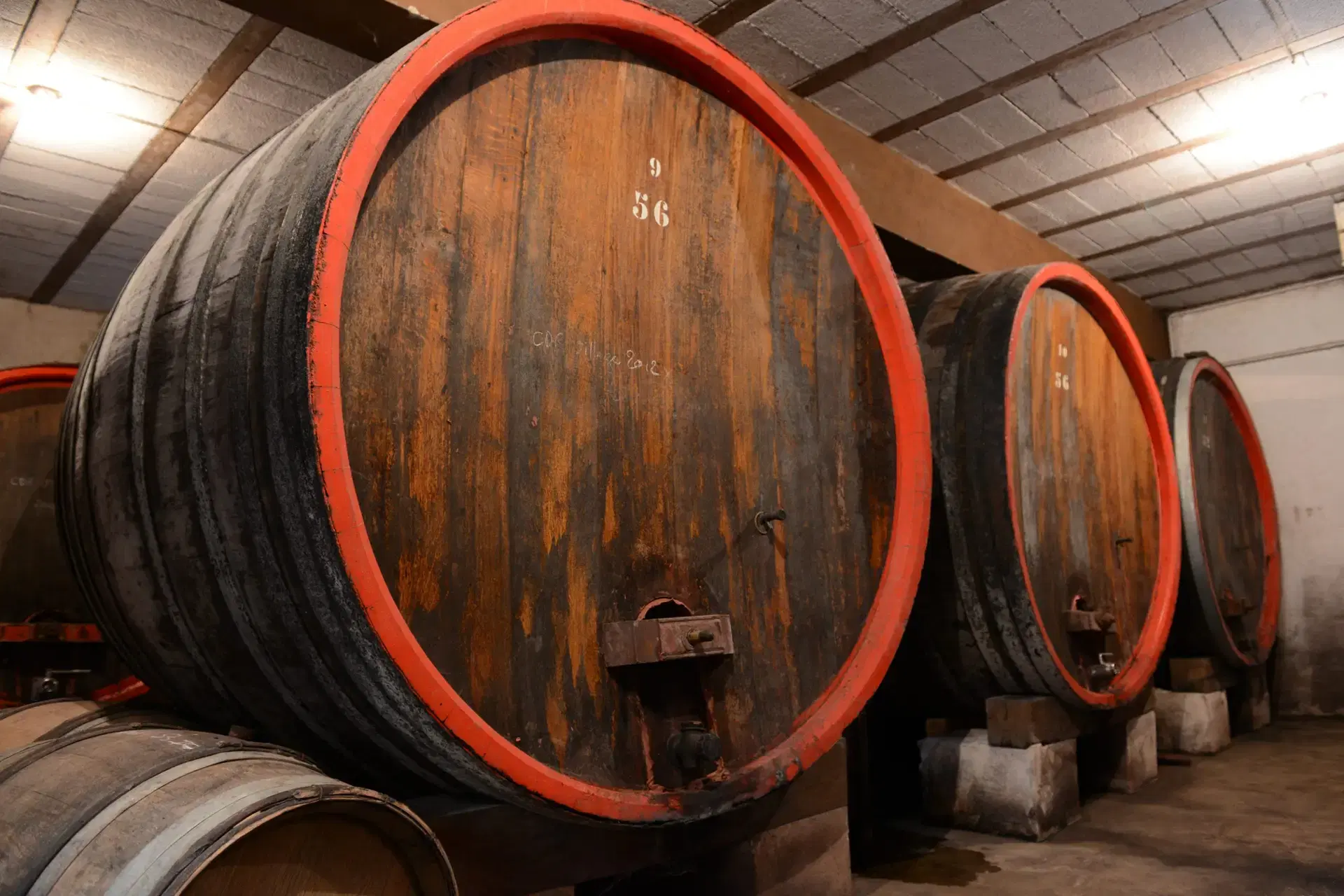
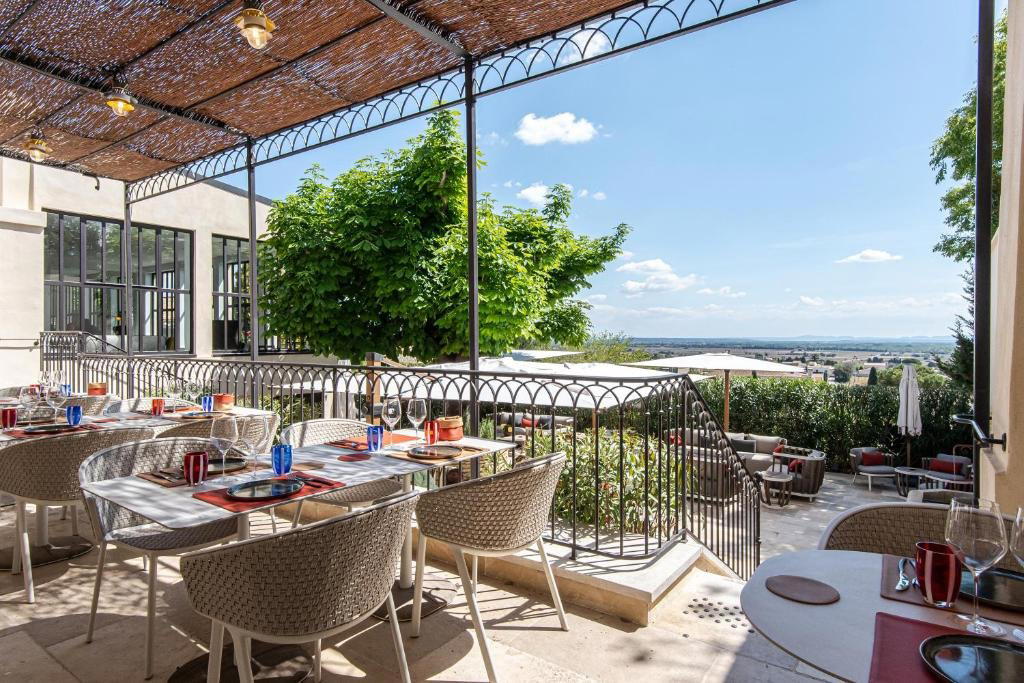
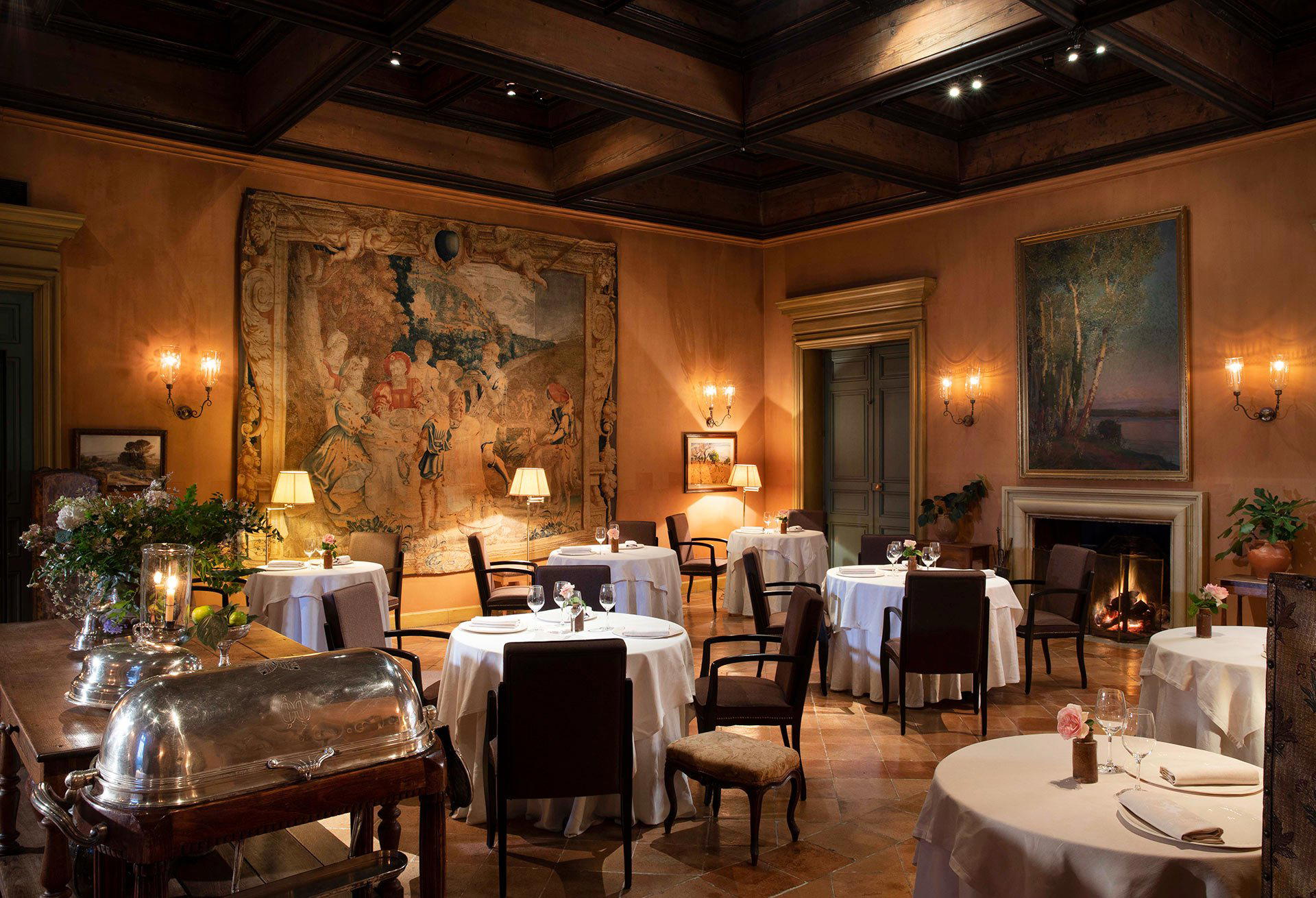
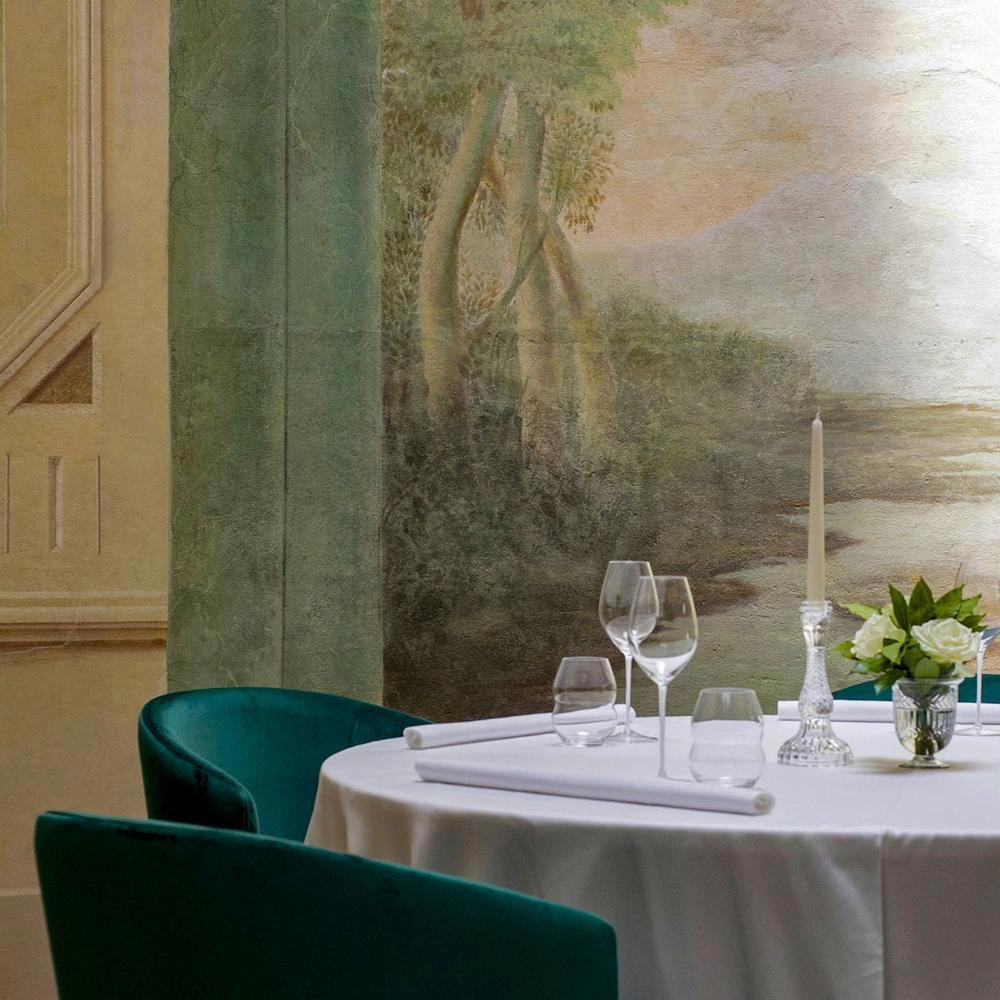
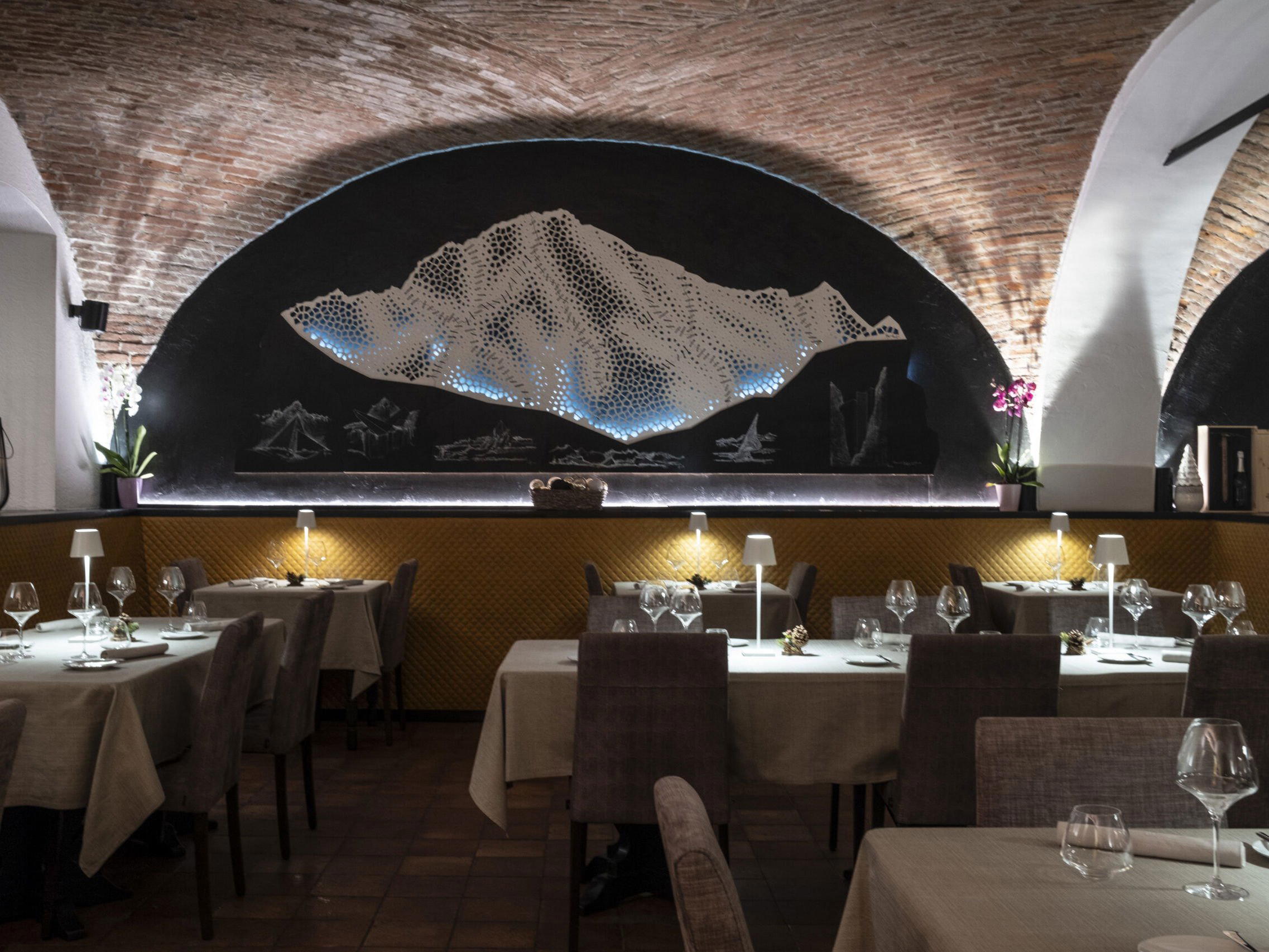
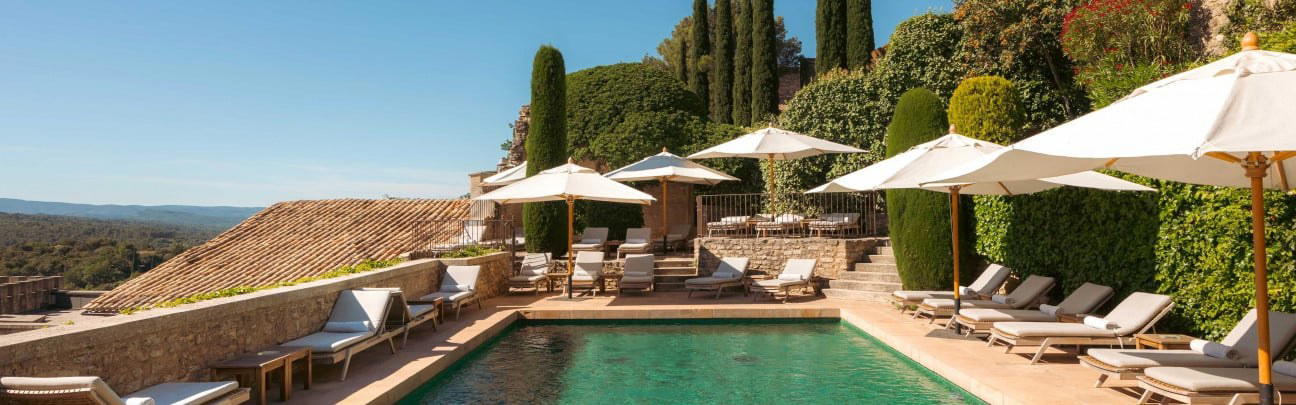
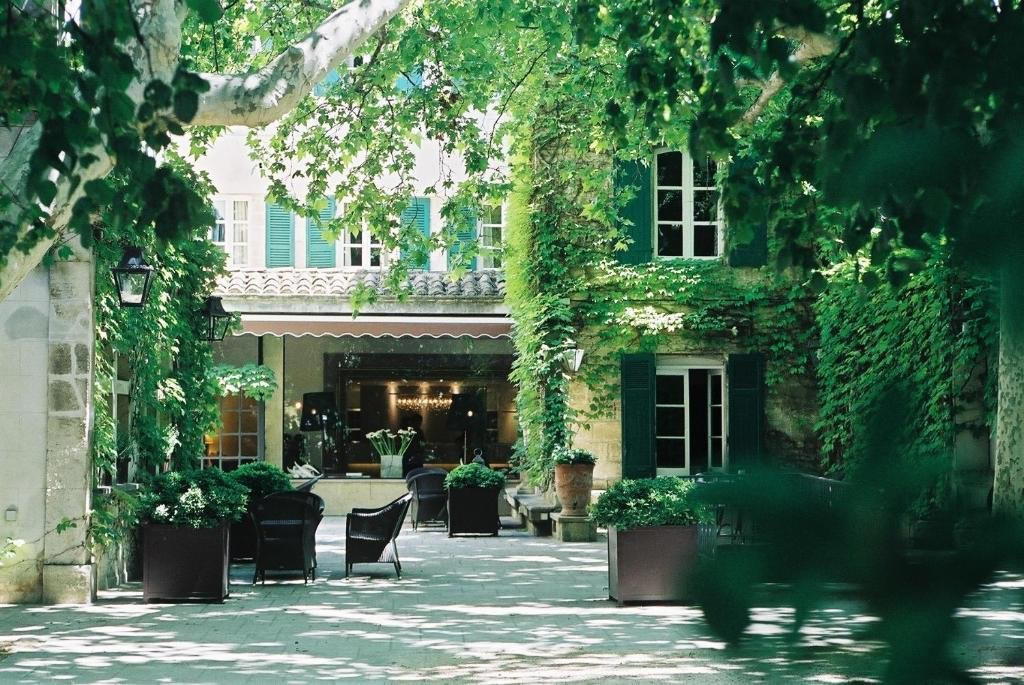
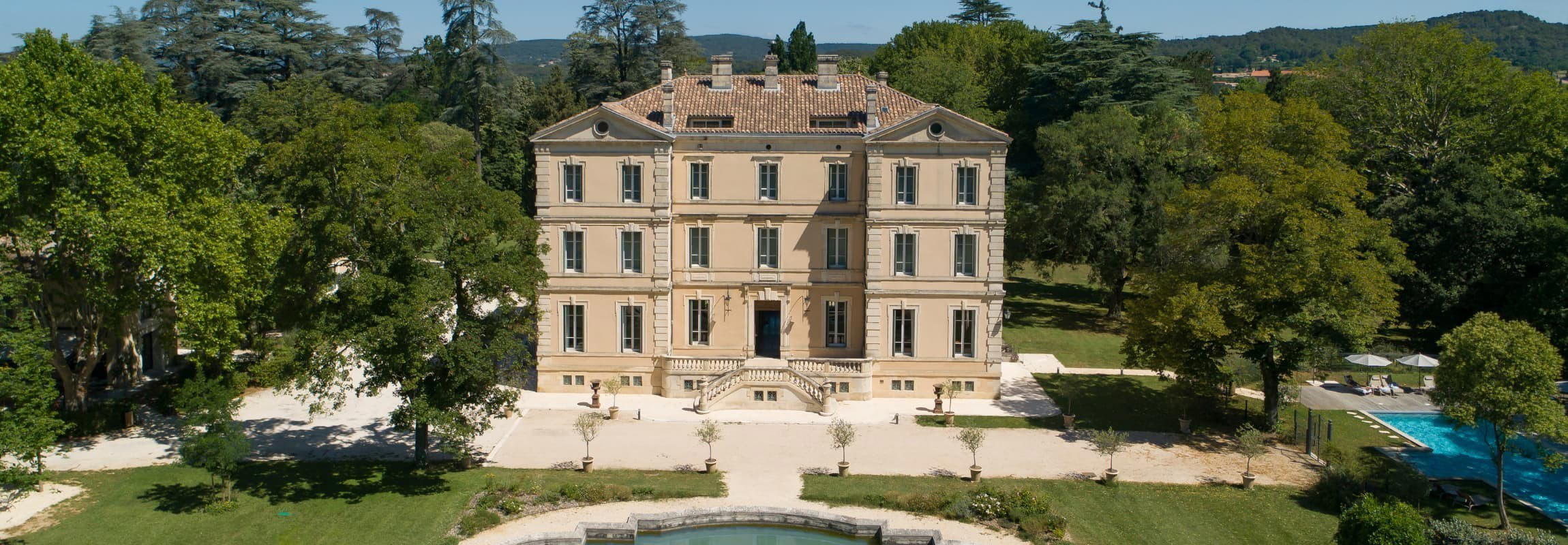
Rustic estate atmosphere with traditional winemaking heritage, set on the higher plain of Gigondas overlooking Les Dentelles mountains, featuring natural light through stone buildings dating to 1974.