

In the storied wine village of Gigondas, L'Oustalet distills the soul of Provence into a refined culinary experience. Housed in a handsome stone residence overlooking a plane-tree-shaded square, the restaurant crafts seasonal, terroir-driven dishes with polished finesse, think Mediterranean gilt-head bream with grilled aubergine and girolle mushrooms, or Aveyron veal lifted by chard and marjoram. A jewel-box cellar, replete with rare bottles and an inspired by-the-glass program, elevates each course with thoughtful pairings. Expect attentive, discreet service; a sense of place that feels both timeless and intimate; and a meal that unfurls with the grace of a Provençal afternoon.
Pearl is the En Primeur Club membership app — saves, bookings, and concierge access live there. Same editors, same standards.
- Address
- 5 Pl. Gabrielle Andéol, 84190 Gigondas, France
- Phone
- +33 4 90 65 85 30
- Website
- loustalet-gigondas.com
- Directions
- Get directions
 Saves & bookings on Pearl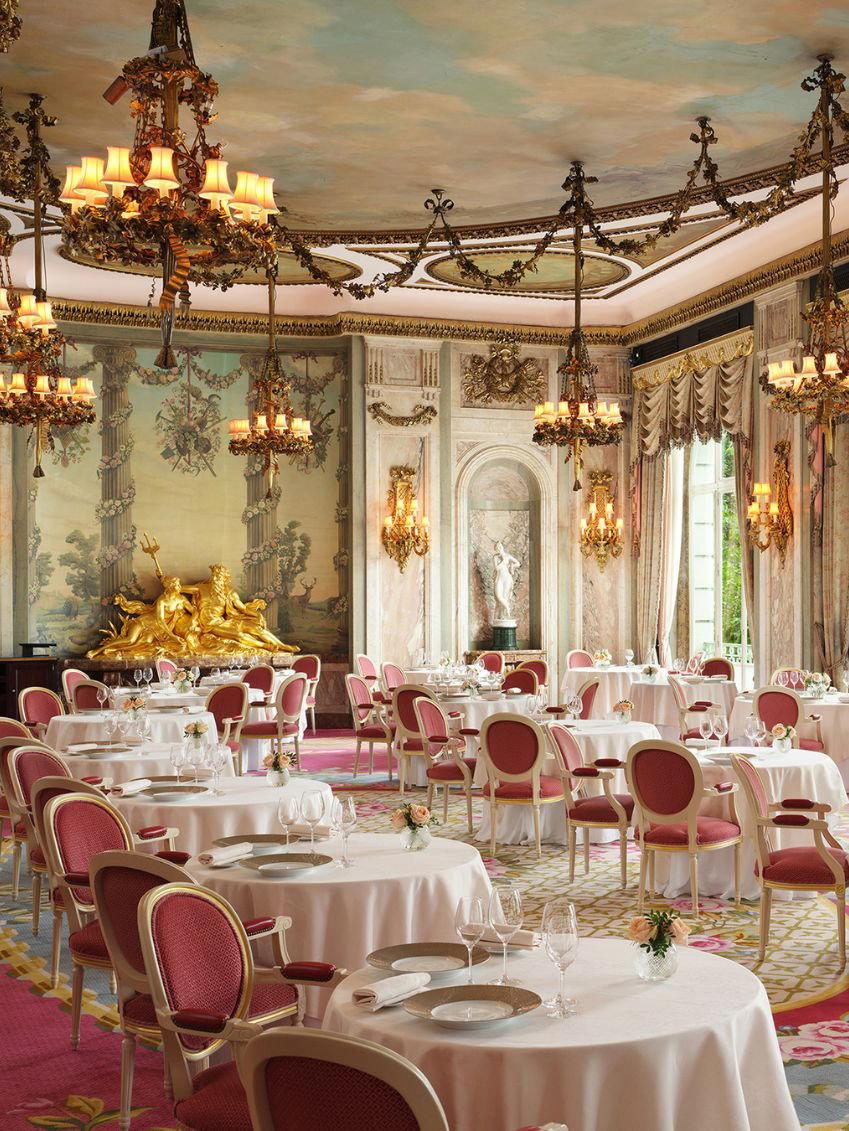
A Stone Terrace in the Dentelles
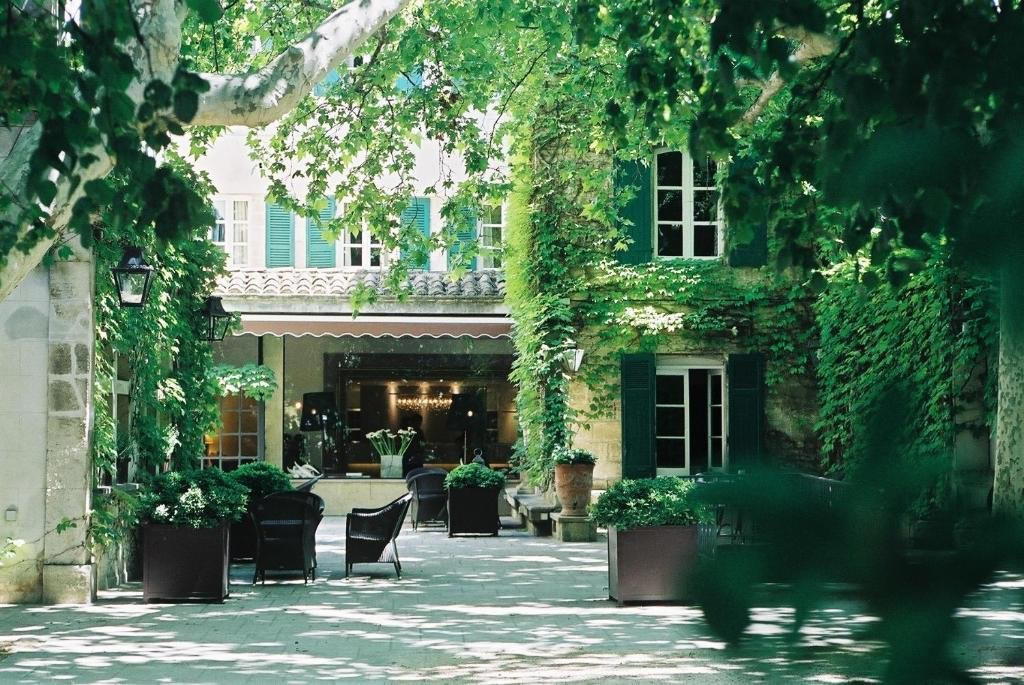
Approach Gigondas on a warm afternoon and the village arrives like a stage set: ochre stone, a church tower, plane trees casting long shadows across a square that has barely changed in a century. L'Oustalet occupies a handsome stone house on that square, its terrace positioned directly beneath the canopy of those ancient trees. Before you read the menu or open the wine list, the physical setting has already made its argument. This is what rural Provence looks like when it has not been renovated into abstraction.
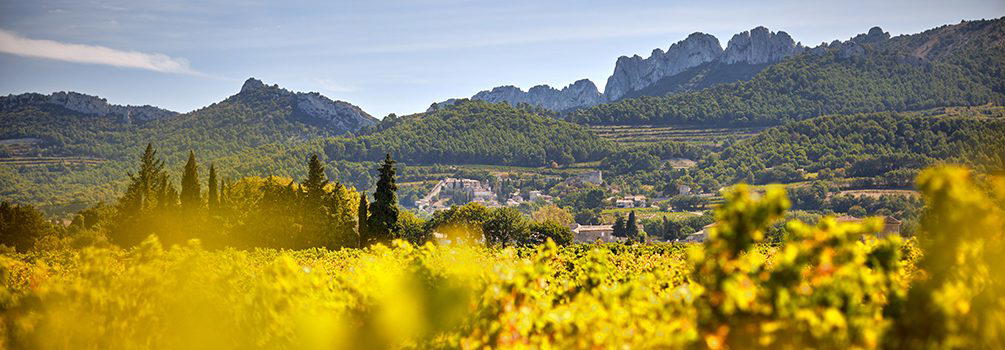
Gigondas is, above all, a wine village. The appellation sits in the Dentelles de Montmirail, a jagged limestone ridge in the southern Rhône, and the local economy has organised itself around Grenache-dominant reds for generations. Dining here carries a different set of expectations than dining in Lyon or Paris. It is more directly the tradition of the southern French auberge, where the cooking earns its keep by being in honest dialogue with the land around it.
What the Michelin Plate and Star Signal
L'Oustalet holds one Michelin Star. That movement between tiers tells you something specific: the kitchen is operating at a level that commands serious attention, and Michelin's inspectors have watched it closely enough to revise their assessment.6 across 388 reviews reinforces the pattern.
L'Oustalet does not compete in that tier. It operates in a different register: a one-star village restaurant in a wine-producing commune, where the point is provenance and place, not technical theatrics.
Provence on the Plate: Sourcing as a Culinary Position
The Michelin description offers the clearest window into how the kitchen thinks about its ingredients. Mediterranean gilt-head bream, grilled aubergine, girolle mushrooms, Aveyron-reared veal, chard, marjoram, fig, rosemary, balsamic vinegar: this is not a menu built around imported luxury products or global technique. It is a map of what Provence and its surrounding regions produce at their leading.
The decision to source veal from Aveyron is worth pausing on. Aveyron, a département in the Massif Central roughly four hours north by road, has built a credible reputation for high-welfare livestock, particularly the Laguiole breed associated with Bras in Laguiole and broader regional pride. Using Aveyron veal in a Provençal kitchen is a statement about sourcing standards: the kitchen is willing to reach beyond local borders when the quality argument is clear, rather than defaulting to generic French supply chains.
Mediterranean bream is a fish that southern French kitchens have worked with for centuries, though it is frequently treated carelessly in tourist-facing restaurants. Pairing it with girolle mushrooms, which are a forest product of the late summer in France, creates a dish that is specific to a season and a landscape. Girolles are harvested wild rather than farmed, and their appearance on a menu signals that the kitchen is buying from foragers or specialist suppliers rather than commodity distributors.
Fig-rosemary-balsamic vinegar combination in what appears to be a dessert context is a standard of southern French and northern Italian pastry tradition, but it is precisely that kind of regional vernacular the kitchen seems to embrace. These are not global ingredients dressed up as local. They are local ingredients used with confidence in their own tradition.
This sourcing posture aligns with a broader shift in how serious village restaurants in France position themselves. Particularly considered ones have moved away from mimicking urban fine dining and toward a hyper-articulate relationship with what grows, swims, forages, and grazes within a few hundred kilometres. In the southern Rhône, that means vegetables from market gardens in the Vaucluse, fish from Marseille's port, herbs from the garrigue, and meat from inland farms with traceable practices. The cooking at L'Oustalet, as described by Michelin's inspectors, fits that model: "supremely fresh ingredients that celebrate Provence" crafted into "well-thought out recipes."
The Wine Cellar as a Destination in Itself
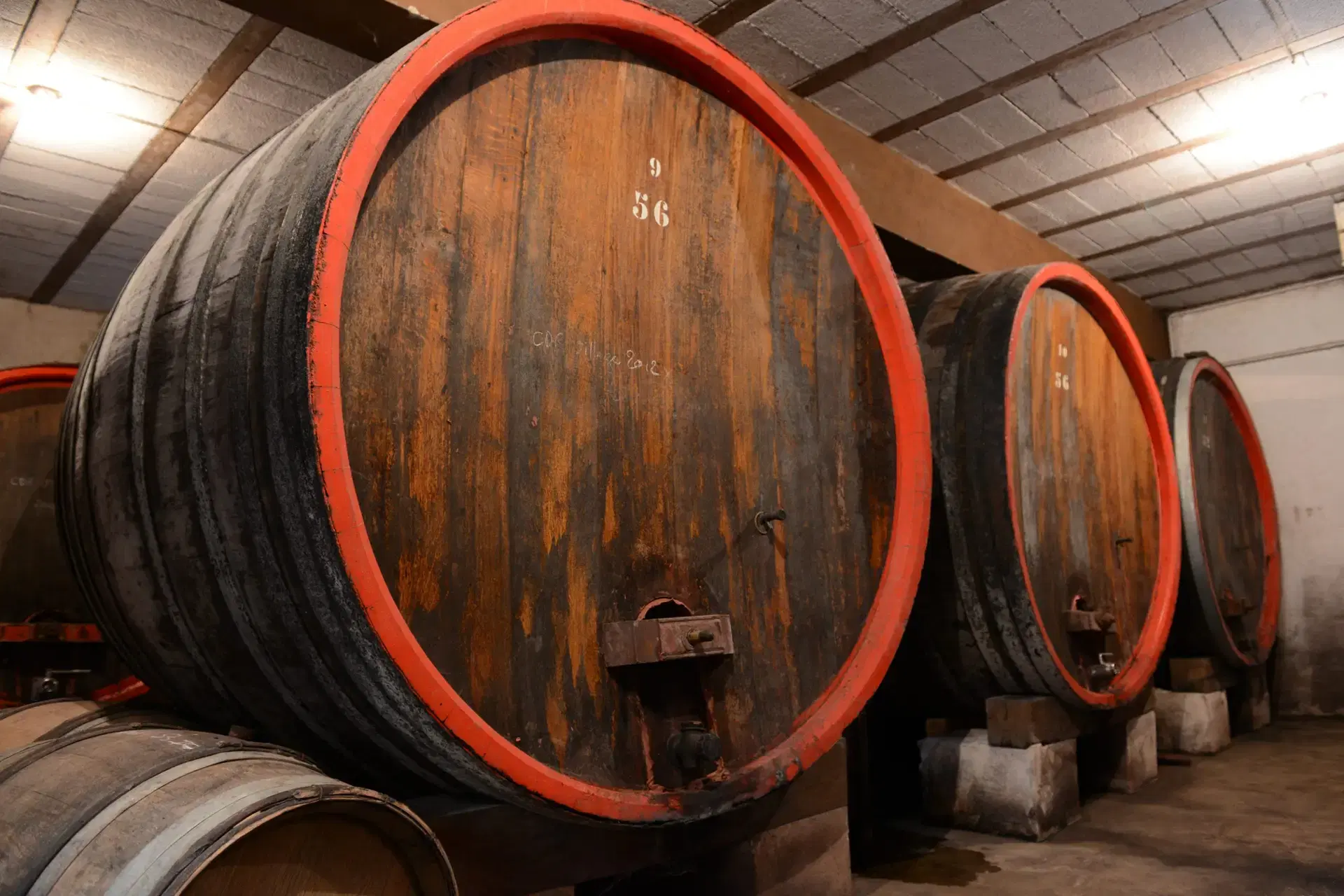
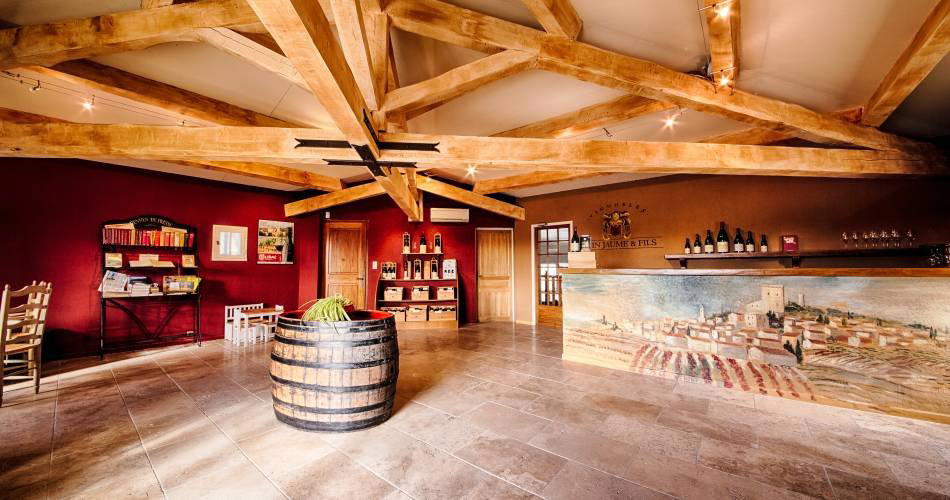
It would be reductive to discuss the restaurant without spending time on the wine program. Michelin's inspectors use the phrase "treasure trove of surprises" for the cellar, and the White Star from Star Wine List confirms that this is not routine. In a village where the main economic activity is producing Gigondas AOC wine, a serious restaurant cellar carries particular obligations.
The interest, according to available descriptions, extends beyond the obvious: wines by the glass are part of what makes the program notable, which suggests both depth of selection and willingness to open bottles that smaller restaurants would only sell whole. For a village restaurant at the €€€ price point, that kind of programme investment signals genuine commitment.
Gigondas itself is worth understanding as a wine appellation. The AOC produces almost exclusively red wine from Grenache-dominant blends, with Syrah and Mourvèdre as common secondary varieties. The wines tend toward density and warmth, shaped by the limestone soils and the influence of the Mistral. A wine cellar rooted in this village, if it is doing its job, should give a reader access to both current releases and older vintages from the local domaines, alongside the broader southern Rhône and further reaches of France. The Star Wine List recognition suggests it is doing considerably more than the minimum.
Planning a Visit
The restaurant sits at 5 Place Gabrielle Andéol in Gigondas, the central square of the village. The restaurant also functions as a hotel, which makes it one of the few places in the appellation where you can sleep within walking distance of the kitchen and the cellar. For anyone serious about the wine region, that pairing is the obvious way to organise a visit: arrive the night before, eat that evening, wake up the following morning for estate visits. The surrounding area has many domaines that receive visitors, and the Dentelles de Montmirail offer walking routes for anyone wanting to work up an appetite before a €€€ lunch.
Gigondas is accessible by car from Avignon in under an hour, and from Orange in about 30 minutes. Public transport to the village itself is limited, which makes a car effectively necessary for most international visitors. Given that the wine program is a central part of the experience, planning who is driving is worth doing in advance.
The terrace on the square is the obvious choice in warm weather, which in Provence means most of the year from April through October. Winter visits bring a different atmosphere: the plane trees are bare, the village is quieter, and the cooking's emphasis on warming, rooted ingredients makes more immediate sense.
For comparison with other Michelin-recognised restaurants across France, EP Club also covers AM par Alexandre Mazzia in Marseille, Auberge du Vieux Puits in Fontjoncouse, Paul Bocuse - L'Auberge du Pont de Collonges in Collonges-au-Mont-d'Or, Assiette Champenoise in Reims, and Au Crocodile in Strasbourg. Further afield, the modern cuisine category includes Frantzén in Stockholm and FZN by Björn Frantzén in Dubai, both of which illustrate how different cities interpret contemporary cooking at high investment levels.
Quick Comparison
Comparable venues nearby, for context on price, style, and recognition.
| Venue | Cuisine | Price | Awards | Notes |
|---|---|---|---|---|
| L'OustaletThis venue — the venue you are viewing | Refined Seasonal Provençal Gastronomy | $$$ | Michelin 1 Star | Not listed |
| Bistrot de l'Oustalet | Provençal Fine Dining | $$$ | Michelin Plate | Gigondas |
| Les Florets | Provençal French Bistro | $$$ | Not listed | Gigondas |
| La Mirande | Modern Provençal Fine Dining | $$$$ | Michelin 1 Star | near Palais des Papes |
| Pollen | Modern French Fine Dining | $$$$ | Michelin 1 Star | Historic Center |
| Likoké | Modern Franco-Colombian Fine Dining | $$$$ | Michelin 1 Star | Les Vans |
Recognition history
Dated appearances from independent guides and award organizations, with the underlying list record or original source where available.
Michelin 1 Star
Michelin
Star Wine List
Star Wine List
Michelin 1 Star
Michelin
Michelin 1 Star
Michelin
Continue exploring
More in Gigondas
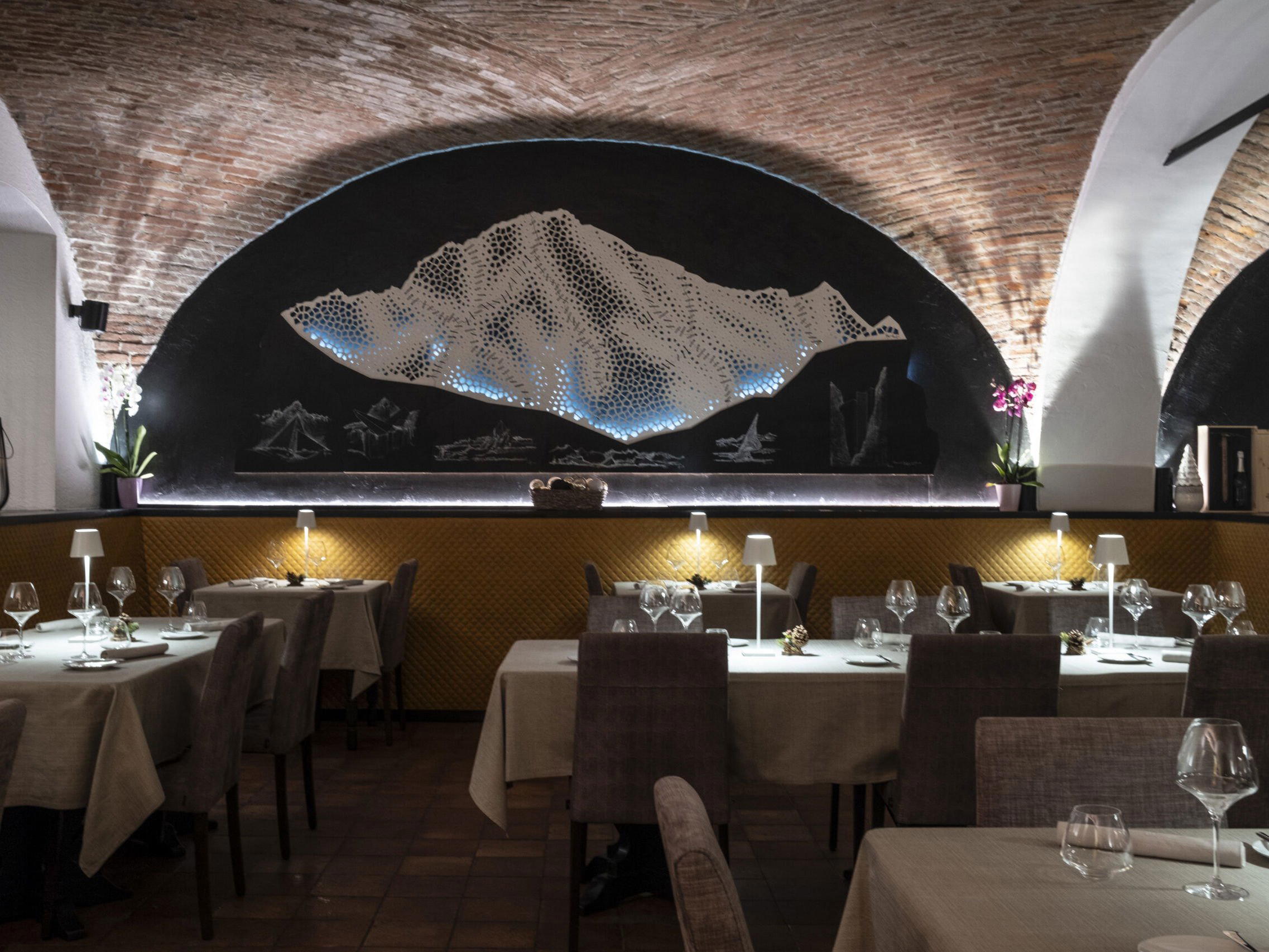
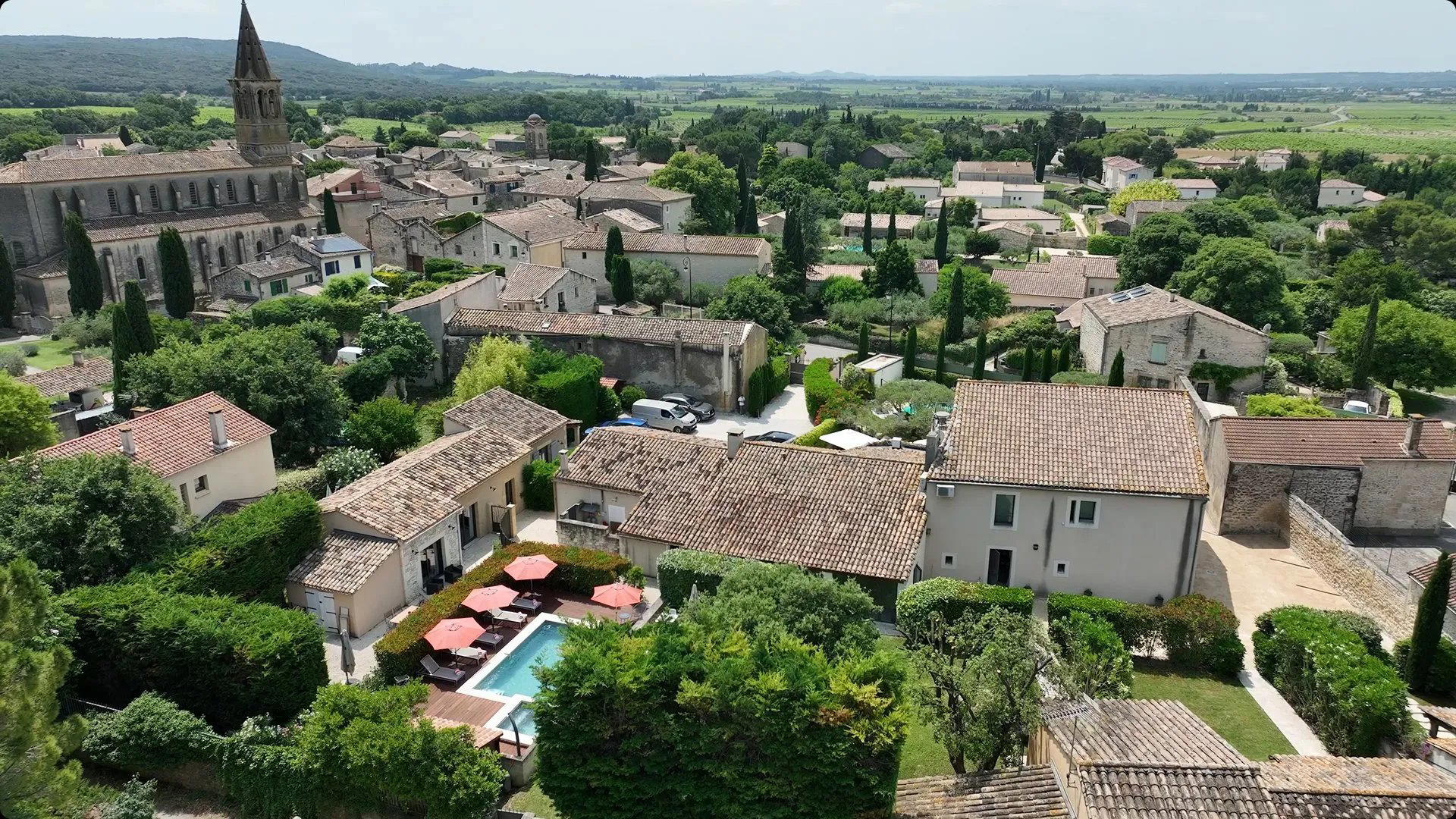
Restaurants in Gigondas
Browse all →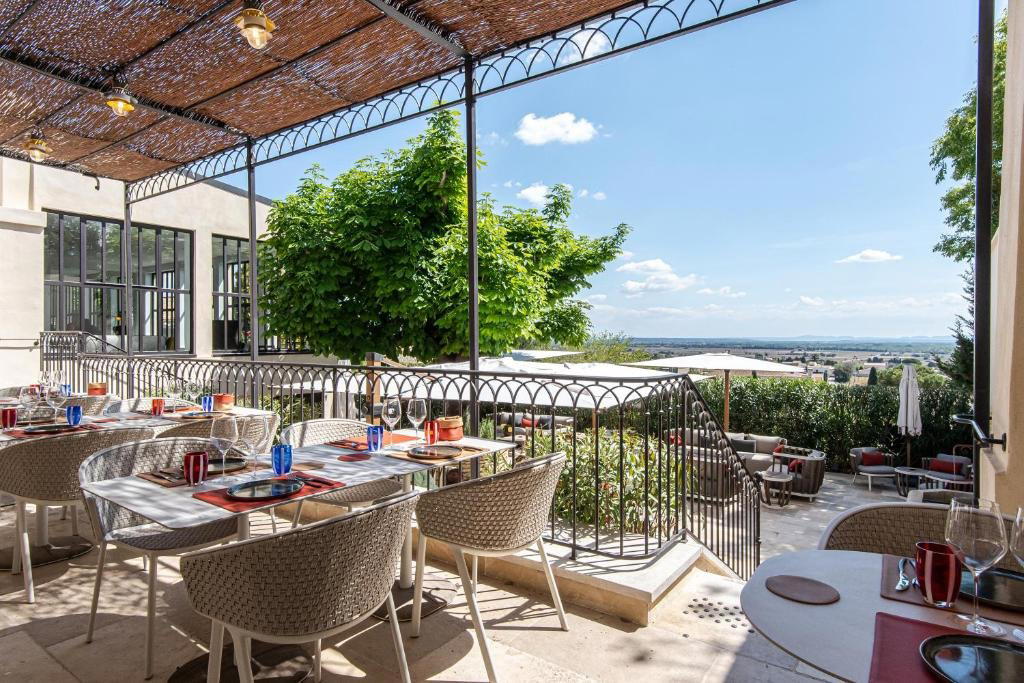
Bars in Gigondas
Browse all →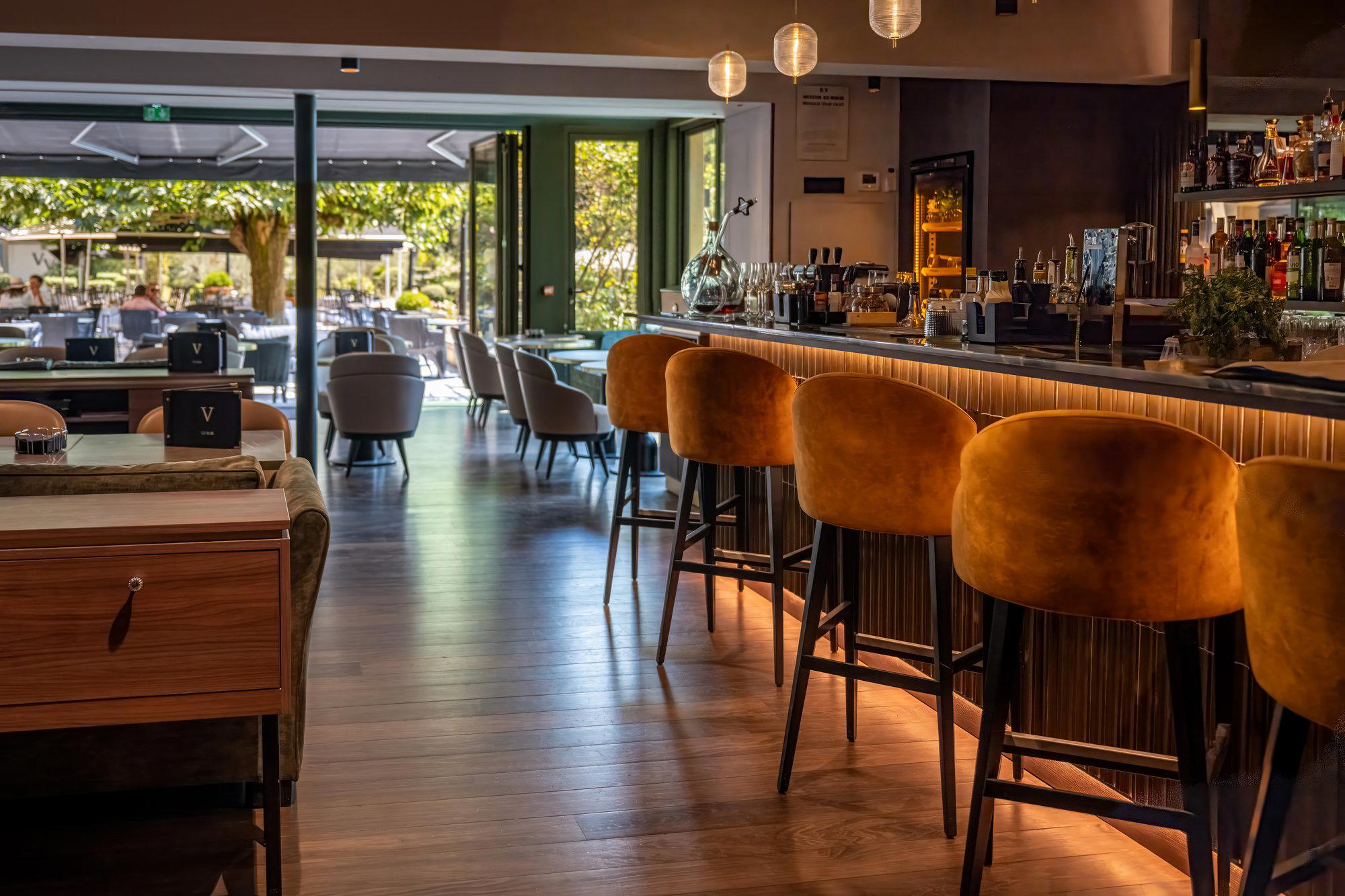
Hotels in Gigondas
Browse all →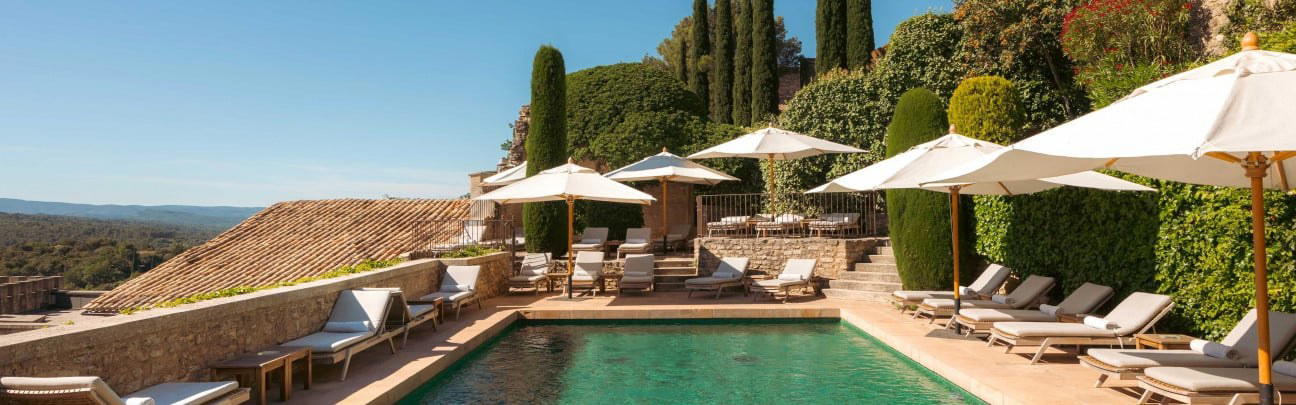
At a Glance
- Romantic
- Elegant
- Scenic
- Intimate
- Sophisticated
- Date Night
- Special Occasion
- Celebration
- Terrace
- Garden
- Wine Cellar
- Private Dining
- Historic Building
- Extensive Wine List
- Sommelier Led
- Farm To Table
- Local Sourcing
- Organic
- Garden
- Street Scene
Current opening hours
- Monday
- Closed
- Tuesday
- Closed
- Wednesday
- 12–1:30 PM, 7:15–8 PM
- Thursday
- 12–1:30 PM, 7:15–8 PM
- Friday
- 12–1:30 PM, 7:15–8 PM
- Saturday
- 12–1:30 PM, 7:15–8 PM
- Sunday
- Closed
Hours can change for holidays and private events. Last verified .
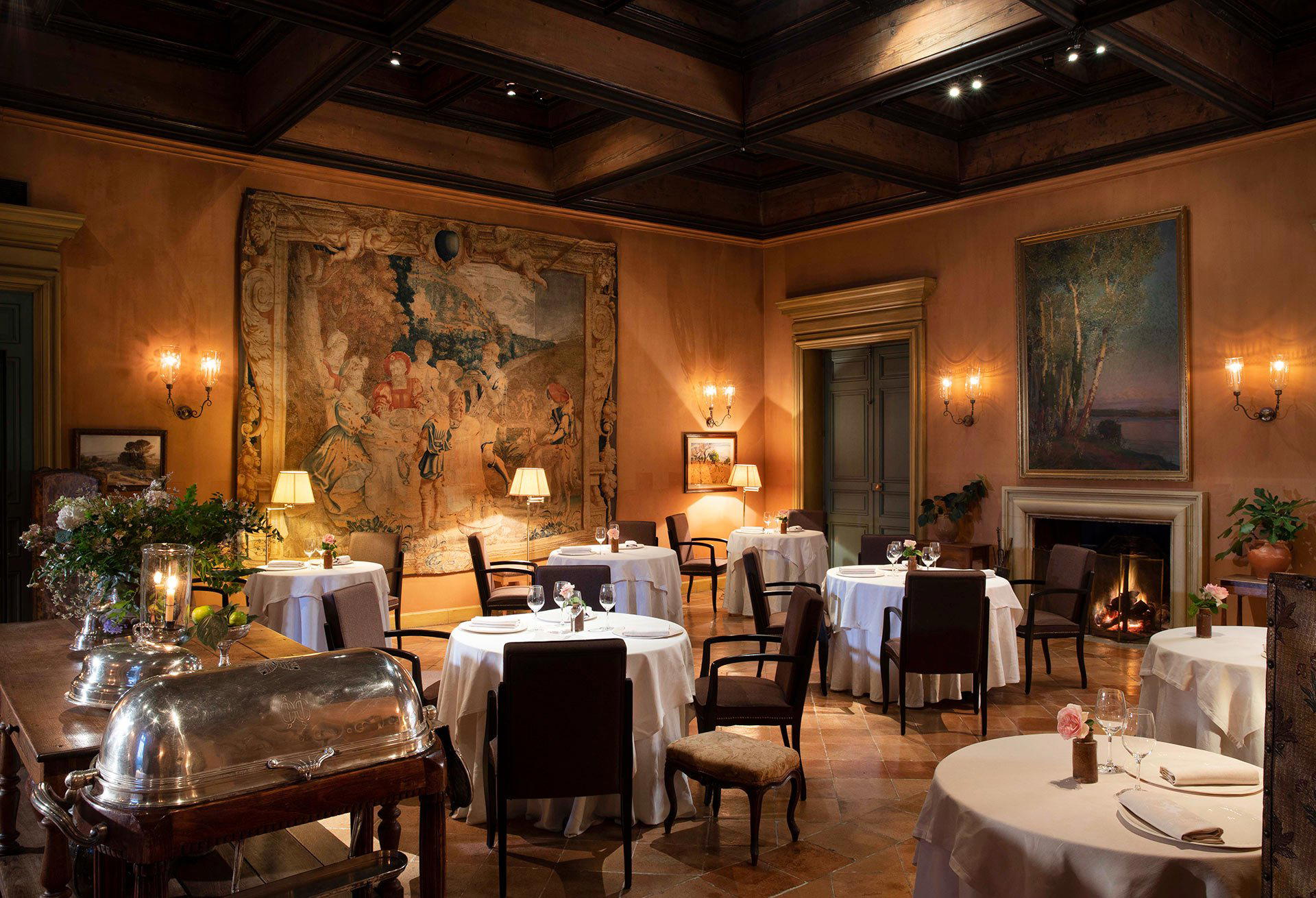
Intimate and refined with soft lighting in a charming bleached-stone Provençal house; the shaded terrace under ancient plane trees creates a magical, peaceful setting for evening dining.