Skip to Main Content
← Collection
Chablis, France

Domaine Willian Fevre

WinemakerDidier Séguier
RegionChablis, France
Pearl

Domaine William Fèvre holds dual Pearl Star Prestige recognition from EP Club in 2025, placing it among Chablis's most closely watched addresses. Under winemaker Didier Séguier, the domaine operates from 10 Rue Jules Rathier in the heart of Chablis town, producing wines that sit squarely within the appellation's mineral, unoaked tradition. A reference point for understanding what the northern tip of Burgundy does with Chardonnay.

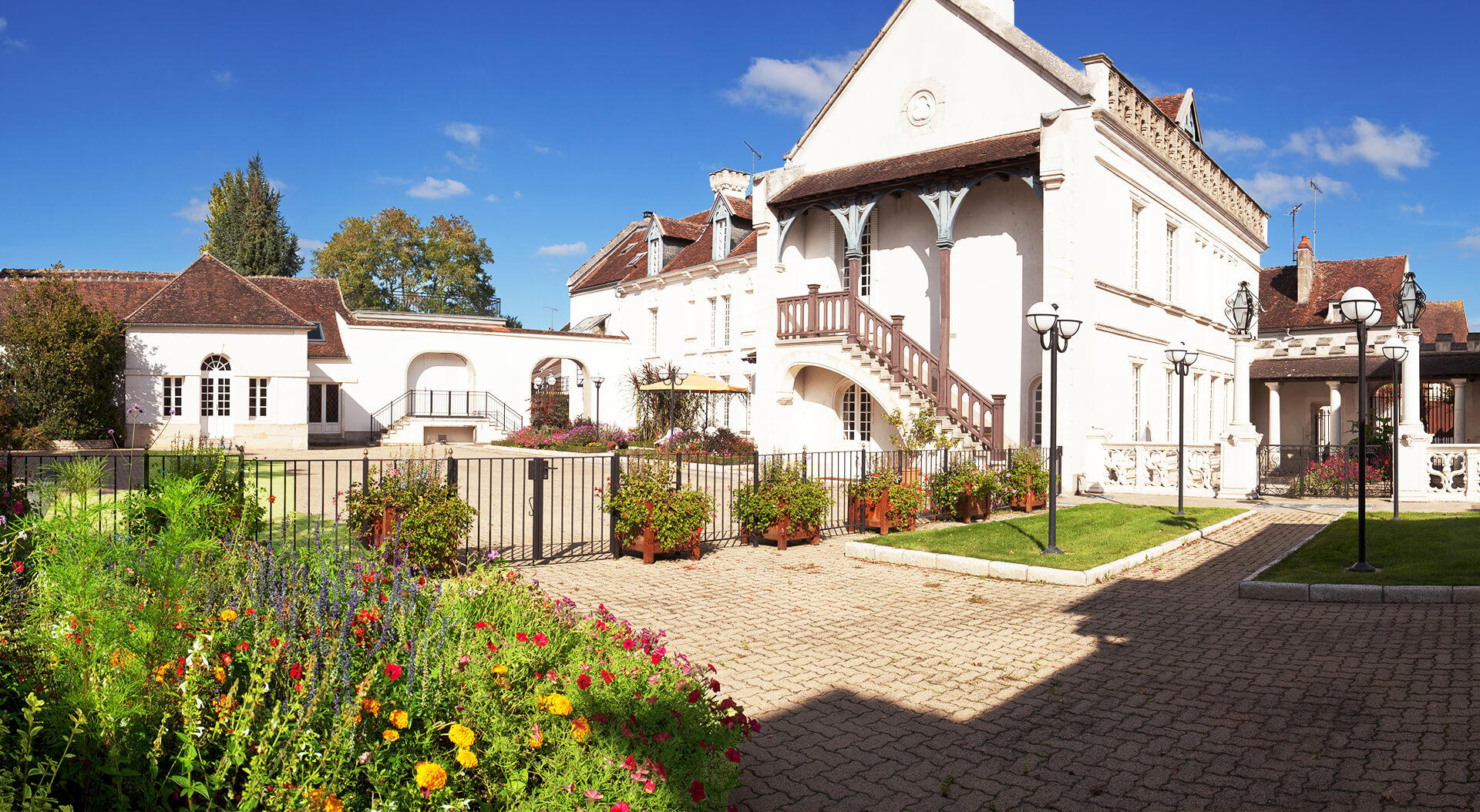
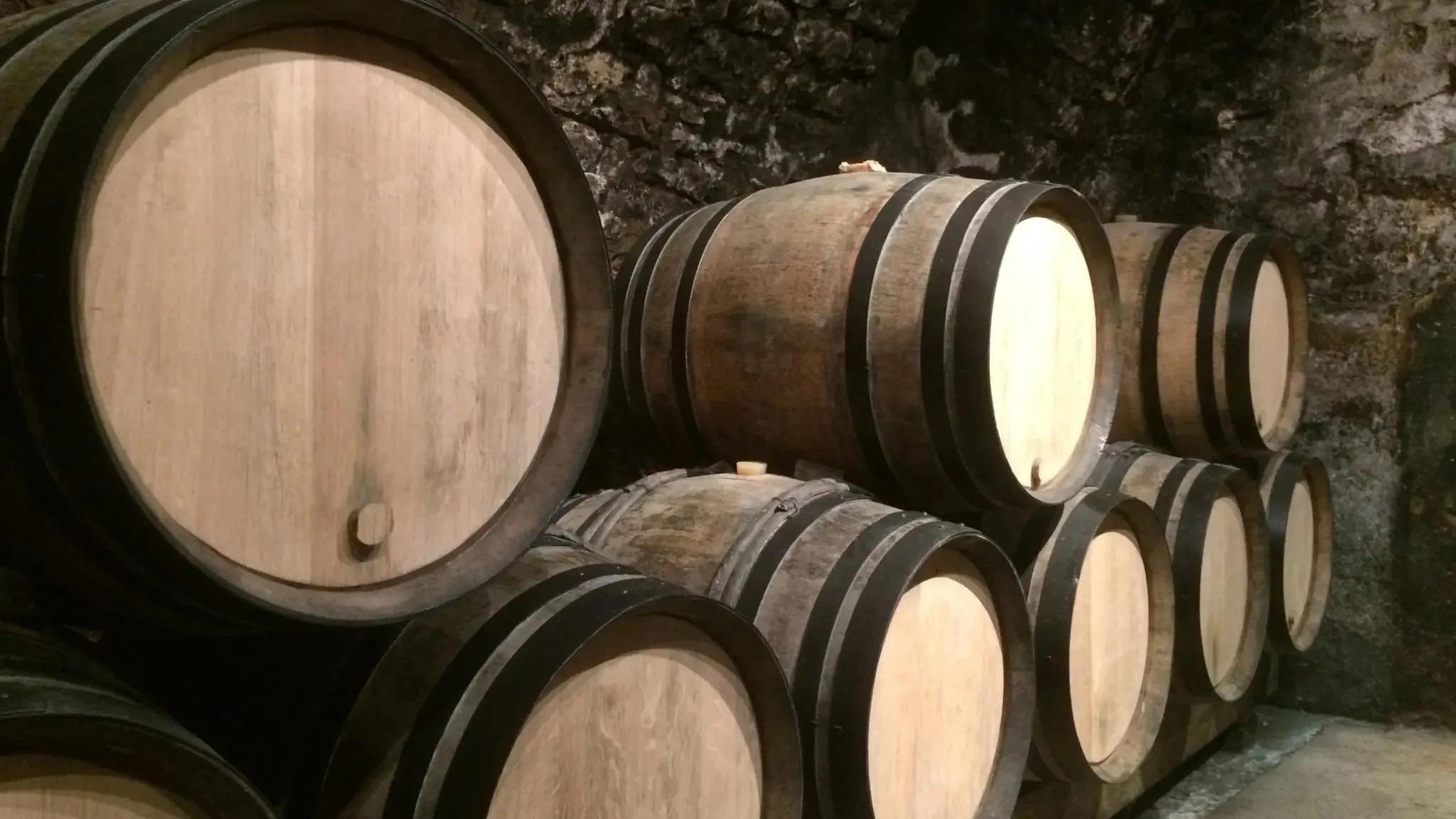
Domaine Willian Fevre winery in Chablis, France
About

Chablis at Its Northern Edge: Why the Region Still Demands Attention

Among the white wine appellations of France, Chablis occupies a position that no other Chardonnay region quite replicates. Sitting around 180 kilometres south-east of Paris, on a latitude closer to Champagne than to the Côte d'Or, the region produces wines whose defining character comes less from winemaking intervention and more from the peculiar geology beneath the vines: Kimmeridgian limestone, a marine deposit studded with ancient oyster fossils that gives the wines their characteristic salinity and austere minerality. That geological identity has made Chablis a reference point for sommeliers and collectors who want Chardonnay without the oak register that dominates much of the New World and even parts of the Mâconnais.

The appellation is not monolithic, though. A significant gap exists between entry-level Petit Chablis, the village-level Chablis AOC, the Premier Cru tier, and the seven Grand Cru vineyards that occupy a single south-facing slope just north of the town. Producers who work across multiple tiers force a comparison that reveals a great deal about what the terroir is actually doing at each level. It is in this context that Domaine William Fèvre, operating from 10 Rue Jules Rathier in the centre of Chablis, earns its place as a meaningful reference address.

Domaine William Fèvre: Position Within the Chablis Peer Set

In any serious conversation about Chablis, a handful of names appear consistently. Domaine Dauvissat and Domaine François Raveneau are typically cited as the appellation's benchmark estates, operating on small volumes with long waiting lists and allocations that rarely reach the open market. Domaine Billaud-Simon occupies a similarly serious position at a slightly more accessible scale. La Chablisienne, the local cooperative, handles a substantial share of the appellation's volume and represents a different model entirely.

Domaine William Fèvre sits in a distinct category: a domaine with significant Grand Cru holdings that has operated under the ownership of the Henriot family since the late 1990s, giving it both scale and institutional backing that the smaller family operations lack. Winemaker Didier Séguier has overseen the cellar through a period when the domaine's reputation for Grand Cru Chablis has been consolidated rather than reinvented. The 2025 EP Club recognition reflects that continuity: a Pearl 2 Star Prestige and a Pearl 3 Star Prestige award within the same cycle signal wines operating at different quality tiers, with the Grand Cru bottlings earning the higher designation.

For comparison across Burgundy's wider domain of Chardonnay, producers like Albert Boxler in Niedermorschwihr and Domaine François Lamarche illustrate how distinct terroir-driven winemaking can become even within a French tradition that prizes restraint. The thread connecting all of them is a preference for letting the land speak ahead of the cellar.

What the Grand Cru Slope Tells You

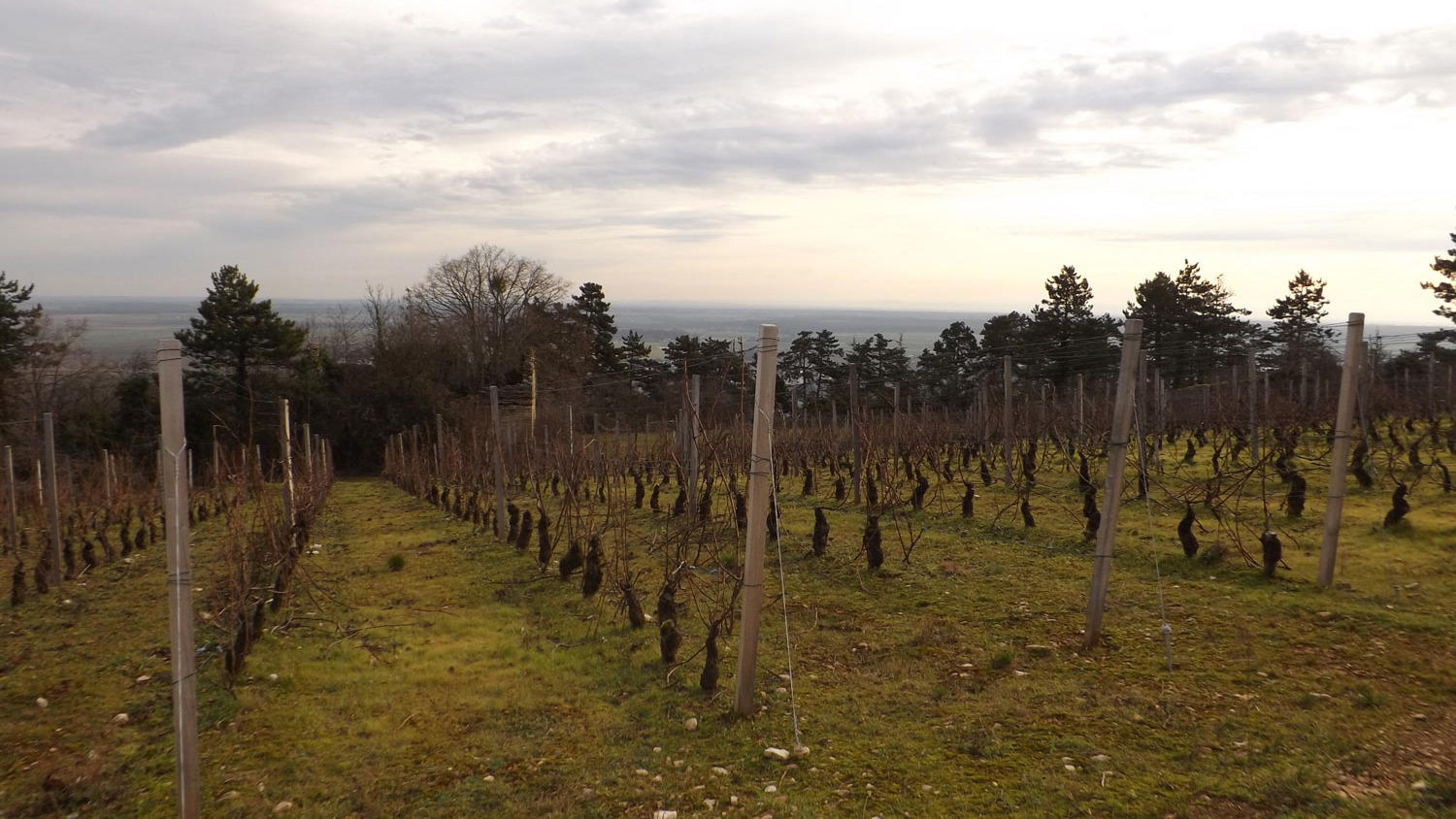
Chablis's seven Grand Cru vineyards, Blanchot, Bougros, Les Clos, Grenouilles, Preuses, Valmur, and Vaudésir, all face south-southwest from a single escarpment above the Serein river. The south-facing orientation gives them enough sun accumulation to ripen fully despite the appellation's northerly latitude, while the Kimmeridgian subsoil keeps the wines from going soft or broad. The result, in good vintages, is Chardonnay with both richness and tension: wines that can be drunk young if you accept their tightness, or held for five to ten years for full integration.

Domaine William Fèvre holds parcels across several of these Grand Cru sites, which is significant given how fragmented Grand Cru ownership typically is in Chablis. The domaine's ability to offer multiple Grand Cru expressions within a single visit or tasting is one reason it functions as a useful orientation point for visitors who want to understand how the seven lieux-dits actually differ in practice, rather than in theory.

Domaine Eleni and Edouard Vocoret represents another producer navigating the same Grand Cru terrain with a different scale and ownership model, and comparing the two offers a precise study in how identity is maintained or evolved across generations in a small appellation.

Visiting Chablis Town: What the Setting Delivers

Chablis is a small market town, its population sitting comfortably under three thousand, with a density of wine production that makes it unusual in France: the appellation's name recognition far exceeds the town's size. The Serein river cuts through the centre, and the Grand Cru slope is visible from the town on a clear day. Walking the streets around Rue Jules Rathier puts you within minutes of most of the major domaine addresses, which is one of the practical advantages Chablis offers over more dispersed appellations.

Visiting in April through October gives the most reliable weather window for cellar visits, though the harvest period in September and October means some domaines operate reduced visitor hours as staff redirect attention to picking and sorting. Booking ahead is standard practice at Domaine William Fèvre given its scale of international visitors; the domaine's profile in export markets, particularly the UK, the United States, and Japan, means that walk-in availability is inconsistent. The address at 10 Rue Jules Rathier is central enough to combine with other visits along the main wine route through the town.

For anyone building a longer stay around Chablis, our full Chablis hotels guide covers the accommodation options from central town to the surrounding villages. Chablis's restaurant scene is covered separately in our full Chablis restaurants guide, and the town's wine bars and tasting rooms are mapped in our full Chablis bars guide. For producers beyond William Fèvre, our full Chablis wineries guide places the appellation's full roster in context. Local experiences beyond the cellar door are covered in our full Chablis experiences guide.

Placing the Appellation in a Wider French Context

Chablis does not operate in isolation from France's broader wine geography. In Sauternes, estates like Château Bastor-Lamontagne in Preignac represent a completely different logic: botrytised, sweet, and rich where Chablis is dry, lean, and saline. In the Ribera del Duero, Abadía Retuerta illustrates the ambition of Iberian fine wine operating at scale, another useful comparison point for understanding what institutional backing does (and does not do) for quality. Even the Chartreuse operation at Voiron and Aberlour in Speyside point toward how specific geographic identity, whether in Chablis, the Highlands, or the Chartreuse mountains, becomes a product's primary credential.

For Chablis specifically, the regional identity argument is direct: nowhere else produces Chardonnay from Kimmeridgian limestone at this latitude, and that combination creates a flavour signature that winemakers from California to Australia have tried to reference but not replicate. Domaine William Fèvre, with its combination of scale, Grand Cru access, and two decades of consistent direction under the Henriot umbrella, is a producer that makes the appellation's argument in bottle form.

Planning Your Visit

Domaine William Fèvre is located at 10 Rue Jules Rathier, 89800 Chablis, in the centre of the appellation's eponymous town. The domaine holds EP Club Pearl 2 Star Prestige and Pearl 3 Star Prestige recognition for 2025, with Didier Séguier serving as winemaker. Visitors planning a tasting should contact the domaine directly in advance; given the estate's export profile and volume of international visitors, pre-arranged appointments deliver a more structured experience than arriving without notice. Chablis is most easily reached by train from Paris Gare de Lyon to Laroche-Migennes, followed by a short transfer, or by car from the A6 autoroute, which places the town approximately two hours from Paris in moderate traffic.

FAQ

What is the leading wine to try at Domaine William Fèvre?

The Grand Cru bottlings are the clearest argument for a visit. Domaine William Fèvre holds parcels across multiple of Chablis's seven Grand Cru lieux-dits, and these wines earned the domaine's Pearl 3 Star Prestige recognition from EP Club in 2025. For those newer to the appellation, starting with a Premier Cru and stepping up to a Grand Cru within the same tasting is the most instructive way to understand what the additional sun exposure and older vine age of the upper sites actually deliver. Winemaker Didier Séguier has maintained a house style that stays close to the appellation's unoaked, mineral tradition, so the wines serve as a reliable template for what Kimmeridgian Chablis is supposed to taste like at the leading of the quality hierarchy.

What should I know about Domaine William Fèvre before visiting?

The domaine is one of Chablis's larger operations by Grand Cru holding, which means tasting access is structured and typically requires a prior appointment. It sits in the centre of Chablis town at 10 Rue Jules Rathier, making it direct to combine with visits to Domaine Billaud-Simon and other town-based producers. The 2025 EP Club dual Prestige Star recognition places it in the upper tier of the appellation's producer rankings. Pricing for Grand Cru Chablis at this level is in line with other established Burgundy addresses; expect to pay a premium over village and Premier Cru bottles. The domaine does not publish specific pricing or hours on a publicly accessible schedule, so confirming both ahead of arrival is the practical first step for any visit.

Peer Set Snapshot

These are the closest comparables we have in our database for quick context.

Collector Access

Access the Cellar?

Our members enjoy exclusive access to private tastings and priority allocations from the world's most sought-after producers.

Get Exclusive Access