Domaine François Lamarche operates from Chablis under winemaker Nicole Lamarche. The domaine sits within a small circle of Chablis producers where terroir transparency and Kimmeridgian limestone define the work. For serious Chablis, it belongs in the same planning conversation as Raveneau and Dauvissat.
Pearl is the En Primeur Club membership app — saves, bookings, and concierge access live there. Same editors, same standards.
- Address
- Domaine Raveneau, Rue de Chichée, Chablis, France
- Website
- domaine-lamarche.com
- Directions
- Get directions
 Saves & bookings on Pearl
Where Chablis Starts: Limestone, Not Marketing
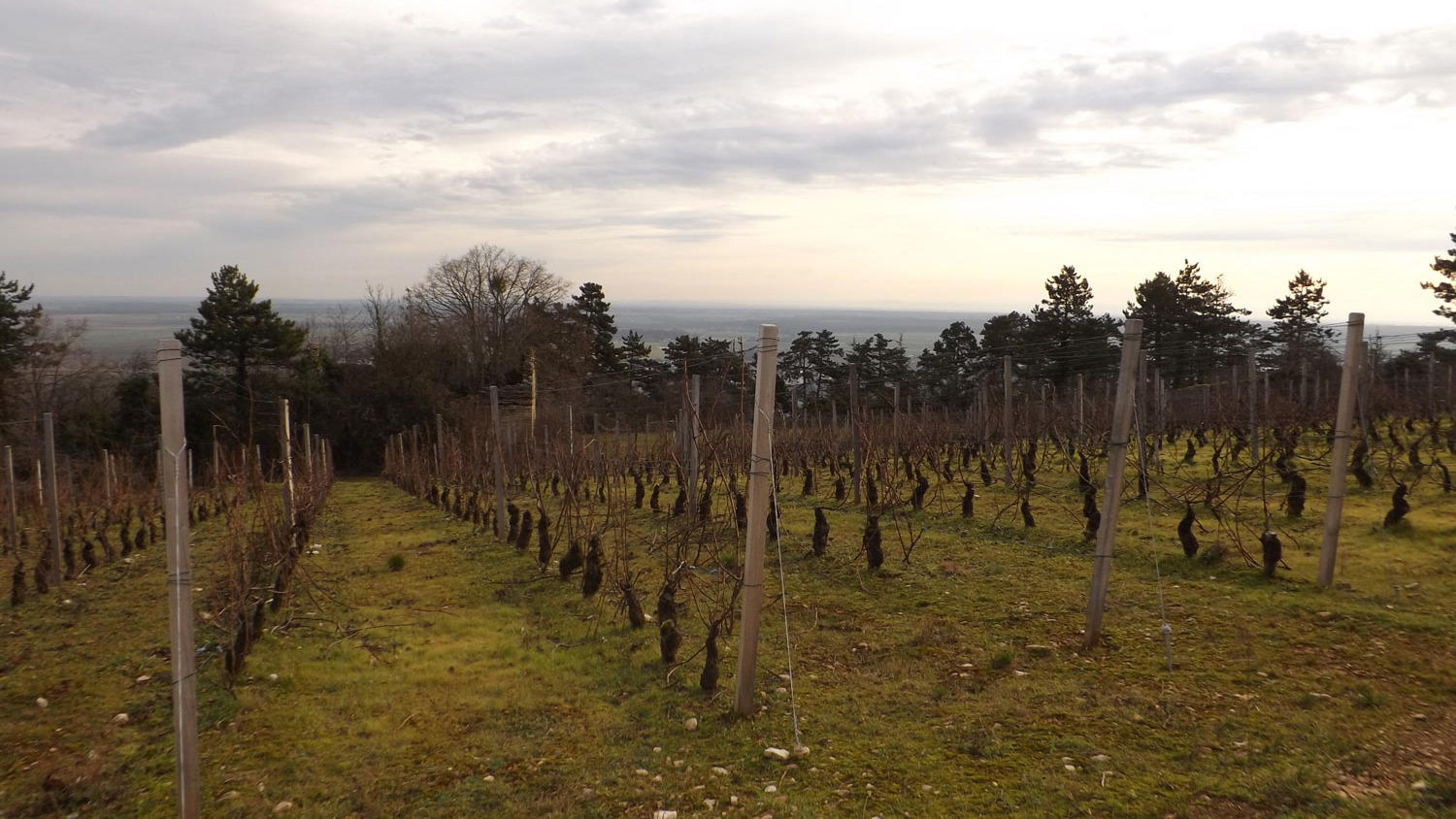
Approach the villages of Chablis on the D965 and the landscape tells you what the wines will taste like before you open a bottle. The plateau breaks open into a shallow valley cut by the Serein river, and the slopes on either side expose the Kimmeridgian limestone and clay that define the appellation more than any winemaker's intervention ever could. This is a producing region where the source material is the argument, and where a domaine's credibility is measured first by which parcels it holds, then by what it does with them. Domaine François Lamarche, under the direction of winemaker Nicole Lamarche, works within that logic. Visits are by appointment only, and the domaine is in Chablis, France.
The Geography Behind the Glass
Chablis is unusual among France's great white wine appellations in that its geological identity is unusually precise and unusually contested. The Kimmeridgian argument, that the specific marine-fossil limestone of the original Chablis vineyards produces a mineral signature unavailable elsewhere, has driven appellation politics, pricing debates, and producer positioning for decades. Within that context, Chablis divides practically into four appellations: Petit Chablis, Chablis, Premier Cru, and Grand Cru, with the seven Grand Cru lieux-dits all clustered on a single southwest-facing slope above the town. Producers who hold Grand Cru or Premier Cru parcels on this core slope work with source material that the broader market treats as the appellation's defining reference point.
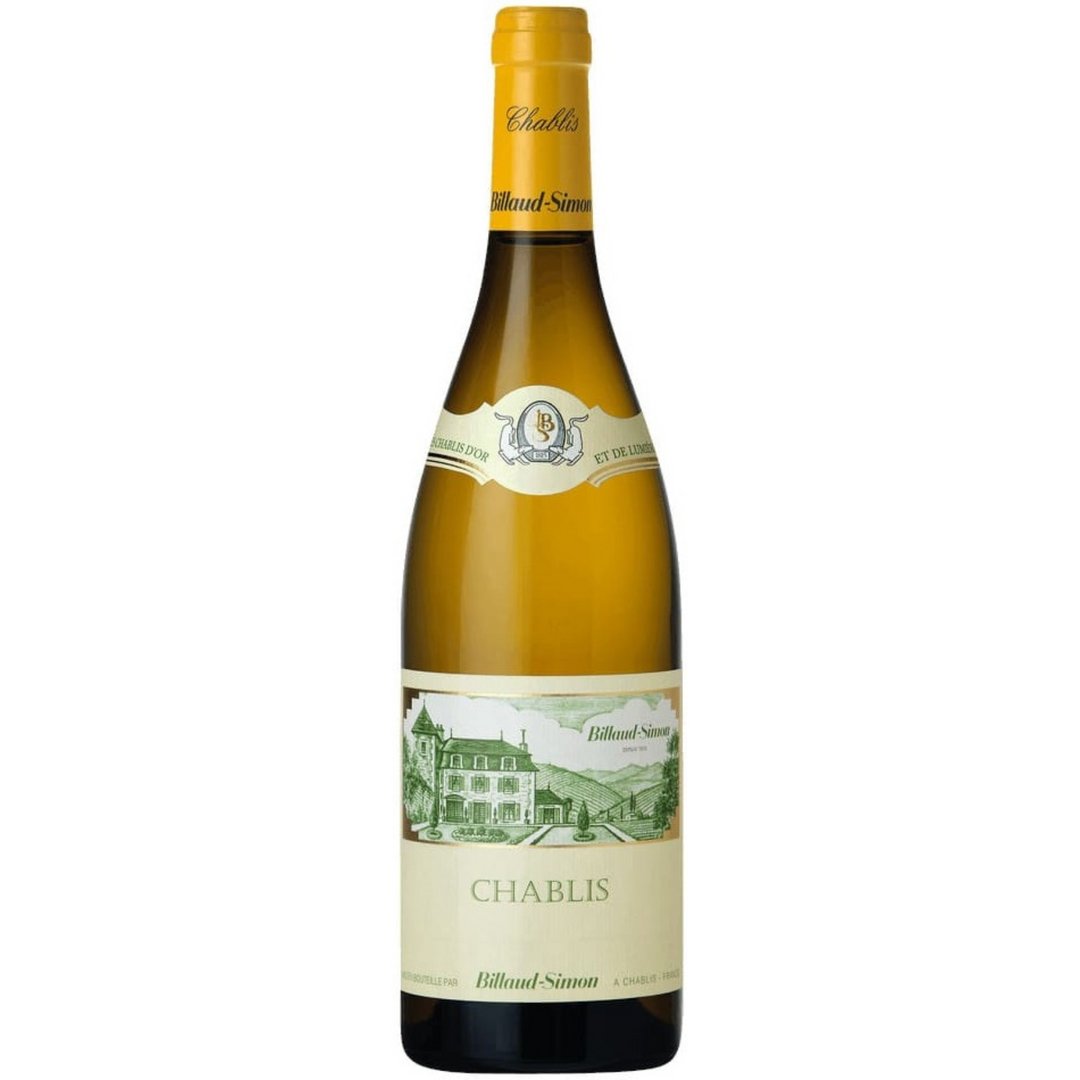
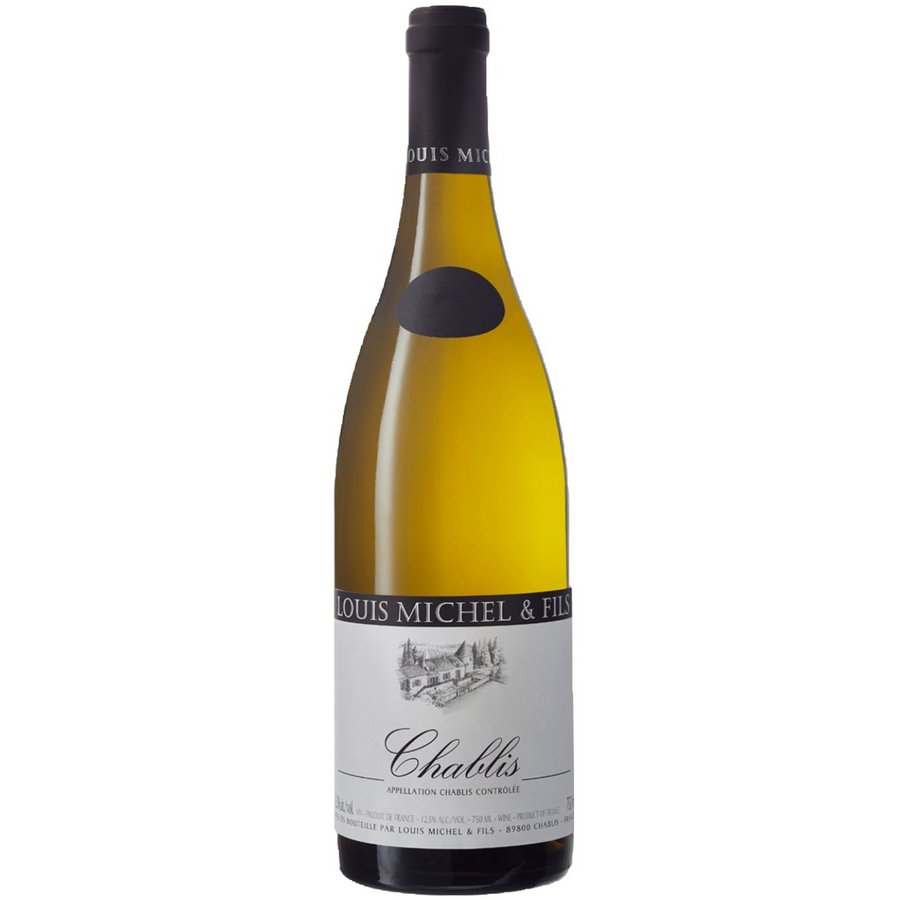
Domaine François Lamarche positions itself within this terroir-driven tradition. Nicole Lamarche's role as winemaker continues a family practice that has shaped the domaine's character over time, though the specific parcels held, vintage output, and current portfolio are best confirmed directly through the domaine. For context on the broader competitive set, Domaine William Fevre and Domaine Billaud-Simon represent the larger-scale end of serious Chablis production, while Domaine Eleni and Edouard Vocoret and Domaine Louis Michel and Fils sit closer to the family-scale model that Lamarche shares.
Sourcing as Statement: What Kimmeridgian Limestone Means in Practice
The editorial angle on any serious Chablis producer starts not in the cellar but in the vineyard, and specifically in the soil profile. The Kimmeridgian limestone that underpins the appellation's upper tiers dates to the Upper Jurassic period and is rich in the fossilised remains of a small oyster, Exogyra virgula. This is not geological romanticism, the chalky, porous quality of this soil produces Chardonnay with a particular tautness and saline edge that distinguishes it from Mâconnais or Burgundy Côte de Beaune expressions of the same grape. Producers working with parcels on this substrate are making a different argument about their wine than producers working on the Portlandian limestone that characterises some Petit Chablis areas.
For Domaine François Lamarche, the sourcing credential is inseparable from the appellation geography. Chablis does not have the complexity of producer diversity that the Côte d'Or offers, the argument here is more focused, and more geologically rooted. That focus is both the appellation's strength and its challenge: when a producer earns recognition here, the recognition reflects terroir management and winemaking restraint rather than varietal diversity or stylistic novelty.
Across the broader world of serious French wine production, the emphasis on sourcing as a primary credential appears at properties ranging from Albert Boxler in Niedermorschwihr to Château Bélair-Monange in Saint-Emilion, different appellations, but the same underlying logic that where the fruit comes from determines what the wine can become.
Nicole Lamarche and the Question of Continuity
In Chablis, as in much of Burgundy, generational succession carries a specific kind of weight. Particularly respected family domaines in the region, Raveneau and Dauvissat being particularly cited examples, maintain their reputations across decades precisely because the transition from one generation to the next preserves the agricultural and winemaking approach rather than redefining it. This conservatism is not timidity; it reflects a correct understanding that the vineyard, not the cellar, is the primary source of quality.
Nicole Lamarche's role as winemaker at Domaine François Lamarche places her in a tradition of family-led Chablis production where individual stewardship matters. Without disclosing fabricated biographical detail, what can be said accurately is that her presence signals continuity of purpose at the domaine, a consistency of approach that serious Chablis buyers treat as a positive signal. The domaine's 2025 award recognition supports this reading.
For a comparative view of family-scale French production at its most purposeful, Château Batailley in Pauillac and Château Branaire-Ducru in St-Julien offer analogues in the Médoc context, different grape and appellation, same underlying dynamic of family stewardship sustaining reputation over time.
The Chablis comparable set: Where Lamarche Sits
Chablis' upper-tier producer community is small. The domaines that consistently attract critical attention and allocation-level demand number in the dozens rather than the hundreds, far fewer than in the Côte d'Or. Within that group, Domaine François Raveneau and Domaine Vincent Dauvissat occupy a position that the market treats as sui generis: wines that trade at multiples of their release prices and require either long-standing relationships or secondary market access. Below that stratum but within the recognised quality tier sit domaines whose wines are more accessible but whose vineyard and winemaking credentials are similarly serious.
The winery. This is meaningful positioning: wines here can be purchased closer to release, visited at the domaine with the right approach, and drunk with less cellar time than the upper-tier allocation wines demand. For a buyer assembling a Chablis reference collection, this tier is frequently more practically useful than the benchmark names that exist primarily as aspirational references. La Chablisienne represents the cooperative model at the other end of the scale, high volume, consistent quality, different proposition entirely.
Planning a Visit: What to Know Before You Go
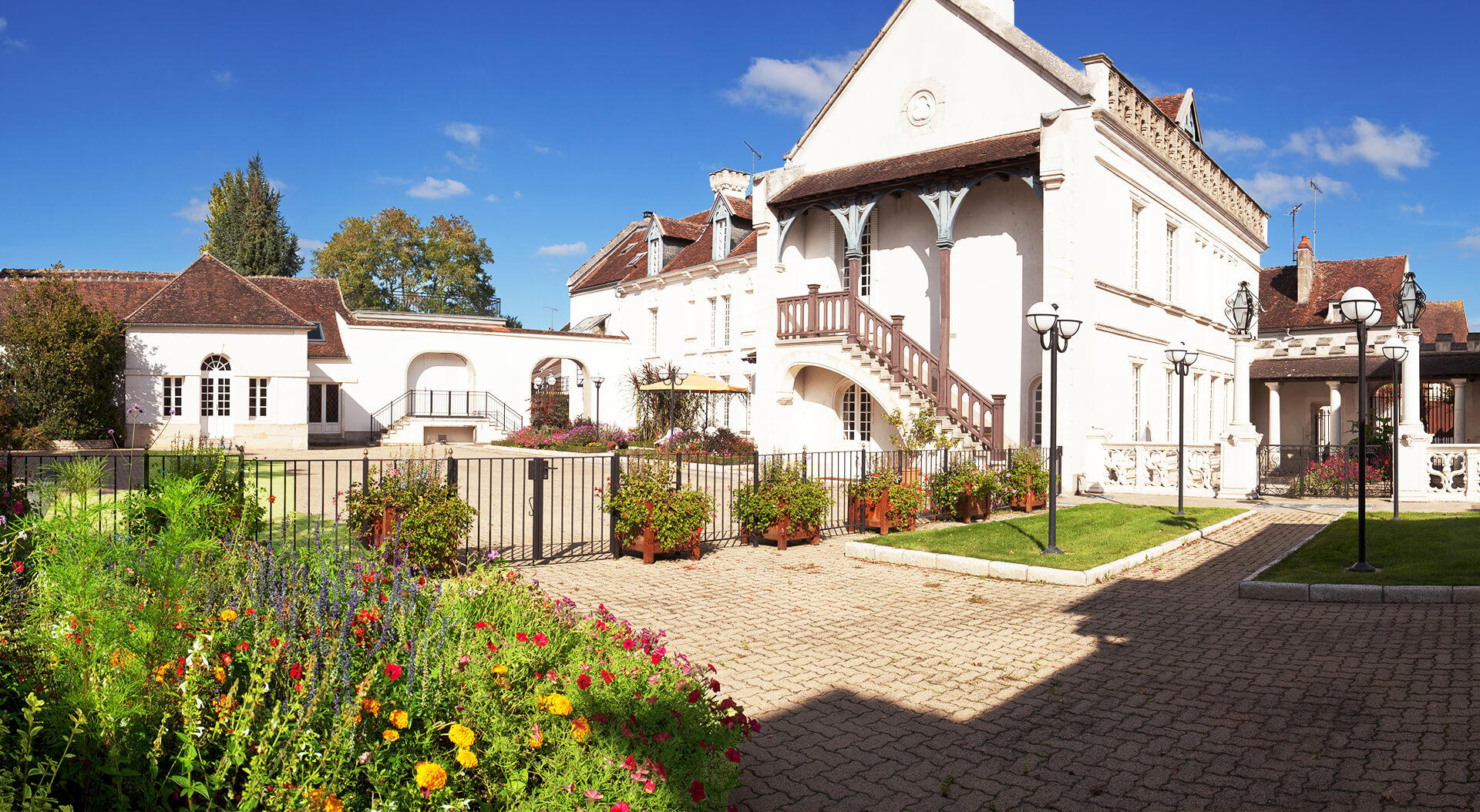
Chablis as a town is compact and navigable in a half-day if your primary objective is wine. The domaine address on Rue de Chichée places it within the town's producer cluster, where several of the appellation's most serious names operate from buildings that give little external indication of the wines being produced inside. This is characteristic of the region: Chablis does not perform luxury. The architecture is functional, the signage modest, and the expectation is that visitors arrive with prior knowledge and a specific purpose rather than discovering the domaine by accident.
Visits to family domaines at this level in Chablis are typically by appointment, confirmed in advance rather than walk-in. Those building a broader Yonne itinerary should consult our full Chablis guide for context on the appellation's geography and which other producers warrant time alongside Lamarche.
For reference, the kinds of serious allocation-level producers from entirely different French and international appellations that draw comparable planning effort include Château Bastor-Lamontagne in Preignac, Château Boyd-Cantenac in Cantenac, and further afield Accendo Cellars in St. Helena, each operating in a different regional context but with the same logic of sourcing-first, cellar-discipline-second that defines the winery's appellation.
Cuisine and Awards Snapshot
Comparable venues nearby, for context on price, style, and recognition.
| Venue | Cuisine | Price | Notes |
|---|---|---|---|
| Domaine François LamarcheThis venue — the venue you are viewing | Pinot Noir, Chardonnay | $$$$ | Not listed |
| La Chablisienne | Chardonnay | $$ | Chablis |
| Domaine Louis Michel & Fils | Chardonnay | $$$ | Chablis |
| Domaine Moreau-Naudet | Chardonnay | $$$ | Chablis |
| Domaine Francois Raveneau | Chardonnay | $$$$ | Chablis |
| Domaine Willian Fevre | Chardonnay, Sauvignon Blanc | $$$ | Chablis |
Continue exploring
More in Chablis
Wineries in Chablis
Browse all →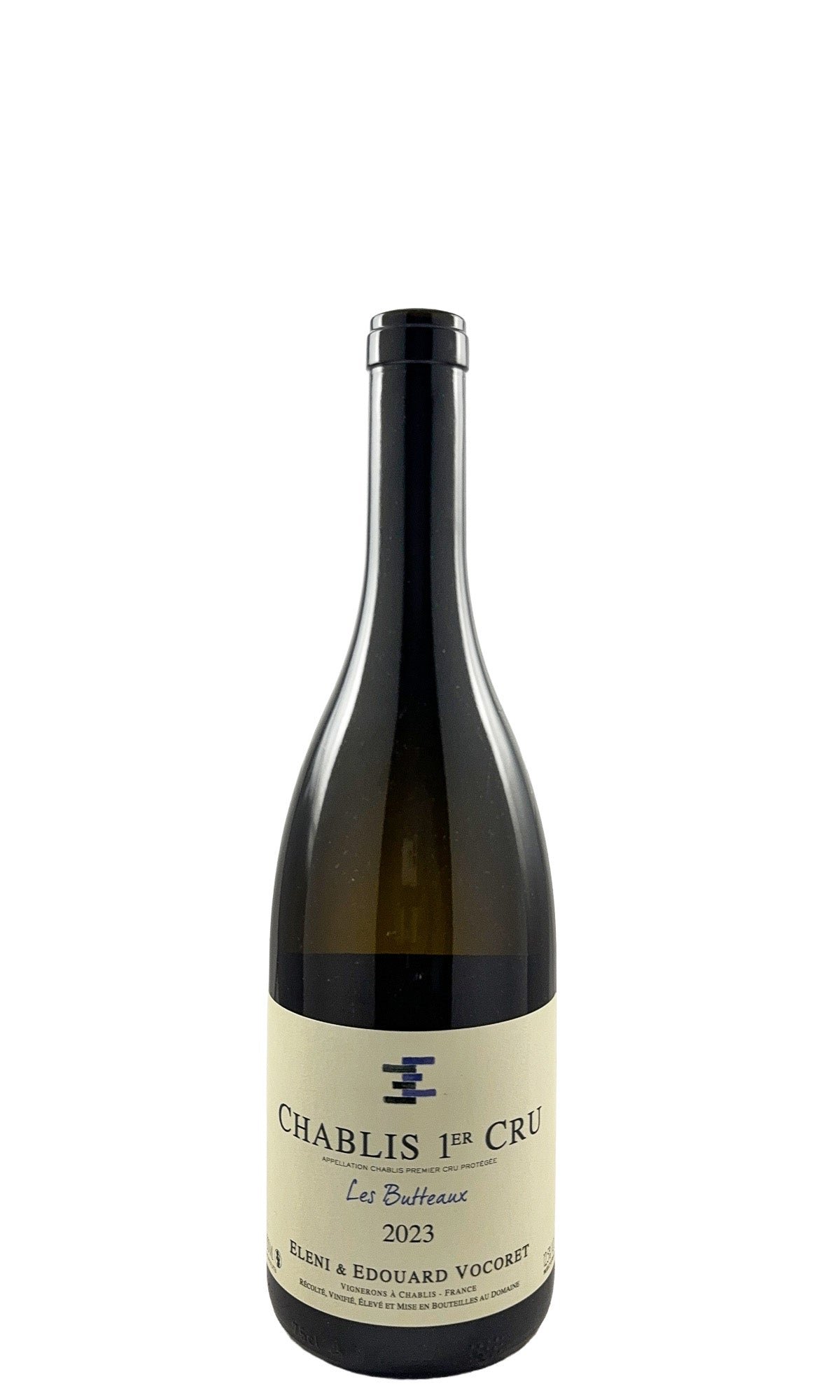
Bars in Chablis
Browse all →
Restaurants in Chablis
Browse all →
At a Glance
- Elegant
- Classic
- Sophisticated
- Intimate
- Wine Education
- Special Occasion
- Romantic Getaway
- Barrel Room
- Estate Grounds
- Private Tasting
- Sustainable
- Vineyard
- Vosne Romanée AOC
- Pinot Noir
- Chardonnay
- Still Red
- Private Tasting
- Barrel Tasting
Light-touch, sensually soft winemaking style reflected in delicate, racy wines with crisp red fruit character and wonderful intensity; understated elegance in presentation.