
Domaine Billaud-Simon sits at the northern edge of Burgundy's Chardonnay map, where Kimmeridgian limestone and a continental climate produce Chablis of pronounced mineral tension..
Pearl is the En Primeur Club membership app — saves, bookings, and concierge access live there. Same editors, same standards.
- Address
- 1 Quai de Reugny, 89800 Chablis
- Phone
- +33 3 86 42 10 33
- Website
- billaud-simon.com
- Directions
- Get directions
 Saves & bookings on Pearl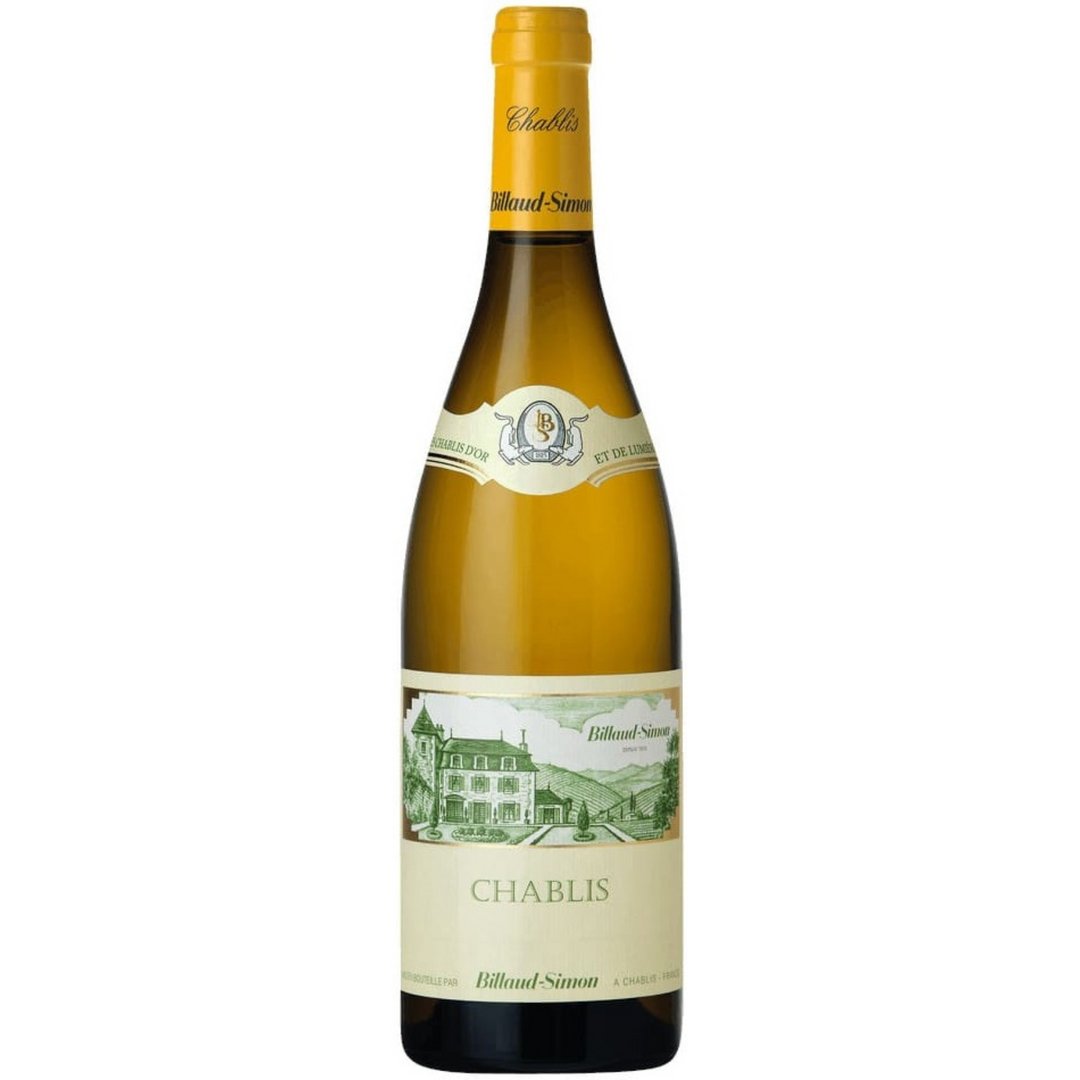
Where the Serein Valley Shapes the Wine
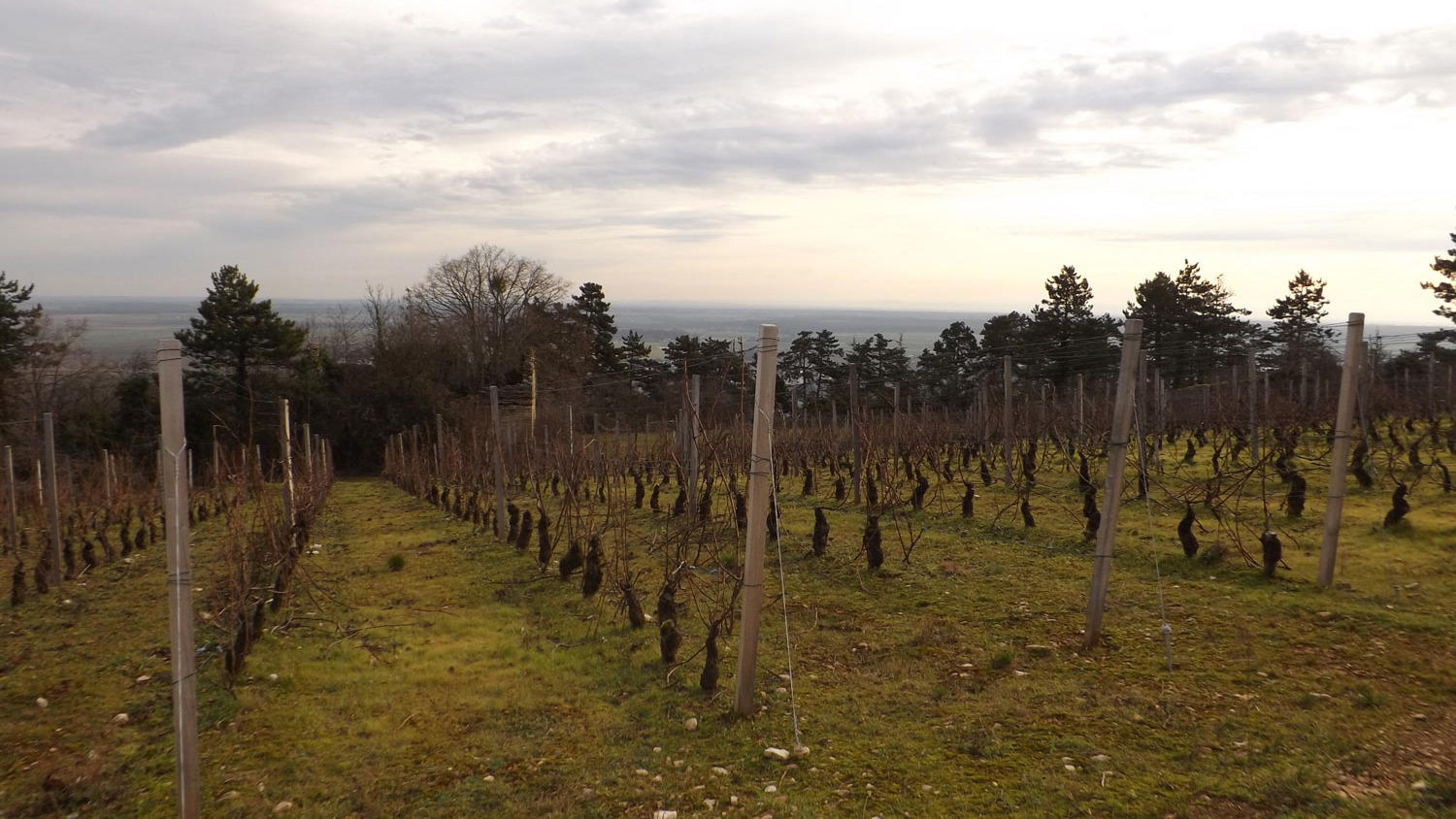
Approach Chablis along the D965 in early morning and the logic of this appellation becomes physical. The Serein river cuts a shallow valley through chalky hillsides, the vineyards tilt toward pale light, and the air carries a coolness that Burgundy's Côte d'Or never quite replicates. This is the northern frontier of serious French Chardonnay, a full 100 kilometres north of Beaune, and that geography is not incidental. It is the argument. Domaine Billaud-Simon, at 1 Quai de Reugny in Chablis, is positioned at the literal and figurative centre of this argument.
Chablis occupies a category of its own within Burgundy's hierarchy. Where the Côte de Nuits trades in the brooding depth of Pinot Noir and the Côte de Beaune delivers Chardonnay shaped by richer soils, Chablis produces a wine that is architecturally different: taut, saline, mineral-driven, and built for ageing in ways that immediately accessible styles are not. The region's 2025 recognition landscape continues to validate producers who hold to those principles rather than softening them for international palates.
Kimmeridgian Limestone and What It Actually Means
The term Kimmeridgian appears on tasting notes and wine lists across Chablis, often without explanation. The specifics matter here. The Kimmeridgian is a geological layer of limestone and clay dating to the late Jurassic period, embedded with fossilised oyster shells from an ancient sea. In Chablis's Grand Cru and Premier Cru plots, this subsoil is the primary driver of the wine's character. It drains efficiently, forcing vine roots deep in search of water, concentrating flavour and creating the mineral tension that distinguishes serious Chablis from Chardonnay grown elsewhere in France.
The contrast with Portlandian limestone, which underlies the flatter Petit Chablis plots to the northwest, is measurable in the glass. Wines from Kimmeridgian terroir carry more precision, a saline persistence, and what critics describe as a "wet stone" quality that dissipates with extended oak contact. The choice not to mask that expression with heavy new oak is not a stylistic accident among Chablis's most respected producers. It reflects an understanding that Kimmeridgian terroir communicates clearly when it is not interrupted. Domaine Billaud-Simon's position within this tradition aligns it with peers including Domaine Louis Michel & Fils and Domaine Eleni & Edouard Vocoret.
The Appellation's Internal Hierarchy
Chablis operates across four classification tiers: Petit Chablis, Chablis, Premier Cru, and Grand Cru. The Grand Cru climat covers roughly 100 hectares on a single south-facing slope north of the town centre, divided into seven named plots. The Premier Crus are more dispersed, spread across both banks of the Serein, and include names such as Montée de Tonnerre, Fourchaume, and Montmains that appear consistently in critical assessments of the appellation's most site-expressive bottles.
For visitors approaching the region through producers rather than through retail, this hierarchy provides a useful navigational tool. A domaine working across multiple Premier Cru and Grand Cru plots is demonstrating breadth of terroir access that smaller holdings cannot match. That breadth allows direct comparison across sites within a single harvest, which is one reason why visiting a domaine directly at harvest or in the months that follow produces a different level of understanding than tasting a single bottling. Billaud-Simon's address on the Quai de Reugny puts it close to the town's core, where several of Chablis's principal producers receive visitors who book in advance. The Serein river itself is visible from this stretch of road, providing a reminder of the drainage dynamics that regulate vine stress across the valley.
For context on the wider appellation, La Chablisienne represents the cooperative tier, aggregating fruit from across the appellation's full geographic spread, while Domaine William Fevre operates with significant Grand Cru holdings and resources that position it at a different scale. Billaud-Simon occupies a middle position: family-scaled, with a portfolio that spans the appellation's quality tiers and a 2025 award profile that confirms critical standing.
Continental Climate and the Risk Premium
Chablis's northerly position within Burgundy introduces a climatic dimension that producers in the Côte d'Or do not face at the same intensity. Spring frost is the region's recurring production risk. The Serein valley's geography concentrates cold air on still nights, and frost events in April have historically devastated yields for multiple successive vintages. The adaptation strategies across the appellation range from smudge pots and wind machines to the now-rare practice of frost candles lit across the vineyard floor at 3am during a cold snap in April.
For the collector or serious visitor, this risk premium translates directly into vintage variation that is more pronounced in Chablis than in warmer Burgundian appellations. A warm, frost-free year with good September conditions produces generous, broader wines. A frost-affected, tight-yielding year produces concentration and tension at the cost of volume. Understanding which years produced which character is more consequential here than in regions where climate moderation is more reliable. This is one reason why the appellation's producers who age gracefully and communicate terroir across variable conditions are valued differently from those who produce consistent commercial volume.
Across France's other northern wine regions, similar dynamics play out. Producers such as Albert Boxler in Niedermorschwihr navigate Alsace's continental margin, while the risk profiles of Bordeaux properties including Château Batailley in Pauillac and Château Branaire Ducru in St-Julien are shaped by Atlantic influence rather than the inland continental exposure that defines Chablis's production calendar. Further afield, Domaine François Lamarche in Vosne-Romanée and Château Bélair-Monange in Saint-Emilion represent the appellation contrast that gives Billaud-Simon's Chablis its regional identity.
Planning a Visit
Chablis town is compact and accessible by car from Paris in roughly two hours via the A6 and A77 motorways, making it a realistic day trip for serious wine travellers based in the capital, though most who arrive with genuine intent stay for at least one night. The town's accommodation options are limited, which concentrates visitor traffic into a manageable seasonal window. Late September through early October coincides with harvest activity and is the period when the vineyards are most visually compelling; the vines carry their fruit load and the Serein valley takes on a light quality specific to early autumn in northern Burgundy.
Visits are by appointment only, and contacting producers several weeks ahead is standard practice. Chablis operates without the structured tourism infrastructure of, say, Napa Valley or Burgundy's Beaune, which means visitor experiences are more direct and less packaged. For visitors building a broader Burgundy itinerary, our full Chablis guide maps the appellation's producers and dining options across the town and surrounding villages.
In Context: Similar Options
Comparable venues nearby, for context on price, style, and recognition.
| Venue | Cuisine | Price | Notes |
|---|---|---|---|
| Domaine Billaud-SimonThis venue — the venue you are viewing | Chardonnay | $$$ | Not listed |
| Domaine Willian Fevre | Chardonnay, Sauvignon Blanc | $$$ | Chablis |
| La Chablisienne | Chardonnay | $$ | Chablis |
| Domaine Moreau-Naudet | Chardonnay | $$$ | Chablis |
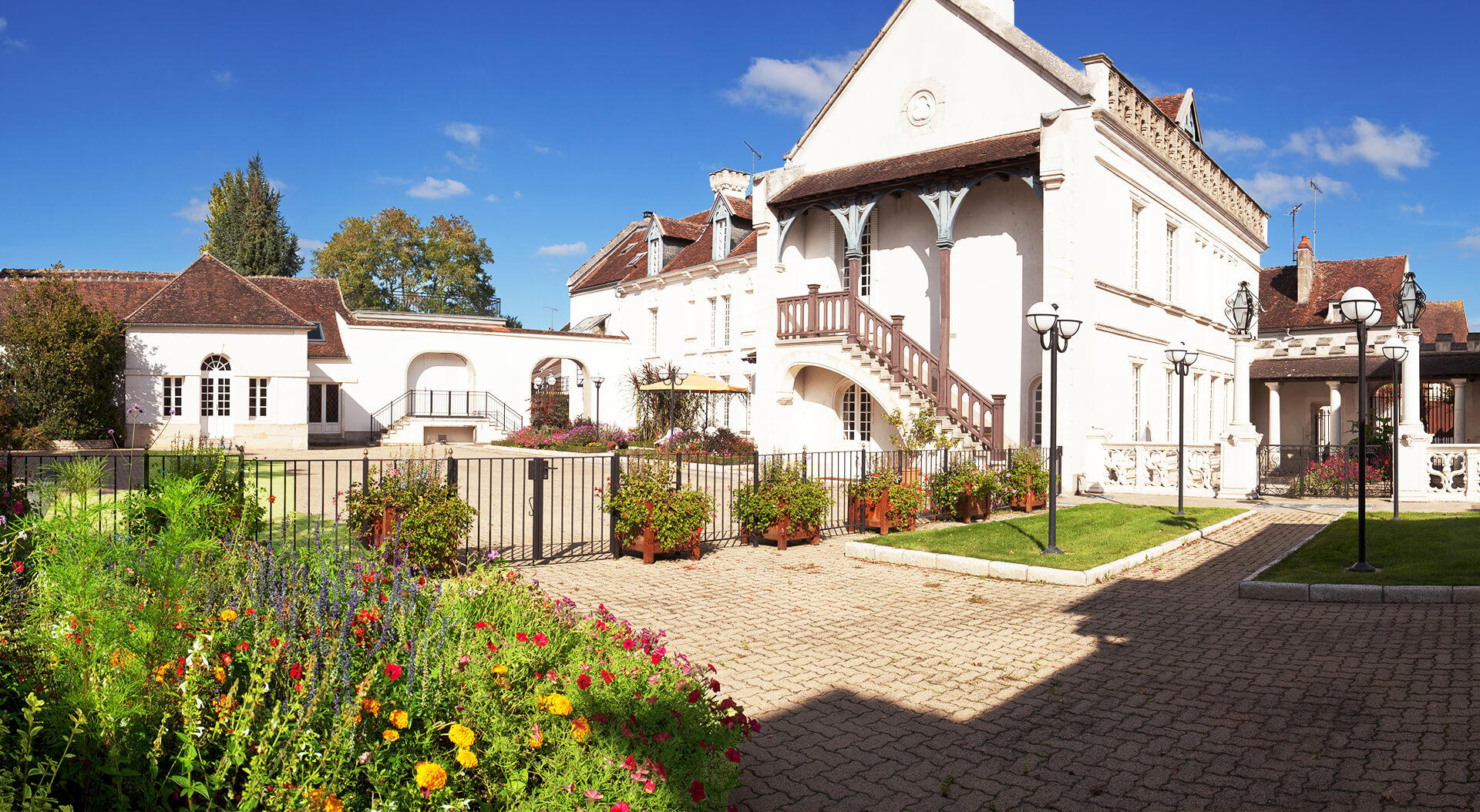
| Domaine Louis Michel & Fils | Chardonnay | $$$ | Chablis |
| Domaine Eleni & Edouard Vocoret | Chardonnay | $$$ | Chablis |
Recognition history
Dated appearances from independent guides and award organizations, with the underlying list record or original source where available.
Falstaff Winery - Listed
Falstaff
Continue exploring
More in Chablis
Wineries in Chablis
Browse all →

Bars in Chablis
Browse all →
Restaurants in Chablis
Browse all →
At a Glance
- Elegant
- Classic
- Sophisticated
- Wine Education
- Solo Exploration
- Special Occasion
- Vineyard Tour
- Estate Grounds
- Vineyard
- Chablis AOC
- Chardonnay
- Still White
- Cave Tasting
Elegant and refined with a focus on purity, minerality, and crisp freshness reflecting the Kimmeridgian terroir.